11 Festive Dinner Ideas So Bad Guests Never Ask for Seconds

Festive dinners come with high expectations. They’re meant to impress, comfort, and bring everyone back for seconds. But some holiday classics look far better on the table than they taste on the plate. Whether it’s overcooking, poor balance, or dishes that simply don’t hold up once served, these meals often miss the mark despite the effort behind them. They’re the kinds of dinners guests politely finish, then quietly avoid revisiting. Understanding why these dishes fail reveals how easily celebration can turn into disappointment when execution falls short. In the end, good intentions can’t always save a dish that misses its fundamentals.
1. Overcooked Holiday Turkey
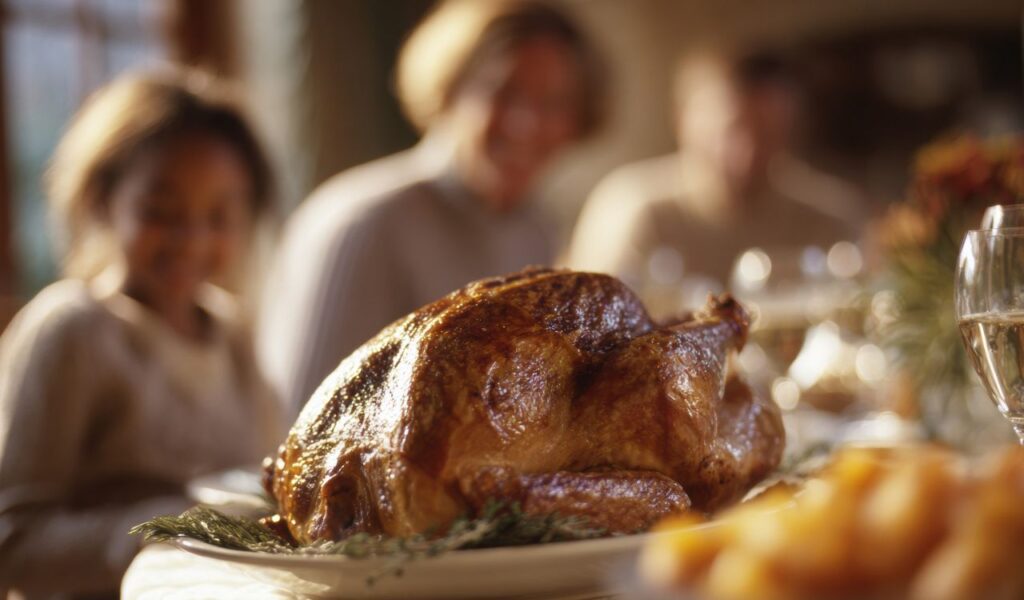
Few dishes carry more pressure than a holiday turkey, which is exactly why it so often goes wrong. Turkey is a lean bird, especially in the breast, and prolonged exposure to heat quickly drives out moisture. Many cooks rely on time estimates rather than internal temperature, leading to a bird that stays in the oven far too long. Stuffing the cavity can also slow heat transfer, causing uneven cooking where the breast dries out before the legs are safe. Resting is often rushed, which prevents juices from redistributing. By the time the turkey reaches the table, the meat tastes chalky and fibrous, forcing guests to rely on gravy for survival rather than enjoyment.
2. Dry Roast Beef
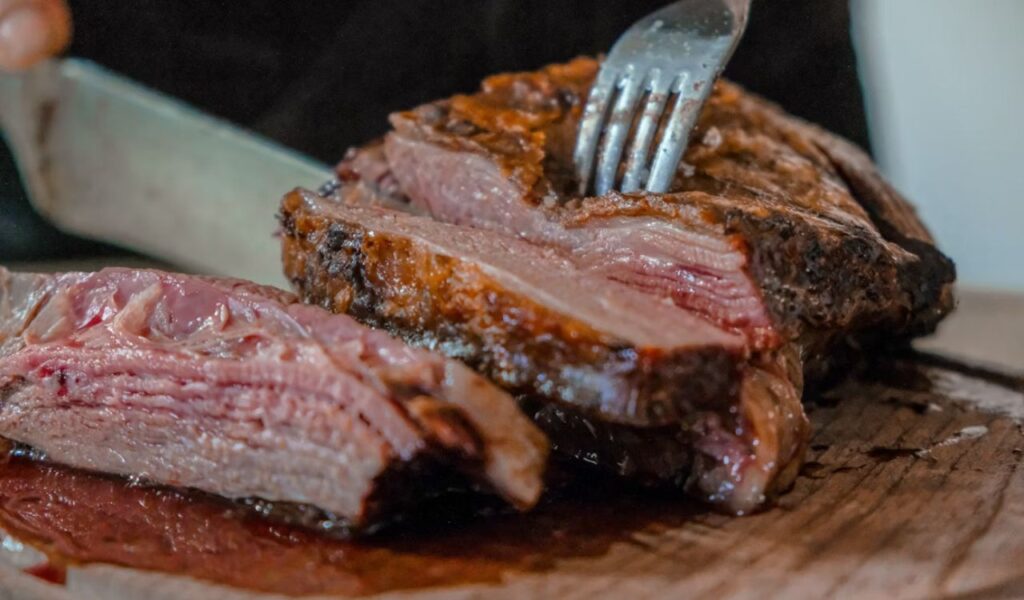
Roast beef sounds impressive, but it punishes even small mistakes. Choosing a cut that is too lean or roasting it past medium strips away tenderness. Beef muscle fibers tighten as temperature rises, squeezing out moisture and leaving a dense texture. Many cooks also skip resting, causing juices to spill out the moment the meat is sliced. Without enough seasoning or fat, roast beef can taste metallic and flat. Guests may appreciate the presentation, but once they start chewing, enthusiasm fades. A dry roast beef forces diners to work harder than they should, and no one asks for seconds when chewing feels like effort rather than pleasure.
3. Dry Holiday Pork Roast
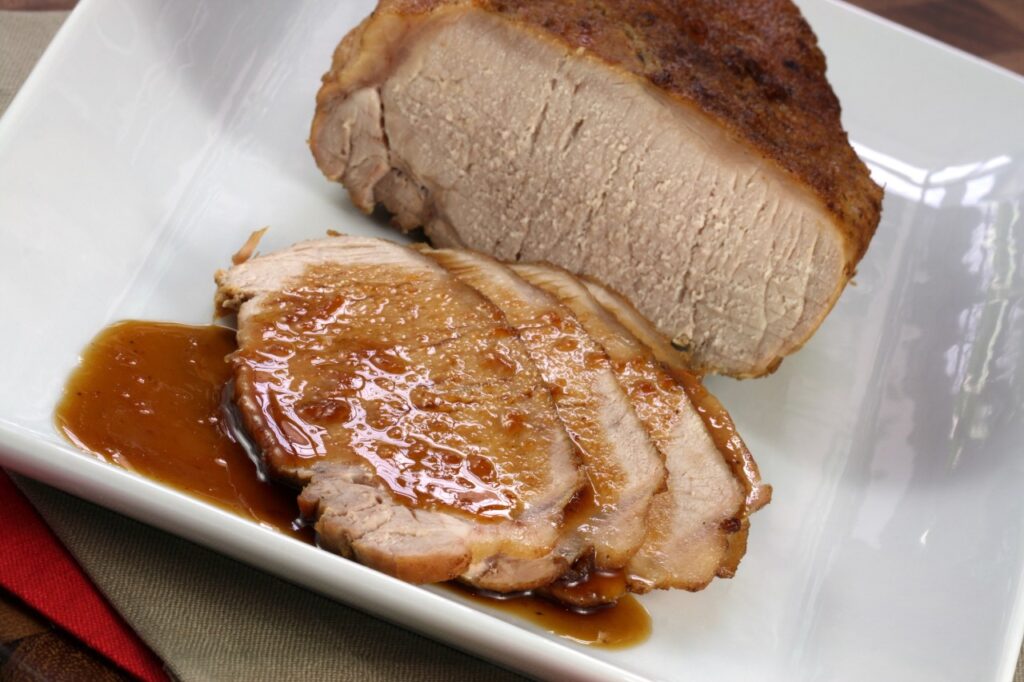
Pork roast suffers when cooks treat it like beef. Lean cuts dry out quickly when cooked past their ideal temperature. Without brining or sufficient fat, moisture loss is severe. The exterior may look impressive, but slicing reveals pale, tight meat that requires chewing effort. Seasoning often stays on the surface instead of penetrating the roast. Guests rely heavily on gravy or sauce just to make it palatable. The dryness signals disappointment immediately, and most diners quietly move on rather than returning for seconds. Resting the roast too briefly makes the problem worse by letting juices escape immediately. Once cooled, the meat becomes even firmer and less appealing on the plate.
4. Bland Vegetable Casserole
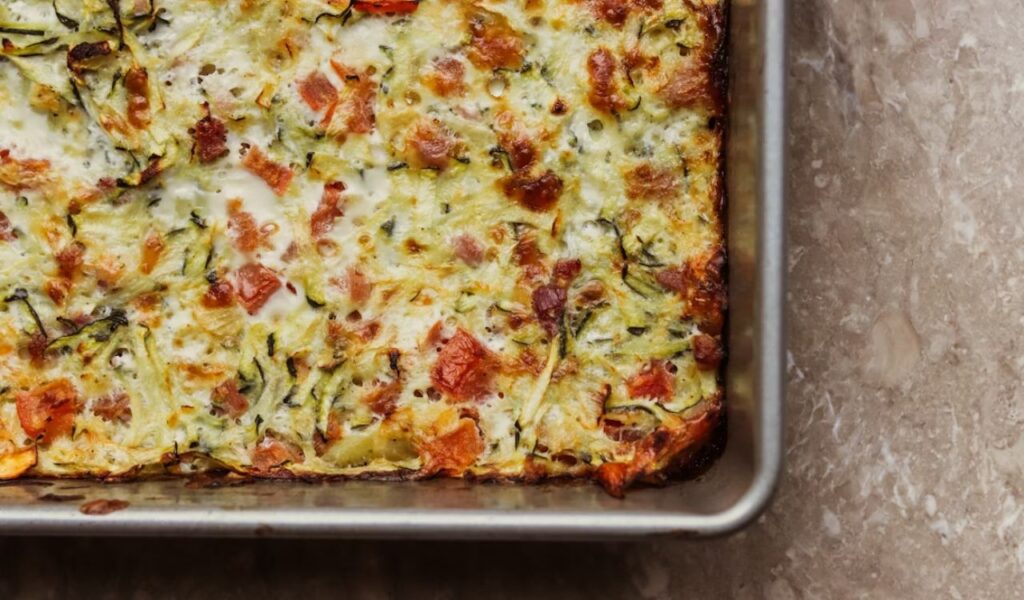
Vegetable casseroles often fail because they rely on cream or cheese without proper seasoning. Vegetables release water as they cook, diluting flavor and creating a mushy texture. When salt, acid, and herbs are underused, the dish tastes flat despite its richness. Overcooking further breaks down vegetables, erasing texture and freshness. Instead of highlighting vegetables, the casserole becomes a beige, indistinct mass. Guests may take a courtesy spoonful, but blandness discourages repeat servings. What was meant to balance the meal ends up ignored after the first bite. A brief pre-roast or proper salting can prevent this dull, watered-down result.
5. Watery Pasta Bake
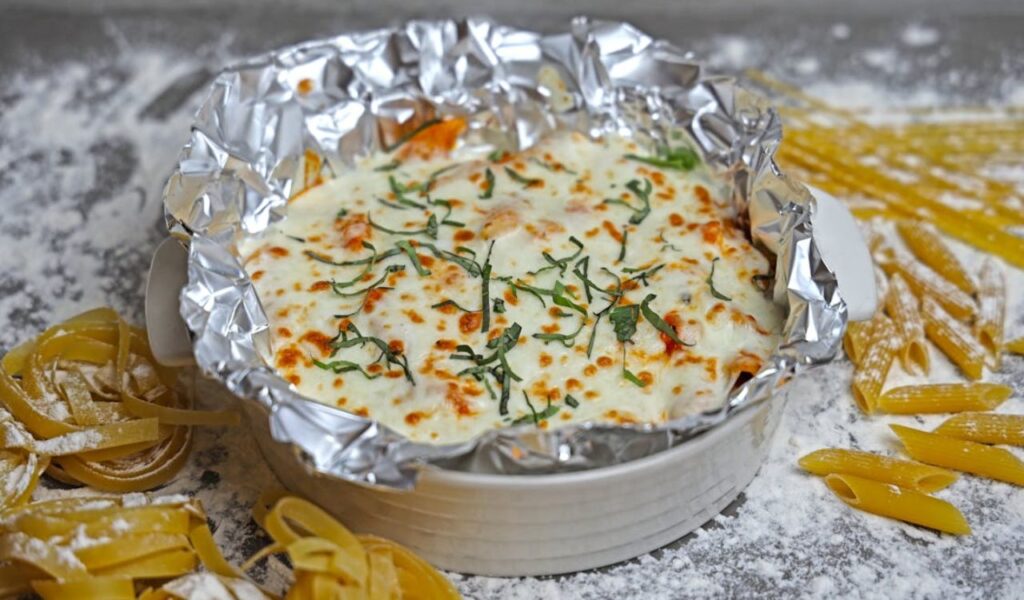
A pasta bake should feel comforting, but excess moisture ruins it quickly. Sauces that are too thin or vegetables not pre-cooked release water during baking, pooling at the bottom of the dish. Pasta absorbs some liquid, but once saturated, it turns soft and bloated. Cheese toppings may brown on top while the interior remains soupy. As the dish cools, starch thickens unevenly, creating a gluey texture. Guests encounter inconsistent bites, some watery and others dense. The lack of cohesion makes the dish feel unfinished, and few people are tempted to return for another serving. Draining fillings and tightening the sauce beforehand makes a noticeable difference.
6. Overcooked Salmon Fillet
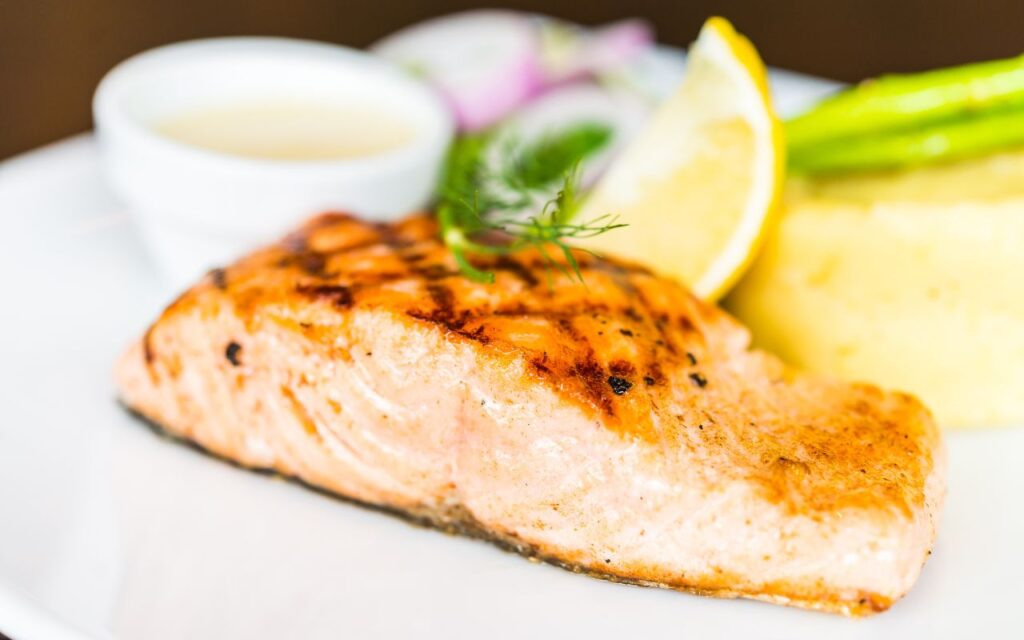
Salmon cooks fast and punishes hesitation. Just a few extra minutes push it from tender to dry. As proteins tighten, the fish loses its natural oils, leaving a chalky mouthfeel. Many cooks fear undercooking and compensate by leaving salmon on the heat too long. Without proper seasoning or sauce, dryness becomes obvious. The surface may look appealing, but inside the fish flakes into stiff pieces. Guests often eat it out of politeness, not pleasure. Once the moisture is gone, no garnish can bring it back, and second helpings never happen. Precise timing matters more with salmon than almost any other protein.
7. Rubbery Stuffed Mushrooms
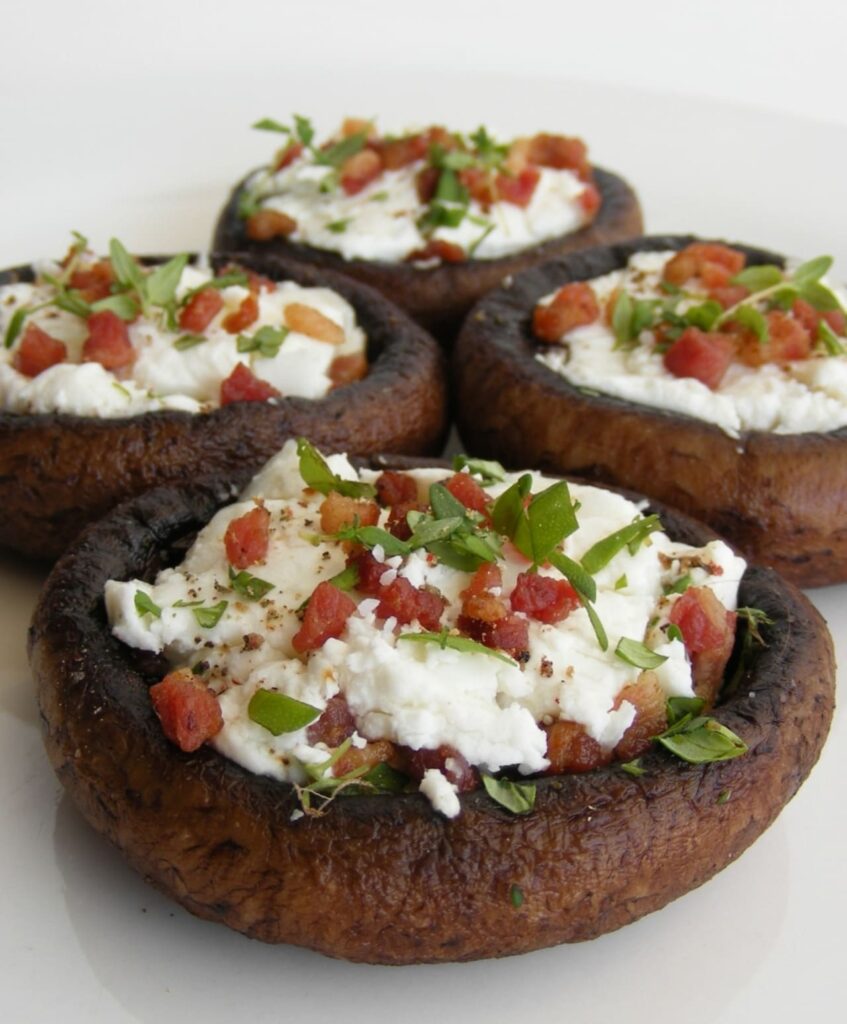
Stuffed mushrooms promise richness, but texture is their downfall. Mushrooms contain a lot of water, which releases rapidly under heat. If fillings are dense or mushrooms are overcrowded, moisture gets trapped, steaming rather than roasting them. This leads to caps that are limp and rubbery. Overcooking worsens the problem, tightening mushroom fibers. Fillings may be flavorful, but the unpleasant chew dominates the experience. Guests may enjoy the first bite, then quietly abandon the rest. Texture issues make these appetizers surprisingly unpopular. Spacing them out and using lighter fillings helps restore proper bite.
8. Soggy Bread Stuffing
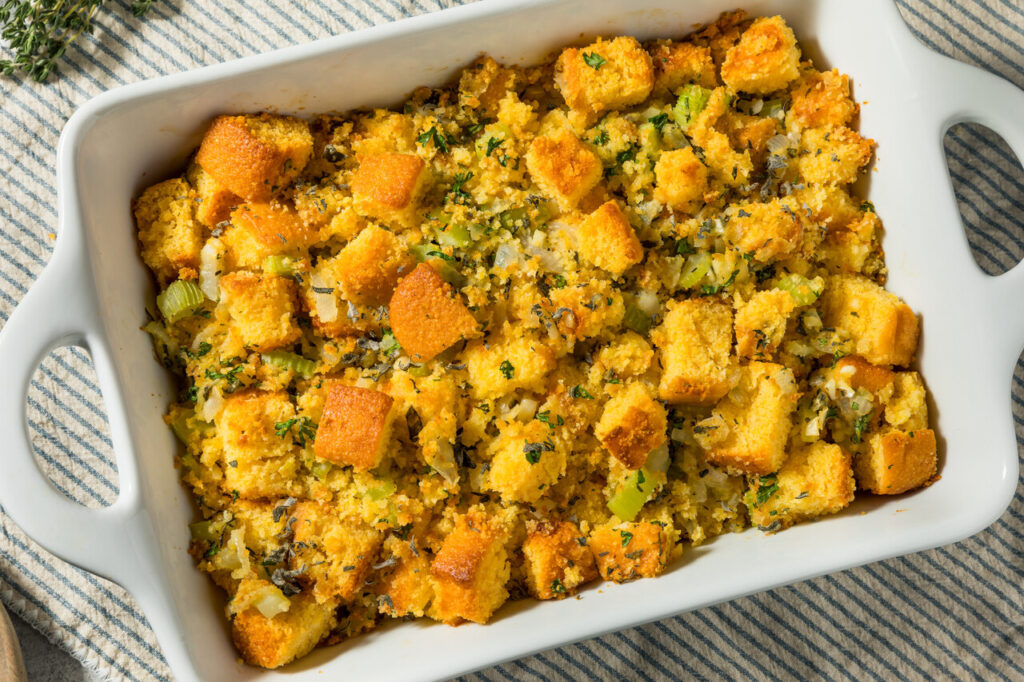
Stuffing depends on balance, and too much moisture destroys it. Bread absorbs liquid quickly, and excessive broth or underbaked cubes collapse into mush. Cooking stuffing inside poultry increases moisture even more, preventing crisp edges from forming. Without contrast between crisp and soft, the stuffing feels heavy and monotonous. Herbs lose impact when drowned, and flavors blur together. Guests expect a comforting texture, but sogginess delivers disappointment. Once the first spoonful falls flat, few people return for another helping. Baking it separately allows crisp edges to develop and saves the dish.
9. Undercooked Lasagna
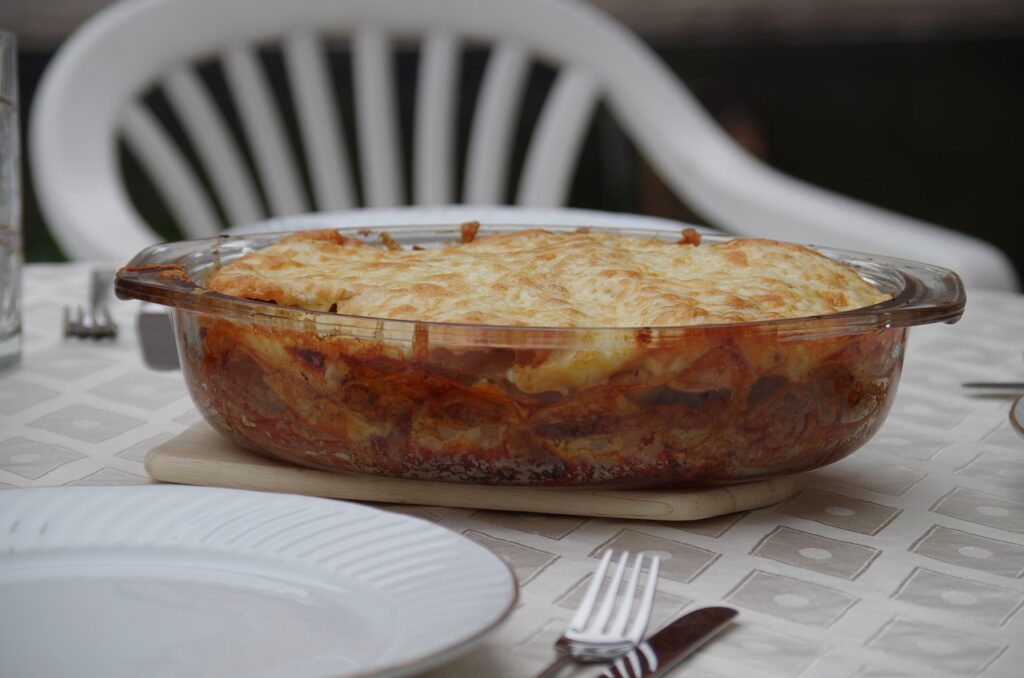
Lasagna demands patience, and skipping steps shows immediately. Undercooked noodles remain firm and resist slicing. Watery sauces prevent proper layering and structure. Without enough baking time, the dish never sets, collapsing when served. Cheese may melt, but the interior stays loose and uneven. Guests struggle to portion it cleanly, and the texture feels unfinished. Instead of rich and cohesive, the lasagna tastes chaotic. Most diners stop after a small serving, sensing the dish never quite came together. Resting time is also critical, as cutting too soon prevents layers from firming up. Uneven oven heat can leave edges cooked while the center lags.
10. Over-Sauced Meatloaf
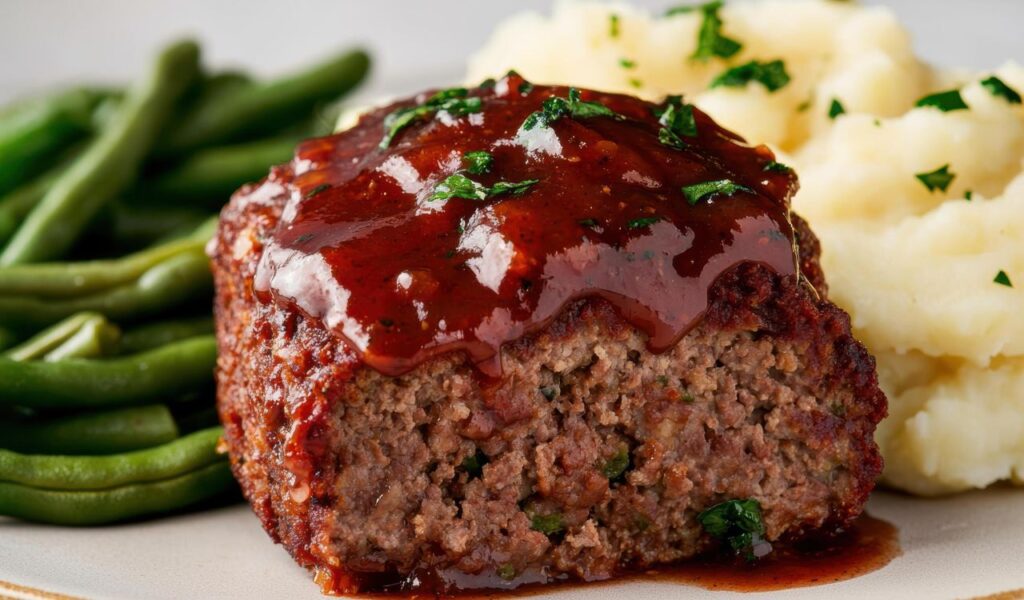
Meatloaf becomes a problem when the sauce overwhelms the structure. Thick layers of sugary ketchup or barbecue sauce trap steam during baking, preventing proper browning and leaving the loaf soft and greasy. Excess sauce also masks seasoning mistakes instead of fixing them, resulting in a one-note flavor dominated by sweetness. When sliced, the meatloaf often collapses, releasing moisture and fat onto the plate. Guests may enjoy the first bite, but the heavy texture and sticky finish quickly become tiring. What should feel comforting ends up dense and cloying, discouraging second helpings. The exterior lacks the savory crust that gives meatloaf contrast.
11. Dry Stuffed Chicken Breast
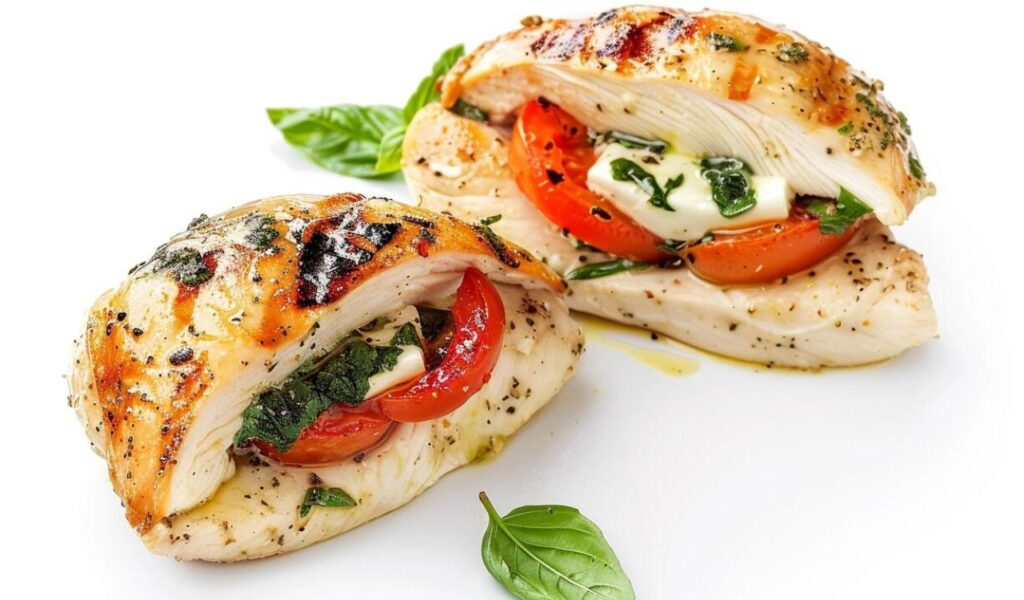
Stuffed chicken breast looks impressive but hides a common flaw. The breast cooks faster than the stuffing, encouraging overcooking to reach safe internal temperatures. As the lean meat dries, the filling remains hot but disconnected from the chicken itself. Without sufficient fat or brining, moisture loss is severe. Slicing reveals a dry outer layer and a dense interior. Guests appreciate the effort but quickly lose enthusiasm once chewing begins. The dish feels labor-intensive without delivering comfort. Uneven thickness makes consistent cooking difficult. Resting rarely restores lost moisture. Presentation cannot compensate for dryness.
12. Gluey Mashed Potatoes
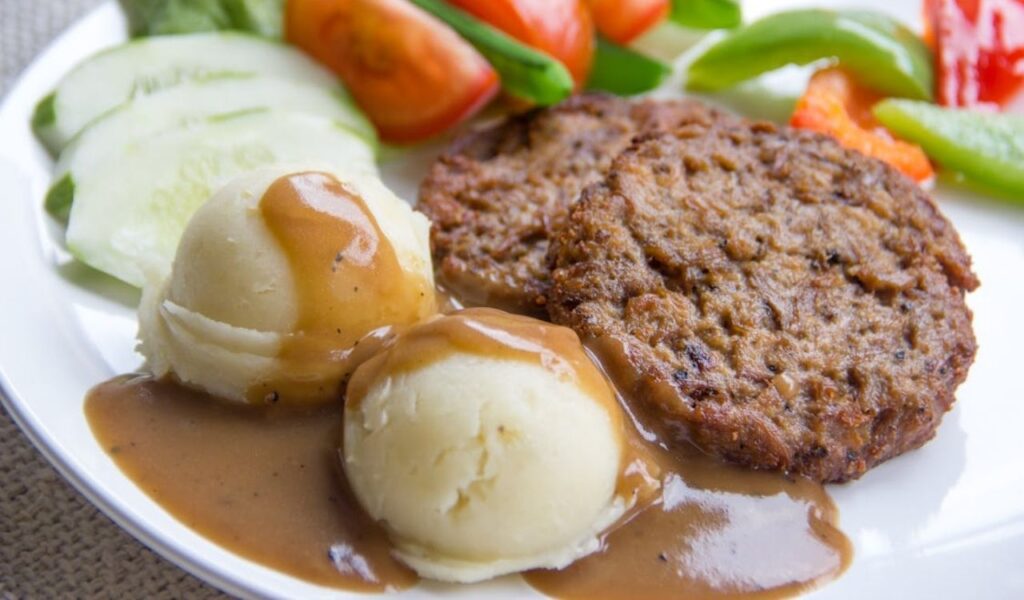
Mashed potatoes fail when overworked. Excessive stirring releases starch, turning fluffy potatoes into a sticky paste. Using the wrong potato variety worsens the problem. Adding cold dairy tightens starch further, creating a dense texture. Instead of smooth and comforting, the potatoes cling to the spoon. Flavor may be fine, but mouthfeel drives people away. Guests take a small scoop and stop there. Texture alone is enough to kill appetites for seconds. Reheating often makes the gluey texture even worse. Extra butter cannot fix the underlying starch issue. What should be soothing becomes oddly heavy.