These 11 Grocery Products Didn’t Get Smaller by Accident


Grocery shopping can feel familiar and predictable. You reach for the same cereal, snacks, and household staples you have bought for years. The packaging often looks identical, giving the impression that nothing has really changed.
But a closer look at the label sometimes tells a different story. Many products have quietly shrunk while their price has stayed almost the same. This practice, often called shrinkflation, allows companies to manage rising costs without making price increases obvious.
The result is subtle but real. Packages may hold fewer ounces, rolls may contain fewer sheets, and containers may deliver smaller portions than they once did. These changes are rarely accidental and often reflect careful decisions behind the scenes.
1. Breakfast Cereals
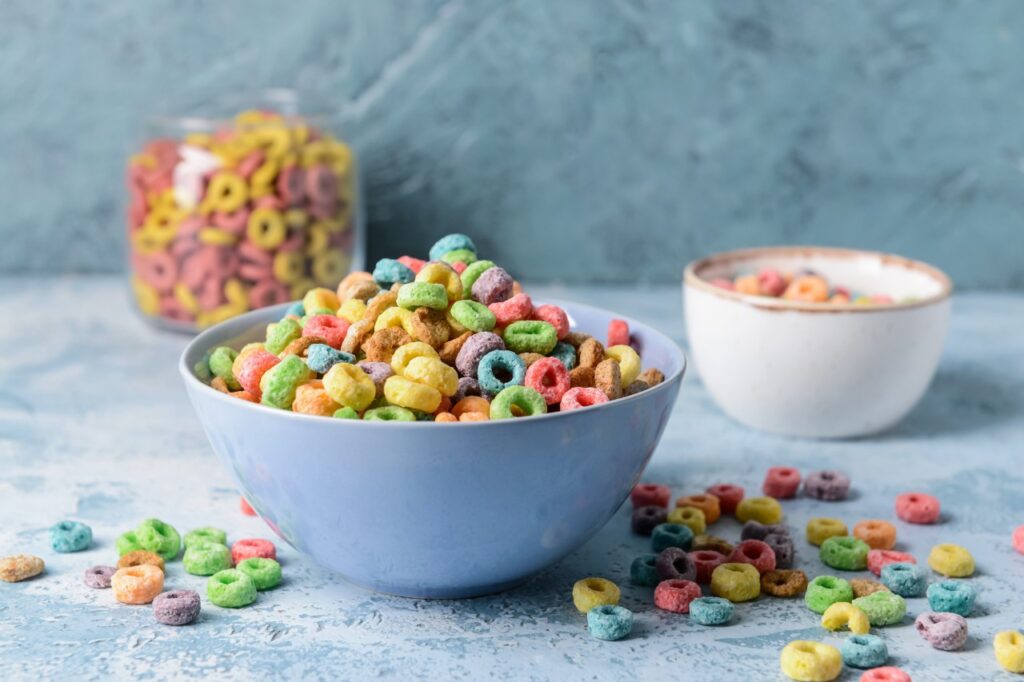
Few grocery staples reveal shrinking package sizes as clearly as breakfast cereal. The familiar cardboard boxes often look almost identical on store shelves, yet the amount of cereal inside has quietly changed over the years.
Manufacturers sometimes reduce the weight of the cereal while keeping the box size nearly the same. This creates the impression that the product has not changed, even though the actual contents may be several ounces less than before.
The strategy helps companies manage rising costs for ingredients, transportation, and packaging without sharply increasing the shelf price. For shoppers, however, it often means paying the same amount for fewer bowls of cereal, making careful label reading more important than ever.
2. Potato Chips and Snack Bags
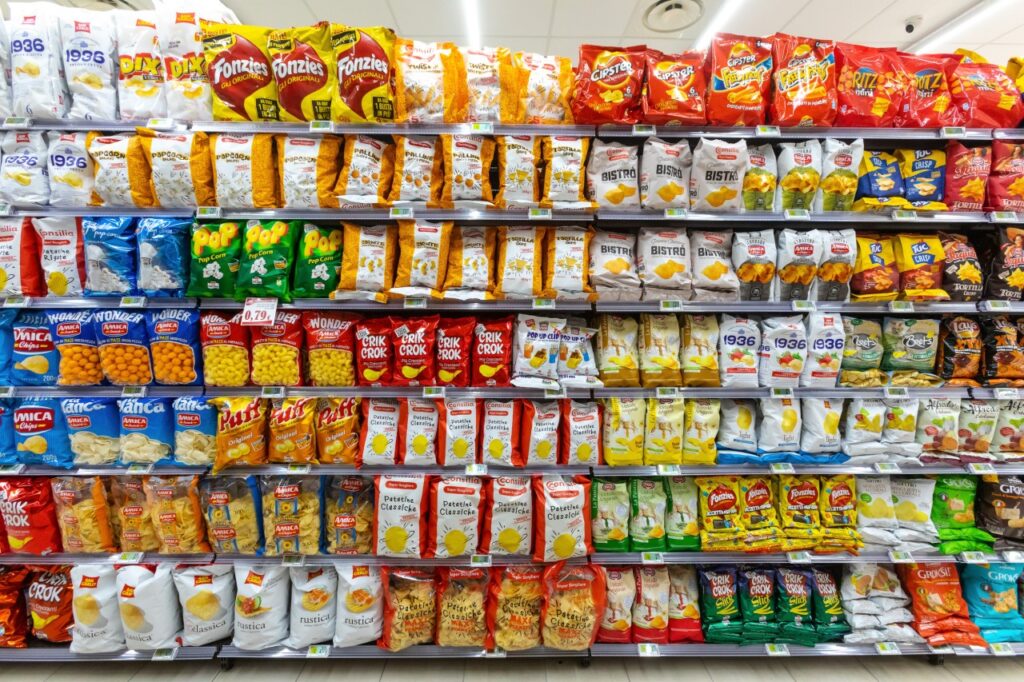
Snack foods are one of the most noticeable examples of shrinking grocery products. Potato chip bags may appear large, but the amount of chips inside has gradually declined over time.
Manufacturers often keep the bag size similar while reducing the net weight printed on the label. Because air is needed to protect fragile chips during shipping, the change can be easy to miss when consumers quickly grab a bag from the shelf.
By lowering the quantity instead of raising the price, companies can maintain a familiar price point. The result is a snack that looks the same on the outside but contains fewer chips than earlier versions.
3. Ice Cream Tubs
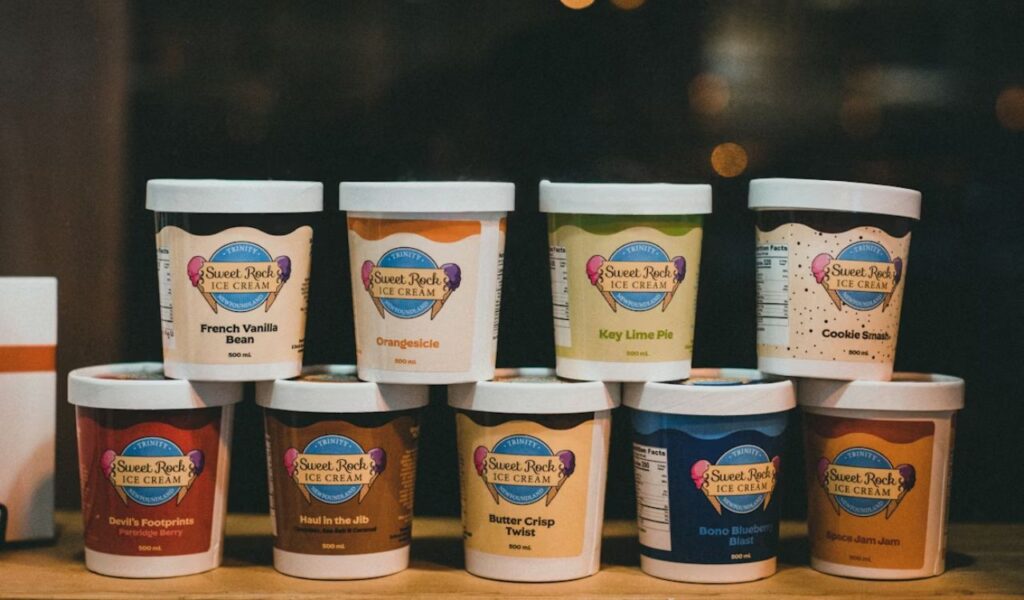
Ice cream packaging has quietly changed shape in many grocery stores. The classic half-gallon container that once held 64 ounces has slowly been replaced by smaller sizes.
Many brands now sell containers that hold around 48 ounces while keeping a similar shape and price. The difference can be easy to overlook unless shoppers check the printed volume carefully.
This change allows companies to offset rising costs for dairy, sugar, and transportation without making the price jump dramatically. Over time, however, it means that a single tub delivers noticeably fewer scoops than the traditional half-gallon.
4. Chocolate Bars
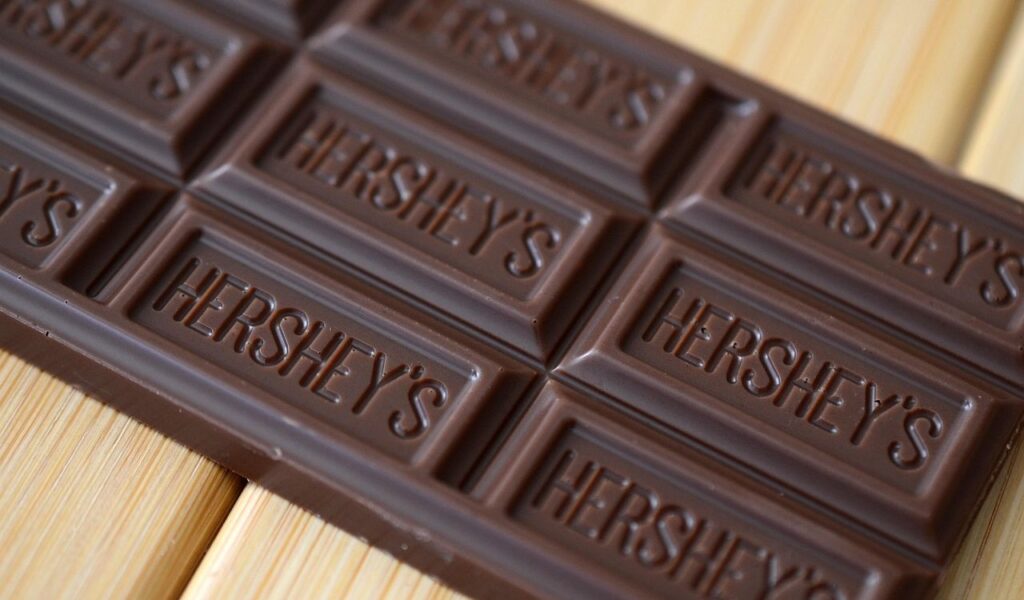
Chocolate bars offer a classic example of how shrinking products can happen in subtle ways. Sometimes the weight is reduced, while in other cases the shape of the bar changes to include deeper grooves or thinner sections.
These adjustments allow manufacturers to remove small amounts of chocolate without dramatically altering the appearance of the product. For casual shoppers, the bar often looks nearly identical to earlier versions.
The changes are usually driven by rising cocoa prices and higher production costs. Instead of increasing the price sharply, companies reduce the portion slightly, allowing the product to remain within a familiar price range.
5. Coffee Packages
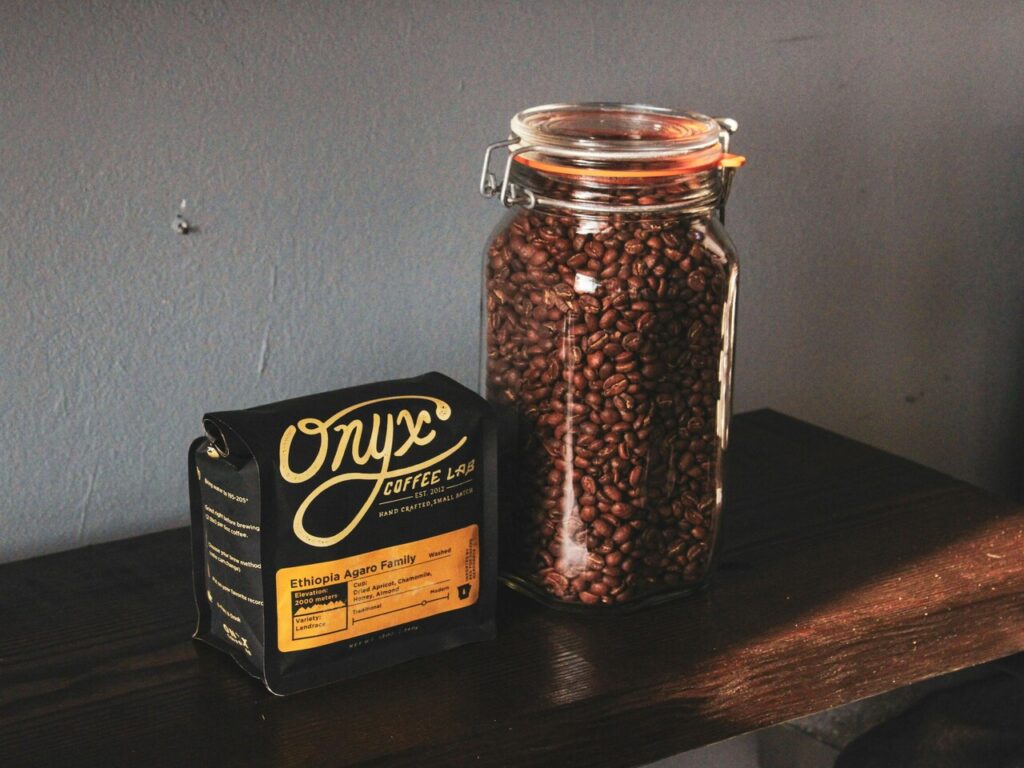
Coffee packaging has steadily changed as costs for beans and transportation have increased. Traditional one-pound bags once held 16 ounces of coffee, but many modern packages now contain noticeably less than that familiar amount.
Some brands sell bags weighing around 10 to 12 ounces while keeping packaging styles similar. Because the bags often look the same size on the shelf, the reduction may not be obvious at first glance for shoppers moving quickly through the aisle.
This adjustment helps companies manage fluctuating coffee bean prices without raising shelf prices too quickly. For regular coffee drinkers, however, it often means the bag runs out sooner than expected, leading to more frequent trips to restock.
6. Peanut Butter Jars
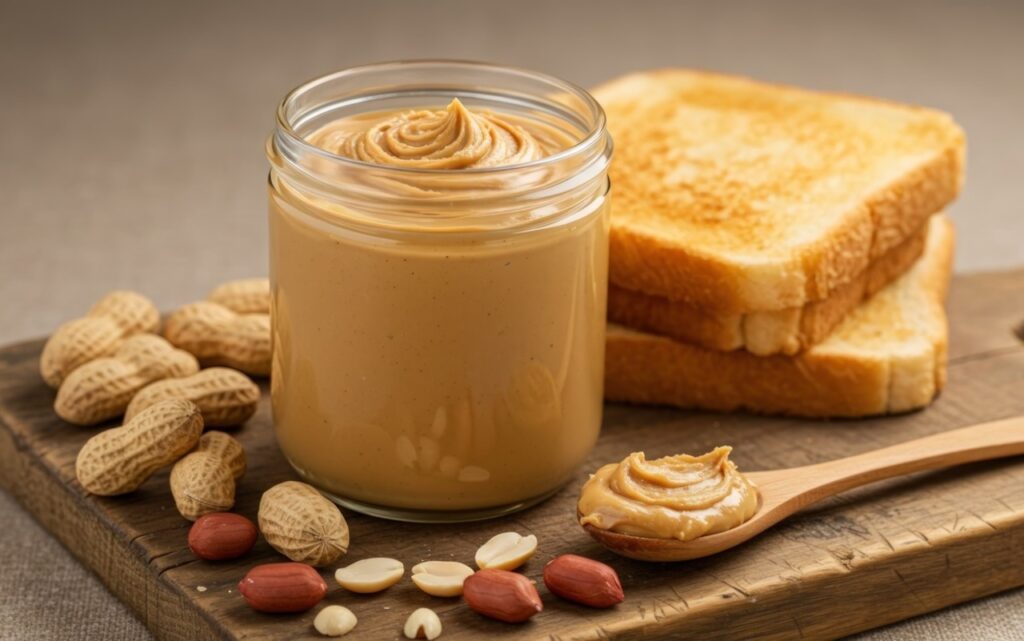
Peanut butter jars are another example where subtle reductions can occur. The jar design often remains nearly identical, but the net weight listed on the label may gradually decrease over time.
Some brands have slightly reduced the amount of peanut butter in each jar while keeping the price close to what shoppers are used to paying. The change is usually small enough that many buyers do not immediately notice it during routine shopping.
Ingredient costs, packaging expenses, and shipping fees all influence these decisions. While the difference may appear minor at first, repeated purchases mean consumers eventually receive less product for the same overall cost.
7. Sliced Bread Loaves
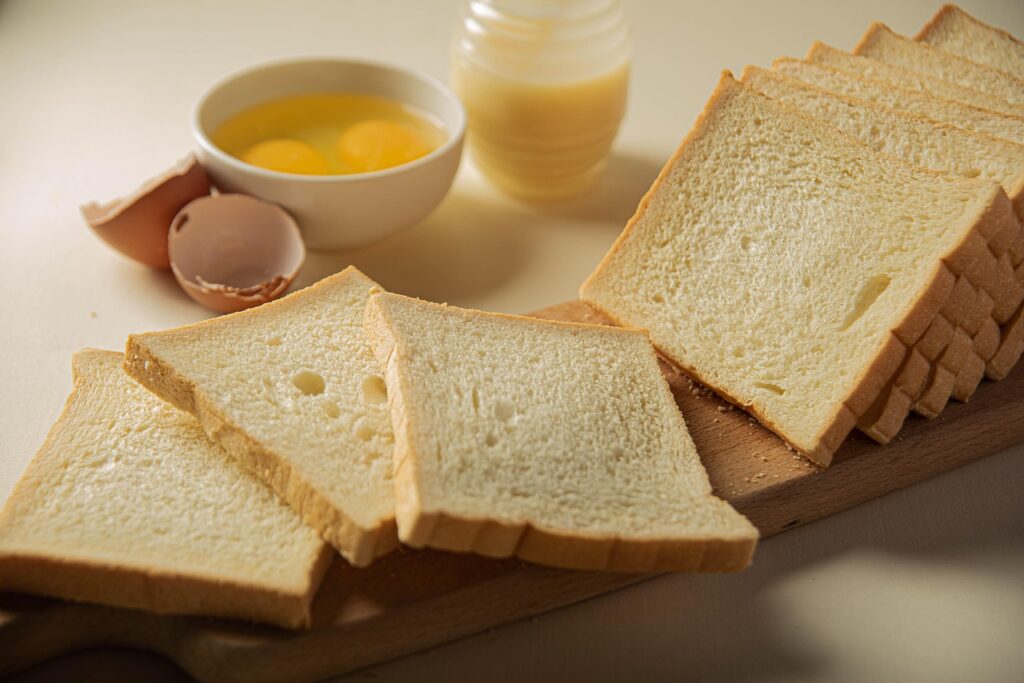
Bread loaves have also been affected by shrinking package sizes. The familiar bag and loaf shape often remain the same, but the number of slices or total weight can change slightly.
Some bakeries adjust the thickness of each slice or reduce the total loaf weight while keeping the packaging nearly identical. Because bread is sold by appearance as well as weight, the difference may not be obvious to shoppers at a glance.
These changes help producers deal with rising costs for wheat, energy, and transportation. For shoppers, however, it often means fewer sandwiches from a loaf than in the past, even though the price may stay similar.
8. Yogurt Cups and Multipacks

Yogurt products have undergone gradual size changes in many grocery stores. Individual cups and multipacks sometimes shrink while keeping similar packaging and familiar price points that many shoppers recognize.
For example, a container that once held six ounces may be reduced to five or slightly less. When these cups are sold in multipacks, the reduction can be even harder for shoppers to notice during quick grocery trips.
The adjustment allows companies to manage rising dairy costs without visibly raising prices. Over time, though, shoppers may realize they are getting smaller portions with each purchase of the same yogurt brand.
9. Frozen Dinners
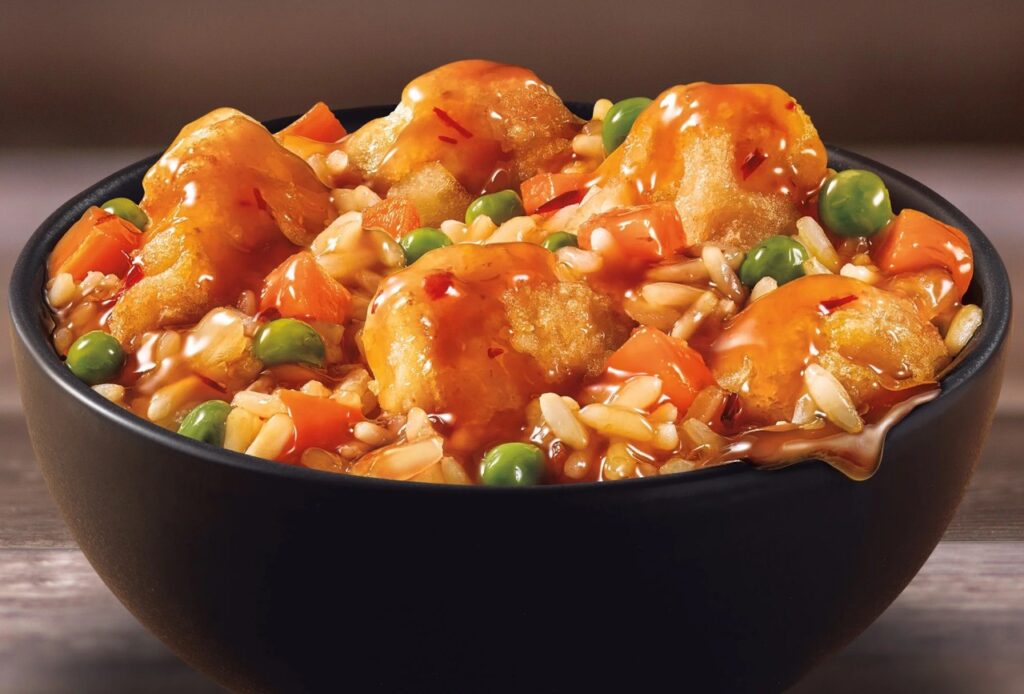
Frozen meals are designed to provide convenient, single-serving portions. Over time, however, the size of these portions has quietly shifted in many brands found in grocery store freezers.
Some frozen dinners now contain fewer ounces of food while the packaging remains nearly unchanged. Because the trays and boxes often look the same, the reduction can be difficult for shoppers to notice quickly.
Manufacturers often use this approach to control production costs while keeping the shelf price stable. The trade-off for consumers is that the meal may feel slightly less filling than earlier versions of the same product.
10. Toilet Paper Rolls
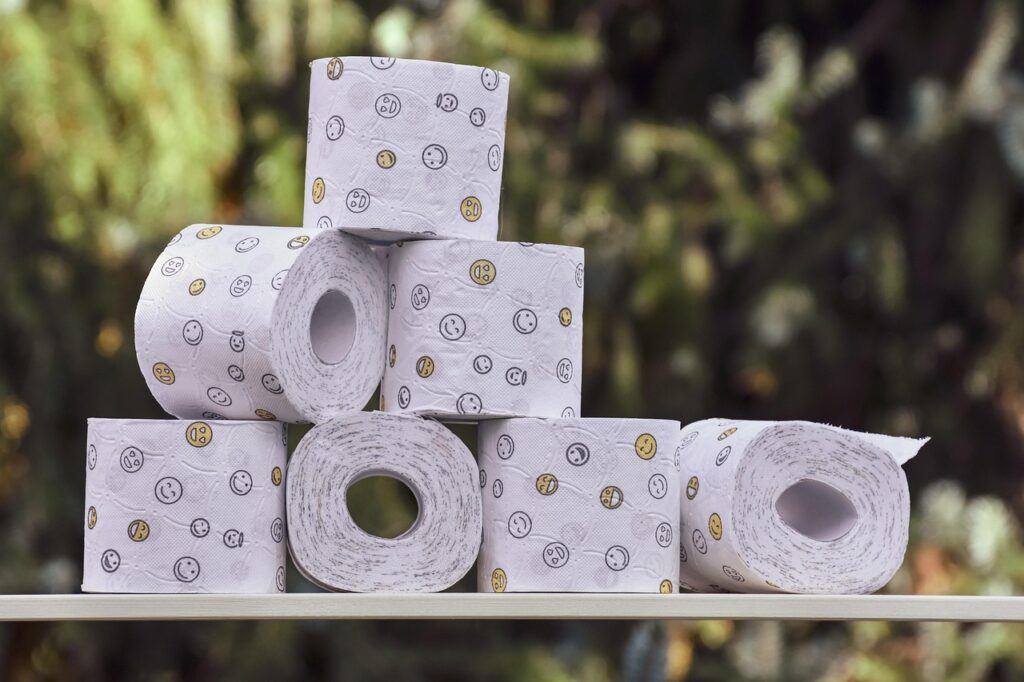
Household products like toilet paper have also experienced noticeable size changes. Rolls may look just as large as before, but the number of sheets on each roll has gradually decreased.
Some manufacturers compensate by advertising features such as thicker paper or a slightly larger sheet size. While these improvements may offer benefits, the total sheet count often declines over time.
This approach helps brands maintain competitive pricing while managing raw material costs. For shoppers, it means rolls may need to be replaced more often than older versions, even when packages appear almost identical on store shelves.
11. Laundry Detergent Bottles
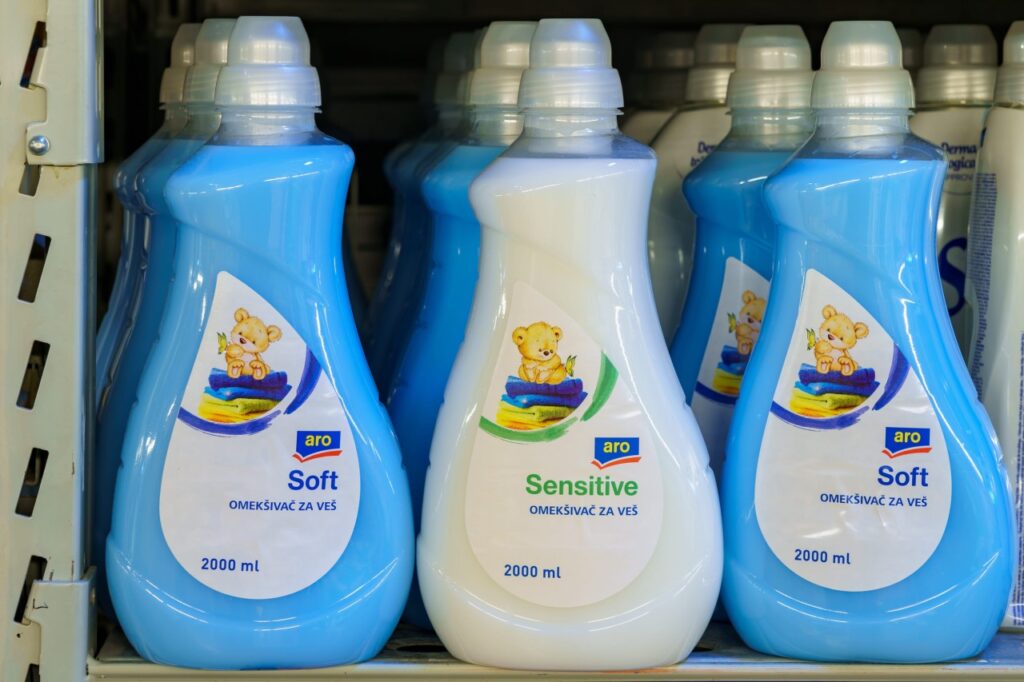
Laundry detergent packaging has evolved alongside changing formulas. Bottles may appear smaller than older versions, but companies often explain the change by promoting concentrated formulas.
Concentrated detergents allow fewer ounces of liquid to deliver the same number of washes. However, this shift can also make it harder for consumers to compare value between brands.
While the formulas may genuinely be more concentrated, packaging adjustments still reflect rising production and transportation costs. The result is a product that looks different but is carefully designed to maintain a familiar price point.