Living Alone at 50? These 5 Food-Saving Tips Actually Work

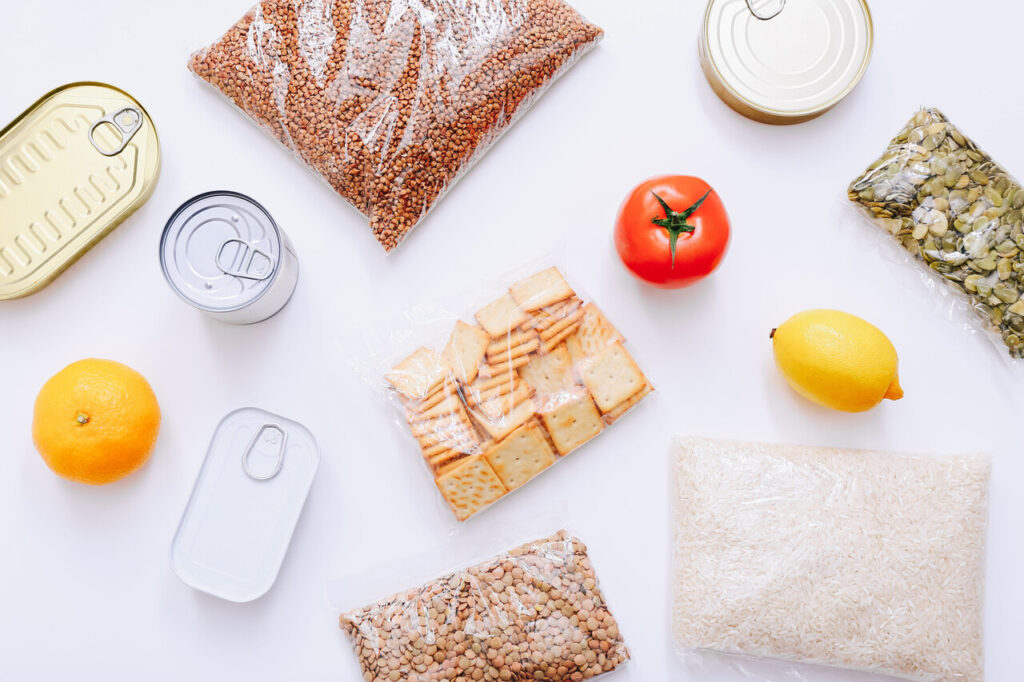
Cooking for one in your 50s can feel oddly expensive, especially when groceries are packaged for families and fresh food seems to spoil overnight. The good news is that saving money doesn’t require extreme couponing or living on leftovers for days. These practical food-saving habits are simple, sustainable, and designed for real life when you’re shopping, cooking, and eating solo.
Shop With a Three-Meal Plan
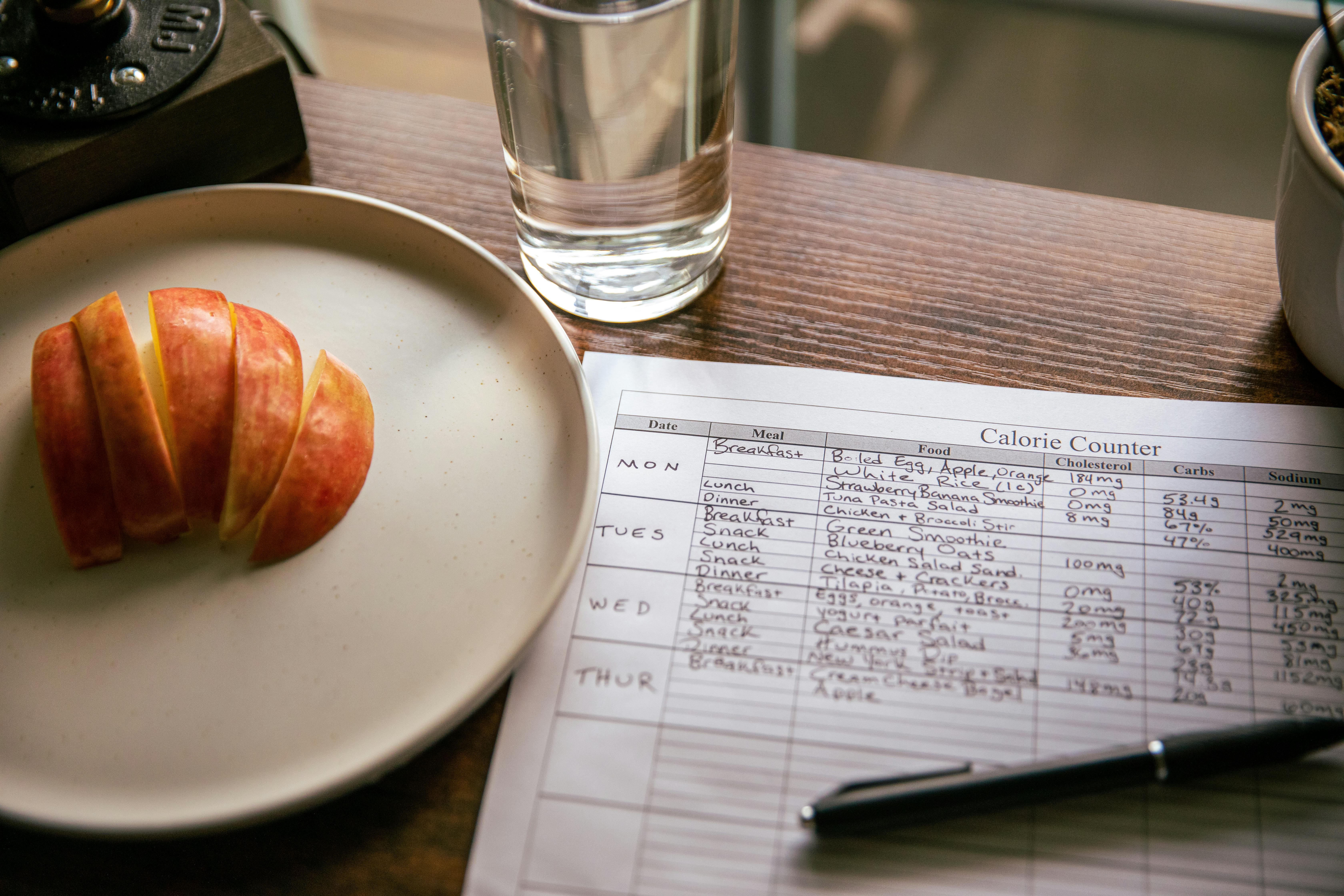
One of the fastest ways to overspend is shopping without a clear plan, then buying ingredients for seven different moods. A better approach is to plan just three core meals for the week and let lunches, breakfasts, and leftovers fill the gaps naturally. That keeps your cart focused and cuts down on impulse buys that often go unused.
Think in overlapping ingredients instead of separate recipes. If spinach goes into eggs, pasta, and soup, it is much more likely to get finished. The goal is not a perfect menu. It is buying with enough structure that you use what you bring home before it turns into waste.
Use the Freezer Like a Personal Pantry
For people living alone, the freezer can be the difference between saving money and throwing it away. Bread, cooked grains, soup, sliced fruit, shredded cheese, and even leftover herbs freeze surprisingly well when portioned properly. Instead of forcing yourself to eat the same thing three nights in a row, you can save extra servings for later when you actually want them.
Small portions matter here. Freeze food in single-serving containers or flat zip bags so it thaws quickly and feels convenient, not like a project. Once your freezer becomes organized and visible, it starts acting like a backup grocery store you have already paid for.
Buy More Versatile Staples and Fewer Specialty Items
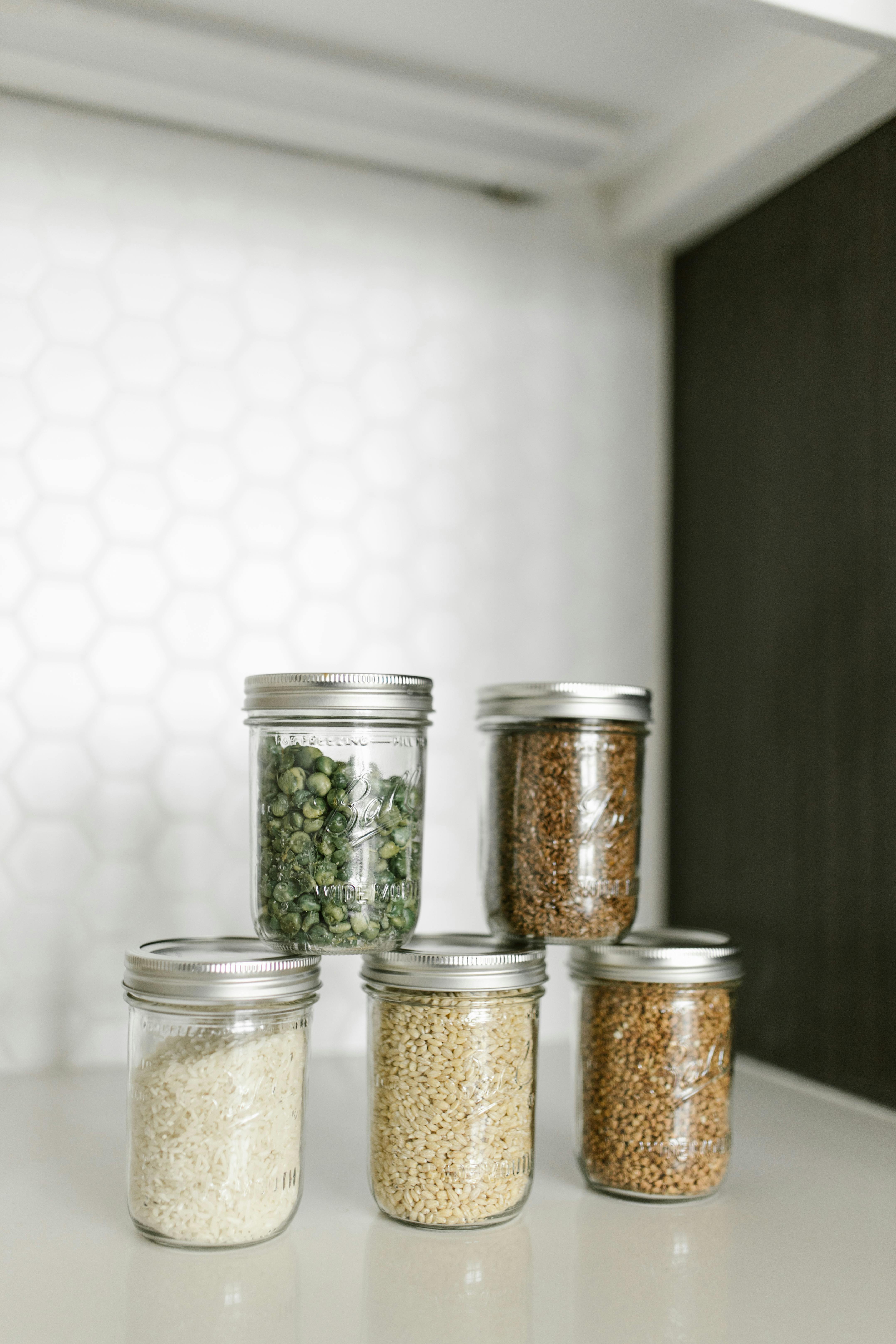
It is easy to be tempted by niche sauces, pre-marinated proteins, or produce you only need for one recipe. But specialty items often cost more and get used once before sitting in the fridge untouched. A smarter strategy is to build meals around staples that can shift roles all week, like eggs, yogurt, rice, beans, chicken, potatoes, greens, and onions.
Versatile ingredients stretch your budget because they work across breakfast, lunch, and dinner. A rotisserie chicken can become tacos, salad, and soup. Plain Greek yogurt can be breakfast, a sauce base, or a snack. The more jobs one ingredient can do, the less likely you are to waste money.
Make Leftovers Feel New, Not Reheated
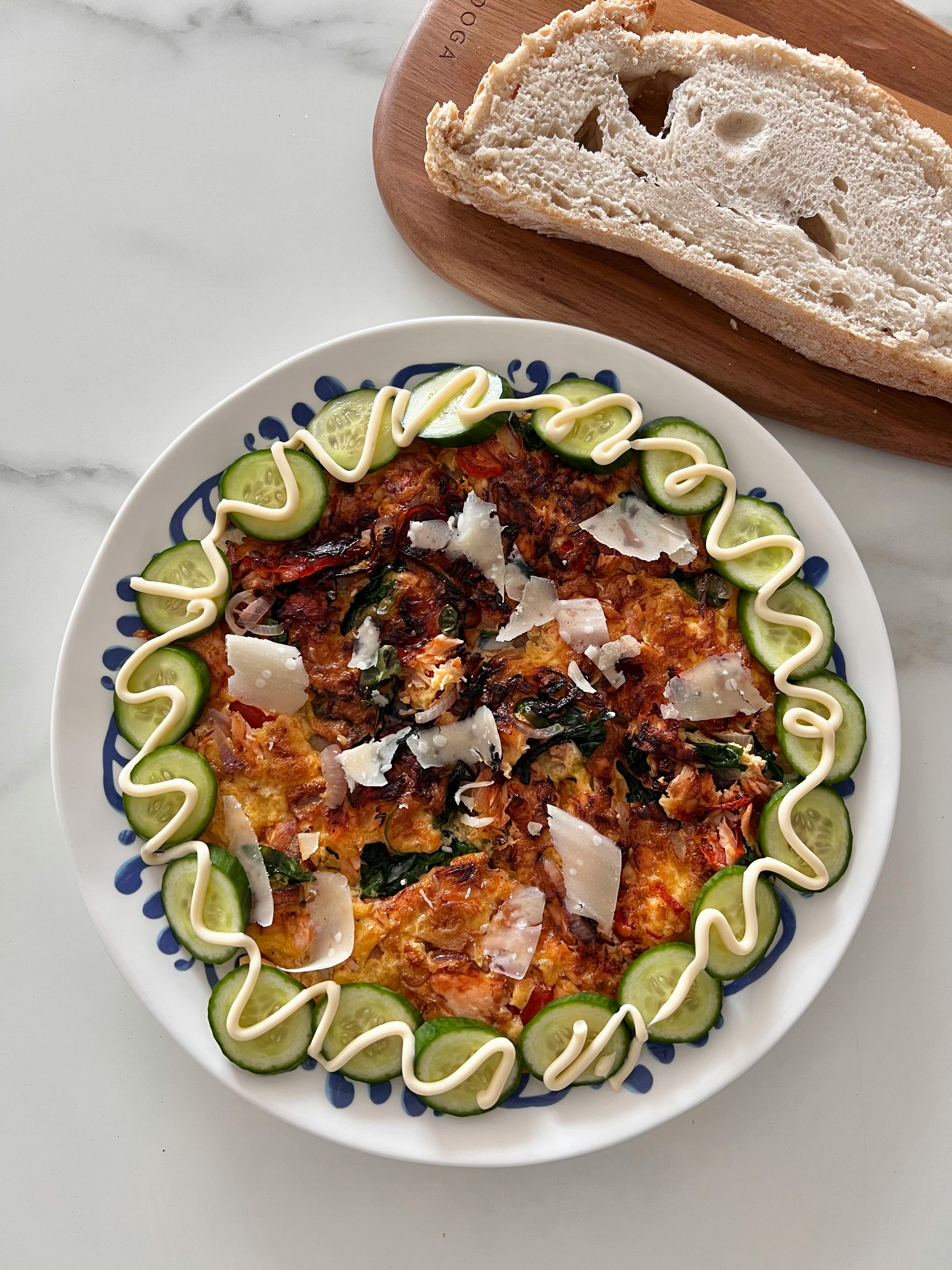
A lot of food waste starts with boredom, not spoilage. If leftovers feel repetitive, they are easier to ignore until they are no longer usable. The trick is to transform cooked food into something slightly different the next day, whether that means roast vegetables in a frittata, chicken folded into soup, or rice turned into a quick stir-fry.
This approach keeps meals interesting without requiring extra spending. You are not eating the same dinner again so much as giving ingredients a second life. That shift in mindset makes leftovers feel more intentional and satisfying, which means they are far more likely to get eaten.
Choose Convenience Where It Prevents Waste
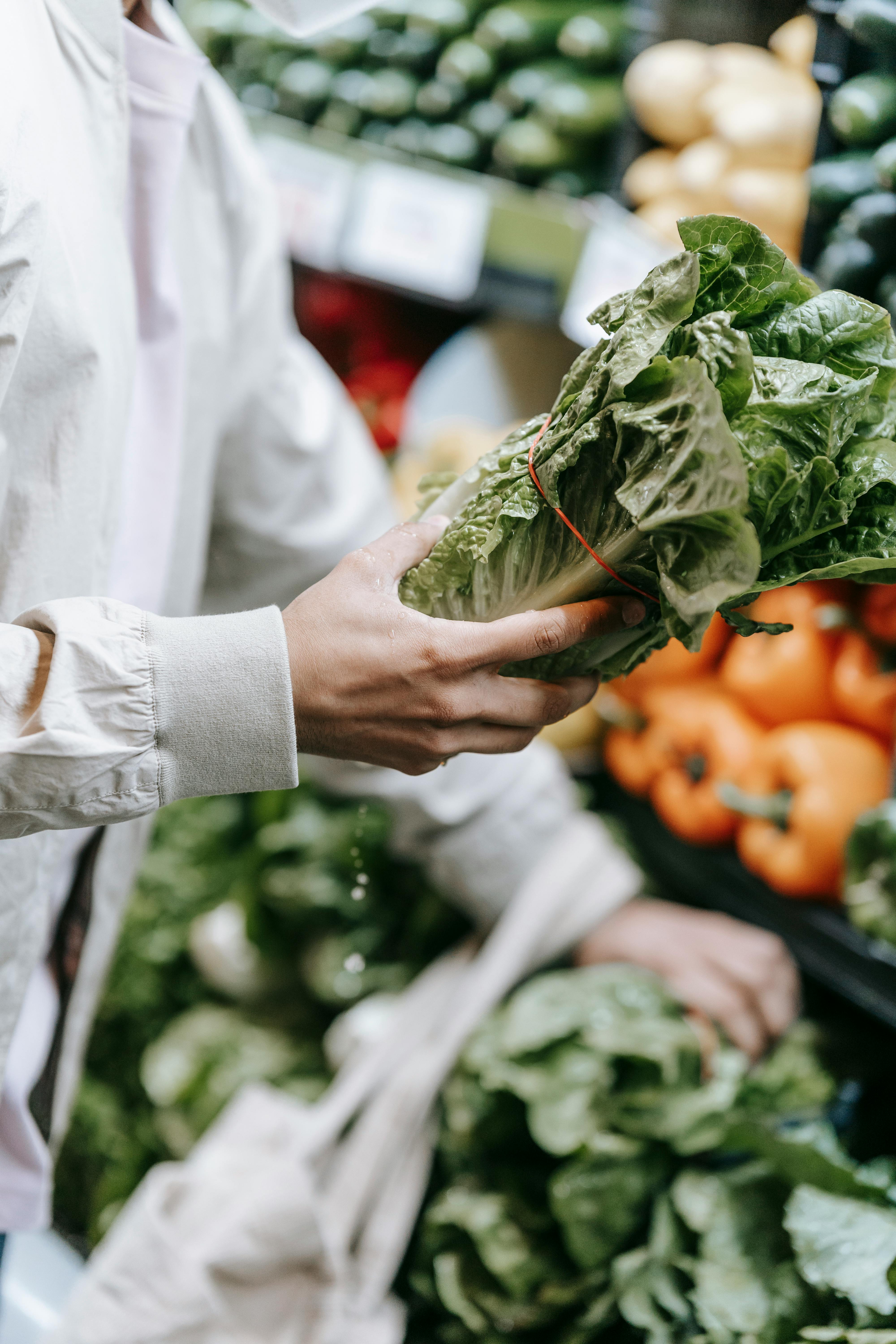
Saving money does not always mean buying everything from scratch. If a bag of chopped vegetables, salad kits, or cooked grains helps you actually use the food, it can be the better value. For many solo households, especially busy ones, paying a little more for convenience can prevent the much bigger loss of unused produce going into the trash.
The key is being honest about your habits. If you rarely chop a whole squash on a weeknight, pre-cut may be the budget-friendly move after all. Smart spending is not about buying the cheapest item on the shelf. It is about buying the version you will realistically prepare and eat.