11 Biscuit Recipes That Go with Just About Everything

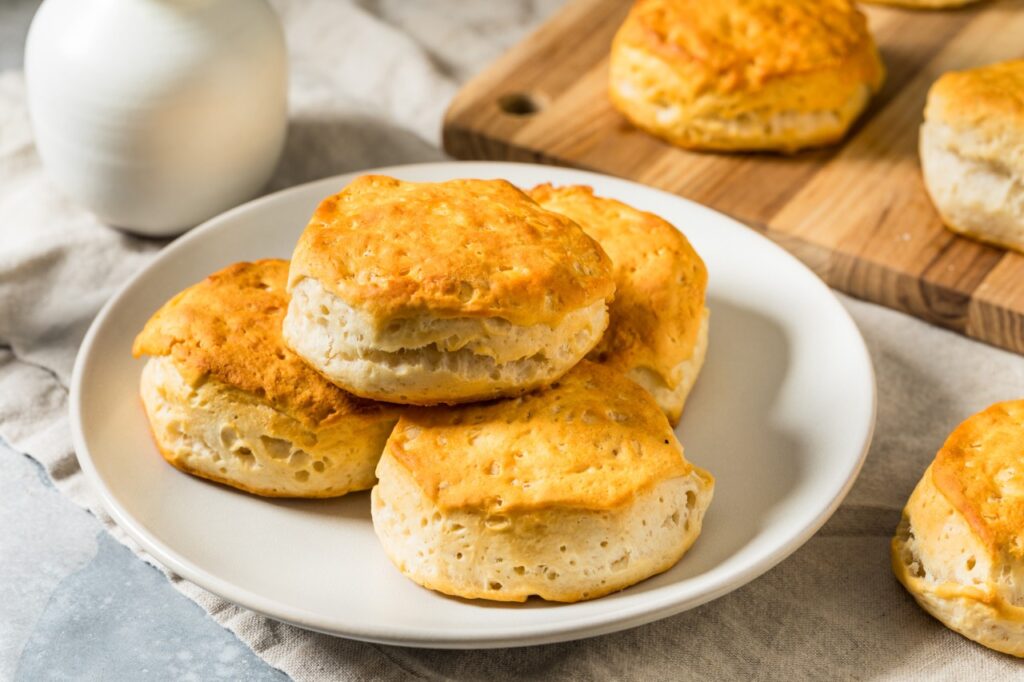
Some recipes earn a permanent place in your kitchen because they simply work, no matter the meal or moment. These biscuit recipes fall into that rare category. They’re dependable without being dull, comforting without feeling heavy, and flexible enough to move from breakfast to dinner with ease. Whether you’re pairing them with soups, spreads, eggs, or something sweet, each one brings a balance of texture and flavor that fits naturally on the table. These are the biscuits you reach for when you want something homemade, familiar, and endlessly adaptable. They’re the kind of recipes that quietly become habits, showing up whenever good food is needed.
1. Easy Cheesy Biscuits
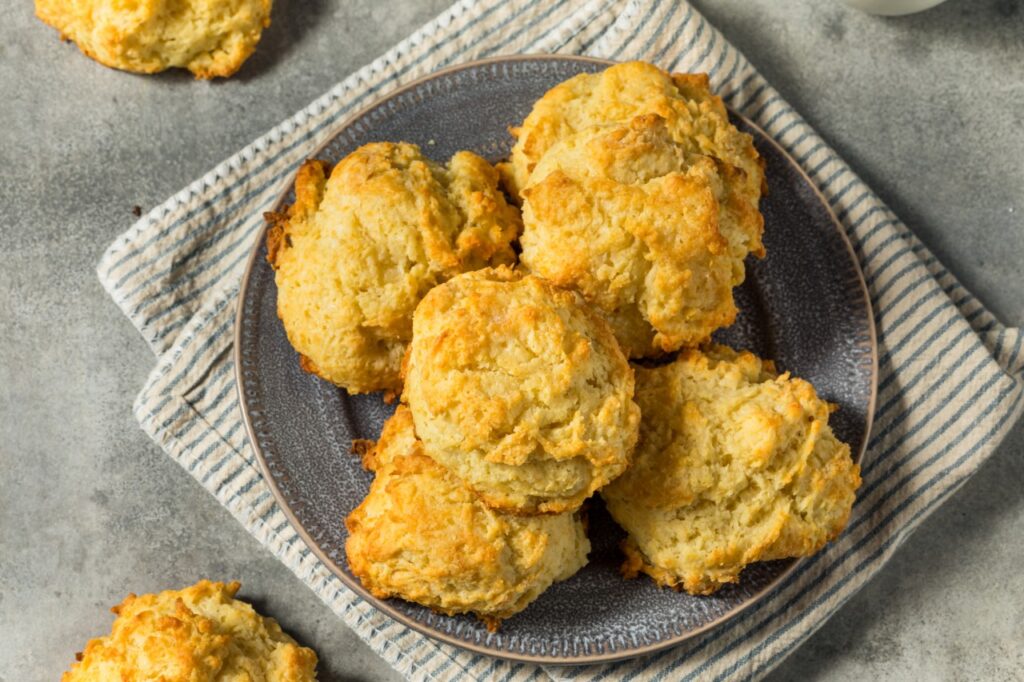
Cheese biscuits are the kind of bake that quietly fits into almost any meal without demanding attention. What makes them so versatile is the balance between fat, protein, and starch. Sharp cheeses like cheddar or Colby melt into the dough, adding richness while also helping the biscuit brown evenly. The saltiness of the cheese means you can reduce added salt, keeping flavors rounded rather than heavy. These biscuits work with soups, eggs, roasted vegetables, and even breakfast spreads because the cheese flavor is present but not overwhelming. When baked properly, steam from the butter creates layers, while the cheese adds structure, preventing the crumb from becoming dry.
2. Golden Sourdough Biscuits
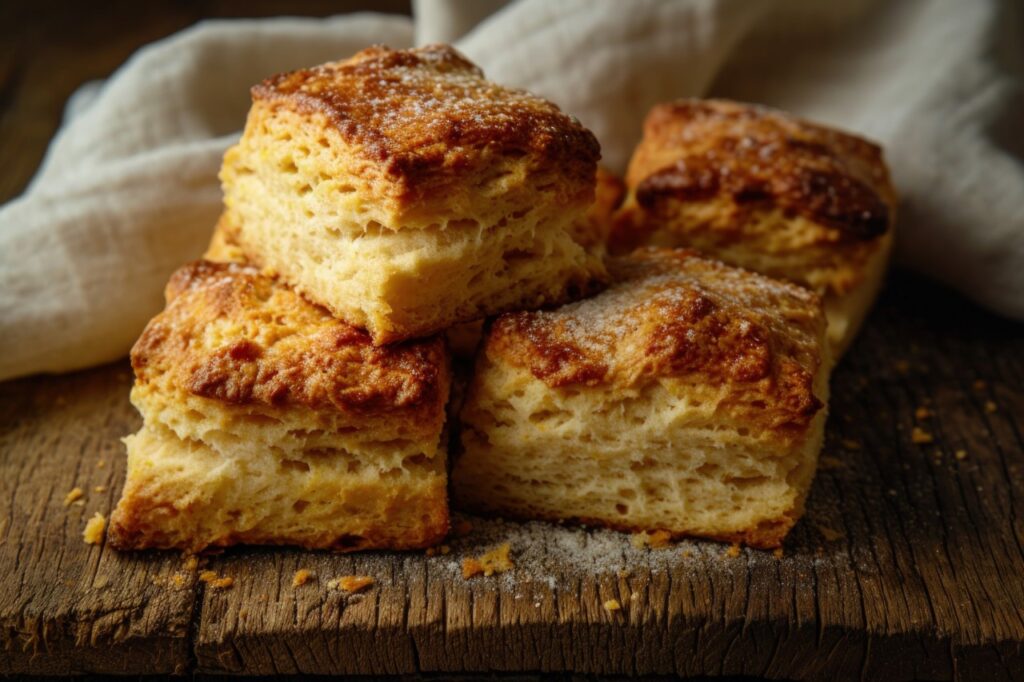
Sourdough biscuits bring depth without complexity, which is why they feel so adaptable. The natural acids from sourdough starter weaken gluten strands, resulting in a tender crumb while also improving rise. That mild tang enhances savory foods like stews, beans, and roasted meats, but it also pairs surprisingly well with honey or fruit preserves. Unlike bread, sourdough biscuits rely on quick leavening, so the starter contributes flavor rather than chewiness. The fermentation byproducts also improve moisture retention, keeping the biscuit soft longer after baking. This makes sourdough biscuits ideal for make-ahead meals or leftovers.
3. Sour Cream Leek Biscuits

Sour cream and leeks may sound specific, but together they create a biscuit that adapts easily to many plates. Sour cream adds fat and acidity, both of which tenderize the dough and create a soft interior. Leeks offer a mild onion flavor that is gentler than scallions or onions, allowing the biscuit to complement rather than compete. These biscuits shine with soups, braised vegetables, and egg-based dishes because the flavor profile mirrors classic comfort foods. The moisture from sour cream also slows staling, so the biscuits stay pleasant even after cooling. This makes them a strong choice for brunch spreads, packed lunches, or dinner sides where balance and subtlety matter.
4. Classic Buttermilk Biscuits

Buttermilk biscuits remain the standard because their chemistry simply works. The acidity in buttermilk reacts with baking soda, producing reliable lift and a light interior. At the same time, buttermilk’s cultured flavor adds slight tang without pushing the biscuit into sour territory. This neutrality is why buttermilk biscuits work with gravy, jam, eggs, or even as a sandwich base. Fat from butter coats flour particles, limiting gluten formation and creating flakiness. When baked hot, the water in the butter turns to steam, forming layers. The result is a biscuit that adapts effortlessly, acting as a carrier for both sweet and savory toppings while still tasting complete on its own.
5. Classic Homemade Biscuits
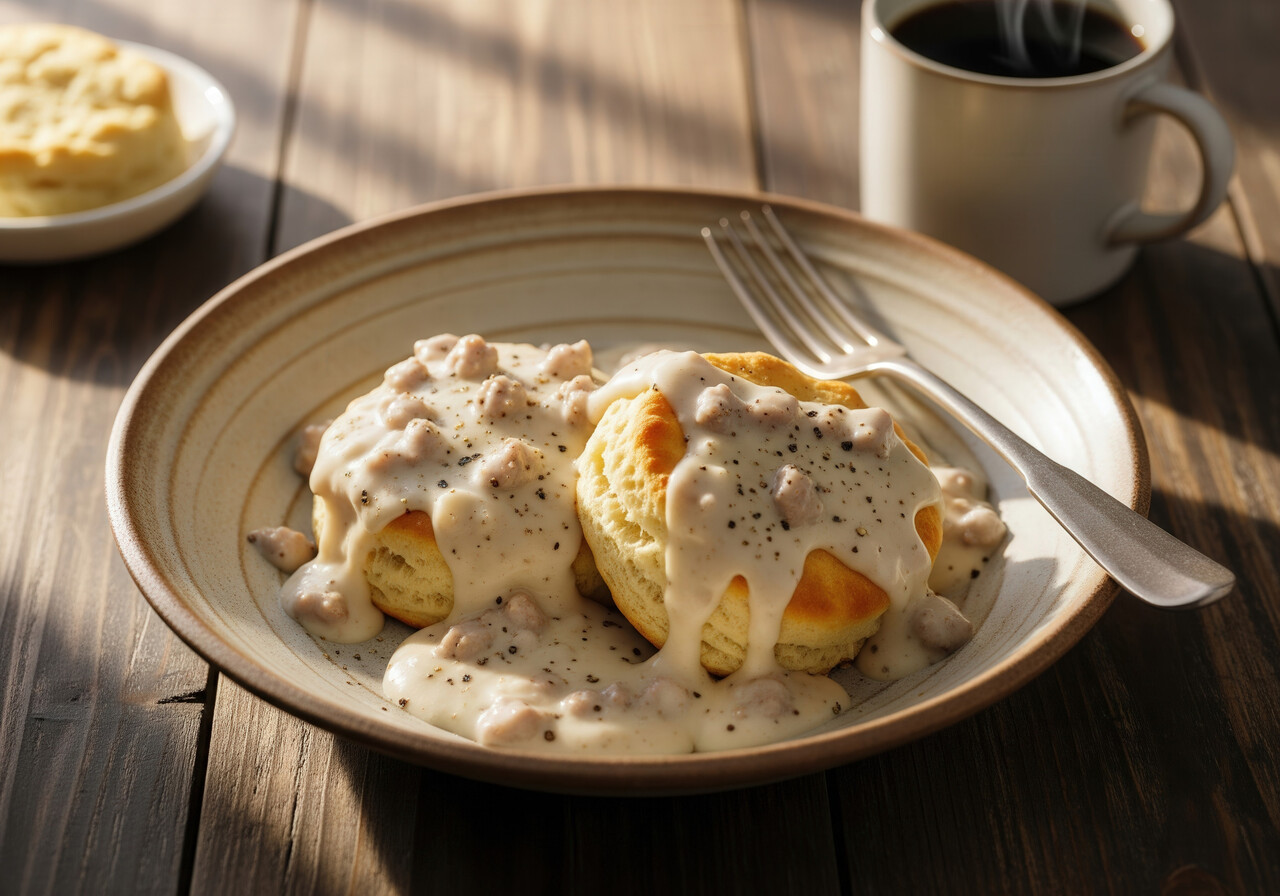
Homemade biscuits succeed because they rely on fundamentals rather than special ingredients. Flour provides structure, fat creates tenderness, and quick leavening ensures lift without fermentation time. This simplicity is what makes them so flexible. You can serve them plain, split them for sandwiches, or use them as a side for soups and roasts. Because there are no dominant flavors, they absorb sauces and spreads easily. Proper handling is key. Minimal mixing prevents toughness, and gentle shaping preserves air pockets. These biscuits are dependable, predictable, and adaptable, which is why they show up across cuisines and meal types.
6. Cheddar Buttermilk Biscuits

Cheddar buttermilk biscuits combine two reliable elements into one adaptable bake. Buttermilk ensures tenderness and lift, while cheddar adds savory depth and aroma. Sharp cheddar works best because it holds its flavor after baking, preventing the biscuit from tasting flat. These biscuits pair well with chili, salads, eggs, and roasted vegetables because the cheese mirrors umami-rich foods. The buttermilk balances the fat from cheese, keeping the crumb light rather than greasy. When reheated, the cheese softens again, restoring texture and flavor. This balance makes them ideal for batch baking and leftovers, especially in households where biscuits need to work across multiple meals.
7. Apricot Cream Biscuits
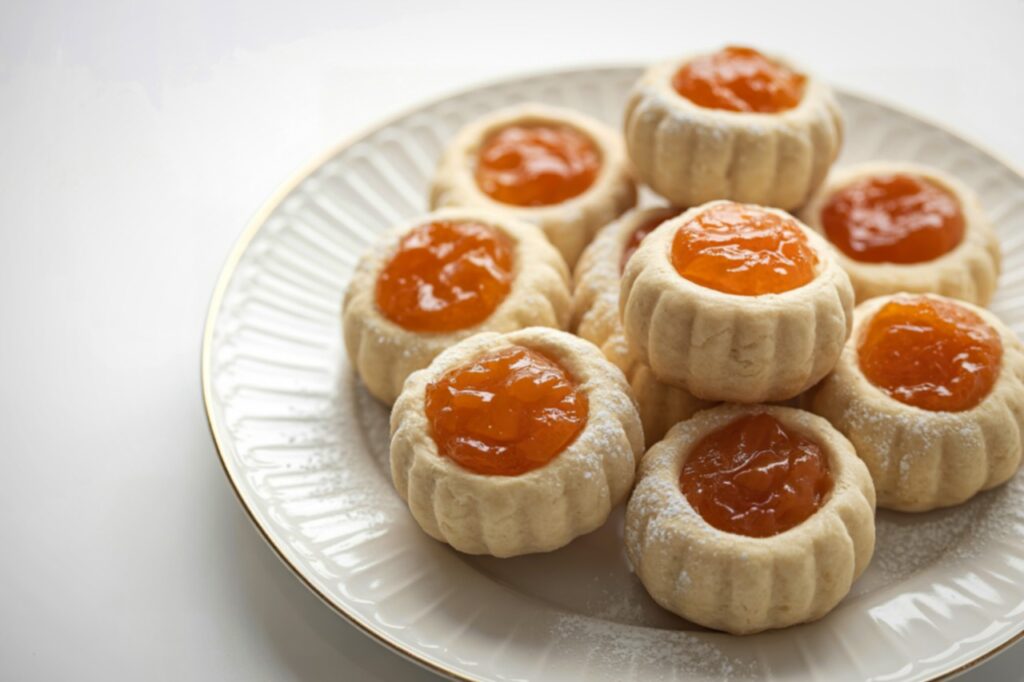
Apricot cream biscuits are slightly sweet without crossing into dessert-only territory. Cream replaces butter and milk, simplifying the dough while increasing fat content. This creates a tender, cake-like crumb that still holds its shape. Dried or fresh apricots add gentle acidity and fruit sweetness, which keeps the biscuit from feeling heavy. These biscuits work with breakfast spreads, cheese boards, and even light savory dishes where a touch of sweetness adds contrast. The fruit also helps retain moisture, extending freshness. Their adaptability comes from restraint. The apricot flavor supports rather than dominates, allowing the biscuit to fit into many eating occasions.
8. Two-Ingredient Quick Biscuits
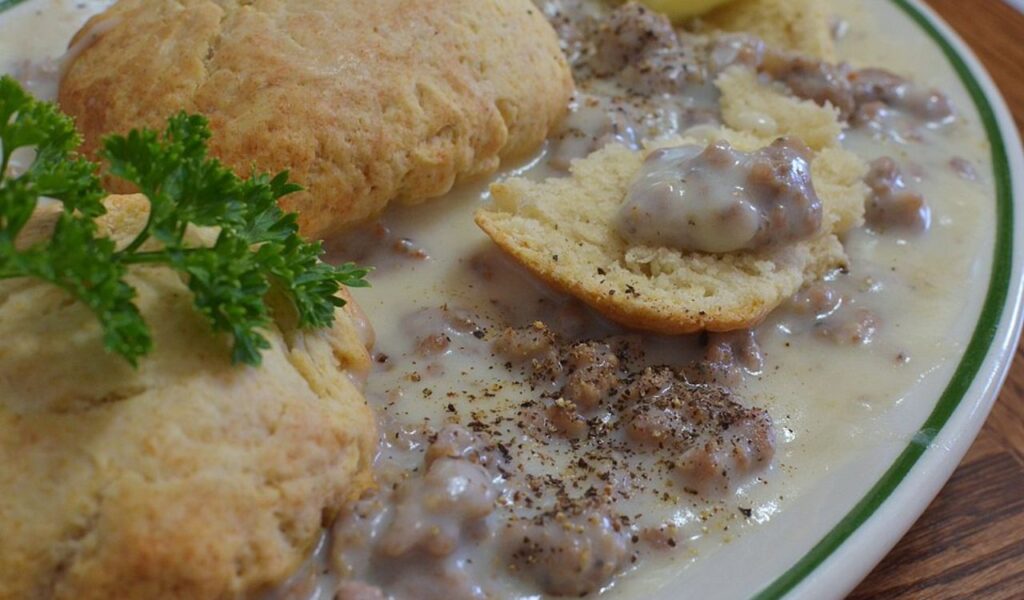
Two-ingredient biscuits succeed because they rely on self-rising flour and cream, both of which already contain what the dough needs. Self-rising flour provides measured leavening and salt, while cream supplies fat and liquid. The result is a biscuit that comes together quickly but still delivers structure and tenderness. These biscuits are especially useful when time or ingredients are limited. Their mild flavor allows them to serve as a base for savory meals or sweet toppings. Because there is no butter to cut in, the texture is more uniform, making them reliable for beginners. Their simplicity is what makes them adaptable, not bland.
9. Easy Drop Biscuits
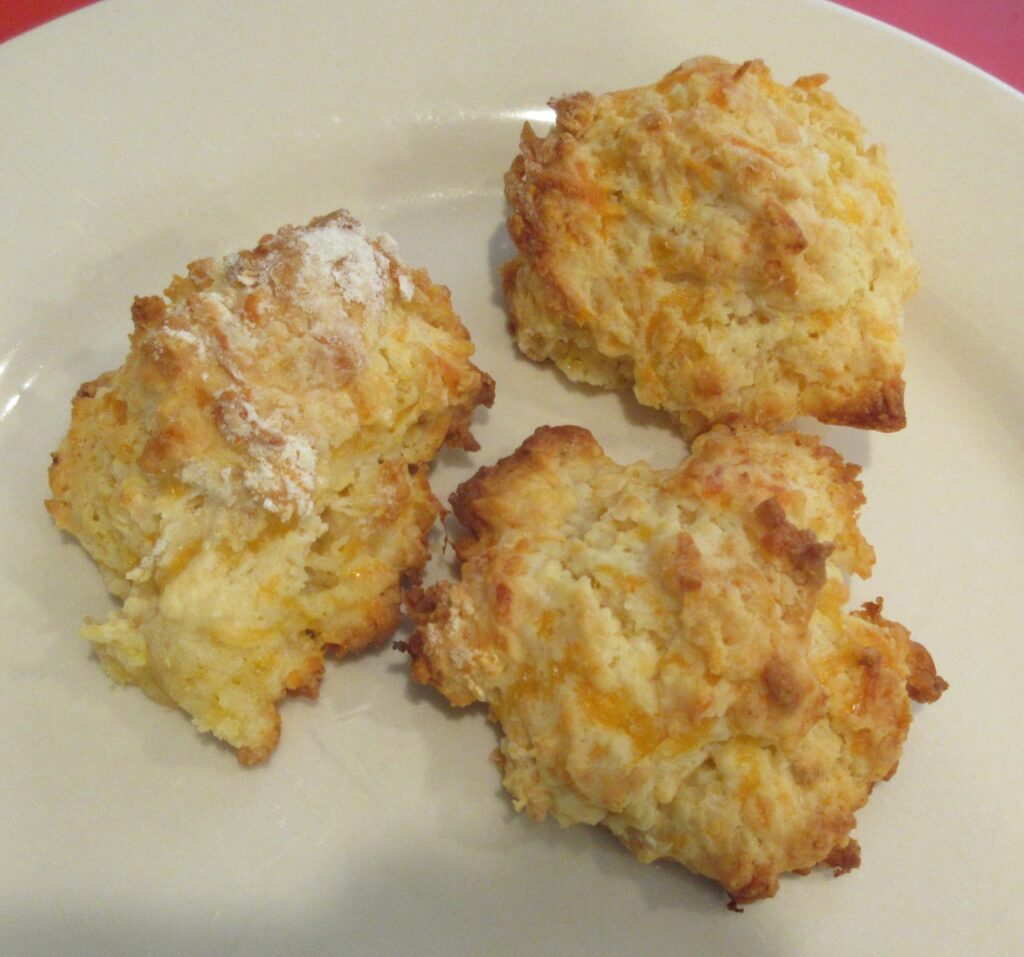
Drop biscuits prioritize convenience without sacrificing usefulness. The wetter dough eliminates rolling and cutting, which reduces handling and prevents gluten development. This leads to a tender interior with a rustic exterior. Because drop biscuits lack defined layers, they absorb sauces and gravies particularly well. This makes them ideal alongside stews, braises, and creamy dishes. Their irregular shape also allows for crisp edges and soft centers in the same bake. Flavorings can be added easily, but even plain versions remain versatile. They are forgiving, consistent, and well suited to everyday meals where speed and flexibility matter.
10. Flaky Sourdough Biscuit Variations
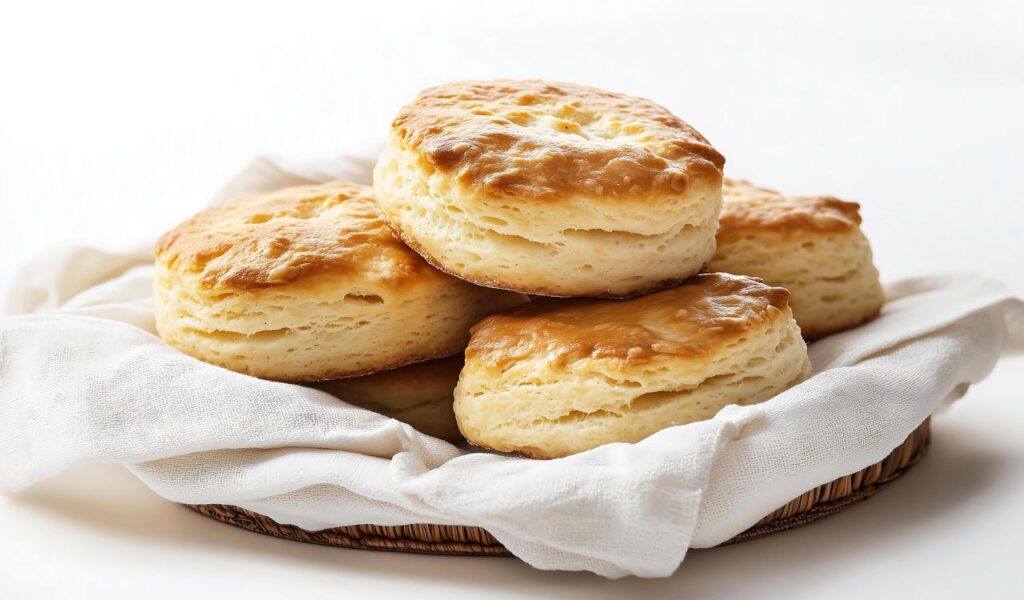
Flaky sourdough biscuits build on fermentation benefits while emphasizing layered texture. Cold butter is folded into the dough, and the sourdough starter weakens gluten just enough to encourage flake formation. These biscuits feel richer than standard sourdough versions but remain adaptable. The subtle tang enhances savory dishes while still pairing well with honey or fruit. Because fermentation improves moisture retention, these biscuits stay soft longer than standard flaky biscuits. They are especially useful when you want a biscuit that feels special but still works across meals. The balance between structure, flavor, and tenderness is what gives them broad appeal.
11. Quick Buttermilk Flaky Biscuits
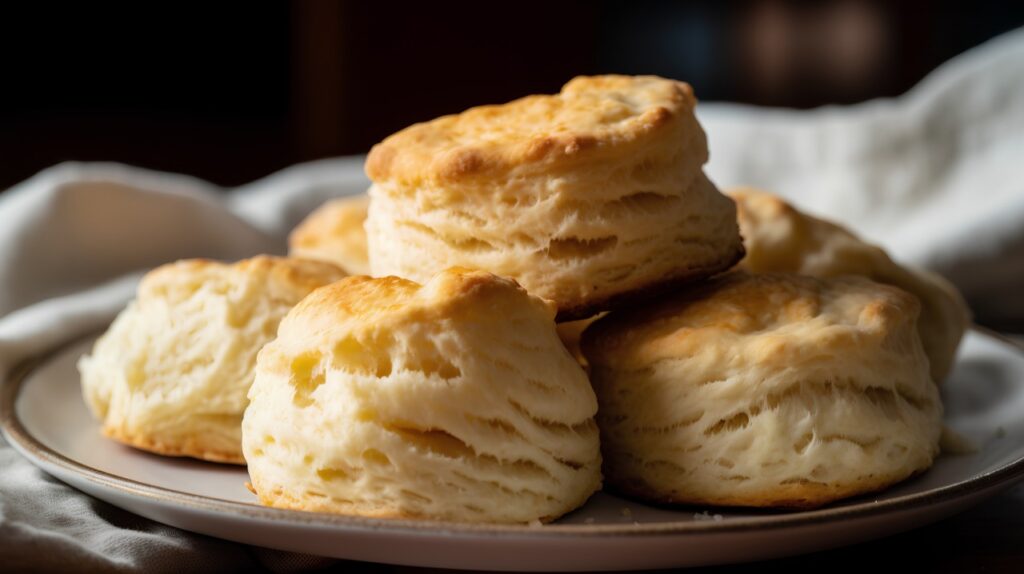
Quick buttermilk flaky biscuits focus on efficiency without abandoning technique. The dough is mixed lightly, folded briefly, and baked hot. This creates visible layers without long resting times. Buttermilk contributes tang and tenderness, while butter provides steam for lift. These biscuits fit easily into breakfast, lunch, or dinner because they are flavorful but restrained. They split cleanly for sandwiches and hold up under sauces. Their appeal lies in predictability. When done correctly, they deliver consistent texture and flavor, making them reliable for cooks who want a biscuit that works in nearly every setting without extra steps.