11 Vegan Grain Bowls Restaurants Price Like Steak

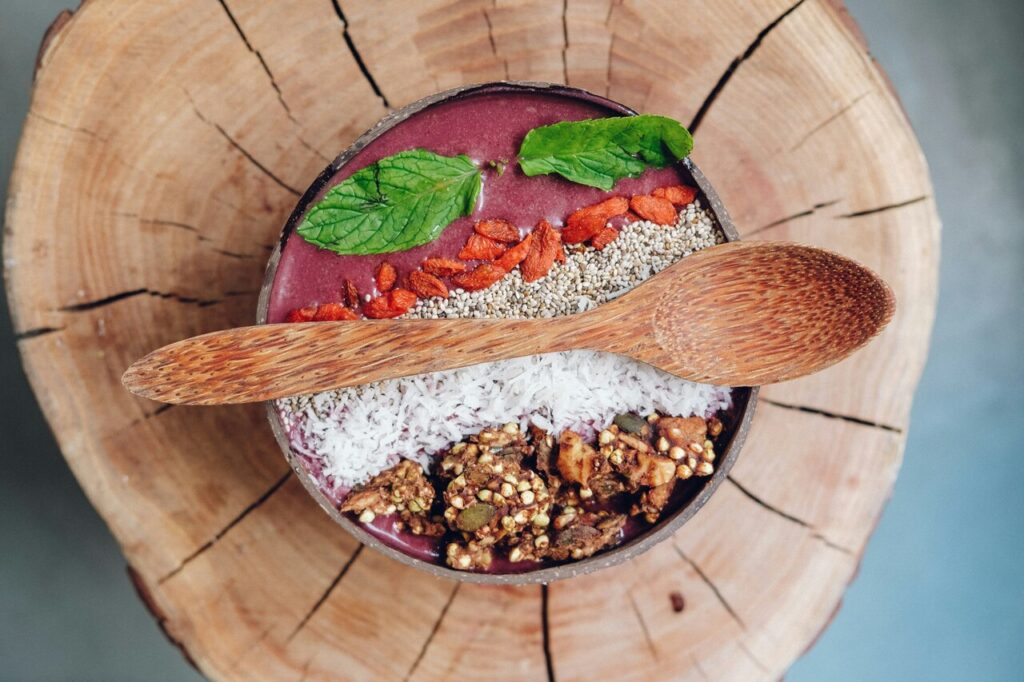
Vegan grain bowls have become a staple on modern restaurant menus, promoted as healthy, balanced, and thoughtfully curated meals. Packed with grains, vegetables, and plant-based proteins, they appeal to diners seeking lighter options without sacrificing flavor. Yet many of these bowls now carry prices that rival steak or meat-heavy dishes, raising questions about value versus branding. Looking closer reveals how presentation, customization, and lifestyle marketing often drive the price far more than the ingredients themselves.
1. Sweetgreen Shroomami Bowl
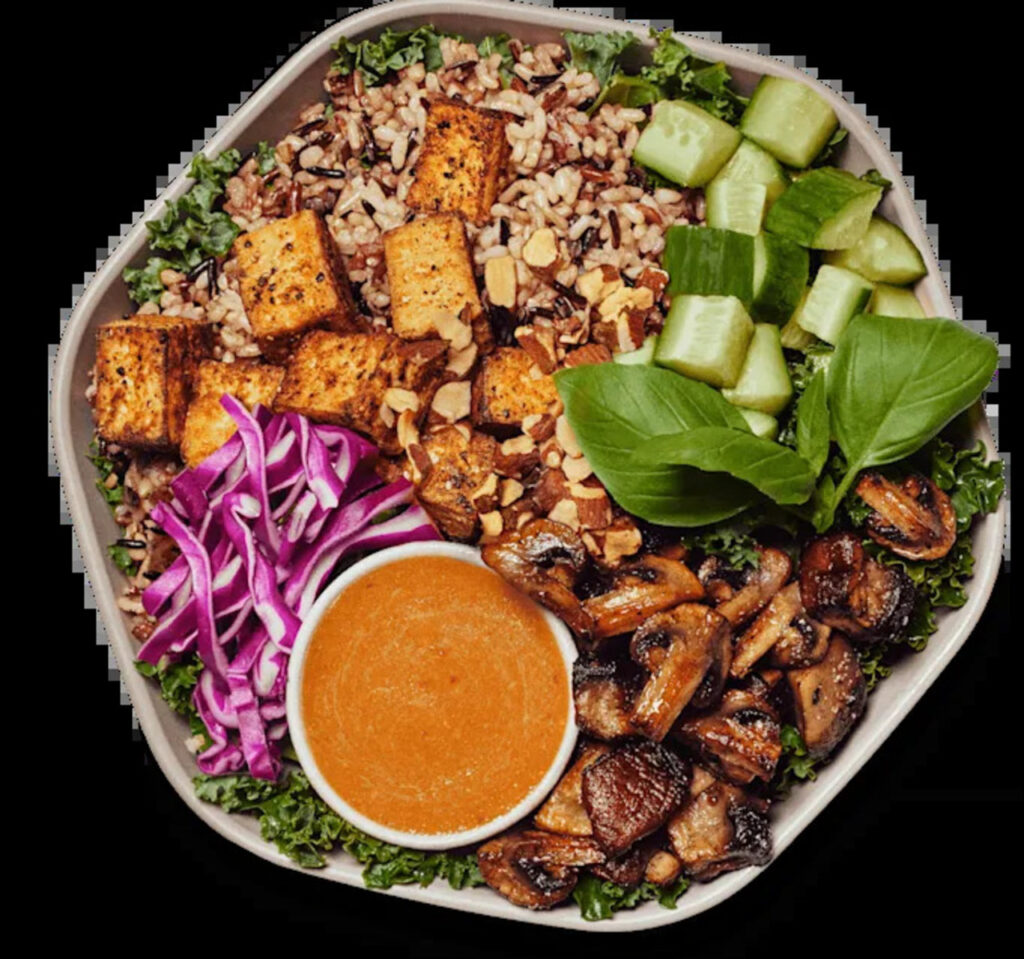
The Shroomami bowl represents how plant-based meals have evolved from niche offerings into premium menu centerpieces. Built around grains, mushrooms, tofu, and vegetables, the bowl emphasizes umami and wellness-focused ingredients that feel satisfying without animal protein.
Despite relying on relatively inexpensive staples like rice and vegetables, the pricing often approaches that of meat-based meals in fast casual restaurants. Customers are paying not only for ingredients but also for branding, sustainability messaging, and carefully curated flavor.
Many diners appreciate the convenience of a ready-made balanced meal. The bowl highlights how perception, curation, and restaurant positioning now influence pricing as much as ingredient cost.
2. Sweetgreen Harvest Style Vegan Grain Bowl Variations
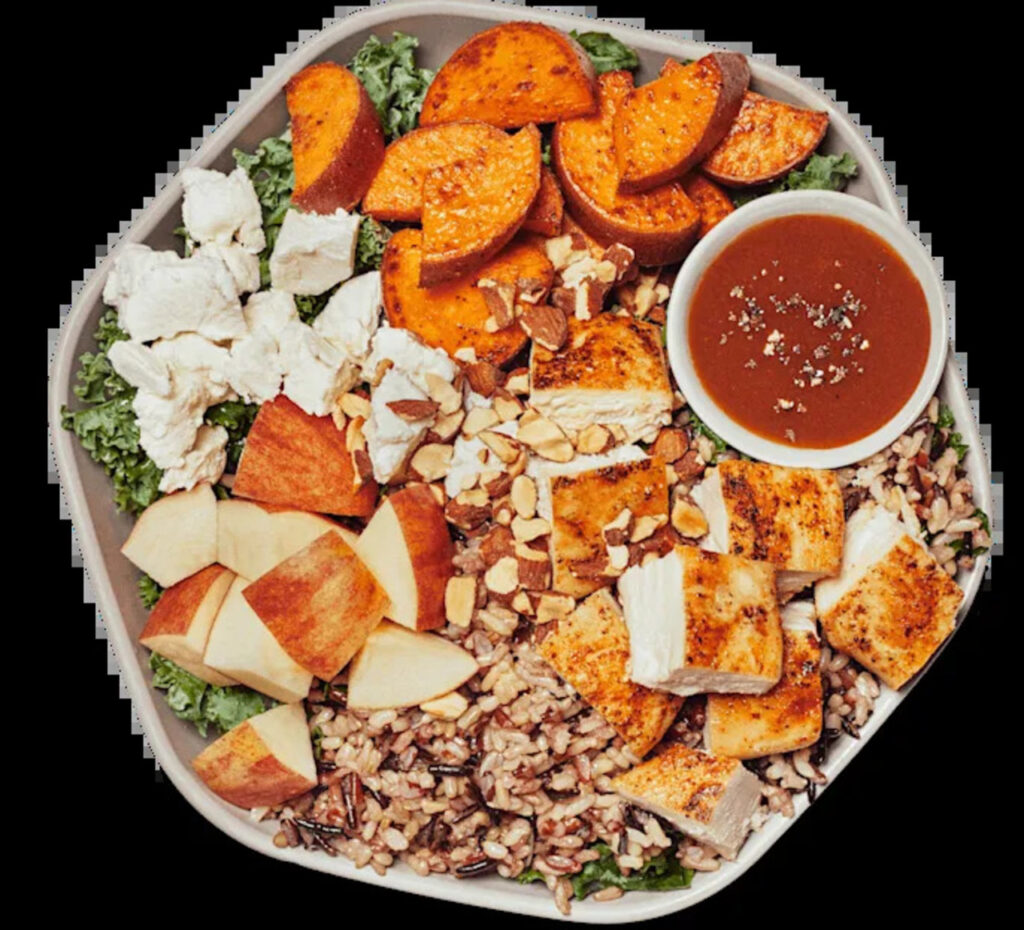
Harvest-inspired vegan grain bowls build on seasonal themes, combining grains, roasted vegetables, and dressings that evoke comfort and freshness. Restaurants use seasonal terminology to make simple ingredients feel unique.
Pricing often rises because these bowls are marketed as limited or carefully curated selections rather than simple grain and vegetable combinations. Seasonal branding allows restaurants to frame familiar produce as premium experiences.
Customers frequently enjoy the flavors and convenience, yet the ingredient list often mirrors what many could prepare at home for less. The higher price reflects branding and preparation rather than raw ingredient expense, illustrating how storytelling drives perceived value.
3. CAVA Falafel Grain Bowl
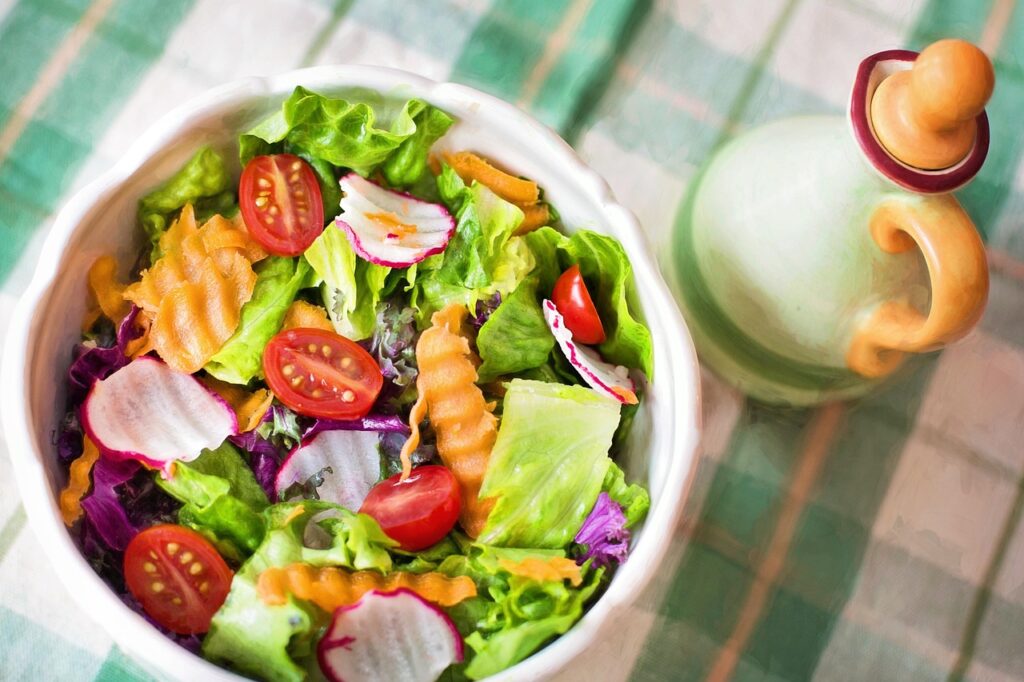
Falafel grain bowls blend Mediterranean flavors with customizable formats, allowing customers to combine grains, sauces, and toppings into meals that feel complete and balanced. The variety of textures and flavors contributes strongly to their popularity.
Even though falafel and grains remain relatively inexpensive ingredients, overall pricing can rival dishes centered around meat proteins. Customization options and premium toppings gradually increase the final cost beyond what diners may initially expect.
The bowl succeeds because it offers flexibility and flavor while aligning with plant-based eating trends. However, diners often notice that modest ingredient costs do not always translate into budget-friendly pricing.
4. CAVA Roasted Veggie Grain Bowl
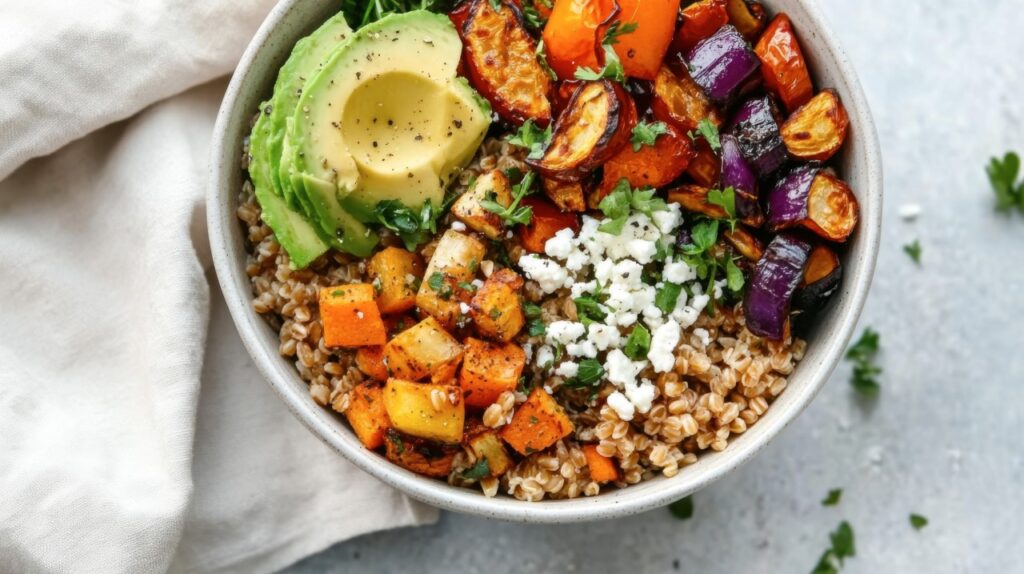
Roasted vegetable grain bowls appeal to customers seeking lighter yet filling meals, combining grains with charred vegetables, sauces, and dips that add bold flavor without relying on meat. The dish emphasizes freshness and visual appeal.
Although the ingredients themselves remain simple, the preparation style and multiple components justify higher prices within the fast casual model. Layered sauces and sides create an impression of complexity even when core ingredients remain affordable.
Many customers enjoy the convenience of having balanced flavors assembled quickly, but some question pricing compared with home-cooked vegetable meals. The bowl demonstrates how assembly and branding can elevate perceived value beyond ingredient cost.
5. True Food Kitchen Ancient Grain Bowl
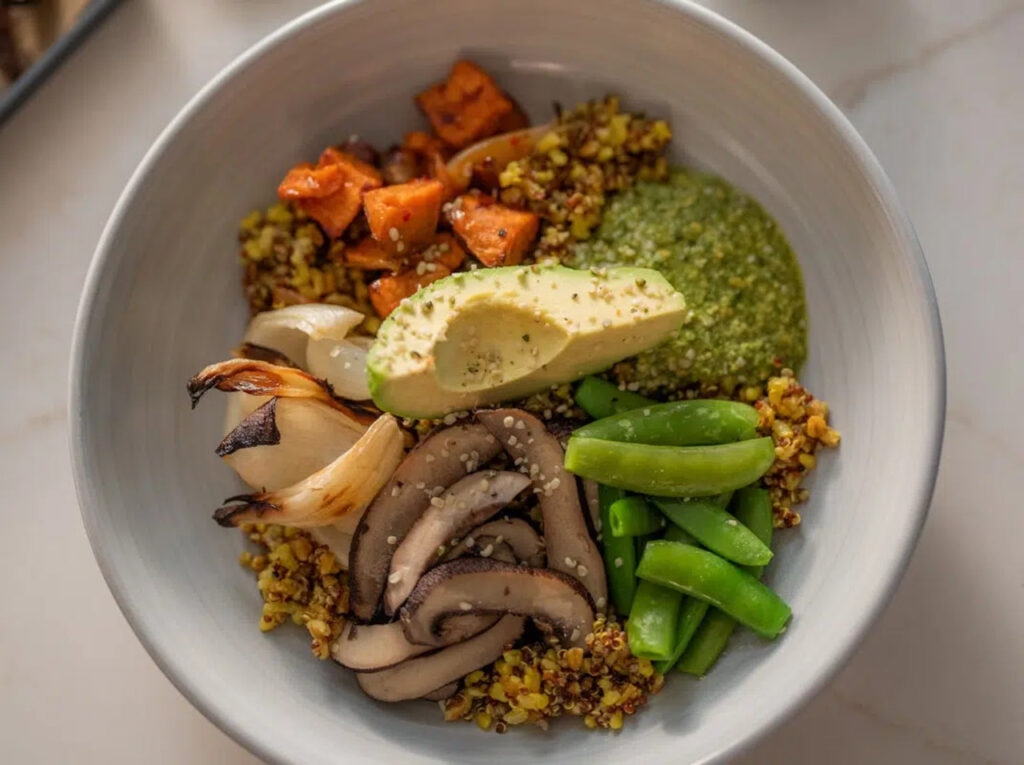
Ancient grain bowls emphasize ingredients like quinoa and farro to signal nutritional sophistication and modern wellness trends. Restaurants frame these grains as premium alternatives to standard rice, helping justify higher menu placement.
These bowls often include fresh vegetables, avocado, and house-made dressings that create a polished presentation. While nutritious, the core components remain inexpensive compared with animal proteins traditionally associated with higher-priced dishes.
Customers frequently choose these meals for health-focused dining experiences, accepting premium pricing because of the atmosphere and brand identity. The bowl represents how environment and positioning play major roles in pricing plant-based meals.
6. Flower Child Mother Earth Grain Bowl
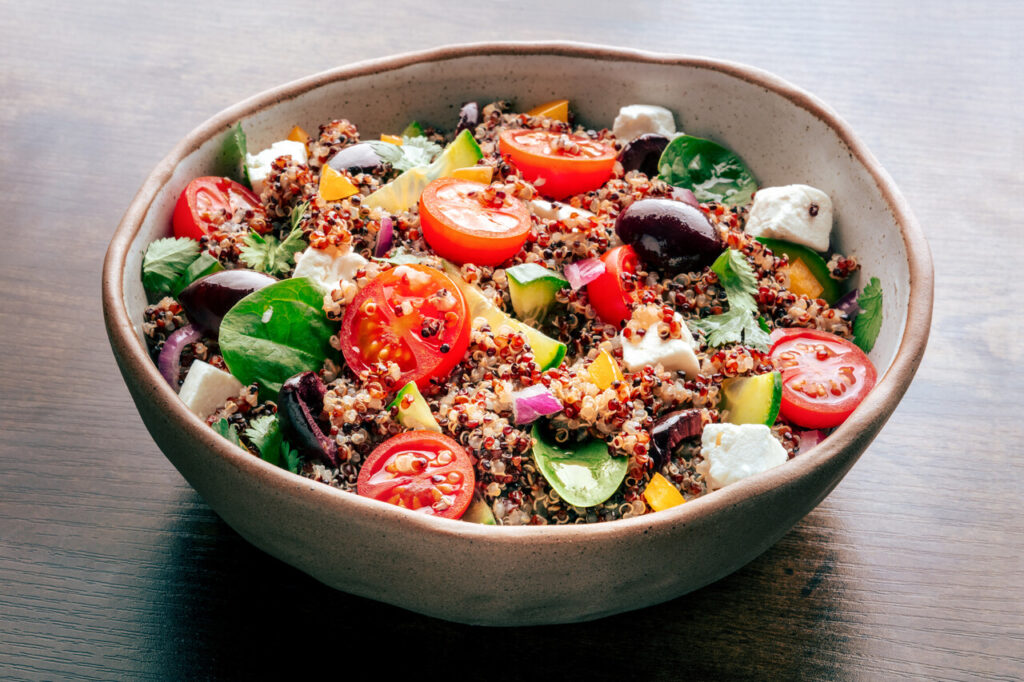
The Mother Earth style grain bowl leans heavily into health-conscious branding, using ingredients associated with clean eating and wellness culture. Colorful presentation and varied textures make the dish visually appealing and highly shareable.
Pricing often reflects the restaurant’s overall lifestyle positioning rather than ingredient expense alone. Diners pay for ambiance, branding, and perceived quality alongside the actual meal itself.
Many customers appreciate the balanced nutrition and convenience, yet similar combinations of grains and roasted vegetables can be prepared at home at a fraction of the cost. The bowl highlights how lifestyle marketing supports premium pricing strategies.
7. Chipotle Sofritas Lifestyle Vegan Bowl
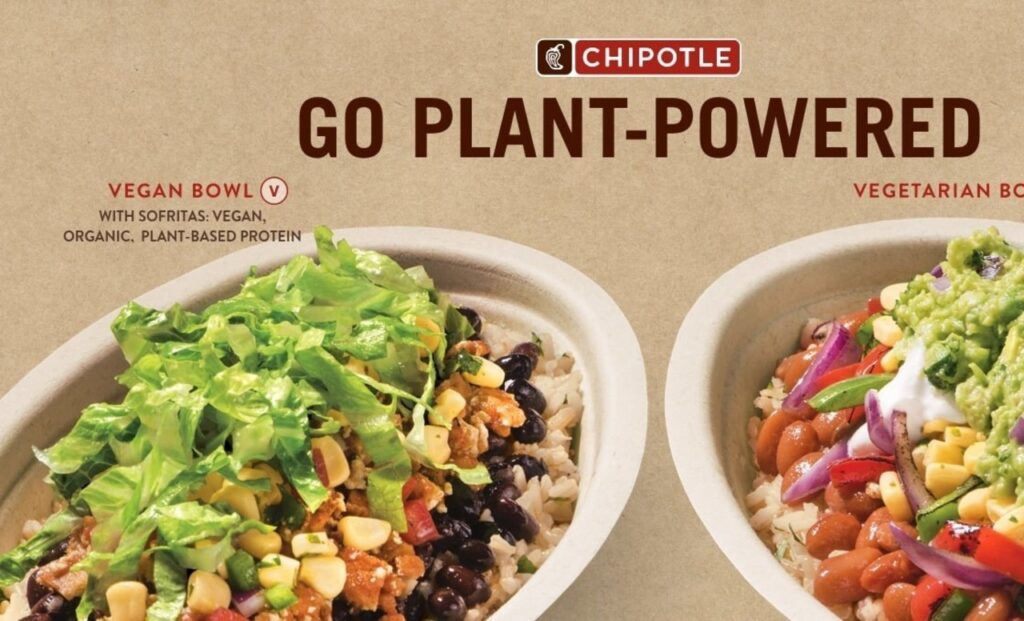
The Sofritas lifestyle bowl demonstrates how large chains adapt plant-based offerings to fit current health trends while maintaining familiar assembly line service. Tofu-based protein paired with grains and vegetables creates a filling option aimed at vegan diners.
Despite lacking expensive meat ingredients, pricing often remains close to traditional bowls, especially after customization. The standardized format allows chains to price vegan options comparably to protein-heavy alternatives.
Customers value consistency and quick preparation, making the bowl popular among busy diners. Still, some question why plant-based options cost nearly the same as meat-centered versions, reflecting evolving expectations around menu pricing.
8. Dig Inn Market Bowl Vegan Grain Build
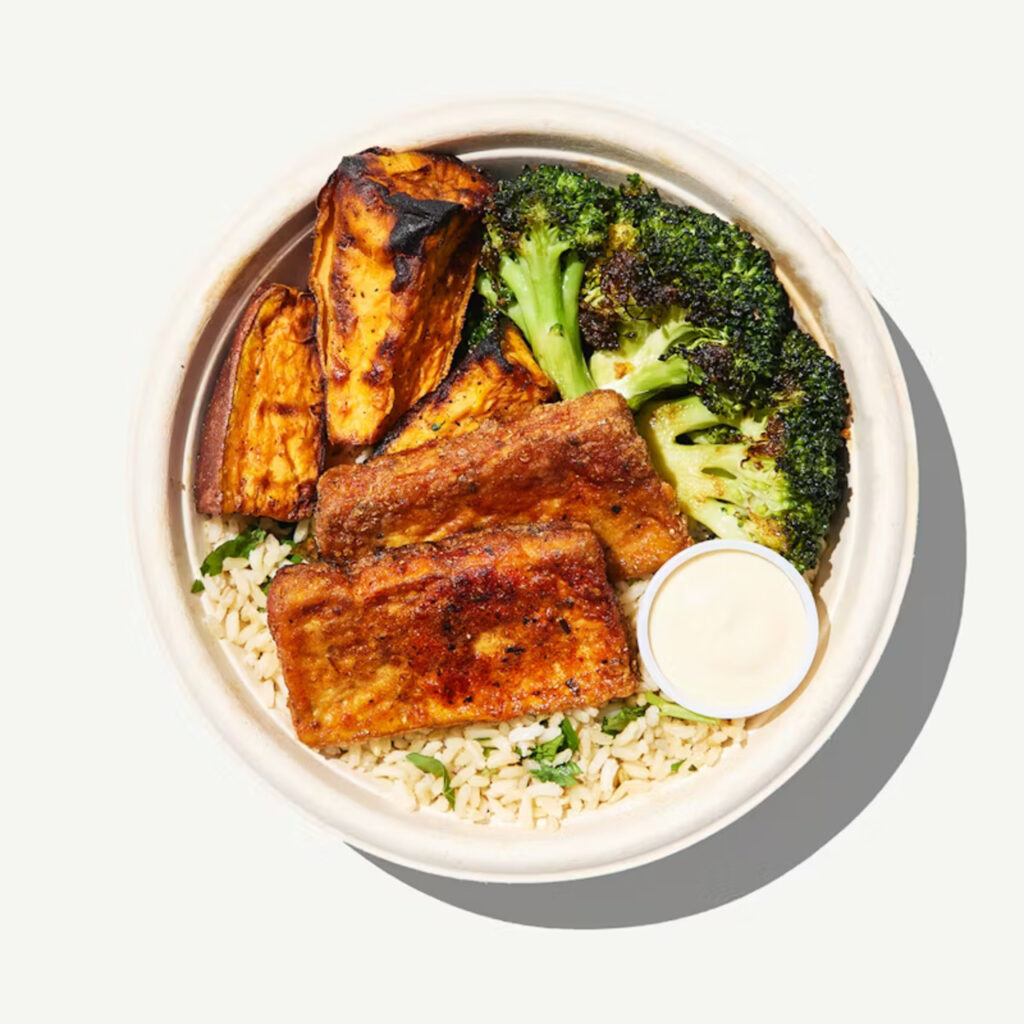
Market-style grain bowls emphasize seasonal vegetables and wholesome ingredients arranged in visually appealing combinations. The presentation encourages customers to see the meal as nourishing and thoughtfully prepared.
Pricing reflects the premium fast casual category, where convenience and freshness justify higher costs. Even though grains and vegetables remain affordable staples, assembly and restaurant positioning elevate overall price perception.
Customers seeking healthier alternatives often accept these prices in exchange for convenience and a quality atmosphere. The bowl demonstrates how freshness and branding help restaurants charge premium rates for simple plant-based meals.
9. Just Salad Earth Bowl Vegan Grain Base
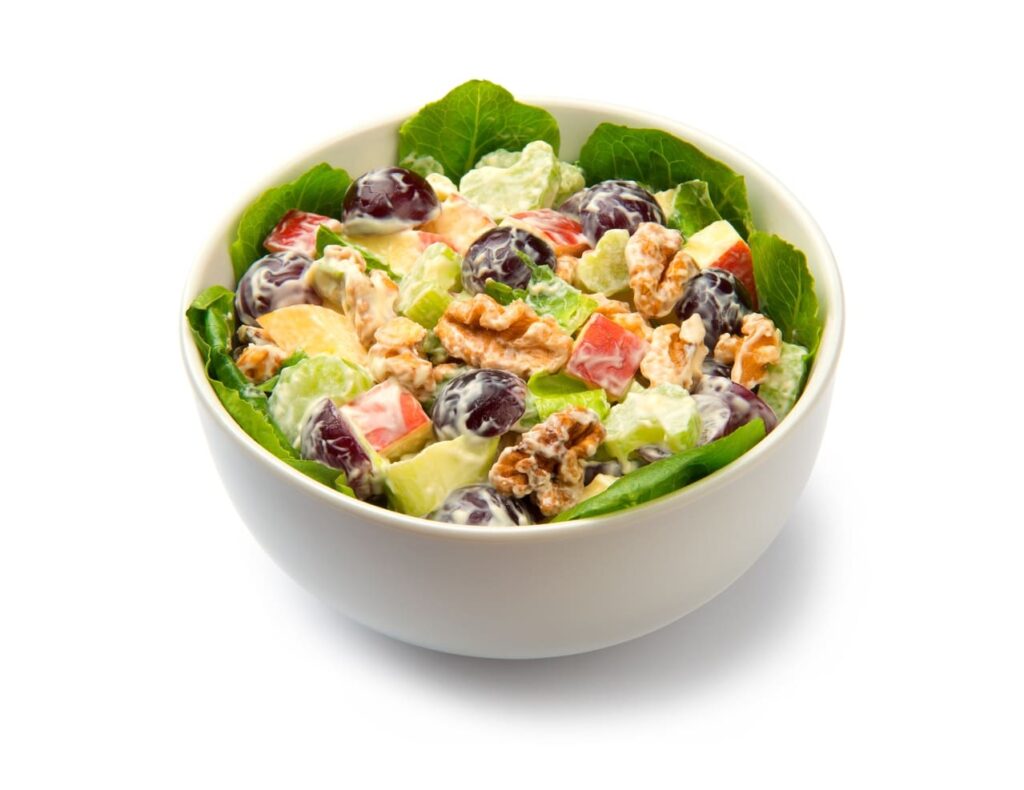
Earth-themed grain bowls focus on sustainability and environmentally conscious branding, aligning meals with values beyond nutrition. Ingredients typically include grains, roasted vegetables, and plant-based proteins arranged to emphasize balance.
Higher pricing reflects not just food but the brand’s eco-friendly messaging and customization options. Add-ons and specialty dressings quickly increase costs, pushing bowls into premium territory despite modest base ingredients.
Many diners appreciate the ethical branding and convenience, yet the price comparison with homemade meals remains striking. The bowl illustrates how value-driven marketing shapes willingness to pay more.
10. Tender Greens Vegan Backyard Grain Bowl
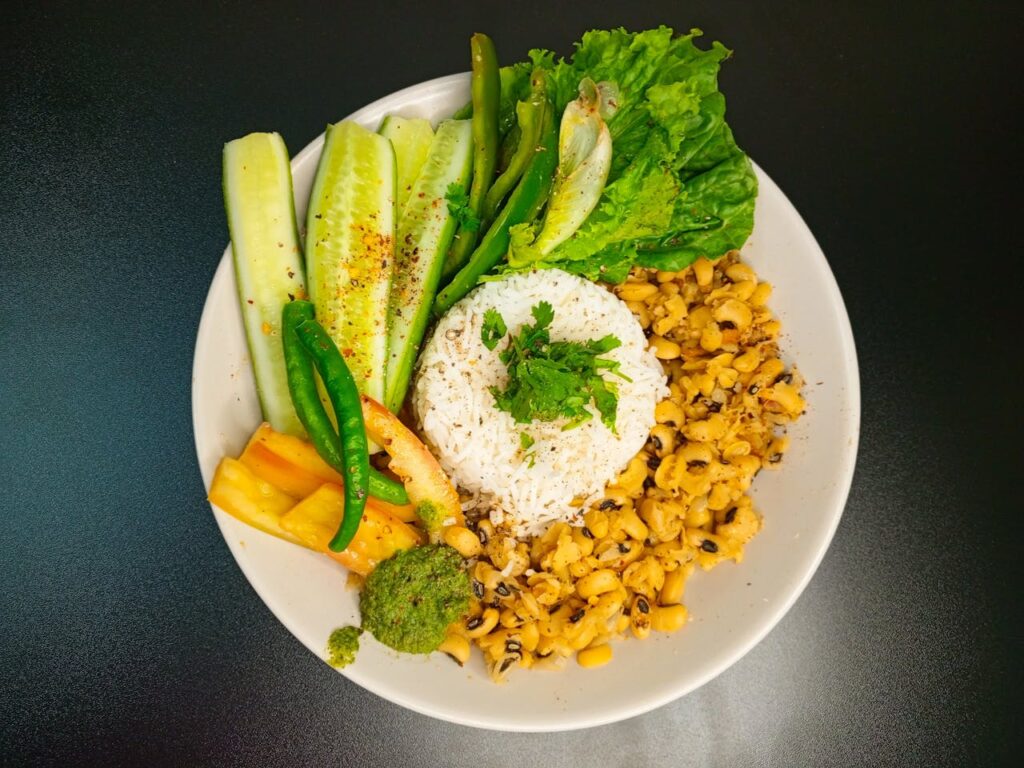
Backyard-themed grain bowls use language suggesting freshness and simplicity, combining grains, vegetables, and sauces that feel approachable yet refined. Presentation and plating resemble casual restaurant dining rather than quick-service food.
Even with plant-based ingredients, pricing often aligns with meat dishes due to the restaurant setting and service style. Customers are paying for the dining experience as much as the meal itself.
The bowl succeeds by balancing comfort with health conscious appeal. However, it also highlights how restaurants can price simple grain-based dishes at premium levels when atmosphere and branding support the experience.
11. Panera Mediterranean Grain Bowl Vegan Modified
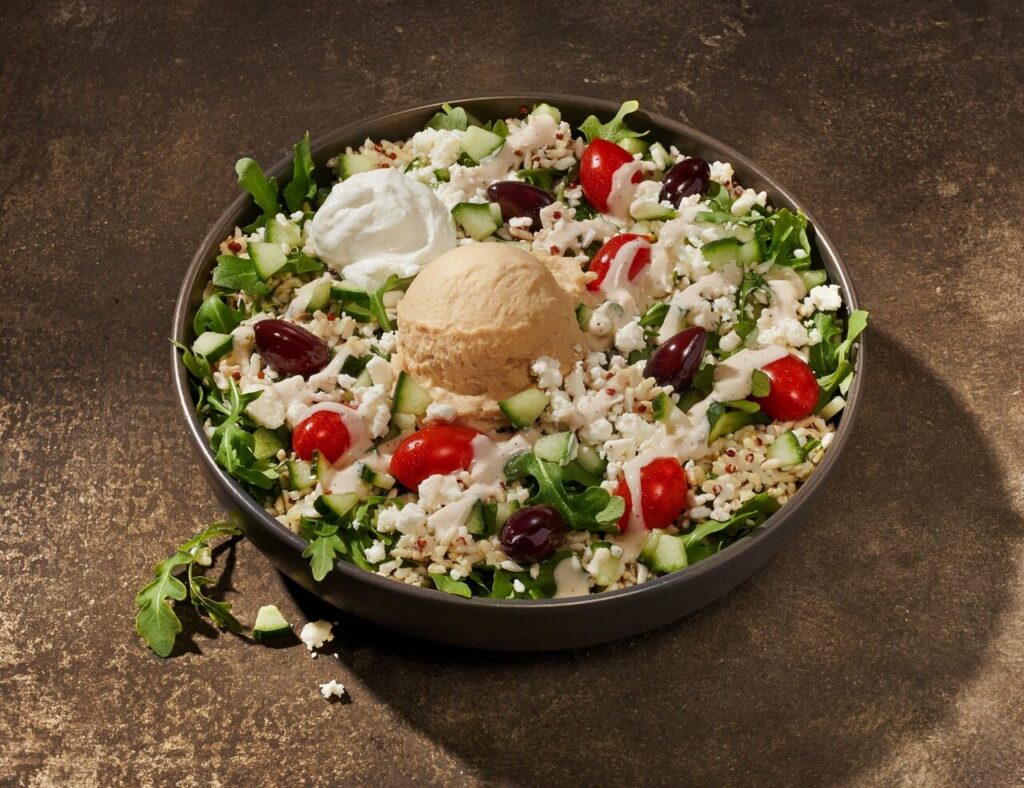
Mediterranean grain bowls rely on familiar flavors like hummus, vegetables, and herbs to create meals that feel both hearty and healthy. Customers often customize these bowls to fit vegan preferences, adding flexibility to menu choices.
Although ingredient costs remain relatively moderate, customization and brand positioning push pricing upward. The polished presentation and convenience of ready-to-eat meals contribute significantly to perceived value.
Many diners appreciate the accessibility of plant-based options at familiar chains, yet pricing comparisons reveal how simple ingredients can command higher rates once framed as curated wellness meals. The bowl reflects broader shifts in how restaurants market plant-forward dining.