12 Flat Croissant Trends That Prove Viral Baking Is Overrated

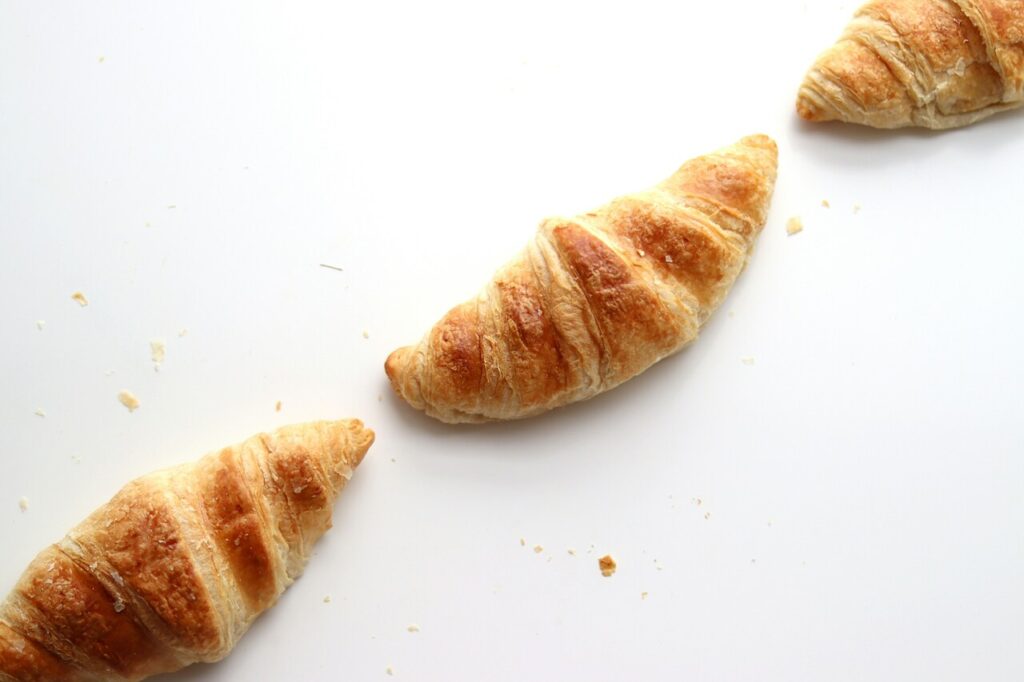
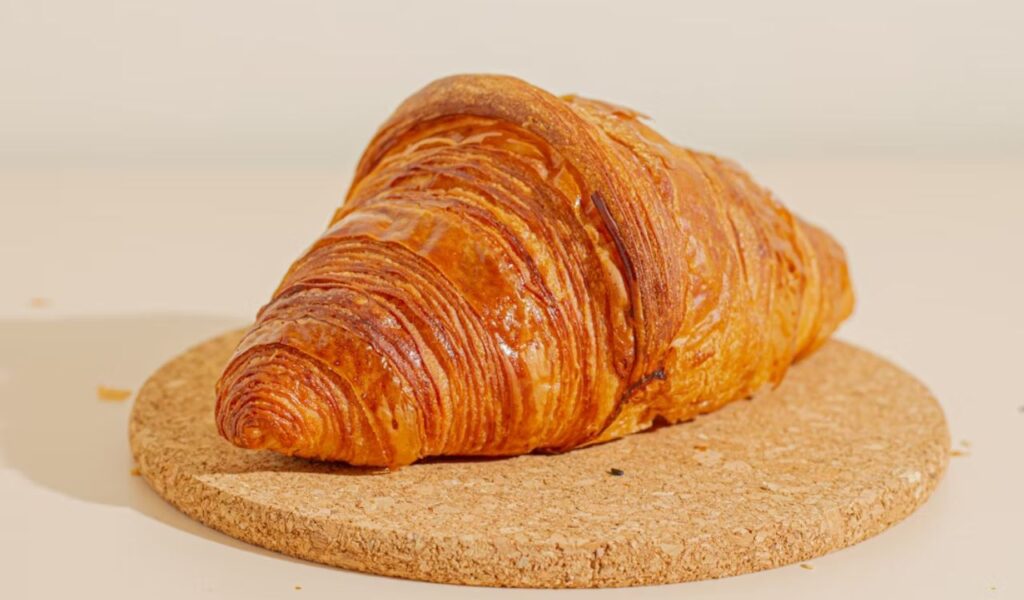
The flat croissant trend exploded across social feeds with glossy caramelized surfaces and dramatic crunch sounds that felt impossible to ignore. By pressing traditional croissants into thin, crisp layers and loading them with sugar, chocolate, or trendy toppings, bakeries created pastries designed to photograph beautifully. Yet beneath the visual spectacle, much of the delicate lamination and airy texture that define a true croissant is lost. The result often feels more like a viral hack than a meaningful baking innovation.
1. Seafood Flat Croissants
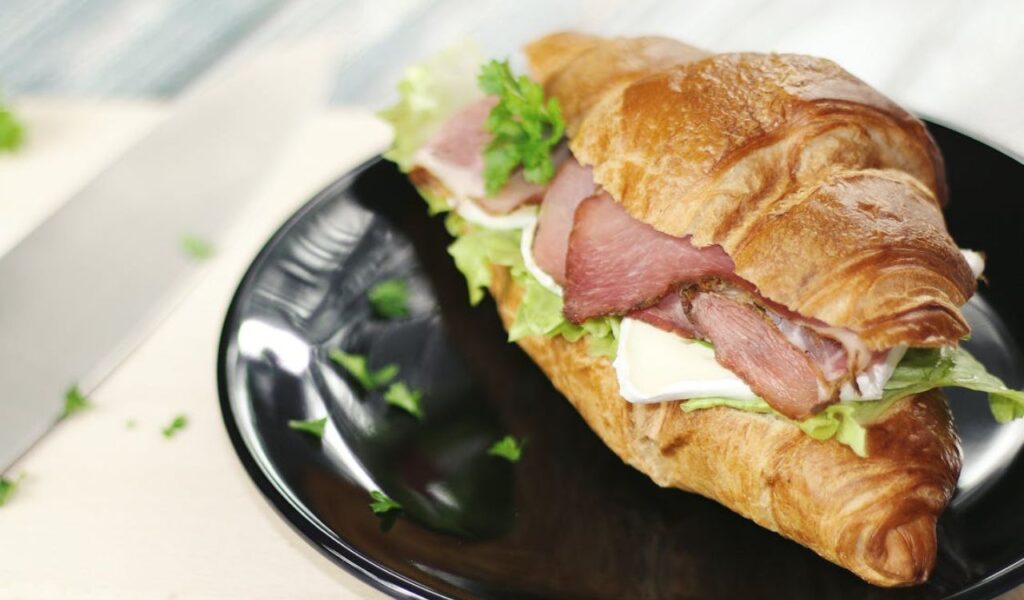
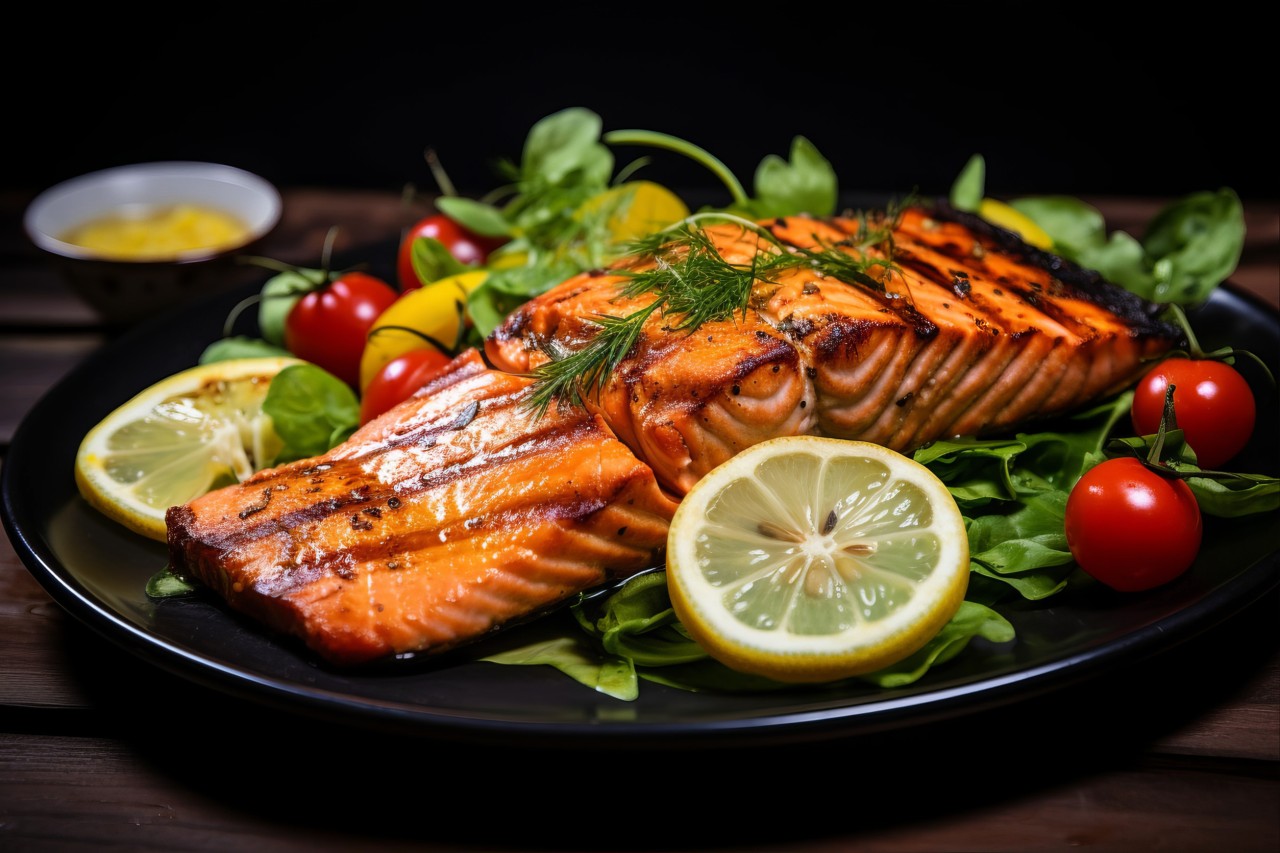
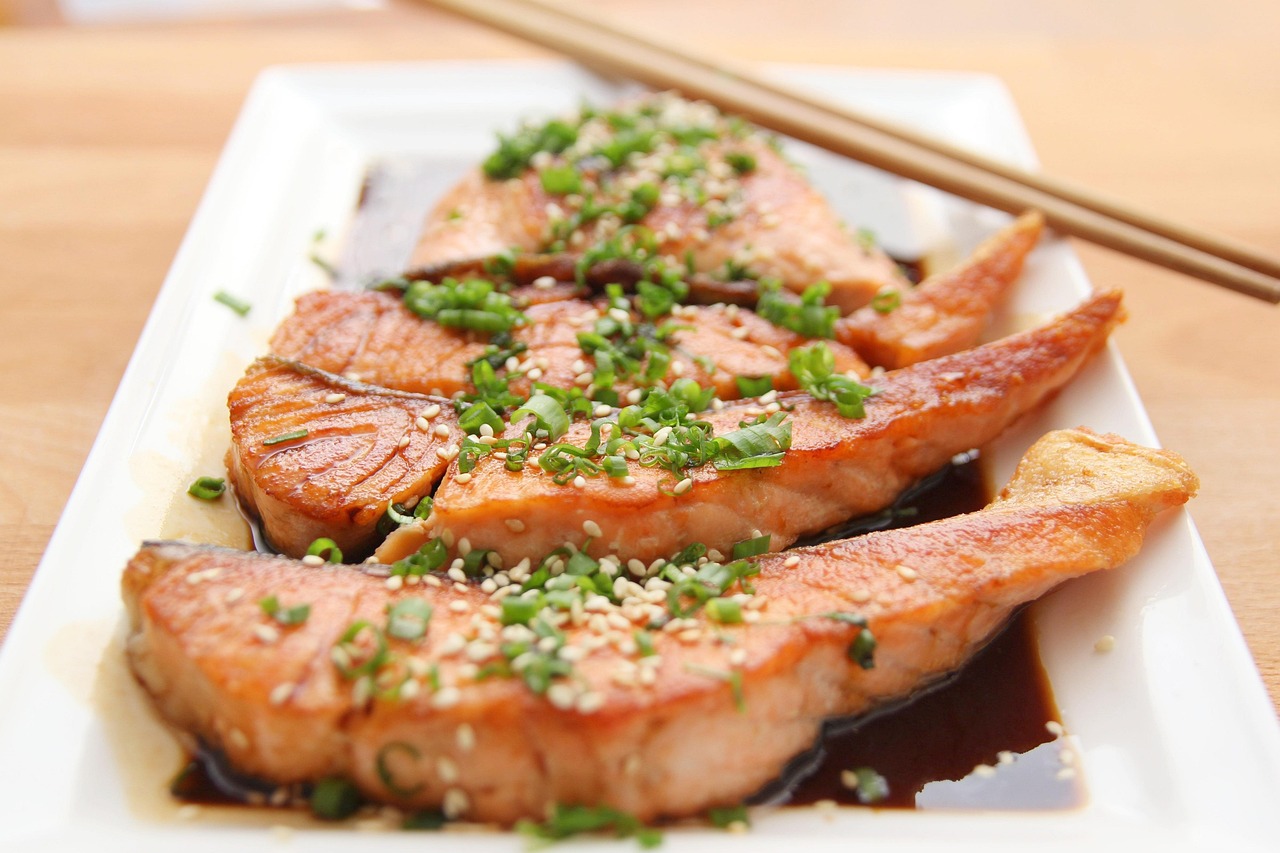
What began as a laminated pastry built on delicate layers has, in this trend, become a flattened base for luxury toppings like smoked salmon or shrimp. Pressing a croissant thin removes much of the airy interior that defines its craftsmanship.
Flattening compresses the butter layers that create flakiness. Instead of crisp exterior and honeycombed crumb, the pastry often turns dense and cracker-like. The seafood topping becomes the main attraction, while the croissant functions more like a platform.
The higher price usually reflects the protein placed on top rather than an improved baking technique. In many cases, a well-made traditional croissant with simple accompaniments delivers more balance and value.
2. Sugar-Coated Flat Croissants
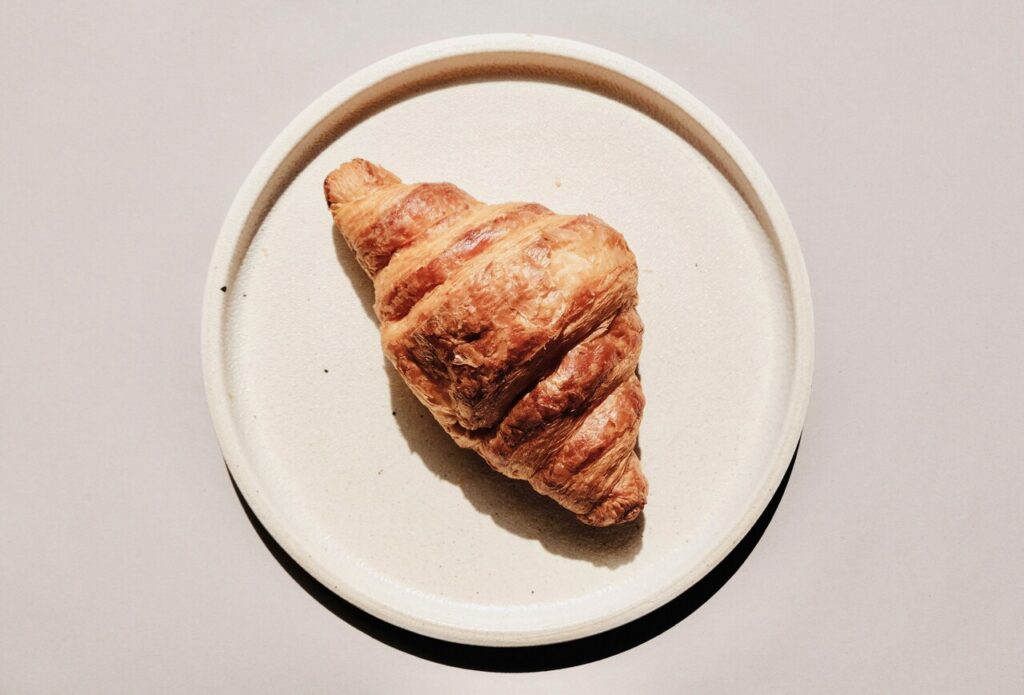
Turning croissants into sugar-crusted discs may look dramatic on camera, but the transformation often sacrifices the pastry’s defining texture. Flattening and caramelizing create crunch, yet it reduces the layered interior to a compressed sheet.
Granulated sugar and butter are inexpensive additions. The technique resembles repurposing rather than refinement, especially when standard croissants are pressed and coated to mimic a cookie hybrid.
The result photographs well and feels indulgent, yet the experience rarely matches the complexity of a properly laminated pastry. Much of the appeal lies in visual crackle rather than depth of flavor.
3. Chocolate-Dipped Flat Croissants
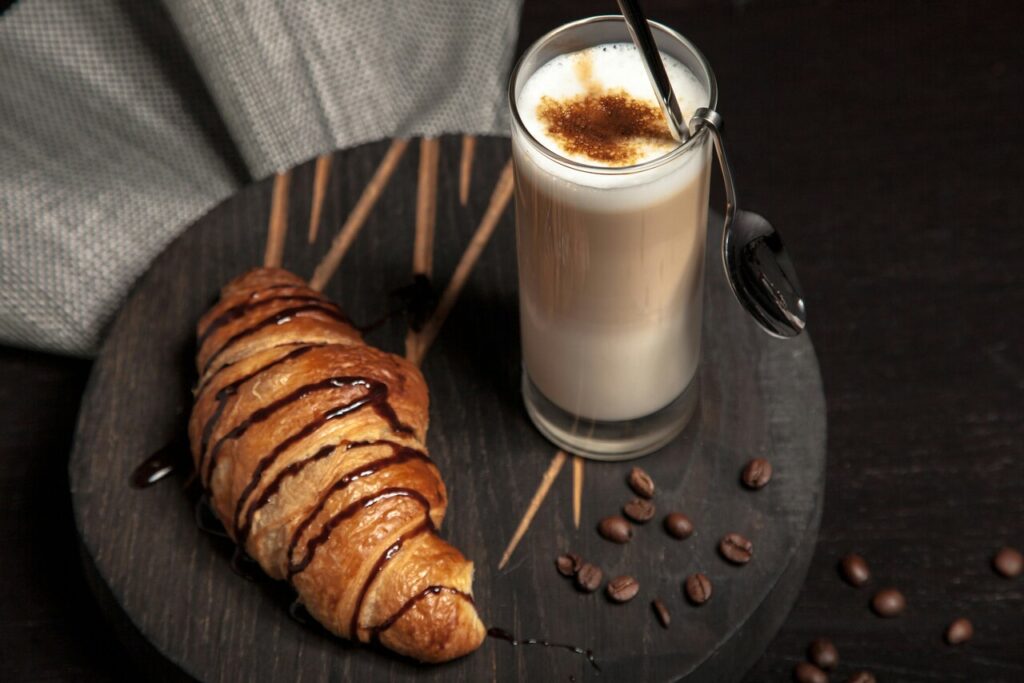
Dipping flattened croissants into melted chocolate creates contrast and bold visual appeal. The coating suggests luxury, even when the underlying pastry is ordinary or pre-baked.
Chocolate adds sweetness and richness, but it also masks structural flaws. A dense, flattened base becomes secondary once covered in a glossy topping. Ingredient cost remains modest compared with the price often charged.
The markup frequently comes from presentation and trend association. The pastry itself rarely benefits from improved technique, as chocolate coverage replaces craftsmanship with decoration. The visual drip and shine tend to matter more than lamination quality or freshness.
4. Matcha Flat Croissants
Adding matcha powder or flavored glazes to flattened croissants introduces color and perceived sophistication. The vibrant green hue signals modern bakery culture and specialty appeal.
Yet the underlying process remains simple, pressing and reheating. Matcha dusting adds flavor notes, but it does not restore the delicate layering lost through compression. The pastry often tastes sweeter than nuanced.
The elevated price reflects specialty branding more than ingredient rarity. Matcha itself is used sparingly, making the visual impact far greater than the material investment. The flavor intensity often depends more on sugar content than on high-grade tea powder.
5. Filled Flat Croissants
Injecting creams or fruit fillings into flattened croissants aims to create decadence through contrast. The soft interior contrasts with the crisp exterior surface, producing a hybrid dessert texture.
However, flattening first can limit space for balanced filling distribution. Many versions rely heavily on sweet cream to compensate for lost flakiness. The pastry becomes secondary to the filling.
Higher pricing often reflects perceived indulgence rather than baking complexity. A traditional filled croissant typically preserves its structure better than a pressed version. Excess filling can overwhelm rather than enhance the original pastry character.
6. Savory Flat Croissant Sandwiches
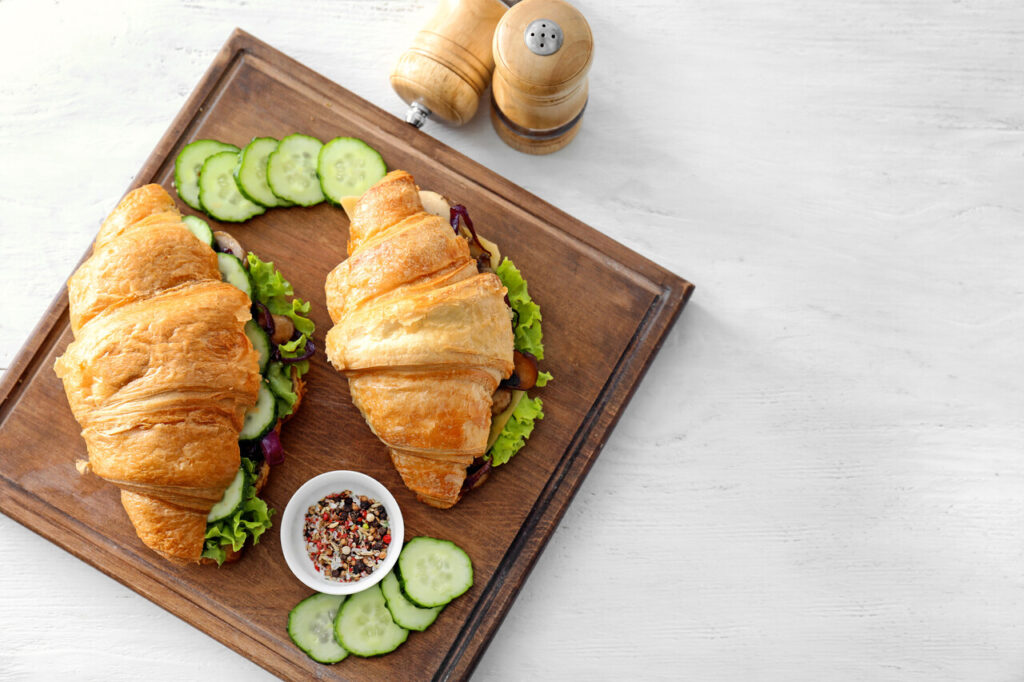
Transforming flattened croissants into sandwich bases introduces a crisp, panini-style concept. The idea blends pastry with savory café trends to attract attention.
The compression step reduces internal air pockets, making the bread less tender. Fillings often dominate, leaving the croissant tasting more like toasted bread than laminated dough. Pressing collapses the delicate layers that define proper lamination, flattening the flaky structure into something dense.
While convenient for handheld service, the method prioritizes durability over texture. Pricing often mirrors gourmet sandwiches, even though the pastry quality may decline. The focus shifts from baking technique to ingredient stacking.
7. Day-Old Croissant Reworks
Flattening provides an efficient way to repurpose croissants that are no longer at peak freshness. Pressing and reheating can restore surface crispness while disguising staleness.
This approach reduces waste, which is practical for bakeries. However, it may also justify charging premium prices for pastries that began as leftovers rather than fresh batches. Repurposing day-old croissants into pressed or filled items allows businesses to extend shelf life without discarding product.
The trend blurs the line between innovation and reuse. Customers may not realize that the technique can serve operational efficiency as much as culinary creativity. The refreshed texture can conceal age without truly improving quality.
8. Minimal Flake Versions
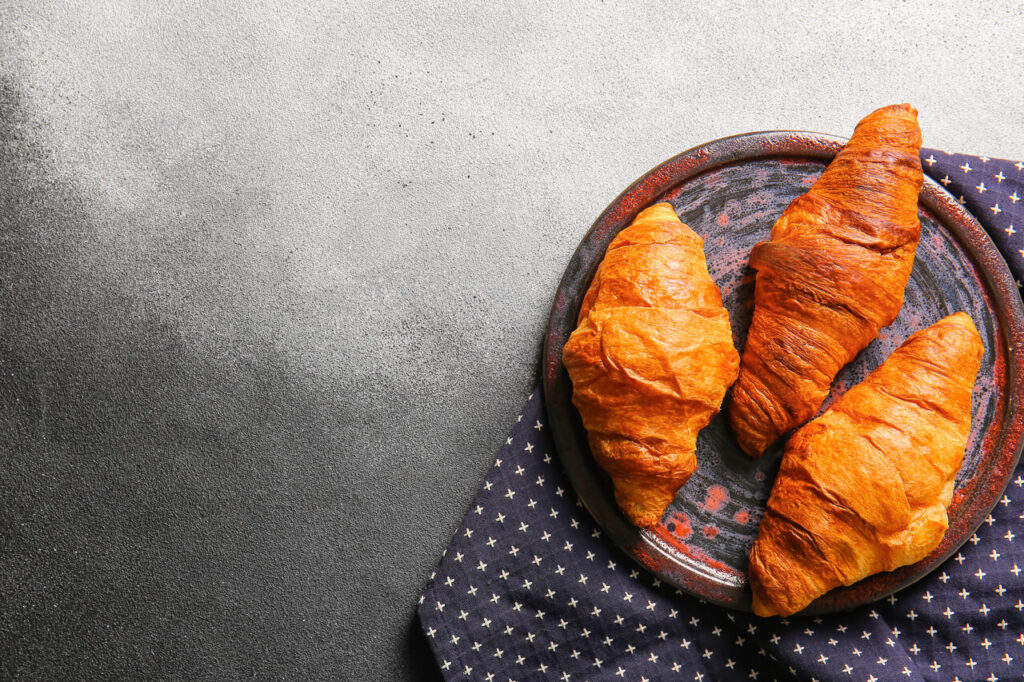
Classic croissants depend on visible layers and delicate shards that break apart easily. Flattening compresses these layers into a uniform sheet, diminishing that signature flake.
Without the layered crumb, the pastry behaves more like puffed toast than laminated dough. The experience shifts from airy complexity to straightforward crunch. The delicate separation between butter and dough layers, which normally creates lift and lightness, becomes compressed into a single dense bite.
The visual novelty cannot fully replace structural craftsmanship. Many buyers find that the flattened version feels less luxurious despite similar pricing. The defining contrast between crisp shell and soft interior becomes noticeably reduced.
9. Instagram Croissant Hacks
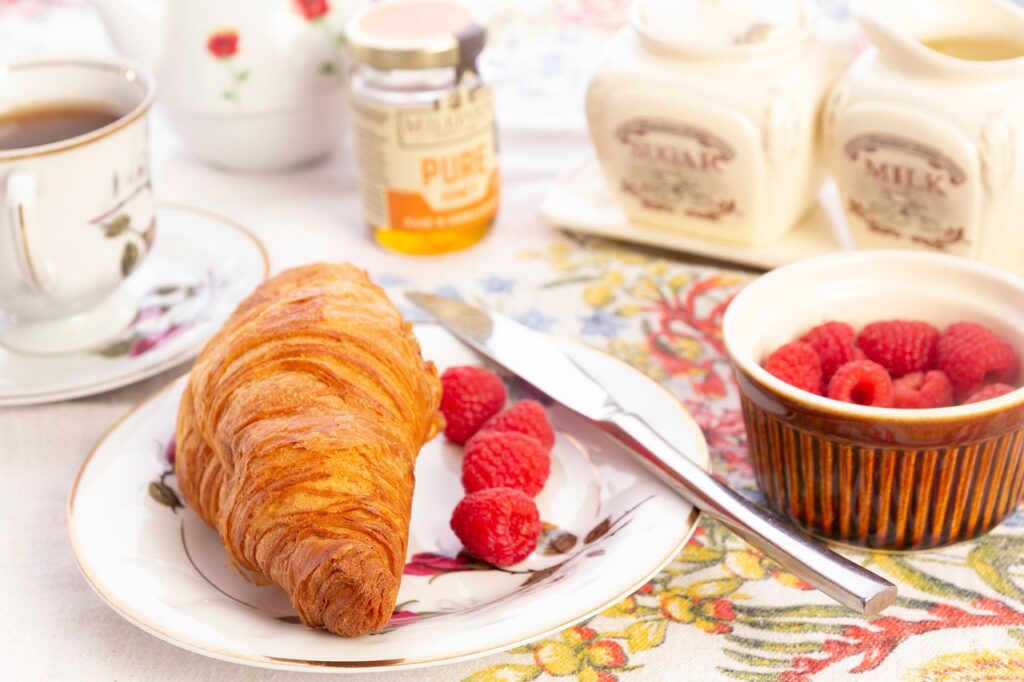
Online tutorials encourage dramatic pressing, caramelizing, and topping to maximize visual payoff. The camera angle often emphasizes crunch sounds and glossy finishes.
The simplified process focuses on rapid transformation rather than technical lamination skill. Heavy toppings and coatings draw attention away from the pastry’s structure. Instead of highlighting the precision required to create distinct butter layers, the emphasis shifts to visual appeal and immediate flavor impact.
Viral appeal drives demand, but the underlying technique is less refined than traditional baking. The trend favors spectacle over substance. Engagement metrics often matter more than pastry fundamentals.
10. Seasonal Flat Variations
Seasonal colors and themed toppings refresh the flat croissant concept throughout the year. Pumpkin spice or holiday glazes give the pastry temporary relevance.
The core preparation remains identical, with only surface decoration changing. Limited-time flavors encourage impulse purchases without altering production fundamentals. Seasonal glazes or colorful coatings create the perception of novelty while the base dough stays the same.
Seasonal framing can inflate price through scarcity perception. The pastry’s base technique remains simple despite festive branding. The rotating themes add excitement without improving structure or ingredient quality.
11. Café Markup Flat Croissants
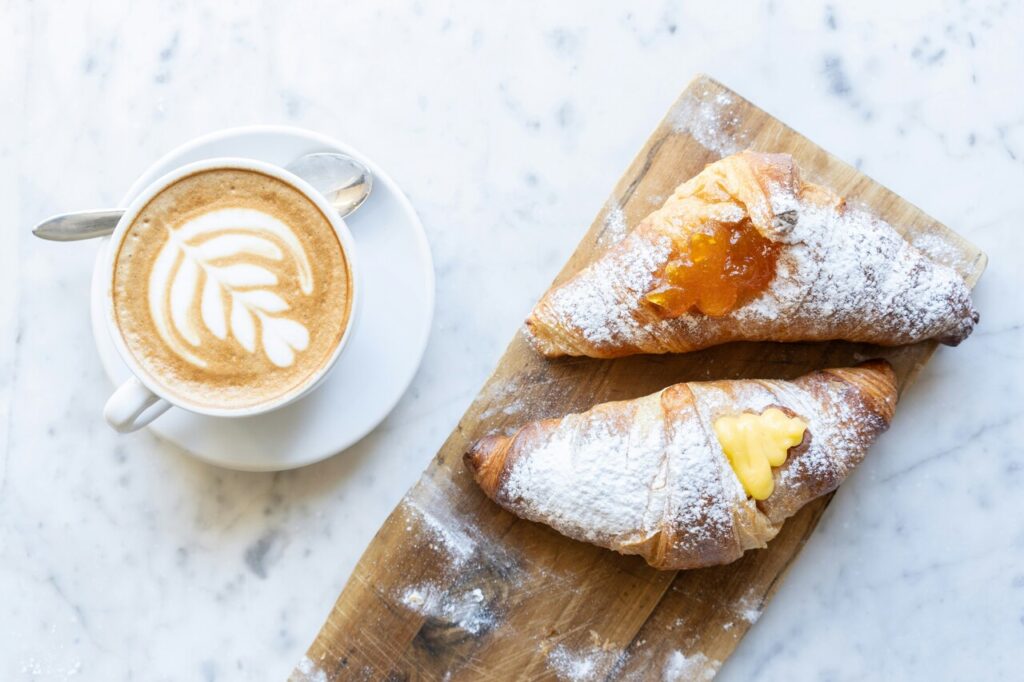
Cafés often position flat croissants as specialty items due to preparation theatrics. Watching them pressed and caramelized adds performance value to the purchase.
Ingredient costs remain close to standard croissants plus sugar or glaze. The elevated price typically reflects ambience and branding rather than ingredient innovation. Presentation upgrades and curated displays justify higher menu positioning.
Customers may equate trend participation with premium quality. In reality, the markup often exceeds the technical advancement involved. The experience becomes part of the bill, not the pastry itself.
12. DIY Flat Croissant Kits
DIY kits package the idea of flattening croissants at home with toppings and instructions. They capitalize on curiosity around viral baking trends and promise easy replication.
The components are usually basic pastries and simple add-ons. The kit format reframes an easy technique as a curated experience rather than a straightforward kitchen shortcut.
While interactive, the added cost reflects packaging and concept rather than baking difficulty. The simplicity of the process underscores how viral appeal can outweigh culinary depth. The do-it-yourself angle adds novelty without adding complexity.