The Growing Distrust Toward Foods Shoppers Once Bought Without Thinking


Not long ago, grocery shopping required little more than habit and a short list. Today, many shoppers pause, flip packages over, and question ingredients, sourcing, and safety claims that once seemed routine. High-profile recalls, complex global supply chains, and growing health awareness have reshaped how people view everyday foods. Trust in institutions has weakened, while demand for transparency has grown stronger. The result is a new shopping mindset where confidence is no longer automatic, and even familiar products face scrutiny.
Declining Trust in the Food System
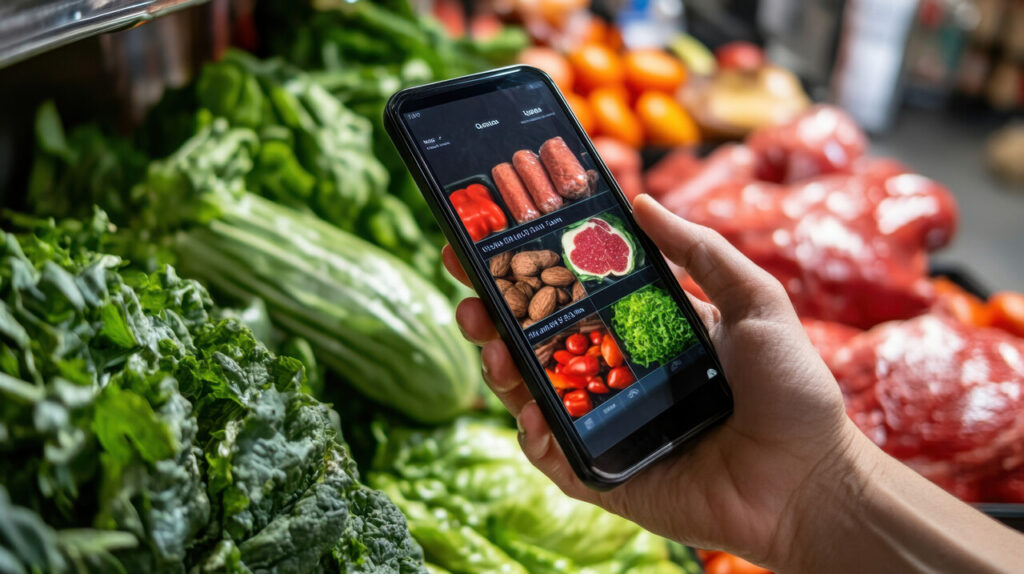
Trust in the food system used to be taken for granted by many shoppers, but that has shifted significantly in recent years. Today, consumers often question whether regulations, industry standards, and food producers are doing enough to ensure safety and quality. A growing number of people doubt that food safety authorities and governing bodies have their best interests at heart. This loss of confidence comes from greater visibility of food issues and a deeper understanding of how foods move from farm to plate. Complex supply chains make it harder for consumers to know how ingredients are sourced or handled.
This shift toward skepticism does not occur uniformly across all groups. Research shows that people with higher education levels or stronger awareness of food safety concerns are often more critical of the food system’s performance. They tend to view food safety incidents as evidence that oversight and governance are insufficient. When a recall or safety breach becomes public, it no longer surprises many shoppers but reinforces underlying doubts. This mistrust grows not just from isolated issues but from repeated exposure to news and commentary suggesting that industry interests sometimes override consumer well-being.
Food Safety Scandals and Consumer Skepticism

Food safety scandals have played an outsized role in accelerating consumer distrust in foods once purchased without concern. Incidents involving contamination, adulteration, or mislabeling can reverberate across countries and erode confidence in entire product categories. When a well-known brand or staple product is linked to a health risk, the impact often extends far beyond that single case. These events introduce understandable anxiety because they demonstrate that systems designed to protect consumers can and do fail. Once shaken, consumer confidence does not always return quickly, even after corrective measures are implemented.
Part of the skepticism stems from how these incidents are communicated and covered by the media. When recalls or safety breaches dominate headlines, they create powerful associations in the minds of shoppers about risk and vulnerability. These stories often stress worst-case outcomes rather than explaining technical safety limits or context around risk assessments. As a result, many consumers assume that foods are less trustworthy than they once believed. This response aligns with psychological research showing that vivid negative events disproportionately shape perceptions of risk compared with routine, uneventful consumption.
The Influence of Labels and Packaging
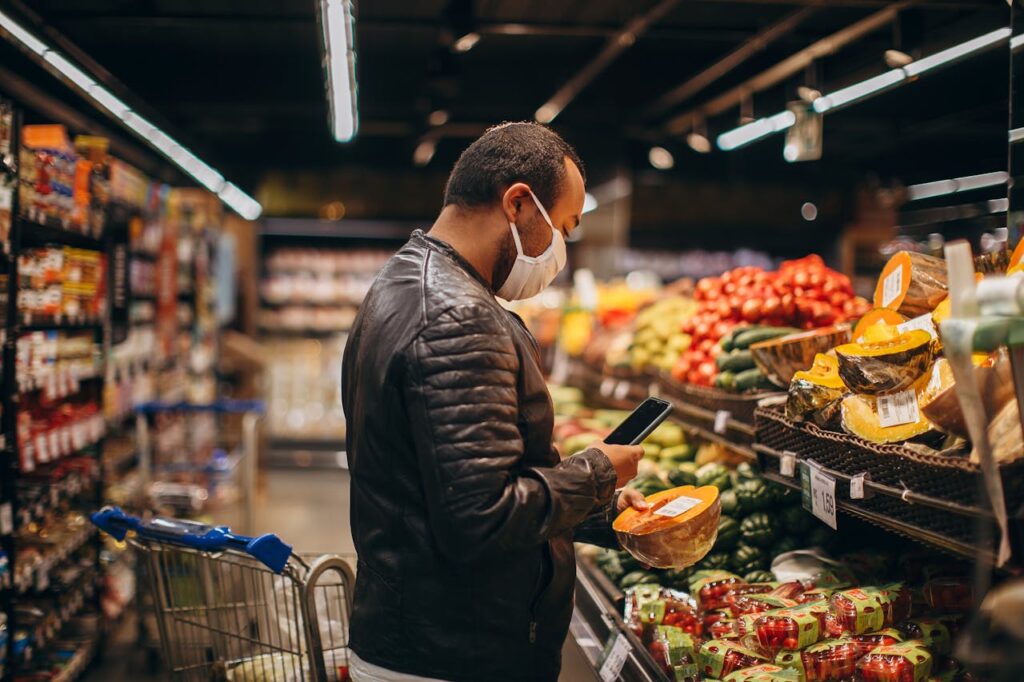
Labels and packaging were once simple indicators of ingredients and nutrition, but today they are central to why shoppers question foods more intensely. Many consumers now treat labels as signals of authenticity, safety, and ethical sourcing. When labels appear vague, confusing, or overly complicated, it fuels suspicion rather than reassurance. People increasingly scrutinize ingredient panels and nutrition claims closely, trying to interpret what lies beneath marketing language. This shift reflects a desire to feel informed and in control, especially when trust in food institutions has weakened over time.
The growing complexity of packaged food labels also challenges everyday understanding. Many products contain shortened ingredient names, technical terms, or industry jargon that most shoppers do not recognize. This disconnect between label language and consumer interpretation encourages assumptions that something might be hidden or deceptive. At the same time, the rise of front-of-pack rating systems intended to simplify nutrition information has received mixed responses. In some cases, shoppers rely less on official labels and more on their own interpretations or third-party apps to make sense of what products contain.
Ultimately, packaging and labeling have become battlegrounds for trust and meaning. Products marketed with minimal ingredient lists and clear sourcing cues often appeal more to skeptical shoppers than those with long lists of unfamiliar additives. Labels that provide specific origin details, production methods, and transparent safety assurances can act as trust builders. However, when labels feel vague or artistic rather than informative, they contribute to the sense that information is being withheld. For many, the packaging experience now plays a major role in making or breaking confidence in foods once bought without much thought.
Media and Misinformation Driving Fear
Media coverage plays a critical role in shaping consumer perceptions of food safety and trustworthiness. News outlets, social platforms, and online forums propel food stories rapidly into the public eye, often amplifying fear or concern. When incidents involving contamination, recalls, or false advertising go viral, they shape public understanding far more than dry official statistics. This heightened visibility influences how shoppers at every income level view foods they once consumed without worry. Ultimately, media narratives can overshadow technical evaluations or regulatory explanations, making scare reactions more common than balanced understanding.
Social media, in particular, magnifies mistrust because it creates networks of shared fear and anecdote. A single post about a perceived risk can spread quickly and prompt widespread concern before verification occurs. This phenomenon occurs in part because emotional messaging travels faster than factual nuance. People share stories that resonate emotionally with friends or followers, reinforcing collective suspicion. Over time, these shared narratives harden into assumptions about widespread food problems rather than isolated incidents.
Trust in Institutions Versus Personal Networks
As uncertainty about foods grows, many consumers place more trust in personal connections than in official institutions. People often rely on family, friends, and community members for advice about what to buy and consume. Firsthand recommendations feel more relatable and less filtered than government safety statements or industry press releases. This shift stems from a belief that institutions may prioritize economic interests over consumer well-being. Personal networks are perceived as independent, even if they lack technical expertise. When institutions fail to communicate transparently, this gap is filled by informal sources.
Research shows that trust levels vary widely depending on the source of information. Scientists, health professionals, and academics are often trusted more than food brands or government agencies when discussing safety concerns. Conversely, supermarkets and food industry representatives receive relatively low trust scores from many shoppers. Individuals who rely on social media or informal networks for information tend to show less confidence in official safety systems. This trend highlights the growing importance of peer-to-peer communication. When consumers feel unheard by formal entities, personal networks become primary references for decision-making.
The Demand for Transparency and Traceability
Shoppers increasingly demand labels that show origin points, farm locations, and ethical or sustainability practices. Foods marketed with clear farm names or local partnerships often earn greater trust than generic packaged goods. This trend reflects a broader desire to reconnect with the origins of food and reduce reliance on anonymous industrial processes. When consumers can trace a product back to recognizable actors, it strengthens confidence in what they’re eating. Traceability also empowers people to make choices aligned with their values, whether related to health, environmental impact, or ethical standards.
However, the demand for transparency is uneven across regions and demographics. Some consumers prioritize traceability for specific categories like fresh produce and meat more than processed foods. Others look for certifications regarding organic status, fair trade, or non-GMO claims. Difficulty interpreting these multiple signals can sometimes add to confusion rather than clarity. Still, the overall movement toward traceable food reinforces a growing belief that hidden processes contribute to distrust. As a result, producers who invest in openness and documentation often fare better in the court of consumer confidence.
Globalization and Complexity in Food Supply Chains
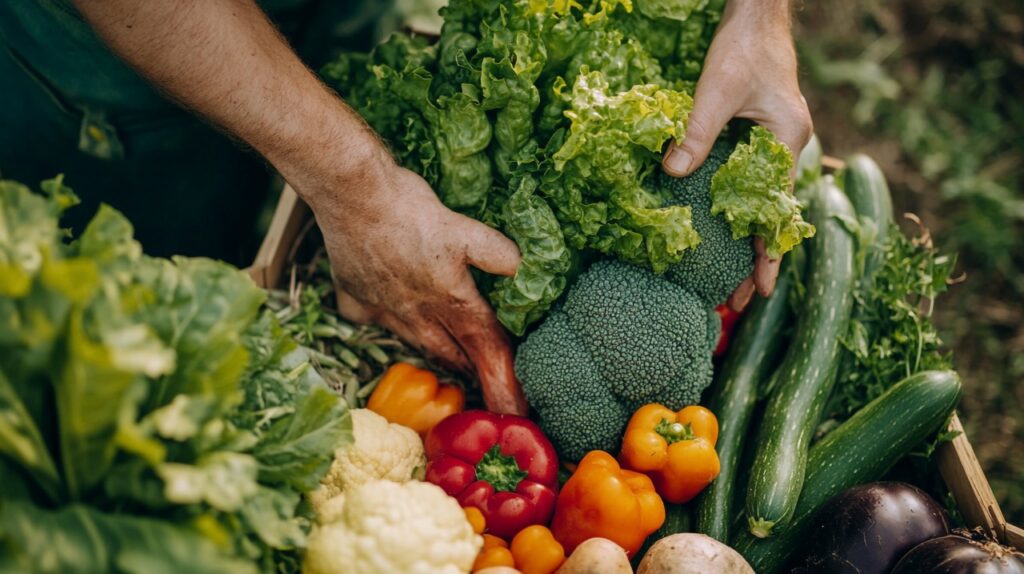
The global food system today is far more intricate than it once was, and that complexity contributes to shopper skepticism. Foods now travel long distances, pass through multiple intermediaries, and undergo various processing stages before reaching the consumer. While this system enables year-round availability of diverse foods, it also obscures the path from farm to table. Most shoppers cannot trace exactly how a product moved from primary production through processing, distribution, and retail. Conflicting regulatory frameworks and variations in enforcement exacerbate these doubts. This lack of visibility fuels concerns about safety, origin, and quality.
Efforts to manage this complexity depend on communication and transparency. When supply chains remain opaque, consumers fill gaps with assumptions about risk. Stories about contamination or unethical practices abroad have global ripple effects that affect confidence universally. To counter this, industry and regulators increasingly emphasize traceability technologies and certification systems. However, skepticism persists when these systems feel disconnected from everyday shopping experiences. As a result, food globalization is both a strength of modern markets and a challenge for consumer trust.
Health Perceptions and Avoidance of Processed Foods

Increasing awareness about nutrition and long-term health risks influences how people judge foods that once seemed uncontroversial. Shoppers today pay more attention to how foods affect wellness, weight, and chronic disease outcomes. Foods high in sugar, salt, and saturated fats are now scrutinized more closely, even if they carry conventional safety certifications. This shift reflects a broader understanding that food safety goes beyond contaminant absence to include health implications of regular consumption. People seek foods that align with recommended nutrition guidelines, not just products that avoid immediate health hazards.
Processed and ultra-processed foods have become prime targets of this distrust because they often contain additives, preservatives, and engineered textures that feel unnatural to many consumers. Even when regulatory agencies deem these foods safe, shoppers question whether they are truly beneficial for long-term health. They compare ingredient lists, scrutinize nutritional scores, and sometimes avoid entire food categories based on perceptions rather than regulations. Health narratives and academic research connecting processed foods to obesity, metabolic syndrome, and other conditions amplify these perceptions.
This health-related skepticism does not affect all foods equally. Fresh produce, whole grains, and minimally processed items often enjoy elevated trust levels because they align with mainstream health advice. In contrast, snacks and convenience foods attract greater suspicion. Shoppers view choices through a health lens, not simply a safety lens, leading to reevaluation of foods once bought casually. The result is a sense that modern foods, while technically safe, may not be health-promoting. Nutritional density increasingly influences purchasing decisions.