A Winemaker Shares Why Some Wines Contain Ingredients You’d Never Guess

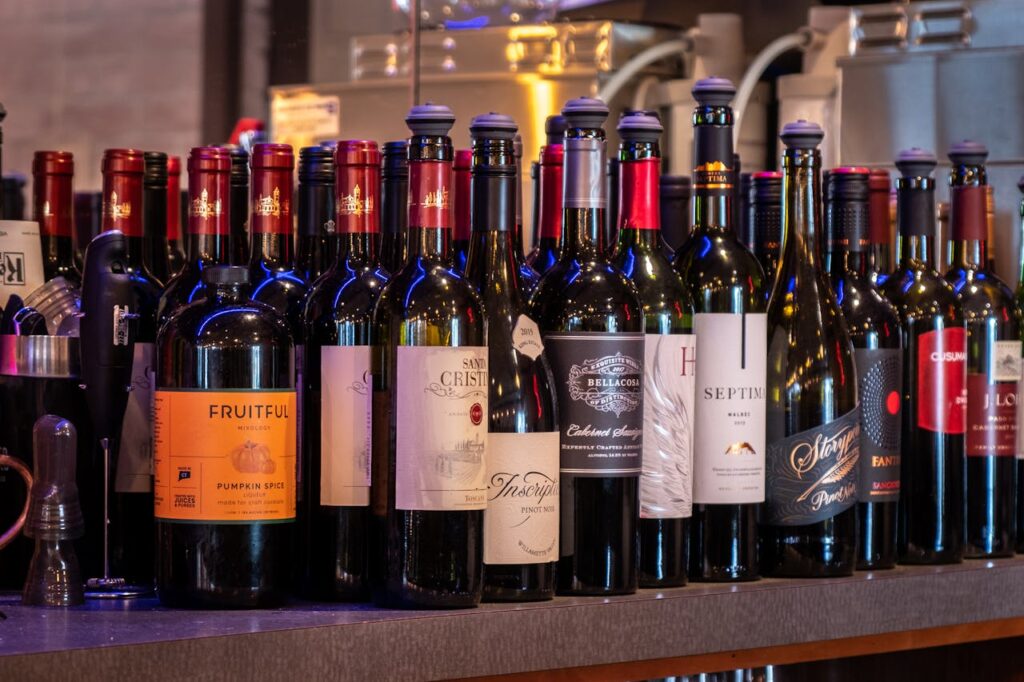
Wine often feels like one of the simplest pleasures, just grapes transformed through time, technique, and a little bit of magic. But behind that elegant pour lies a world most drinkers never see. Many winemakers rely on unexpected ingredients to shape clarity, flavor, texture, and stability, and these additions play a far larger role than most people realize. From fining agents that polish the appearance to preservatives that ensure freshness during travel and storage, every element is chosen with intention rather than secrecy. These additions work quietly in the background to help winemakers handle unpredictable harvests and maintain consistency across seasons.
Understanding these hidden components doesn’t take away from the romance of wine; instead, it deepens it. These unseen steps reveal just how much craftsmanship and careful decision-making support every bottle, creating something consistent, expressive, and beautifully balanced. Exploring what quietly goes into your glass adds a new appreciation for the intention and innovation that rest behind every sip. It highlights the delicate balance winemakers navigate between nature and technique, shaping the experience without overshadowing it. In the end, knowing what’s inside the bottle only enriches the connection you feel with the wine and the hands that crafted it.
What You Can’t See in the Bottle

The most surprising truth about wine is that what’s inside the bottle isn’t always as simple as fermented grapes. Many winemakers use ingredients the average drinker would never expect, and most of these additions aren’t obvious on the label. This quiet complexity is part of why wines can taste so consistent year after year despite changing weather, growing conditions, and grape quality. These hidden elements allow winemakers to adapt to nature’s unpredictability without compromising the final result. They also help maintain the signature character of a wine that loyal customers trust and return to.
Behind every polished bottle is a series of decisions designed to stabilize, clarify, or fine-tune the wine. These steps help winemakers produce something visually appealing, shelf-stable, and reliable in flavor. While these additions don’t usually change the identity of the wine, they reveal how much craftsmanship and chemistry go into creating what looks like a simple product. Each choice reflects a balance between tradition and modern technique, ensuring the wine can travel, age, and be enjoyed without compromise. These interventions also help maintain consistency across large batches, meeting consumer expectations.
Why Additives Are Common in Wine Making
Wine doesn’t always behave predictably. Grapes vary from season to season, and that natural variation makes consistency a challenge for producers selling to a wide market. Additives help winemakers balance these differences so the final product tastes familiar and dependable. This is especially important for large-scale brands whose customers expect the same flavor profile every time. Even slight shifts in acidity or sweetness can change how a wine is perceived, making corrective tools essential. These adjustments ensure that each bottle meets consumer expectations, regardless of harvest conditions.
Another key reason additives appear is preservation. Without certain stabilizers, wine can oxidize, spoil, or lose its clarity far more quickly. Additives act as safeguards, giving winemakers more control over the aging process and helping the wine survive transportation, storage, and fluctuating temperatures. In the world of commercial winemaking, control is not a luxury; it’s a necessity. These ingredients help protect delicate aromas and colors that would otherwise fade or deteriorate. They also support a longer shelf life, ensuring the wine reaches consumers in the best possible condition.
Typical Additives That Might Surprise You
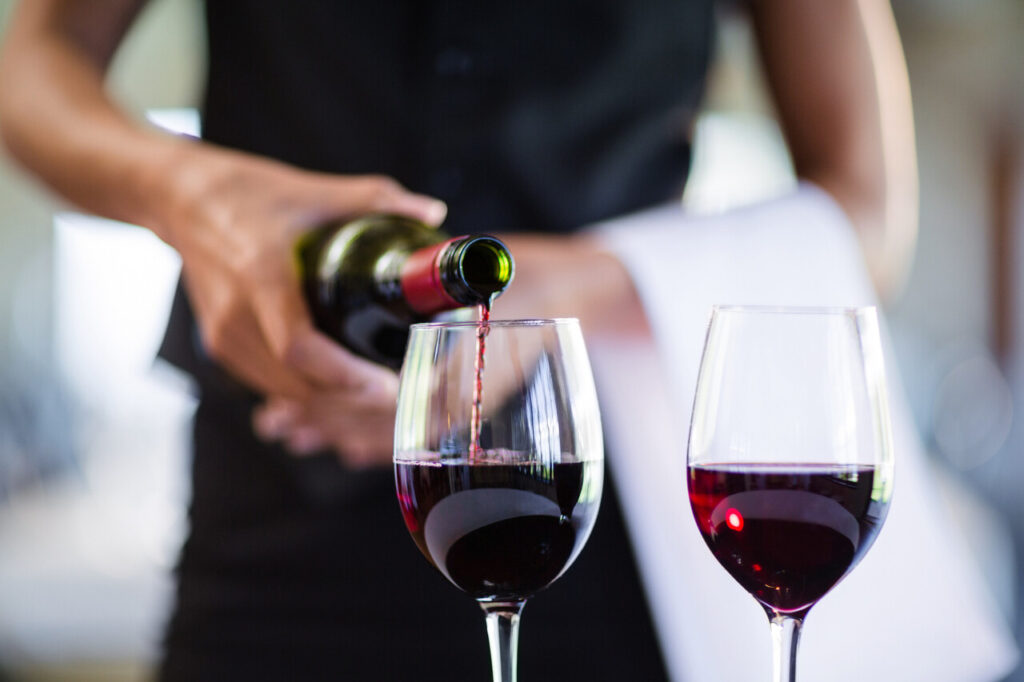
One of the most widely used additives is sulfur dioxide, a preservative that prevents spoilage and bacterial growth. Though naturally occurring in small amounts, additional sulfites are often added to keep the wine fresh and stable. Many wines also contain fining agents, substances that help remove tiny particles to create that crystal-clear look. These agents can include egg whites, fish-derived isinglass, milk proteins, gelatin, or clay-based bentonite. These tools allow winemakers to present a polished, visually appealing final product. Without them, many wines would appear cloudy or unstable on the shelf, which can affect how drinkers perceive quality.
Other additions are used to adjust structure and flavor. Tartaric or malic acid may be added to balance acidity, while small amounts of sugar or grape concentrate can help round out a wine that fermented too dry. Some winemakers use powdered tannins or oak chips to mimic barrel-aged character without long or expensive aging. Each of these has a purpose, though to the casual drinker, they may seem unexpected. These enhancements help maintain a wine’s profile even when growing conditions are unpredictable. They also allow producers to craft wines that meet consumer expectations without drastically altering traditional processes.
Why Additives Matter: From Shelf Life to Taste
Additives influence nearly every aspect of the wine’s final character. Preservatives protect aroma molecules and keep the wine from oxidizing prematurely, which helps the flavors stay vibrant. Stabilizers prevent cloudiness or unwanted fermentation in the bottle, ensuring the wine you open looks and tastes the way the winemaker intended. These protective measures help the wine maintain its integrity through shipping, temperature changes, and long periods of storage. They also allow winemakers to present a consistent product even when harvest conditions vary dramatically. With these safeguards in place, each bottle reaches the consumer in the best possible condition.
Meanwhile, adjustment ingredients fine-tune the sensory experience. Extra acidity can brighten a dull wine, and added sweetness can soften harsh edges. Even small tweaks to tannins can change how smoothly a wine finishes. These ingredients aren’t meant to deceive; they’re tools to compensate for the natural unpredictability of agriculture and fermentation. By using them thoughtfully, winemakers can preserve balance and structure in bottles that might otherwise feel flat or uneven. They ensure that each sip delivers the flavor profile the winemaker intended, regardless of seasonal challenges. These subtle adjustments help create wines that remain enjoyable and consistent from year to year.
What This Means for Consumers
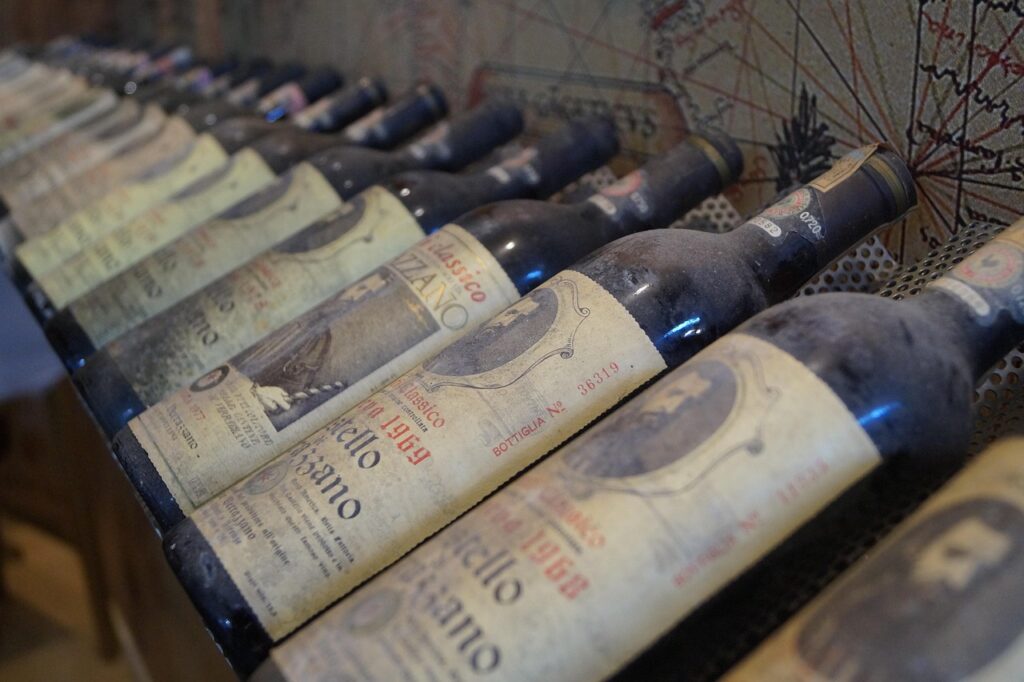
Wine labels rarely disclose these extras, so many drinkers have no idea what’s been used in production. This lack of transparency can matter for people with dietary restrictions, allergies, or strong preferences about what they consume. Ingredients like egg whites and isinglass mean some wines aren’t suitable for vegans, while milk-based fining agents could pose issues for those with sensitivities. This hidden information can make it difficult for consumers to make fully informed choices. As awareness grows, more people are beginning to question what’s actually inside the bottle and how it affects their health and values.
At the same time, the rise of natural and minimal-intervention wines reflects a growing desire for simpler ingredient lists and clearer production methods. These wines aim to reduce or eliminate additives, favoring spontaneous fermentations and unfiltered bottlings. For consumers seeking purity or authenticity, these styles offer an alternative, though they often come with their own trade-offs in stability and consistency. They may appear cloudier, taste more unpredictable, or age differently than conventional wines. Still, their appeal lies in their honesty, their connection to the vineyard, and the way they capture the raw character of each vintage.
The Debate: Tradition vs. Transparency
Some winemakers argue that additives are essential tools that have long been a part of responsible winemaking. They allow for predictable quality, protect against spoilage, and ensure the wine can survive transport and storage. From their perspective, the goal is to deliver the best possible expression of the grapes, and additives simply help achieve that. They see these interventions as safeguards that preserve both craftsmanship and consistency. In their view, thoughtful use of additives keeps wine reliable without diminishing its authenticity. They believe these choices ultimately protect the integrity of the wine from vineyard to glass.
Others call for greater openness. They argue that if consumers knew how varied the ingredient list could be, they might make different choices. The push for transparency is driving conversations about labeling standards and encouraging more producers to disclose their methods voluntarily. This tension between tradition, technology, and openness is shaping the future of wine culture. Supporters of transparency believe clearer information empowers drinkers to align purchases with their values. As this movement grows, it continues to influence expectations around honesty and accountability in winemaking.
How to Choose and What to Look For
For anyone who prefers wines with fewer additives, several paths exist. Natural-wine shops often highlight bottles made with minimal intervention, and many small producers proudly share their production practices. Certifications like organic or biodynamic don’t guarantee additive-free wines but often point toward more restrained winemaking. Exploring these options helps drinkers understand the philosophy behind each bottle. The more you learn, the easier it becomes to choose wines that reflect your values as much as your taste. This thoughtful approach empowers you to shop with both confidence and curiosity.
Consumers can also ask questions at tasting rooms or retail shops. Knowledgeable staff can guide buyers toward wines that align with their values, whether that means vegan-friendly fining practices, lower sulfites, or more traditional production methods. Ultimately, the best choice is the one that fits both your palate and your comfort level with the hidden ingredients that may be part of the winemaking process. Asking directly about production methods often reveals details not found on labels. This simple curiosity can open the door to discovering wines you may never have considered before.
Reference
- Winemaker warns of ‘really scary’ ingredients hiding in American wine bottles across the industry – foxbusiness.com
- Winemaker warns of ‘really scary’ ingredients hiding in American wine bottles across the industry – fox35orlando.com
- Wine Ingredients – Do You Know What’s In Your Wine? – centralaswine.com