11 Store-Bought Desserts That Stay Fresh Too Long to Feel Normal

Some desserts don’t age the way food usually does. You open the box days later, expecting dryness or mold, and instead find the same soft crumb, glossy frosting, and familiar smell. It feels convenient at first, then slightly unsettling.
Many store-bought desserts are built to resist time. Preservatives, stabilizers, sealed packaging, and controlled freezing slow moisture loss and spoilage. Texture and appearance are carefully engineered to hold steady long past what home baking allows.
This list takes a closer look at desserts that seem frozen in freshness. Not to alarm, but to explain the food science and production choices that let them last far longer than instinct expects.
1. Packaged Snack Cakes
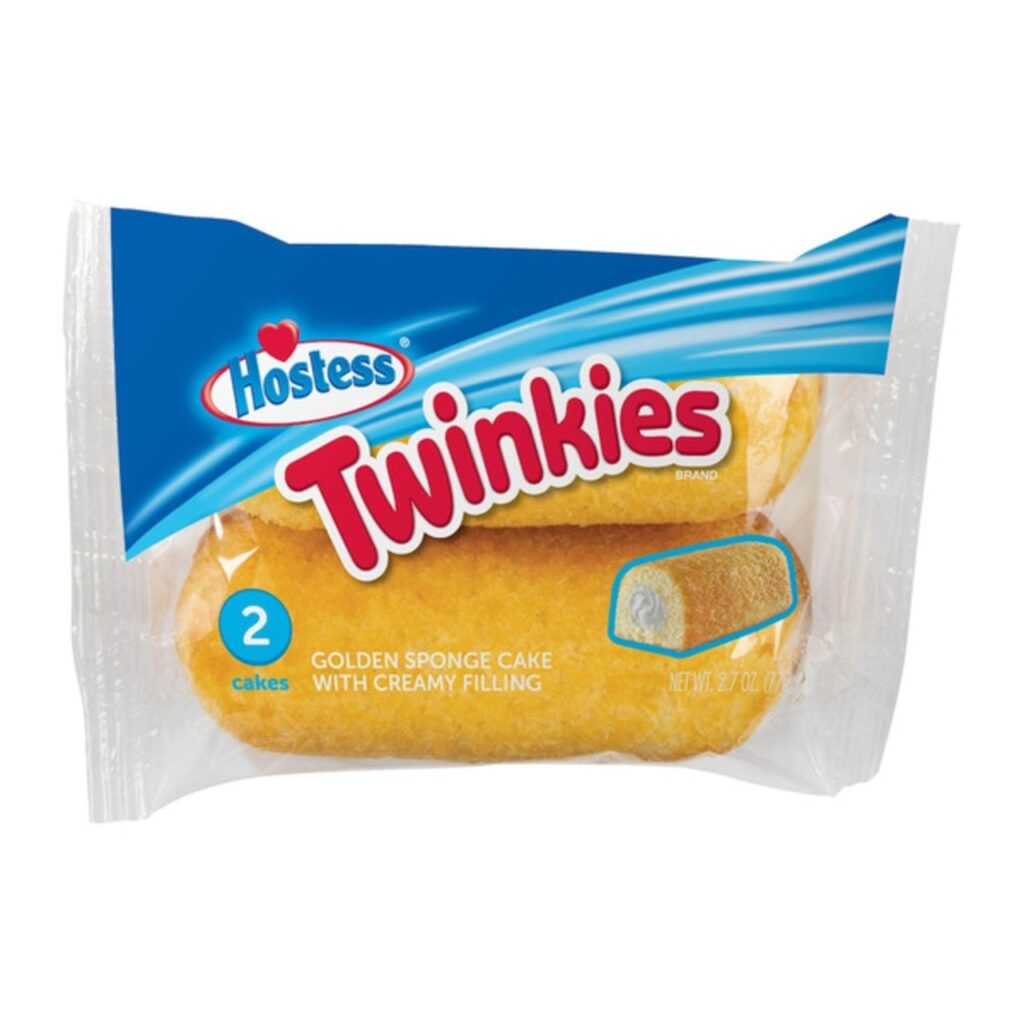
Packaged snack cakes are designed to resist staling from the start. Preservatives, humectants, and modified starches work together to hold moisture in the crumb and slow microbial growth. Anti-staling enzymes delay the firming that makes homemade cakes go dry so quickly.
Packaging is just as important. Cakes are sealed in multilayer films that block oxygen and moisture, sometimes with low-oxygen flushing to slow oxidation. This controlled environment limits mold exposure and helps the cake stay soft far longer than open air allows.
Stable industrial fats complete the formula. These fats resist rancidity and remain smooth at room temperature, giving snack cakes a uniform texture that changes very little over time compared to fresh baking.
2. Boxed Brownies
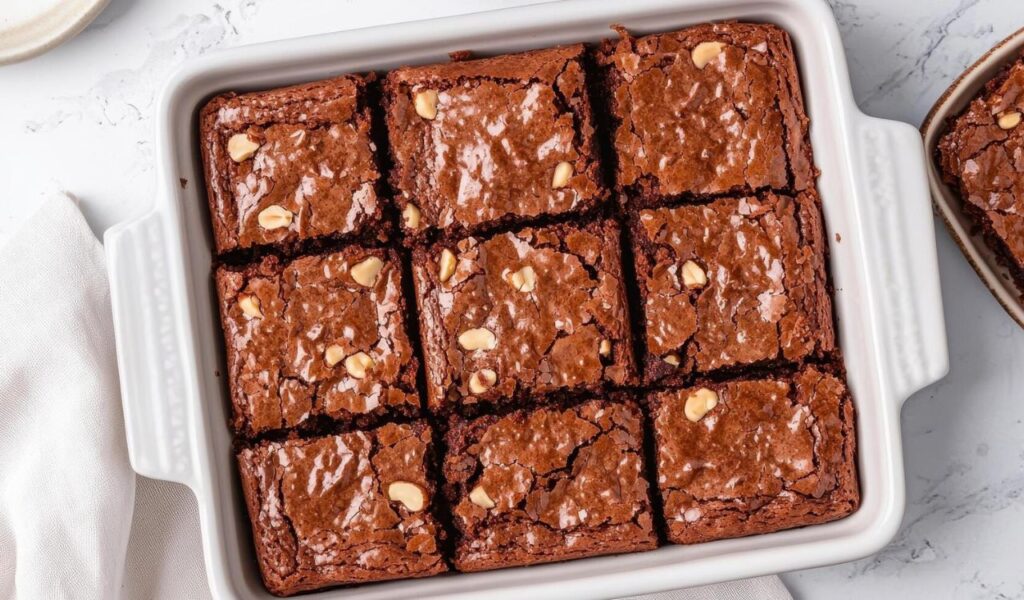
Boxed brownies are designed for predictability and shelf life rather than quick consumption. Emulsifiers and stabilizers ensure even texture while binding water inside the crumb, which slows drying and keeps the brownie dense and moist longer.
Sugar and cocoa contribute mild preservative effects, but longevity mainly comes from low-moisture formulation and protective packaging. These factors prevent moisture loss, making boxed brownies seem unchanged compared to homemade versions that stale quickly.
Most mixes also avoid perishable ingredients until preparation. Ready-to-eat versions use pasteurized components and heat processing, reducing spoilage risk while maintaining the fudgy structure people expect.
3. Store-Bought Cupcakes
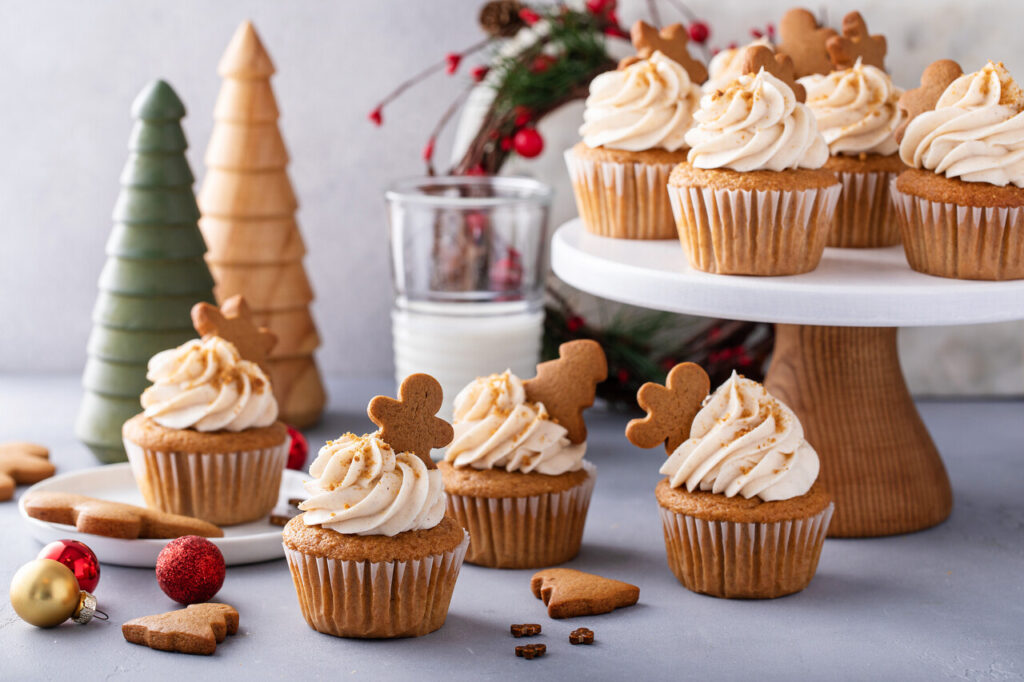
Store-bought cupcakes balance visual appeal with durability. Glossy frostings rely on vegetable oils, stabilizers, and humectants that stay smooth without separating. In the cake, emulsifiers and treated flours trap moisture more effectively than butter alone.
Fillings and frostings are formulated with low water activity, limiting microbial growth. That is why many use shortening-based frostings instead of buttercreams that would require refrigeration and spoil quickly.
Controlled transport adds another layer. Many cupcakes are chilled or partially frozen before display, allowing them to stay soft, intact, and appealing for days rather than hours.
4. Shelf-Stable Cheesecake Cups
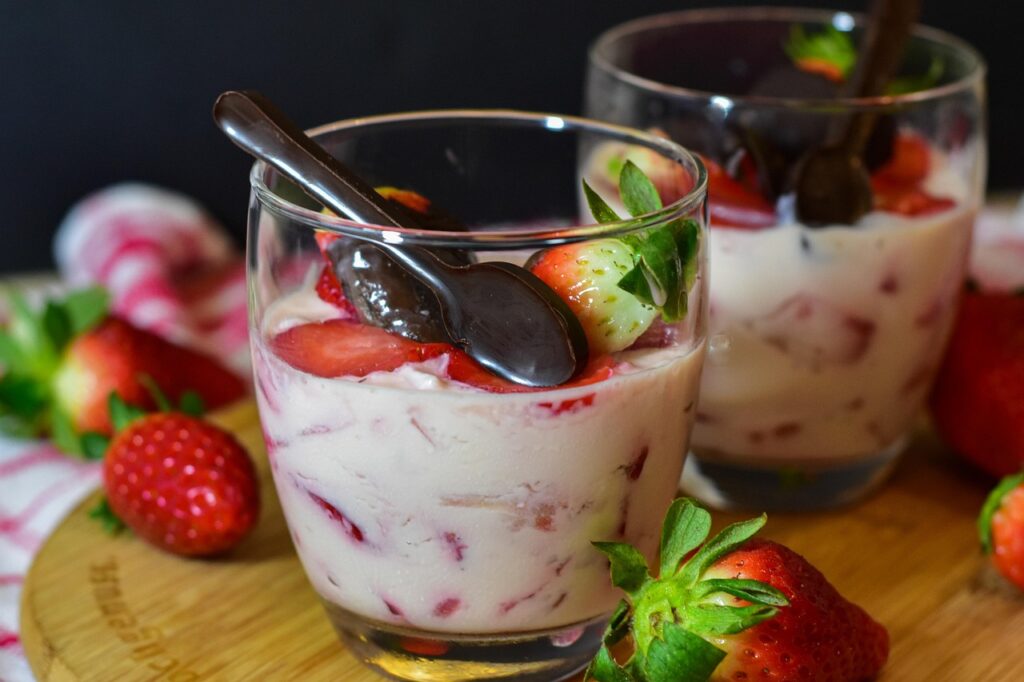
Shelf-stable cheesecake cups exist because traditional cheesecake spoils quickly at room temperature. To prevent this, manufacturers use pasteurization, preservatives, and stabilizers that limit bacterial growth while keeping the texture smooth.
Texture control is essential. Gelling agents such as modified starches bind water tightly, preventing the weeping and graininess that develop quickly in fresh cheesecake.
Packaging completes the process. Airtight, high-barrier cups restrict oxygen and moisture, two major causes of spoilage. Controlled filling conditions further reduce contamination, allowing the cheesecake to keep its structure and taste longer than expected.
5. Individually Wrapped Donuts
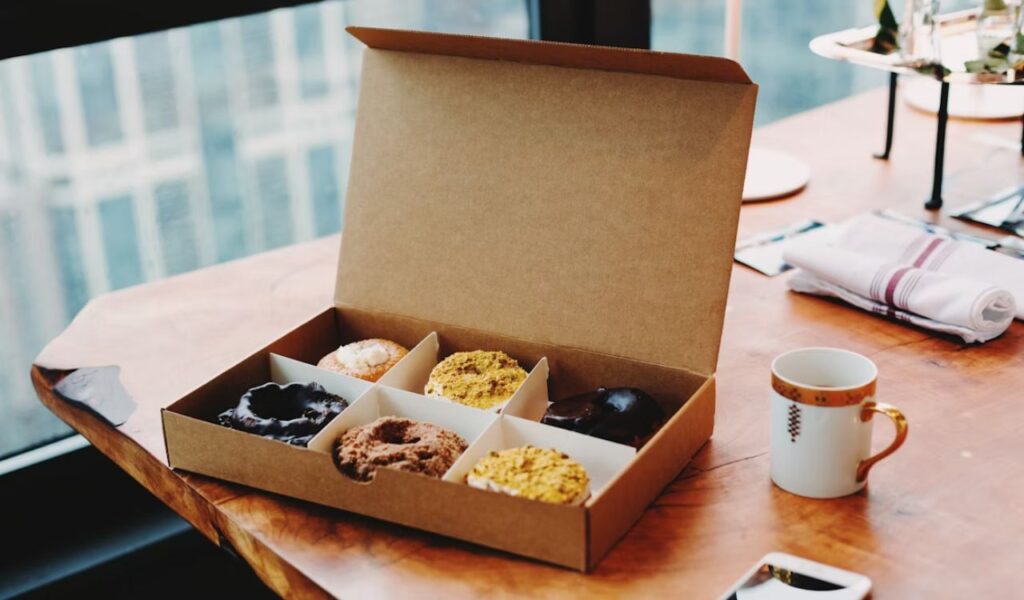
Individually wrapped donuts stay soft because the dough is conditioned to slow staling. Emulsifiers keep starches flexible, preventing the firming that occurs as baked goods cool and age. Humectants help retain moisture, keeping the interior tender for days.
Glazes serve a functional role. They reduce moisture loss and create a barrier against mold. Sealed wrappers block oxygen and airborne contaminants, sometimes creating a low-oxygen environment that further slows spoilage.
Fat choice also matters. Refined frying oils resist oxidation and rancidity, helping flavor remain neutral instead of stale. Together, formulation and packaging keep the donut unusually unchanged compared to fresh bakery versions.
6. Frozen Thaw-and-Serve Pies
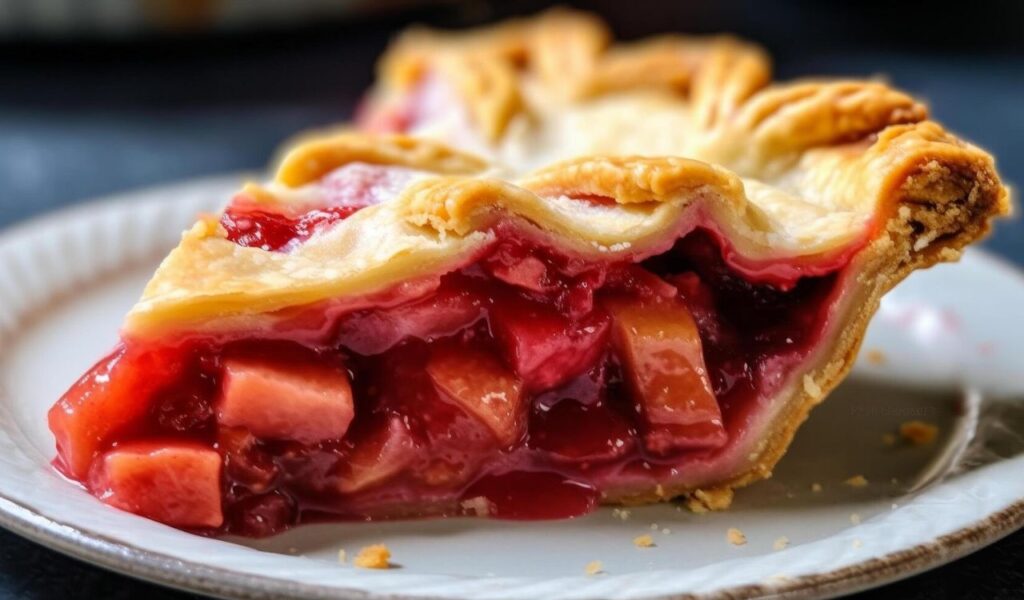
Frozen thaw-and-serve pies are formulated to maintain structure after freezing. Fillings contain stabilizers that keep fruit suspended and prevent juices from separating during thawing. Without these controls, pies would collapse into uneven, soggy layers.
Crusts are designed to handle freeze-thaw stress. Specialized fats and enzymes reduce damage from ice crystals, while moisture and sugar ratios limit sogginess as the pie warms. This keeps the crust cohesive rather than mushy.
Rapid industrial freezing is critical. Smaller ice crystals cause less cellular damage, preserving texture. Combined with controlled thawing, this gives frozen pies a stability that homemade versions cannot replicate.
7. Pre-Sliced Cake Rolls
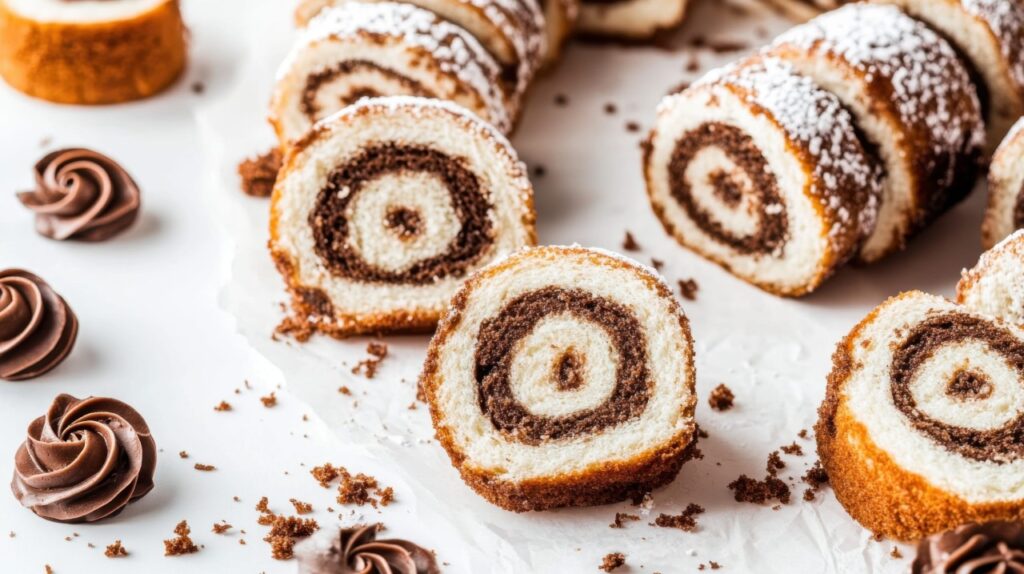
Pre-sliced cake rolls depend on sponge formulas built for flexibility. Enzymes and emulsifiers slow moisture loss and keep the crumb elastic, allowing the roll to bend without cracking or drying out during storage.
Fillings are formulated with low free water and stabilizers to prevent weeping. Tight, often individual packaging limits air exposure, slowing oxidation and crumb firming that would normally occur after slicing.
The sponge itself is engineered to tolerate handling and transport. This durability ensures slices hold their shape and visual appeal, even after repeated movement and extended shelf time.
8. Chocolate-Coated Pastries
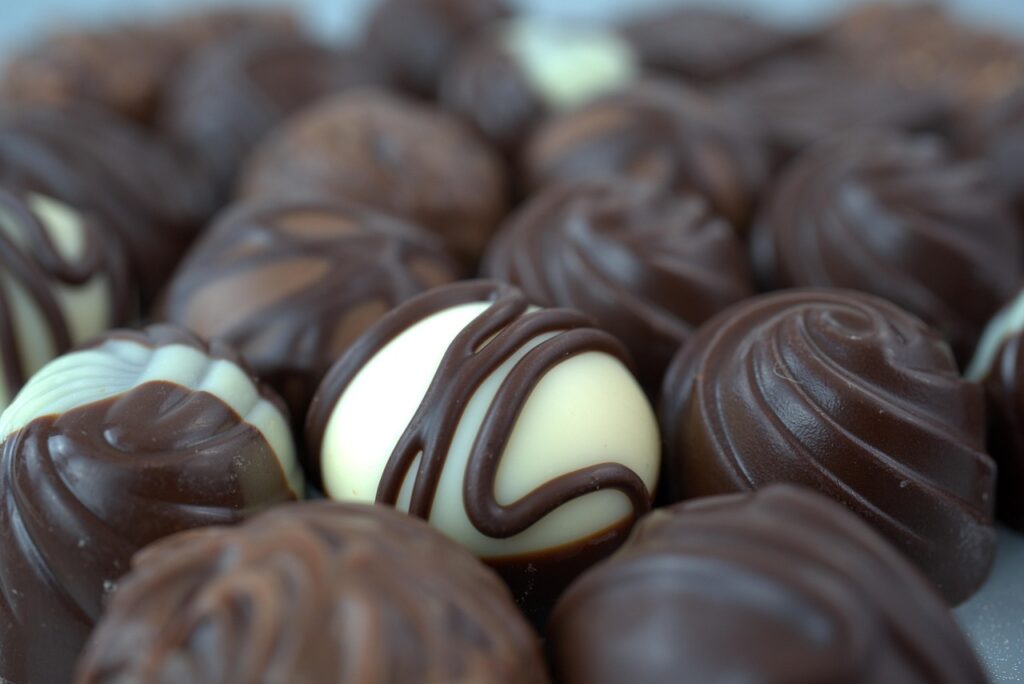
Chocolate-coated pastries last longer because the coating functions as a protective shell. It blocks oxygen and moisture, slowing staling and reducing surface microbial growth that would otherwise shorten shelf life.
Interior components are formulated for stability. Fillings use thickeners and low water activity to prevent separation or spoilage, keeping textures consistent long after production.
Industrial tempering produces a uniform coating that resists cracking. This continuous barrier preserves structure and flavor, making chocolate-coated pastries far more stable than uncoated equivalents.
9. Powder-Filled Cookies
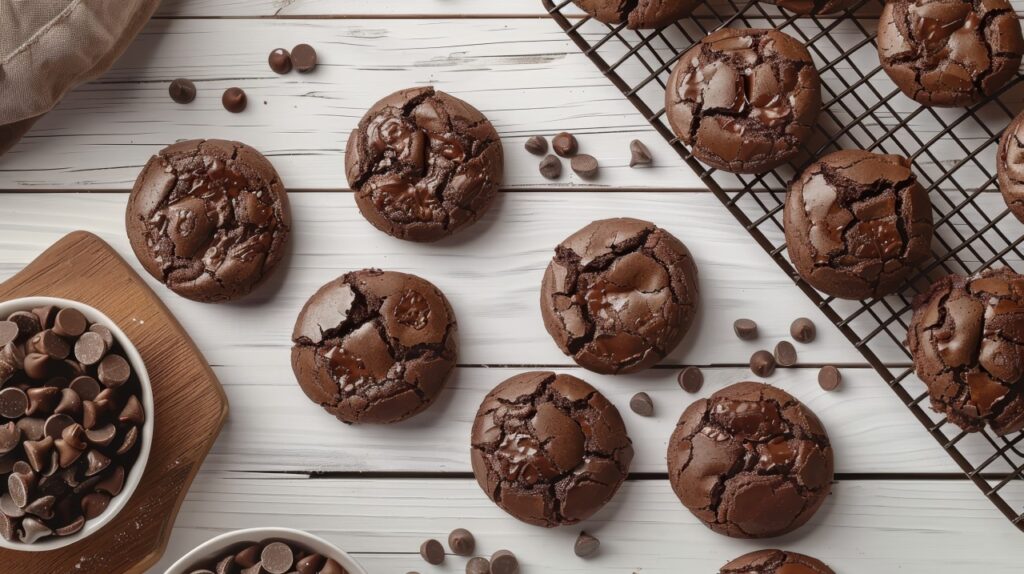
Powder-filled cookies rely on very low water activity. The filling uses sugars, powdered dairy, and stabilizers that resist microbial growth, keeping the center shelf-stable. This dryness makes survival difficult for bacteria and mold over time.
The dry outer biscuit supports the structure. It absorbs excess moisture while emulsifiers prevent oil migration that would cause sogginess. This separation preserves the contrast between crisp cookie and smooth center.
High-barrier packaging limits air and humidity. Nitrogen flushing helps preserve crispness and flavor, extending freshness well beyond homemade sandwich cookies.
10. Vacuum-Sealed Dessert Bars
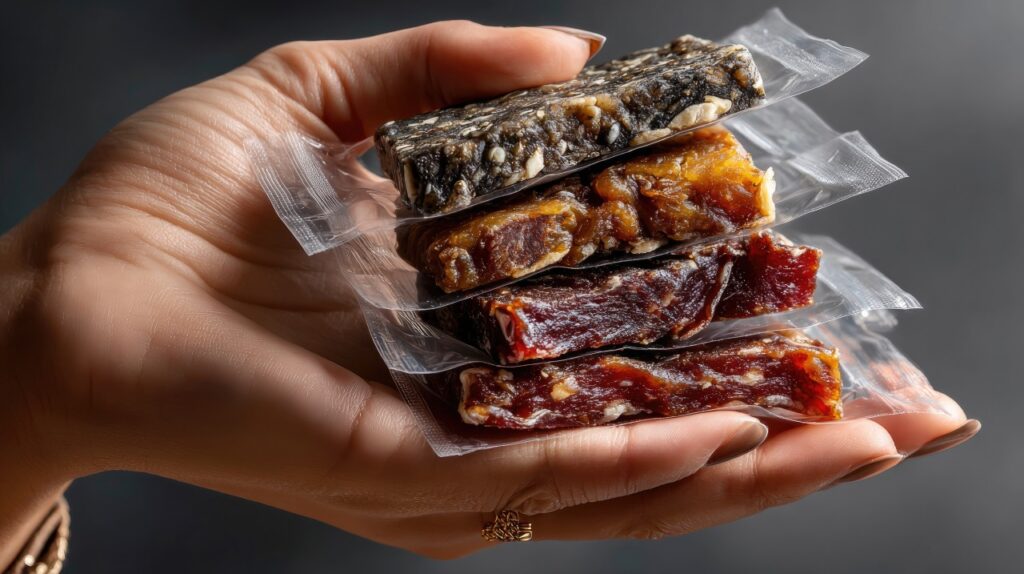
Vacuum-sealed dessert bars last because oxygen is removed. This slows oxidation and limits aerobic microbes that cause spoilage and off-flavors. Without air, fats degrade more slowly and aromas remain stable.
The bars are formulated with low free water and moisture-binding stabilizers. Their dense structure slows moisture movement, helping preserve texture. This reduces the drying and crumbling common in less controlled products.
Barrier films and heat-sealed edges prevent contamination and moisture exchange. Together, formulation and packaging help the bars stay fresh longer and withstand transport and handling.
11. “Fresh” Bakery Counter Desserts
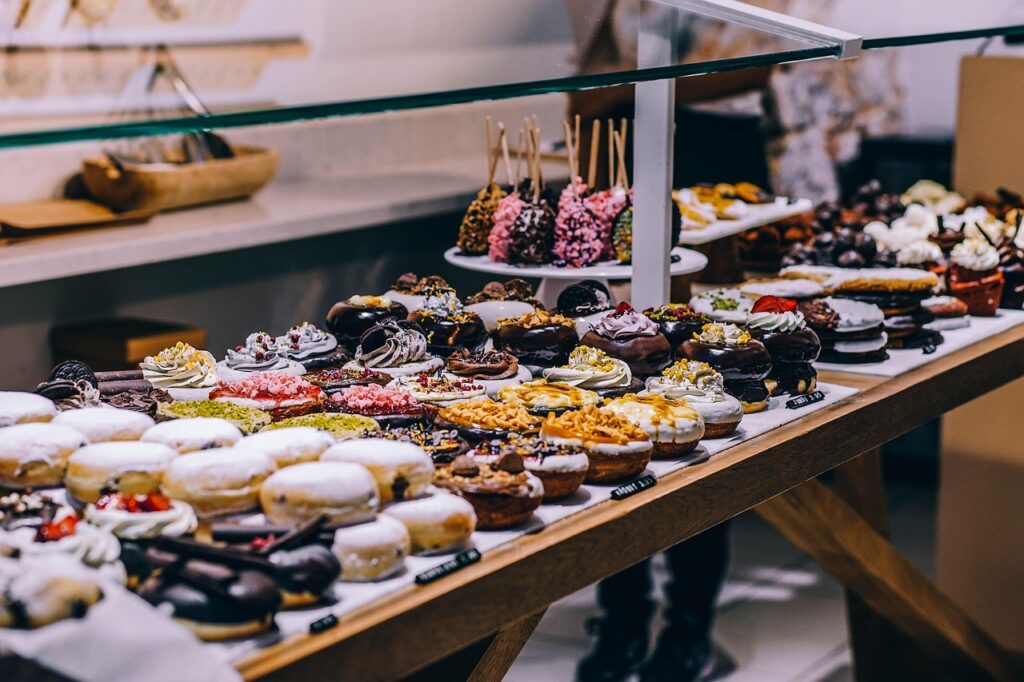
Many bakery counter desserts are not made on site or the same day. Centralized production, freezing, and controlled thawing are common, with preservatives supporting transport and display. This allows bakeries to maintain a steady and predictable supply.
Shelf-stable icings and fillings maintain appearance. Temperature- and humidity-controlled cases slow moisture loss and microbial growth, extending visual freshness. These conditions are designed to favor durability over rapid turnover.
These systems improve consistency and reduce waste, but they remove the brief peak of true freshness found in small-batch baking. What customers see is reliability rather than the fleeting qualities of freshly finished desserts.