Check Your Pantry: These 10 Staples Might Already Be Spoiled

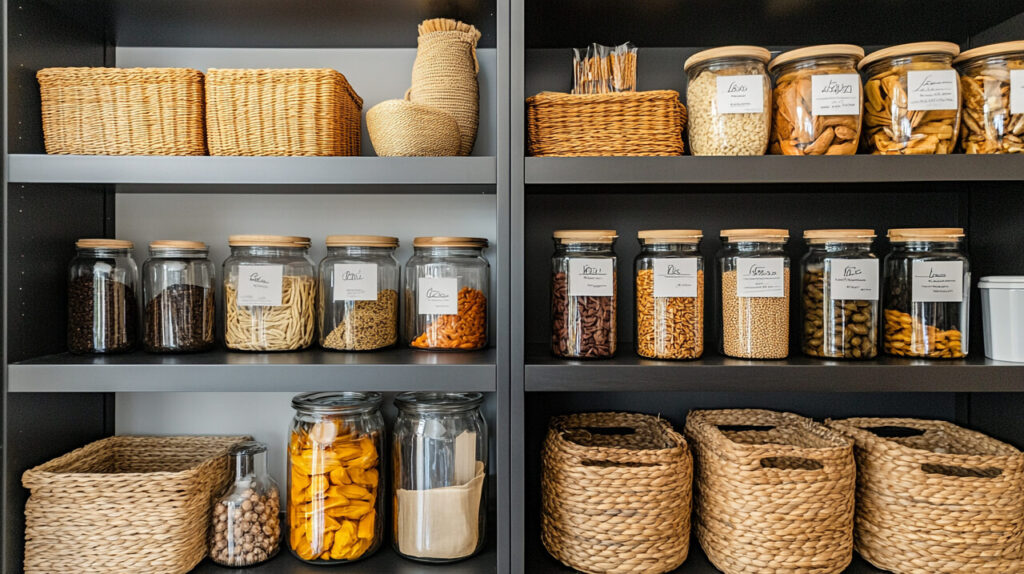
Pantry foods seem like they last forever, but plenty of everyday staples can spoil long before the package is empty. Heat, humidity, light, and time all chip away at flavor, texture, and safety. Before your next meal, take a closer look at these common ingredients that may be past their prime.
Flour
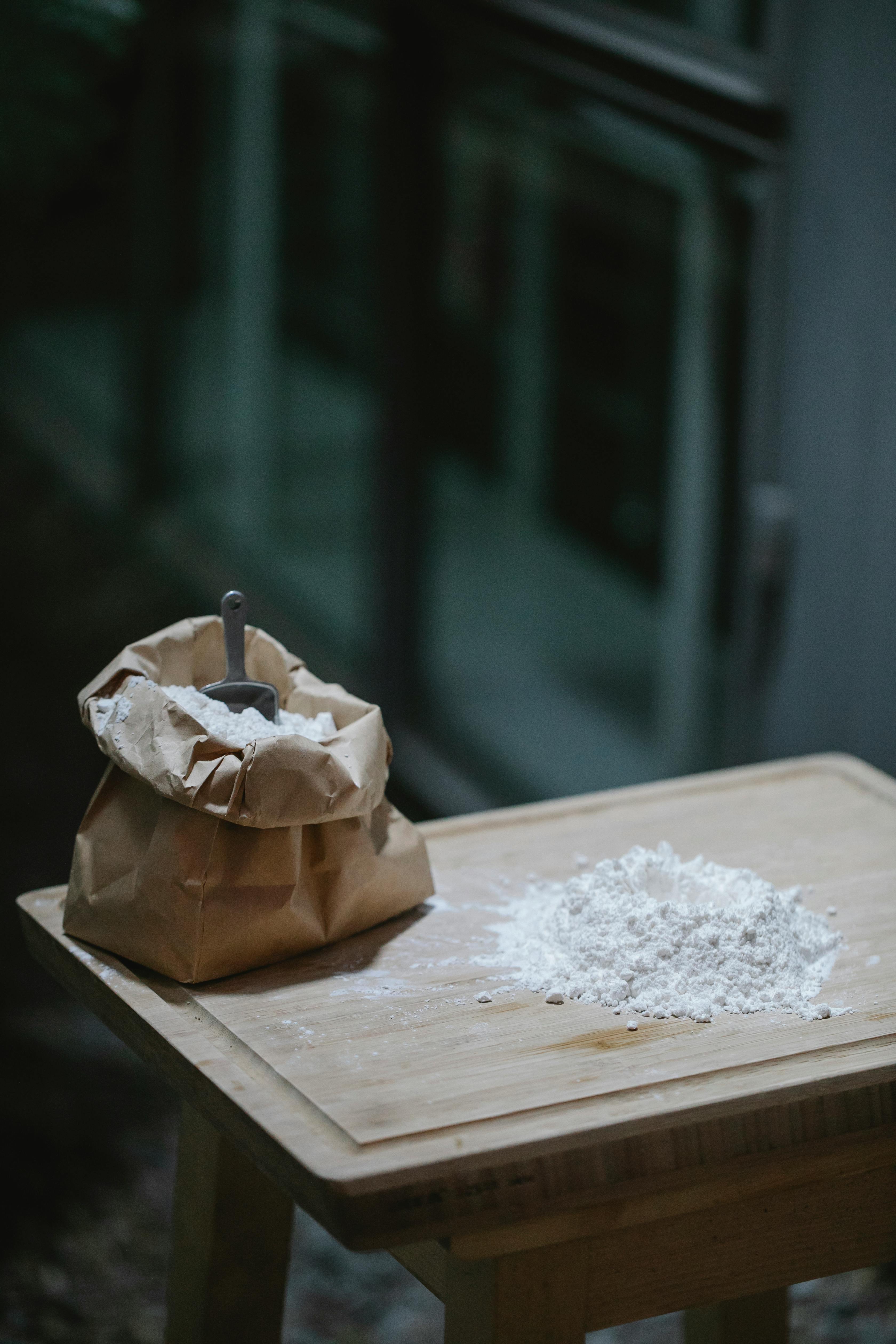
Flour is easy to forget because it looks unchanged even when it is no longer at its best. Whole wheat and other whole-grain flours spoil faster than white flour because their natural oils can turn rancid over time, especially in a warm kitchen.
Give it a quick sniff before baking. If it smells sour, stale, or a little like old crayons, that is a warning sign. Clumping, discoloration, or tiny pantry pests are also cues to toss it.
For longer life, store flour in an airtight container away from heat and light. If you do not bake often, the refrigerator or freezer can help preserve freshness much longer.
Rice
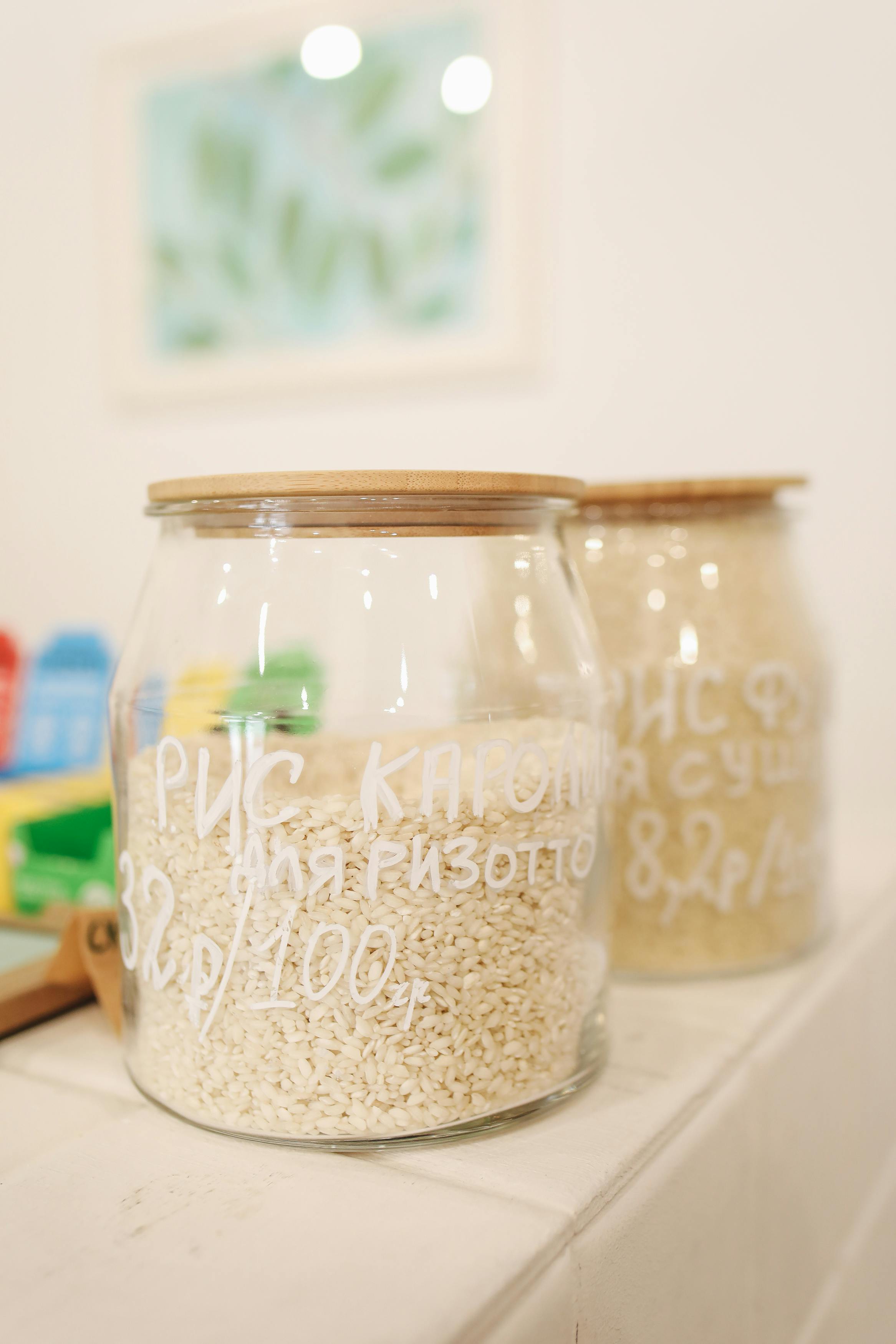
Dry rice has a reputation for lasting forever, but that is only partly true. White rice keeps far longer than brown rice, which contains more natural oils in the bran layer and can go rancid if it sits too long.
If brown rice smells odd, bitter, or slightly soapy, trust your nose. Insects, moisture, or a musty aroma are also signs that storage conditions have gone wrong. Even white rice can develop off odors when exposed to humidity.
Keep rice sealed tightly in a cool, dry place. If your pantry tends to run warm, brown rice benefits from colder storage so it stays fresh and flavorful for future meals.
Cooking Oils

Oils are one of the most commonly overlooked pantry items because they pour and look normal right up until they do not. Olive oil, vegetable oil, sesame oil, and nut oils can all oxidize, especially when exposed to light, air, and heat.
A rancid oil usually smells sharp, waxy, or oddly bitter instead of neutral or pleasantly nutty. Food cooked in it can taste flat or unpleasant, even when the recipe is solid. That is often the first clue something is off.
Store oils tightly capped in a dark, cool spot away from the stove. Smaller bottles are often smarter for infrequently used oils, since they are less likely to sit around too long.
Spices
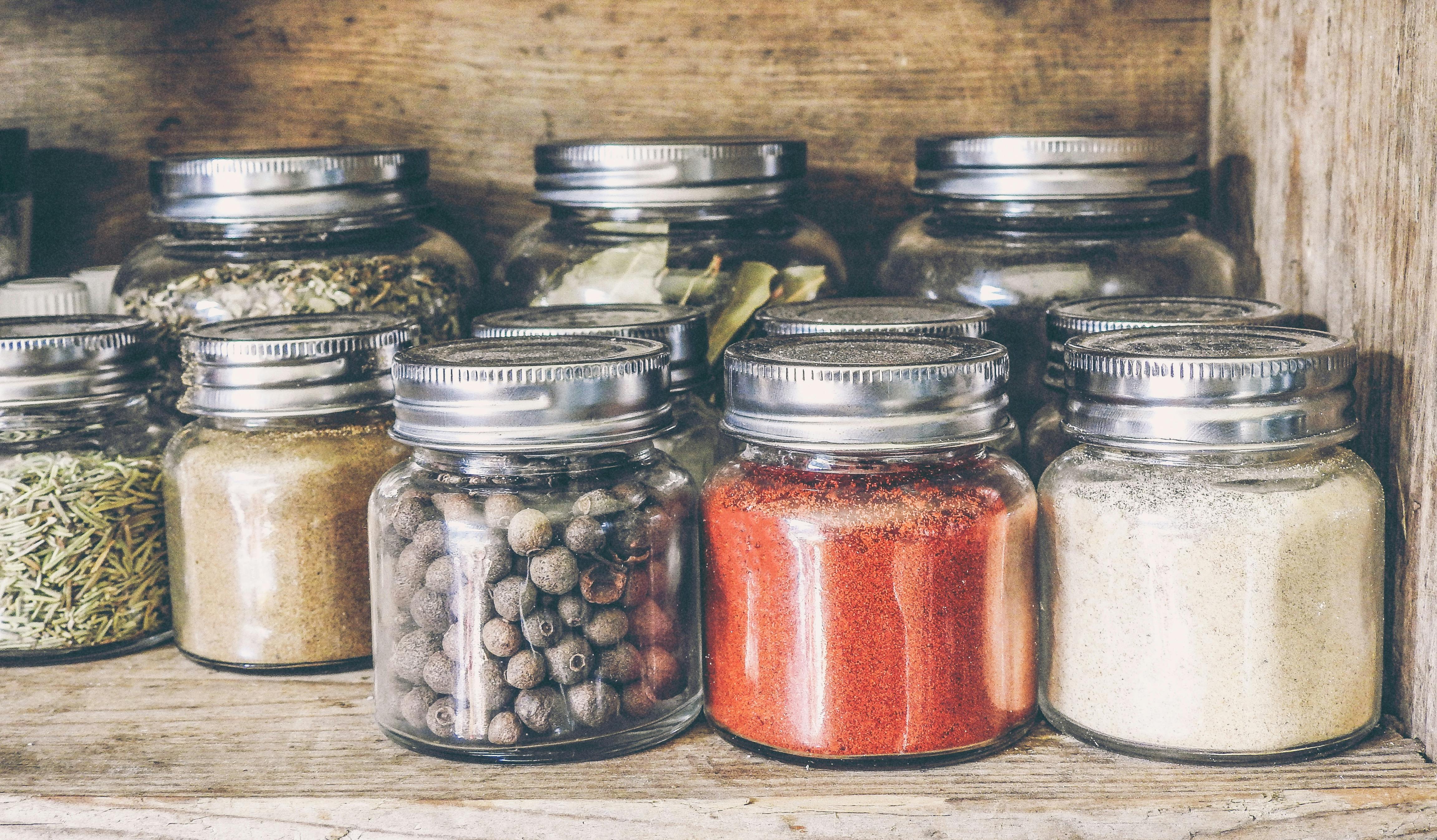
Spices do not usually spoil in the same dramatic way milk or meat does, but they absolutely lose their punch. Ground spices fade the fastest, and old jars can leave your food tasting dull no matter how much you shake in.
If paprika smells like dust or cumin barely has an aroma, it is probably time for a replacement. Color loss matters too. Bright red, green, or yellow spices that have turned muted and grayish are likely well past their prime.
Whole spices hold flavor longer, but they still need good storage. Keep them away from steam and sunlight, and resist shaking jars directly over a hot pot where moisture sneaks in.
Nuts and Seeds
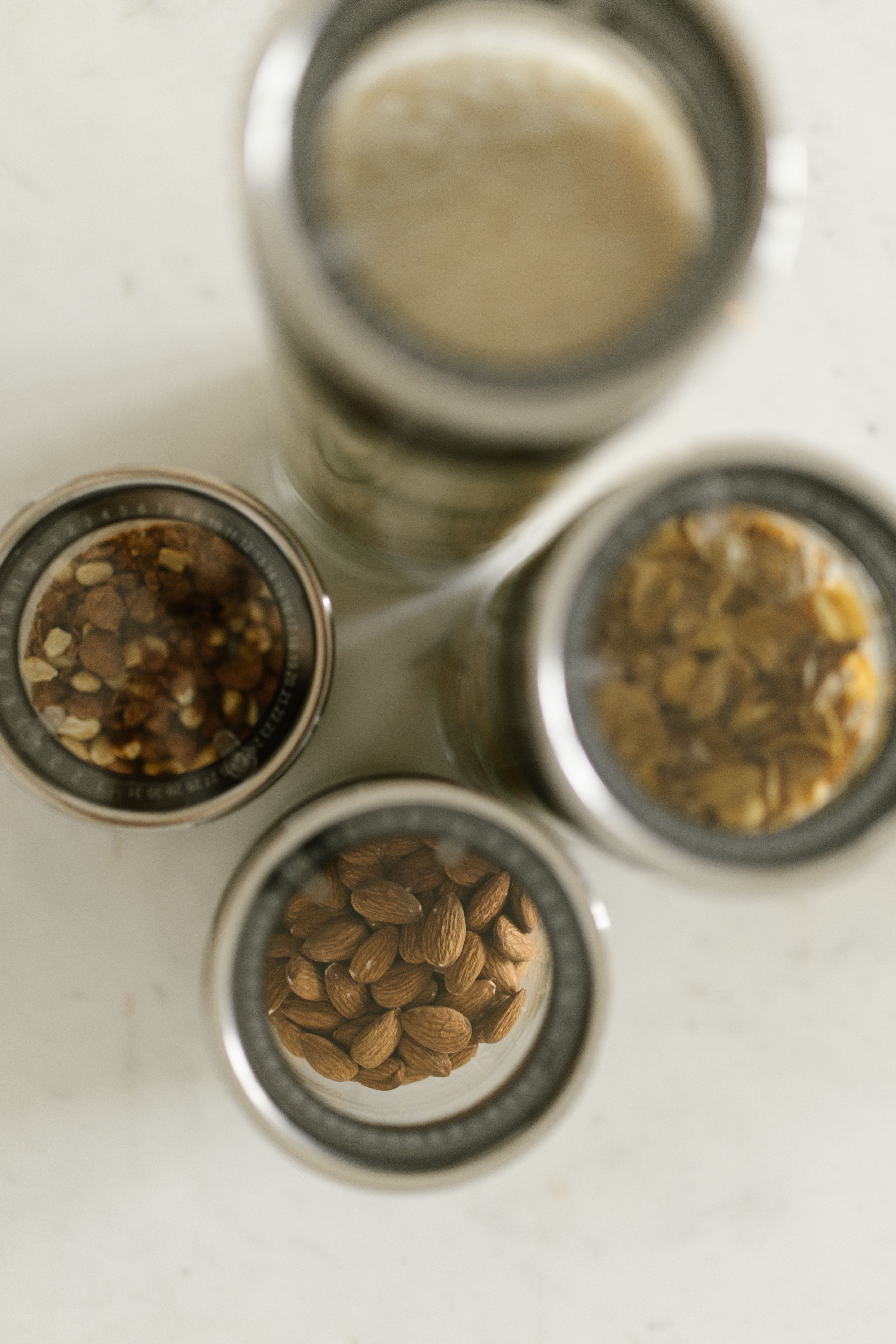
Nuts and seeds are nutritious pantry heroes, but their healthy fats make them vulnerable to rancidity. Almonds, walnuts, sunflower seeds, flax, and chia can all turn unpleasantly fast if they are stored in warm conditions.
Fresh nuts smell mild and nutty. Spoiled ones can smell paint-like, bitter, or just strangely stale. Texture can shift too, with once-crisp nuts turning chewy or limp instead of snappy.
Because of their oil content, these items do best in airtight containers and often last longer in the refrigerator or freezer. Buying in bulk sounds smart, but only if you can use them before flavor fades.
Breakfast Cereal

Cereal may seem shelf-stable enough to ignore, but opened boxes can go stale quickly and attract pantry pests if they are not sealed well. Even before that, the flavor can flatten and the crunch can disappear.
If your cereal tastes like cardboard, smells dusty, or has a strangely chewy texture, it is probably past its peak. Granola and whole-grain cereals can also go rancid because of the oils in nuts, seeds, or bran.
Rolling down the inner bag is not always enough. Transfer cereal to a tightly sealed container, especially in humid kitchens, and check older boxes hiding in the back before pouring your next bowl.
Pasta

Dried pasta lasts a long time, but it is not immune to pantry problems. Moisture, poor packaging, or tiny insects can compromise a box that looked perfectly fine from the outside, especially if it has been sitting around for years.
Before cooking, inspect the pasta for odd spots, webbing, or a musty smell. Fresh pasta and whole wheat pasta have shorter shelf lives than standard dried varieties, so they deserve extra attention.
Storage makes the difference here. Keep pasta dry, sealed, and off damp shelves. If the box is torn or the noodles feel soft instead of brittle, it is safer to replace than to risk it.
Baking Powder and Baking Soda
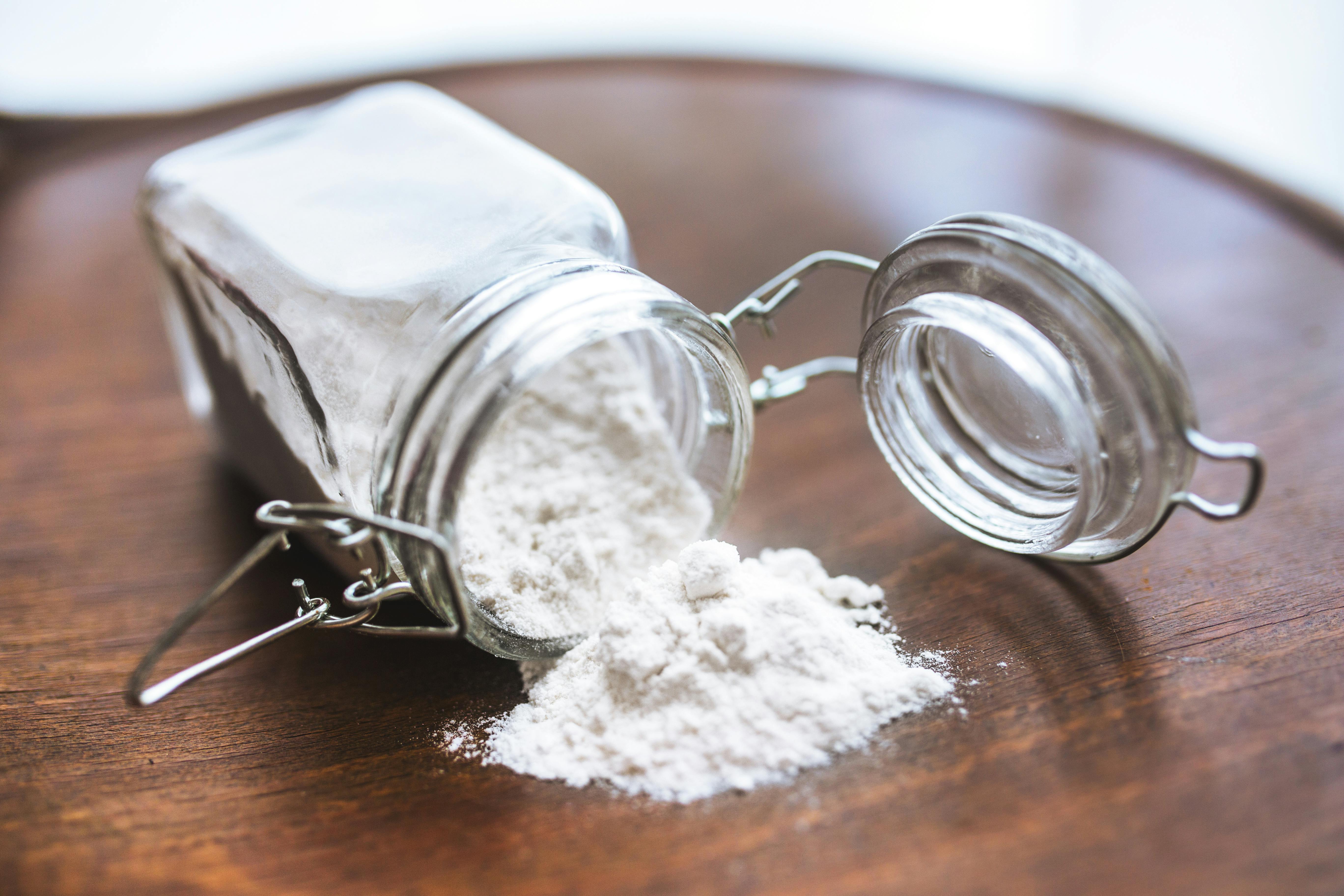
These baking essentials will not usually make you sick when they age, but they can absolutely ruin your recipe. Old baking powder and baking soda lose strength over time, leaving cakes flat, pancakes dense, and cookies disappointingly lifeless.
The tricky part is that they often look perfectly normal. If you cannot remember when you opened the container, that alone is a reason to test it before an important bake. Moisture also causes clumping and weakens performance.
Store both in a cool, dry area with lids tightly closed. When in doubt, replacing them is inexpensive insurance against wasting butter, flour, eggs, and the rest of your afternoon.
Dried Beans

Dried beans are famous for their long shelf life, but older does not always mean better. While they may remain safe for quite a while when stored properly, very old beans can become so dry that they never soften well during cooking.
If beans smell musty, show signs of moisture damage, or contain insects or debris, they should go. Even if they seem fine, beans that have sat for years may cook unevenly and stay stubbornly hard.
Airtight containers help protect them from humidity and pantry pests. Labeling the purchase date can save guesswork later, especially if your pantry tends to collect half-used bags over time.
Condiments
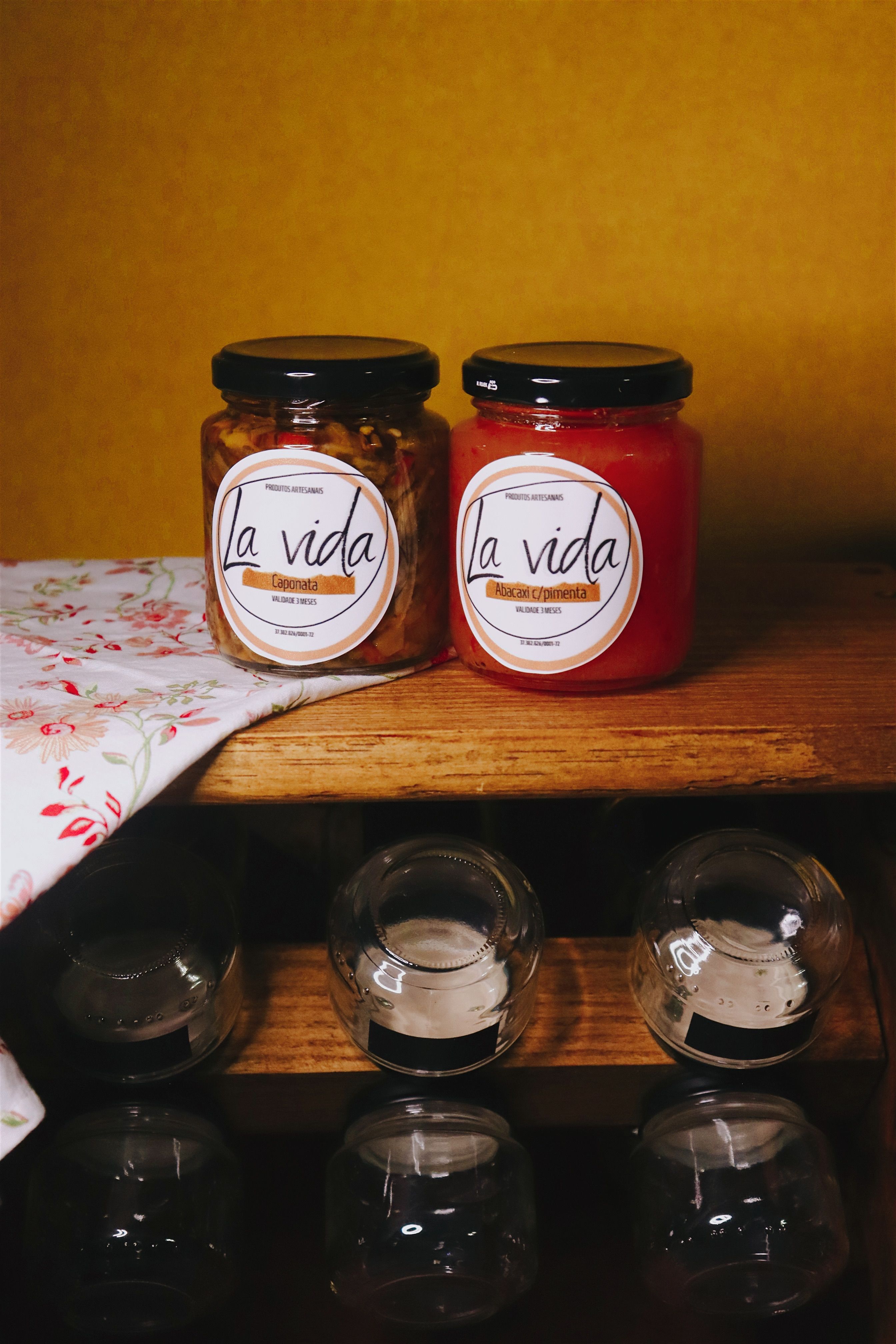
Many condiments start life in the pantry but do not belong there forever once opened. Items like ketchup, mustard, mayonnaise, soy sauce, and salad dressings can lose quality or spoil faster if they are stored incorrectly after that first use.
Watch for separation that does not mix back in, mold around the lid, off smells, or major color changes. Creamier condiments are especially vulnerable, but even acidic sauces can decline in flavor over time.
Read the label, since storage advice differs more than people assume. When a bottle has been lingering for ages with a sticky cap and mystery opening date, that is usually your sign to let it go.