8 Super Hydrating Drinks That Beat Plain Water


Hydration is not only about how much you drink but also about how well your body absorbs and retains fluids. Plain water is essential, yet certain beverages go a step further by supplying electrolytes, carbohydrates, or nutrients that slow fluid loss and support balance inside the body. These drinks are especially useful during heat, illness, physical activity, or recovery. By combining water with minerals and gentle energy sources, they help hydration last longer and work more efficiently throughout the day.
1. Milk
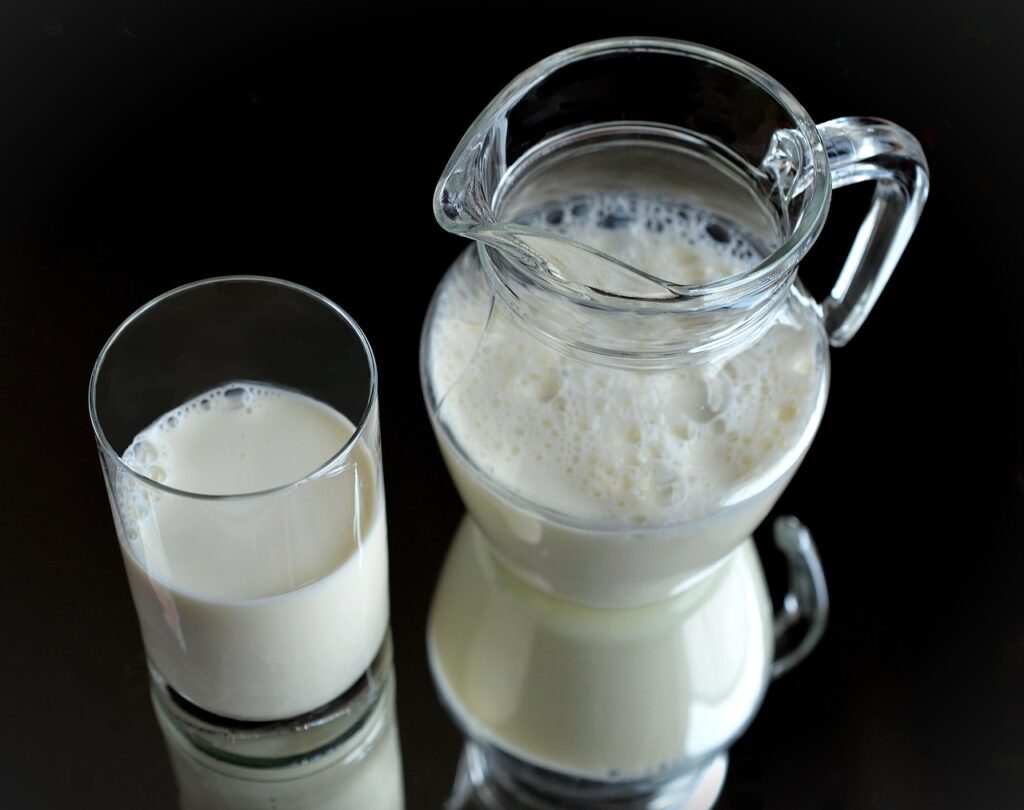
Milk hydrates more effectively than plain water because it delivers fluids alongside electrolytes and nutrients that slow fluid loss. Milk, with its natural sodium content, helps the body retain water rather than flushing it out quickly, while potassium supports fluid balance inside cells. This combination makes milk especially useful after exercise or during periods of dehydration. Both low-fat and skim milk work well, offering hydration benefits without excessive calories. For people who tolerate dairy, milk provides sustained hydration while also contributing calcium and other essential nutrients.
2. Coconut Water
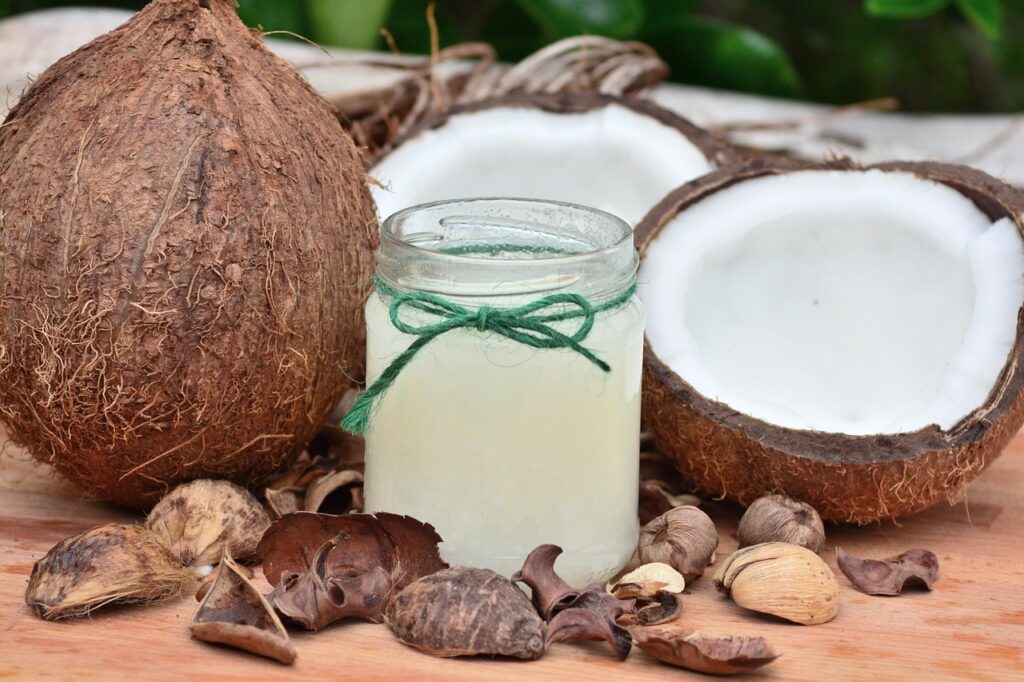
Coconut water is valued for its natural electrolyte profile, particularly its high potassium content. Potassium plays a key role in maintaining fluid balance and supporting muscle and nerve function. Unlike many sports drinks, coconut water is naturally low in added sugars and contains minimal processing. Its mild sweetness encourages steady sipping, which can improve overall fluid intake. Coconut water is especially helpful during light to moderate dehydration caused by heat or mild physical activity. While it contains less sodium than some rehydration formulas, it still supports hydration better than water alone.
3. Oral Rehydration Solution

Oral rehydration solutions are designed specifically to maximize fluid absorption in the body. They use a precise balance of sodium, glucose, and water that takes advantage of how the intestines absorb fluids most efficiently. Glucose helps transport sodium across the intestinal wall, which in turn pulls water with it into the bloodstream. This mechanism makes oral rehydration solutions especially effective during illness, diarrhea, or severe dehydration. Unlike sugary drinks, these solutions avoid excess carbohydrates that could worsen fluid loss. Their effectiveness has been proven globally in medical settings.
4. Electrolyte Sports Drinks
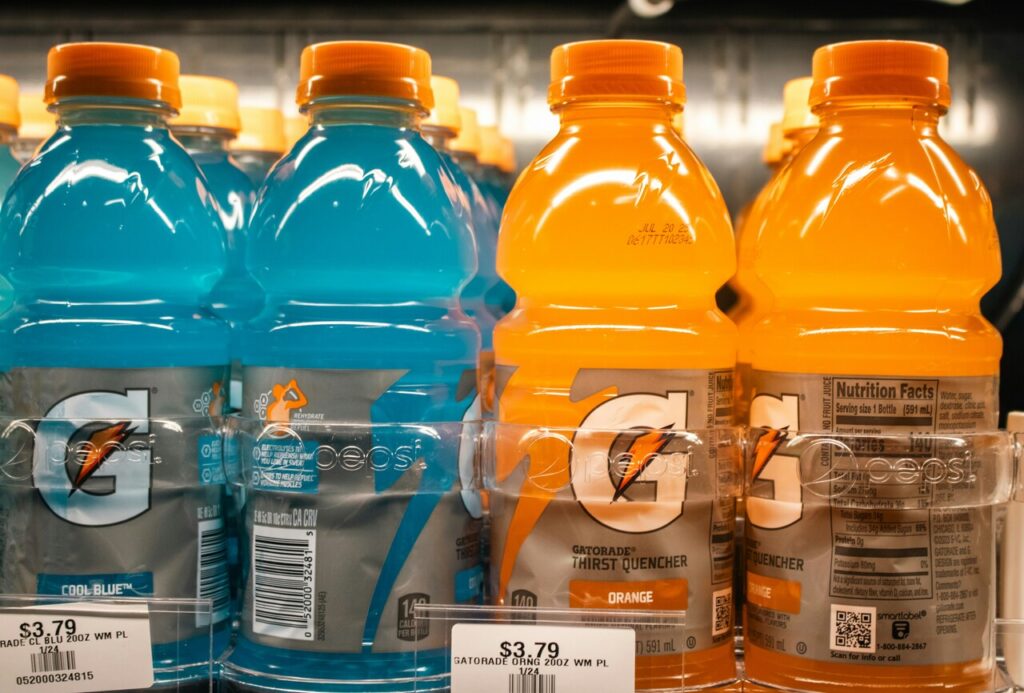
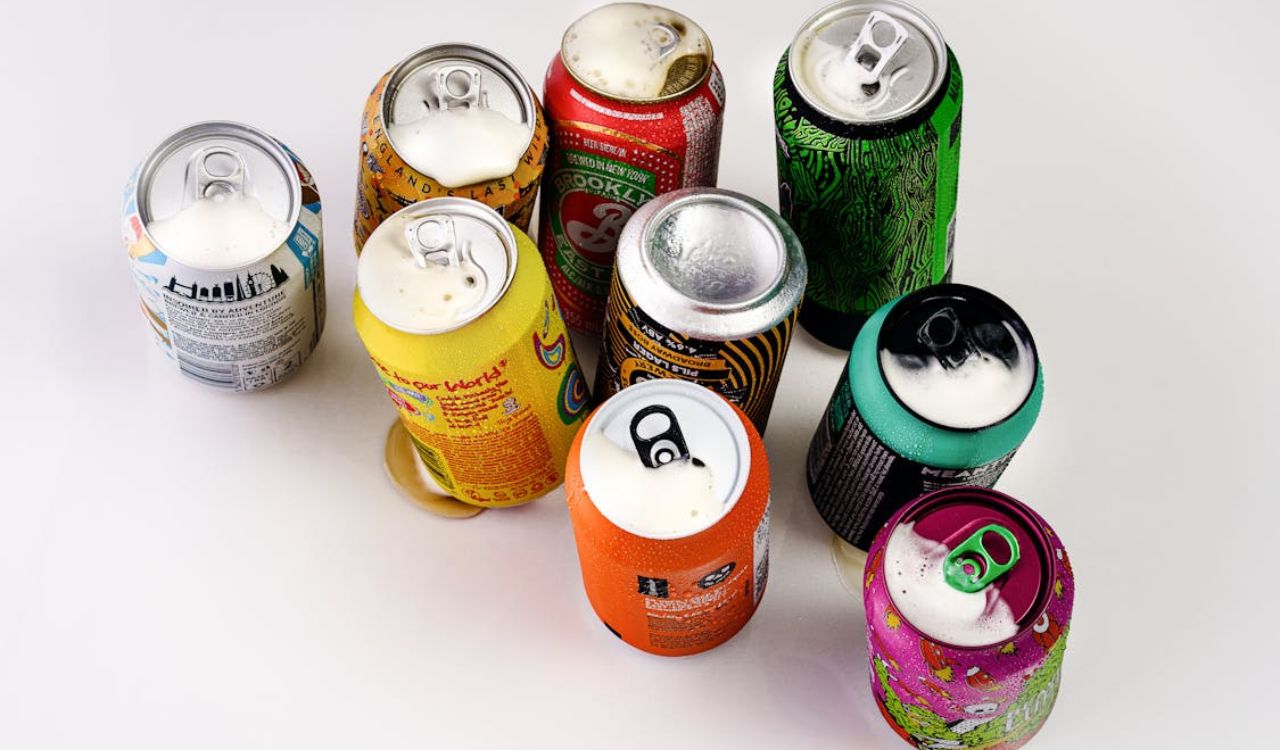
Electrolyte sports drinks improve hydration by replacing sodium and other minerals lost through sweat. Sodium is particularly important because it stimulates thirst and helps retain consumed fluids. These drinks also contain carbohydrates that provide energy and support fluid absorption. When consumed during or after intense physical activity, they help prevent dehydration more effectively than water alone. However, their sugar content varies, so choosing lower sugar options is important for everyday hydration. Sports drinks are most beneficial during prolonged exercise, heat exposure, or heavy sweating.
5. Watermelon Juice

Watermelon juice hydrates efficiently due to its extremely high water content combined with potassium and small amounts of magnesium. These minerals support electrolyte balance and help regulate muscle function. The natural sugars in watermelon juice encourage drinking without overwhelming the body with excess sweetness. Its refreshing profile makes it easier to consume larger volumes, which supports hydration goals. Watermelon also contains compounds that may help reduce muscle soreness, making the juice useful after physical activity. Diluting the juice can further reduce sugar while maintaining hydration value.
6. Fruit-Based Smoothies
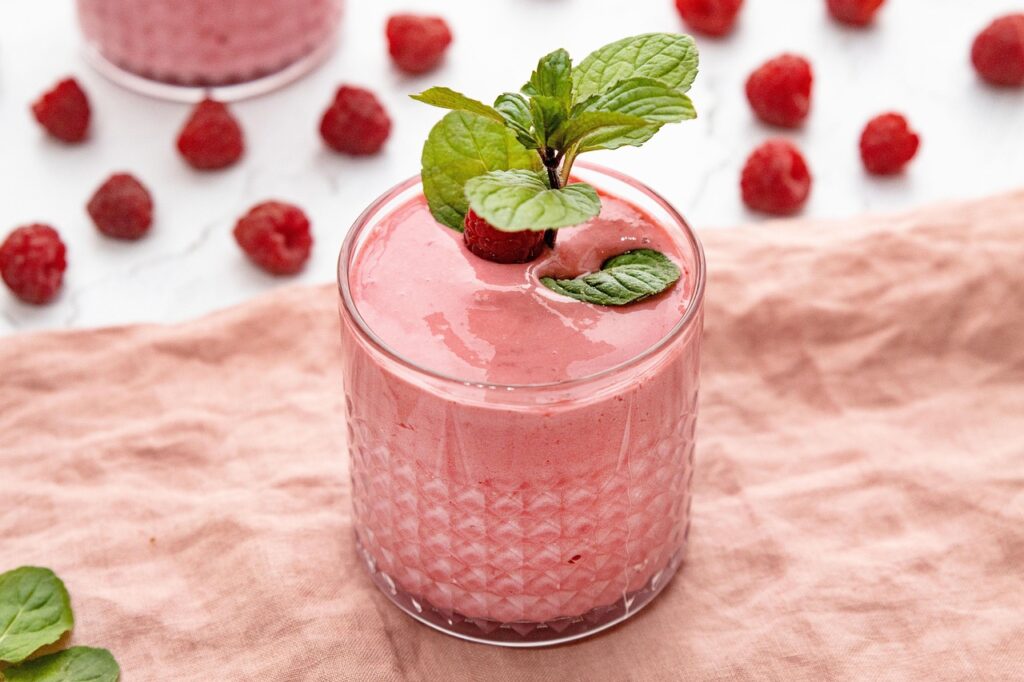
Fruit-based smoothies support hydration by combining liquids with water-rich fruits that release fluids gradually during digestion. Fruits like berries, oranges, and melons contribute water along with potassium and magnesium. The fiber content slows digestion, which helps sustain hydration over time rather than causing rapid fluid loss. Adding yogurt or milk can further enhance electrolyte content and fluid retention. Smoothies are particularly helpful for people who struggle to drink enough fluids on their own. They also provide energy and nutrients, making them suitable for recovery after illness or exercise.
7. Herbal Tea

Herbal tea hydrates effectively because it is primarily water, while offering additional benefits through plant compounds. Since most herbal teas are caffeine-free, they do not have the mild diuretic effect associated with caffeinated drinks. Warm beverages can also encourage consistent sipping, which supports steady hydration. Herbal teas like chamomile, peppermint, or ginger may aid digestion and comfort, indirectly supporting hydration by reducing stomach discomfort. Because they are low-calorie and naturally flavored, herbal teas make it easier to increase daily fluid intake beyond plain water.
8. Diluted Fruit Juice

Diluted fruit juice hydrates better than water alone when balanced correctly. Mixing juice with water reduces sugar concentration while preserving electrolytes like potassium. This combination improves fluid absorption without overwhelming the digestive system. Diluted juice can be especially helpful for children or people recovering from dehydration who find plain water unappealing. The mild sweetness encourages drinking larger amounts, which supports hydration goals. Using a one-to-one ratio of juice to water helps maintain balance. When consumed mindfully, diluted fruit juice provides hydration, flavor, and nutrients in a way plain water cannot match.