8 Classic American Dishes Gen Z Never Really Fell for

Classic American comfort food used to define what families cooked, what diners served, and what kids grew up loving at the table. But food culture doesn’t stand still. Gen Z has come of age in a world shaped by global flavors, social media cooking trends, ingredient transparency, and a stronger focus on freshness and customization. What this really means is that many dishes older generations still cherish now feel heavy, outdated, or disconnected from how younger people actually eat and cook. Convenience foods that once felt innovative can now seem overly processed. Long-baked casseroles feel slow compared to fast, flexible meals. Soft, beige comfort dishes struggle to compete with bright, textured plates that photograph well and taste bold. This list looks at classic American foods that quietly lost their hold on younger diners, not because they’re bad, but because food expectations shifted. Understanding why these dishes faded helps explain how quickly tastes evolve, and why nostalgia alone rarely keeps a recipe alive with a new generation.
1. Green Bean Casserole
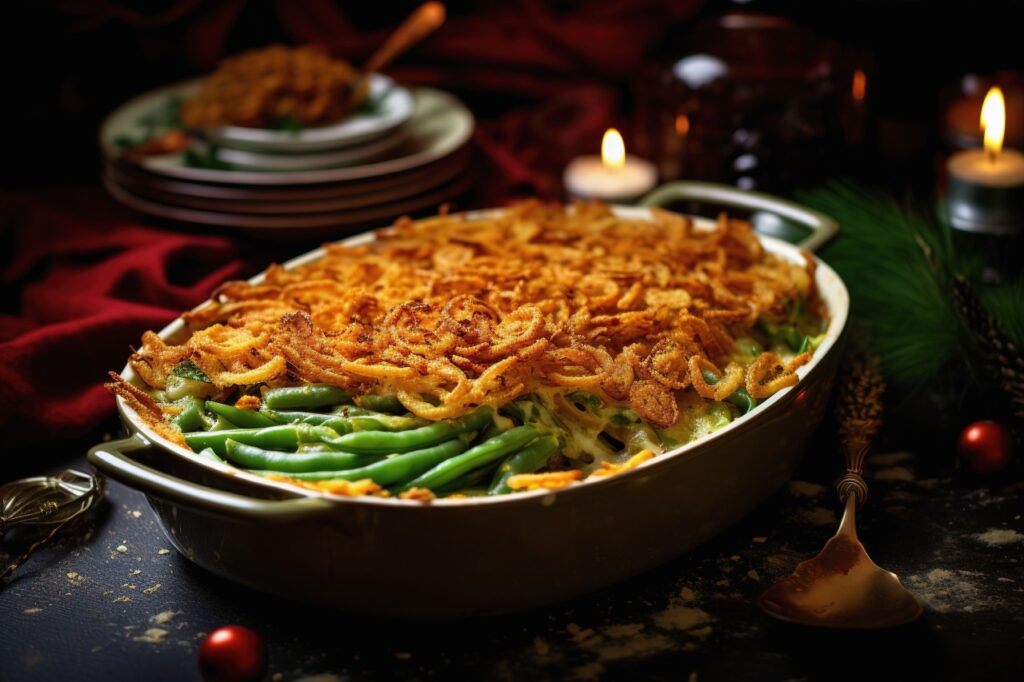
There’s something almost poetic about how a dish that once defined American holiday tables now feels invisible to younger eaters. Green bean casserole was born in the 1950s as a clever way to use canned soup and pantry staples, and for decades it symbolized convenience, comfort, and family gatherings. The problem for Gen Z is not nostalgia; it’s texture and freshness. Soft canned beans, condensed cream of mushroom soup, and fried onions create a uniform, salty richness that can feel heavy and one-note compared to the bright, crunchy vegetables and bold seasonings younger cooks gravitate toward today. Many Gen Z home cooks grew up with farmers’ market produce, air-fried vegetables, and global spice blends that highlight acidity and freshness.
2. Meatloaf

Meatloaf once represented practical American cooking at its best. It stretched inexpensive ground meat into a filling family dinner, absorbed whatever seasonings were on hand, and delivered reliable leftovers. What this really means today is that meatloaf often reads as predictable and bland to Gen Z diners raised on spicy noodles, street food, and layered flavors from around the world. Traditional recipes rely heavily on ketchup, breadcrumbs, and mild seasoning, which can flatten the flavor profile and make the texture feel dense or mushy. Younger cooks also tend to favor faster, more flexible meals that can be customized easily, such as bowls, wraps, or stir-fries. Meatloaf locks you into a single large bake that doesn’t adapt well to modern eating habits or smaller households. Health awareness also plays a role. Heavy ground beef dishes feel less aligned with plant-forward eating trends and lean protein choices.
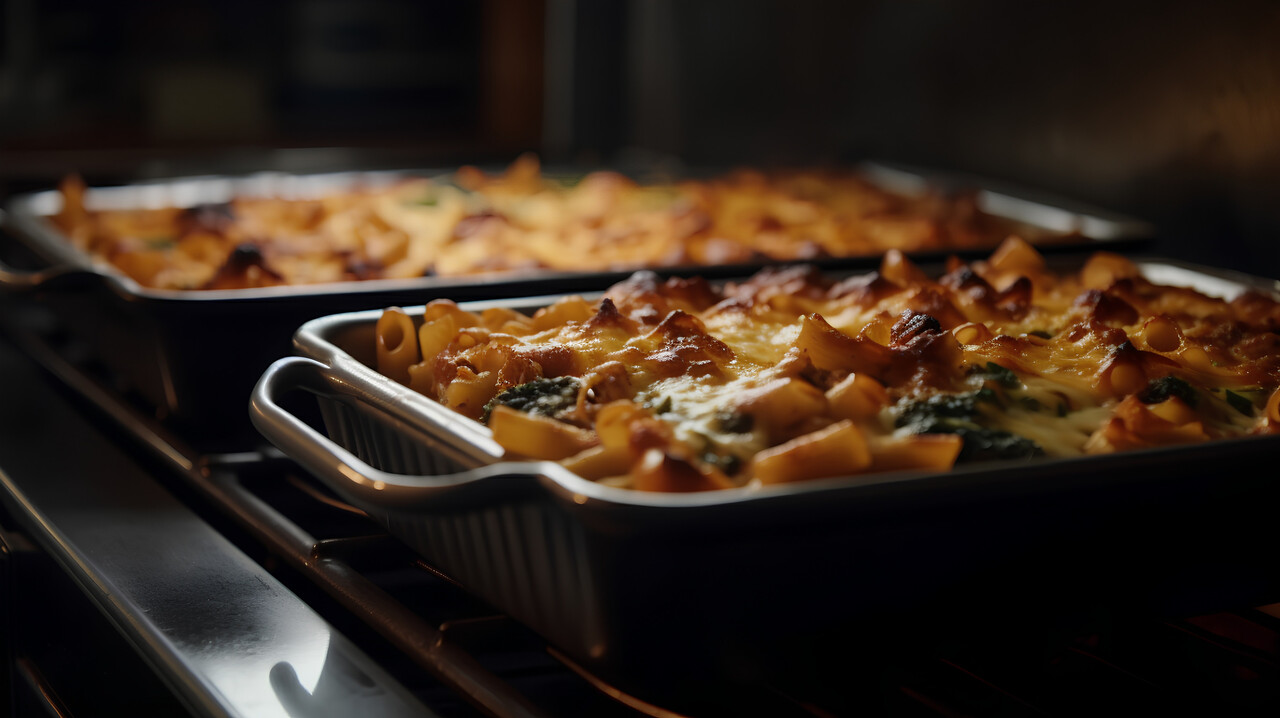
3. Tamale Pie
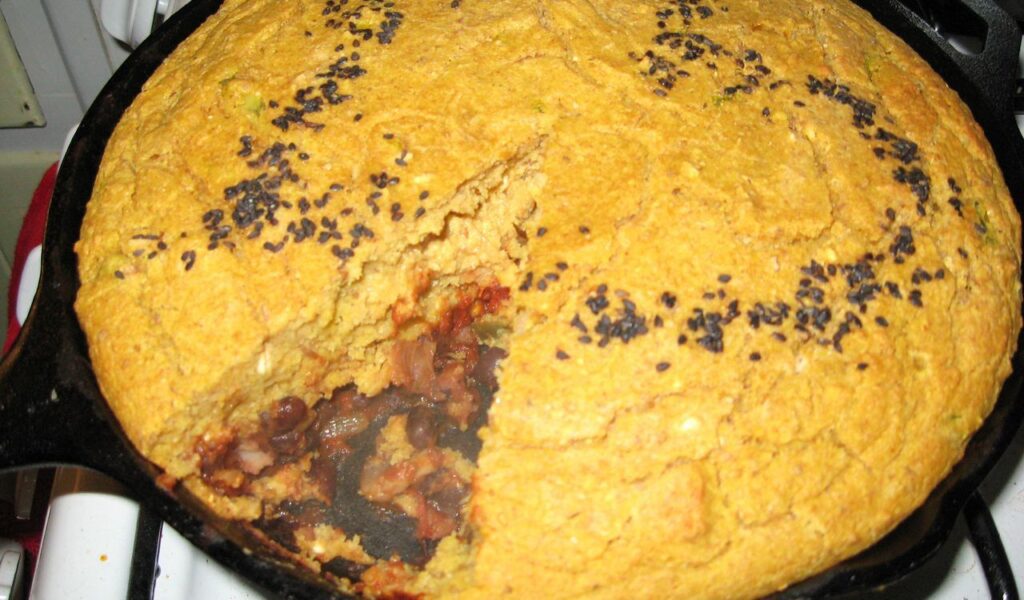
Tamale pie is one of those dishes that sounds adventurous until you understand what it actually is. Historically, it emerged as a casserole interpretation of Mexican flavors, blending seasoned meat, cornmeal topping, and simple pantry ingredients into a one-dish bake. For earlier generations, it felt creative and comforting. For Gen Z, it often feels like a diluted imitation rather than a true cultural experience. Younger diners have grown up with easy access to authentic tacos, regional Mexican cooking, and street food culture that emphasizes freshness, texture contrast, and bold spice. A soft, uniform casserole layered with mild seasoning can’t compete with freshly pressed tortillas, charred meats, and vibrant salsas. There’s also a growing sensitivity around cultural authenticity in food, and tamale pie can feel disconnected from its roots.
4. Jell-O Salads

Few foods capture mid-century American creativity quite like Jell-O salads. These shimmering molds once showcased everything from fruit to vegetables suspended in gelatin, often topped with whipped cream or mayonnaise. To Gen Z, they look more like museum artifacts than dinner options. The texture alone creates hesitation. Wobbly gelatin paired with savory elements challenges modern expectations of what a salad or dessert should feel like in the mouth. Younger eaters are more accustomed to crisp textures, fresh produce, and natural ingredients rather than processed gelatin mixes and artificial colors. Social media has also reshaped food culture into something highly visual but grounded in freshness and authenticity. Jell-O salads can look theatrical, yet they signal outdated food trends rather than creativity. There’s also a stronger focus on nutrition and ingredient awareness today, which makes brightly colored gelatin desserts feel disconnected from everyday wellness habits. While they occasionally resurface as novelty or retro party pieces, most Gen Z cooks see them as something to laugh about rather than something to serve.
5. Turtle Soup and Mock Turtle Soup

At one time, turtle soup was considered a refined delicacy in parts of the United States, especially in Creole and coastal communities. Mock turtle soup followed as a more accessible version using alternative meats. Here’s the thing: changing food ethics and environmental awareness have dramatically reshaped how younger generations view dishes tied to endangered or unusual animals. Many Gen Z consumers are more conscious of sustainability, animal welfare, and transparency in sourcing. Even when mock versions are used, the idea itself can feel uncomfortable or unnecessary. Flavor profiles also lean toward deeply rich, slow-simmered broths that require patience and specialized techniques, which doesn’t match the quick, flexible cooking habits of many young adults. Exposure matters too. Turtle soup simply isn’t visible on modern menus or in social cooking spaces where Gen Z learns what to eat. Without cultural reinforcement, curiosity fades. While historically important and still respected in certain regions, this dish has largely slipped out of mainstream awareness for younger diners.
6. Haystacks and Frito-Chip Casserole
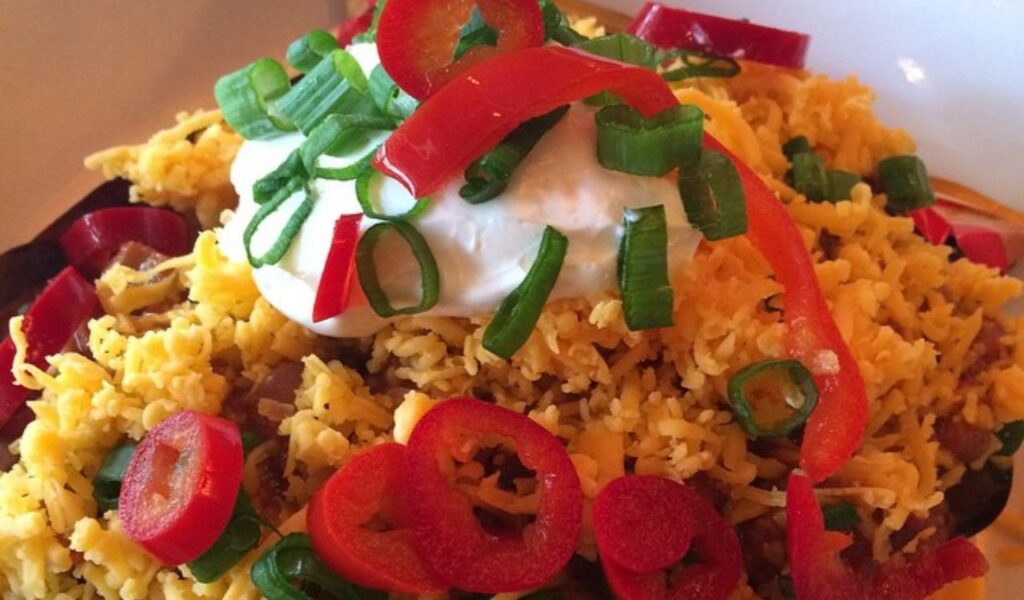
Haystacks, often built with layers of chips, chili, cheese, and toppings, were once beloved for their crowd-pleasing simplicity and customizable nature. In practice, Gen Z tends to view them as heavy, overly processed, and visually messy rather than fun. Chips soaked in hot toppings lose their crunch quickly, creating a texture that many younger eaters find unappealing. Modern food culture emphasizes fresh ingredients, balanced portions, and visually clean plating, especially in the age of social media cooking. A pile of crushed chips and melted cheese doesn’t photograph or feel as intentional as bowls built with grains, roasted vegetables, and bright sauces. There’s also growing awareness around sodium, ultra-processed foods, and overall nutritional balance. Haystacks lean heavily toward salt and fat without offering much freshness or contrast. While still nostalgic for families and casual gatherings, this dish doesn’t align with the everyday eating habits Gen Z is forming.
7. Traditional Bread Pudding

Bread pudding has deep roots as a practical way to use stale bread, transforming leftovers into a warm, comforting dessert. The classic versions are rich with custard, sugar, and heavy cream, often served warm and soft. For Gen Z, texture plays a major role in preference, and overly soft desserts can feel monotonous or heavy. Younger eaters often seek contrast in desserts, such as crisp edges, creamy centers, or bright acidity from fruit. Traditional bread pudding can feel dense and sweet without much variation. There’s also a shift toward lighter desserts, smaller portions, and globally inspired sweets like mochi, tres leches variations, or fruit-forward pastries. Bread pudding still appears in restaurants, but rarely excites younger diners unless it’s reinvented with creative flavors or modern presentation. Without those updates, it risks feeling like something reserved for older generations or special occasions rather than a dessert people actively crave.
8. Creamed Corn and Creamed Vegetables
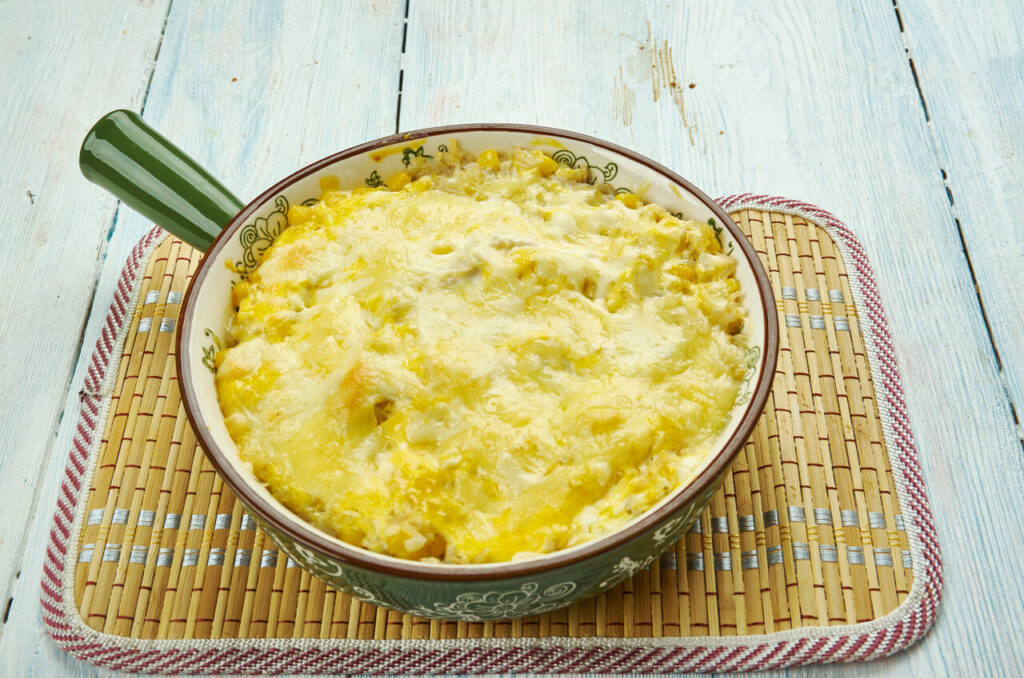
Creamed vegetables once symbolized comfort and abundance, especially in home-style cooking where richness equaled generosity. Today, Gen Z tends to prioritize vegetables that highlight natural flavor, texture, and freshness rather than masking them in heavy dairy sauces. Steamed, roasted, or grilled vegetables with herbs, citrus, and spice feel more aligned with modern taste preferences and wellness goals. Creamed dishes can come across as overly heavy, especially for everyday meals. There’s also a visual factor. Pale, uniform side dishes don’t compete well with colorful, vibrant plates that dominate social cooking spaces. Younger cooks often experiment with plant-based fats, lighter sauces, and global seasonings instead of traditional cream-based preparations. As a result, creamed corn and similar sides feel like relics of a different era of home cooking, respected for their history but rarely requested or recreated by Gen Z.