Checkout Lane Layouts Influence Food Purchases More Than Shoppers Realize

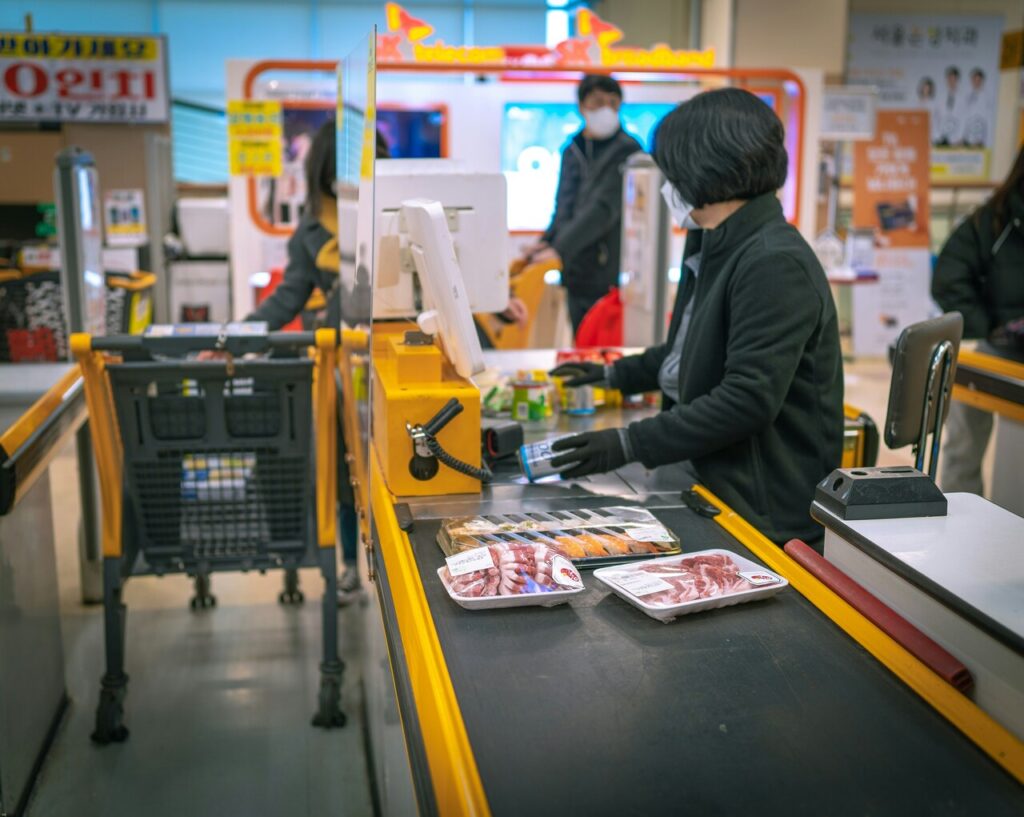
The checkout line may seem like the final and simplest part of a grocery trip, yet it plays a surprisingly powerful role in shaping what customers buy. As shoppers wait to pay, they are surrounded by small products placed within easy reach. Candy bars, gum, and snack packs may look like casual additions, but their placement is rarely accidental. Retailers carefully design checkout layouts to encourage quick decisions during this brief pause. The result is a moment where boredom, convenience, and visual cues combine to influence purchases that many shoppers never planned to make.
The Checkout Moment
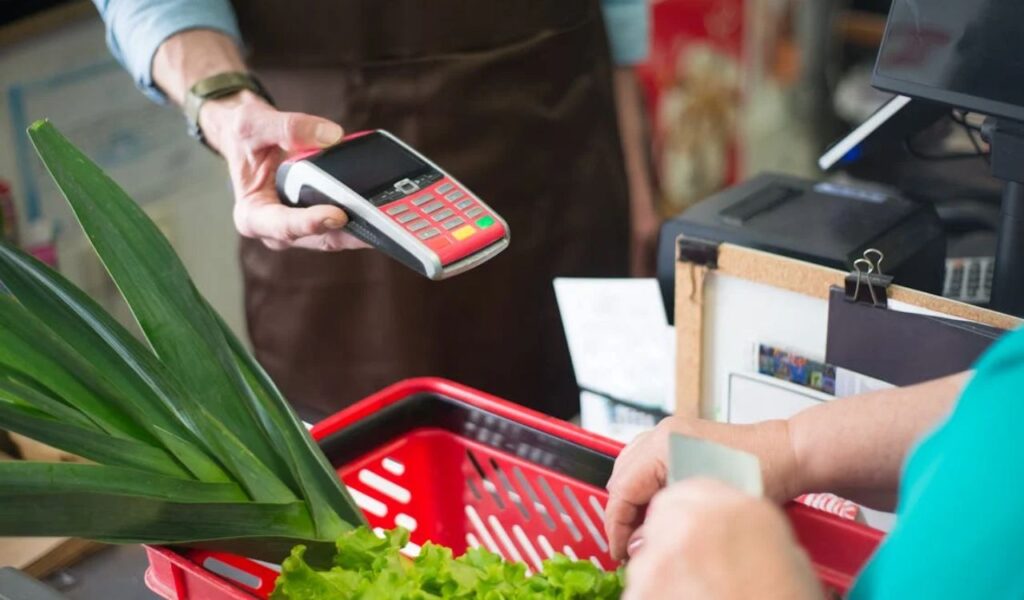
The checkout area may seem like the final step of a shopping trip, but it often plays a larger role in shaping purchases than people realize. By the time customers reach the register, they have already spent time navigating aisles and making dozens of decisions. This process can cause mental fatigue, reducing resistance to small additional purchases. When shoppers stand in line surrounded by convenient snack displays, it becomes easier to pick up one more item. The decision often feels quick and harmless because the product is inexpensive. In reality, this environment is carefully designed to encourage last-minute choices.
The physical layout of checkout lanes also ensures that customers remain close to these products for several minutes. Waiting in line creates a moment where shoppers are no longer focused on their main shopping list. Their attention shifts to whatever items are placed within reach. Small candy bars, gum packs, and snack-sized products are intentionally positioned at eye level to capture attention. These visual cues can influence buying behavior even when customers did not originally plan to purchase anything extra. Shoppers may casually examine the shelves while waiting. Bright packaging and familiar brands increase the chance of recognition.
The environment at checkout, therefore, functions as more than a simple payment station. Retailers treat it as a carefully planned extension of the shopping experience. Every display, shelf, and sign is arranged to encourage quick decisions. The goal is not to overwhelm customers but to present appealing options at the right moment. Because shoppers are already finishing their purchases, adding one more small item feels easy. The decision rarely feels like a major expense. Yet these small additions contribute significantly to store revenue. Over the course of a day, hundreds of small purchases accumulate.
The Impulse Buying Trigger
Impulse buying is one of the main reasons checkout displays exist. The products placed near registers are typically small, inexpensive, and easy to grab quickly. Shoppers often pick them up without much planning because the items require very little thought. A chocolate bar or packet of gum can feel like a minor addition to the grocery bill. This low-cost perception makes it easier for customers to justify the purchase in the moment. Retailers understand that low prices reduce hesitation. A quick decision feels harmless when the item costs very little. The combination of price and convenience makes impulse buying more likely.
Waiting in line also creates idle time for shoppers. During this pause, their attention naturally shifts toward nearby products. The combination of boredom and visual exposure increases the likelihood of spontaneous purchases. Customers may scan the shelves simply to pass the time while waiting for their turn at the register. This moment of casual browsing often leads to unexpected purchases. Even customers who planned carefully may become curious about nearby items. The packaging often highlights flavor or novelty to attract interest. A bright label or interesting design can capture attention instantly.
Retailers rely on this predictable behavior when designing checkout areas. The goal is to place tempting items directly within reach while customers wait. Because the decision is made quickly, the products do not need complex marketing messages. Bright packaging and convenient placement are often enough to attract attention and trigger a purchase. Stores often rotate products to keep the display interesting. New flavors or limited edition packaging may appear frequently. This variation helps maintain curiosity among repeat shoppers. Over time, the checkout display becomes a consistent source of impulse sales.
The Power of Product Placement
Product placement at checkout counters follows a very deliberate strategy. Retailers carefully select items that are most likely to capture attention during the brief waiting period. Candy bars, chewing gum, and snack packs dominate these spaces because they are easy to display and require no preparation. Their small size also allows stores to fit many options within a limited shelf area. These items are also familiar to most customers. Recognizable brands create instant trust and recognition. Shoppers can quickly choose them without reading labels. This familiarity speeds up the decision-making process.
Visibility is one of the most important elements of this placement strategy. Products are typically positioned at eye level, where customers naturally look while standing in line. Bright packaging and recognizable brands further increase the chances that shoppers will notice the items. Even a glance can trigger a memory of a favorite snack or a sudden craving. Retail designers study where customers tend to focus their attention. They use this information to decide where products should appear. Items placed directly within sight are far more likely to be chosen. Subtle visual cues guide customers toward these displays.
The effectiveness of this placement comes from its simplicity. Customers do not need to walk through another aisle to find these products. The items are already directly beside them at the point of payment. This convenience removes barriers to purchase and increases the likelihood that shoppers will add something extra to their basket. Convenience plays a powerful role in retail decision-making. If an item is within reach, it requires very little effort to pick up. Customers often act on impulse simply because the opportunity is there. This easy access helps explain why checkout displays remain so effective.
The Waiting Time Influence
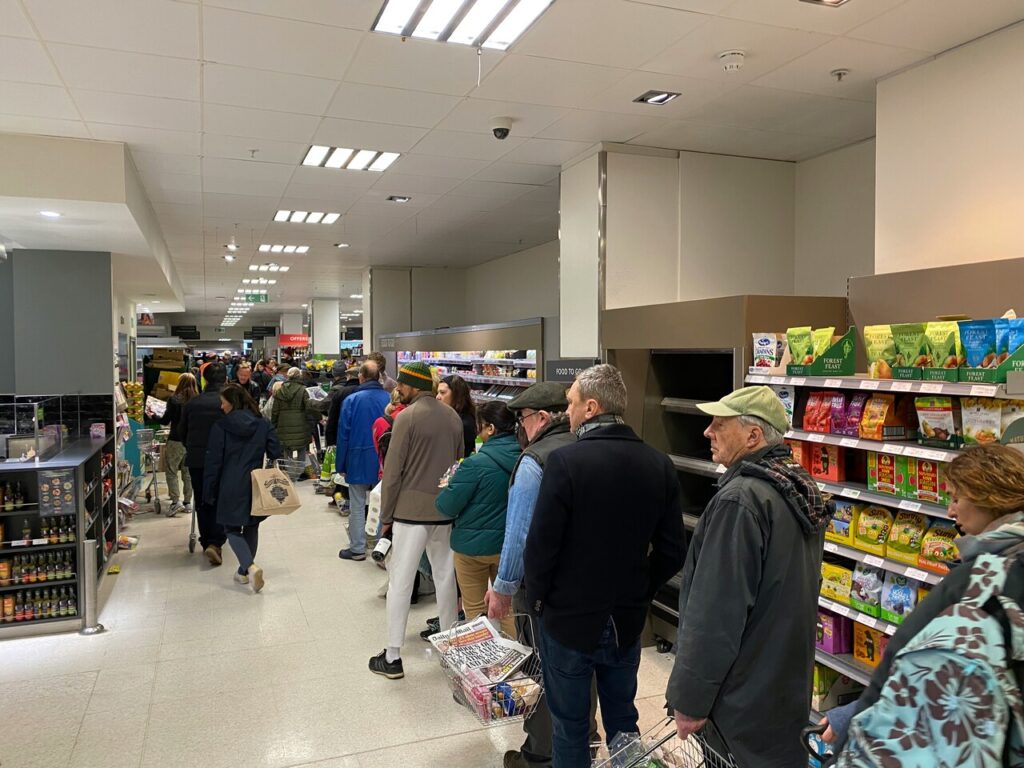
The amount of time customers spend waiting in line can significantly influence their purchasing decisions. Longer lines mean shoppers remain surrounded by checkout displays for a greater period. During this time, they may repeatedly glance at the nearby products. Each moment of exposure increases the chance that an item will capture their attention. Waiting naturally encourages people to look around. When displays are filled with appealing snacks, curiosity increases. Time spent in line, therefore, directly affects impulse-buying behavior. Even brief moments of boredom can redirect attention toward nearby products.
Psychologists often explain this behavior through the concept of decision fatigue. After making many choices throughout the shopping trip, customers may feel less motivated to resist small temptations. A simple snack becomes an easy reward after completing the main grocery list. This moment of relaxation makes shoppers more open to spontaneous decisions. The brain becomes less focused on strict budgeting. Small indulgences feel acceptable after finishing the main task. Customers may view the snack as a treat for completing their shopping. Mental fatigue reduces the effort people are willing to spend evaluating small expenses.
Retailers are aware of how waiting time affects purchasing patterns. Stores often design checkout areas so that customers slowly move past multiple shelves of products while standing in line. This arrangement increases the number of items each shopper sees before reaching the register. The gradual movement allows customers to notice several different options. Each new product becomes another opportunity for impulse buying. Retail planners use these layouts to maximize visibility. The design ensures that customers repeatedly encounter tempting items. Repeated exposure reinforces familiarity with specific brands or snacks.
The Healthy Checkout Movement
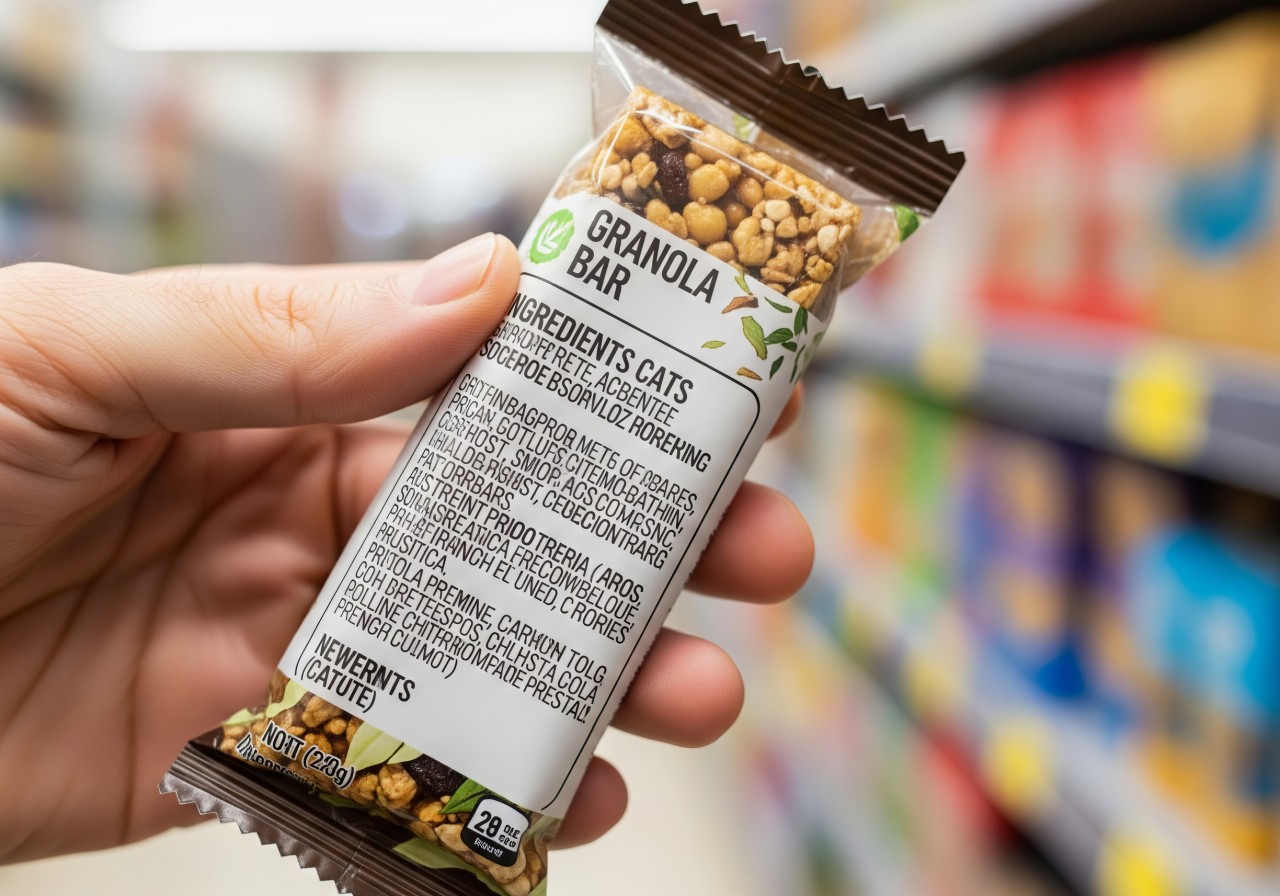
In recent years, some retailers have started reconsidering what appears in checkout areas. Public health advocates have argued that placing sugary snacks at registers encourages unhealthy eating habits. Because children often accompany parents during grocery trips, these displays can influence family purchasing decisions. As a result, several stores have begun experimenting with healthier alternatives. Some supermarkets now feature nuts, fruit snacks, or bottled water near checkout. These products provide a healthier option for last-minute purchases. The goal is to support better food choices while maintaining convenience.
Healthy checkout initiatives replace candy and sugary drinks with items such as bottled water, nuts, or dried fruit. The goal is to maintain the convenience of last-minute purchases while promoting healthier food choices. Some supermarkets have also removed junk food entirely from certain checkout lanes. These changes are often part of broader public health strategies. Communities encourage retailers to support healthier lifestyles. Some stores create special lanes labeled “healthy checkout” areas. These initiatives help test whether such customers respond positively to different product options.
Early results suggest that these changes can influence what customers buy. When healthier options are the only available, shoppers are more likely to choose them. This shift demonstrates how strongly product placement can shape purchasing behavior. The change does not force customers to buy healthier items. Instead, it simply changes what is most visible at the moment of decision. Visibility plays a powerful role in shaping choices. When healthy snacks replace candy bars, buying patterns begin to shift. Early findings indicate that repeated exposure to healthier options can gradually shift preferences.
The Store Layout Strategy
Checkout displays are part of a broader strategy that influences how customers move through a store. Retailers carefully design store layouts to maximize visibility of certain products. From aisle arrangements to shelf height, every detail can affect purchasing behavior. The checkout area simply represents the final stage of this strategy. Layout planning begins long before customers reach the register. Designers consider how shoppers move through each section. Popular items are often placed where they will receive maximum attention. Each section of the store contributes to a gradual build-up of purchasing opportunities.
Because every shopper must pass through the checkout zone, it offers a guaranteed opportunity for additional exposure. Unlike other parts of the store, this area captures every customer’s attention. Even people who intended to buy only a few items are still surrounded by tempting products before leaving. This universal exposure makes checkout displays especially powerful. Retailers rely on this moment to encourage additional purchases. Every customer becomes part of the opportunity. The consistent flow of shoppers ensures steady sales from these displays. Even inexpensive products can generate significant revenue when purchased frequently.
This strategic design helps stores increase overall sales without requiring customers to actively search for additional products. Small purchases made at checkout may seem insignificant individually, but collectively they represent an important revenue stream. Retailers depend on these purchases to increase average transaction value. Each small item adds a little more to the final bill. When multiplied across thousands of shoppers, the effect becomes substantial. Checkout displays, therefore, remain a key part of retail strategy. Retail analysts track these small purchases carefully. Data often shows measurable increases in total basket size.
The Behavioral Science Behind Checkout Design
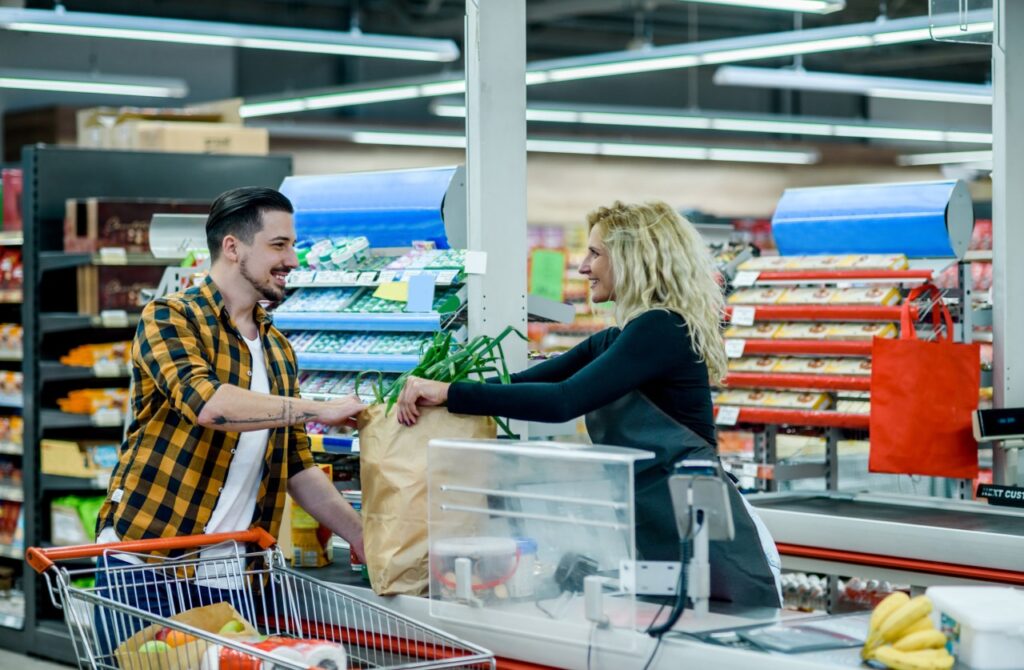
Behavioral science provides many insights into why checkout displays work so effectively. Humans often respond to visual cues and convenience when making quick decisions. When a product is within reach and appears inexpensive, the brain interprets the purchase as low risk. This perception encourages spontaneous buying. The decision feels effortless and immediate. Customers rarely pause to evaluate the purchase carefully. Instead, they rely on instinct and convenience. These psychological patterns shape everyday shopping behavior. Bright packaging and familiar brands strengthen this quick recognition process.
Retailers combine these psychological insights with careful product placement. By aligning convenience, visibility, and timing, checkout displays create an environment that naturally encourages impulse purchases. The design works quietly without drawing attention to itself. Customers rarely realize how much the environment influences their choices. Yet the results appear clearly in sales data. Behavioral science, therefore, plays a crucial role in shaping retail design. Retail planners continue studying consumer behavior to refine these strategies. Small adjustments in placement can produce measurable changes in purchasing patterns.