The Farmers Market Illusion and the Rise of Grocery Store Resale

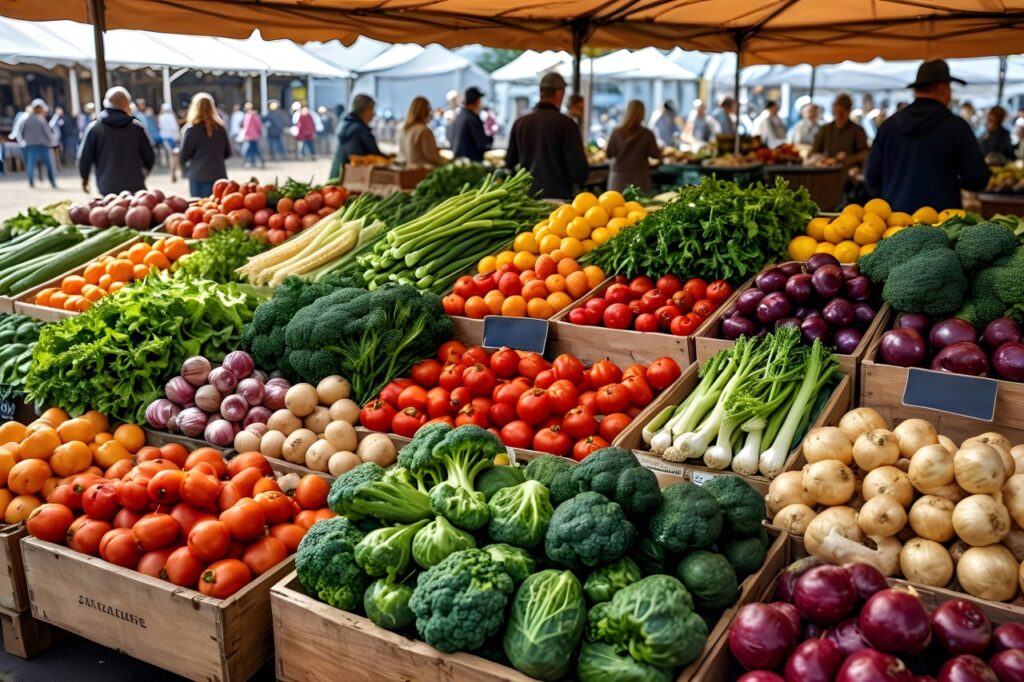
There is something undeniably comforting about walking through a farmers’ market on a weekend morning. Handwritten price cards, baskets of just-picked produce, and the scent of fresh herbs create a feeling of closeness to the land that grocery aisles rarely replicate. Shoppers come expecting more than food; they expect transparency, seasonality, and a direct connection to the people who planted, harvested, and brought those crops to market. The experience feels personal and rooted in trust. That sense of authenticity is what draws crowds and justifies paying a little more for items believed to be truly local and freshly harvested.
Yet behind some of those neatly arranged tables lies a more layered reality. Not every vendor grows everything displayed, and in certain markets, produce may be sourced from regional wholesalers that also supply supermarkets. These items can still be fresh and high quality, but they are not always farm-direct in the way shoppers assume. As demand for local food expands and harvests fluctuate due to weather and supply pressures, the line between grower and reseller has blurred in some communities. Understanding how this shift occurs helps consumers ask better questions and preserve the integrity of markets they value.
The Farmers Market Illusion
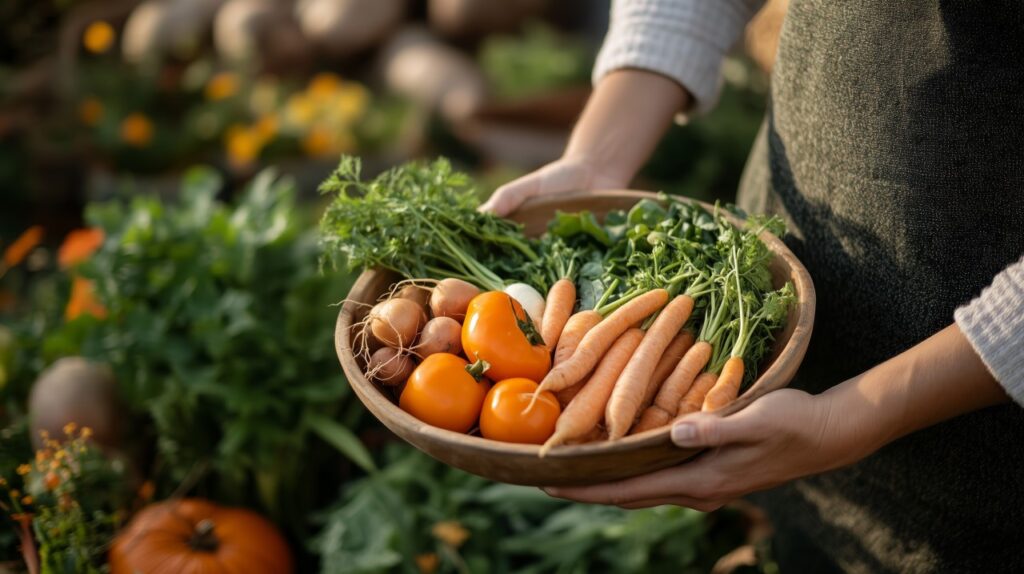
For many shoppers, a farmers market represents freshness, transparency, and a direct connection to the person who grew the food. The appeal lies in the belief that produce is harvested locally, often just days before being sold. Handwritten signs, rustic displays, and easy conversations with vendors reinforce that sense of authenticity. Customers expect shorter supply chains, seasonal variety, and food that reflects nearby soil and climate. The atmosphere feels personal and rooted in trust. Paying slightly higher prices often feels justified because buyers believe they are supporting small farms and receiving produce at peak flavor rather than items shipped across long distances.
This expectation, however, does not always match reality. While many vendors are genuine growers, some supplement their tables with items purchased from wholesale distributors to maintain variety or fill seasonal gaps. These products may still be fresh, but they are not always grown by the person selling them. In markets without strict oversight or labeling requirements, it can be difficult for shoppers to distinguish between farm-direct produce and resold inventory. The presentation may remain farm-like, yet the sourcing can resemble conventional retail channels. Without clear disclosure, customers may assume a field-to-table connection that does not consistently exist.
Where the Produce Really Comes From
In some documented cases, produce sold at farmers markets has originated not from nearby fields but from regional wholesale distributors. Vendors may purchase fruits and vegetables from produce terminals that also supply grocery chains and restaurants. These hubs aggregate crops from multiple farms, sometimes across state lines, before redistributing them in bulk. The products can be fresh and visually appealing, meeting the same grading standards used in supermarkets. However, they are not always grown by the individual standing behind the stall. For shoppers who attend markets to shorten the food chain and support local agriculture, that distinction carries weight beyond freshness.
Seasonality often provides a clear signal of sourcing. When strawberries appear in abundance before the local harvest window, or when tropical fruits are labeled as local in cooler climates, it may suggest outside supply channels. Uniform size, identical coloring, and large volumes of one variety can also indicate wholesale origins rather than small-scale farming. While resale practices are not prohibited everywhere and may be permitted under certain market rules, they complicate the promise of direct producer-to-consumer exchange. Without transparent labeling, customers may unknowingly pay premium prices for produce that traveled through the same networks as grocery store inventory.
The Grocery Store Resale Loophole
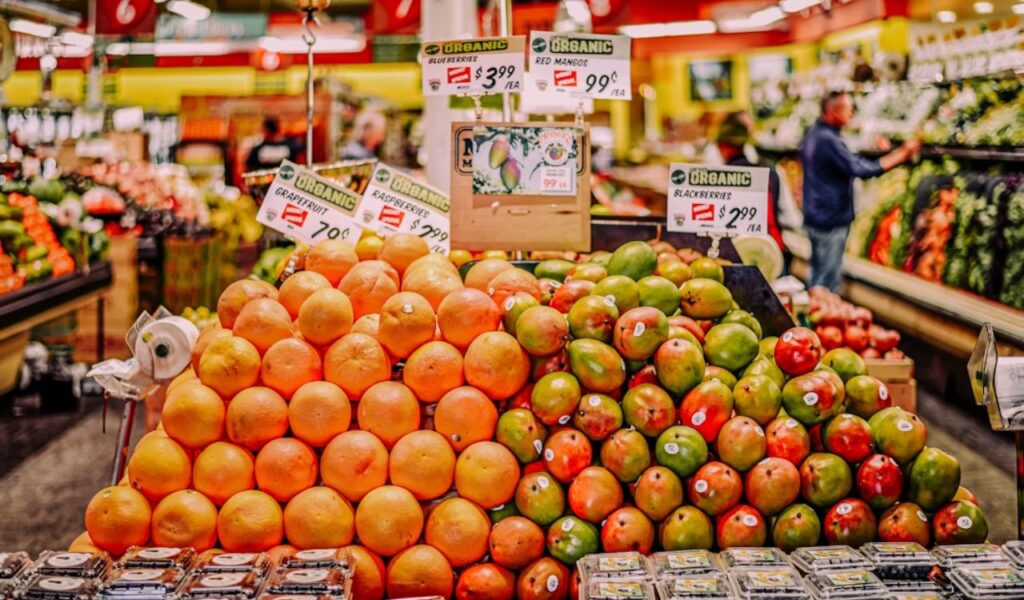
Some farmers’ markets operate under vendor guidelines that allow resale, provided products meet certain freshness standards. In these settings, a seller may legally purchase fruits and vegetables from wholesale distributors or regional produce terminals, then offer them at an open-air stall alongside their own crops. Because oversight varies by market, enforcement can be uneven. Some organizers require inspections or documentation, while others rely on vendor honesty. In markets without strict certification, it becomes difficult for shoppers to distinguish between growers and those supplementing their tables through outside sourcing.
Economic realities often drive these decisions. Crop failures, extreme weather, pest pressure, and fluctuating harvests make it difficult for small farmers to maintain a full display every week. Empty tables can reduce customer traffic and income, especially in competitive markets. Supplementing inventory through resale helps vendors offer variety and meet shopper expectations. However, when outside products are not clearly labeled, this blending of sources blurs the line between farm-direct produce and items that moved through conventional distribution channels. Over time, that lack of transparency can weaken the trust farmers markets depend on.
Why Oversight Falls Short
Regulation of farmers markets is typically handled at the local level, creating wide variation in how rules are written and enforced. Some markets require vendors to provide proof of farm ownership, crop lists, or periodic site inspections to verify production claims. Others operate with looser standards, relying on self-reporting and trust within the vendor community. Limited budgets and small administrative teams make frequent audits difficult to sustain. In many regions, organizers lack resources to verify every product’s origin each week. As a result, oversight often depends more on vendor honesty than on systematic review processes that consistently confirm sourcing claims.
Community culture can further complicate enforcement. Farmers markets are built around relationships and local goodwill, which can make strict policing feel uncomfortable. Market managers may hesitate to confront vendors without clear evidence, especially when livelihoods are involved. Vendors often know one another, adding social pressure that discourages complaints. In this environment, questionable sourcing practices can persist without direct challenge. While many markets uphold strong integrity standards, inconsistent oversight across regions creates uneven accountability, allowing resale activity to continue where verification systems remain limited.
How Shoppers Can Tell the Difference
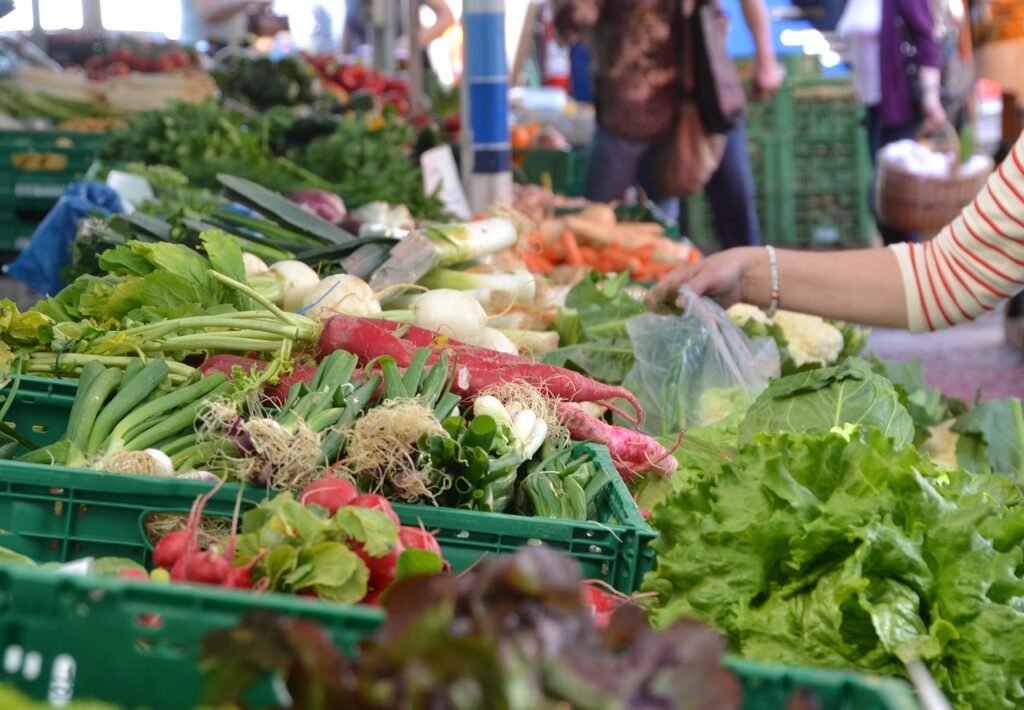
Consumers who care about buying directly from growers can take practical steps to better understand where their food comes from. Asking vendors specific questions about farm location, harvest timing, and growing methods often provides useful insight. Farmers who cultivate their own crops usually speak comfortably about soil conditions, weather patterns, pest challenges, and seasonal cycles because those factors shape their work. Details about planting schedules or harvest windows tend to come naturally to someone involved in production. While not every vendor will volunteer extensive information, openness and clarity in conversation often signal a closer connection to the land.
Careful observation also offers clues. Truly local produce reflects regional growing seasons, meaning availability shifts rather than remaining constant year-round. Variations in size, color, and shape are common in small-scale farming and often indicate minimal sorting. By contrast, identical items displayed in large, steady quantities may suggest broader sourcing. Shoppers can also look for posted farm names or market rules that emphasize grower-only participation. While resale practices exist in some markets, attentive consumers can use these signals to make choices aligned with their expectations of local food.