7 Pastries So Unusual They Barely Feel Like Pastry at All

Some pastries don’t behave the way we expect pastries to behave. They don’t flake, crumble, or melt into buttery layers. Instead, they snap like cookies, stretch like bread, chew like candy, or slice like architectural cake. Here’s the thing. Pastry traditions across Europe and beyond evolved around climate, storage needs, religious calendars, and available ingredients, not just indulgence. These unusual pastries challenge expectations and invite curiosity, proving that deliciousness doesn’t have to follow familiar rules. Once you understand how they’re built and why they exist, they stop feeling strange and start feeling quietly brilliant.
1. Rakvička Brings Cookie Structure Into Pastry Territory
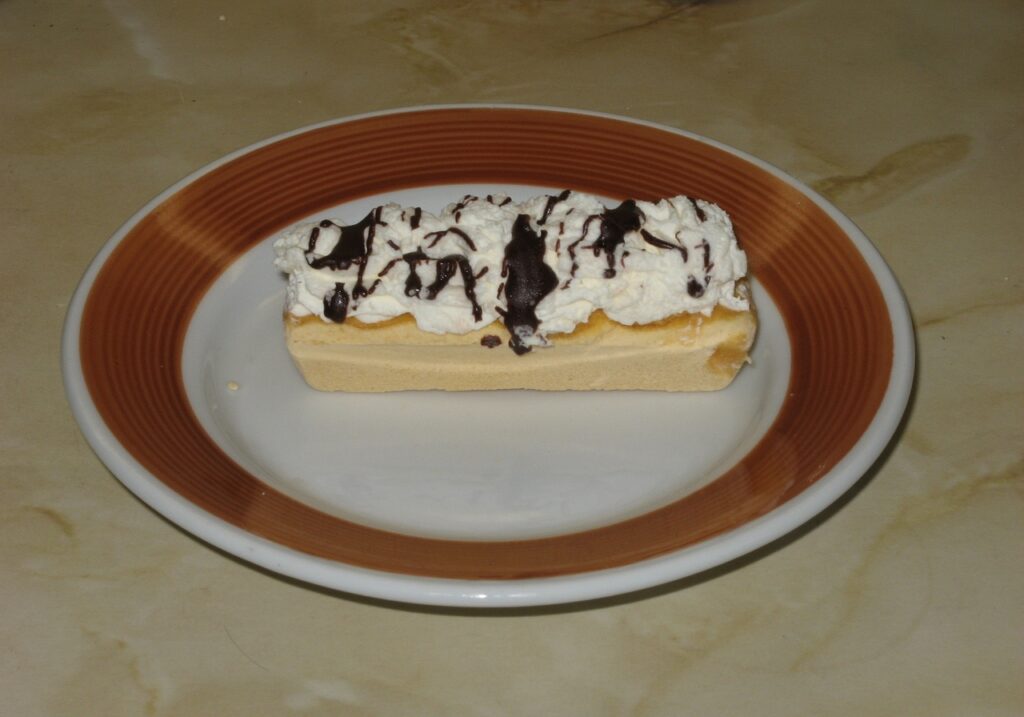
At first glance, rakvička barely registers as pastry at all. Its rigid shell looks more like a molded cookie than anything pulled from a bakery case. The name translates to little coffin, which hints at its hollow shape and crisp walls. The shell is baked from a light batter that sets firm, creating a brittle structure that snaps rather than flakes. Once cooled, it gets filled generously with whipped cream or chocolate cream, turning the experience into a contrast of textures rather than layers of butter and dough. What makes it so unusual is how clean and dry the shell feels compared with croissants, éclairs, or puff pastries. There is no laminated richness or soft crumb.
2. Frittelle Turns Fried Dough Into a Seasonal Ritual
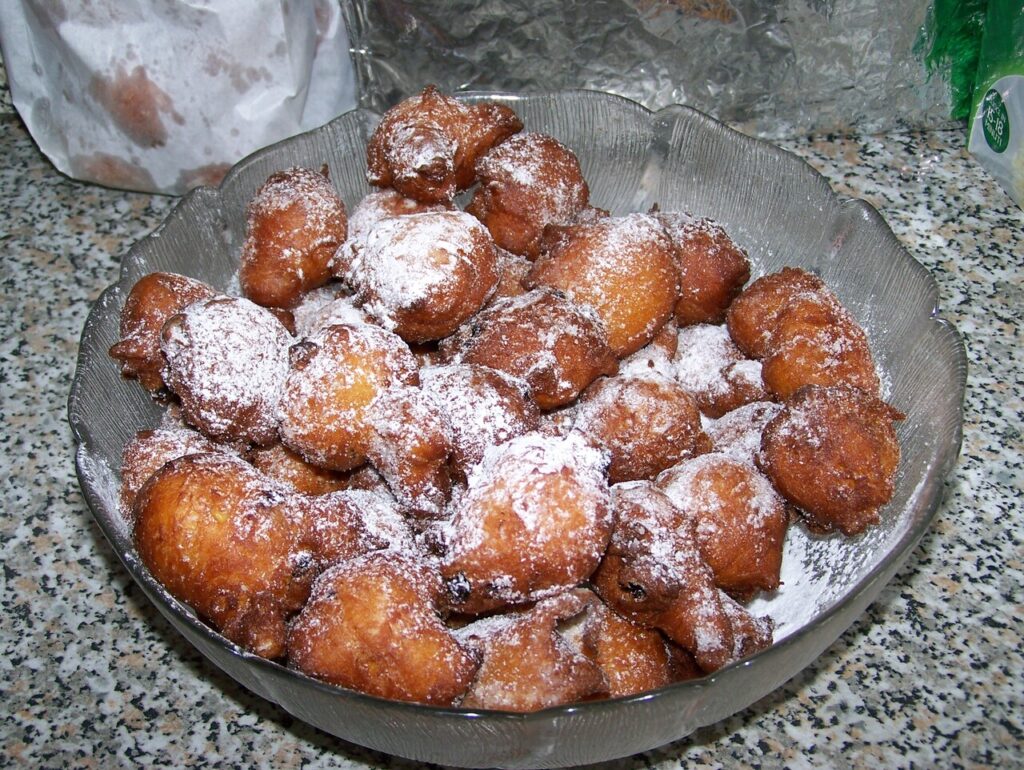
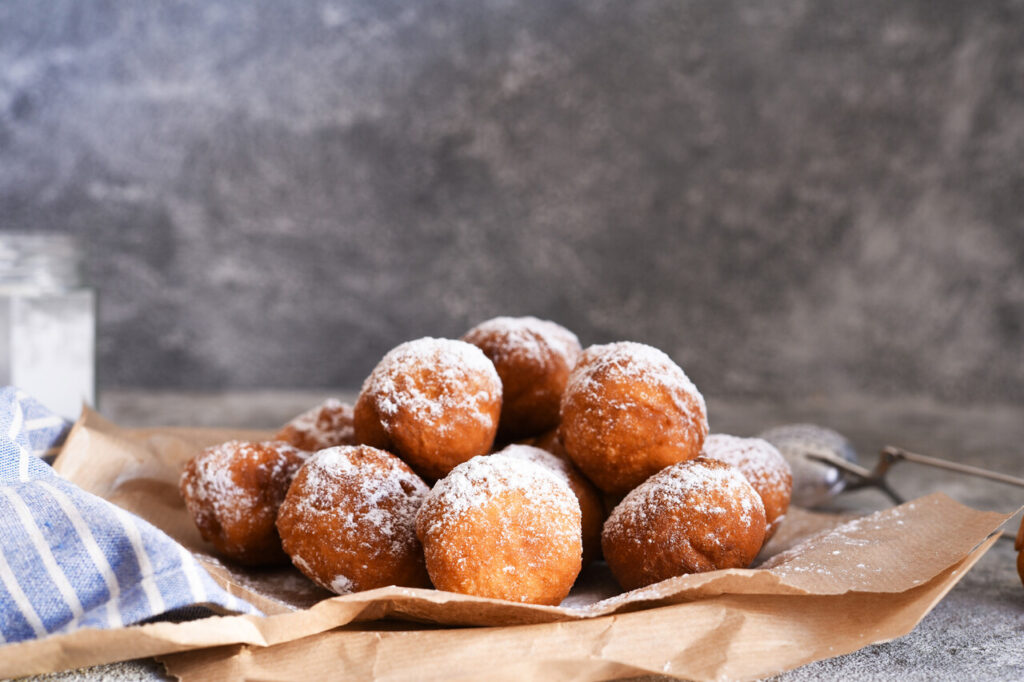
Frittelle look like simple fried dough balls, but their cultural role and texture push them far beyond everyday pastries. These Venetian treats are traditionally made during Carnival season, giving them a celebratory identity rather than year-round bakery status. The dough is enriched with eggs, sugar, and often studded with raisins, citrus peel, or pine nuts, creating bursts of flavor that surprise with every bite. Unlike light doughnuts or airy beignets, frittelle tend to be denser and slightly chewy inside, with a deeply golden crust that carries real weight. The frying process creates a satisfying crunch that contrasts with the soft center, but the flavor complexity is what sets them apart.
3. Kouign Amann Turns Sugar Into a Structural Ingredient
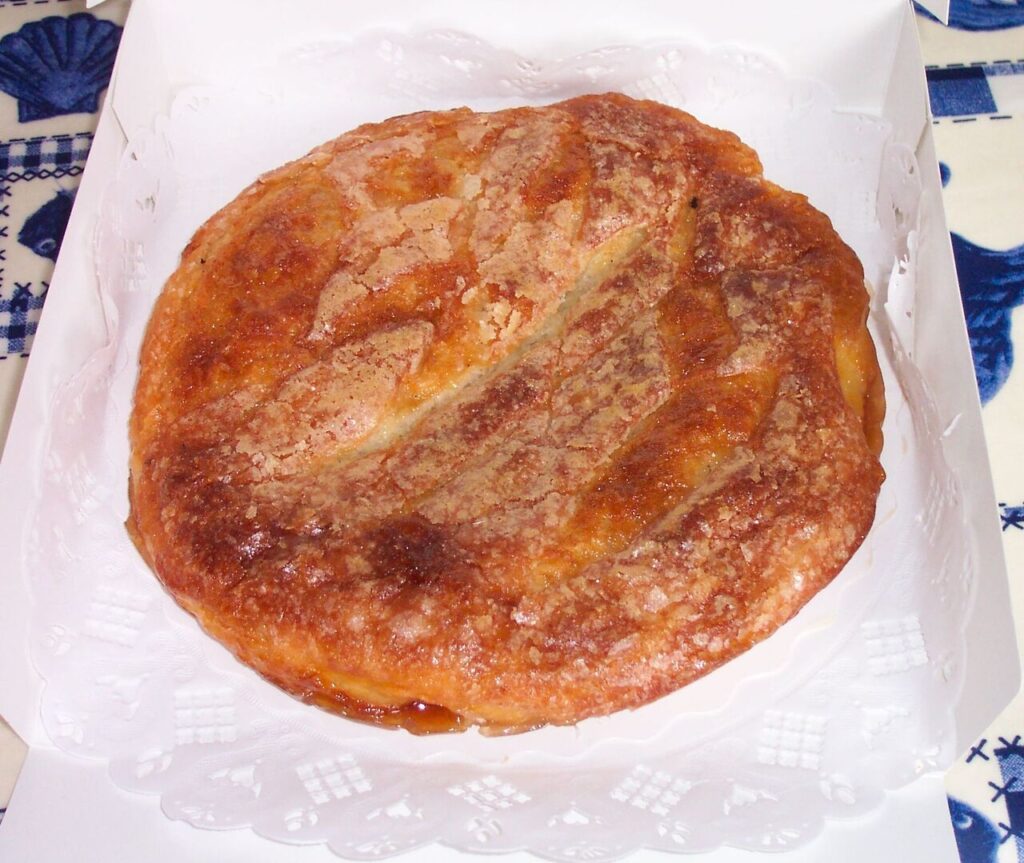
Kouign amann often surprises first-time eaters because it behaves more like a caramel confection than a typical pastry. While it is built from layered dough and butter, the defining element is sugar, which melts and caramelizes during baking. As the pastry cooks, sugar seeps between the layers and forms a glossy crust that hardens into a crackling shell once cooled. This creates a texture that alternates between crisp, sticky, and tender rather than flaky and delicate. The interior remains soft and rich, while the outer edges develop deep caramel notes that verge on bittersweet. It feels heavier and more indulgent than croissants or Danish pastries, often eaten in smaller portions because of its richness.
4. Zeeuwse Bolus Blurs the Line Between Bun and Pastry
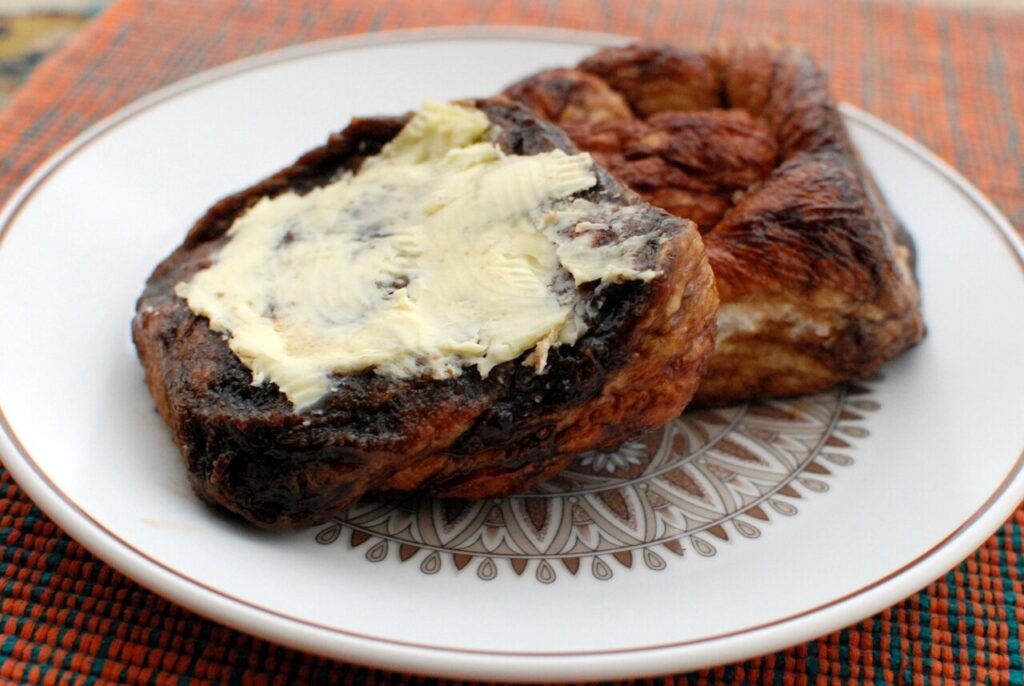
The Zeeuwse bolus does not fit neatly into classic pastry categories, which is exactly why it feels so unexpected. Shaped like a tight spiral and coated heavily in brown sugar and cinnamon, this Dutch treat bakes into a sticky, glossy coil with a chewy interior. The sugar melts during baking and creates a caramelized coating that clings to every fold of dough. Unlike laminated pastries, there are no butter layers separating sheets of dough. Instead, the texture resembles a soft roll that has been transformed by molten sugar. Each bite delivers warmth from cinnamon and a deep molasses flavor from the sugar, making it feel comforting and bold rather than delicate. Historically linked to Jewish baking traditions in the Netherlands, the bolus reflects how cultural exchange shapes regional desserts.
5. Pastiera Napoletana Redefines What Belongs in a Pastry Filling
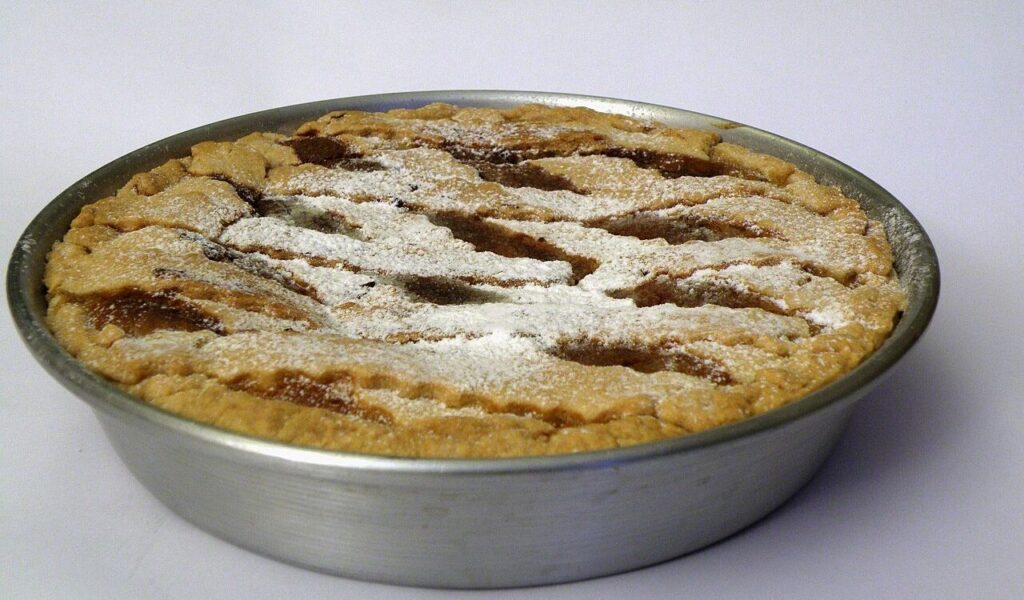
Pastiera Napoletana surprises people because its filling includes cooked wheat berries, an ingredient more commonly associated with savory grain dishes than dessert. This Italian Easter tart combines ricotta, eggs, sugar, orange blossom water, and cooked grain inside a shortcrust pastry shell. The result is a texture that feels creamy yet slightly chewy, offering small bursts of bite from the wheat. It does not deliver the smooth custard experience most expect from pastry fillings. Instead, it feels hearty, almost spoonable like a soft grain pudding baked into a tart. The floral aroma from orange blossom water gives the dessert brightness and complexity, while citrus zest keeps the richness balanced. Traditionally made in advance and allowed to rest, the flavors deepen over time rather than fading.
6. Tarte Tropézienne Feels More Like a Dessert Sandwich Than a Pastry
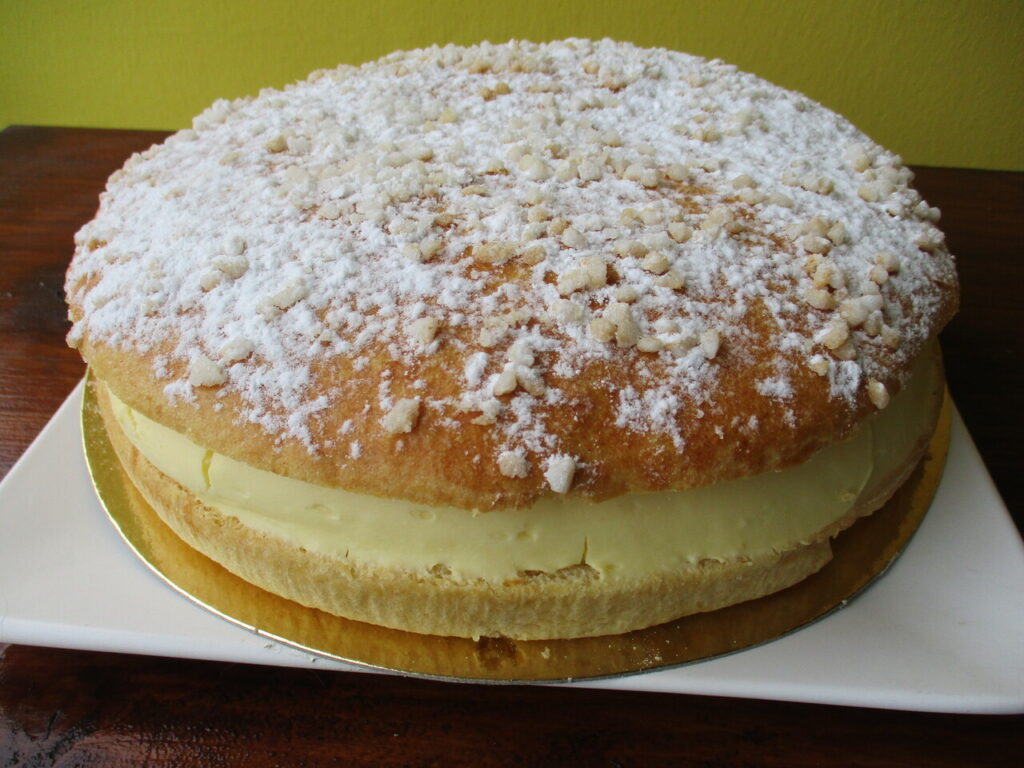
Tarte tropézienne breaks expectations because its foundation is brioche, not flaky pastry or crisp tart dough. The soft, slightly sweet bread is sliced horizontally and filled with a thick layer of cream made from pastry cream blended with buttercream. Pearl sugar scattered across the top adds crunch and visual appeal. When you bite into it, the experience feels closer to eating a cream-filled bun than a refined pastry. The richness comes from the filling rather than the dough structure, which stays pillowy and tender. This creates a dessert that feels indulgent yet comforting, more like bakery comfort food than patisserie showpiece. Its origins in southern France tie it to warm weather, seaside cafés, and casual celebration rather than formal pastry culture.
7. Baumkuchen Turns Baking Into Architecture
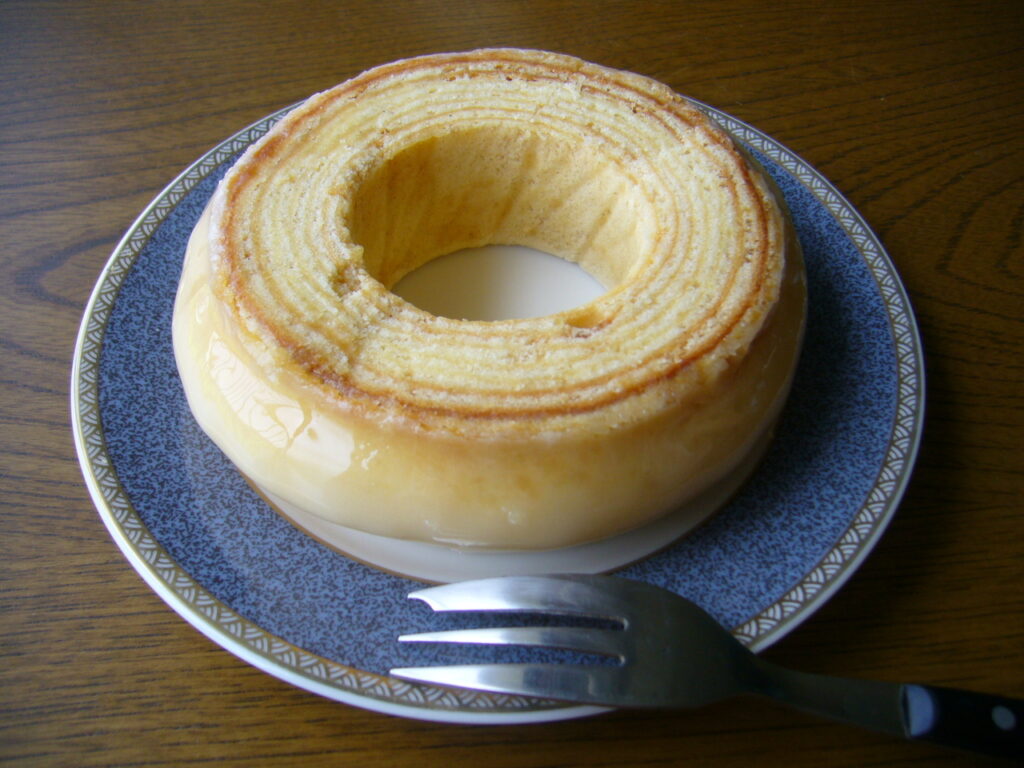
Baumkuchen feels more like an edible sculpture than a traditional pastry. Instead of baking batter in a pan, thin layers are brushed onto a rotating spit or cylinder over heat. Each layer cooks before the next is added, gradually building concentric rings that resemble the growth rings of a tree when sliced. This method creates a cake with a firm outer surface and a tender interior that holds its shape beautifully. The process requires patience, steady heat control, and careful layering, making it more of a craft than a casual bake. The texture is even and finely layered rather than crumbly or flaky, which gives it a unique mouthfeel that feels closer to dense sponge than pastry dough. Often coated in chocolate or glaze, Baumkuchen balances visual drama with restrained sweetness.