Clean Label Is All Over the Packaging: Food Scientists Aren’t Quite So Sure About 9 of Them

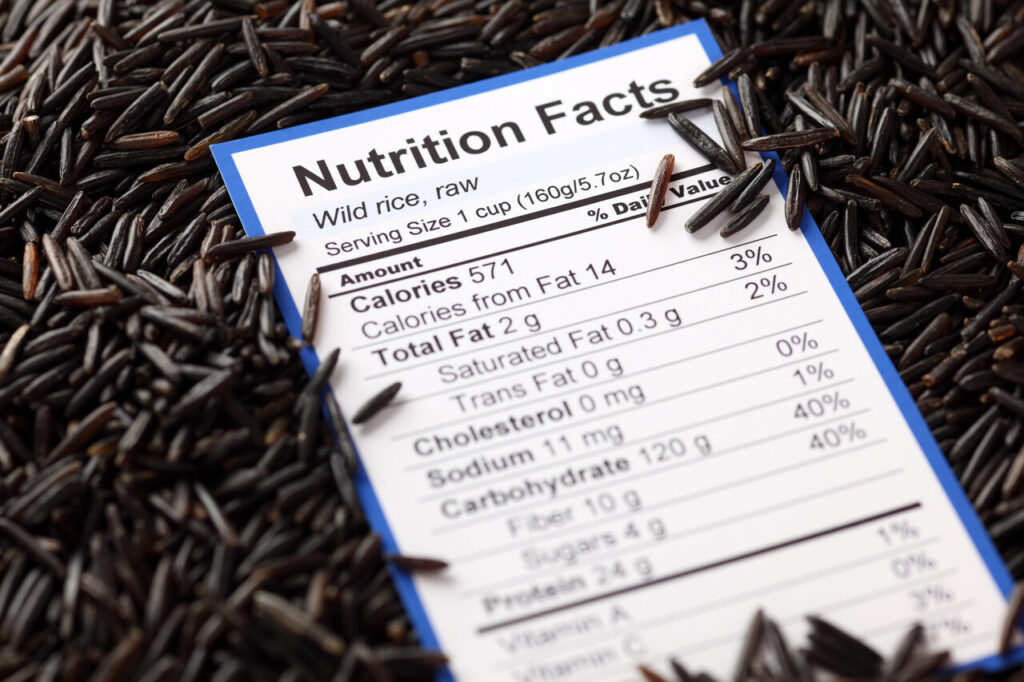
Walk through any grocery aisle and “clean label” shows up everywhere. It promises simpler ingredients, fewer additives, and food that feels closer to what people imagine as natural. At a glance, it sounds like a clear upgrade, and for many shoppers, it has become a shortcut for making better choices without overthinking every detail.
Here’s where it gets more complicated. Clean label is not a regulated standard, and many of the claims tied to it rely more on perception than precise definitions. Food scientists tend to look at how ingredients function, not just how they sound. That difference in perspective is why some of these labels raise more questions the closer you look.
1. “All Natural” Sounds Clear but Has No Clear Definition
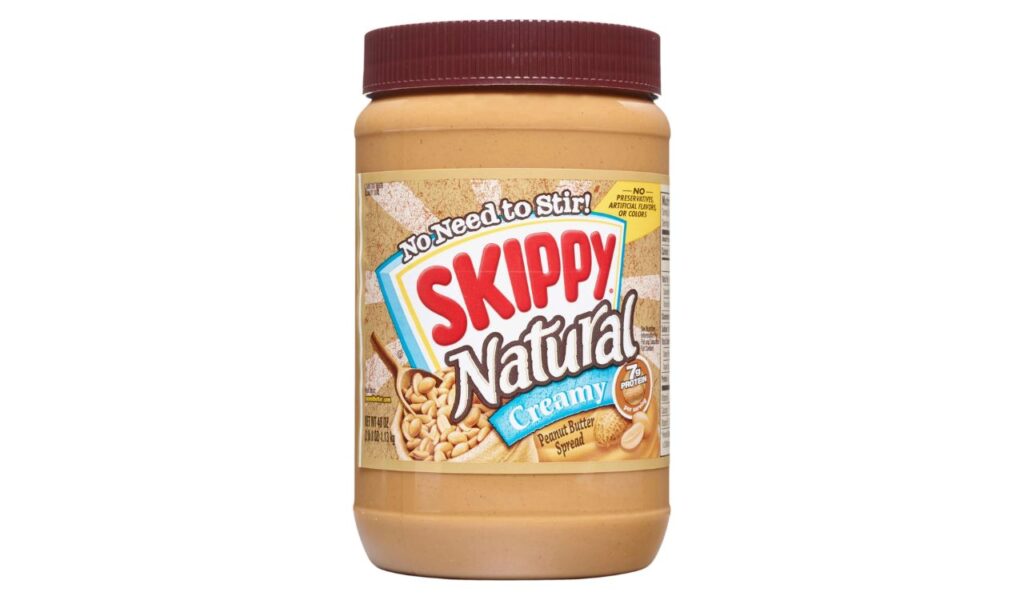
The phrase all natural appears on countless food packages, and it carries a strong sense of trust. It suggests that the product is simple, wholesome, and free from anything artificial. For many shoppers, that wording alone is enough to influence a decision.
The challenge is that there is no consistent scientific or regulatory definition for what all natural actually means. A product can still be processed, contain added sugars, or include refined ingredients while using that label. The term reflects perception more than a measurable standard.
This gap between wording and reality is what raises questions. Without a clear definition, the label becomes flexible, allowing different products to use it in very different ways. That makes it important to look beyond the claim and focus on what is actually in the product.
2. “No Additives or Preservatives” Often Means They Were Replaced
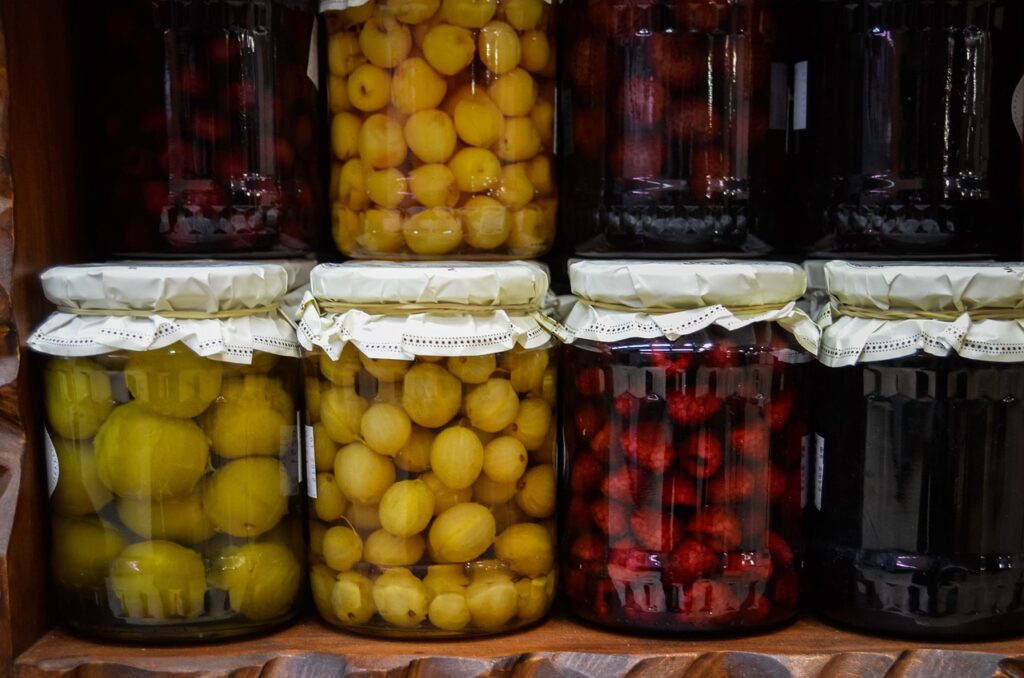
Seeing no additives or preservatives on a label gives the impression that the product is simpler and closer to its original form. It suggests that nothing extra has been added to extend shelf life or enhance flavor.
In practice, many of these products still rely on ingredients that serve the same purpose. Natural extracts, acids, or fermentation-derived components can act as preservatives even if they are not labeled in the same way. The function remains, even if the wording changes.
This is where the confusion comes in. The absence of certain terms does not mean the absence of preservation. It often reflects a shift in how ingredients are described rather than a complete removal of their role in the product.
3. Short Ingredient Lists Do Not Always Mean Better Nutrition
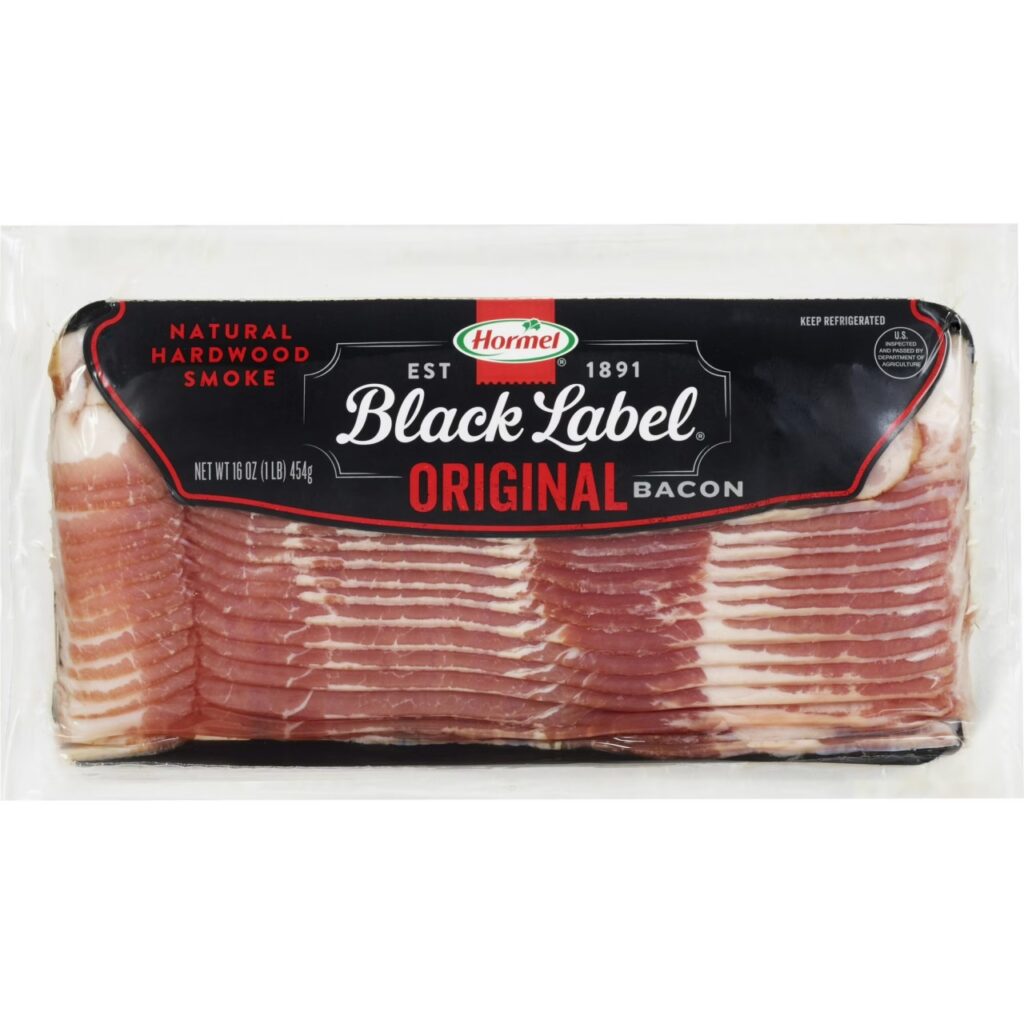
A shorter ingredient list feels easier to understand and often signals simplicity. Many clean-label products highlight this as a benefit, suggesting that fewer ingredients automatically translate to higher quality.
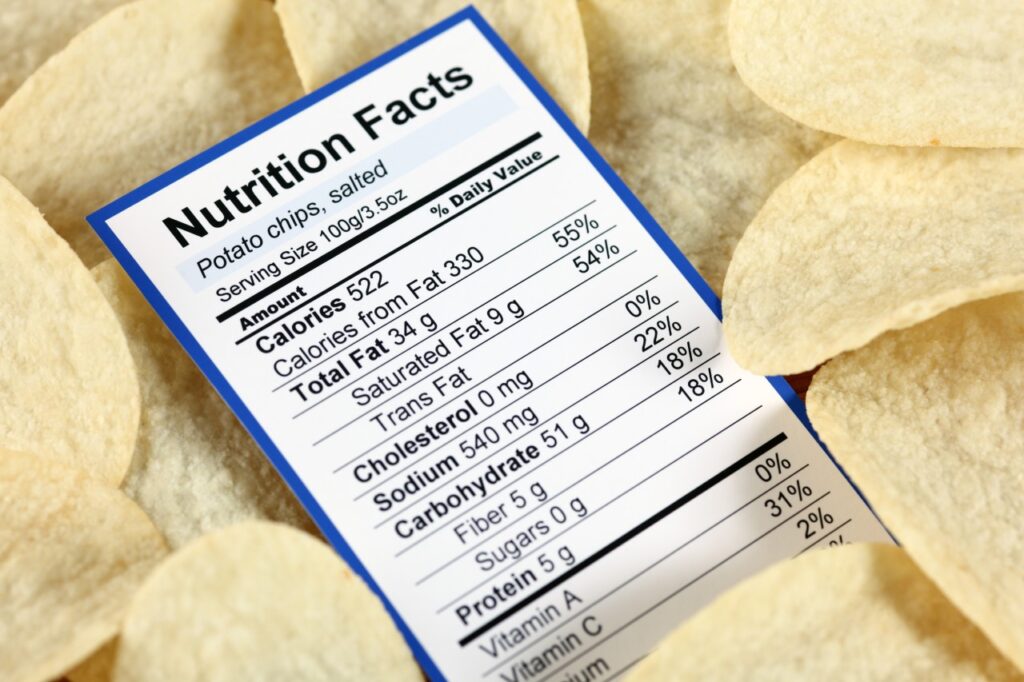
However, nutrition is not determined by the number of ingredients alone. A product with a short list can still be high in sugar, salt, or refined components. At the same time, a longer list may include vitamins, stabilizers, or functional ingredients that improve safety and consistency.
The focus on length can create a misleading shortcut. It simplifies decision-making but does not provide a complete picture. Looking at the type of ingredients and their purpose offers a more accurate understanding than counting them.
4. “Recognizable Ingredients” Depends on Who Is Reading the Label
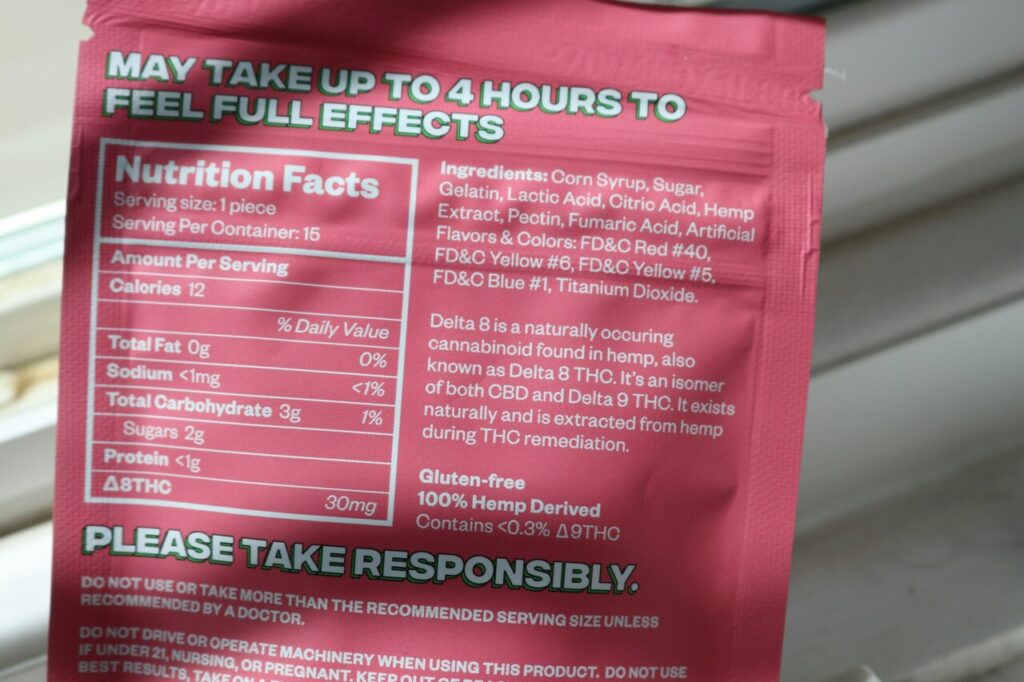
The idea of recognizable ingredients is built on familiarity. If you can pronounce it and know what it is, it feels safer. This concept has become a key part of clean label messaging, encouraging people to trust what they understand.
The issue is that familiarity varies widely. Many scientifically named ingredients are simply common compounds described in technical terms. For example, something that sounds complex may be a basic component found in everyday foods.
This creates a perception gap. Ingredients that appear unfamiliar are not necessarily harmful, and those that seem simple are not always better. Understanding the function of an ingredient matters more than how familiar its name sounds.
5. “Free From” Claims Can Create a Health Halo
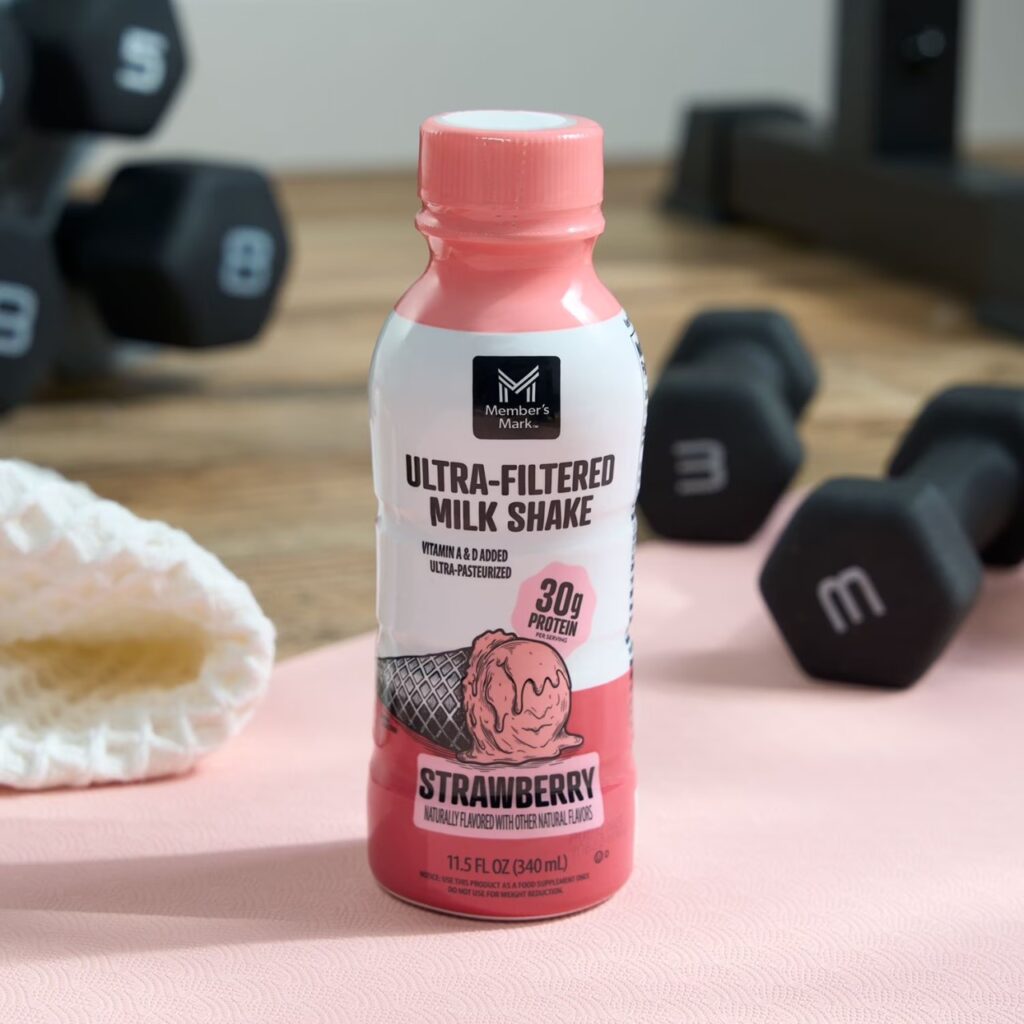
Labels that highlight what a product does not contain, such as gluten-free or GMO-free, are designed to stand out. They give the impression that the product is cleaner or healthier simply because something has been removed.
For people with specific dietary needs, these claims are important. However, for others, they may not provide any additional benefit. A product can be free from a certain ingredient and still be highly processed or low in nutritional value.
The effect is often psychological. Removing one element can make the entire product feel improved, even if nothing else has changed. This is why these claims are so powerful, and why they require careful interpretation.
6. “Minimally Processed” Does Not Mean the Same Thing Everywhere
The term minimally processed suggests that a food has undergone very little change from its original state. It creates an image of simplicity and closeness to natural ingredients.
In reality, processing exists on a spectrum, and there is no universal standard for what qualifies as minimal. Many foods require some level of processing for safety, preservation, or convenience. Even basic steps like cooking or freezing count as processing.
Because the definition is unclear, the term can be used in different ways. It often reflects a general idea rather than a precise measure. Understanding how a product is made provides more insight than relying on the label alone.
7. “No Artificial Colors or Flavors” Does Not Change the Function

Removing artificial colors or flavors is often presented as an improvement. It suggests that the product is closer to natural ingredients and avoids synthetic additives.
However, natural alternatives often perform the same function. They provide color, enhance flavor, and maintain consistency in similar ways. The difference lies in their source rather than their role in the product.
This means the overall structure of the food may remain unchanged. The experience of eating it can be very similar, even if the label looks different. The distinction is more about perception than a complete transformation of the product.
8. Clean Label Preservatives Come With Trade-Offs
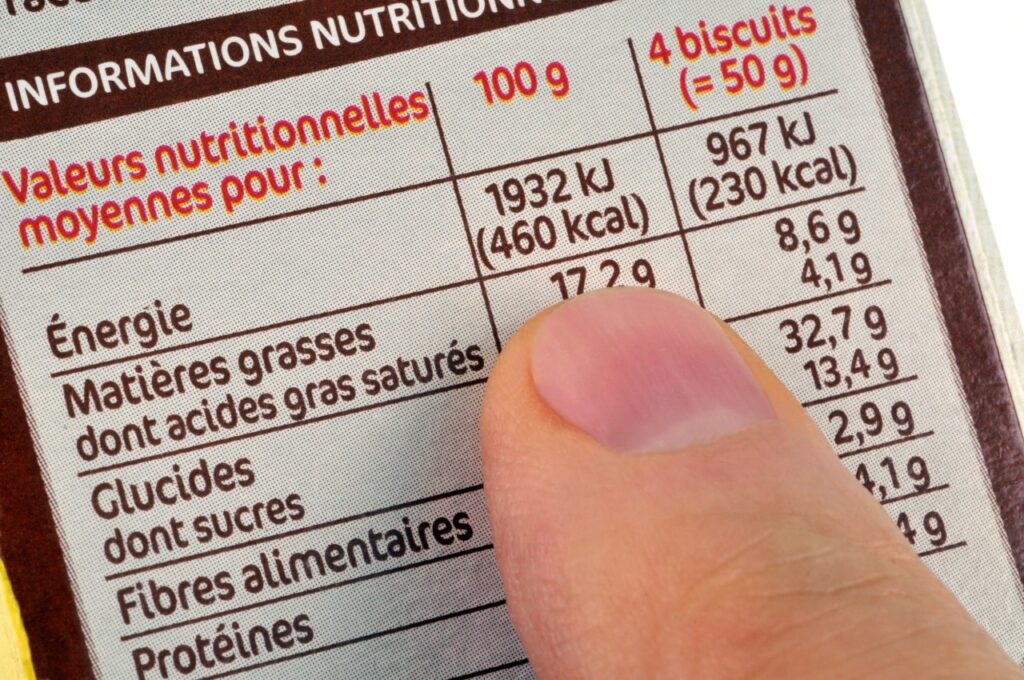
Replacing traditional preservatives with alternatives is a key part of clean label reformulation. These substitutes aim to maintain shelf life while aligning with consumer expectations for simpler ingredients.
The challenge is that not all replacements perform equally. Some may be less effective, require different storage conditions, or alter the taste and texture of the product. This can affect both quality and consistency.
Food scientists often focus on balancing these factors. Safety, stability, and flavor all need to be maintained, which makes reformulation complex. The result is not always a direct one-to-one replacement, even if the label suggests it is.
9. Clean Label Itself Is More of a Marketing Idea Than a Defined Standard
The term clean label has become widely used, but it does not have a strict definition. It generally refers to products with simpler ingredient lists and fewer artificial components, but the exact meaning can vary from one brand to another.
This flexibility allows companies to interpret the concept in ways that suit their products. What qualifies as clean for one item may look different for another. Without a standard, the term becomes more about positioning than regulation.
For consumers, this means the label should be seen as a starting point rather than a conclusion. It signals a certain approach, but it does not guarantee overall quality or health. Looking at the full product provides a clearer picture than relying on the label alone.