You Might Want To Think Twice Before Putting These 8 Foods On Your Buffet Plate

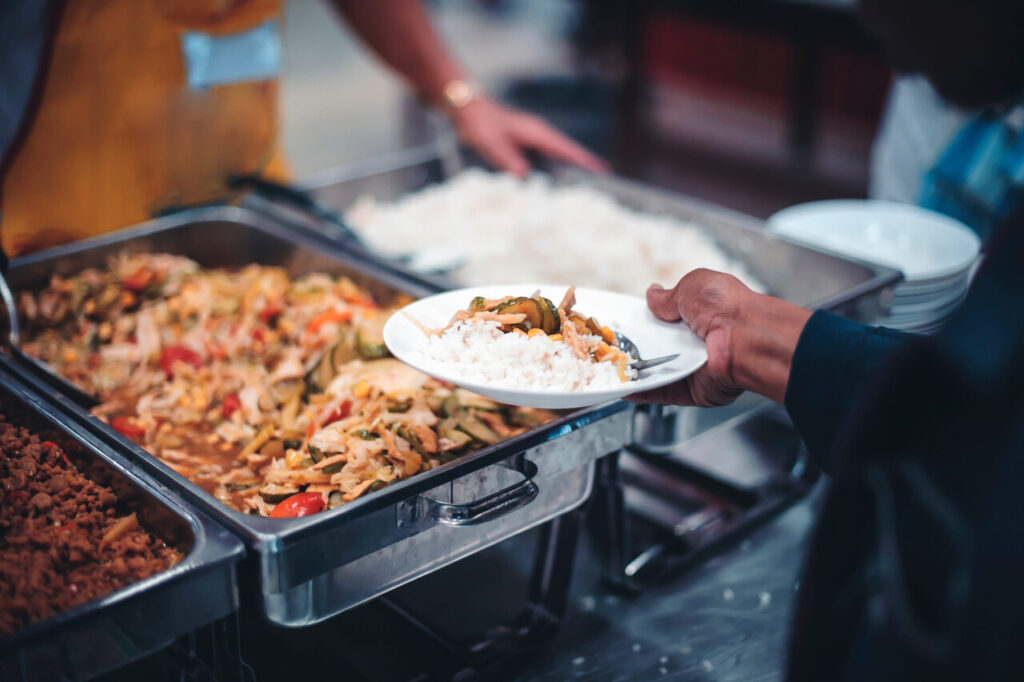
Buffets are built around choice and convenience, but that same setup comes with tradeoffs most people do not think about. Food sits out longer, passes through more hands, and relies on systems that try to balance volume with safety and quality. At a glance, everything looks abundant and ready to enjoy, but not every item holds up equally well in that environment.
Here’s the thing. Some foods are far more sensitive to time, temperature, and handling than others. When those factors slip even slightly, the difference shows up in taste, texture, or sometimes safety. Knowing which items tend to struggle on a buffet line can help you make better choices without giving up the experience.
1. Raw Seafood on a Buffet Is a Gamble You Do Not Always See Coming
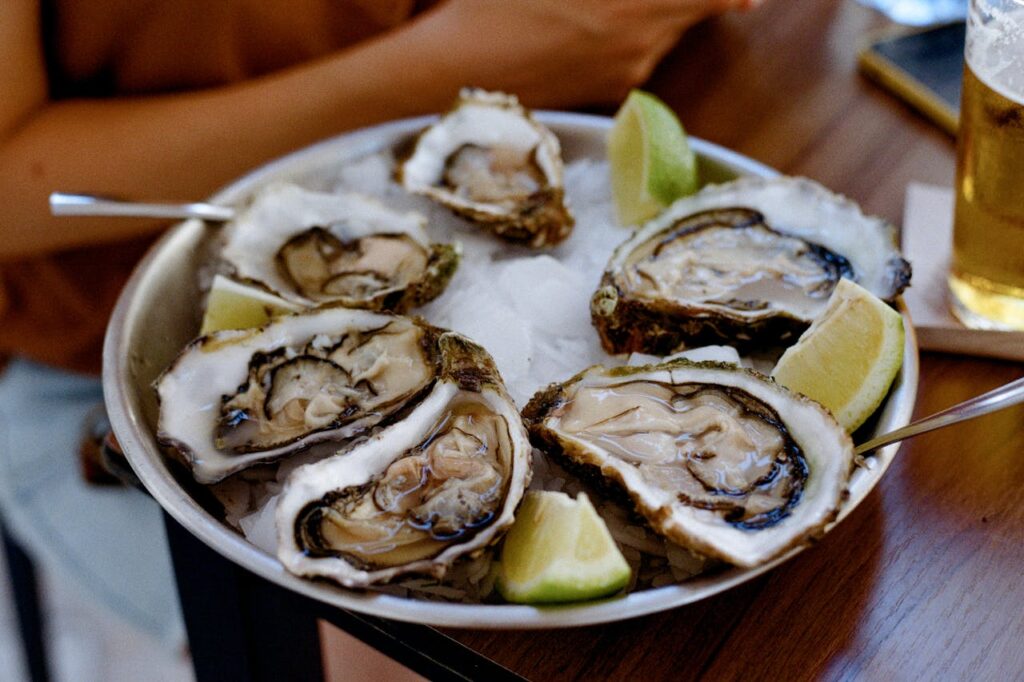
Sushi and other raw seafood items rely heavily on strict temperature control and freshness. In a buffet setting, those conditions are harder to maintain consistently. Even when displayed on ice, the surrounding environment and repeated exposure to air can affect how safely the food is held over time.
Unlike made-to-order dishes, buffet seafood may sit out for extended periods. Each minute outside proper refrigeration increases the risk of bacterial growth. The issue is not always visible, which makes it easy to underestimate the potential risk just by looking at the food.
Choosing freshly prepared or hot items reduces that uncertainty. Raw seafood requires careful handling from start to finish, and a buffet environment introduces too many variables. It is one of those choices where caution makes a noticeable difference.
2. Buffet Scrambled Eggs Often Prioritize Volume Over Quality
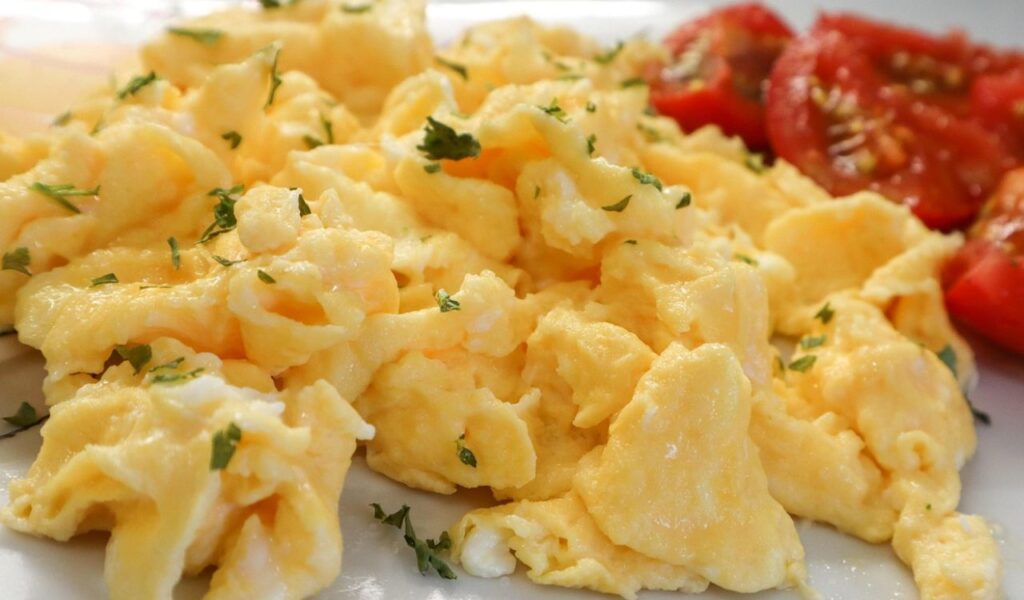
Scrambled eggs at buffets are usually prepared in large batches, and in many cases, they are made from liquid or powdered egg mixtures rather than fresh cracked eggs. This approach helps kitchens manage volume and consistency, especially during busy service periods.
The trade-off is in texture and flavor. These eggs can become rubbery or watery when held under heat lamps for long periods. The longer they sit, the more they lose the soft, fresh quality people expect from properly cooked eggs.
While they may look appealing at first glance, the eating experience often reveals the difference. Freshly cooked eggs tend to have a richer taste and better texture, which is why buffet versions can feel underwhelming by comparison.
3. Fried Foods and Pizza Lose Their Appeal Faster Than You Think
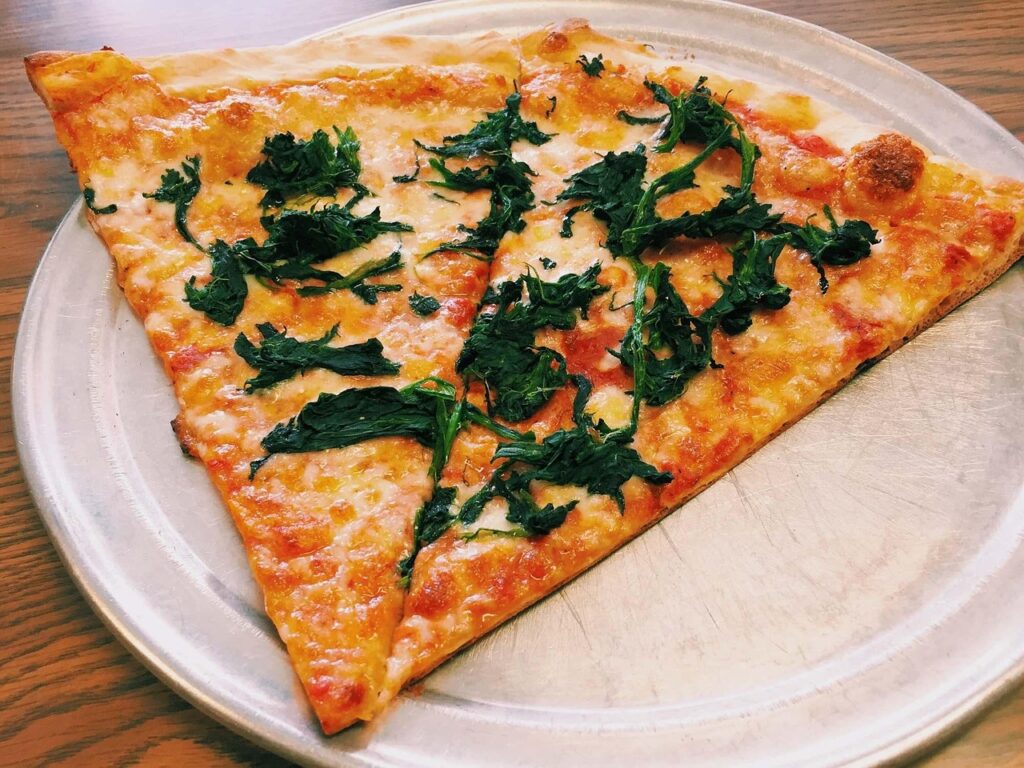
Fried items and pizza depend on crisp textures and balanced moisture. On a buffet line, they are usually kept warm under heat lamps, which gradually change their structure. Steam builds up, coatings soften, and what was once crisp becomes heavy or soggy.
This shift happens quickly. Even a short time under heat can affect the quality of fried foods, making them feel greasy instead of light. Pizza slices can develop a tough crust or overly soft base, depending on how they are stored and reheated.
The result is a noticeable drop in quality compared to freshly prepared versions. While these items may still be safe to eat, they rarely deliver the same satisfaction. That difference is often enough for people to skip them after one experience.
4. Self Serve Ice Cream Machines Carry More Than Just Dessert
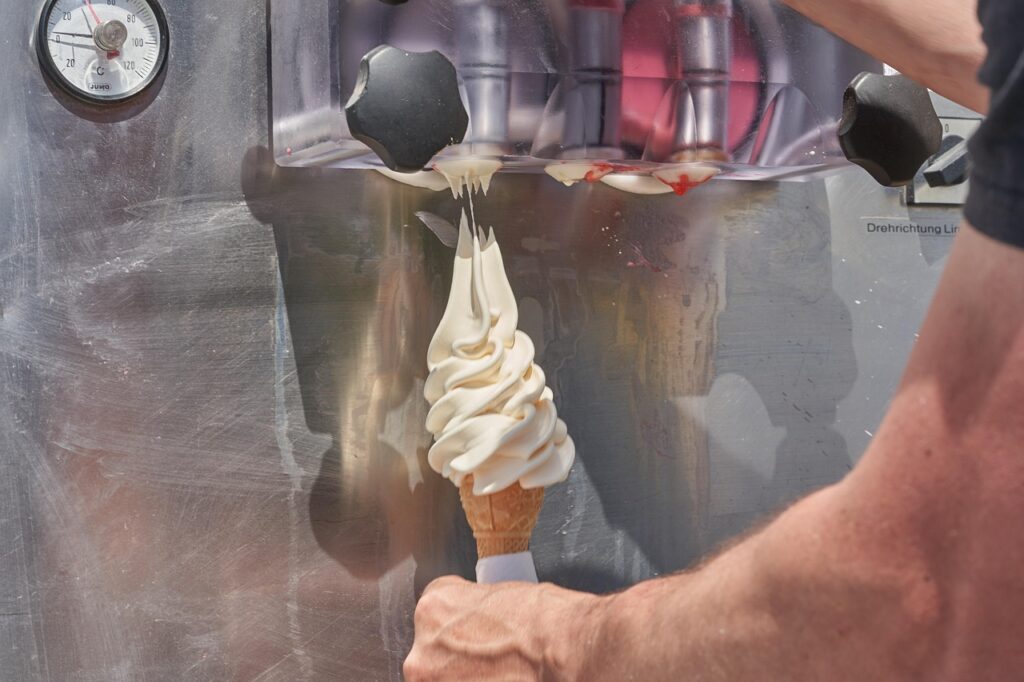
Soft serve machines are popular at buffets, but they are also high-touch points. Multiple people use the same handles throughout service, which increases the chances of surface contamination. Even with regular cleaning, constant use makes hygiene harder to maintain perfectly.
The concern is not just the machine itself but how it is handled. Guests may not always follow proper hygiene practices, and that shared contact point becomes a factor. This is especially relevant in busy buffet environments where turnover is high.
Choosing pre-served desserts or items handled by staff can reduce that exposure. It is a small consideration, but one that adds an extra layer of awareness when deciding what to pick.
5. Salad Bars Are Fresh but Constantly Exposed
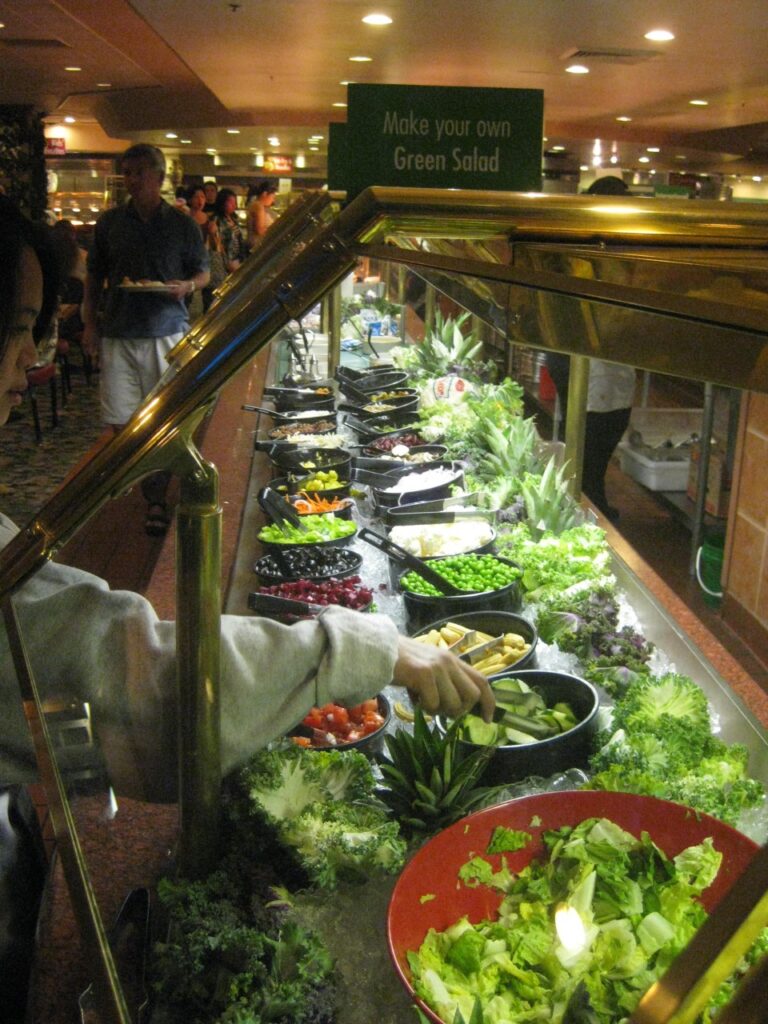
Salad bars give the impression of freshness, but they are also one of the most exposed areas in a buffet. Ingredients sit out for extended periods, and serving utensils are used repeatedly by different people. This increases the chances of cross-contamination.
Temperature control can also vary. While some items are kept chilled, frequent opening and closing of the display can affect consistency. Delicate ingredients like leafy greens or cut vegetables may not stay at ideal conditions throughout service.
This does not mean salad bars are unsafe, but they require more attention from the diner. Choosing items that look freshly replenished and avoiding those that appear wilted or overhandled can make a noticeable difference.
6. Deli Meats Can Be More Sensitive Than They Appear
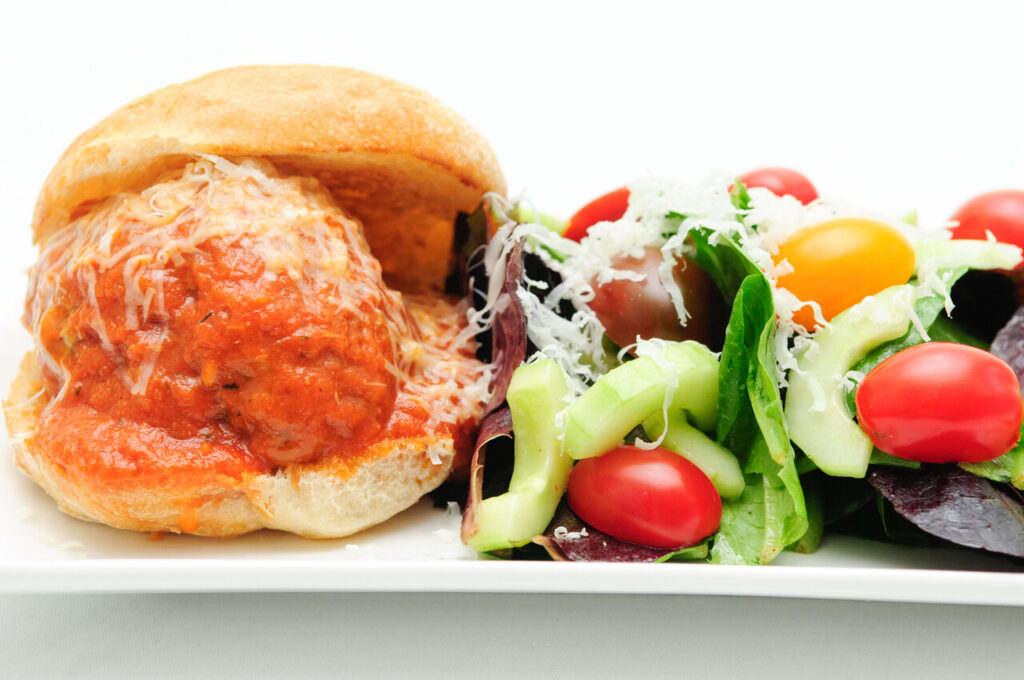
Cold cuts and deli meats are often seen as low risk because they are already cooked or cured. However, they can still carry bacteria if not stored and handled properly. In buffet settings, they may sit out longer than recommended for chilled foods.
These meats are also sliced and arranged in advance, which increases their exposure to air and surfaces. The more they are handled and repositioned, the greater the chance of contamination, especially in high-traffic buffet lines.
For people who are more sensitive to food safety concerns, this category is worth a second thought. Choosing freshly served or hot alternatives can offer a more controlled and predictable option.
7. Creamy Salads Can Turn Risky When Temperatures Shift
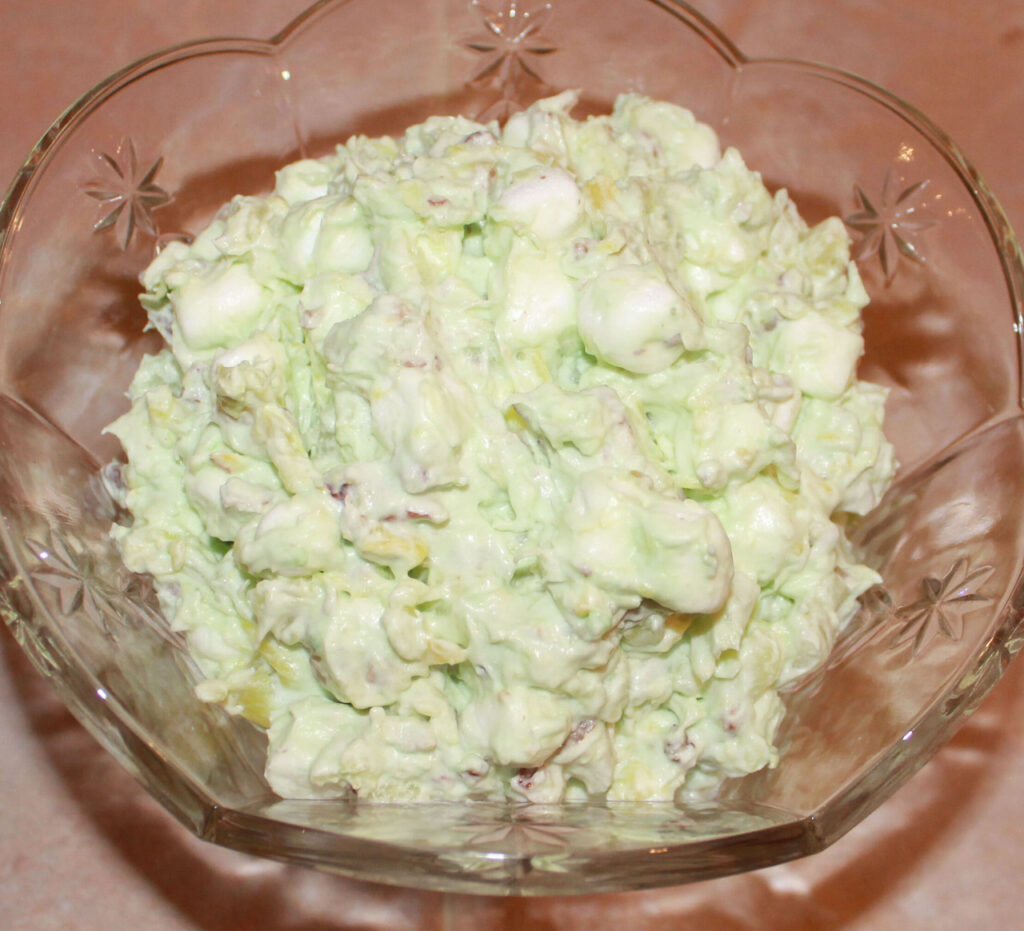
Dishes made with mayonnaise or dairy-based dressings, such as potato salad or coleslaw, require careful temperature management. When they sit out too long, even slight temperature changes can encourage bacterial growth.
Buffet environments make this harder to control consistently. Frequent serving, exposure to air, and the need to keep food accessible all affect how well these dishes maintain safe conditions. The risk increases as time passes.
Visual cues can help guide decisions. If a dish looks overly soft, separated, or warm, it is better to skip it. These small signs often indicate that the product has been sitting longer than ideal.
8. Lukewarm Meats and Seafood Fall Into a Risky Zone
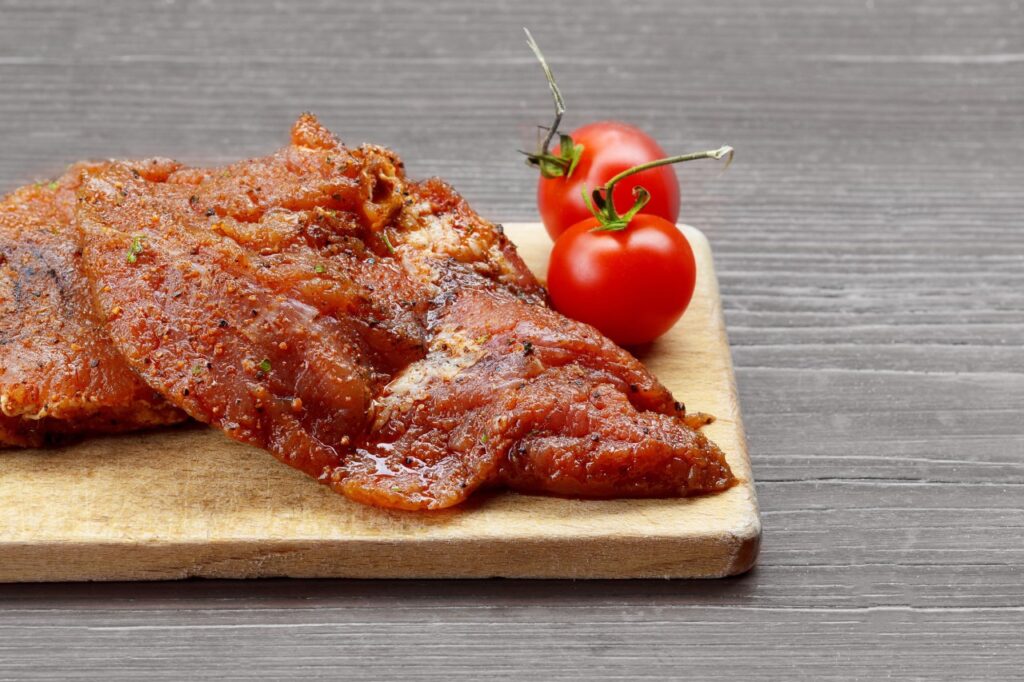
Hot foods on a buffet should stay consistently hot, but that is not always the case. Meats and seafood can sometimes sit at temperatures that are neither hot enough to stay safe nor cold enough to slow bacterial growth. This range is often referred to as the danger zone.
Buffet systems rely on heating elements to maintain temperature, but factors like frequent opening, uneven heat distribution, and large batch sizes can affect consistency. As a result, some portions may cool faster than others.
When choosing these items, temperature is a key indicator. Food that is steaming hot is generally a safer choice than something that feels only warm. Paying attention to that detail can help avoid unnecessary risk while still enjoying the buffet experience.