Why These 7 Food Beliefs Refuse To Die No Matter The Evidence

Food advice has a way of sticking around long after the science moves on. Some ideas get repeated so often that they start to feel like common sense, even when the evidence tells a different story. Whether it is cutting out entire food groups or following rigid rules about when and how to eat, these beliefs often sound simple, clear, and easy to follow. That is exactly why they last.
Here’s the catch. Nutrition is rarely that simple. Most of these long-held ideas come from outdated research, oversimplified messaging, or trends that were never meant to apply to everyone. But once they take hold, they are hard to shake. Even today, many of these beliefs still influence how people shop, cook, and eat.
1. The Idea That Carbs Are the Enemy Still Shapes How People Eat
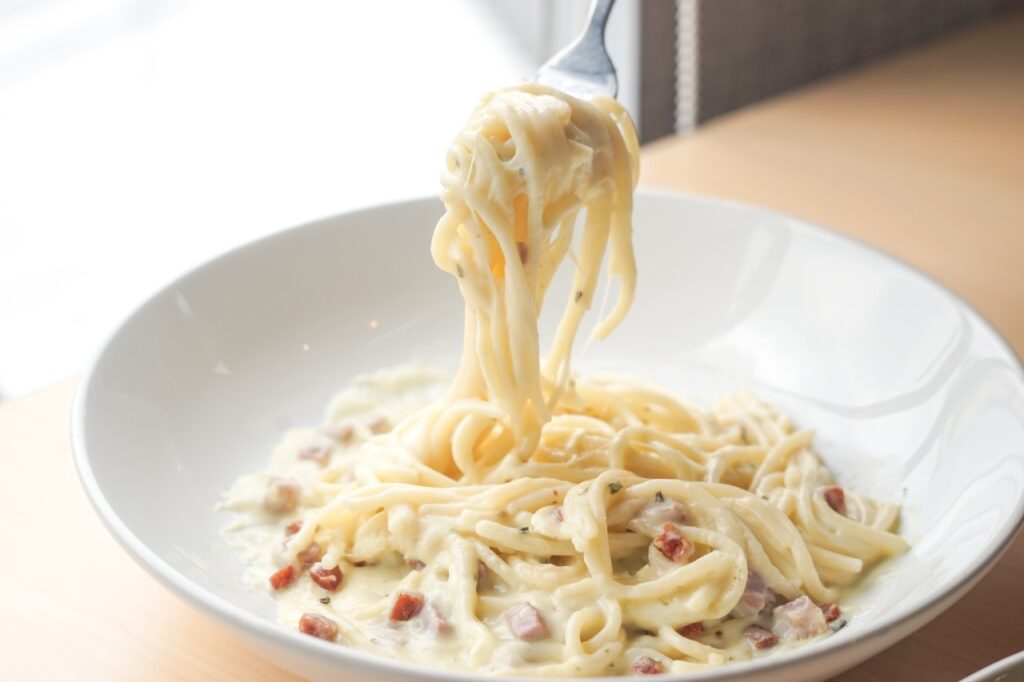
Carbohydrates have been blamed for weight gain for years, largely due to the popularity of low-carb diet trends. The belief is simple and easy to follow, which is part of why it sticks. Cut carbs, lose weight. But the reality is more nuanced than that.
Carbs are a primary source of energy for the body, especially for the brain and muscles. Whole sources like fruits, vegetables, legumes, and grains provide fiber, vitamins, and sustained energy. The issue is not carbohydrates themselves, but the type and quantity consumed, particularly highly refined options like sugary snacks and white flour products.
What keeps this belief alive is how visible short-term results can be. Reducing carbs often leads to quick water weight loss, which reinforces the idea. But long-term health depends on balance, not elimination. That distinction is often overlooked, which is why the myth continues to circulate.
2. Fat Still Gets Blamed Even After the Science Moved On

For decades, dietary fat was considered the main cause of weight gain and heart disease. That message became deeply ingrained, influencing food labeling, marketing, and eating habits across generations. Even today, many people still associate fat with something to avoid.
Modern nutrition research shows that not all fats are the same. Unsaturated fats found in foods like nuts, seeds, and oils can support heart health, while trans fats and excessive saturated fats are the ones linked to negative outcomes. Fat also plays a role in hormone production and helps the body absorb essential nutrients.
The persistence of this belief comes from its simplicity. It is easier to think of fat as bad than to understand different types and their effects. Even as guidelines evolve, the original message continues to shape how people view food choices.
3. Gluten-Free Became a Health Trend Beyond Its Medical Purpose

Gluten-free diets are essential for people with celiac disease or gluten sensitivity, but the idea that they are healthier for everyone has spread far beyond those groups. Many people now see gluten-free labels as a sign of better nutrition.
In reality, removing gluten does not automatically improve health. Many gluten-free products are highly processed and may contain added sugars or refined starches to maintain texture and taste. For individuals without a medical need, eliminating gluten can also reduce intake of whole grains that provide important nutrients.
The belief persists because gluten-free labeling signals something clean or improved. It aligns with broader trends around elimination diets, where removing an ingredient feels like taking control of health. That perception keeps the idea going, even when the evidence does not support it for most people.
4. Detox Diets Continue to Promise What the Body Already Does

Detox diets and cleanses are built around the idea that the body needs help removing toxins. Juices, teas, and restrictive eating plans are often marketed as ways to reset or purify the system. The concept is appealing because it suggests a quick solution to feeling unwell.
The body already has effective systems in place for detoxification, primarily the liver and kidneys. These organs process and eliminate waste continuously without the need for special diets. Most detox plans do not enhance this process in any meaningful way.
What keeps this belief alive is the experience people report during short-term changes. Cutting out processed foods and alcohol can lead to feeling better, which is then attributed to the detox itself. In reality, it is the shift toward simpler eating patterns that makes the difference.
5. Late Night Eating Gets Blamed More Than Overall Habits

The idea that eating late at night leads to weight gain has been widely repeated. It suggests that timing alone determines how the body processes food, creating a simple rule to follow. Avoid late meals, avoid weight gain.
Weight gain is influenced by total calorie intake and activity levels rather than the clock. While late-night eating can sometimes lead to overeating or less mindful choices, the timing itself is not the primary factor. What matters more is what and how much is consumed over the entire day.
This belief sticks because it connects to common habits. Late-night eating is often associated with snacks and convenience foods, which reinforces the idea. The pattern becomes the explanation, even though the underlying cause is more about behavior than timing.
6. Processed Foods Are Not All the Same Despite the Label

Processed foods are often grouped and labeled as unhealthy, but processing exists on a spectrum. Some foods are minimally processed, such as frozen vegetables or canned beans, while others are heavily altered with additives and refined ingredients.
The key difference lies in how much the original food has been changed and what has been added. Minimally processed options can retain most of their nutritional value and offer convenience without significant drawbacks. Highly processed foods, on the other hand, tend to be lower in nutrients and higher in sugar, salt, or unhealthy fats.
The belief that all processed foods are harmful persists because it simplifies decision-making. It is easier to avoid an entire category than to evaluate individual products. However, this approach overlooks many practical and nutritious options that fall within the processed category.
7. Fresh Is Not Always Superior to Frozen or Canned

Fresh produce is often seen as the gold standard, associated with higher quality and better nutrition. This perception is reinforced by how fresh foods are displayed and marketed, creating a strong link between freshness and health.
In reality, frozen and canned options can be just as nutritious, and sometimes even more so. Produce is often frozen at peak ripeness, which helps preserve nutrients. Canned foods can also provide long shelf life and convenience, though it is important to watch for added sodium or sugars.
The belief persists because freshness feels more natural and immediate. However, factors like storage time and transportation can reduce the nutrient content of fresh items before they reach the plate. Understanding how different forms are handled helps put this idea into a more balanced perspective.