7 Simple Ways to Turn Any Soup into a Satisfying Meal


A good bowl of soup can warm you, but a well-built bowl of soup can truly satisfy you. With just a few thoughtful additions, even the simplest pot on the stove can transform into a complete meal that feels nourishing, filling, and deeply comforting. Whether you enrich the broth, add proteins, stir in grains, or finish with vibrant toppings, each technique brings new texture and substance that turns a light dish into something memorable. These small changes require little effort yet deliver big results, making it easy to enjoy soup as a reliable go-to for wholesome weeknight dinners. And once you learn how to build it right, a humble bowl of soup becomes a meal you look forward to.
1. Add Protein like Chicken, Beans, or Tofu
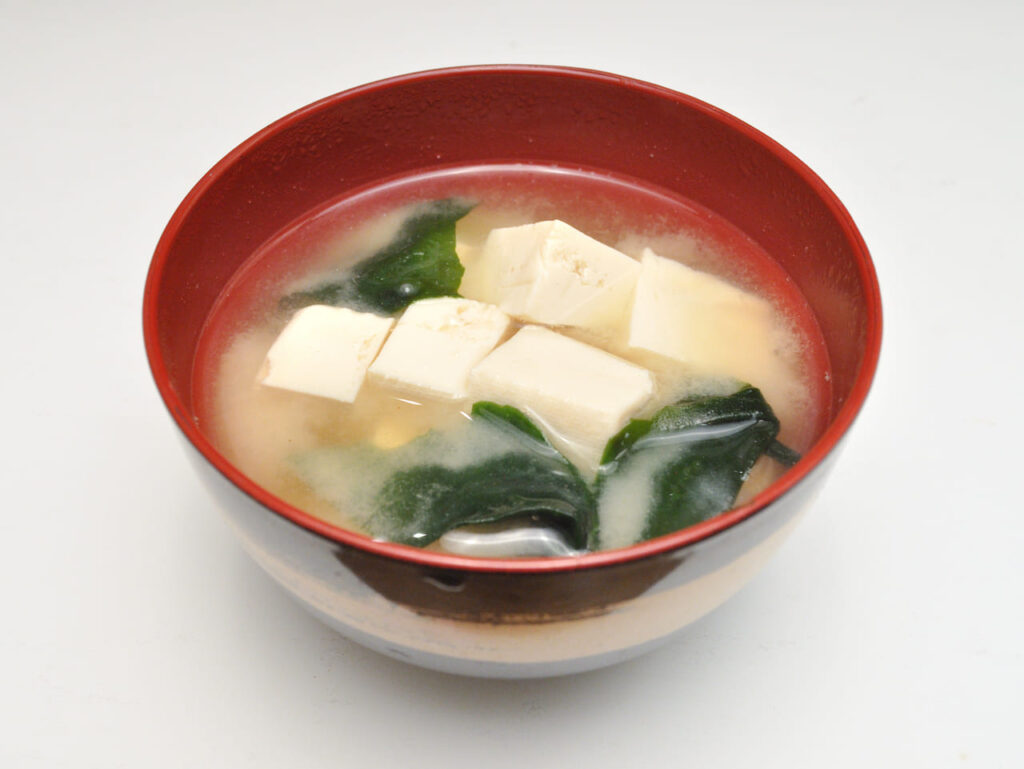
Think of protein as the structural upgrade that turns a light bowl into a bona fide meal. Adding cooked shredded chicken, cubed tofu, a scoop of cooked beans, or browned sausage gives soup staying power and balances carbs for steady energy. For fast weeknights, poach chicken directly in the simmering broth for ten to fifteen minutes; it doubles as flavor and protein with minimal cleanup. For vegetarian options, press and cube extra-firm tofu and pan-sear it first so it holds texture in the soup. Aim for roughly 3 to 4 ounces of cooked protein per serving to keep the bowl satisfying and balanced.
2. Stir In Whole Grains such as Rice, Farro, or Barley

Whole grains add chew, fiber, and heartiness that help a soup feel like dinner rather than an appetizer. Short-grain brown rice, farro, barley, or even quinoa each bring a different texture and nutritional profile. Pre-cooked grains are the fastest route: stir in leftover rice or batch-cooked farro and let them warm for a few minutes so they soak up flavor without turning mushy. If cooking grains from scratch, add them early and allow enough simmer time, or cook separately for more control. Grains also thicken broths slightly and extend the soup’s volume, which is both economical and filling. A half to three quarters cup of cooked grain per bowl is a good guideline for a satisfying portion.
3. Bulk It Up with Hearty Vegetables

Vegetables are the simplest way to make soup more substantial and nutritionally complete. Root vegetables like carrots, parsnips, and turnips, plus winter squashes and potatoes, add body and natural sweetness that pair well with broths and spices. Sauté firmer vegetables first to develop flavor through caramelization before adding liquid; delicate greens like spinach or Swiss chard are best stirred in at the end to wilt quickly. Roasted vegetables can be folded into a soup for depth and texture that simmered veg alone won’t provide. Veg-forward bowls are also great for stretching a meal for more people while boosting vitamins, fiber, and visual appeal.
4. Add Pasta or Noodles for Extra Substance

Pasta and noodles give soups a comforting, slurpable element that feels instantly more filling. Small shapes like ditalini, orzo, or acini di pepe work well in brothy soups because they become tender quickly and distribute through the bowl. For heartier recipes, short ridged pastas like rigatoni or shells add chew and trap bits of meat or veg. Cook pasta slightly underdone if it will finish in the soup to avoid becoming gluey, or cook separately and combine at serving time for good texture. Rice noodles or udon are great alternatives for gluten-free or pan-Asian variations. Adding the right noodle not only boosts substance but also transforms the soup’s character with little effort.
5. Top with Healthy Fats like Avocado, Cheese, or Olive Oil

Finishing a soup with a healthy fat instantly elevates flavor and satiety. A drizzle of good olive oil, a spoonful of mashed avocado, a scattering of grated Parmesan, or a few toasted nuts add luxurious mouthfeel and help the body absorb fat-soluble vitamins. Flavored oils or browned butter bring aromatic complexity, while a swirl of coconut milk can lend creaminess to vegetable or curry-style soups. When using cheese, opt for hard grates that melt subtly without overpowering the broth. These small additions make each spoonful feel richer and more complete, and they are easy to customize to dietary preferences.
6. Serve with a Protein-Packed Side like Sandwiches or Salads

Sometimes the simplest route to a meal-ready soup is pairing it with a complementary side that adds bulk and texture. An open-faced grilled cheese, a chickpea salad, a quick tuna melt, or a hearty grain salad with beans will round out the plate and provide contrasting textures. Sandwiches add crunch and chew while salads can add brightness and extra vegetables. For portability and speed, assemble a hummus and veggie pita or a simple smoked-salmon toast while the soup simmers. These pairings allow you to keep the soup lighter yet still deliver a satisfying, complete dinner. Adding a thoughtful side also brings balance and variety, making the entire meal feel more intentional and complete.
7. Enrich the Broth with Cream, Coconut Milk, or Pureed Veggies

Thicker, creamier broths make soups feel like full meals without adding complex components. A splash of cream, half-and-half, or coconut milk lends silkiness and body, ideal for bisques and curries. For a lighter but still creamy approach, puree part or all of the soup blend cooked beans or roasted vegetables into the broth to thicken and add natural richness. A spoonful of nut butter, blended roasted squash, or even a velvety lentil puree can deepen flavor and texture while keeping the soup nutritious. These techniques transform a thin broth into a bowl that comforts and satisfies on weeknights.