Why Shrinkflation Is Reshaping Restaurant Menus Across America in 2026


If your favorite restaurant dish seems a little smaller lately, you’re not imagining it. Across the country in 2026, restaurants are quietly adjusting portion sizes, ingredient mixes, and menu layouts in response to rising food, labor, and operating costs. Instead of dramatically hiking prices, many operators are turning to shrinkflation as a survival strategy. The result is a dining landscape where value feels different than it did just a few years ago, and where presentation, experience, and pricing psychology matter as much as portion size.
Why Shrinkflation Is Taking Hold on Menus
There’s a quiet shift happening in restaurants across America, one that diners notice before they see a price tag. Portions are getting smaller, sides are absent, and favorite items feel lighter than they used to. This is shrinkflation in action, the practice of reducing the quantity or size of an item while keeping its price steady. In 2026, restaurants are turning to this tactic not out of choice but necessity. The costs of ingredients, labor, rent, utilities, and supply chain disruptions have squeezed profit margins tighter than many operators have seen in years. With customers increasingly cost-conscious and inflation still lingering, restaurateurs are trying to balance quality with survival.
Shrinkflation isn’t just a buzzword or an internet meme. It’s an economic response rooted in basic math. Restaurants operate on thin margins, often single-digit profit percentages, and when food costs escalate faster than what customers are willing to pay, something has to give. Because raising prices too sharply can drive diners away, many kitchens choose to subtly adjust portion sizes or recipe compositions. An entrée that once came with three sides might now include two. A pasta portion might be slightly smaller but plated more artfully. This approach helps establishments manage rising costs without abruptly jolting customers with bigger price tags. However, it also means the dining experience is shifting in ways that are noticeable, even if not always publicly acknowledged.
What Shrinkflation Looks Like on Plates
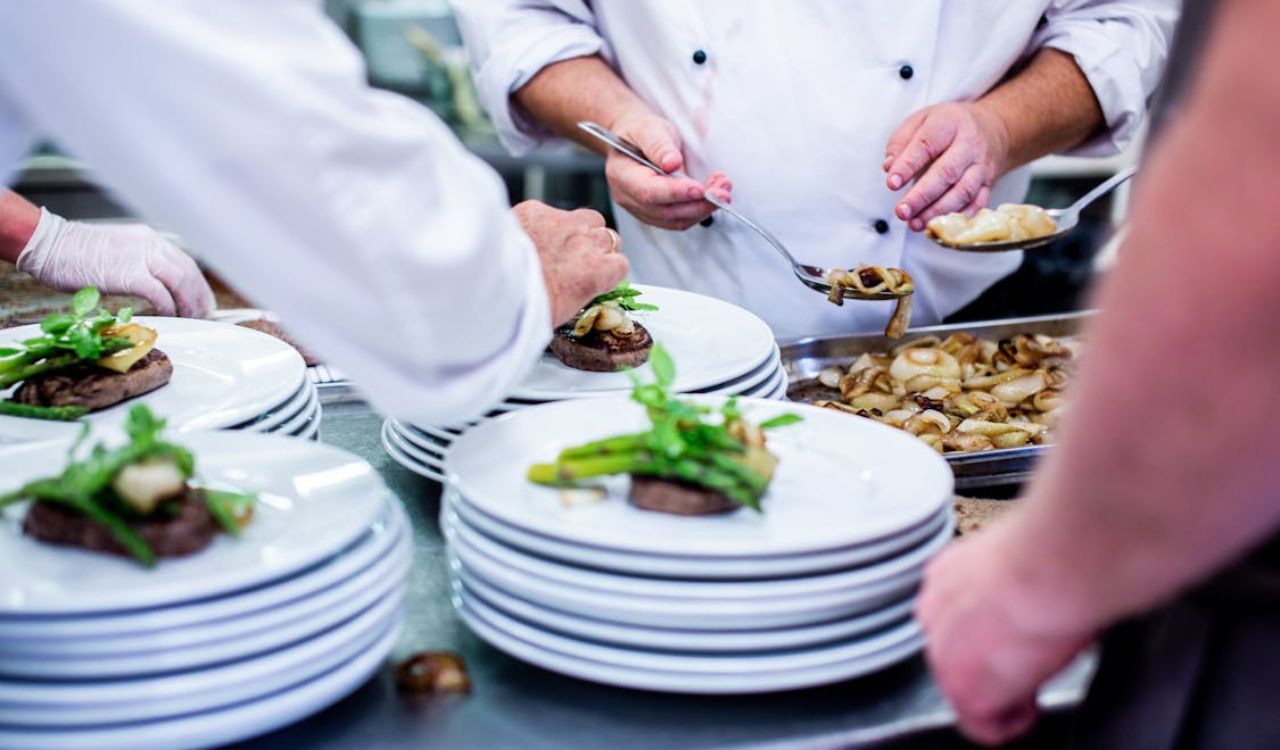
For diners, shrinkflation is most visible on the plate itself. Where a classic dish might once have been generous with protein portions and hearty sides, 2026 versions often appear more refined, and sometimes smaller. In some cases, restaurants are trimming back on portion sizes while maintaining the same price point or raising it only modestly. Picture a steak dinner that once came with double servings of potatoes and vegetables now presented with a leaner cut and a single side. Or a pasta dish that arrives with half as much bread but garnished more intricately. These changes are designed to soften the blow of rising costs while preserving the perceived value and aesthetic of the meal.
Ingredient swaps are another subtle sign of shrinkflation. Where once premium ingredients were standard, some kitchens may incorporate more cost-effective components or reimagine recipes with seasonal or local produce. For example, a dish might use a blend of mushrooms instead of a pricier cut of meat, or chefs might design plates around grains and vegetables that deliver flavor without the cost of high-end proteins. These adjustments don’t necessarily mean lower quality, but they do reflect strategic choices behind the scenes. Plating and presentation become part of the value equation, helping diners feel satisfied by the visual harmony and composition of a dish even if the physical portions have shrunk.
How Diners Are Responding to Changes
Diners are noticing these shifts in portion size and restaurant behavior, and their responses vary. A growing number of consumers are becoming more intentional about where they spend their money, prioritizing restaurants that still deliver perceived value. Many report a willingness to pay slightly more for exceptional quality or a unique experience, but they also express frustration when they sense they’re getting less for their money. In a market where dining out competes with robust home cooking trends and delivery platforms, customer expectations are changing faster than ever. People want experiences that feel worth the price, whether that’s an immersive dining event or a reliably generous portion.
Economic pressures are pushing diners to reconsider how often they eat out, what kinds of establishments they choose, and what they order once seated. Casual and fast-casual dining segments still attract budget-conscious patrons, but these customers often opt for value-driven combos, specials, or midday deals. Fine dining, meanwhile, is betting on experience over volume, offering smaller portions that emphasize craftsmanship and exclusivity. Even within families and groups, ordering strategies have changed, with many choosing to share appetizers or sides rather than ordering full entrees for every individual. The broader theme is clear: diners want transparency and perceived fairness. Shrinkflation may help restaurants manage costs, but if it undermines the feeling of value, people will vote with their wallets.
Restaurants’ Broader Strategies for Staying Afloat
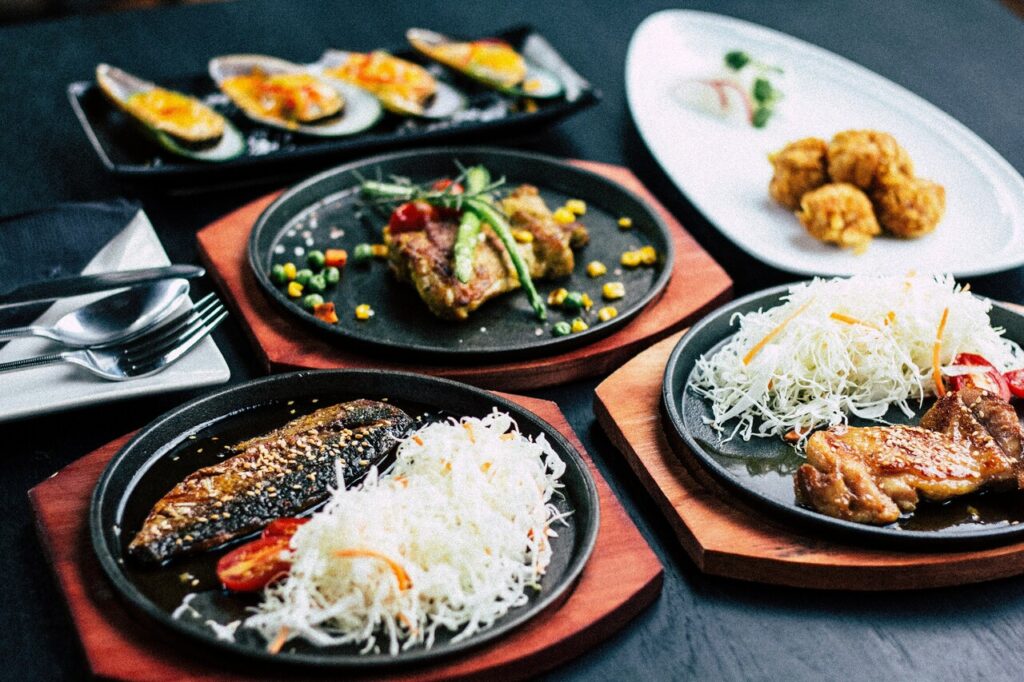
Shrinkflation isn’t the only tactic restaurants are using to navigate economic headwinds. Many are turning to technology and operational efficiencies to trim costs without shrinking the joy of dining. Digital ordering systems, predictive inventory tools, contactless payments, and automated reservation management help reduce labor costs and waste. These technologies don’t directly change portion size, but they streamline back-of-house operations, helping restaurants stay agile in volatile markets. For smaller establishments, especially those with limited staff, such tools can mean the difference between staying open and closing doors.
Creative menu engineering is another strategy gaining traction. Chefs and managers work together to design menus that spotlight items with higher profit margins while still exciting diners. This can involve shifting the focus to seasonal dishes that use abundant local ingredients or offering chef’s specials that vary weekly to balance cost and creativity. Restaurants are also experimenting with tiered pricing, where certain experiences, like tasting menus or paired wine flights, attract customers willing to pay a premium, while everyday staples remain reasonably priced. In this landscape, value perception is as critical as value itself. If diners feel they’re part of a curated culinary journey rather than simply consuming a product, they’re more likely to embrace menu changes even when portions and prices shift.
What Shrinkflation Means for the Future of Dining
The rise of shrinkflation and menu reshaping in 2026 highlights a broader evolution in the restaurant industry. Dining out is no longer just about filling a plate and satisfying hunger. It’s a holistic experience — one that encompasses ambiance, presentation, storytelling, and perceived value. Restaurants that adapt successfully are those that communicate value clearly, innovate with purpose, and cultivate a dining experience that transcends portion size alone. In a world where ingredient costs, labor pressures, and consumer expectations constantly shift, smart operators will view shrinkflation not as a resignation but as one tool among many in their toolkit.
Looking ahead, the balance between profitability and customer satisfaction will continue to shape how menus evolve. Some diners may push back against portion reductions, insisting on value that aligns with traditional expectations. Others may embrace more refined plates that emphasize quality over quantity. What’s clear is that restaurants must continue listening, to customer feedback, economic signals, and industry trends, if they hope to retain loyalty and relevance. Shrinkflation may be reshaping menus today, but businesses that center the diner experience while managing cost pressures will be the ones that thrive tomorrow.