How SNAP Soda Restrictions Are Changing What Shows Up in Grocery Carts

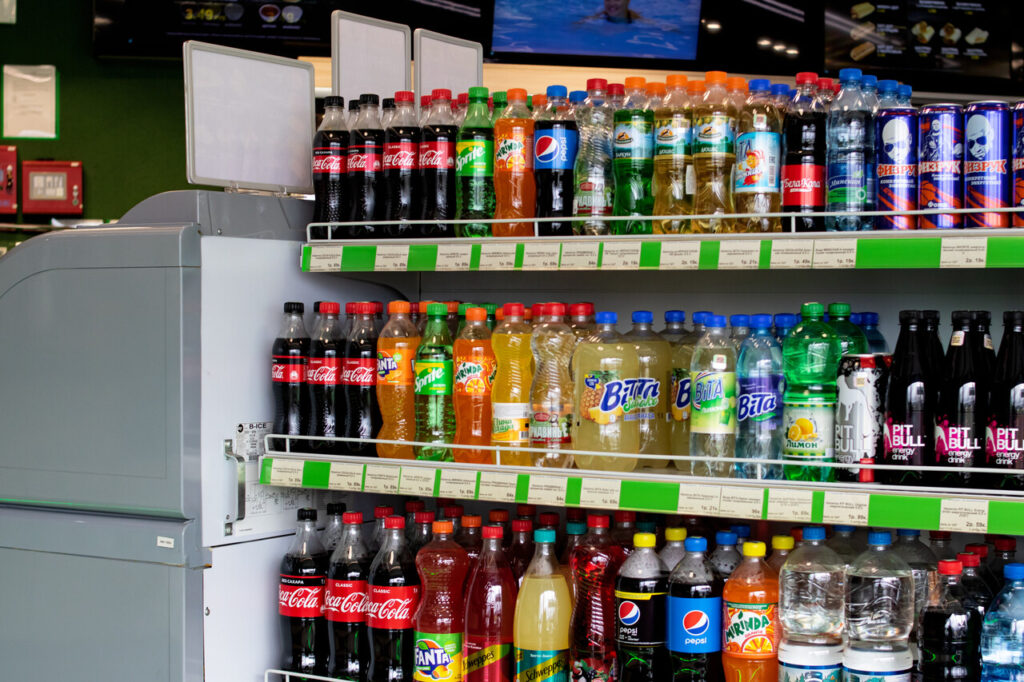
A trip to the grocery store looks a little different for many SNAP recipients this year. In several states, new restrictions now prevent food stamp benefits from being used to buy sugary sodas and certain sweetened beverages. Supporters say the move is designed to promote better nutrition and reduce long-term health risks. Critics argue it limits personal choice and adds confusion at checkout. As the rules take effect, the changes are not just policy on paper, they are reshaping what lands in shopping carts and how families plan their weekly meals.
Why SNAP Soda Restrictions Are Happening
The landscape of food aid in the United States is shifting, and at the forefront of that change is a policy debate over sugary drinks. For decades, the Supplemental Nutrition Assistance Program, commonly known as SNAP or food stamps, allowed recipients to use their benefits to buy almost any food or beverage, including soda and other sweetened drinks. That began to change as public health experts raised alarms about rising rates of diet-related diseases like obesity and diabetes, particularly in low-income communities where access to healthy foods is limited. States and federal policymakers started to ask a simple question: should taxpayer-funded benefits continue to subsidize products that contribute to preventable health problems?
Proponents of soda restrictions argue that the policy is a logical extension of SNAP’s original purpose, which is to ensure that people can afford nutritious and essential food. They point to research showing that sugary drinks provide little nutritional value while contributing disproportionately to calorie intake, especially among children and adults in food-insecure households. The restrictions are framed as part of a broader push to improve public health outcomes and reduce long-term healthcare costs. Critics, however, see this move as overreach, a government telling people what they can or cannot buy with their benefits. The debate reflects a deeper tension in social policy between promoting individual choice and guiding public dollars toward healthier outcomes.
What Foods Are Affected at Checkout
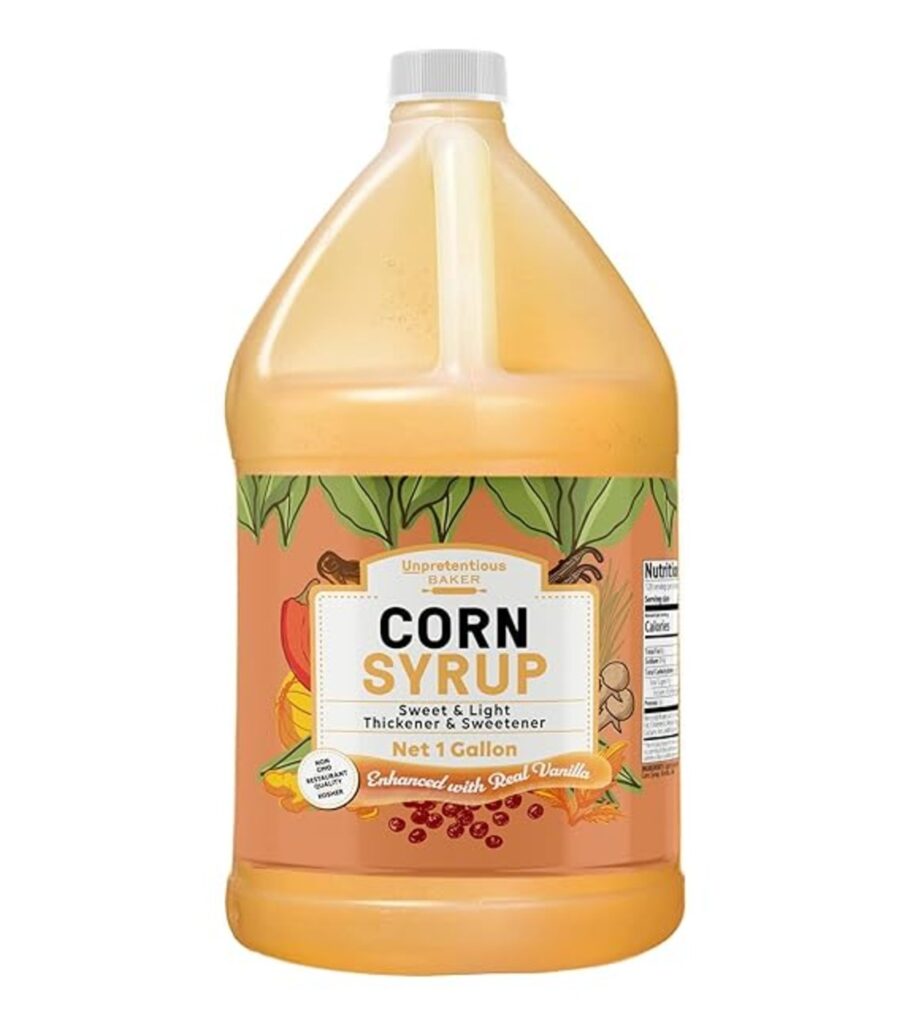
At the heart of the SNAP soda restriction are specific categories of beverages that benefits can no longer be used to purchase. Sugary sodas, the kind with high fructose corn syrup or added sugar, are the most visible items on that list. Energy drinks with added sugar, fruit drinks that are largely sugar water, and other sweetened beverages are now considered ineligible for SNAP purchases in states implementing these changes. The goal is clear: reduce the purchase and consumption of products that public health research consistently links to chronic health issues when consumed in excess.
The language around what counts as a restricted item, however, isn’t as simple as soda versus water. Some products that might seem innocuous, like flavored milks or sweetened teas, fall into gray areas that have caused confusion at checkout. Retailers and customers alike have struggled with where the line is drawn. Is 100 percent fruit juice allowed? How about beverages sweetened with low-calorie alternatives? The answers vary by state and by retailer systems, and that ambiguity has led to uneven enforcement. For SNAP recipients, part of the adjustment has been learning which items are now disallowed and which are still eligible, a shift that often requires more attention than a routine grocery trip once demanded.
How Grocery Carts Look Different Today
As soda restrictions roll out, the contents of grocery carts, especially those paid for with SNAP benefits, are beginning to look different. Initial purchasing data and anecdotal reports from stores indicate that some shoppers are substituting soda with healthier beverages like water, milk, and unsweetened options. Beverage suppliers and grocery managers have observed upticks in purchases of bottled water, club soda, and 100 percent fruit juices, which remain eligible. The intended result is a gradual shift in consumption patterns toward options that align more closely with nutritional guidance.
But the changes are not uniform, and behavior varies widely among households. Some SNAP customers simply adjust by buying soda with non-benefit funds while using their benefits for other essentials. Others cut back on soda consumption altogether. Still others stock up on currently eligible snacks and drinks that fill a similar space on the supermarket shelf, like flavored waters with no added sugar or diet drinks in states where they’re permitted. For families juggling tight budgets, these shifts are complicated by personal preferences, cultural habits, and differing views on the taste and affordability of replacement items. The overall trend suggests a slow reshaping of shopping habits, but one that is nuanced and influenced by both policy and personal choice.
Store and Shopper Confusion on Implementation
One of the most immediate challenges of the new SNAP soda restrictions isn’t just what’s allowed, it’s how stores and shoppers understand and enforce the rules. Grocery retailers have had to update their point-of-sale systems to identify and block restricted items from being purchased with SNAP benefits. This requires correctly classifying thousands of beverage products and ensuring that registers and self-checkout kiosks recognize eligibility in real time. For large national chains with sophisticated inventory systems, this is a manageable but still complex task. For smaller independent grocers, the technical and administrative burden can be significant.
For shoppers, confusion often unfolds at the checkout line. Some SNAP recipients report being surprised when an item they expected to buy is declined, only learning at the register that their benefits can no longer be used for that product. Retail employees, too, have found themselves explaining policies they are still learning themselves. In some cases, the same product might be accepted in one store and rejected in another because of differences in how products are tagged in inventory systems. This inconsistency contributes to frustration and undermines confidence in how smoothly the policy is being implemented. As the rollout continues, education efforts for both retailers and SNAP households remain critical to reducing misunderstandings and making the transition less disruptive.
The Broader Impact on Families and Nutrition
At its core, the SNAP soda restriction aims to improve health outcomes by nudging purchasing behavior away from sugary drinks and toward more nutritious alternatives. Supporters argue that over time, reducing reliance on high-sugar beverages can help decrease rates of diabetes, heart disease, and obesity, especially among children in low-income families. From that perspective, the policy is a public health tool, a way to align food assistance with broader goals of nutrition and well-being rather than simply increasing purchasing power. Researchers who study diet and health stress that beverages are a major source of “empty calories,” meaning calories without significant nutrients, and reducing their consumption is a measurable step toward better dietary quality.
Yet for many SNAP households, the changes raise concerns about dignity, autonomy, and access. Critics of the policy argue that it treats recipients differently than other shoppers and can feel paternalistic, a signal that the government doesn’t trust people to make their own choices. They also point out that simply banning certain items doesn’t address deeper issues like food deserts, limited access to affordable fresh produce, and the multi-layered nature of food insecurity. There’s also concern that restrictions might disproportionately affect cultural food habits or preferences in ways that feel intrusive rather than supportive. The broader impact of soda restrictions will likely unfold over years, not months, as analysts and advocates monitor both purchasing data and health outcomes. What’s clear is that as grocery carts change, so do conversations about the role of food policy in shaping public health and individual freedom.