Are Viral TikTok Food Trends Driving Up Grocery Bills

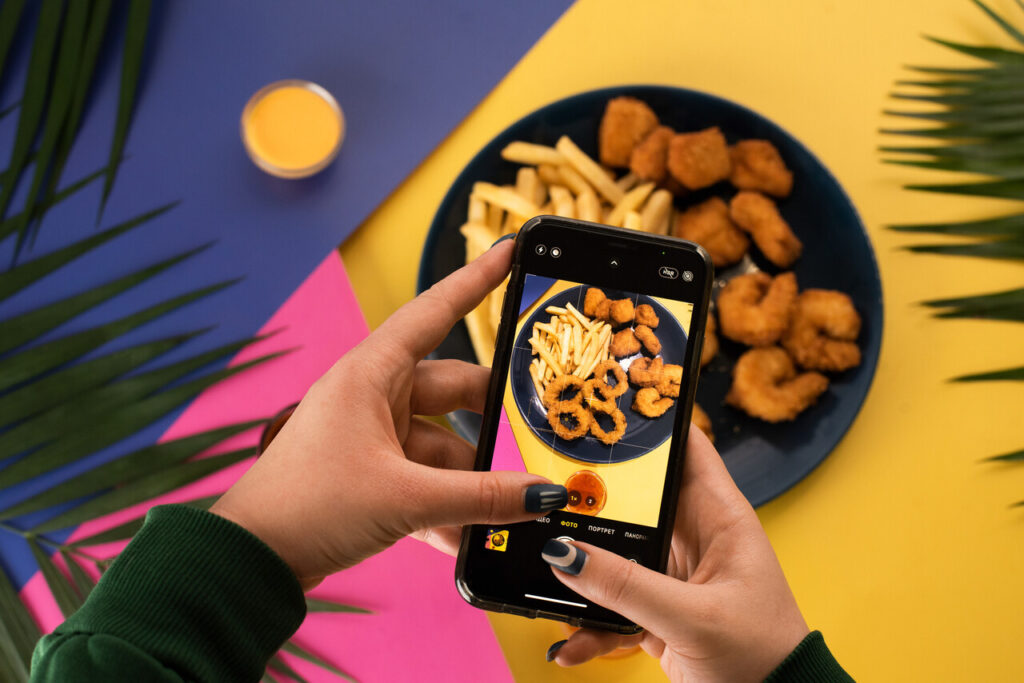
Scroll through TikTok for a few minutes and you are almost guaranteed to stumble on a recipe that looks too good not to try. From baked feta pasta to elaborate sandwich builds and colorful dessert boards, viral food trends have reshaped how millions of people think about cooking at home. But as these recipes move from phone screens to grocery carts, some shoppers are starting to notice the impact on their budgets. Specialty ingredients, impulse buys, and short-lived experiments can quietly add up, raising a practical question: is social media inspiration making grocery bills climb higher than expected?
Why TikTok Food Trends Catch On
The way we discover new recipes has changed dramatically in recent years, and nothing illustrates that better than the role of social media. Platforms like TikTok have transformed how people learn about food, with short, eye-catching videos turning obscure ingredients and unusual cooking techniques into overnight sensations. The appeal is simple: bite-sized visuals make it easy to see exactly how a dish is made, and rhythmic editing paired with trending soundtracks makes even a mundane recipe feel exciting. A few swipes can introduce you to whipped coffee, pancake cereal, or pasta chips, all with hundreds of thousands of views.
This rapid spread has a lot to do with how content is curated on the platform. TikTok’s algorithm serves up videos based on engagement, not just who you follow, which means a recipe can appear in millions of feeds regardless of whether a user actively searched for it. Users often try a trend not because they planned a new dinner idea, but because it popped into their home feed and sparked curiosity. That ease of discovery, combined with creativity that often borders on theatrical, makes food trends one of the app’s most potent cultural forces. The result? Dishes once unfamiliar to many home cooks now show up in conversation, on grocery lists, and increasingly on dinner tables.
What Viral Recipes Mean for Ingredient Lists
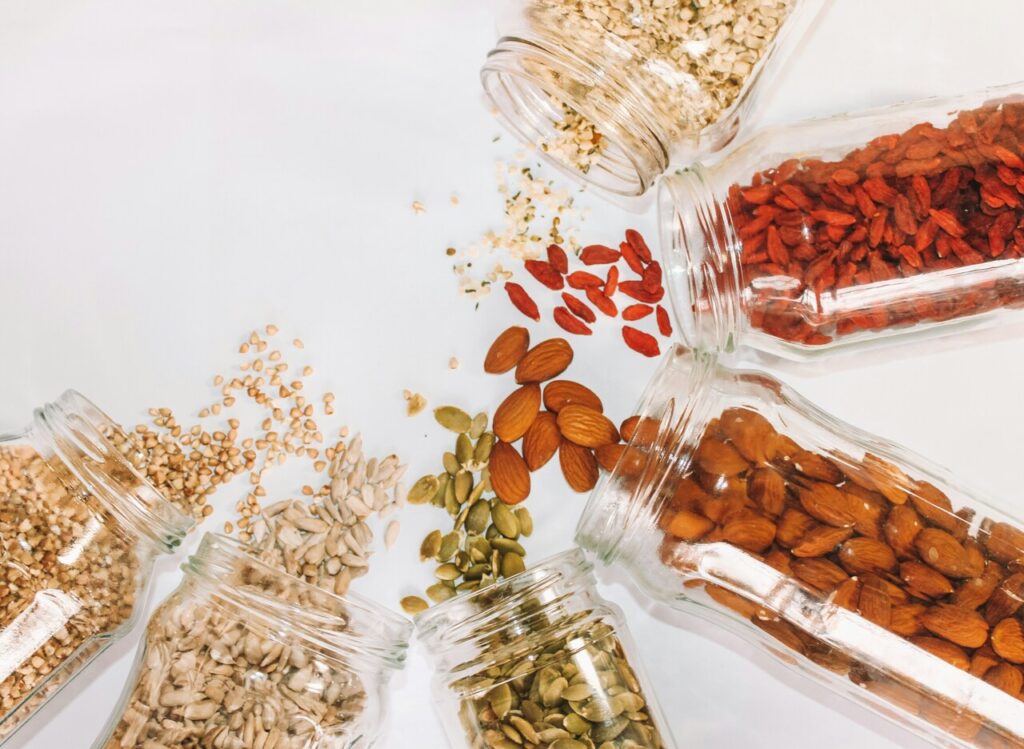
When a TikTok food trend goes viral, the recipe that accompanies it often includes ingredients that aren’t part of everyday grocery shopping for many households. Instead of staples like flour and eggs, viral recipes might call for specialized salts, exotic spices, or branded products that suddenly become must-have items. Overnight, demand spikes for things like tahini, miso paste, or tiny brioche buns that were previously niche. For consumers, this means adjusting shopping lists to grab ingredients that might not have been on their radar just days before.
Retailers and suppliers notice these shifts too. When a particular ingredient gains popularity on social media, stores can experience short-lived surges in demand. Items that rarely sell out suddenly fly off the shelves as home cooks rush to replicate what they saw online. This irregular demand isn’t always easy for grocery supply chains to manage, particularly for products with limited distribution. Smaller or local stores may struggle to restock quickly, and consumers might find themselves hunting multiple stores to complete a recipe. In many cases, the novelty is part of the fun, until shoppers encounter empty shelves or premium pricing caused by temporary scarcity.
How Grocery Bills Reflect Trend-Driven Purchases
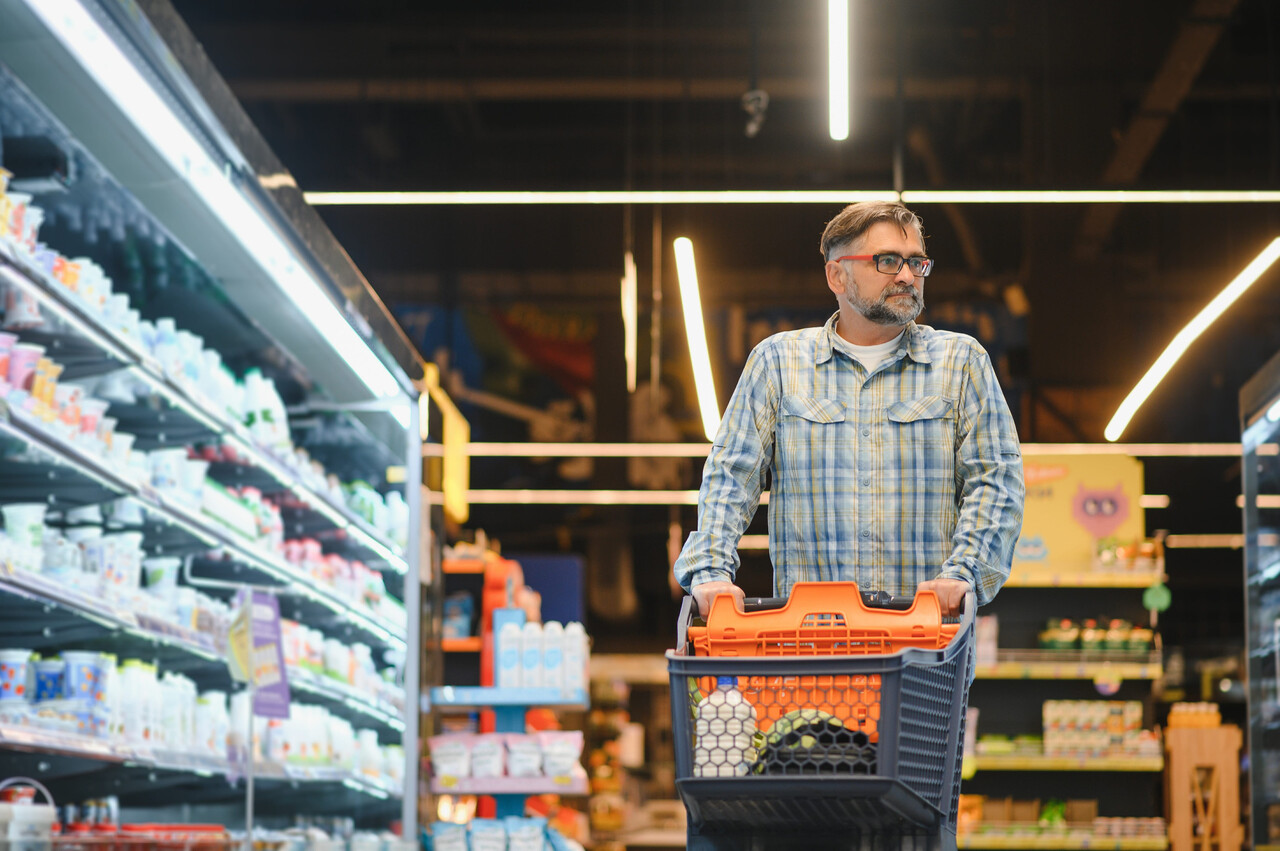
For households already mindful of rising food costs, the influence of viral food trends can translate into noticeably higher grocery bills. When a viral recipe demands multiple new or specialty ingredients, shoppers may end up buying more than they need for a single dish. A jar of something expensive might be used sparingly in one recipe but remain in the pantry for weeks. That can feel like wasteful spending, especially when you compare it with meals based on familiar ingredients you’d otherwise buy. In some cases, trend-driven shopping leads to impulse purchases that throw off carefully planned budgets.
Another factor is food waste. Trend recipes often promote oversized portions or call for ingredients that have a short shelf life. If a dish doesn’t turn out as expected or if diners simply don’t enjoy it as much as they anticipated, ingredients can go unused and eventually spoil. That contributes to higher net food costs. For families managing tight budgets, these purchases can be particularly frustrating, an unexpected elevation in grocery spending for something that was supposed to be a fun experiment. The cycle, viral video, inspired purchase, unused leftovers, can add financial friction to what was intended as a moment of culinary curiosity.
Retailer and Supplier Responses to Viral Demand
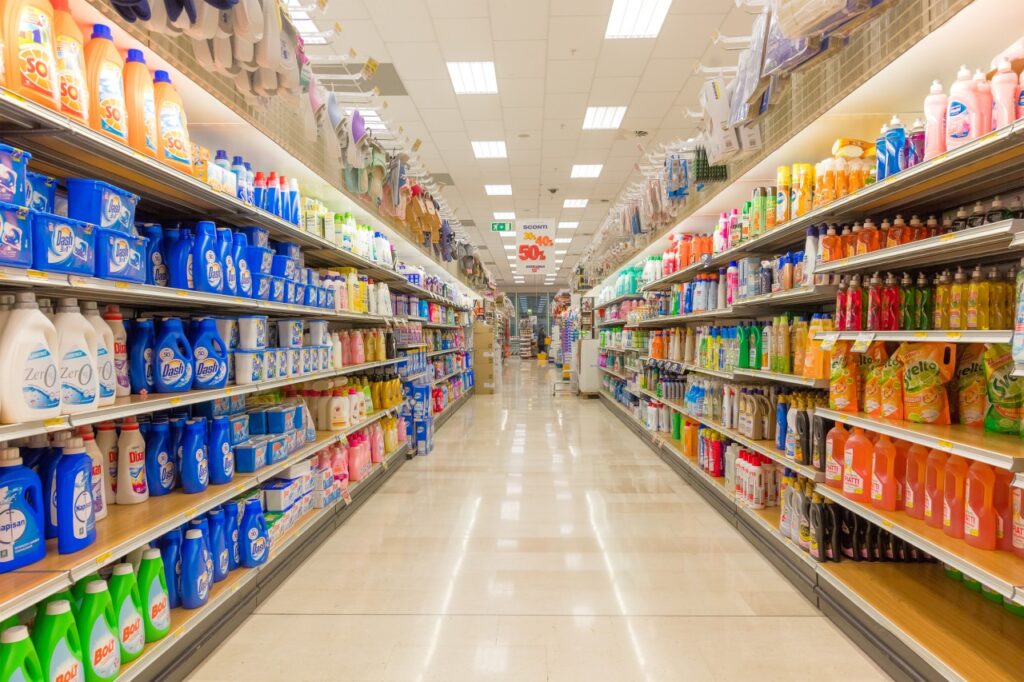
Grocery stores and suppliers aren’t passive observers in this trend-driven economy. Many retailers track sales data closely and can see when a particular product starts moving faster than usual. In response, some stores adjust their inventory to better match what shoppers suddenly want. For example, if a viral video highlights truffle oil or a specific brand of noodles, a store may order extra stock to meet the unexpected demand. Larger chains with sophisticated supply systems are often nimble enough to make these adjustments quickly, while smaller independent grocers may face more challenges.
Some retailers also use viral trends in their marketing strategies. When an item becomes popular online, stores might promote it with in-store signage or feature it in digital flyers, effectively reinforcing the trend and making it easier for customers to find what they need. Suppliers, too, may increase production of trending items or explore broader distribution with retailers eager to capitalize on heightened interest. While these responses can help meet consumer demand, they also reflect how quickly supply chains can adjust to social media stimuli, for better or worse. The result is a grocery landscape that reacts in near real time to what’s trending online, which has both practical and economic implications for shoppers.
Are There Savings in Trend-Driven Cooking
Not all TikTok-inspired food experimentation leads to higher costs. Some creators focus specifically on content that emphasizes affordability, waste reduction, and smart shopping strategies. Viral videos about planning meals to use leftover ingredients, making large batches to freeze, or re-imagining inexpensive staples can actually help households stretch their food budgets further. These “money-saving hacks” resonate because they combine creativity with practicality, offering ways to make food shopping and meal preparation more efficient.
For example, social media users have shared methods for repurposing leftovers into entirely new meals, which reduces waste and increases value per ingredient. Others highlight inexpensive substitutes for costly items, guiding viewers on how to enjoy trending flavors without buying premium products. These approaches tap into the same viral energy as more premium food trends but with a focus on sustainability and cost savings. The key takeaway for many families is not to reject social food trends entirely, but to approach them selectively, enjoying what’s fun and novel while avoiding the impulse to overbuy or overspend. With thoughtful planning and awareness of budget implications, food trends can be inspiring without breaking the bank.