7 Iconic Dishes With Mysterious Origins No One Fully Agrees On

Some of the world’s most beloved dishes come with stories that are anything but settled. Ask where they truly began and you’ll often get multiple answers, each shaped by migration, trade, necessity, and a little mythology. Recipes evolved long before cookbooks existed, passed along through families, markets, and travelers who adapted them to whatever ingredients were available. Over time, these foods became national icons, even when their roots stretched across borders and centuries. What this really means is that food history is rarely clean or linear. It’s layered, human, and full of surprising turns that make every bite feel connected to a much bigger story.
1. Chicken Tikka Masala That May Not Be Indian at All
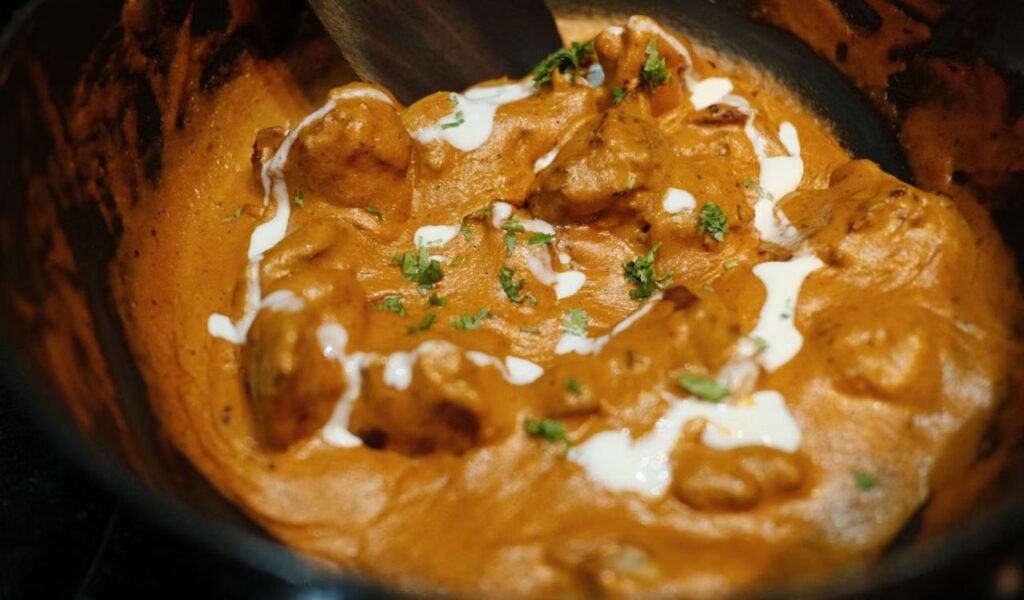
Few dishes feel as closely tied to Indian cuisine as chicken tikka masala, yet its true origin remains one of food history’s most debated mysteries. The dish combines marinated grilled chicken with a creamy, spiced tomato sauce that feels deeply rooted in South Asian cooking traditions. However, many food historians point toward the United Kingdom as its likely birthplace. One popular story suggests a British customer asked for gravy on dry tandoori chicken at a restaurant, prompting a quick sauce improvisation using canned soup, cream, and spices. Others argue it evolved gradually within immigrant kitchens, adapting Indian flavors to British tastes. What makes the debate complicated is the lack of early written records and the way recipes spread through word of mouth rather than cookbooks. The flavors clearly draw from Indian techniques, but the structure of the dish fits Western expectations for sauced entrées. This cultural blending makes it hard to assign ownership to one place or moment. What this really means is that chicken tikka masala represents how migration reshapes food, turning adaptation into tradition over time.
2. French Fries That Might Actually Be Belgian

French fries seem straightforward, yet their origin sparks ongoing disagreement between France and Belgium. The Belgian story claims villagers along the Meuse River fried thin strips of potatoes when the river froze and fish became unavailable during winter. These fried potatoes allegedly mimicked the shape of fish and became a staple long before fries appeared in French cafés. The French perspective points to street vendors selling fried potatoes in Paris during the late eighteenth century, suggesting urban popularity helped spread the dish internationally. The name French fries may have emerged when American soldiers stationed in Belgium during World War I encountered the dish and associated the French language spoken there with the food. The lack of consistent documentation makes it difficult to confirm which country truly introduced the frying technique first. What remains clear is that fries evolved through regional habits, economic necessity, and global travel rather than a single inventor. Their simplicity allowed them to cross borders easily, becoming a shared culinary identity rather than a fixed national dish.
3. Caesar Salad That Was Born Far From Italy
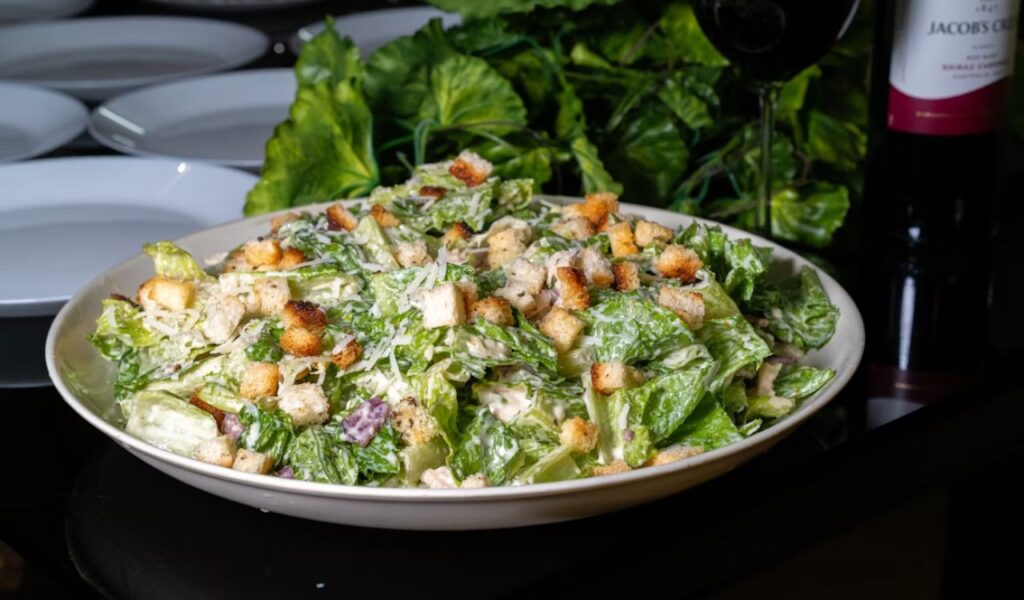
Caesar salad sounds unmistakably Italian, yet its most accepted origin points to Tijuana, Mexico, in the 1920s. Restaurateur Caesar Cardini reportedly assembled the salad tableside using romaine lettuce, eggs, olive oil, garlic, lemon, and cheese during a busy service when ingredients were limited. Over time, variations introduced anchovies and heavier dressings, which blurred the original recipe’s identity. Some claim Cardini’s brother or staff refined the recipe further, creating confusion over authorship. Others argue similar salads existed earlier in Europe, making the Tijuana story only part of the evolution rather than the beginning. The theatrical tableside preparation helped popularize the dish among Hollywood visitors crossing the border during Prohibition, accelerating its spread into American dining culture. This mixture of personal invention, adaptation, and marketing created a dish whose origin feels clear yet remains debated in detail. The salad’s global popularity shows how quickly food stories become layered with legend once success takes hold.
4. Croissants That Trace Back to Austrian Roots

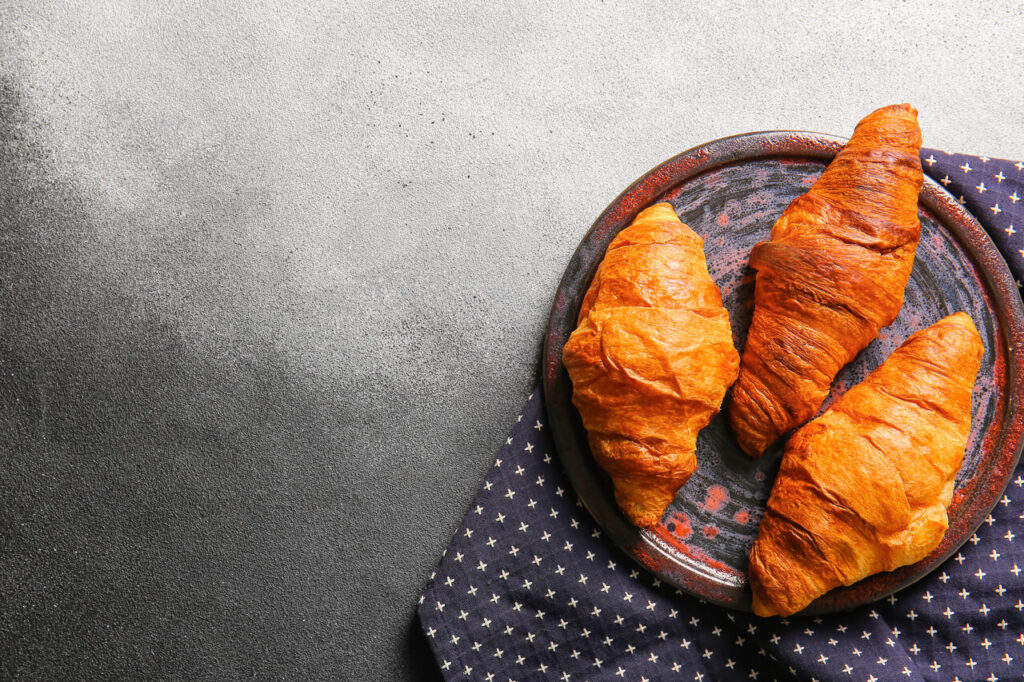
The croissant feels like a symbol of French baking mastery, but its shape and concept likely originated in Austria. Historians often connect the croissant to the kipferl, a crescent-shaped bread dating back centuries in Central Europe. When Austrian bakers introduced the pastry style to France, French techniques refined it using laminated butter dough, creating the flaky texture we recognize today. Some legends tie the crescent shape to historical victories over Ottoman armies, though documentation supporting these tales remains thin. What complicates the story is how recipes evolved slowly through apprenticeship rather than formal recording. French bakeries perfected the method, while the original inspiration came from elsewhere, blurring ownership. The croissant became globally associated with France due to culinary branding and tourism, not necessarily invention. This layered evolution reflects how food traditions often grow through borrowing, refining, and rebranding rather than sudden invention.
5. Ceviche That Predates Citrus and Colonization
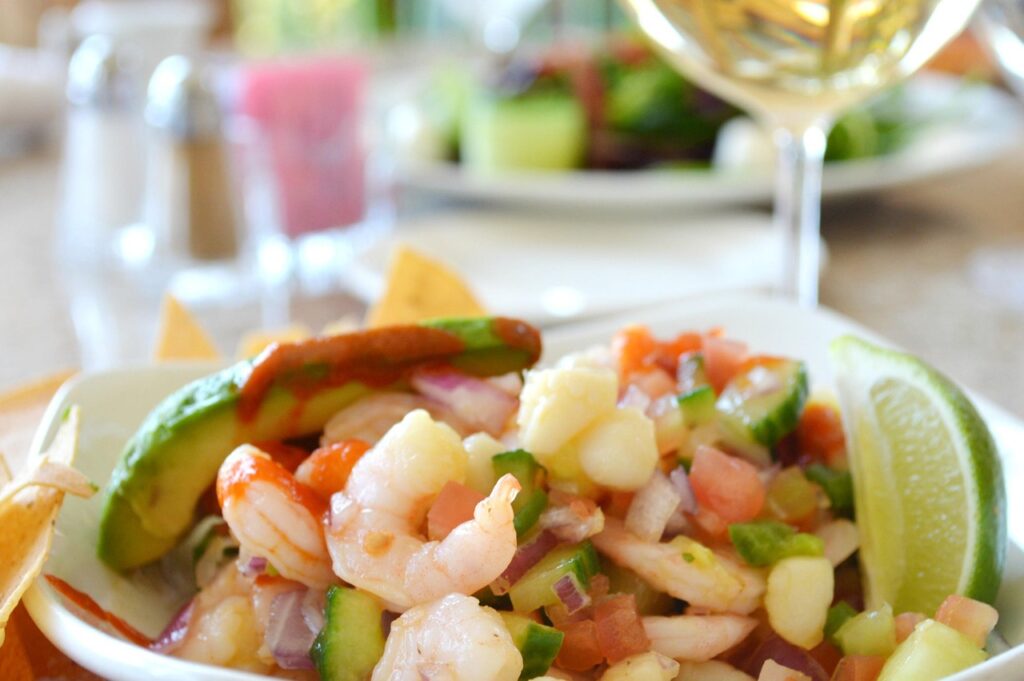
Ceviche is widely associated with Peru, yet its roots stretch back long before Spanish colonization introduced citrus fruits. Ancient coastal cultures preserved fish using fermented fruits, native acids, and salt, creating early versions of marinated seafood dishes. When Spanish settlers brought limes and onions, the method evolved into the ceviche known today. Different regions across Latin America developed their own versions using local fish, peppers, and marinades, which further blurred the concept of a single origin. Some historians argue that similar acid-curing methods existed independently in multiple coastal societies, making ceviche more of a shared technique than a single invention. The dish’s freshness and simplicity allowed it to adapt easily across climates and cultures. What remains uncertain is exactly when the modern lime-based version emerged and who standardized it first. Ceviche’s story highlights how culinary methods evolve alongside agriculture, trade routes, and cultural exchange rather than appearing fully formed.
6. Samosa That Traveled Across Continents Before Becoming Indian
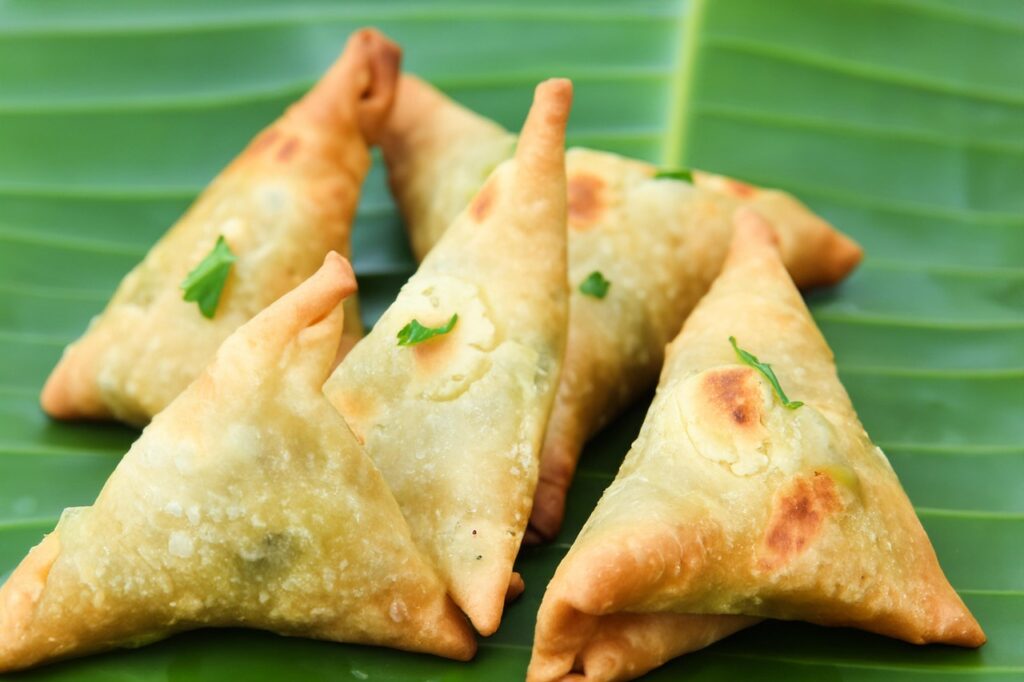
The samosa feels inseparable from Indian street food culture, yet its history begins much farther west. Early references describe triangular pastries filled with meat, nuts, and spices in Central Asia and the Middle East. Traders and travelers carried these pastries along trade routes into South Asia, where local cooks adapted the fillings to available ingredients and regional tastes. Potatoes, introduced later through global trade, eventually became the dominant filling in many Indian regions. Over centuries, the samosa shifted from royal banquet food to everyday snack, changing shape, spice level, and cooking methods along the way. Written documentation varies across languages and time periods, making it difficult to pinpoint a precise moment of arrival or transformation. The samosa’s evolution shows how migration and trade reshape food identity, turning imported recipes into beloved national staples that feel native despite global origins.
7. Jambalaya That Blends Several Culinary Lineages

Jambalaya represents one of the clearest examples of cultural blending, creating culinary mystery. The dish combines rice, meat, seafood, spices, and vegetables in ways that echo Spanish paella, French cooking techniques, and West African jollof rice traditions. Enslaved Africans, European settlers, and Indigenous communities all contributed ingredients and methods that merged over generations in Louisiana. Some versions include tomatoes while others do not, creating further debate over what defines authentic jambalaya. Oral traditions passed recipes through families rather than formal cookbooks, making historical tracing difficult. The dish likely emerged gradually as communities adapted what they had available rather than being invented intentionally. Jambalaya’s layered heritage reflects how food evolves organically through shared kitchens, changing economies, and cultural exchange. Its unclear origin is not a flaw but a testament to how deeply intertwined culinary traditions can become over time.