8 Grocery Items That Don’t Travel Well on Road Trips or Moves

Anyone who has packed groceries for a long drive or a big move learns this lesson fast. Not everything that looks sturdy on a store shelf survives hours in a warm car, constant vibration, and shifting temperatures. Some foods bruise, melt, leak, sour, or simply lose the texture that made them worth buying in the first place. Even with coolers and ice packs, maintaining stable conditions on the road is harder than most people expect. Dairy warms faster than you realize, produce bruises under its own weight, frozen items partially thaw and refreeze into disappointment, and packaged foods spring leaks at the worst moment. What starts as smart planning often turns into wasted money, messy cleanup, and food that no longer feels safe or appealing to eat. Knowing which grocery items truly hate travel can save frustration, protect food safety, and help you plan smarter stops and restocks once you arrive.
1. Fresh Berries and Soft Fruit
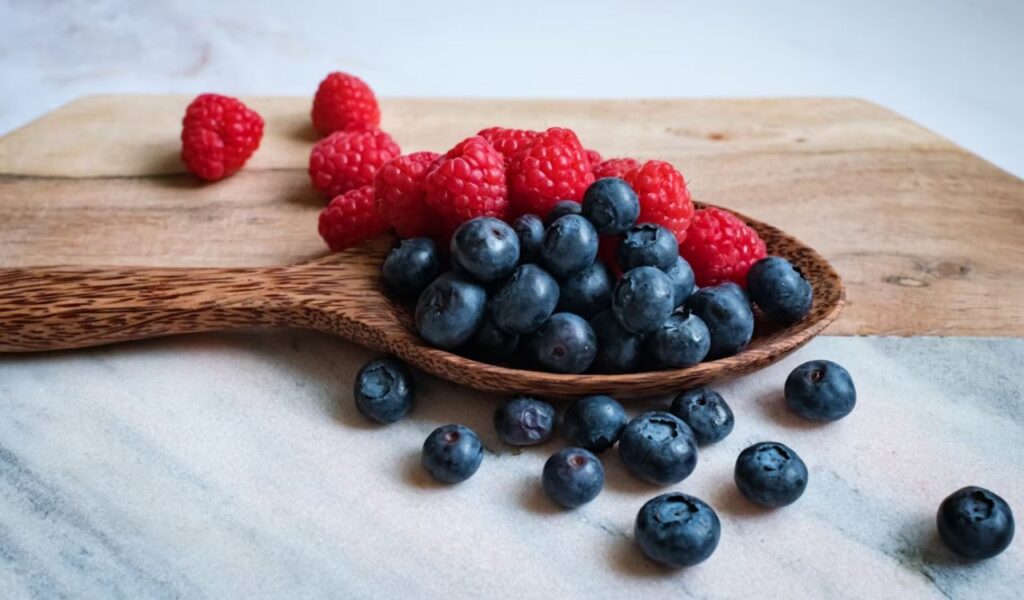
Here’s the thing about berries and soft fruits like peaches, plums, and ripe mangoes. They look sturdy in the grocery store, but their structure is mostly water and delicate flesh, which makes them extremely vulnerable to pressure, heat, and vibration. Even a short drive can cause bruising where fruit rubs against containers or shifts during turns. Once those cell walls break down, moisture is released, sugars concentrate, and bacteria multiply quickly. That is why berries often start leaking juice, growing fuzzy mold, or developing sour odors faster than expected after travel. Temperature swings inside a parked car speed up enzymatic breakdown, especially in summer. Refrigeration slows this process, but coolers rarely maintain a stable cold temperature for hours without constant ice replacement. Soft fruits also produce ethylene gas, which accelerates ripening in closed containers and causes entire batches to over-ripen together. What this really means is that by the time you unpack after a long drive or move, what started as beautiful produce often turns into sticky, bruised waste that no longer feels safe or appealing to eat.
2. Ice Cream and Frozen Desserts
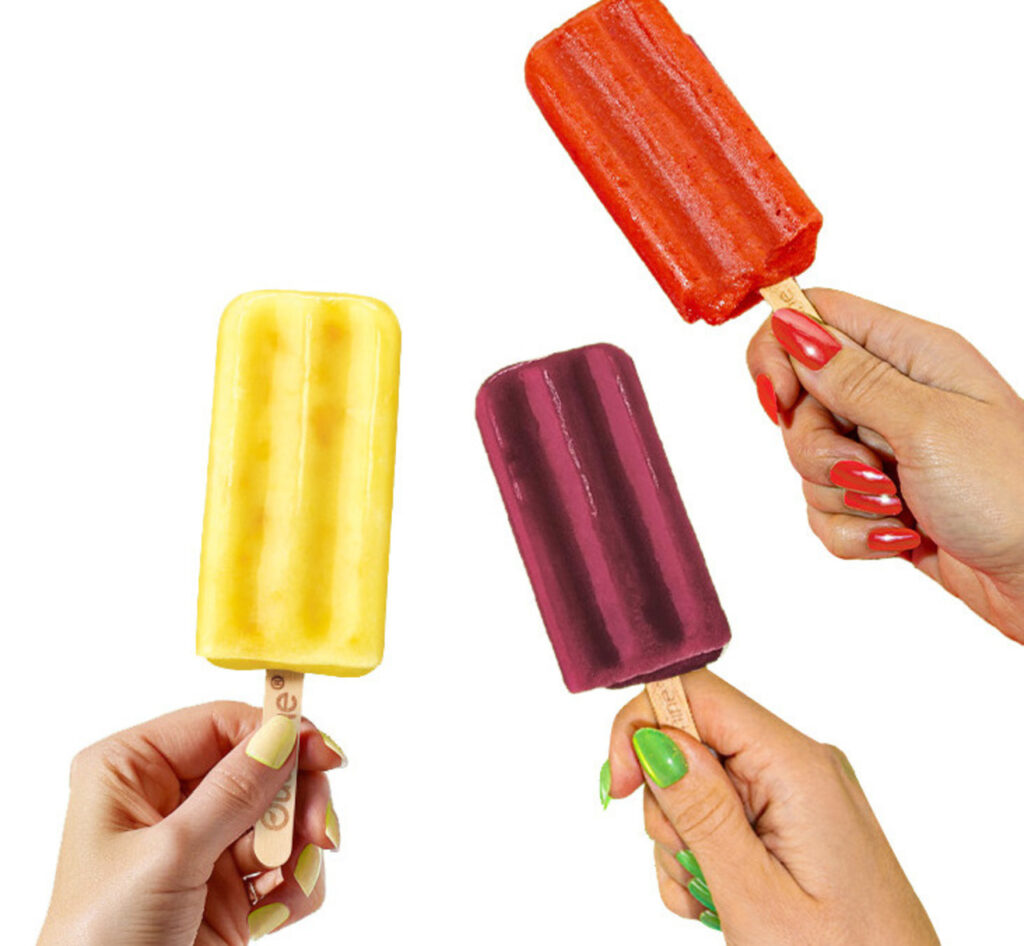
Frozen desserts depend on a steady, deeply cold environment to maintain their texture and safety. The moment ice cream begins to soften, ice crystals melt and refreeze unevenly, creating a grainy texture and separation of fats and sugars. During road trips or moving days, most coolers cannot hold temperatures below freezing for long periods, especially when opened frequently or exposed to heat inside a vehicle. Partial thawing also allows bacteria to become active on surfaces where moisture forms. Even if ice cream refreezes later, food safety guidelines warn that repeated thaw cycles increase spoilage risk and compromise flavor. Packaging can also leak as melted ice cream expands, making a sticky mess that contaminates surrounding items. Popsicles and frozen novelties suffer similar problems, becoming misshapen or sticking together permanently. What people often underestimate is how quickly frozen foods lose integrity when exposed to small temperature fluctuations. Without a powered freezer or dry ice setup, frozen desserts almost always arrive in poor condition, disappointing at best and unsafe at worst.
3. Milk, Cream, and Fresh Dairy
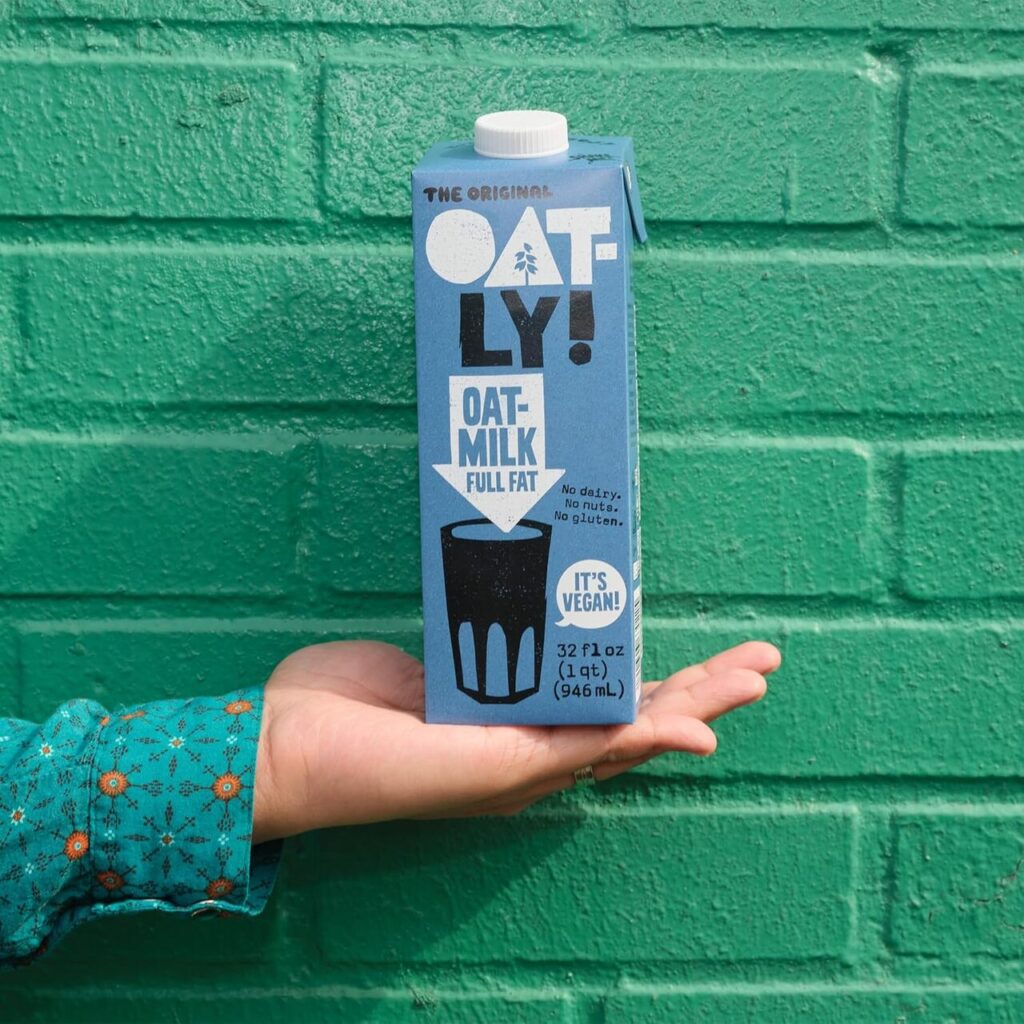
Dairy products are highly sensitive to temperature changes because they provide an ideal environment for bacterial growth. Milk and cream must stay below refrigeration temperature to slow microbial activity. When transported for hours in a car, especially during warm weather or heavy traffic, cooler temperatures gradually climb even with ice packs. Once dairy warms above safe ranges, bacteria multiply rapidly and can produce off flavors, curdling, or sour odors long before visible spoilage appears. Shaking and vibration during travel can also disrupt fat emulsions in cream and half-and-half, leading to separation and texture changes. Yogurt and soft cheeses face similar risks since they rely on stable cold storage to maintain quality and safety. Another factor is cross-contamination from leaking packaging if caps loosen or containers tip over during movement. Even a small spill inside a cooler creates moisture that encourages faster spoilage. What this really means is that dairy rarely arrives fresh after extended travel unless transported in professional-grade refrigerated conditions.
4. Leafy Greens and Bagged Salads
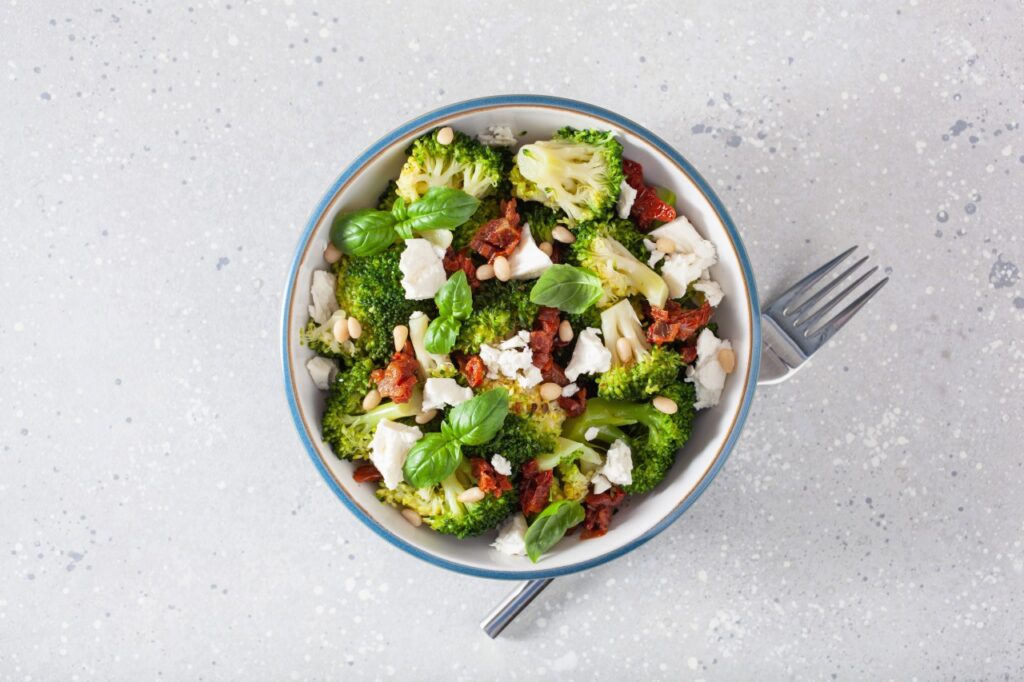
Leafy greens look resilient but are among the most fragile foods to transport. Lettuce, spinach, arugula, and mixed greens lose moisture quickly when exposed to warm air, leading to wilting and a limp texture. Bagged salads contain pre-cut leaves that have already experienced cell damage from processing, making them especially vulnerable to oxidation and bacterial growth. During transport, condensation builds inside packaging as temperatures fluctuate, creating damp environments that encourage slimy breakdown and unpleasant odors. Pressure from stacked items can bruise leaves, triggering faster decay. Greens also continue respiring after harvest, releasing moisture and heat that accelerate spoilage in enclosed containers. Without consistent refrigeration and airflow, freshness declines rapidly. Even if the greens appear acceptable on arrival, flavor and nutritional quality often degrade significantly. What this really means is that salads purchased before travel rarely maintain the crispness and safety people expect when unpacking days later.
5. Fresh Bread and Bakery Items
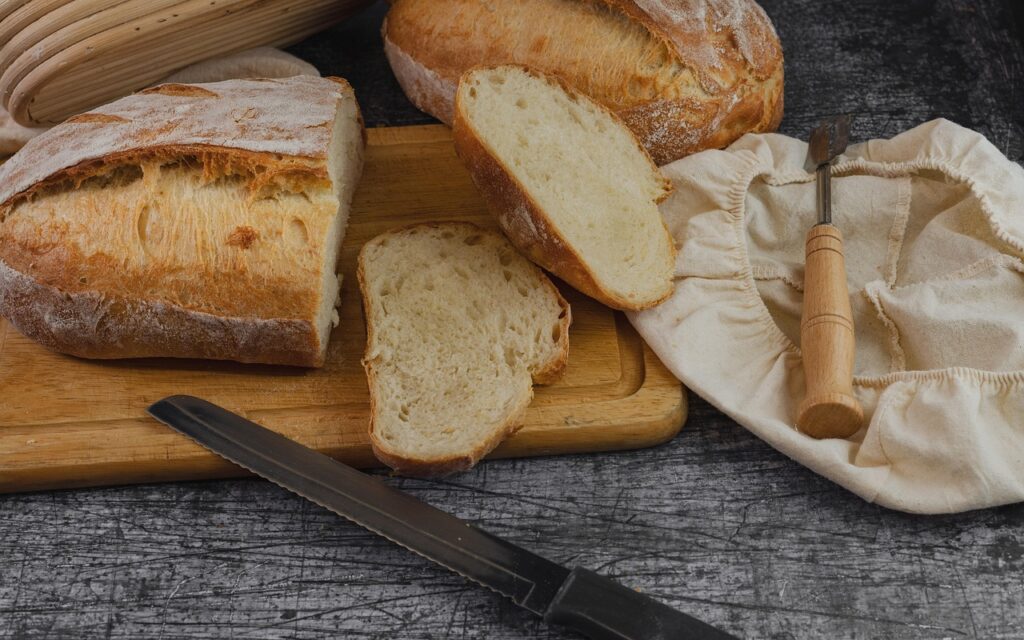
Bread seems travel-friendly, but it faces its own set of problems during long trips. Heat causes moisture redistribution inside loaves, leading to faster staling or sogginess depending on humidity levels. Sliced bread compresses easily under stacked loads, crushing air pockets that give bread its light texture. Bakery items like croissants, muffins, and frosted pastries are even more delicate. Vibration causes crumbling, frosting smears, and shape collapse. Warm temperatures also accelerate mold growth, especially in humid environments inside closed vehicles. Without proper airflow, condensation forms inside plastic bags and encourages spoilage. Some breads dry out quickly if exposed to air, while others trap moisture and become sticky or gummy. Either way, quality suffers. What this really means is that bakery items rarely arrive looking or tasting like they did when purchased, making them poor candidates for long-distance transport.
6. Raw Meat and Seafood
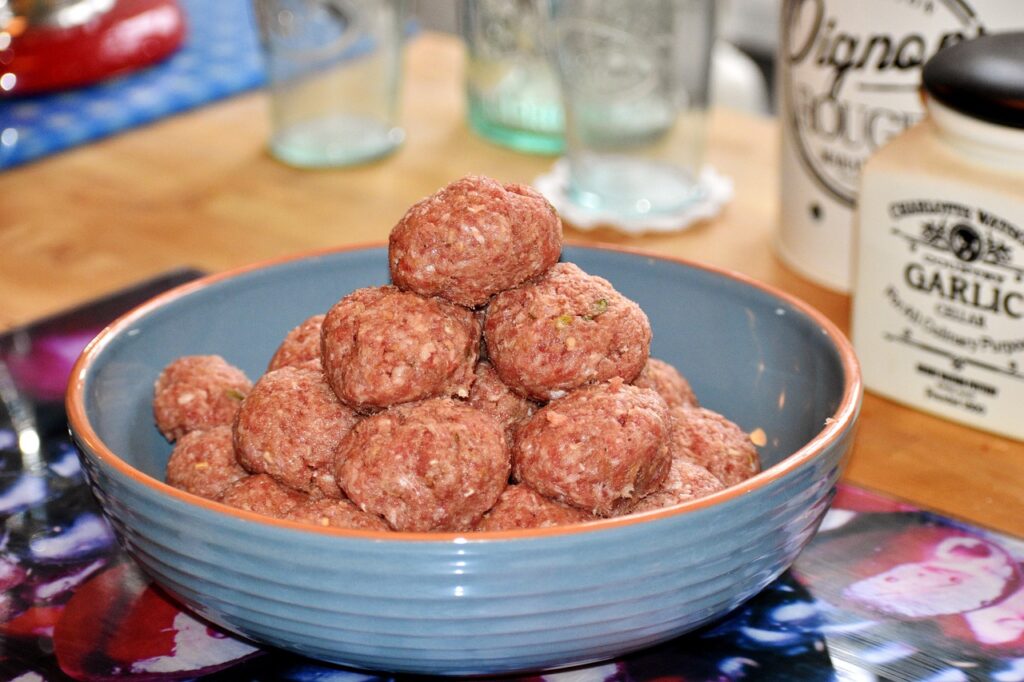
Raw meat and seafood carry the highest food safety risks during travel. These proteins must remain consistently cold to prevent bacterial growth that can lead to foodborne illness. Even short periods above safe temperatures allow pathogens to multiply rapidly. Coolers lose cold retention over time, especially when frequently opened or exposed to sunlight inside a vehicle. Ice melts faster than expected, and internal temperatures climb gradually without obvious warning. Meat packaging can also leak as ice melts and condensation forms, contaminating other foods and surfaces. Seafood is especially sensitive because of its high moisture content and naturally occurring bacteria that thrive when temperatures rise. Odors may develop before spoilage becomes visible, signaling unsafe conditions. Transporting raw protein without professional refrigeration is risky and often results in wasted food or potential health hazards. What this really means is that raw meat and seafood should almost always be purchased after arrival rather than transported long distances.
7. Carbonated Drinks in Cans or Bottles
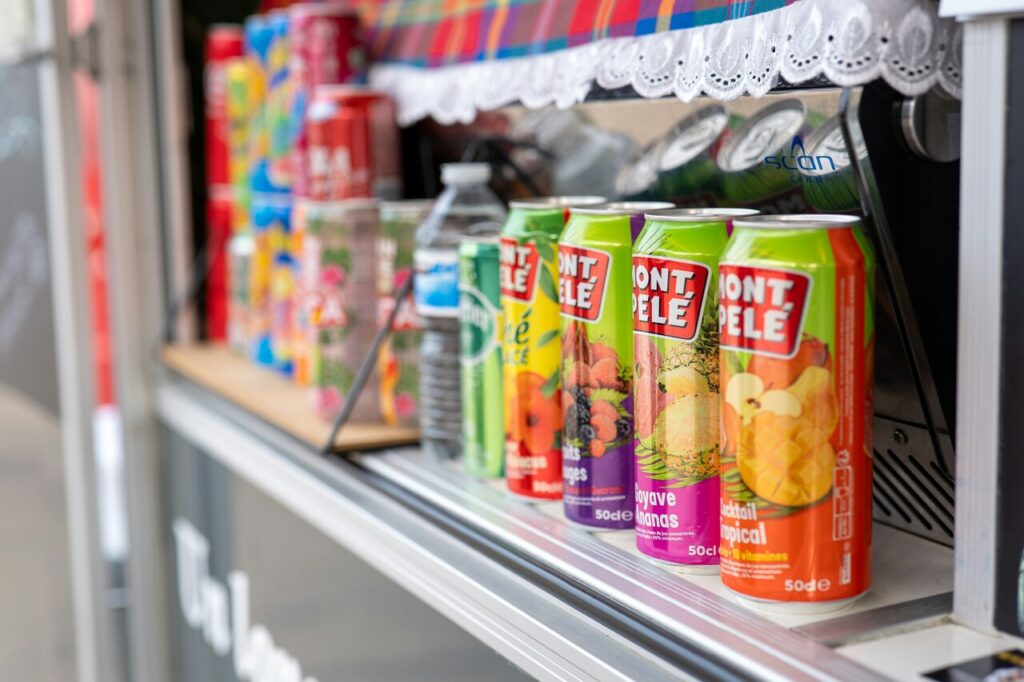
Carbonated beverages seem sturdy, but pressure changes and heat make them unpredictable during travel. Warm temperatures increase internal gas pressure, raising the risk of cans bursting or bottles leaking when jostled. Even minor shaking from road vibration causes carbonation to destabilize, leading to explosive sprays when opened later. Plastic bottles can deform under heat, weakening seals and increasing leakage risk. Cans dent easily under stacked weight, which can compromise integrity and make storage messy. If beverages freeze slightly in cold climates and then thaw, expansion may cause cracks or loss of carbonation. Spilled sugary liquids also attract insects and create sticky cleanup issues inside vehicles or moving boxes. What this really means is that transporting large quantities of carbonated drinks often leads to mess, loss of carbonation, or damaged packaging.
8. Cut Produce and Prepared Foods
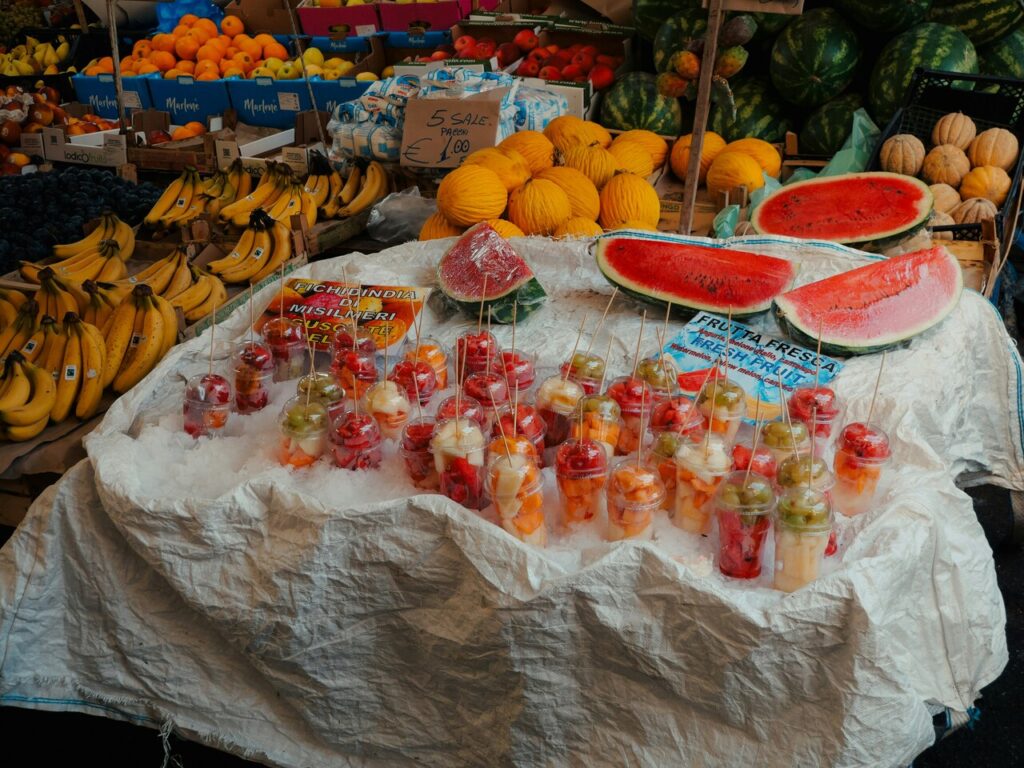
Pre-cut fruits, vegetables, and prepared deli foods have significantly shorter shelf lives than whole produce. Cutting exposes surface area to oxygen, bacteria, and moisture loss, accelerating spoilage. Temperature fluctuations during transport allow microbes to multiply faster, especially in items like sliced melon, chopped vegetables, and cooked pasta salads. Containers may leak liquids that promote bacterial growth and create unpleasant odors. Shaking and movement also break down delicate textures, making foods mushy or watery by the time they arrive. Prepared foods often rely on preservatives and refrigeration to maintain safety, and once that cold chain is disrupted, quality drops quickly. Even if items still look edible, flavor, texture, and safety may be compromised. What this really means is that convenience foods lose their convenience after long travel and often end up discarded rather than enjoyed.