The Forgotten Retro Kitchen Tool Making a Quiet Comeback in Home Cooking

Some of the most useful kitchen tools aren’t new at all. They’re the ones that quietly powered home cooking decades ago, long before smart appliances and countertop gadgets took over. As more people look for simpler, more durable, and more hands-on ways to cook, a few forgotten retro tools are making a steady return. These classics solve everyday kitchen tasks without noise, cords, or complicated cleanup, and they bring a satisfying sense of control back into the cooking process. What once felt outdated is suddenly feeling practical again, especially for home cooks who value quality, longevity, and a closer connection to their food.
The Return of Retro Tools in Modern Kitchens
There’s a fascinating shift happening in home cooking: kitchen tools and gadgets that once seemed outdated or quaint are quietly finding their way back onto counters and into drawers. What was once dismissed as old-fashioned is now being appreciated again for its simplicity and practicality. This trend isn’t just about nostalgia; it reflects a broader desire to ground everyday cooking in something tactile and familiar. People who grew up watching their parents or grandparents pull out specific tools now find satisfaction in using those same implements, not as novelties but as reliable instruments that make certain tasks easier or more enjoyable. The retro comeback spans everything from cast iron skillets to classic hand-held graters, but one tool in particular has captured the interest of home cooks because it solves everyday problems without reliance on electricity or digital controls.
This resurgence also taps into a cultural moment where slow, intentional food preparation is valued more than ever. Smartphone apps, smart ovens, and internet-connected gadgets have transformed kitchens into high-tech spaces, but there’s a growing countercurrent of cooks who feel overwhelmed by too much technology. That’s where retro tools shine; they are simple, robust, and often more forgiving than their modern counterparts. They remind cooks what it feels like to use your own hands in the process, not just push buttons. And because many retro gadgets were designed to last decades, their revival aligns with rising interest in sustainability and reducing single-use or cheaply made products. Instead of replacing tools every few years, people are rediscovering items that have stood the test of time.
The Classic Tool Stealing the Spotlight
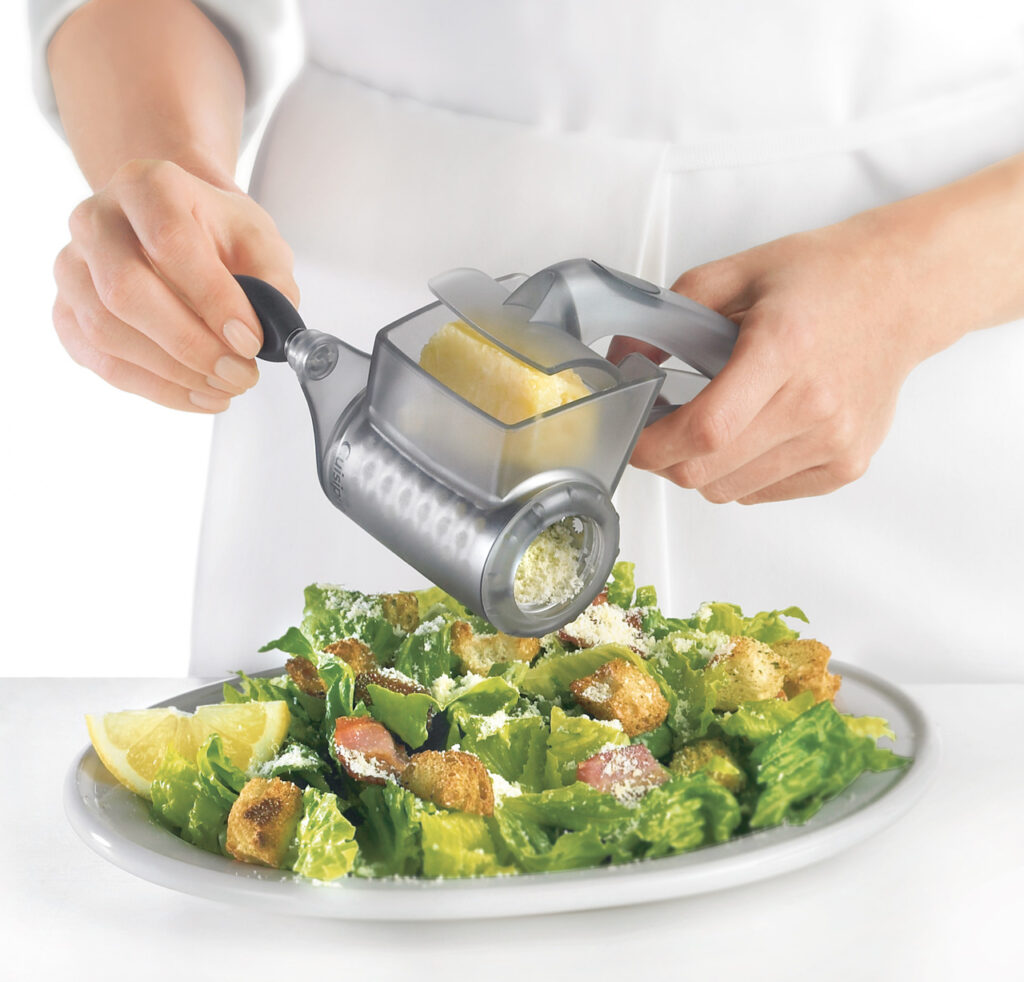
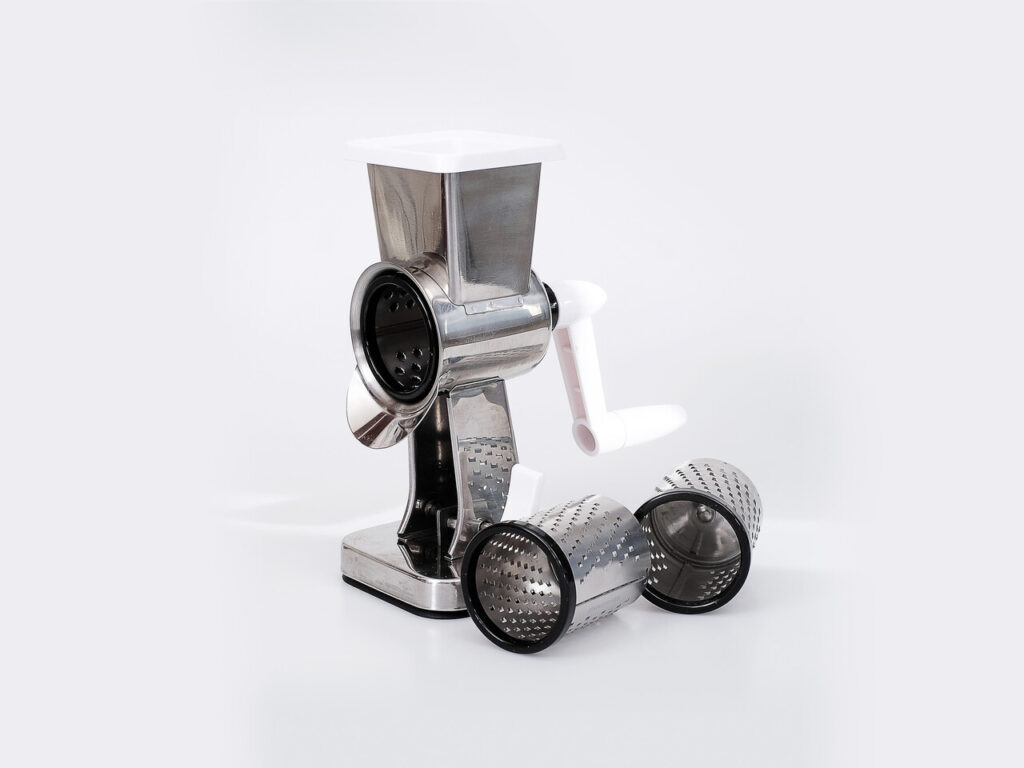
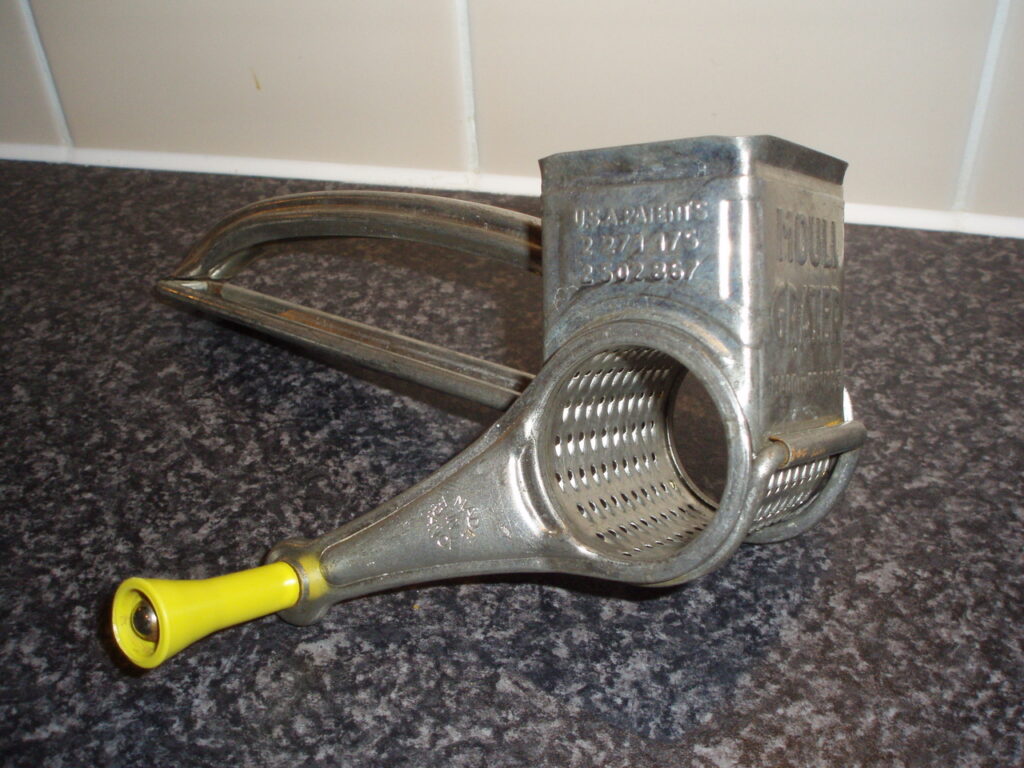
Among the many retro kitchen tools making a comeback, one stands out for both its practicality and charm: the manual rotary grater. Once a staple in home kitchens before electric appliances became ubiquitous, this tool is now being rediscovered for its versatility and efficiency. For a generation raised on food processors and countertop gadgets, a rotary grater might look like something from another era. But its simple mechanism, a hand-crank that turns a drum to grate cheese, nuts, chocolate, or vegetables, offers control that many modern gadgets lack. It can produce a finer or coarser texture depending on the drum used, and it does so without needing electricity or careful cleaning of multiple parts. For people who make pasta, gratin, or salads regularly, the rotary grater has quickly become a favorite.
What sets this tool apart is how it enhances everyday cooking tasks without adding complexity. Unlike a bulky electric grater that takes up space and demands careful cleaning, a retro rotary grater can be stored in a drawer or hung on a hook. Its mass and design give it stability during use, and it tends to be more durable than newer plastic versions of similar tools. The simplicity of the mechanism also means fewer parts to break, and if a piece does wear out, replacement drums can often be found or swapped. Many cooks also appreciate that it lets them adjust grating speed and pressure intuitively, offering a tactile connection to their ingredients that automated appliances simply cannot match.
Why Cooks Are Choosing Old Over New
There are practical reasons behind the retro tool resurgence, and emotional ones too. From a functional standpoint, many classic tools like a rotary grater, mortar and pestle, or hand crank juicer excel at specific tasks that modern appliances sometimes struggle with or make unnecessarily complicated. For instance, the rotary grater maintains texture consistency and doesn’t overheat delicate ingredients like fresh cheese or citrus zest. A mortar and pestle can release essential oils in herbs and spices more effectively than a blender, giving more vibrant flavors in pesto or spice mixes. These tangible benefits are part of why professional chefs and home cooks alike are giving old tools a second look.
On the emotional side, using a tool that has roots in earlier eras of home cooking connects people to culinary traditions and memories. In a world dominated by screens and digital interfaces, the act of turning a crank, feeling texture under your fingers, and hearing the satisfying click of a well-made tool in action brings a sensory experience back to cooking. This trend also dovetails with the broader cultural movement toward mindfulness in everyday life. Cooking becomes less about speed and efficiency alone, and more about presence and enjoyment. The retro tool revival, therefore, is less about rejecting modern innovations and more about balancing them with techniques that honor the physicality and pleasures of hands-on cooking.
How to Use the Tool in Contemporary Cooking
Bringing a retro kitchen tool into your everyday routine doesn’t require changing what you cook, but it can change how you cook. Take the rotary grater as an example: in a contemporary kitchen, you can use it for everything from grating Parmesan over pasta to shredding chocolate for desserts, or zesting citrus for salads and dressings. The tool’s adaptability makes it a valuable partner in both savory and sweet cooking. Its design also allows for quick swapping of drums or blades, meaning one tool can take on multiple roles depending on the recipe at hand. This adaptability is part of what has fueled its comeback among home cooks who value both utility and simplicity.
Maintenance and care are also straightforward, which helps the tool fit into modern routines. Most retro graters disassemble easily for cleaning, and many are dishwasher safe or can be rinsed quickly under running water. Proper maintenance, drying thoroughly to prevent rust and periodically checking for wear, can keep these tools working well for years. Because many retro tools are built with solid materials like stainless steel and cast iron, they can outlast many contemporary gadgets that rely on plastic components. As people become more intentional in their kitchen purchases, tools that combine durability, versatility, and ease of use naturally rise in appeal.
Where to Find Authentic Retro Kitchen Tools
Finding authentic retro kitchen tools has never been easier, thanks to a combination of online marketplaces, vintage shops, and specialty culinary stores. Sites like Etsy, eBay, and dedicated vintage kitchenware shops often have a rotating selection of mid-century graters, juicers, and other classic gadgets that have been cleaned, tested, and restored. Shoppers can also visit local flea markets, antique malls, and second-hand stores, where timeless pieces often turn up unexpectedly. These venues offer the added benefit of seeing and handling tools in person before purchasing, which can help buyers assess quality and condition.
For those who prefer newer versions of retro designs, many culinary brands produce modern takes on classic tools. These products blend vintage aesthetics with contemporary materials, offering the charm of old-style tools with the convenience and reliability of modern manufacturing. Specialty kitchen stores and online retailers that focus on artisanal or heritage cooking equipment often carry these reimagined versions. Whether you’re restoring a family heirloom or adding a new piece inspired by classic design, the return of retro kitchen tools is more than a trend, it’s a recognition that some traditional solutions are worth keeping alive in today’s kitchens.
References
- 8 Traditional Kitchen Features Making a Quiet Comeback in 2026 – homedit.com
- This Vintage Kitchen Appliance Trend Should Never Go Out Of Style – foodrepublic.com