8 Hot Dog Brands Ranked From Surprisingly Decent to Total Disappointment

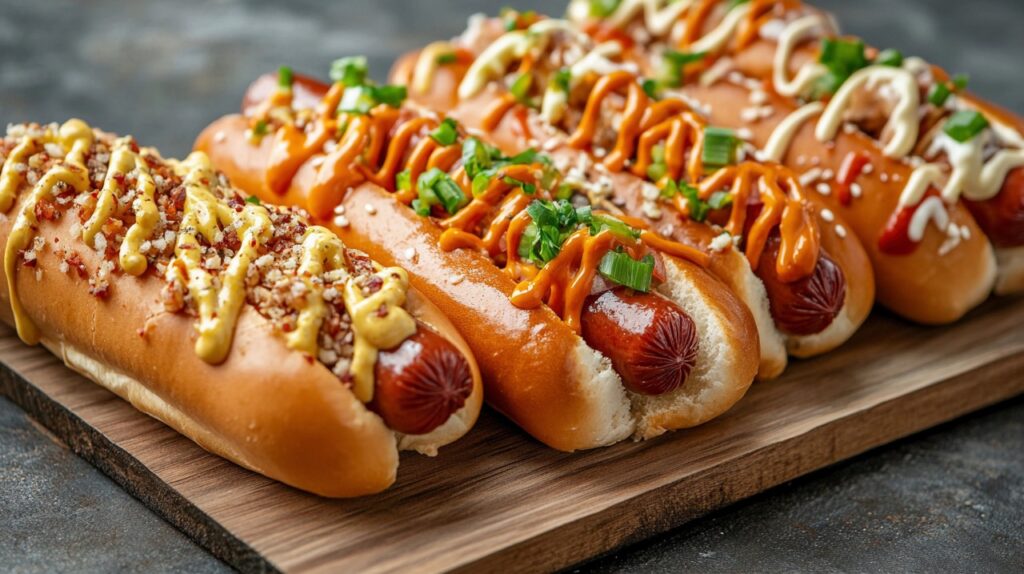
Hot dogs seem simple, but the difference between a satisfying bite and a disappointing one often comes down to details most people never think about. Texture, seasoning, casing, and ingredient balance all shape whether a hot dog feels nostalgic, comforting, or instantly forgettable. Some brands quietly exceed expectations with solid flavor and structure, while others rely on familiarity, price, or nostalgia to carry them through. Taking a closer look reveals why certain hot dogs hold up on the grill and in the bun, while others fall apart the moment they are bitten into. This list looks beyond branding to focus on what actually ends up on the plate.
1. Nathan’s Famous
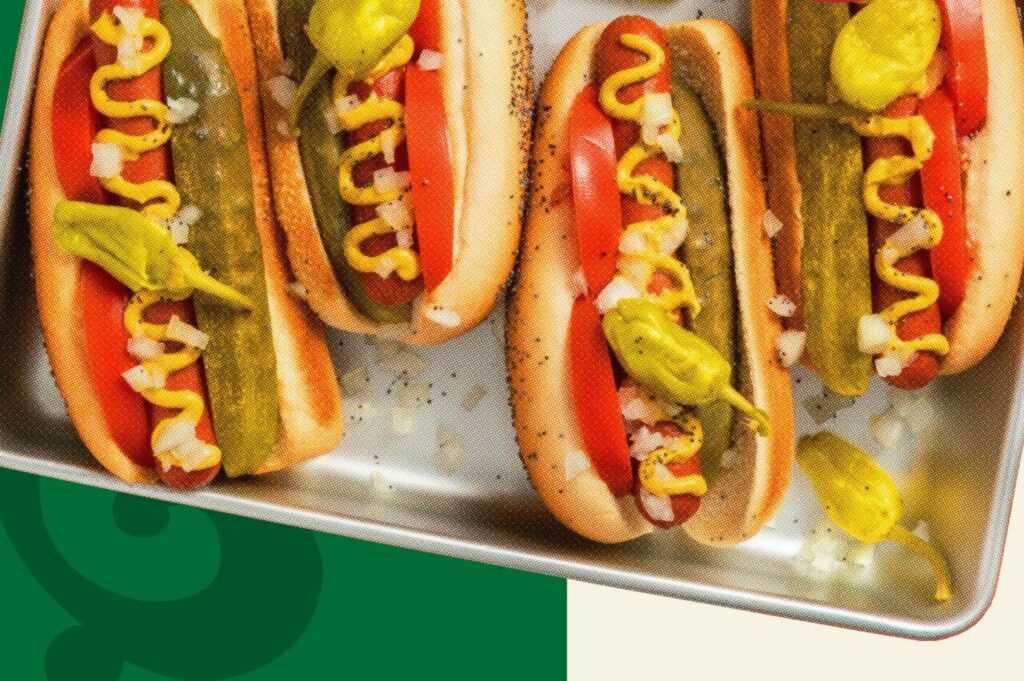
Some hot dogs earn loyalty simply by tasting the way people expect a hot dog to taste, and that is where Nathan’s stands out. The beef flavor is clear and forward without being aggressive, and the seasoning is balanced rather than salty or sweet. When cooked, the casing delivers a noticeable snap that many brands fail to achieve consistently. The texture stays firm instead of turning grainy or mushy, whether the dog is grilled, boiled, or pan-heated. Ingredient-wise, Nathan’s leans toward a traditional profile that avoids excessive fillers, which helps explain its cleaner bite. It also holds up well without heavy toppings, which is a strong indicator of quality.
2. Hebrew National
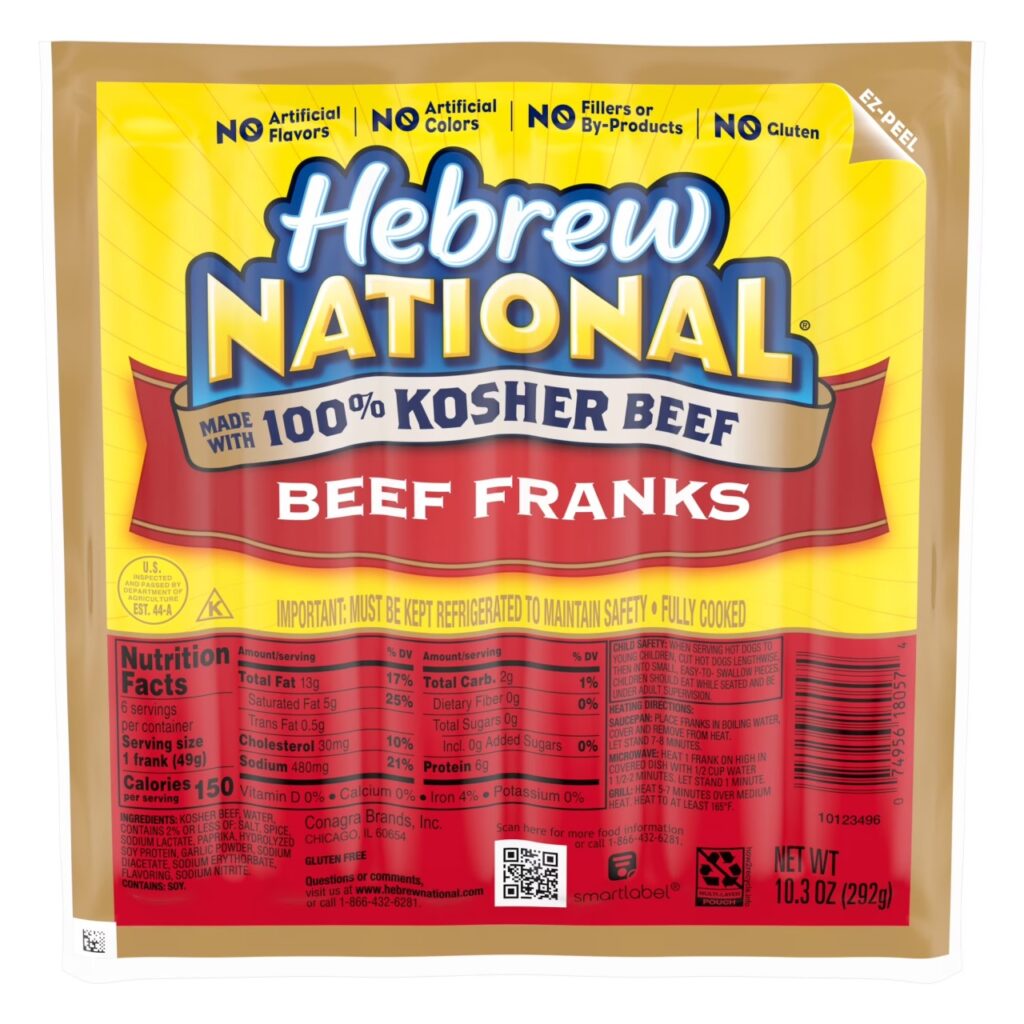
Hebrew National approaches hot dogs with a noticeably firmer structure and more assertive seasoning. The beef flavor is strong and unmistakable, which appeals to people who want their hot dog to taste substantial rather than soft and bland. The casing is tighter, giving each bite resistance instead of collapse. This firmness helps the hot dog maintain its shape during cooking, especially on a grill. The seasoning blend is heavier on salt and spices, which can divide opinion, but it prevents the dog from tasting flat. Hebrew National also avoids certain fillers used by lower-end brands, which contributes to a denser texture.
3. Ball Park
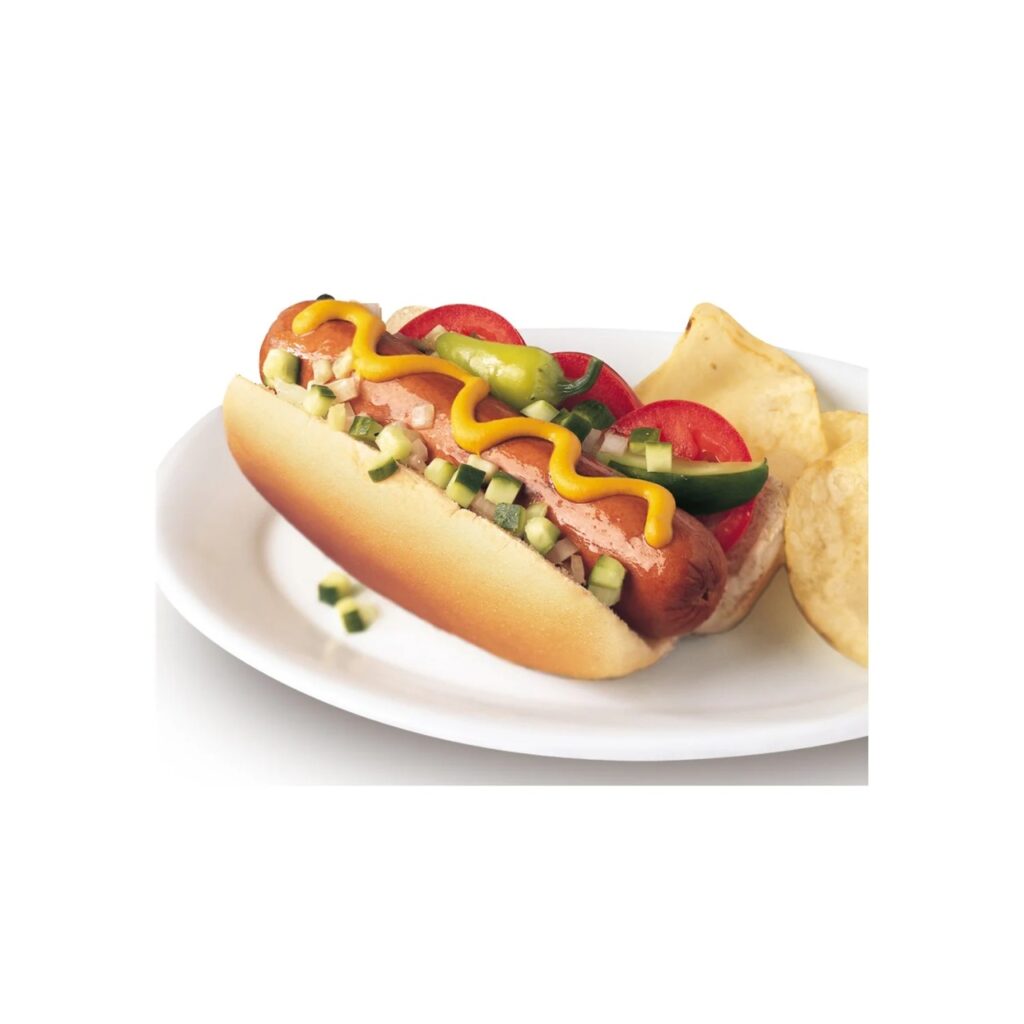
Ball Park hot dogs succeed largely because they aim for familiarity instead of intensity. Their flavor is mild, slightly smoky, and intentionally inoffensive, which makes them popular at large gatherings. The texture is soft and uniform, making them easy to eat for both children and adults. They heat quickly and rarely split or dry out, which adds to their reliability. While they lack depth compared with premium beef dogs, they deliver consistency, and that matters for casual meals. The ingredient profile reflects mass production, but it avoids strong aftertastes or odd textures. Ball Park dogs are rarely memorable on their own, yet they provide a dependable base for toppings.
4. Oscar Mayer
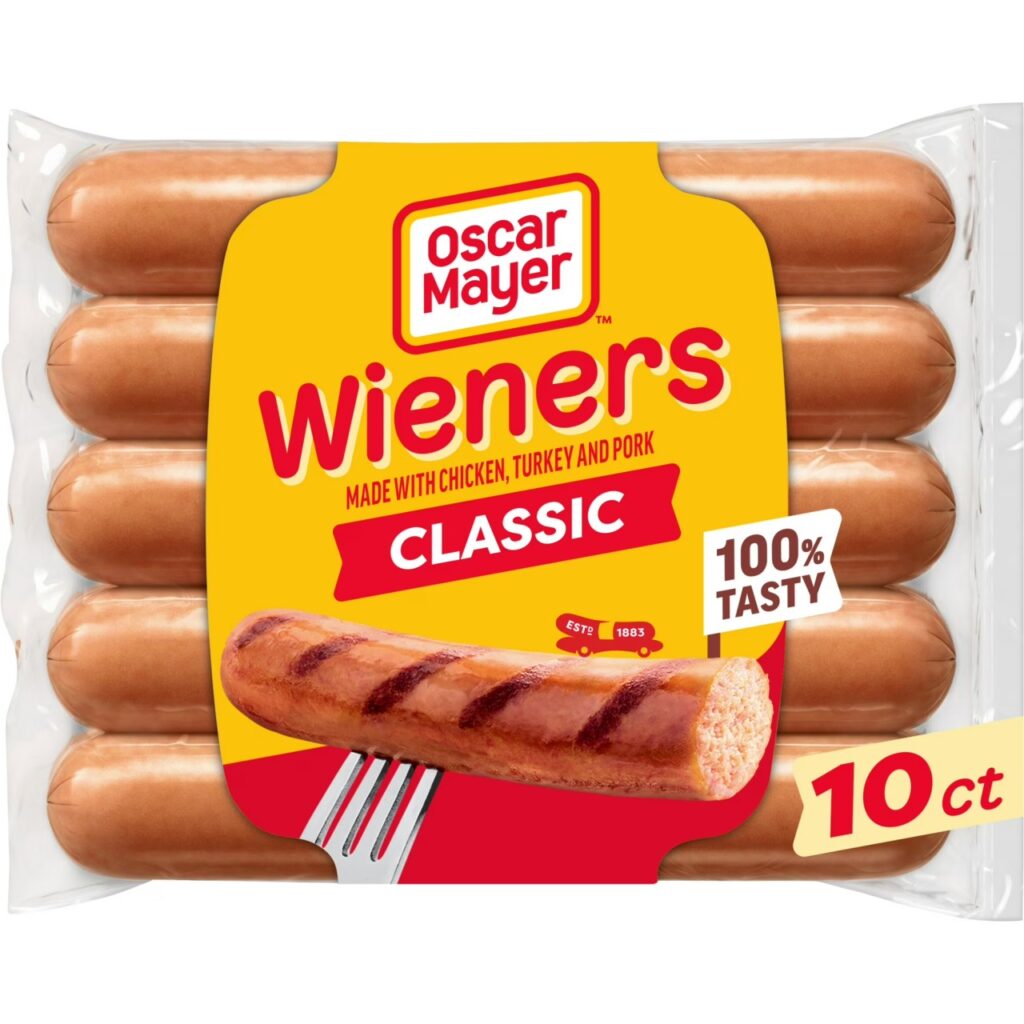
Oscar Mayer hot dogs are designed to be approachable above all else. The flavor is gentle, slightly sweet, and intentionally mild, which explains their long-standing appeal with families. The texture is very soft, almost smooth, and lacks the snap that many hot dog fans look for. When heated, they can feel delicate rather than firm. On their own, they do not offer much complexity, but they pair easily with condiments, buns, and side dishes. Ingredient-wise, they lean heavily on processing to achieve consistency, which results in predictability rather than character. These hot dogs are rarely offensive, but they are also rarely impressive.
5. Vienna Beef
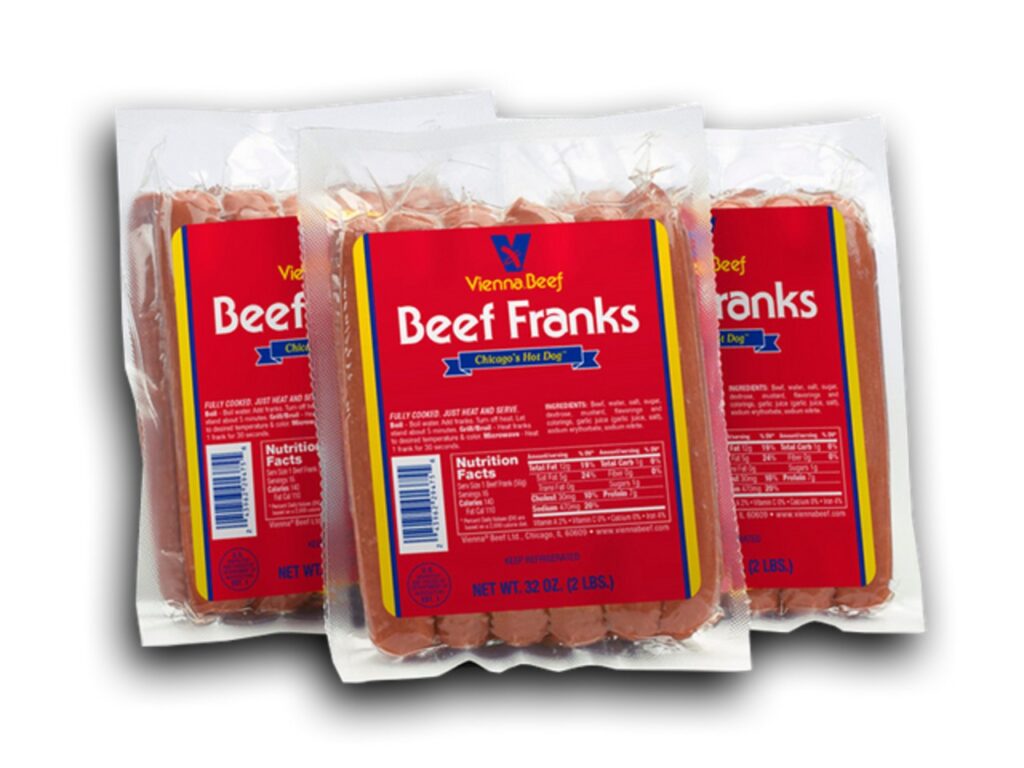
Vienna Beef carries a strong regional reputation, which can create expectations it does not always meet outside its traditional preparation style. The hot dogs are denser and more compact, with less softness than most national brands. The seasoning is subtle, relying on balance rather than boldness. When cooked carefully, especially using classic methods, the flavor can shine. When overcooked or rushed, the texture can feel tight and underwhelming. The casing is present but inconsistent, which affects the bite. These hot dogs reward precision more than convenience. For casual cooks, results can vary widely, leading to disappointment.
6. Hillshire Farm
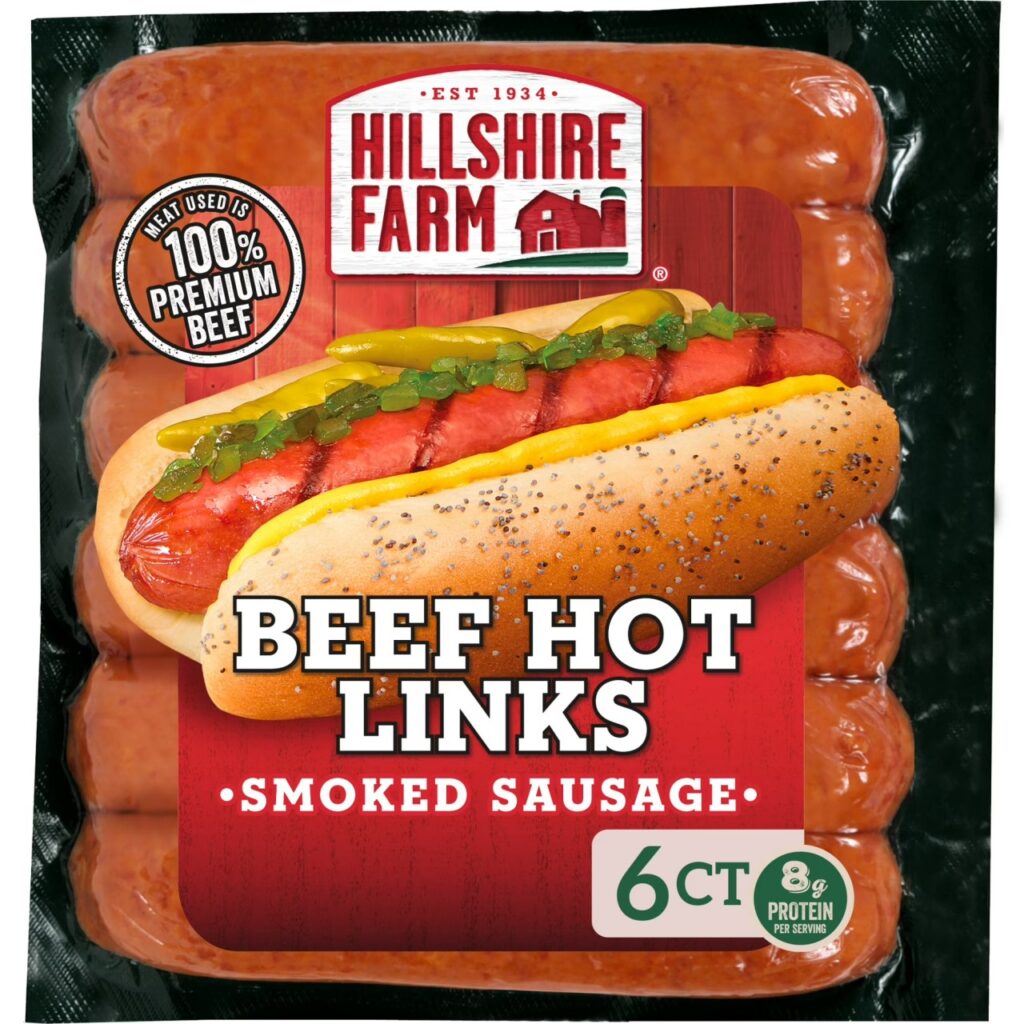
Hillshire Farm hot dogs often struggle to leave an impression, and that is where disappointment begins. The flavor profile is muted, with little beef character and minimal seasoning impact. The texture can be uneven, sometimes feeling rubbery on the outside and soft inside. Cooking does not significantly improve their performance, as they tend to taste processed regardless of method. Ingredient choices prioritize shelf stability and cost efficiency, which affects mouthfeel. Even when paired with strong toppings, the hot dog itself fades into the background. For a brand known for smoked meats, expectations are often higher than what the product delivers.
7. Armour
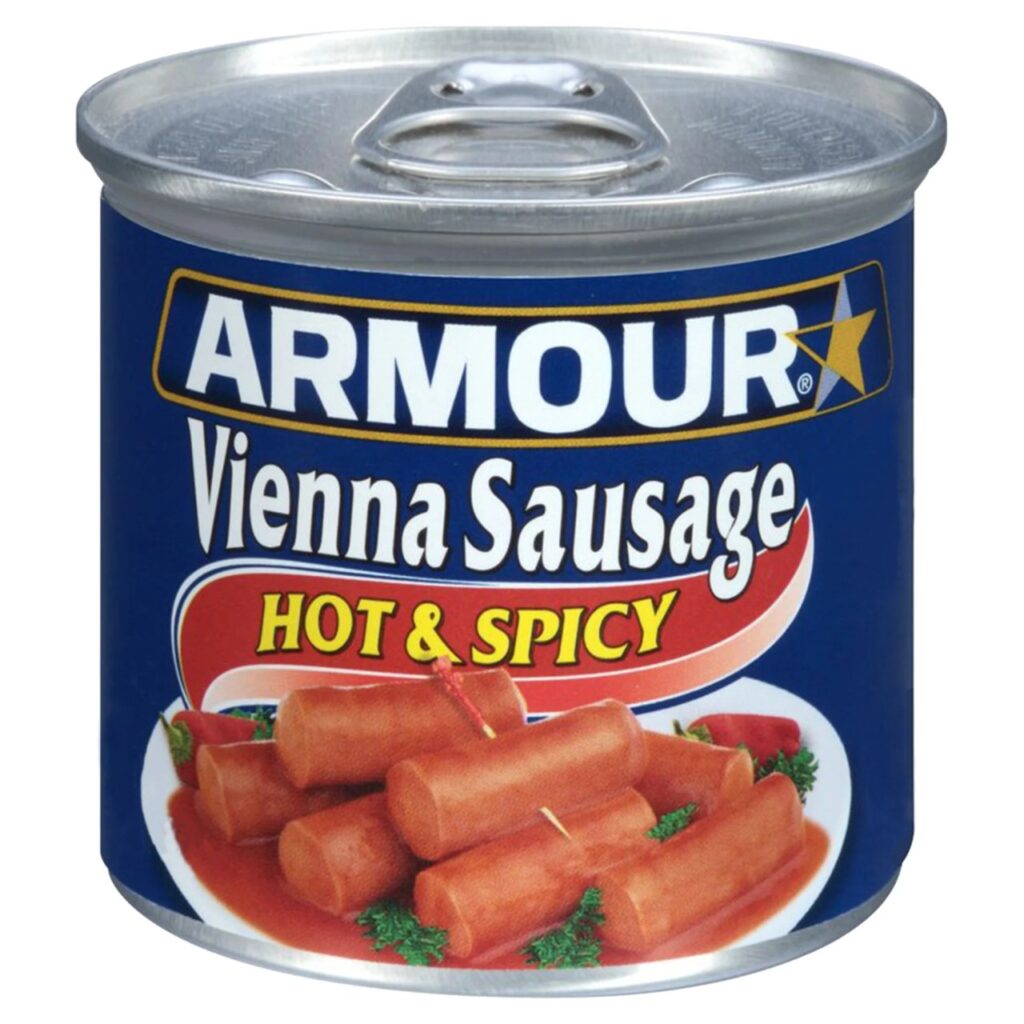
Armour hot dogs are built around affordability, and the eating experience reflects that focus. The flavor is faint and watered down, lacking the savory notes that define a good hot dog. The texture is very soft, often spongy, with little resistance when bitten. When heated, they can release excess moisture, which further weakens flavor concentration. Fillers play a noticeable role, contributing to a uniform but unconvincing bite. Even generous condiments struggle to add structure or balance. These hot dogs serve a functional purpose for budget meals, but they do not reward attention. Many people regret choosing them when expecting something closer to a classic beef hot dog experience.
8. Bar S
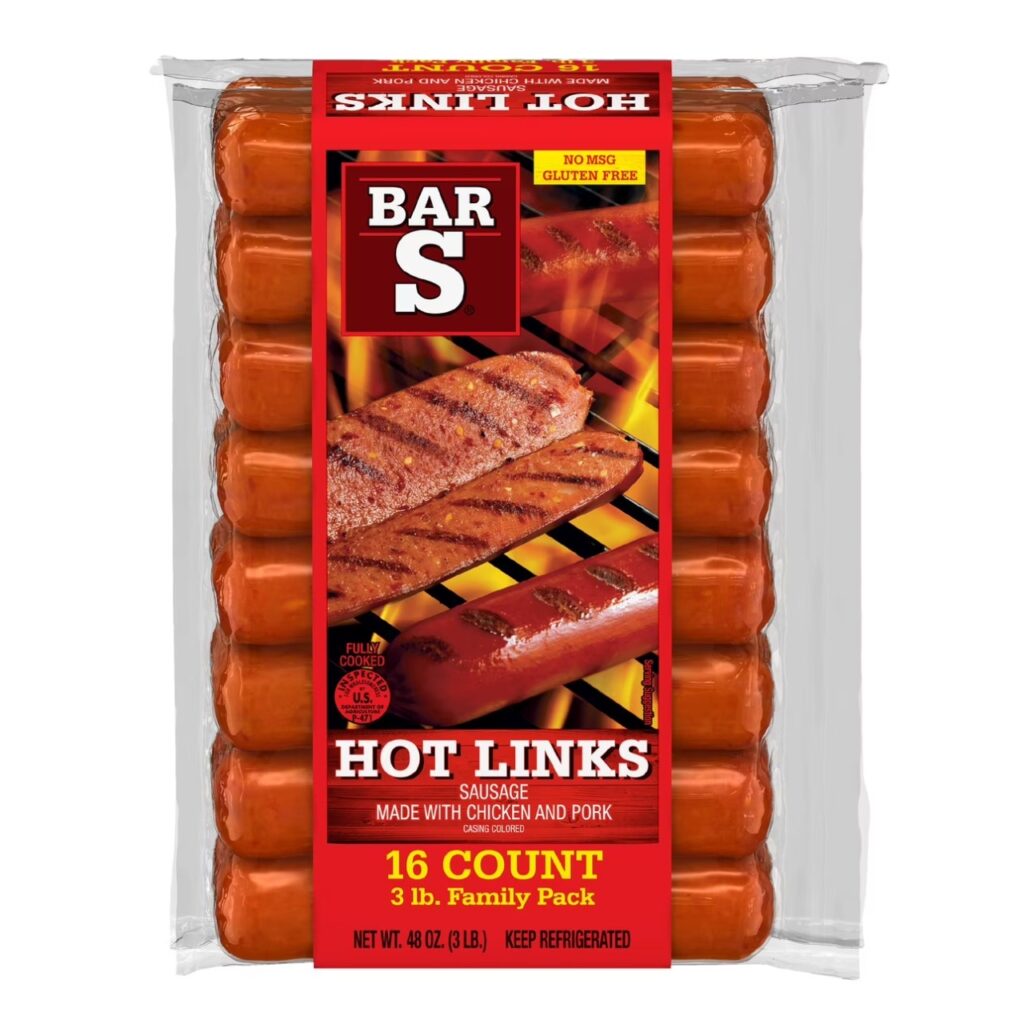
Bar S hot dogs consistently rank at the bottom because nearly every element feels compromised. The flavor is thin and one-dimensional, often leaving an artificial aftertaste. The texture lacks firmness and snap, instead collapsing quickly when bitten. Cooking does little to improve their character, as the internal structure remains weak. The ingredient profile relies heavily on fillers, which explains the lack of meat-forward taste. Even when eaten fresh, they feel more like filler food than a deliberate product. Price is the primary appeal, but the savings come at the cost of enjoyment. They satisfy hunger, but rarely deliver pleasure.