10 Pioneer Woman Dinners Failing in Home Kitchens

Some dinner recipes look comforting and achievable until they meet real-life kitchens. What works in a studio setup with perfect timing and equipment often breaks down once home cooks face uneven ovens, crowded pans, and rushed schedules. These meals promise ease, flavor, and family-style satisfaction, yet frequently deliver frustration instead. The issue is rarely skill or effort. It is how certain dishes rely on precise heat, timing, or moisture control that most home kitchens cannot replicate consistently. This look explores popular Pioneer Woman–style dinners that sound foolproof but quietly fail for many cooks once the cameras are off and the cleanup begins.
1. Creamy Chicken Spaghetti
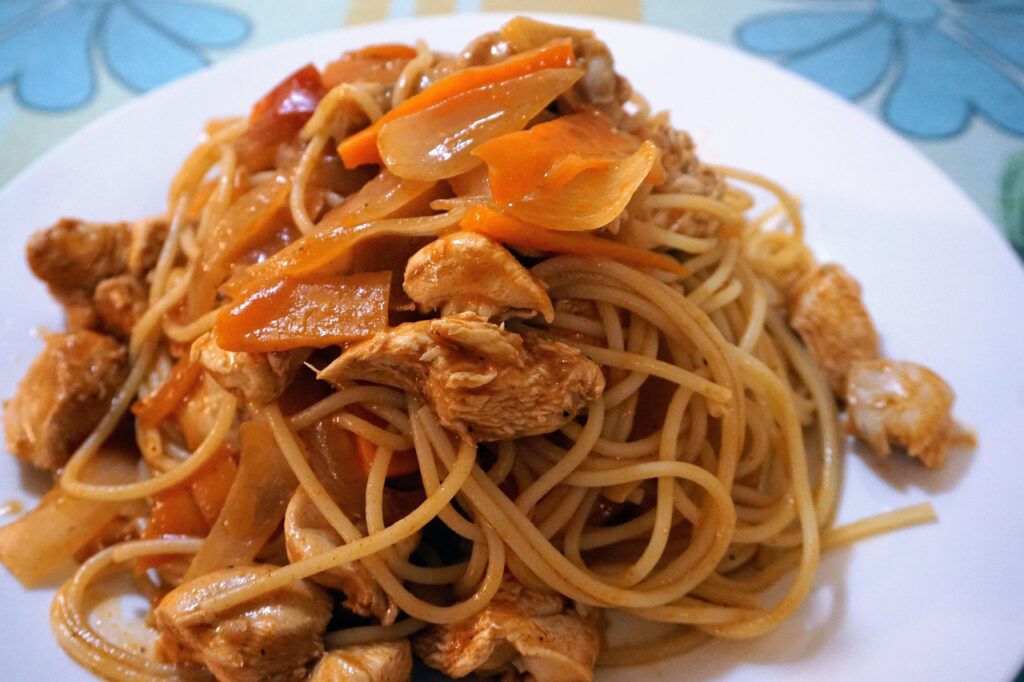
Creamy chicken spaghetti sounds foolproof because it relies on familiar ingredients and comforting flavors. The problem shows up once it leaves the recipe page and enters a real home kitchen. This dish depends on precise moisture balance. Overcooked pasta absorbs sauce aggressively, turning creamy into gluey within minutes. Many home cooks also use pre-shredded cheese, which contains anti-caking agents that prevent smooth melting and create grainy texture. Canned soups or cream sauces thicken quickly when baked, especially in smaller ovens that run hotter than expected. Reheating compounds the issue as starch continues to swell.
2. Sheet-Pan Steak and Veggies
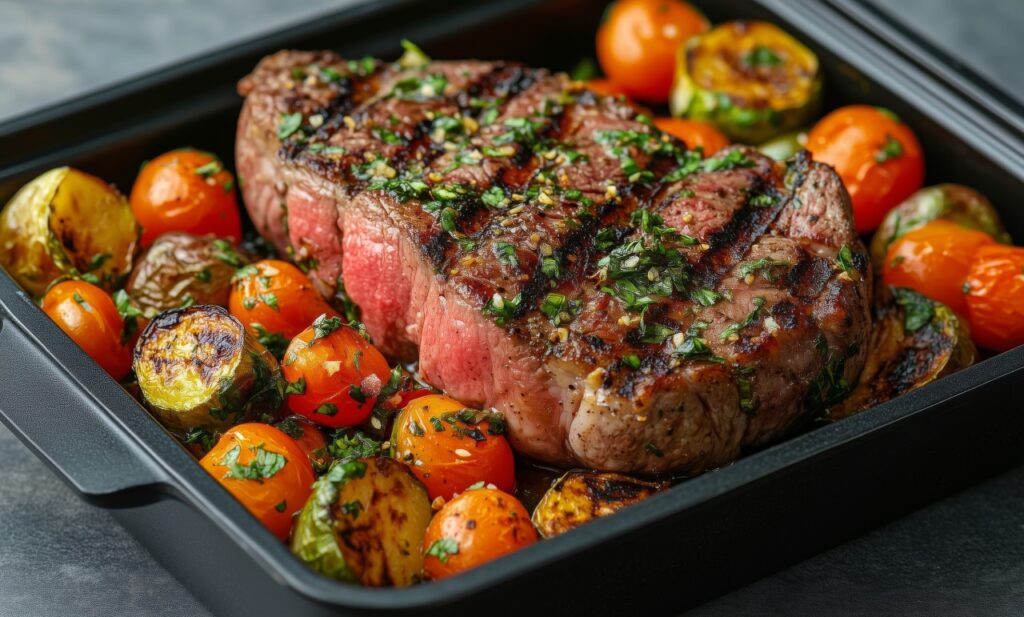
Sheet-pan steak dinners promise simplicity, but the physics work against most home cooks. Steak needs high, direct heat and space to sear properly. Vegetables release moisture as they cook. When everything is crowded onto one pan, steam builds instead of browning occurring. Home ovens rarely get hot enough to compensate. The result is gray steak with limp vegetables rather than caramelization. Many cooks also slice steak too thin, causing it to overcook before any crust forms. The appeal lies in minimal cleanup, but the compromise is flavor and texture. This dish fails because it asks one pan to perform two opposing cooking jobs at the same time.
3. Chicken Fried Steak
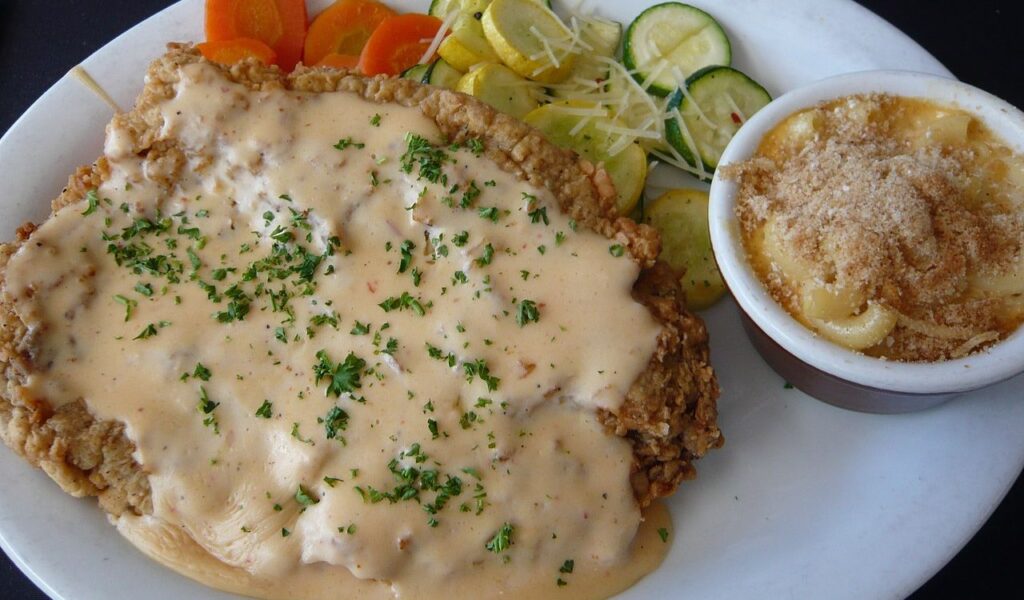
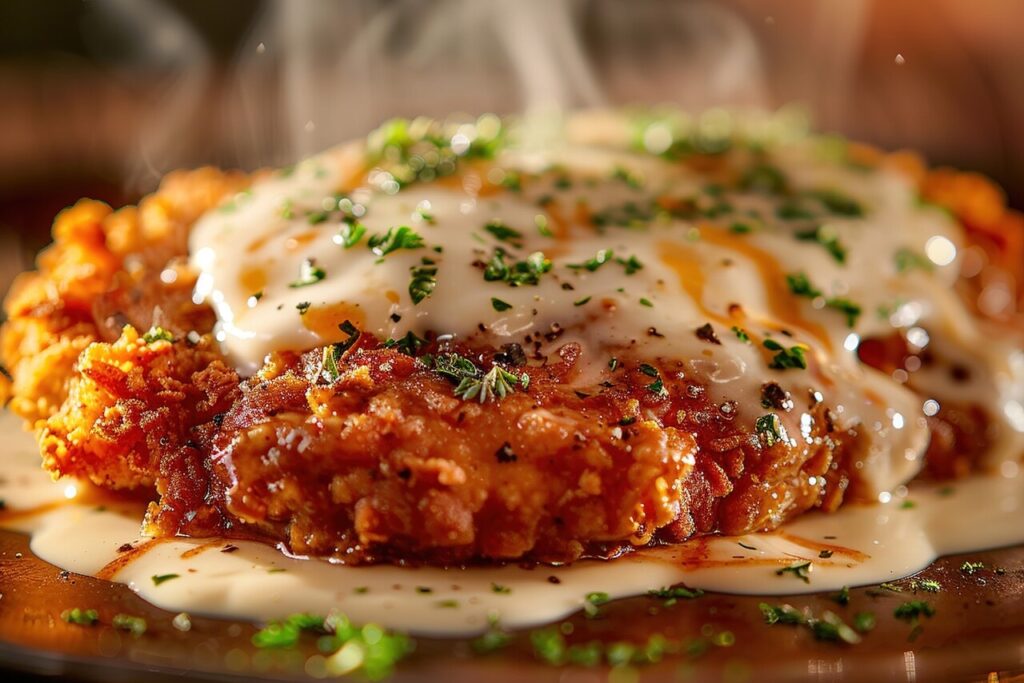
Chicken fried steak looks approachable but demands tight control. Oil temperature is the biggest challenge. Too cool and the breading absorbs grease. Too hot, and the coating burns before the meat cooks. Many home cooks also skip resting the breaded steak, causing the coating to slide off during frying. Pan size matters as well. Crowding drops oil temperature instantly. Gravy adds another layer of difficulty, as flour-based sauces scorch quickly if rushed. The result is often greasy, uneven, and far removed from the crisp comfort people expect. Restaurants succeed because they control heat and timing precisely, something home kitchens struggle to replicate consistently.
4. Beef Stroganoff
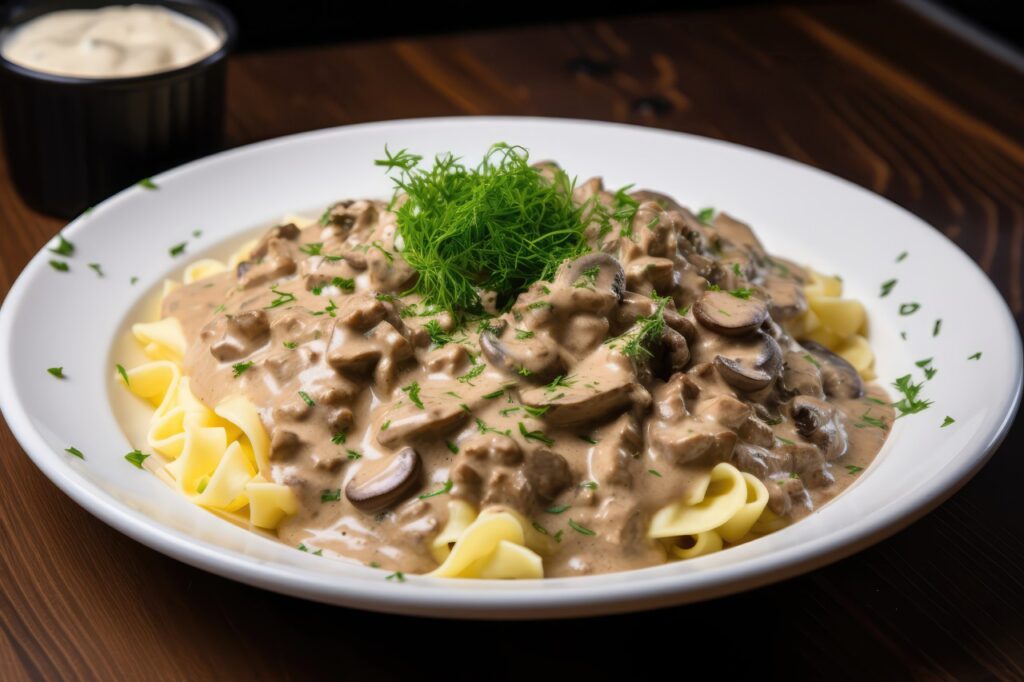
Beef stroganoff fails quietly. It rarely looks disastrous, but the texture tells the story. Cream-based sauces are sensitive to heat. When boiled or rushed, they separate into grainy fat and liquid. Home cooks often use lean beef cuts that dry out quickly instead of traditional tender cuts. Mushrooms release water, thinning sauce unexpectedly. Sour cream curdles if added too early or too hot. The dish requires patience and gentle heat, which clashes with weeknight cooking habits. What should feel silky and comforting ends up flat or broken. Stroganoff exposes how forgiving a recipe looks compared to how precise it actually is.
5. Baked Ziti-Style Casseroles
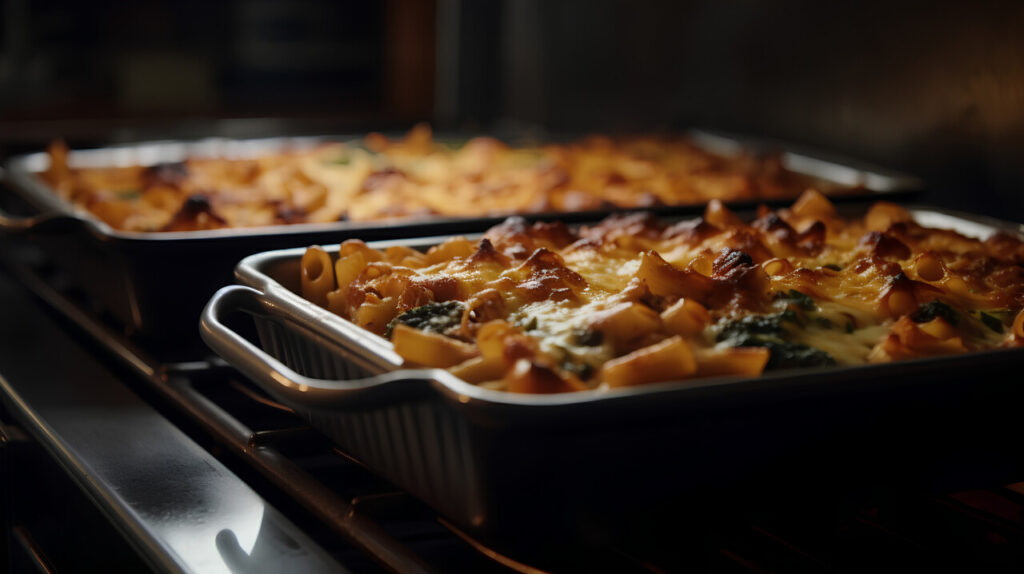
Baked ziti casseroles promise ease and abundance, but excess is their downfall. Too much sauce traps steam. Too much cheese prevents evaporation. Pasta continues absorbing liquid during baking, collapsing layers into one soft mass. Many home ovens bake unevenly, causing edges to dry while the center stays wet. Store-bought sauces vary in thickness, which recipes rarely account for. The result is often soupy or heavy instead of structured. These casseroles work best with restraint, but recipes often encourage piling everything on, leading to disappointing texture once served. What looks generous in the dish often turns into a texture problem on the plate.
6. Shrimp Alfredo
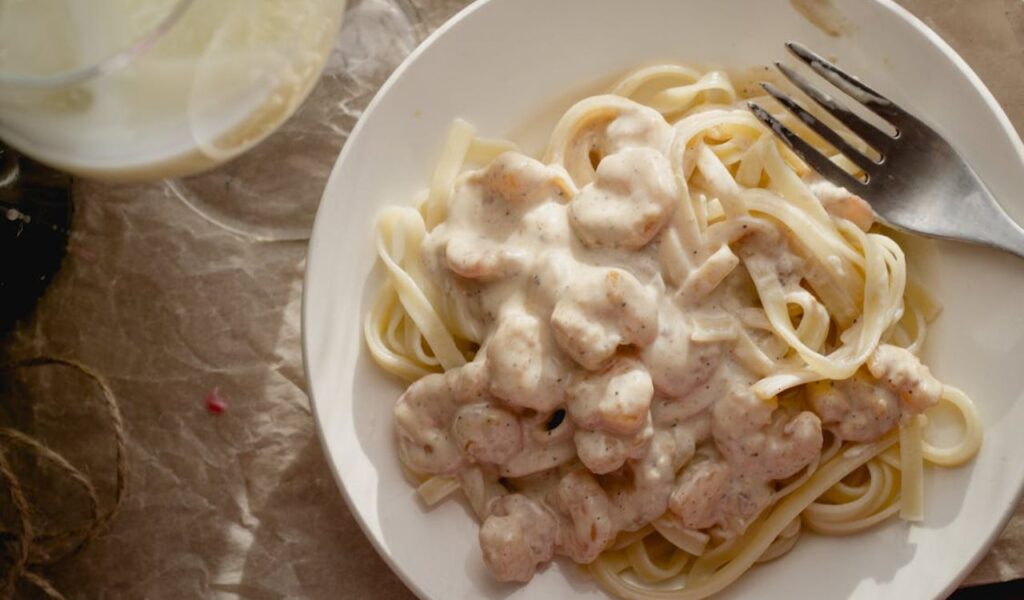
Shrimp Alfredo fails because shrimp and cream operate on different timelines. Shrimp cook in minutes. Alfredo sauce thickens rapidly and breaks if overheated. Home cooks often focus on the sauce and forget the shrimp, which overcook and turn rubbery. Using pre-cooked shrimp makes things worse, as they dry out immediately. Cheese added too quickly causes clumping. Pasta water ratios matter but are often ignored. The margin for error is small. Restaurants succeed because everything is timed to the second. At home, multitasking turns this dish from indulgent to frustrating fast. Even slight delays can throw off the balance completely.
7. Pot Roast with Vegetables
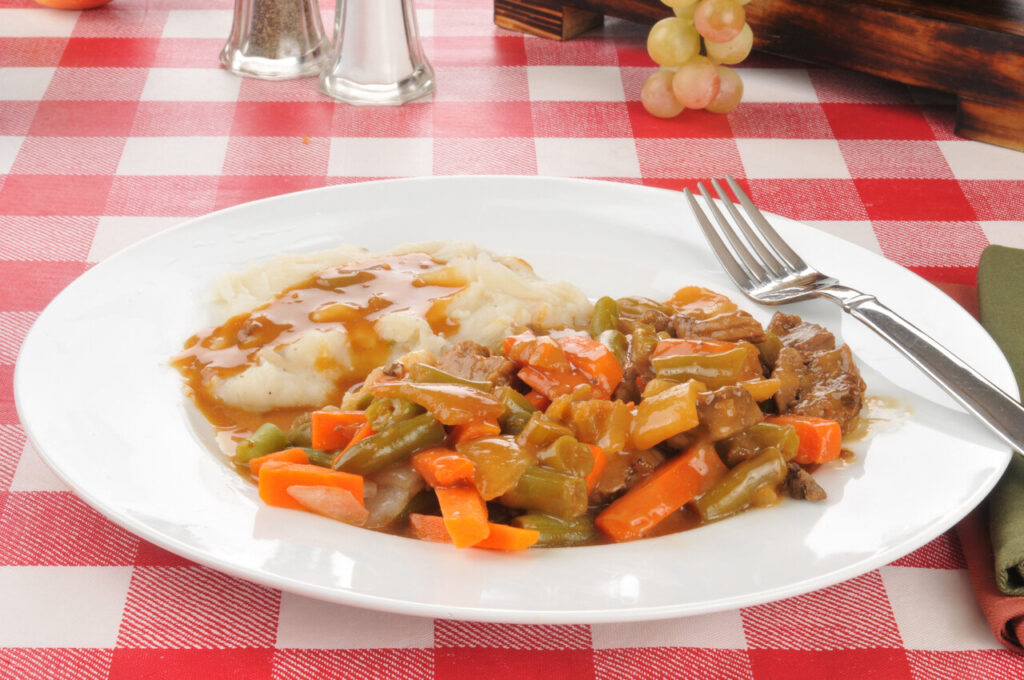
Pot roast struggles because modern kitchens and cuts differ from the past. Many recipes assume long, slow cooking with fatty cuts that are no longer common. Leaner roasts dry out quickly. Home cooks often shorten cook times, preventing connective tissue from breaking down. Vegetables overcook or undercook depending on placement. Seasoning gets diluted by added liquid. The result is meat that tastes bland or stringy instead of rich. Pot roast looks forgiving, but requires patience, proper cut selection, and timing that many busy kitchens cannot maintain. Small shortcuts often lead to big texture losses.
8. Chicken Pot Pie
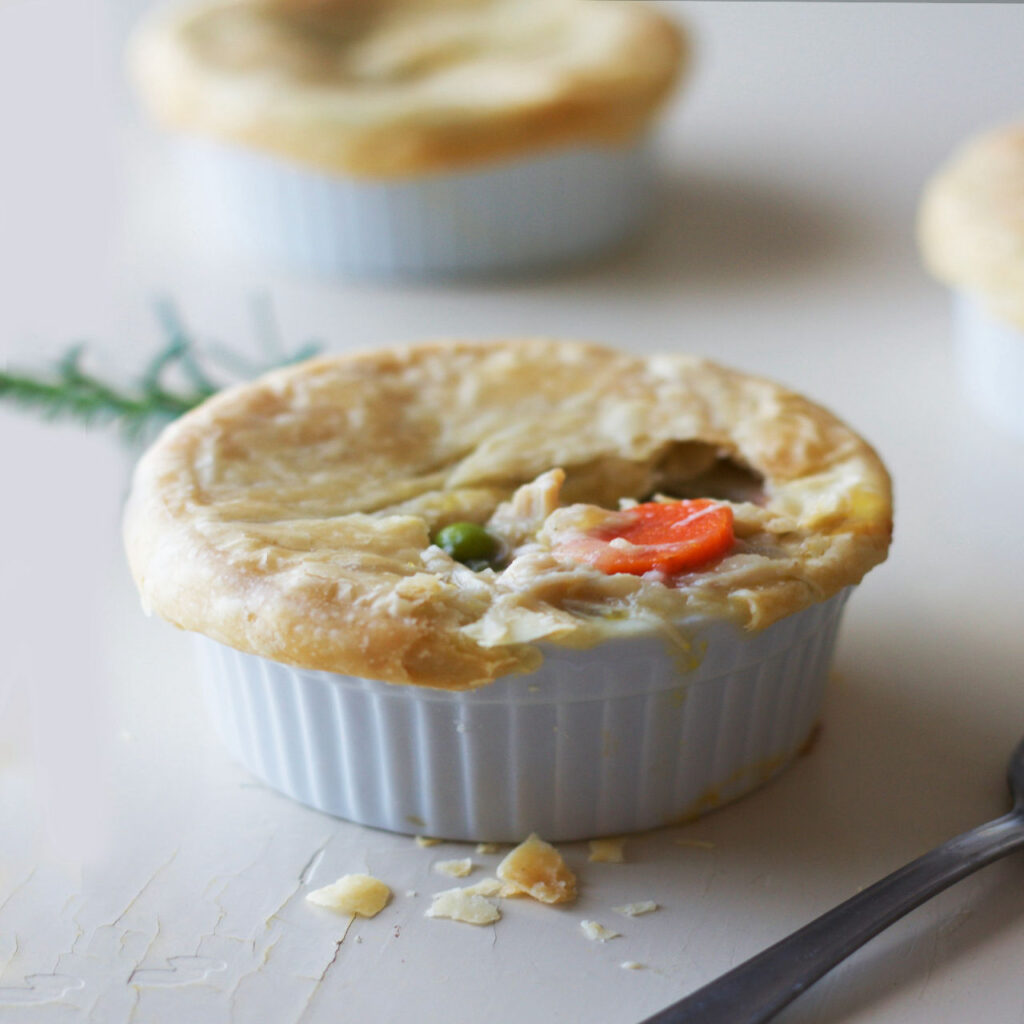
Chicken pot pie fails at the crust. Store-bought crusts struggle under heavy, wet fillings. Steam trapped beneath the crust creates sogginess, especially on the bottom. Many fillings are too loose, preventing proper setting. Home ovens also struggle with even heat, leaving pale crusts and bubbling centers. Pre-cooked chicken dries out during baking. The dish looks cozy but punishes shortcuts. Restaurants avoid this by par-baking crusts and tightly controlling moisture, steps rarely taken at home. The filling-to-crust balance is harder to manage than most recipes admit. Even small miscalculations in liquid can undermine the entire structure of the pie.
9. Breakfast-for-Dinner Hashes
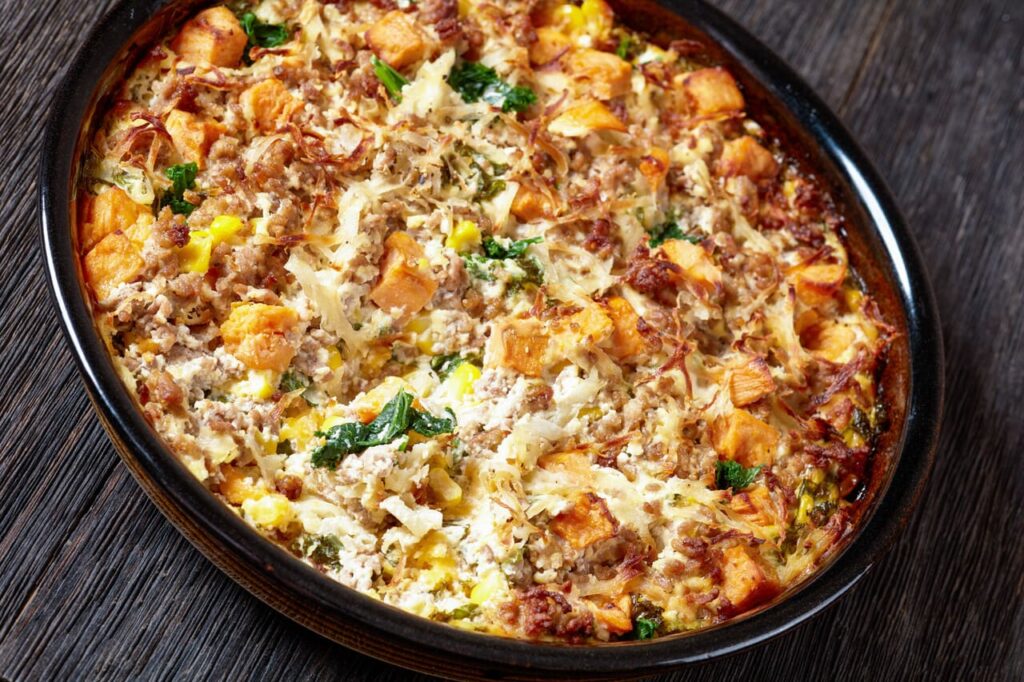
Hashes fail because crisping requires space and patience. Potatoes release moisture as they cook, which prevents browning if the pan is crowded. Home cooks stir too often, breaking crust formation. Using nonstick pans reduces heat retention. Added ingredients like onions and peppers add more moisture. Eggs overcook while potatoes lag behind. What should be crisp and hearty becomes soft and oily. Hashes succeed when cooked in stages, but many recipes suggest combining everything at once, setting cooks up for disappointment. Rushing the process almost guarantees soggy results. Without proper pan heat and restraint, the dish never develops the crust that defines a good hash.
10. Tex-Mex Enchilada Bakes
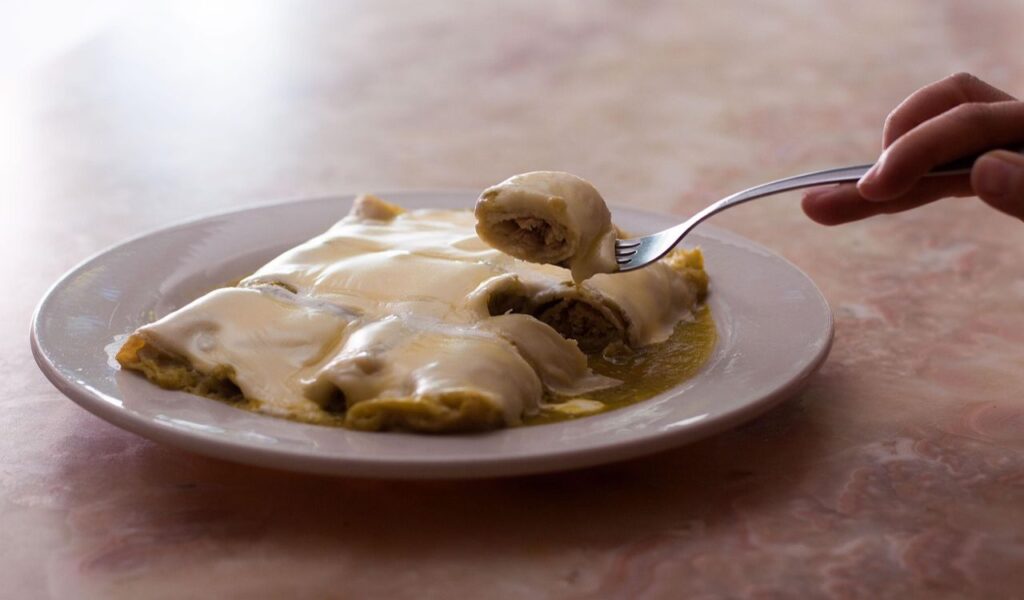
Enchilada bakes collapse because tortillas absorb liquid rapidly. Sauces soak in, turning layers mushy. Corn tortillas break down, while flour tortillas become gummy. Cheese traps moisture instead of releasing it. Baking time compounds the issue. What looks layered becomes uniform sludge. Traditional enchiladas work because tortillas are briefly fried to create a barrier. Bakes skip this step for convenience, sacrificing structure. The result is flavorful but texturally disappointing, which is why this dish so often fails expectations at home. The shortcut saves time but removes what makes enchiladas work.