9 Restaurant Menu Items That Quietly Disappeared After the Pandemic

Restaurant menus once felt permanent, like comfort you could count on. Then the pandemic quietly rewrote the rules. Staffing shortages, rising food costs, supply chain chaos, and shifting customer habits forced restaurants to make tough choices. Some cuts were obvious, but others slipped away without announcements or apologies. These weren’t failed items. They were popular, familiar, and often beloved. But behind the scenes, they slowed kitchens, strained budgets, or no longer fit a leaner industry built on efficiency. What disappeared tells a deeper story about how dining changed and why many menus will never look the same again.
1. All-Day Breakfast
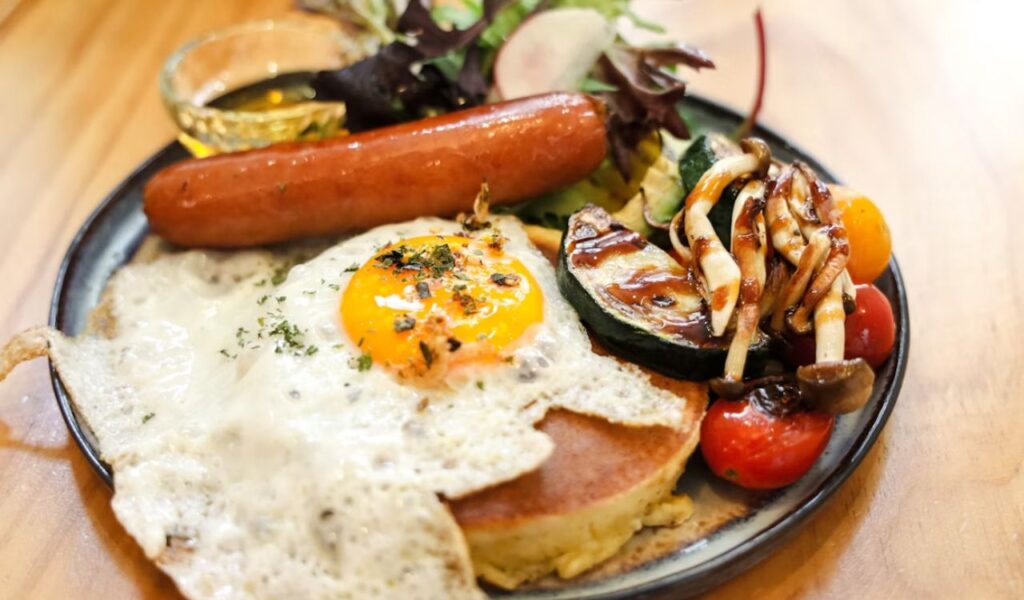
All-day breakfast disappeared not because people stopped craving pancakes at noon, but because kitchens could no longer afford the complexity. Breakfast items require separate equipment, ingredients, and prep rhythms that clash with lunch and dinner service. During the pandemic, restaurants trimmed menus to survive staffing shortages and supply disruptions. When breakfast was limited to morning hours, many operators realized speed improved and waste dropped. Chains like McDonald’s found that all-day breakfast slowed ticket times and stressed already thin crews. Eggs, griddles, and breakfast meats also became more expensive and volatile in price.
2. Salad Bars
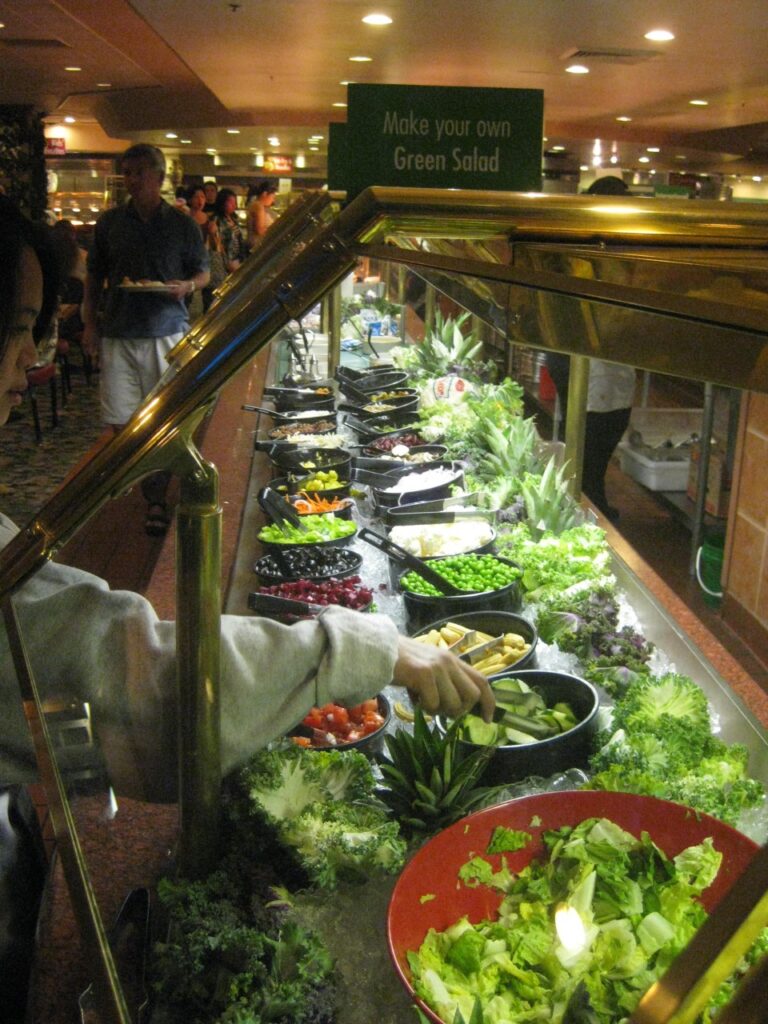
Salad bars did not disappear because people stopped wanting fresh vegetables. They vanished because they are expensive, labor-heavy, and risky in a post-pandemic world. Self-serve stations require constant cleaning, monitoring, and refilling, which becomes harder with reduced staff. Food waste was another issue, as untouched ingredients had to be discarded frequently. Even after health concerns eased, the economics no longer worked. Casual dining chains and supermarkets realizedthat pre-portioned salads offered better cost control and fewer safety worries. Customers also grew accustomed to grab-and-go convenience.
3. Late-Night Menus
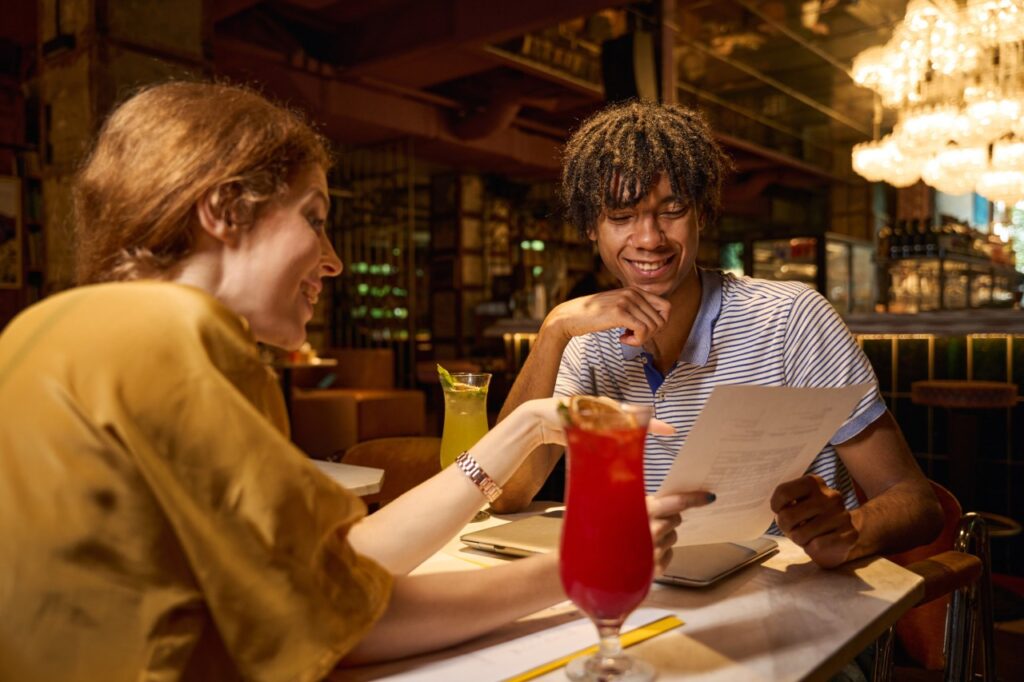
Late-night dining used to thrive on impulse crowds, shift workers, and social spillover. When lockdowns forced reduced hours, many restaurants discovered that those late shifts barely broke even. Staffing overnight requires higher wages, added security, and lower volume tolerance. Once shortened hours became routine, customer habits changed, too. Chains like IHOP scaled back overnight menus and found demand never fully returned. Delivery apps also shifted late-night eating toward fast food rather than sit-down dining. What once felt like a cultural staple slowly faded because the numbers no longer justified keeping lights on after midnight.
4. Table-Side Preparations
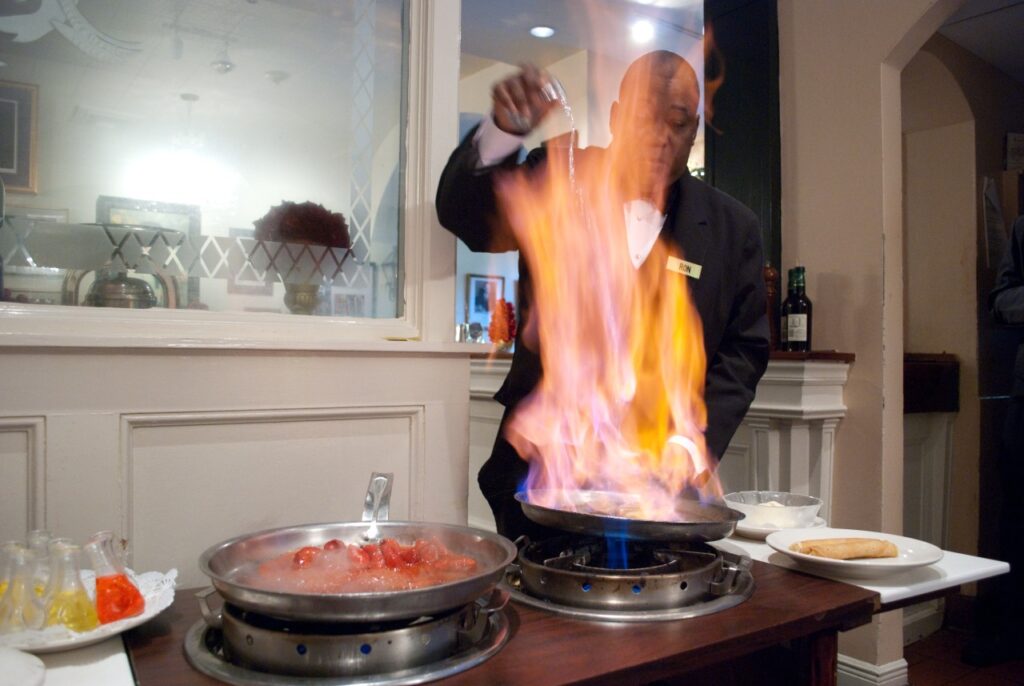
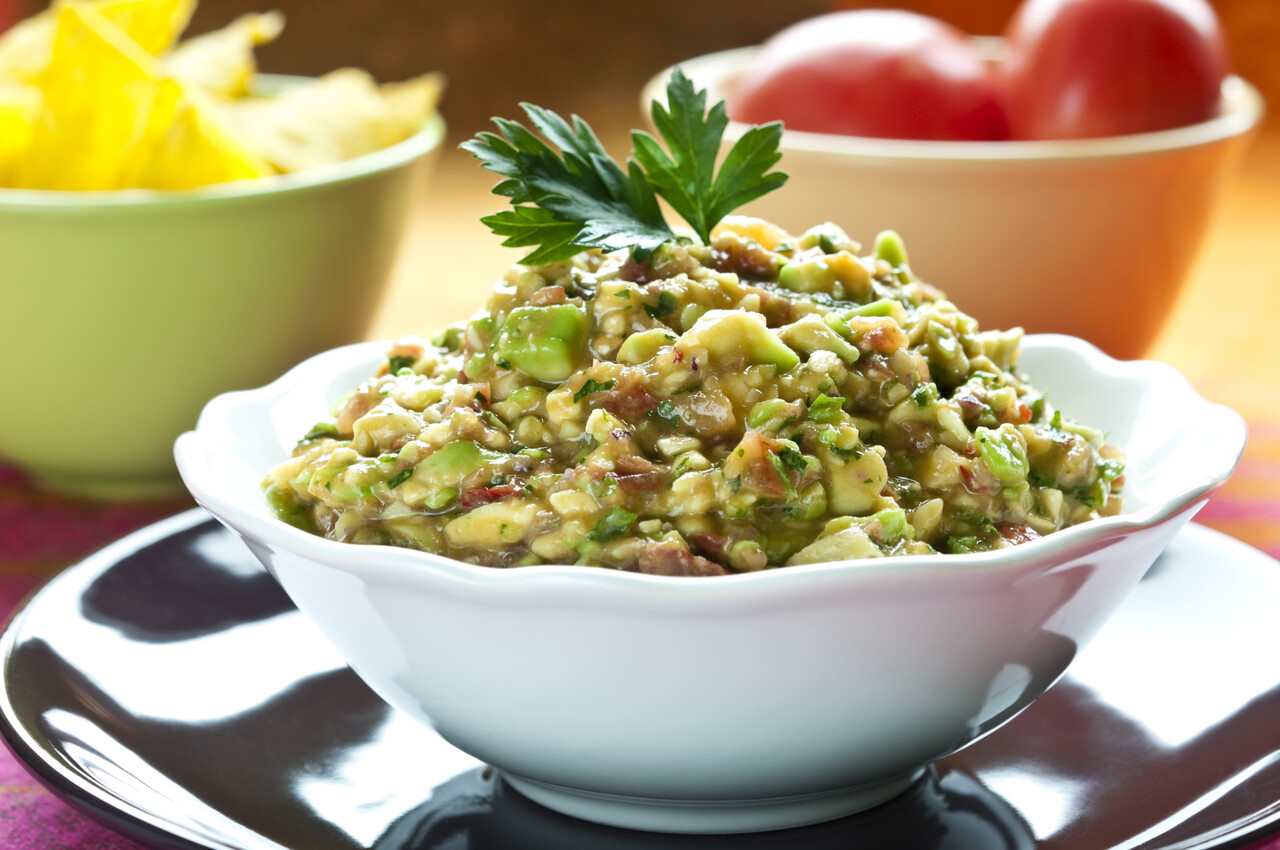
Table-side service was designed to feel special, but it relies heavily on skilled labor and extra time. During the pandemic, restaurants eliminated anything that slowed service or increased staff movement between tables. Mixing salads, preparing guacamole, or flambéing desserts became impractical under distancing rules. Even after restrictions lifted, the labor shortage made these rituals difficult to revive. Restaurants such as Olive Garden leaned into standardized kitchen prep to keep service consistent. Guests adapted quickly, valuing reliability over performance. Table-side flair quietly exited as efficiency became the new luxury.
5. Build-Your-Own Options
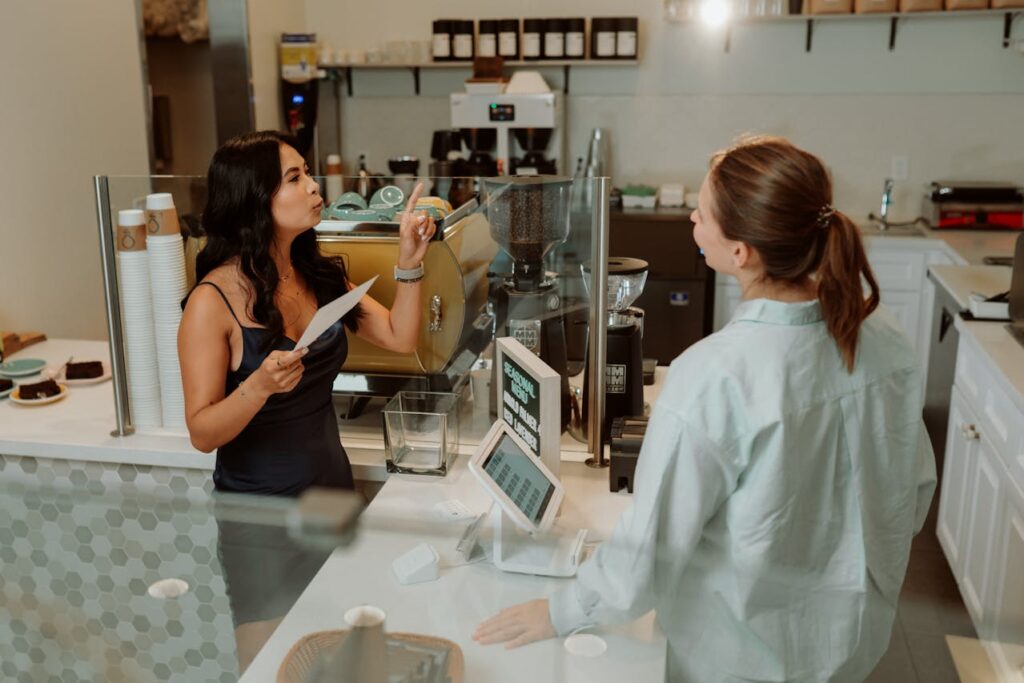
Customization sounds customer-friendly, but it complicates inventory and slows kitchens. During the pandemic surge in takeout and delivery, restaurants needed speed and accuracy above all else. Build-your-own bowls, sandwiches, and pastas created bottlenecks and increased ingredient waste. Chains like Subway reduced options to streamline ordering and reduce errors. Fewer choices meant faster service and better cost control. Customers also experienced decision fatigue during stressful times, making simpler menus feel easier and more comforting. Once pared down, many restaurants never saw a strong reason to expand again.
6. Unlimited Refills Beyond Drinks
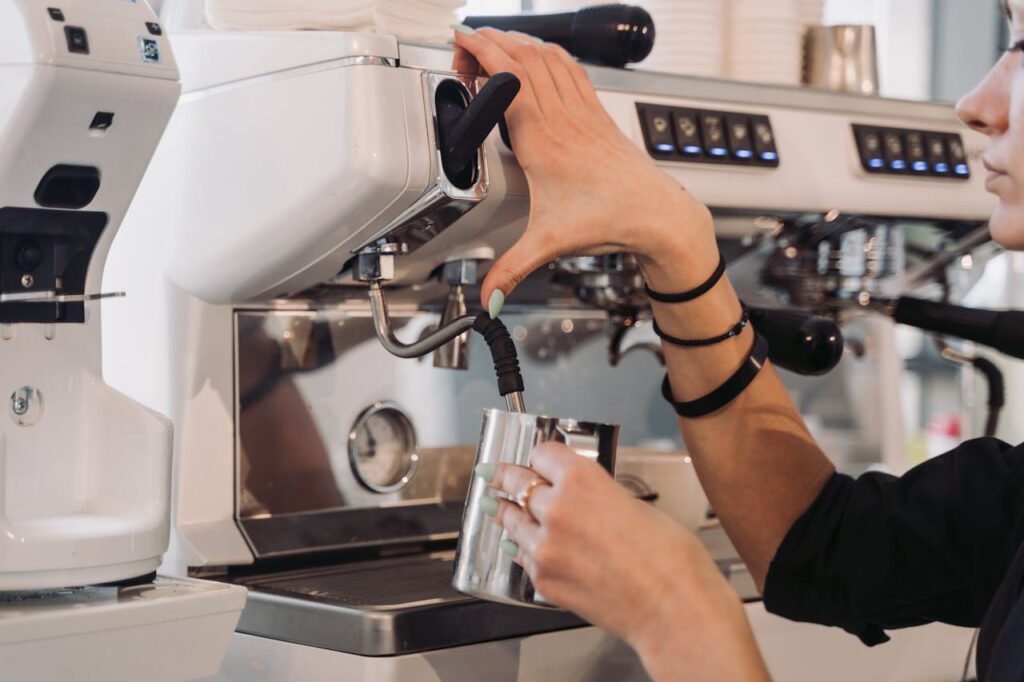
Unlimited food promotions were already expensive before 2020, but rising food costs pushed them over the edge. Items like soup, bread, and sides rely on high margins and predictable portion sizes. Supply chain disruptions made those assumptions unreliable. Restaurants quietly added limits or redefined what unlimited meant, even abundance-focused brands like Cheesecake Factory adjusted policies to protect margins. Customers rarely noticed because changes happened gradually. What disappeared was not generosity, but a pricing model that no longer matched real-world costs. Many restaurants also found that limiting refills reduced waste and improved consistency across locations.
7. Specialty Coffee Flights
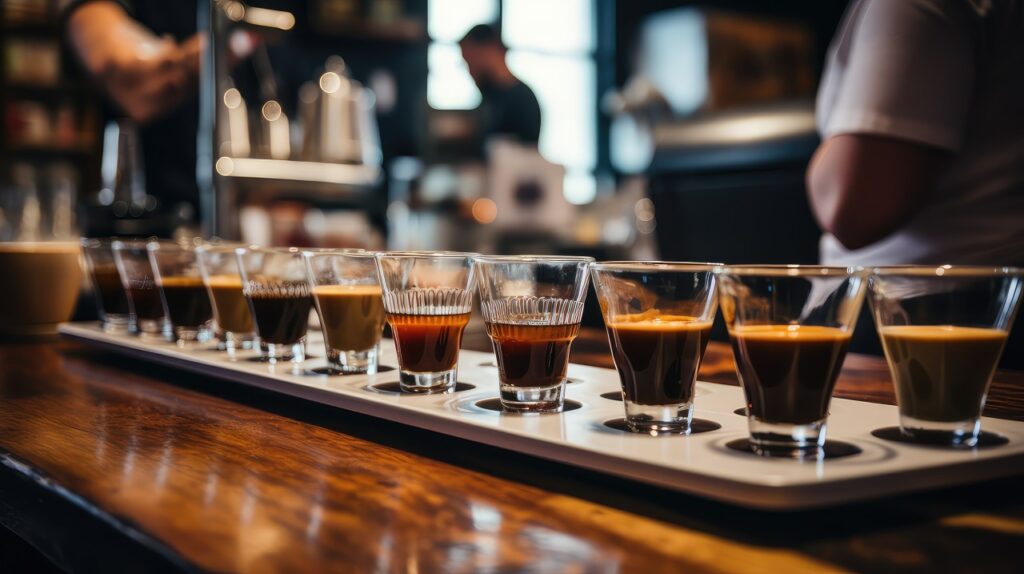
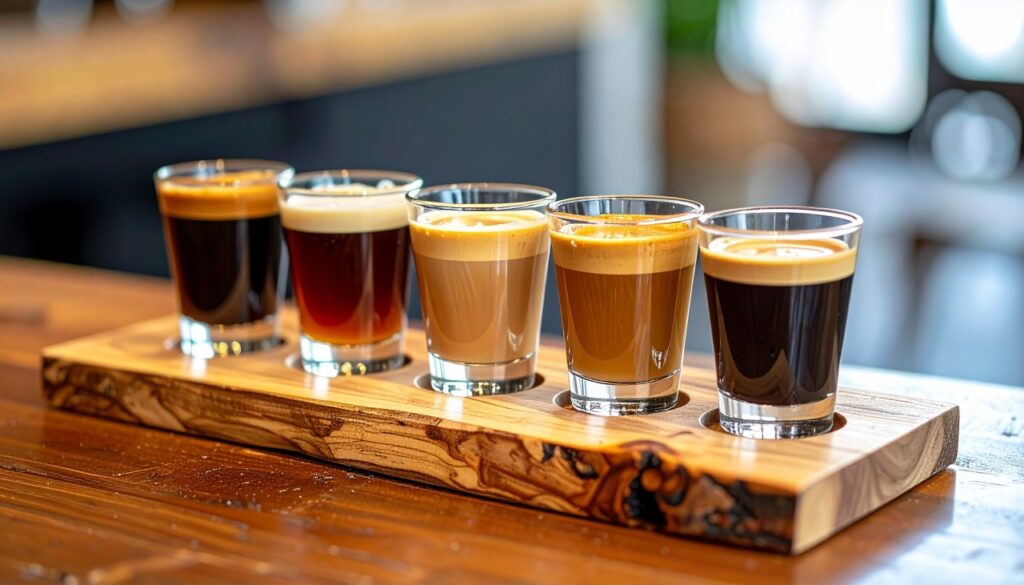
Coffee flights once signaled creativity and exploration, but they required time, explanation, and extra barista labor. During the pandemic, cafés prioritized speed and consistency to manage long lines and mobile orders. Complex tastings slowed service and confused digital menus. Even major players like Starbucks shifted focus toward core drinks that could be produced quickly at scale. Customers followed suit, favoring familiar comfort over experimentation. The disappearance of coffee flights reflects a broader shift toward efficiency in café culture. Smaller cafés also struggled to justify the cost of offering multiple beans for a single order.
8. In-House Baked Desserts

Freshly baked desserts created warmth and aroma, but they demanded skilled labor and dedicated prep time. As baker positions disappeared, many chains moved dessert production off-site. Centralized baking ensured consistency and reduced staffing needs. Brands such as Pizza Hut transitioned to frozen or pre-made desserts that could be finished quickly. Most guests noticed little difference, especially when dining shifted toward takeout. The romance of in-house baking faded quietly, replaced by operational reliability. Standardized desserts also made portion control and nutritional labeling easier to manage.
9. Large Printed Menus
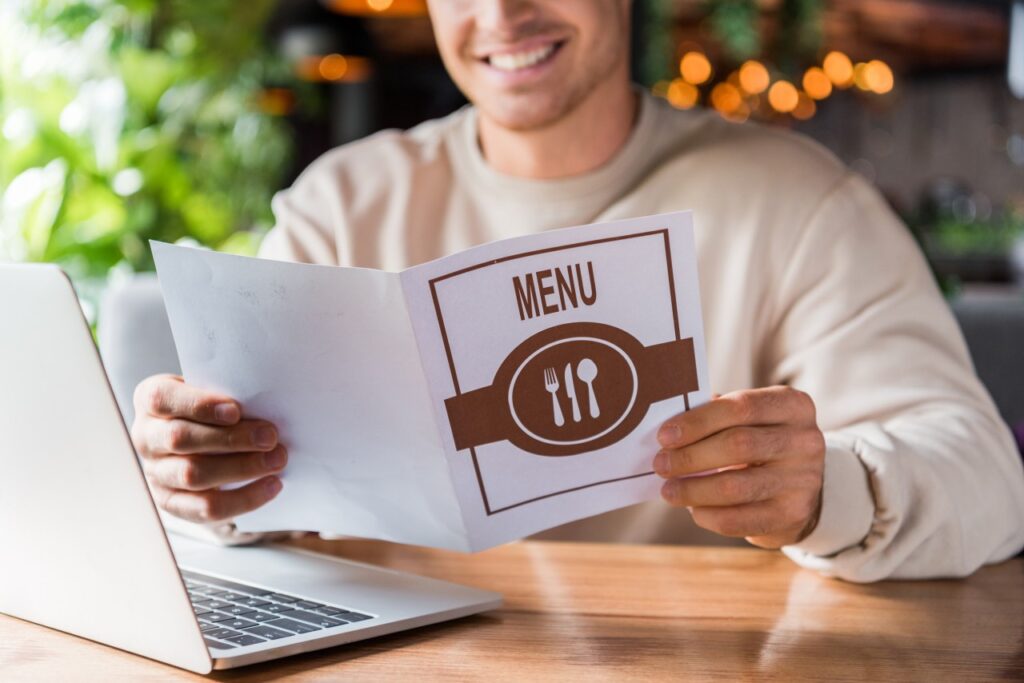
Oversized printed menus were casualties of both cost and flexibility. Frequent menu changes during supply shortages made reprinting expensive and wasteful. QR codes allowed restaurants to update items instantly and reduce physical contact. Chains like Taco Bell also used smaller menus to speed ordering and highlight profitable items. Customers adapted quickly, even if reluctantly at first. What disappeared was not just paper, but an era of sprawling choices that no longer aligned with streamlined operations. Digital menus also gave restaurants more control over pricing in response to daily cost changes.