10 Kitchen Skills Younger Home Cooks Rarely Learn Anymore

Modern home cooking looks very different from the way it did even a generation ago. Convenience foods, delivery apps, smart appliances, and endless online recipes have made it easier than ever to put food on the table, but they have also quietly reshaped what people actually learn in the kitchen. Many younger home cooks are skilled at assembling meals quickly, yet they often miss foundational techniques that once formed the backbone of everyday cooking. These skills were not taught in formal classes. They were absorbed through repetition, observation, and necessity. As time pressures grew and food systems changed, those lessons faded.
1. Breaking Down Whole Chickens
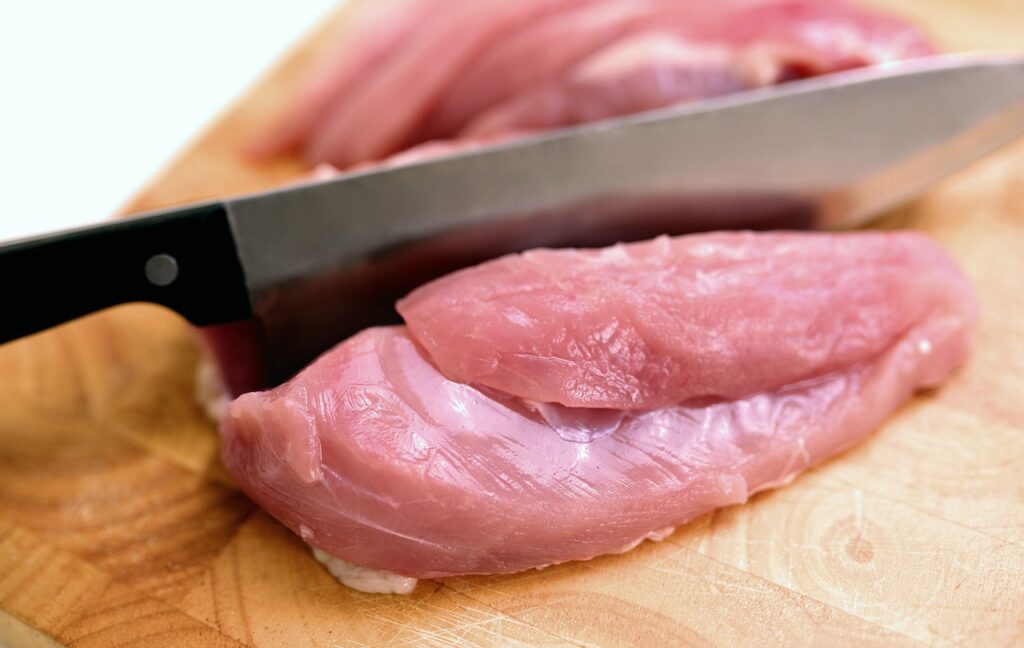
Buying a whole chicken used to be a basic kitchen skill because it saved money and stretched meals. Today, most home cooks reach for neatly trimmed parts without realizing how much control they give up. Learning to break down a chicken teaches anatomy, knife confidence, and portioning. One bird can become breasts for dinner, thighs for braising, wings for snacks, and a carcass for stock. Pre-cut poultry costs significantly more per pound and limits flexibility. Whole chickens also tend to be fresher because they are handled less at processing plants. This skill faded as supermarkets leaned into convenience and time-starved households avoided raw prep.
2. Making Stock From Scratch
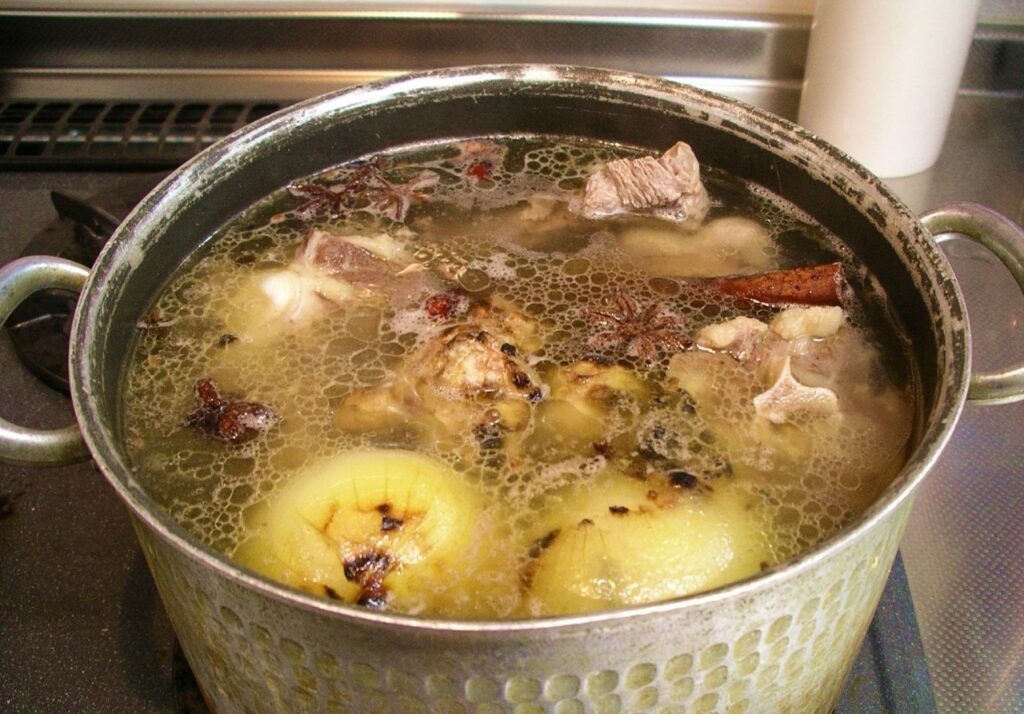
Homemade stock was once the quiet backbone of everyday cooking. It turned scraps into flavor and reduced waste long before sustainability became a buzzword. Younger cooks often skip it because boxed broth is fast and labeled as ready to use. What gets lost is depth. Real stock extracts gelatin from bones and connective tissue, giving soups and sauces body that cartons rarely match. It also allows control over salt, aromatics, and richness. Stock-making teaches patience and heat management, since boiling clouds flavor while gentle simmering clarifies it. As freezer space shrank and schedules tightened, the habit faded.
3. Cooking Without a Recipe
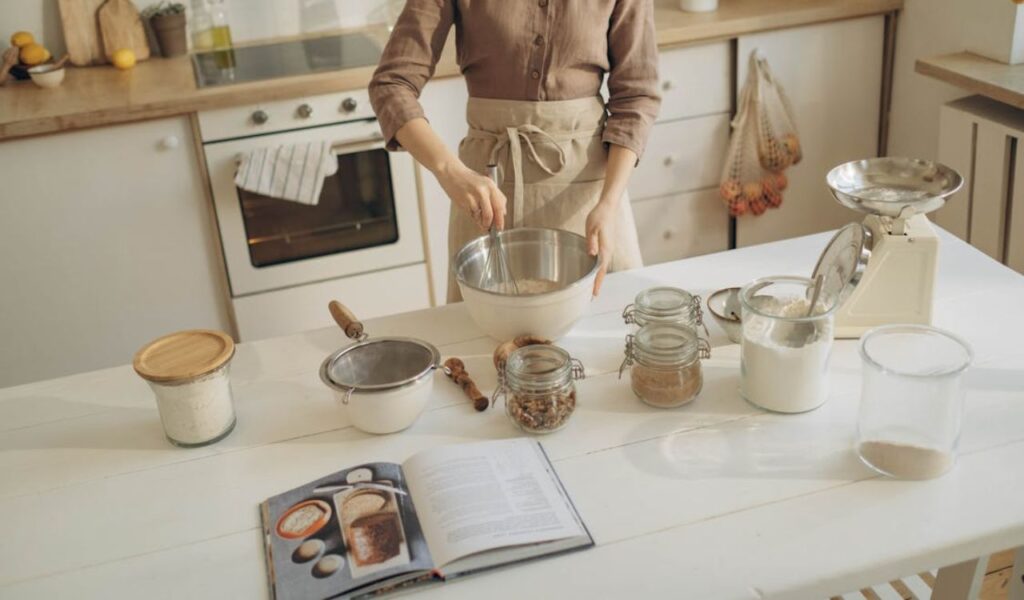
Following recipes step by step feels safe, but it limits growth. Cooking without a recipe builds intuition through tasting, adjusting, and responding to what is happening in the pan. Older generations learned by watching and correcting in real time, not by measuring every teaspoon. This skill teaches balance between salt, acid, fat, and heat. It also reduces stress when ingredients are missing or substitutions are needed. Younger cooks raised on food blogs and apps often fear mistakes, but mistakes are how judgment forms. Learning to cook without strict instructions encourages confidence and adaptability. Over time, dishes become personal rather than copied.
4. Proper Knife Skills
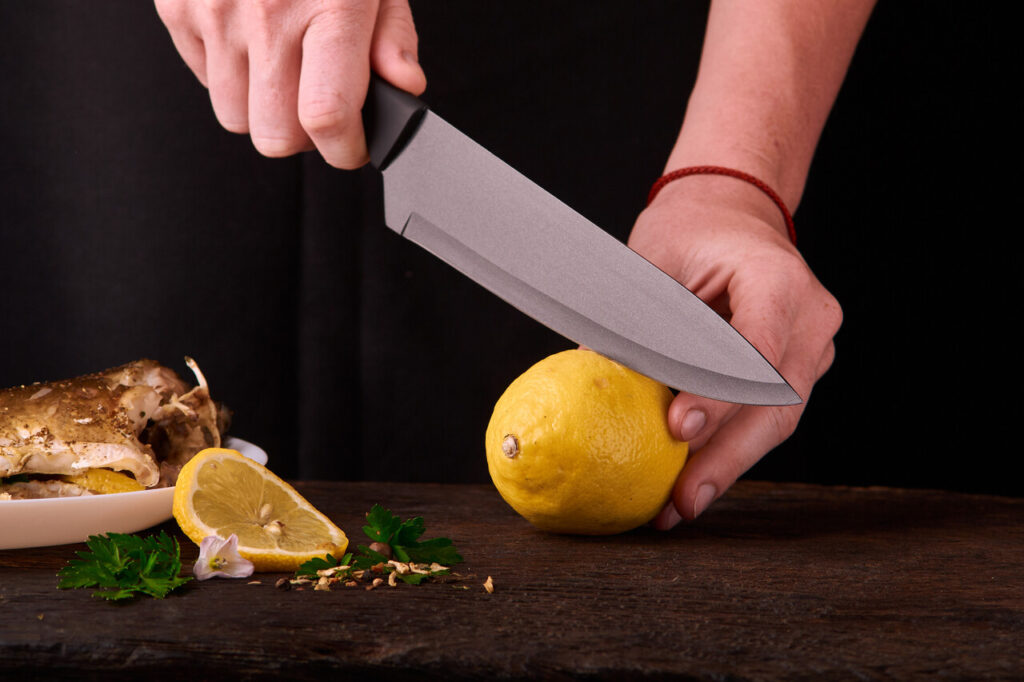
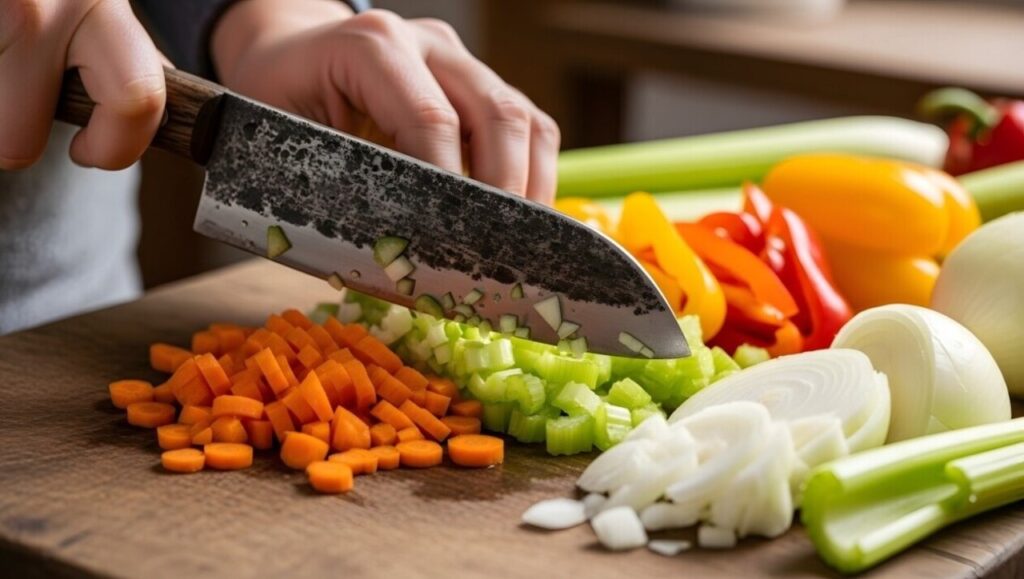
Knife skills are not about speed or flash, but about efficiency and safety. Knowing how to grip a knife, stabilize food, and cut consistently reduces fatigue and accidents. Pre-cut produce and appliances have replaced practice, leaving many cooks with dull blades and awkward technique. Good knife skills improve cooking because evenly cut food cooks evenly. They also save time in the long run and make prep less frustrating. Learning basic cuts teaches spatial awareness and respect for tools. This knowledge used to be passed down casually during meal prep. Now it is often skipped entirely. A few fundamentals can transform how comfortable someone feels in the kitchen.
5. Dough Handling by Feel
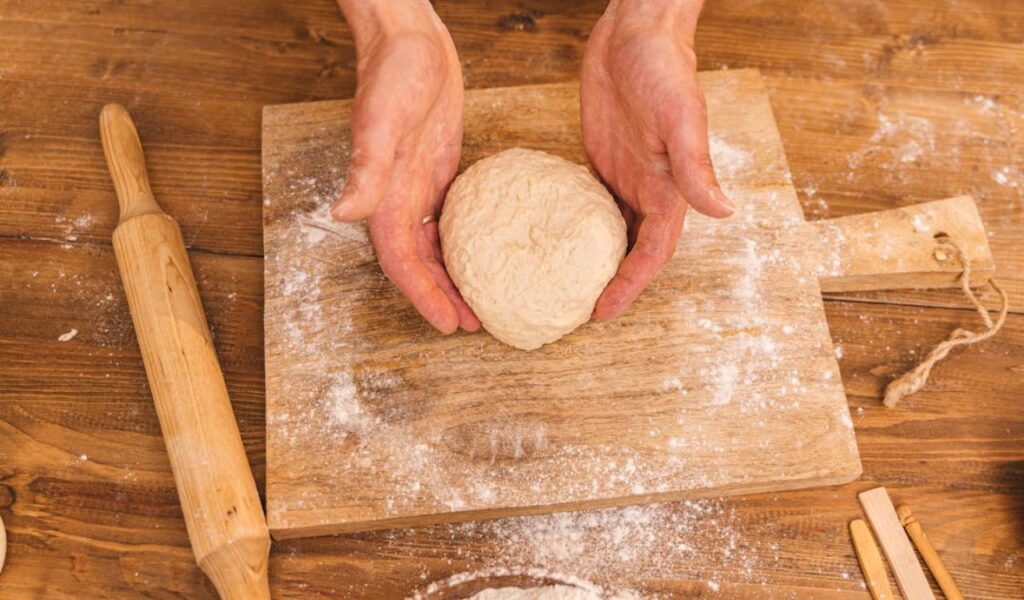
Recipes can list measurements, but dough does not read instructions. Flour absorbs moisture differently depending on humidity, age, and protein content. Handling dough by feel teaches when to add water, when to stop kneading, and when gluten has developed enough. Many younger cooks avoid baking because it feels unforgiving, yet tactile learning makes it predictable. Feeling elasticity, tackiness, and resistance builds trust in judgment. This skill also applies beyond bread, influencing pastry, dumplings, and flatbreads. As stand mixers and no-knead recipes grew popular, hands-on learning declined. Understanding dough texture reconnects cooks to the physical language of baking.
6. Preserving Food at Home
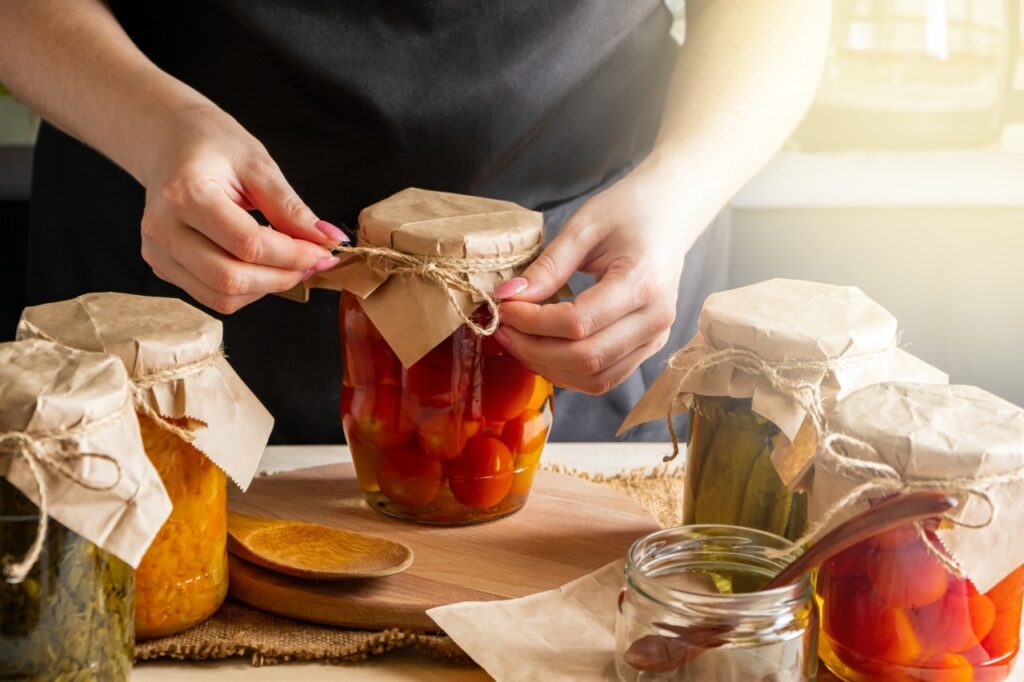
Canning, pickling, and fermenting once extended harvests and protected families against scarcity. Modern refrigeration and constant grocery access pushed these skills aside. Preserving food teaches cleanliness, patience, and an understanding of microbes and acidity. It also deepens respect for seasonal eating and reduces waste. Younger cooks often see preservation as complicated or risky, but many methods are straightforward and safe when done correctly. Pickling vegetables or fermenting cabbage builds flavor while teaching time-based transformation. These techniques offer independence from store prices and packaging.
7. Using Cast Iron Correctly
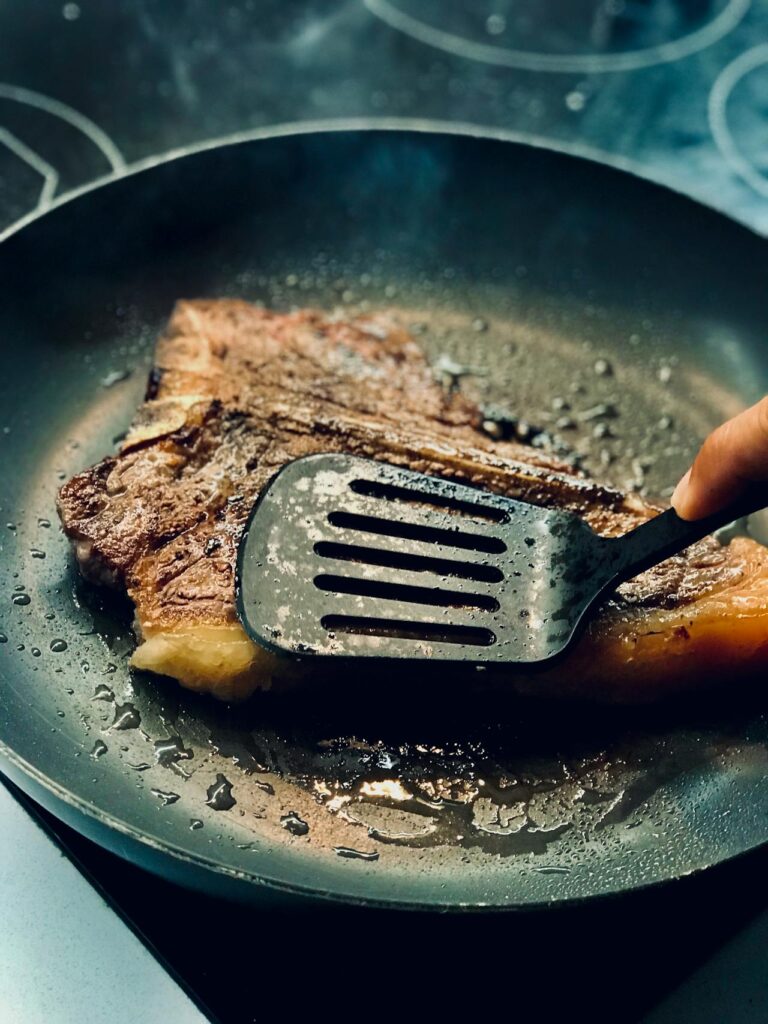
Cast iron intimidates many cooks because it demands care rather than convenience. Learning to season, clean, and heat it properly unlocks unmatched heat retention and durability. Unlike disposable nonstick pans, cast iron improves with use. It teaches temperature control because overheating ruins seasoning and underheating causes sticking. This awareness sharpens cooking instincts across all cookware. As lightweight pans and dishwasher habits took over, cast iron knowledge faded. Yet it excels at searing, baking, and stovetop-to-oven cooking. Mastering it builds confidence and reduces reliance on fragile coatings.
8. Timing Multiple Dishes Together
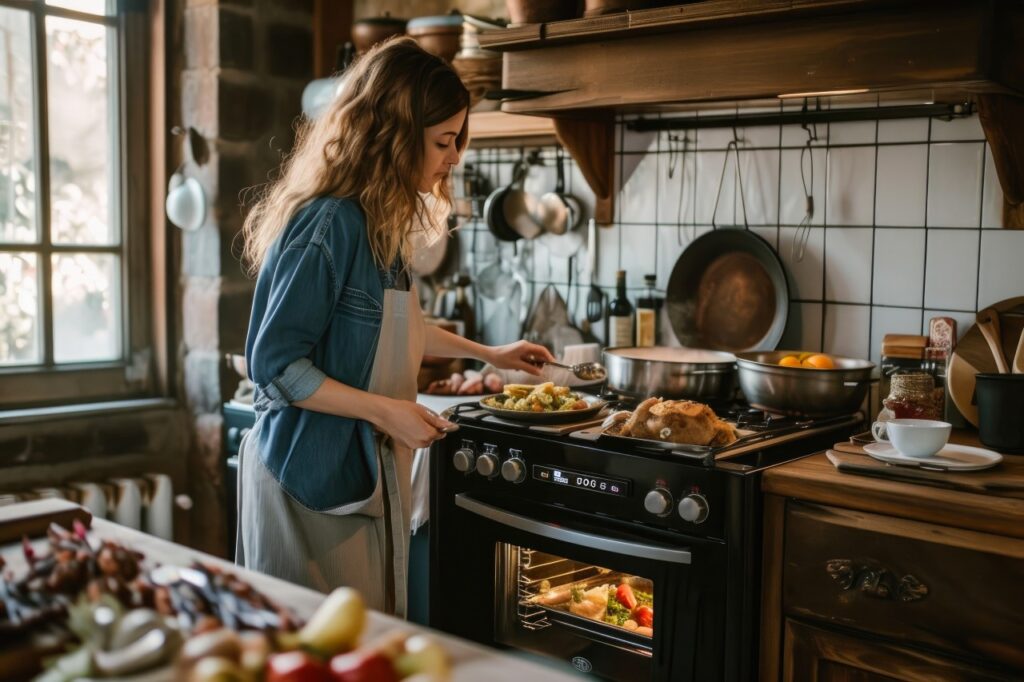
Finishing several dishes at the same time is a skill rooted in planning and awareness. It requires understanding cook times, resting periods, and how heat carries over. Convenience cooking favors single appliances and one-pan meals, so this coordination rarely develops. Learning timing teaches prioritization and flexibility. It also reduces stress when hosting or cooking for others. Knowing when to start rice, when to rest meat, and when to reheat vegetables creates smoother meals. This skill once came from repetition in busy kitchens. Rebuilding it turns cooking from a series of tasks into a cohesive process.
9. Sharpening Knives
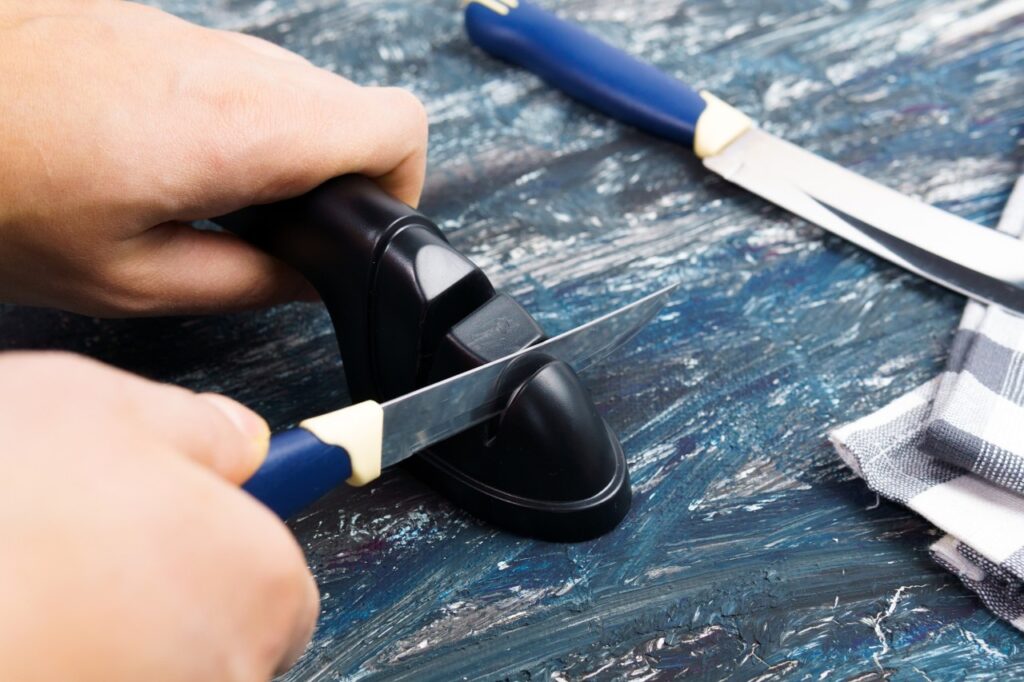
A sharp knife is safer than a dull one, yet many home cooks never learn how to sharpen. They accept slipping cuts and crushed food as normal. Sharpening teaches patience and attention to angle and pressure. It also builds respect for tools and reduces waste by extending their life. Pull-through gadgets offer shortcuts but remove control. Stones and honing rods develop feel and precision. As knives became cheaper and more disposable, sharpening skills declined. Maintaining a blade improves prep speed and accuracy, making cooking more enjoyable rather than frustrating. Over time, properly sharpened knives also preserve ingredient texture, especially with delicate herbs and produce.
10. Reading Heat Instead of the Clock
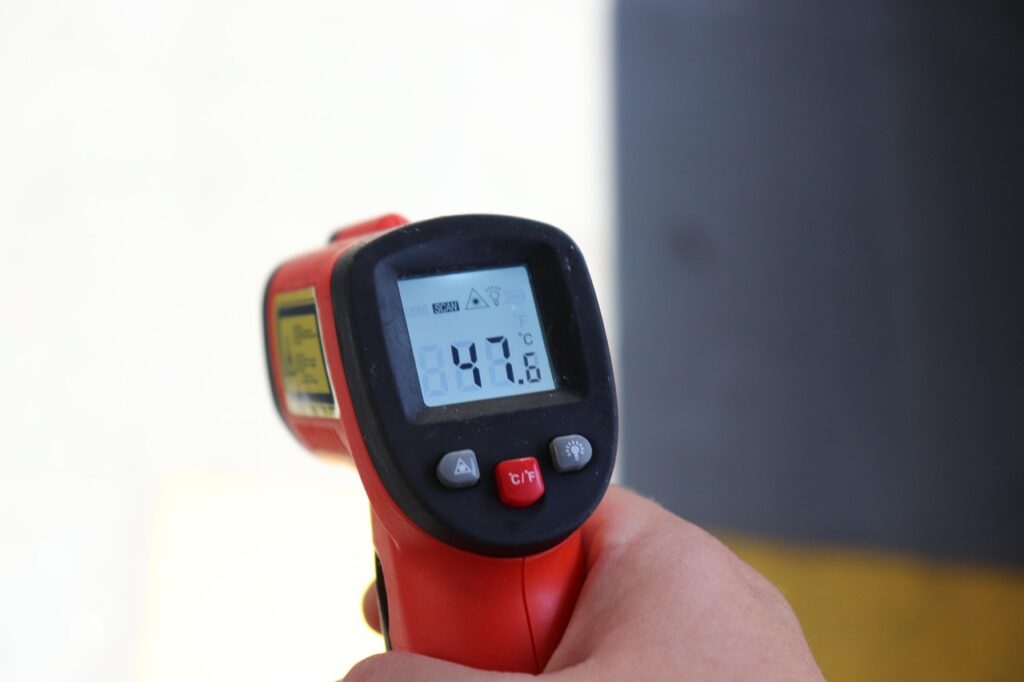
Timers are helpful, but they cannot see or smell food. Reading heat means recognizing visual cues like browning, bubbling, and steam. It also means listening for changes and adjusting flame or pan position. Younger cooks often rely on exact times, leading to overcooked or undercooked results when conditions vary. Learning heat awareness builds adaptability across stoves and cookware. It encourages presence instead of automation. This skill once developed naturally through repetition. Reclaiming it leads to better texture, flavor, and confidence in the kitchen. Understanding heat also prevents burning fats, drying proteins, and uneven cooking across the pan.