How Coffee Shortages Are Impacting Chain Cafes

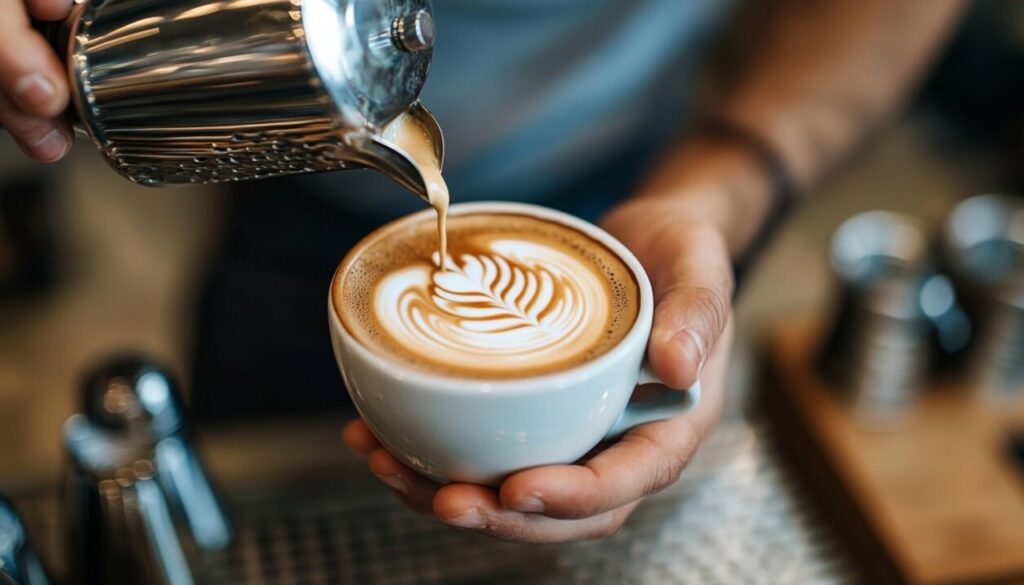
The morning coffee run feels routine, almost automatic. Doors open, espresso machines hum, and familiar logos promise the same flavor you count on every day. The experience is designed to feel steady and dependable, no matter the city or season. Yet behind the counter, a quieter story is unfolding. Global coffee supplies are tightening as climate shifts, uneven harvests, transportation bottlenecks, and rising demand place mounting pressure on production. What seems like a simple cup depends on an agricultural system shaped by weather patterns, labor conditions, export logistics, and trade agreements that must align to keep beans flowing smoothly.
For major café chains, that strain translates into higher green bean costs, renegotiated supplier contracts, and menu adjustments aimed at protecting profitability. Large companies rely on long-term sourcing agreements, but persistent shortages influence pricing and purchasing strategies. Increases rarely appear overnight; instead, they surface gradually through seasonal revisions or subtle price updates. As supply constraints ripple through roasting facilities and distribution centers, customers may notice shifts in availability. The price of a daily latte is increasingly shaped by climate volatility and global market forces beyond the local counter.
The Growing Strain on Global Coffee Supply

Coffee feels like a constant in daily life, yet the system that delivers it is under strain. Global demand continues to expand as emerging economies adopt café culture and established markets maintain steady consumption. At the same time, production growth has lagged behind that appetite. Leading coffee-producing nations have faced uneven harvests, port congestion, shipping delays, and shifting labor availability. Because coffee is traded on commodity markets, even modest supply gaps can trigger price volatility. When output projections dip, futures prices often climb, sending signals that ripple across exporters, roasters, and retail buyers worldwide.
For large café chains operating thousands of locations, stability in sourcing is essential. These companies rely on predictable volumes of green coffee beans secured through forward contracts and supplier relationships. Even small disruptions in harvest size or shipping schedules can complicate procurement planning months ahead. As inventories tighten, chains must compete more assertively for premium lots that meet flavor standards, driving up acquisition costs. The impact may not appear immediately on menu boards, but pressure builds within purchasing agreements, roasting operations, and distribution systems that sustain daily coffee service across global markets.
Climate Pressure on Coffee Harvests
Coffee trees thrive within surprisingly narrow environmental boundaries, which makes them vulnerable to subtle climate shifts. Arabica, the variety most commonly used by premium café chains, performs best within specific temperature bands and at elevations where conditions remain stable. Rising temperatures, prolonged droughts, and irregular rainfall patterns have disrupted that balance in major producing countries, including Brazil, Colombia, and parts of Central America. Extreme weather events such as unexpected frosts or heavy rains during flowering can sharply reduce yields or alter bean density, directly affecting both harvest size and cup quality.
Beyond temperature swings, climate volatility has intensified biological threats to coffee farms. Warmer and more humid conditions create favorable environments for pests and fungal diseases, including coffee leaf rust, which can devastate crops if not managed carefully. Regions once protected by higher elevations are no longer insulated as suitable growing zones shift uphill. Farmers must invest more in disease control, irrigation systems, and resilient plant varieties while coping with uncertain output. When harvest volumes decline or quality drops, exporters and international buyers compete for reduced supply, pushing prices upward across global markets.
Rising Costs for Major Cafe Chains

For major café chains, rising coffee prices represent only one layer of mounting financial pressure. Green bean costs fluctuate on global commodity markets, but they sit alongside increases in shipping fees, fuel surcharges, packaging materials, utilities, and employee wages. Operating thousands of locations requires complex logistics networks that move roasted beans through distribution centers and into stores on tight schedules. When supply shortages push bean prices higher, those added costs compound across every stage of that network. Long term contracts can soften short term spikes, yet extended periods of tight supply eventually lead to renegotiated agreements at less favorable rates.
Maintaining flavor consistency adds another challenge. Large chains build brand loyalty around a recognizable taste profile that customers expect in every city. Switching to lower grade or unfamiliar beans may reduce costs temporarily, but it risks altering aroma, acidity, and body in noticeable ways. To protect quality, many companies continue sourcing preferred origins despite higher prices, absorbing narrower margins instead. The financial impact spreads across roasting operations, wholesale channels, and retail beverage pricing strategies. Even multinational brands with significant buying power remain exposed when global supply constraints persist for multiple harvest cycles.
Menu Changes and Price Adjustments
Rising supply costs rarely appear on café menus all at once. Instead of sharp price jumps, major chains typically introduce gradual increases spread across seasons or product categories to reduce customer resistance. A few cents added to brewed coffee, followed by modest hikes on espresso-based drinks, can accumulate without triggering immediate backlash. Specialty beverages featuring syrups, alternative milks, whipped toppings, or seasonal flavors often see larger adjustments because their higher base prices offer more flexibility. This staggered approach allows companies to protect margins while preserving the perception that core menu items remain relatively affordable.
Shortages also influence how menus are structured and promoted. Chains may spotlight beverages that depend less on premium single-origin beans, shifting attention toward cold brews, blended drinks, or flavored options where subtle bean differences are less pronounced. Limited-time offers, bundled breakfast deals, and app-based discounts can soften the impact of higher base pricing. Loyalty programs and subscription models may be recalibrated to encourage repeat visits despite incremental increases. Through careful pricing strategy and product emphasis, cafés aim to maintain customer traffic while navigating sustained cost pressure.
What the Shortage Means for Coffee Drinkers

For consumers, the most immediate and visible impact of coffee shortages is price. A daily cup that once felt like a small, predictable expense can gradually edge upward, particularly in cities where rent, labor, and utilities are already elevated. Increases are often introduced in small increments, making them less noticeable at first. Over months or years, however, those modest adjustments accumulate. What began as a routine purchase may require more consideration, especially for regular customers who visit chain cafés multiple times a week and feel the compounded effect on their monthly budget.
Consistency in taste and availability is another subtle concern. Large chains work carefully to preserve signature flavor profiles, yet prolonged supply constraints can limit sourcing flexibility and narrow origin options. On the constructive side, ongoing shortages have accelerated investment in sustainability initiatives, farmer partnerships, and climate resilience programs designed to stabilize future harvests. For coffee drinkers, the landscape ahead likely includes slightly higher prices, more transparency around sourcing, and a deeper understanding of how climate patterns and global trade dynamics influence something as familiar as a morning brew.