9 Steakhouse Dishes Critics Say Rarely Justify the Price

A steakhouse menu is designed to impress. Thick cuts of beef, rich sides, and elegant starters promise a dining experience that feels indulgent from the first bite to the last.
But behind the polished presentation, not every dish delivers value equal to its price. Some items rely more on reputation, dramatic plating, or trendy ingredients than on truly costly components.
That does not mean these dishes are poorly made. Many are still delicious and carefully prepared. Still, critics often point out that certain steakhouse favorites carry markups that can leave diners wondering if the experience matched the cost.
1. Wagyu Burgers
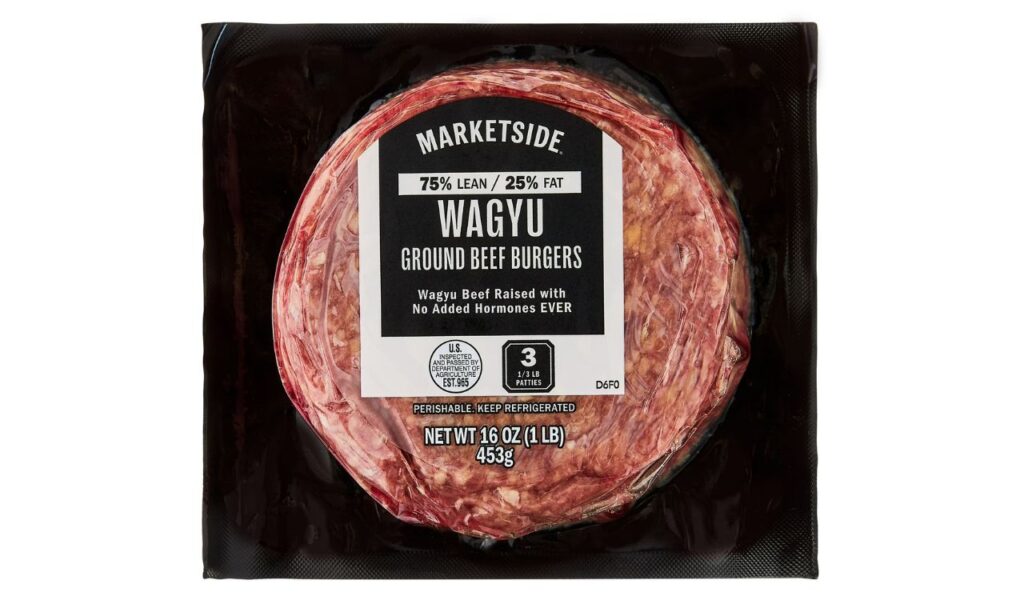
Few menu descriptions sound more luxurious than a Wagyu burger. The name suggests premium beef and richness, allowing many steakhouses to charge far more than a typical burger.
Authentic Japanese Wagyu is known for intense marbling and a delicate texture best appreciated in steak form. When the meat is ground into a burger, much of that structure is lost. Grinding spreads the fat differently and reduces the qualities that make Wagyu distinctive.
Many burgers labeled Wagyu are also made from American Wagyu crossbreeds rather than the rare Japanese product diners imagine. Critics note that once the meat is ground, seasoned, and topped with sauces, the difference between premium beef and regular high-quality ground beef becomes difficult to notice.
2. Lobster Mac and Cheese
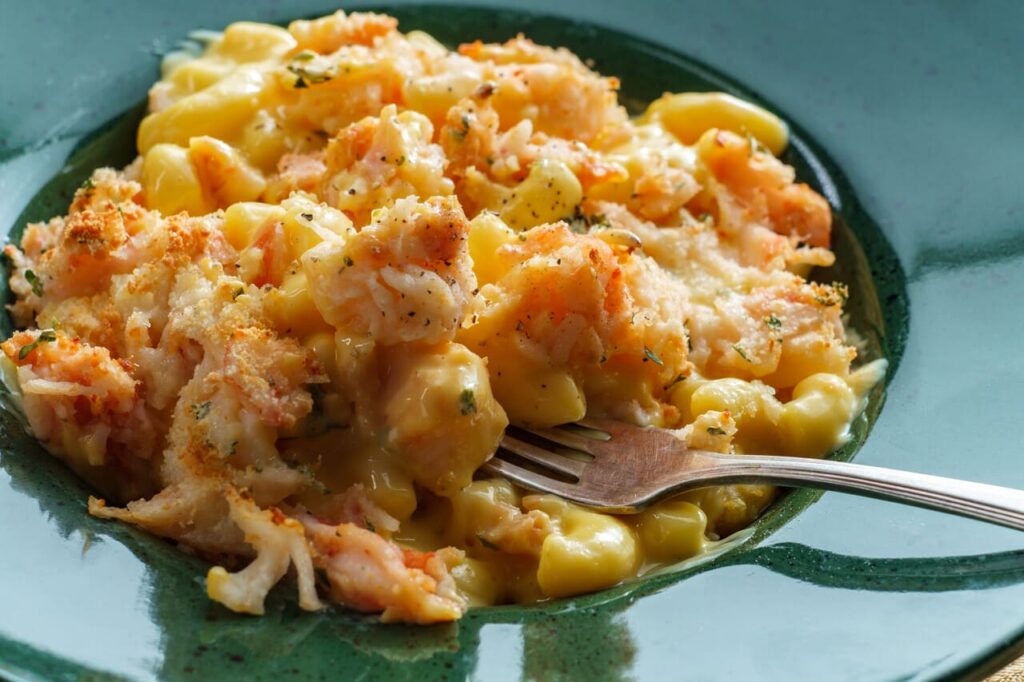
Lobster mac and cheese appears on many steakhouse menus as a rich and indulgent side dish. The combination of tender pasta, creamy cheese sauce, and seafood suggests a luxury upgrade to a familiar comfort food.
In practice, the lobster portion is often quite small compared with the pasta and cheese base. Restaurants frequently use chopped claw or knuckle meat, which is mixed throughout the dish rather than served in generous chunks.
Because pasta and cheese remain inexpensive ingredients, the dish can carry a large markup. Critics argue that diners often pay primarily for the idea of lobster rather than a substantial amount of the seafood itself.
3. Steakhouse Caesar Salad
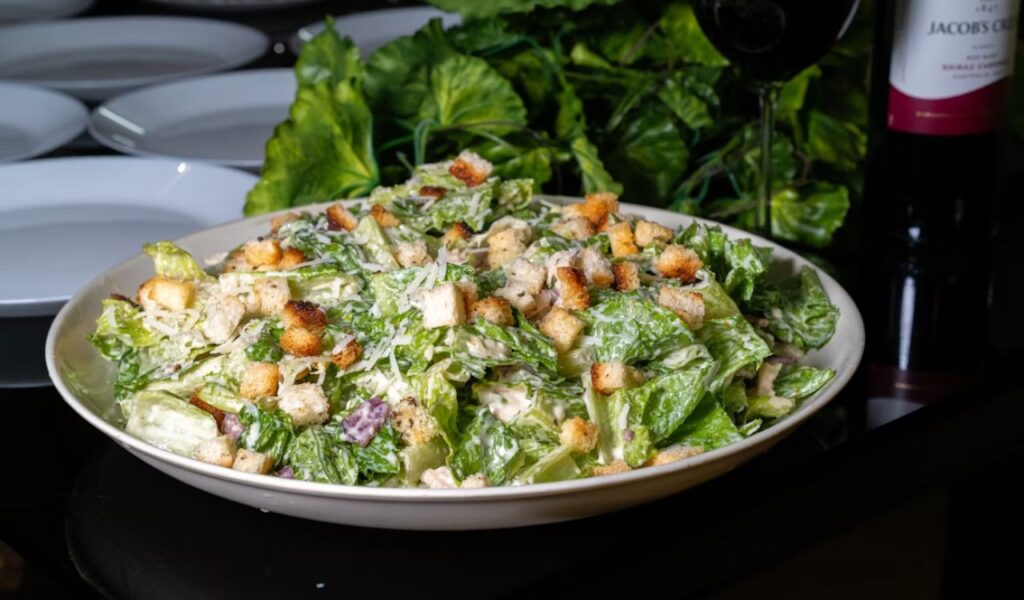
A Caesar salad may appear to be the lightest option on a steakhouse menu, yet its price can rival far more complex dishes. The classic combination of romaine lettuce, croutons, Parmesan cheese, and creamy dressing requires relatively simple ingredients.
Much of the cost comes from the dining experience rather than the food itself. Some steakhouses prepare Caesar salad tableside, tossing the ingredients in front of guests to create a theatrical moment during the meal.
While the presentation can be enjoyable, critics often point out that the ingredient cost remains modest. The markup reflects the setting and service rather than any rare or expensive components within the salad.
4. Dry Aged Ribeye Premium Upcharge Cuts
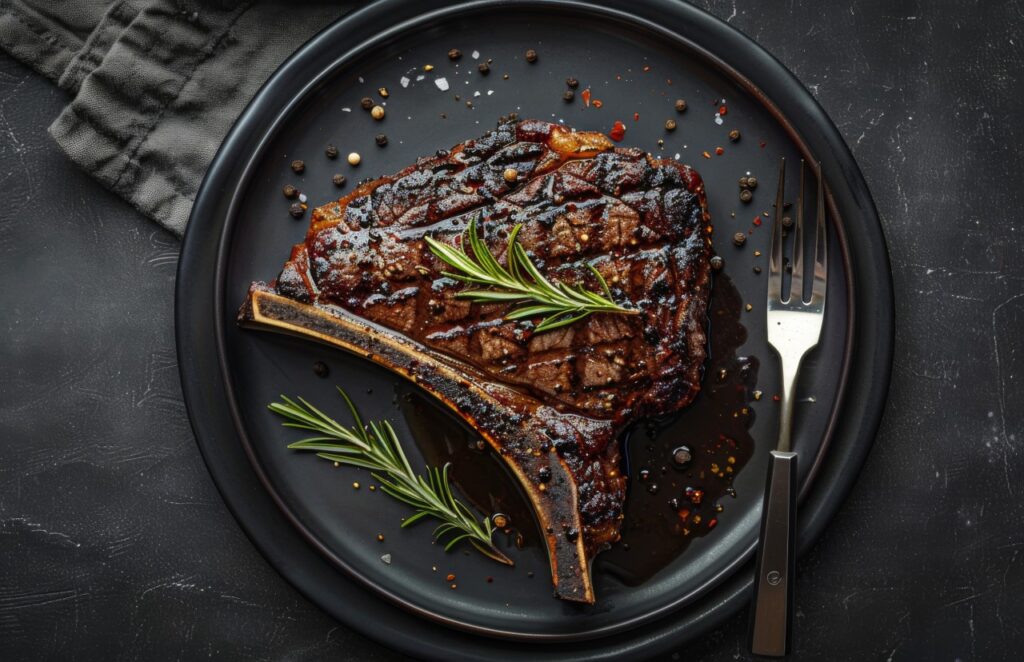
Dry-aged ribeye steaks are among the most prized offerings in a steakhouse. Aging beef under controlled conditions allows natural enzymes to break down muscle fibers, producing a deeper flavor and tender texture.
The process can take several weeks and requires specialized storage rooms that maintain strict humidity and temperature levels. During aging, the meat loses moisture and must be trimmed, reducing the final usable portion.
These factors increase cost, but critics sometimes question how large the price difference should be. Some diners find the flavor difference subtle, especially when the steak is heavily seasoned or paired with sauces that mask the aged character.
5. Crab Cakes
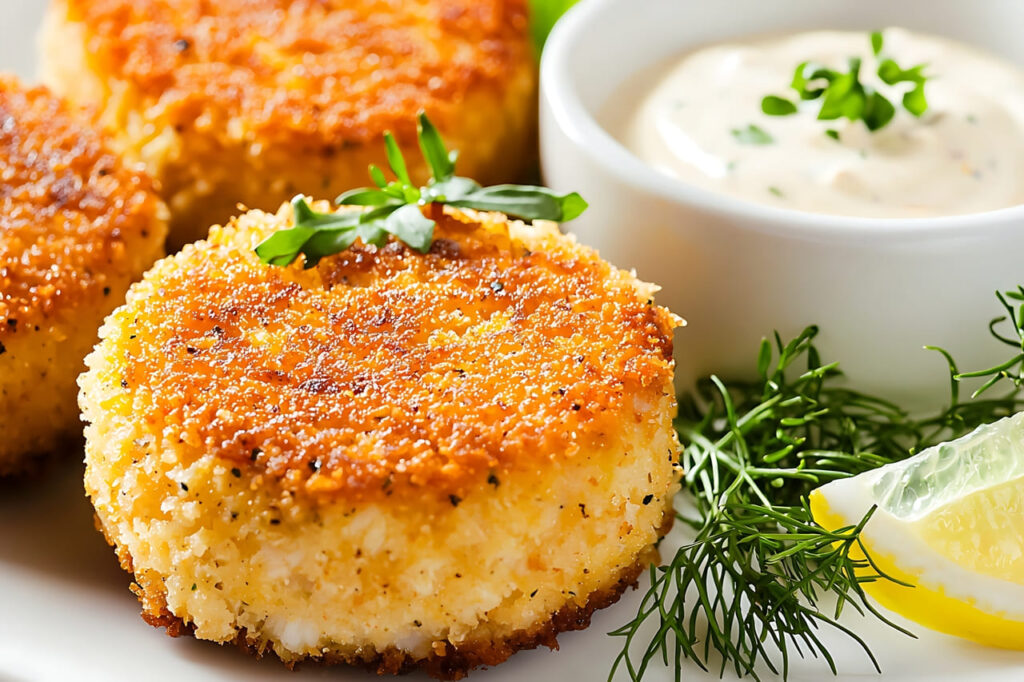
Crab cakes are often listed among the most expensive starters at steakhouses. The dish traditionally highlights sweet lump crab meat bound together with a small amount of filler and seasoning.
The quality of crab meat varies widely. In some restaurants, generous portions of lump crab are used, but others rely on smaller pieces combined with breadcrumbs or mayonnaise to hold the cakes together.
When filler becomes the dominant ingredient, critics argue that the dish no longer justifies its premium price. Diners may expect a seafood-focused appetizer but receive something closer to a seasoned breadcrumb mixture with modest crab flavor.
6. Loaded Baked Potatoes
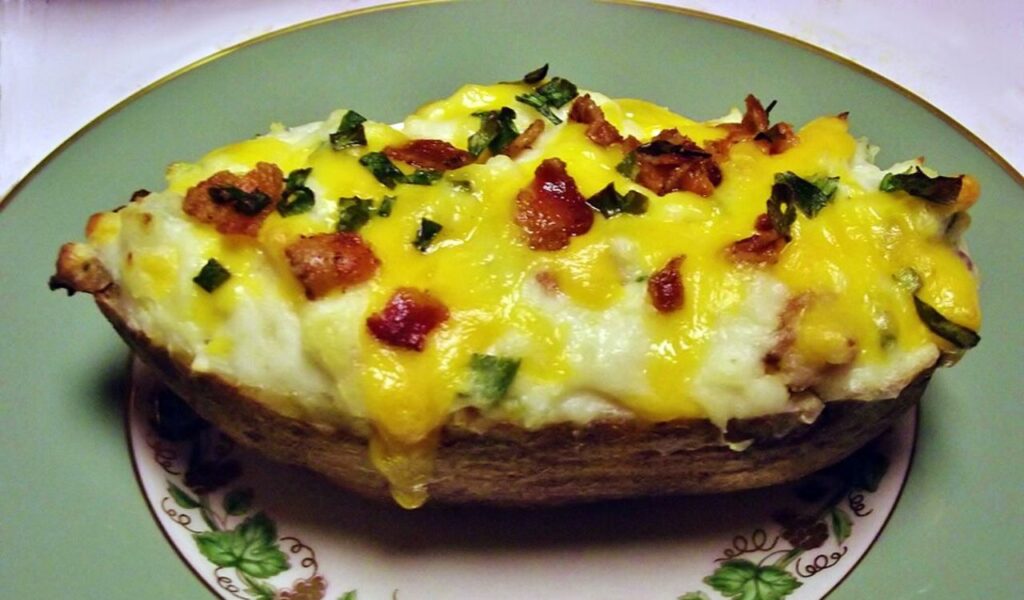
A loaded baked potato may seem like a hearty and satisfying side dish. Topped with butter, sour cream, cheese, and bacon, it complements a steak with familiar comfort flavors.
Despite its appeal, the base ingredient remains one of the least expensive foods in any kitchen. Potatoes cost very little, and the toppings are used in relatively small quantities.
Restaurants charge higher prices largely because the dish is associated with the steakhouse experience. Critics often note that the markup is significant compared with the ingredient cost, making it one of the least economical items on the menu.
7. Bone Marrow Appetizers
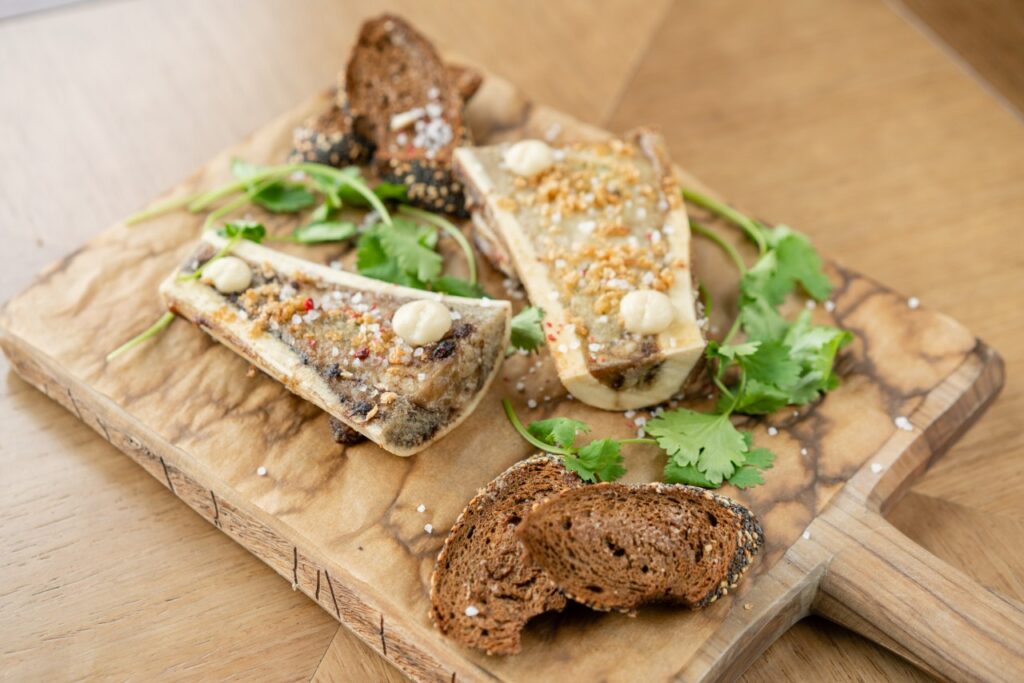
Bone marrow has gained popularity as a gourmet appetizer in many upscale steakhouses. The dish typically involves roasting beef bones until the marrow becomes soft and spreadable, then serving it with toasted bread.
Marrow offers a rich, buttery flavor that many diners enjoy. However, the ingredient itself is not particularly rare or expensive. Historically, marrow was considered a secondary cut that butchers sold cheaply.
The high price often reflects presentation and restaurant setting rather than the raw ingredient. Critics say diners are paying for the novelty and trend appeal more than the actual cost of the food.
8. Tomahawk Steak
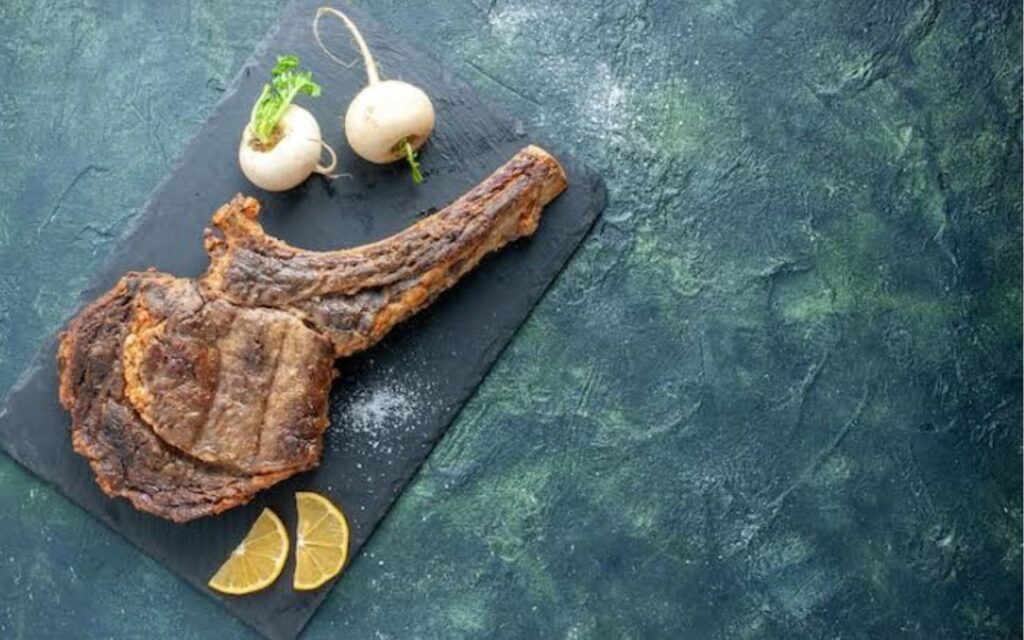
Few steakhouse dishes make an entrance like a tomahawk steak. With its long rib bone extending from the cut, it often arrives looking more like a centerpiece than a simple entrée. The dramatic presentation has made it one of the most photographed items in upscale steakhouses.
In reality, the tomahawk is essentially a bone-in ribeye with the rib bone left long for visual impact. The extra bone does not add edible meat, and the flavor is nearly identical to a standard ribeye cut from the same section of the cow.
Because of its visual appeal, restaurants often price tomahawk steaks far higher than comparable ribeye cuts. Critics note that diners are often paying for the spectacle rather than extra meat or noticeably different flavor.
9. Truffle Mashed Potatoes
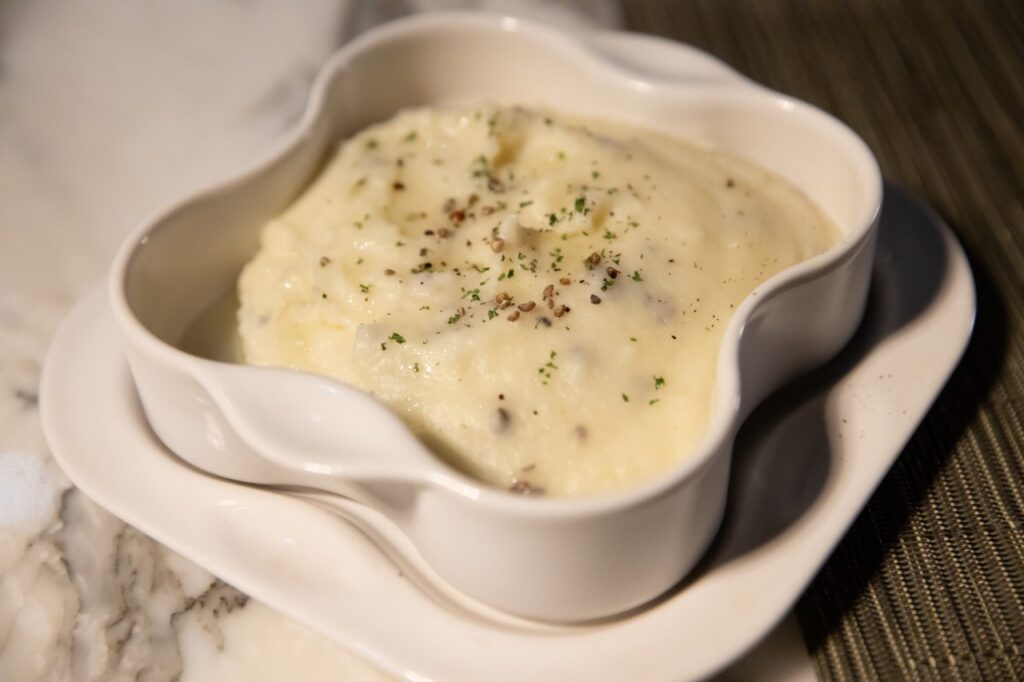
Truffle mashed potatoes promise a luxurious twist on a classic side dish. The name suggests rare truffles, one of the most expensive ingredients in the culinary world.
In many restaurants, however, the truffle flavor comes from truffle oil rather than shaved fresh truffles. The oil is infused with aromatic compounds that mimic the scent of truffles at a fraction of the cost.
While the flavor can still be enjoyable, critics argue that the premium price does not always match the ingredients used. Diners expecting real truffles may find that the dish relies mostly on ordinary mashed potatoes enhanced with a small amount of flavored oil.