8 Purchases Frugal Experts Are Making Right Now Before the Economy Gets Worse

When people who hate wasting money start buying a few things early, it usually signals a shift worth noticing. Frugal experts are not panic shopping, but many are stocking up on essentials, locking in value, and replacing key items before inflation, tariffs, shortages, or financing costs make them more expensive. These are the purchases they see as sensible moves right now, especially for households trying to protect cash flow in a shakier economy.
Shelf-stable pantry staples
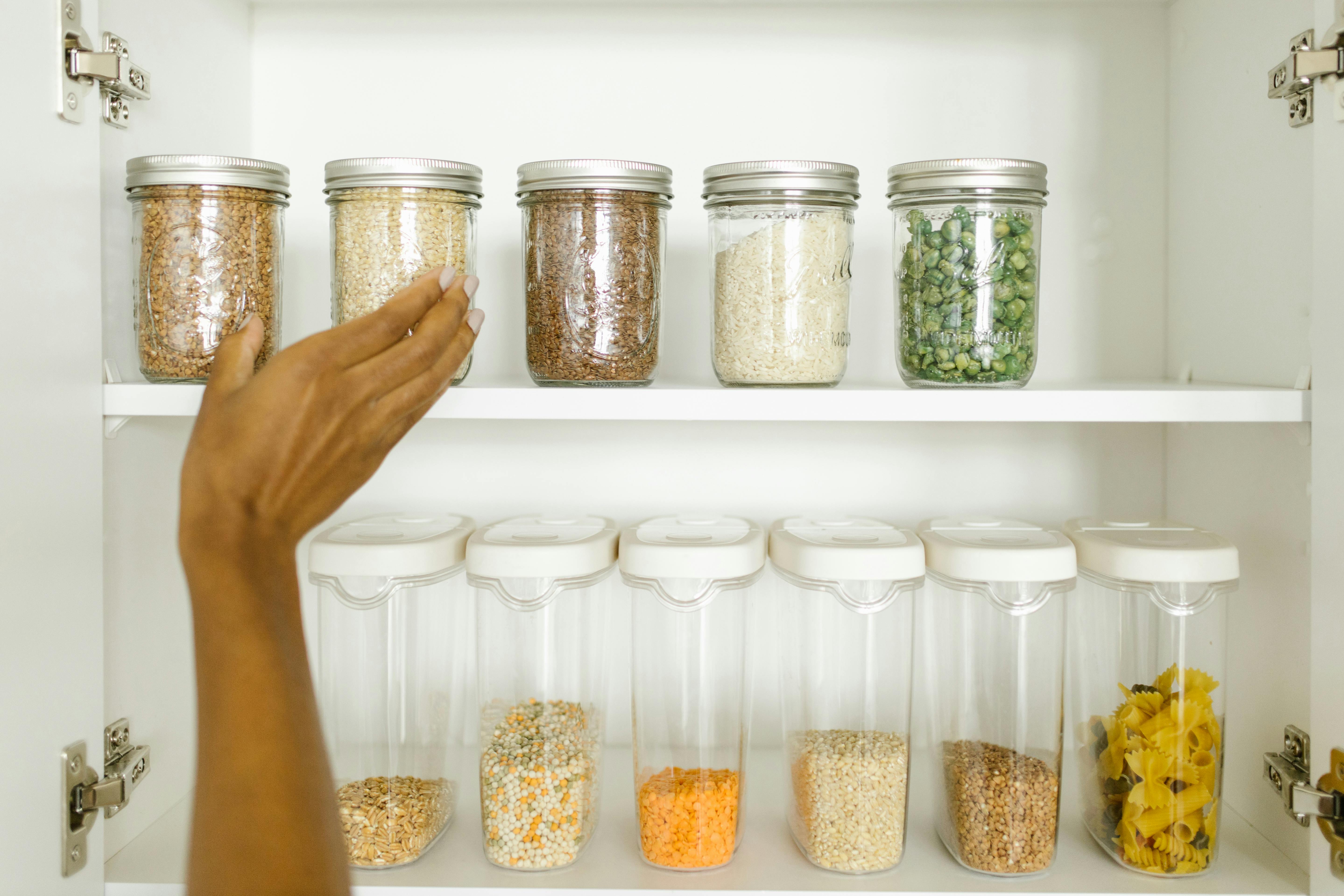
Frugal shoppers are buying extra rice, pasta, beans, oats, canned tomatoes, peanut butter, and shelf-stable milk while prices are still relatively manageable. These are the foods households use steadily, and they have long shelf lives, which makes them one of the safest ways to buy ahead without creating waste.
The logic is simple: food inflation may cool in some categories, but staple prices remain sensitive to transportation costs, crop issues, weather, and packaging expenses. Buying a modest surplus during sales can smooth out a grocery budget for months. Experts usually stress moderation here. The goal is a deeper pantry, not a bunker, so cash is not tied up in food a family will not realistically eat.
Toilet paper, detergent, and cleaning basics
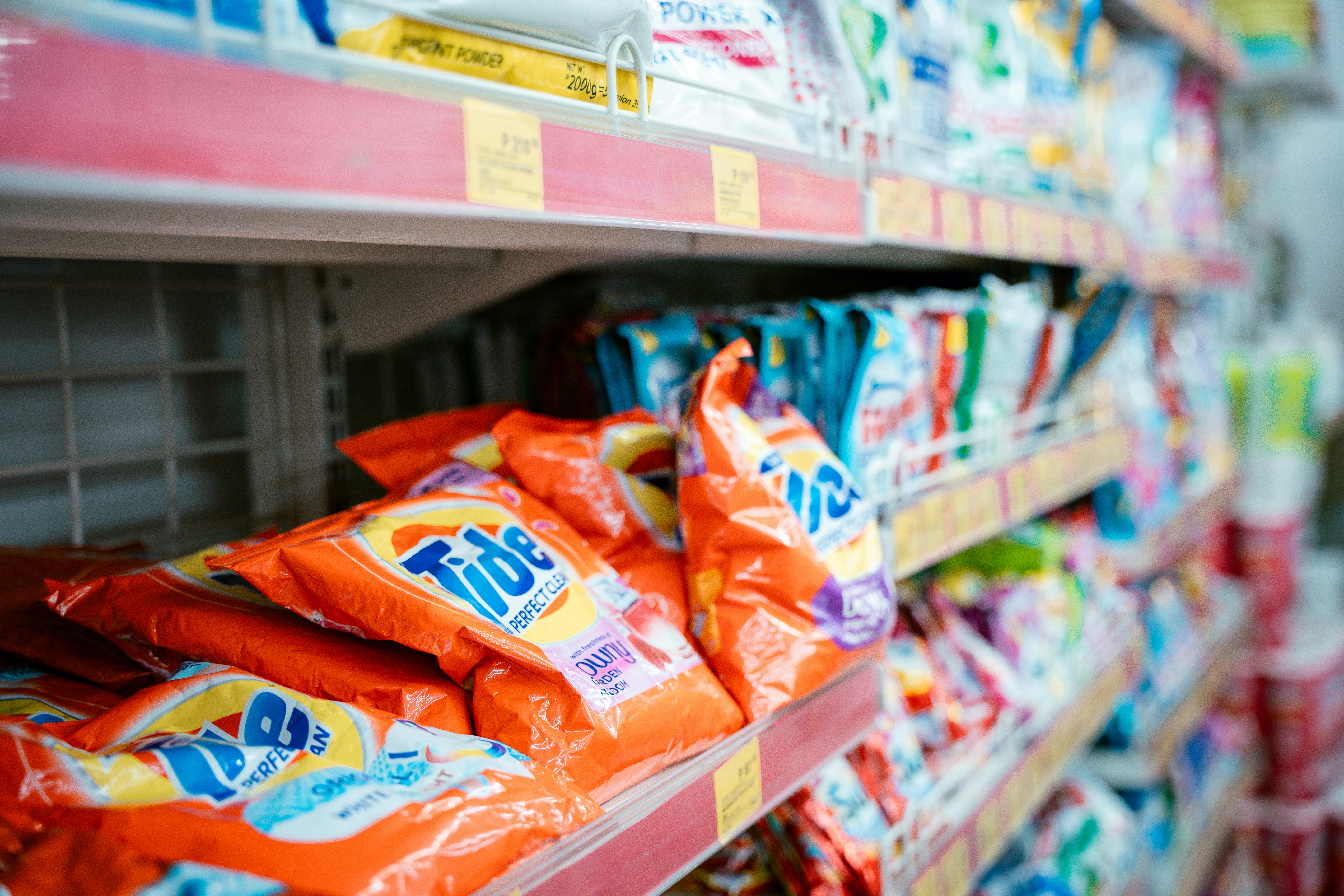
Household consumables are another favorite preemptive buy because people will use them no matter what the economy does. Toilet paper, paper towels, dish soap, laundry detergent, trash bags, and all-purpose cleaners are classic frugal purchases when bought on sale, in warehouse sizes, or with store promotions.
These items also tend to get more expensive in quiet increments. A bottle gets smaller, a pack count drops, or the sticker price rises without much fanfare. Frugal experts watch unit prices closely and buy only enough to bridge several months, especially if storage space is limited. That approach helps reduce emergency trips to the store, where people are more likely to pay full price for basics they cannot postpone.
Prescription medications and first-aid supplies
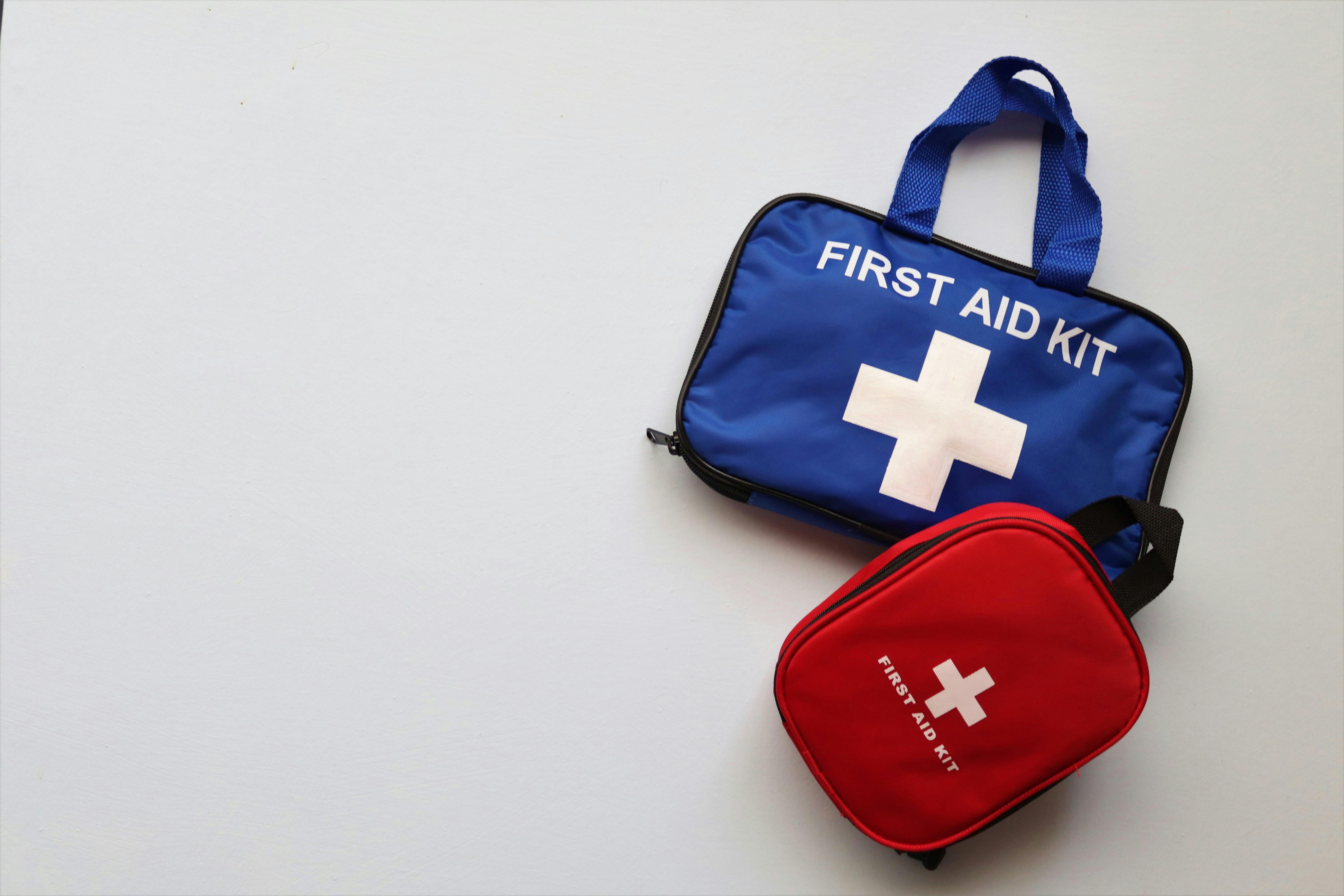
For anyone with regular prescriptions, refills and approved 90-day supplies are high on the list. Frugal experts know that healthcare costs are hard to predict, and supply disruptions can turn a routine refill into a stressful and expensive scramble. The same thinking applies to pain relievers, allergy medicine, bandages, antiseptic, and other first-aid basics.
This is less about bargain hunting and more about risk management. If a deductible resets, a job changes, or a drug goes on backorder, having a reasonable cushion matters. Many experts recommend checking expiration dates and rotating stock carefully so money is not wasted. The smartest version of this purchase is deliberate, legal, and tied to what a household actually uses, not a random medicine cabinet haul.
Shoes and durable clothing essentials
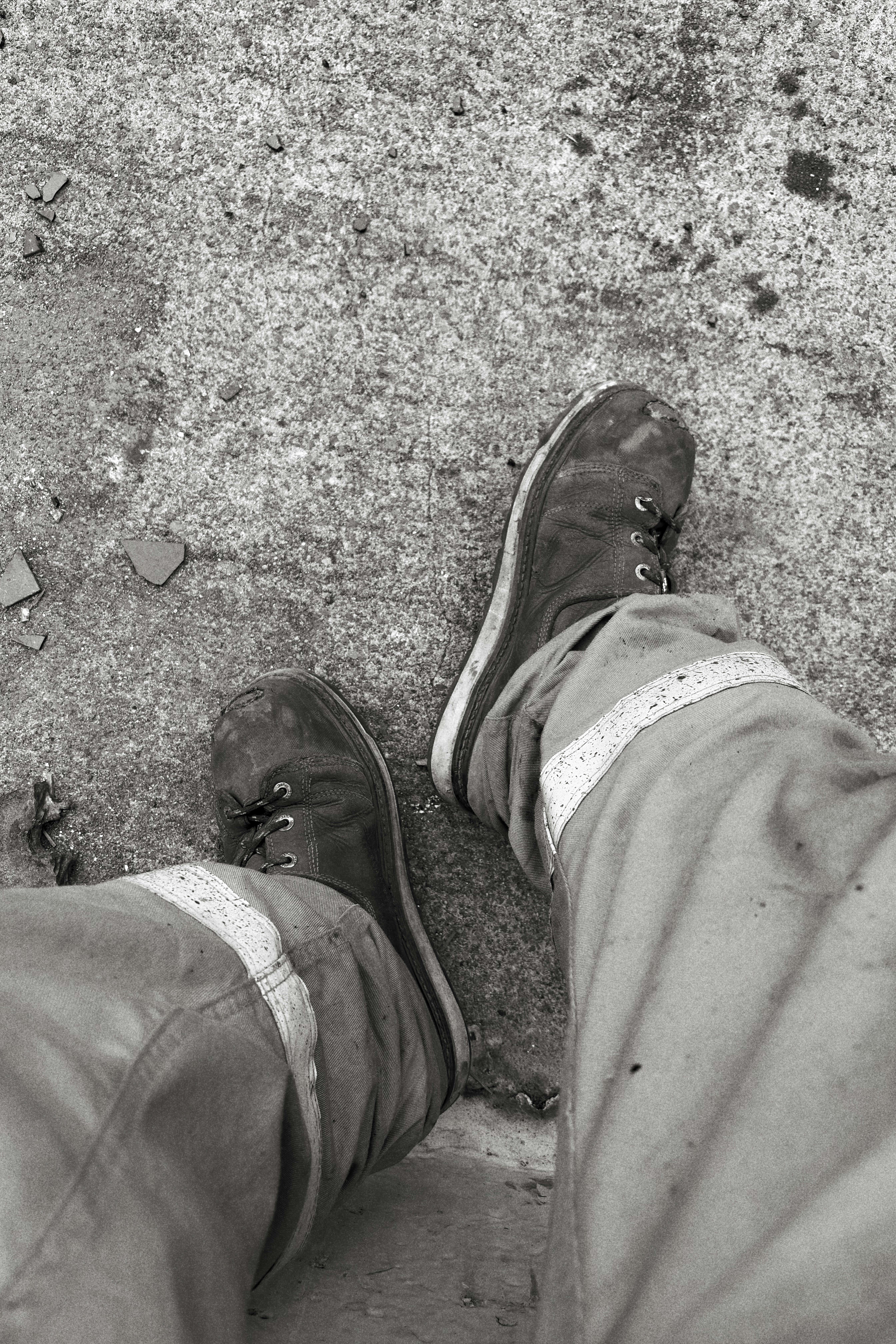
Frugal people are often willing to wear things longer than most, but they also know there is a point where delaying a replacement gets costly. A worn-out pair of work shoes, kids’ sneakers before the school season, winter coats, socks, underwear, and sturdy basics are common buy-now items when prices dip.
Apparel has been affected by shipping costs, labor changes, and import-related uncertainty, so replacing high-use essentials before they fail can make sense. The key is focusing on durable, boring items rather than trend pieces. Buying one solid pair of shoes on sale beats an urgent purchase later at full price. This is especially true for families, where a single unexpected clothing need can quickly turn into a much larger checkout total.
Home maintenance items and basic repair supplies

Frugal experts are also picking up furnace filters, weather stripping, caulk, light bulbs, batteries, air filters, and simple hardware before they are urgently needed. Small maintenance items are inexpensive compared with the cost of a neglected problem, and they are exactly the kind of purchase people postpone until a breakdown forces a rushed decision.
This category matters more in an uncertain economy because repair labor is expensive and often gets pricier faster than materials. Sealing drafts, replacing filters on time, or fixing a minor leak can lower utility bills and help avoid larger repairs. For homeowners and renters alike, a small stash of practical supplies turns a weekend problem into a manageable task instead of a high-cost emergency service call.
A reliable used car or needed car repairs
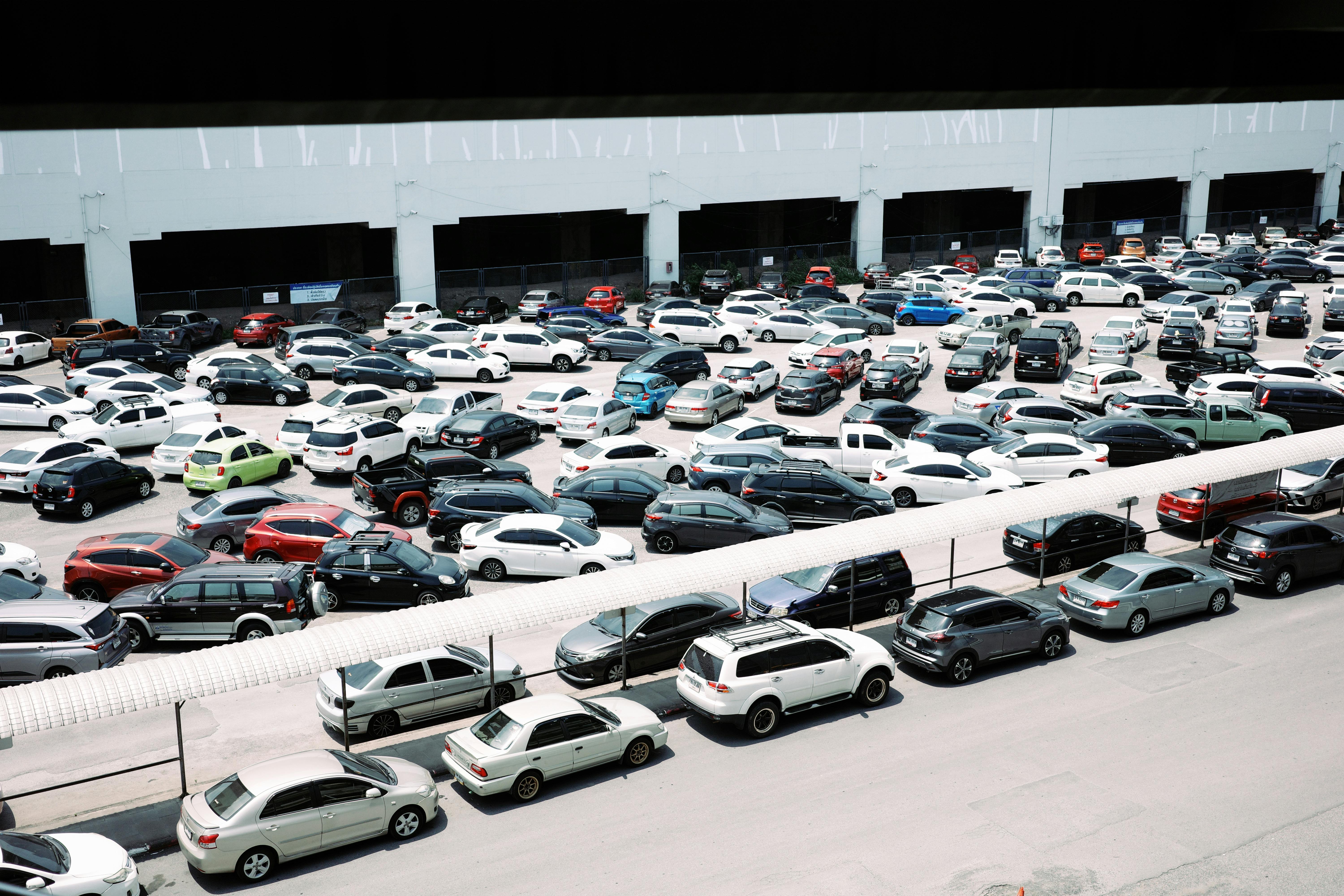
When a vehicle is near the end of its useful life, frugal experts are not waiting for a total breakdown if they can avoid it. Used car prices have been volatile for years, and repair shops continue to face high parts and labor costs. If a car is still worth fixing, taking care of brakes, tires, fluids, and deferred maintenance now can be the cheaper move.
If replacement is unavoidable, the goal is usually a dependable used vehicle with a clear maintenance record, not the newest model someone can finance. Higher interest rates make monthly payments much more expensive over time, so avoiding a crisis purchase matters. In this category, frugality means acting before desperation destroys negotiating power.
A spare freezer and foods that freeze well
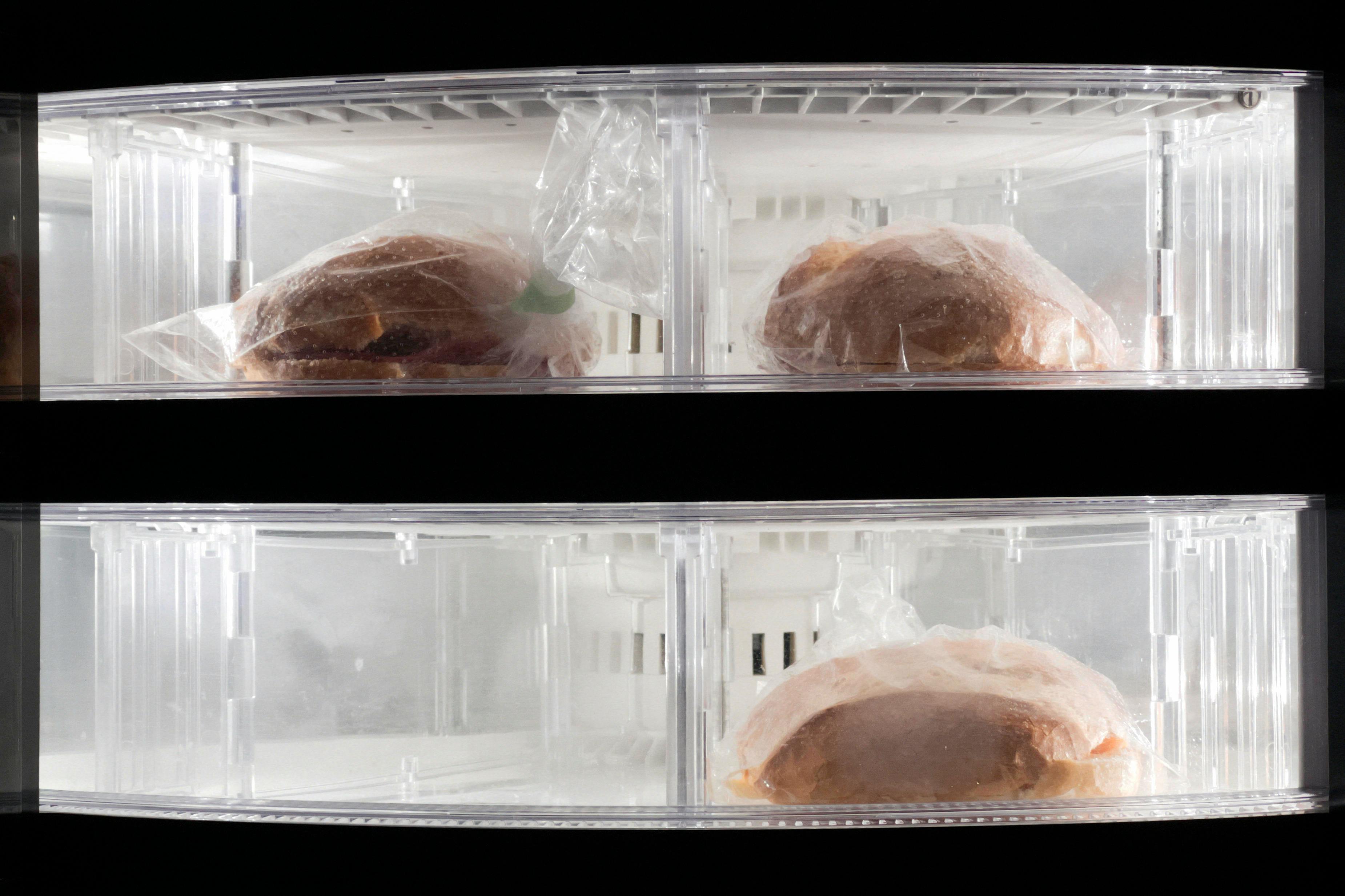
A chest freezer or upright freezer can be a strategic purchase for households with the space and discipline to use it well. Frugal experts like the flexibility it creates: buying meat, bread, vegetables, butter, and batch-cooked meals when prices are favorable rather than when the refrigerator is empty and options are limited.
The savings depend on habits, so this is not automatically smart for everyone. But for larger families, rural shoppers, or anyone who cooks regularly, a freezer can reduce food waste and allow better use of warehouse deals and seasonal markdowns. The real win is control. When prices jump or schedules get chaotic, having meals and staples on hand lowers both grocery costs and takeout temptation.
Backup power and emergency household essentials

Frugal experts are increasingly willing to spend on a few emergency basics before they are needed. Flashlights, rechargeable batteries, power banks, water containers, blankets, shelf-stable food, and even a small generator or portable power station can be worthwhile if outages, storms, or service disruptions are common where a household lives.
This purchase is not about fear. It is about avoiding expensive last-minute buying when shelves are picked over and prices spike. Severe weather and utility instability can create short, costly emergencies that ripple through a budget fast. A modest emergency setup protects food in the fridge, keeps phones charged, and prevents households from overpaying for convenience items in the middle of a stressful situation.