8 Popular Cereals That Reformulated to Cut Costs

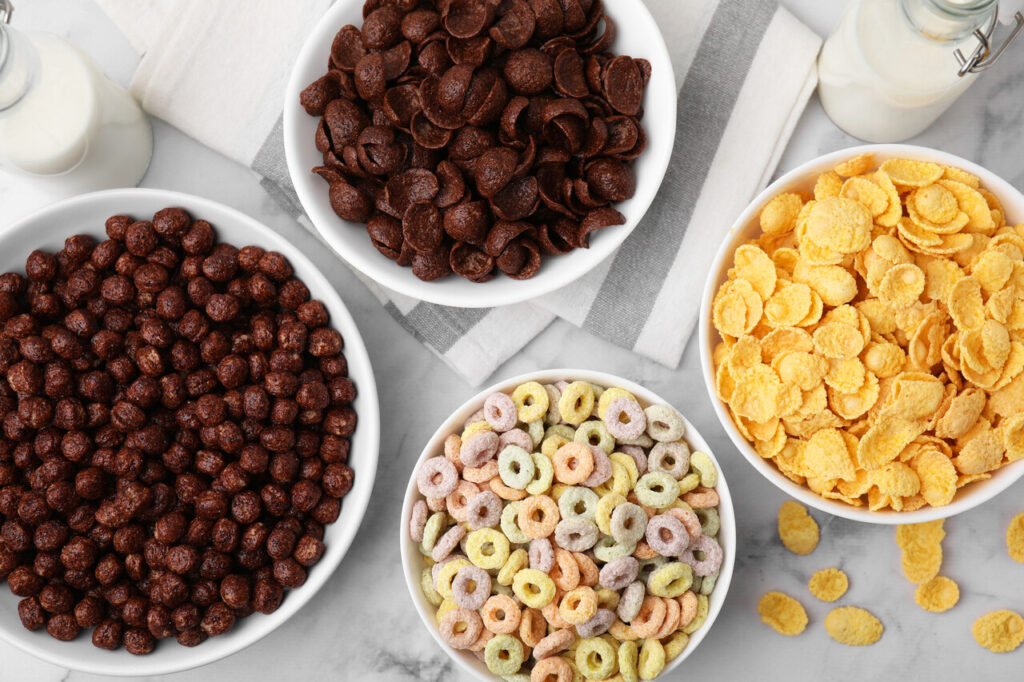
Cereal aisles are built on familiarity. The same bright boxes, mascots, and shapes have greeted shoppers for decades. But while the packaging often looks unchanged, what is inside the box does not always stay the same. As ingredient costs rise and supply chains shift, many cereal brands quietly adjust their formulas to protect margins without dramatically altering their image.
Reformulation does not always mean a complete overhaul. Sometimes it involves tweaking sweetener levels, adjusting cocoa content, modifying grain blends, or changing coloring sources. These shifts are often small enough that most shoppers never notice. Yet over time, even subtle changes can affect flavor, texture, and nutritional balance.
Behind the scenes, cereal manufacturing depends heavily on global commodity markets for oats, corn, sugar, and cocoa. When those inputs fluctuate, recipes often follow. Here is a closer look at popular cereals that have evolved in ways many consumers may not realize.
1. Froot Loops and the Shift Toward Simpler Coloring and Ingredients
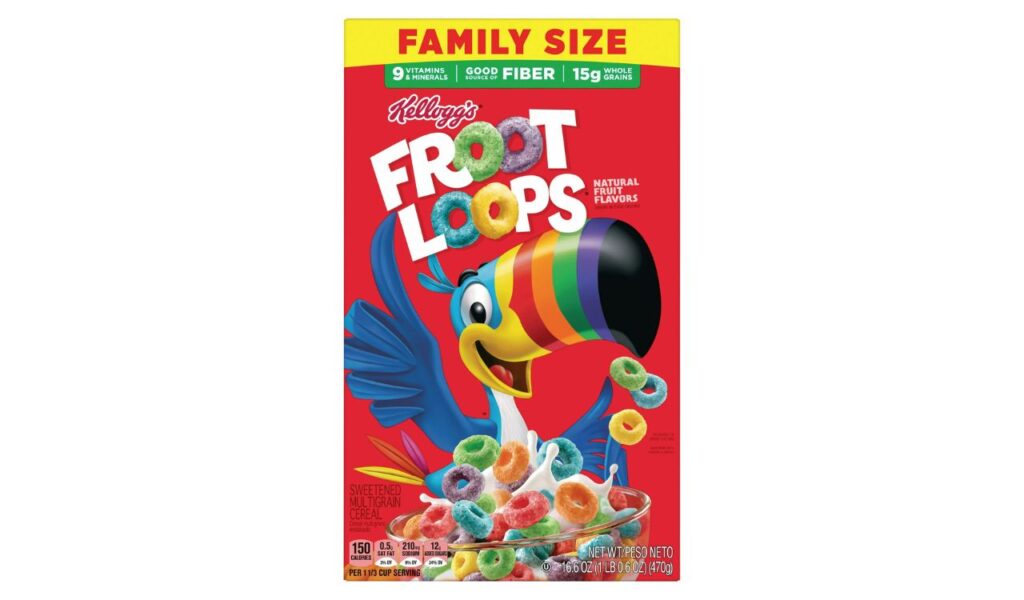
Few cereals are as instantly recognizable as Froot Loops. Over the years, the bright rings have remained visually familiar, but the ingredient list has evolved. One of the most noticeable changes was the removal of certain artificial colors in favor of alternative coloring sources in some markets. Reformulations like this are often framed around health or transparency, but they can also streamline production and sourcing.
Ingredient adjustments in mass-produced cereal often respond to multiple pressures at once. Artificial dyes can carry regulatory scrutiny and supply fluctuations. Moving toward consolidated ingredient sourcing can simplify manufacturing and stabilize costs. Changes in sweetener blends and flavor formulations may also occur as commodity prices shift.
For consumers, the cereal may taste slightly different or appear less intensely colored. While packaging and branding remain consistent, even small ingredient changes can alter texture, flavor balance, and long-term cost structure for manufacturers.
2. Rice Krispies and the Subtle Tweaks in Grain Composition
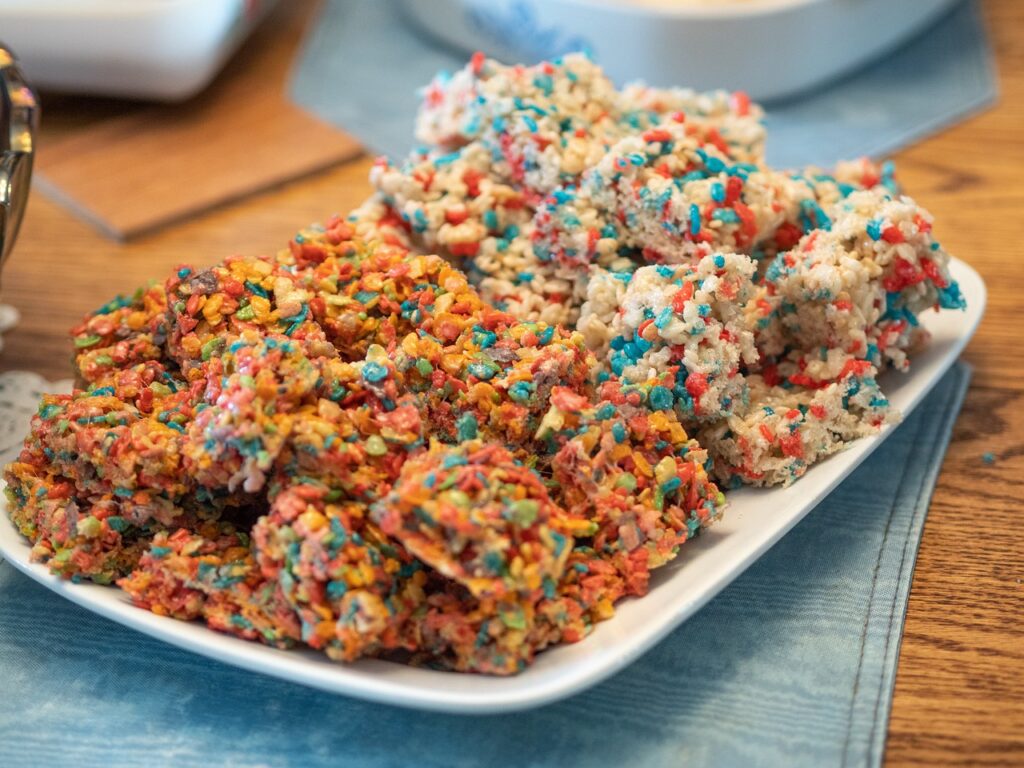
Rice Krispies built their reputation on a simple formula of crisped rice and sugar. However, like many cereals, the product has seen formulation adjustments tied to ingredient sourcing and cost management. Changes to fortification blends, sugar ratios, and grain processing methods have occurred over time.
Rice prices fluctuate globally, influenced by climate, trade conditions, and fuel costs. Manufacturers may adjust processing techniques or ingredient ratios to manage expenses while maintaining the recognizable snap and texture. Even small shifts in sweetener levels or fortification can reduce long-term production costs.
Most consumers may not notice incremental differences, but longtime fans sometimes report changes in crispness or flavor intensity. Reformulation often balances taste expectations with economic efficiency.
3. Trix and the Evolution of Its Ingredient List

Trix has undergone several publicized recipe changes, including shifts away from artificial colors in certain versions. Reformulating a cereal of that scale requires reevaluating color sourcing, flavor compounds, and shelf stability. Each of these adjustments affects cost.
Natural color alternatives can be more expensive per unit, but consolidating suppliers or modifying batch sizes can offset expenses elsewhere. Manufacturers frequently refine ingredient lists to align with evolving consumer demand while still protecting margins.
Texture and flavor are carefully tested during reformulation. Even when changes are marketed as improvements, they can also reflect a broader need to streamline production and adapt to changing raw material costs.
4. Cheerios and Adjustments to Oat Sourcing and Sweeteners
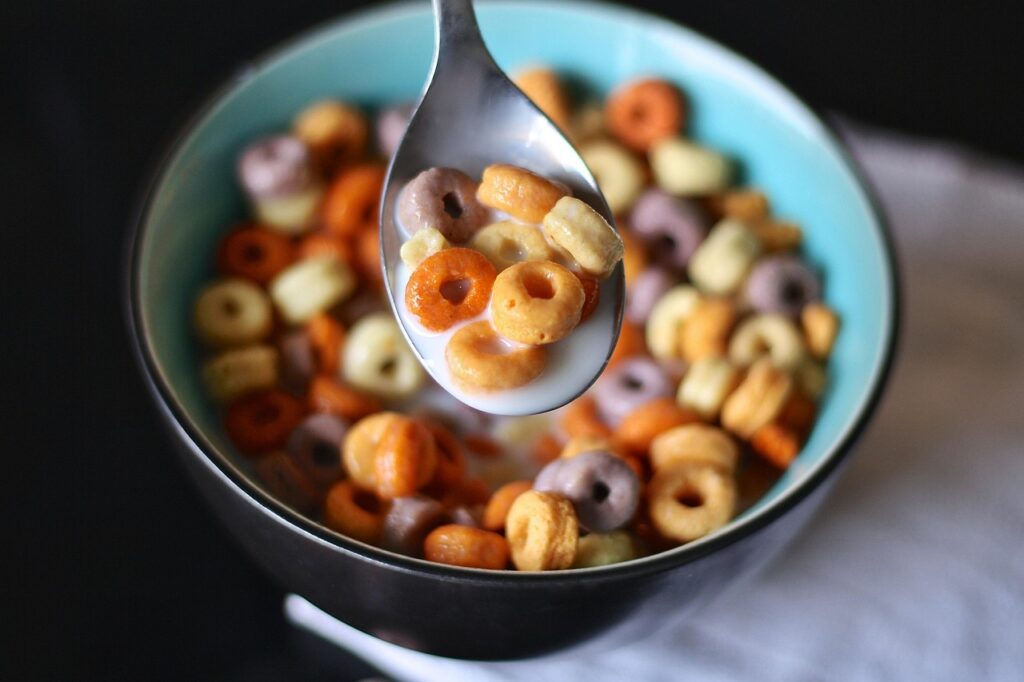
Cheerios has maintained a reputation for simplicity, but its ingredient sourcing has shifted over time. Oat prices are subject to agricultural cycles, weather patterns, and transportation costs. Reformulation may involve adjustments in oat processing or sweetener levels to balance expenses.
In some cases, minor changes to sugar content or the inclusion of additional grain blends can help stabilize production costs. Large cereal brands constantly evaluate commodity pricing and revise formulations when necessary to maintain profitability.
The flavor profile of Cheerios remains mild and familiar, yet subtle differences in texture or sweetness can emerge. These changes often reflect broader supply chain realities rather than dramatic product overhauls.
5. Honeycomb and Texture Recalibration Over Time
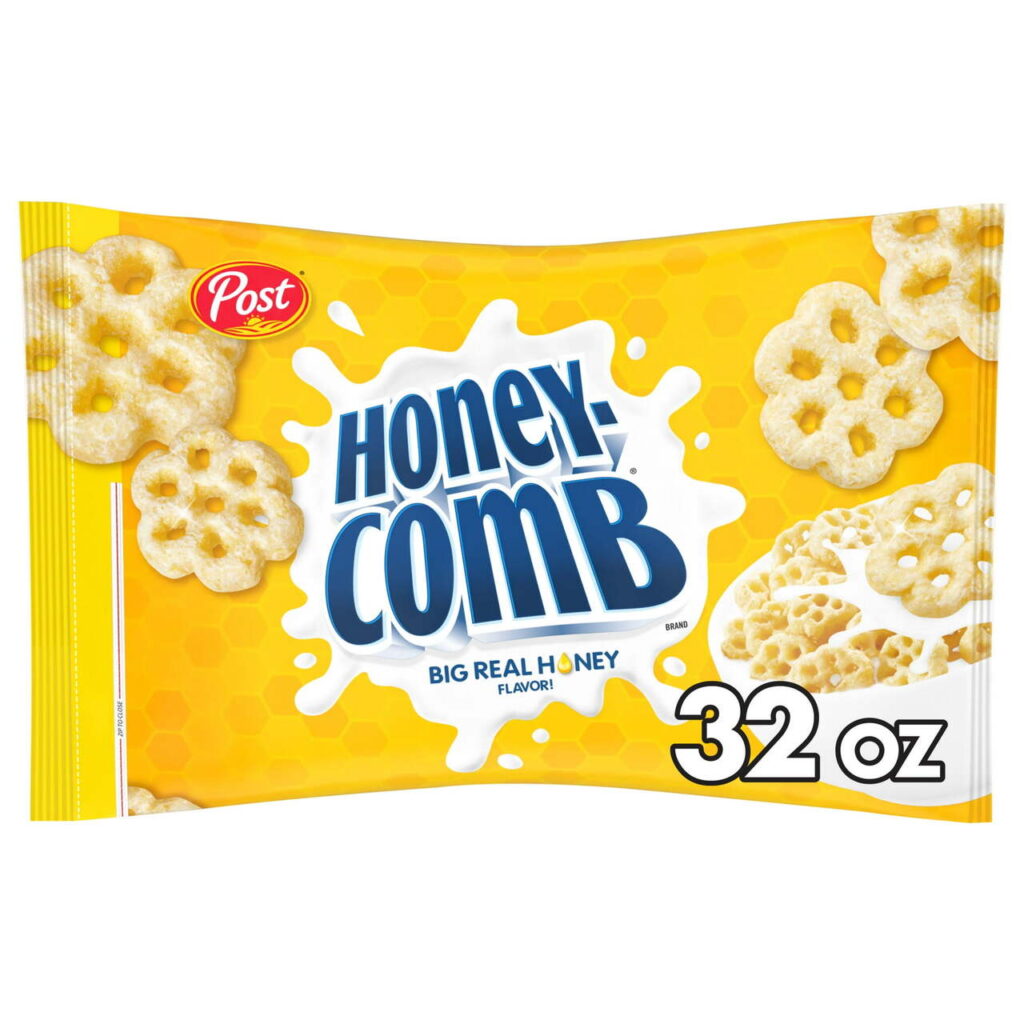
Honeycomb’s airy structure depends on precise grain processing. Over the years, consumers have occasionally noted differences in size, crunch, or sweetness. Reformulating puffed cereals often involves adjusting corn ratios, sugar coatings, or baking methods.
Corn prices can swing significantly depending on crop yields and global demand. Modifying puffing techniques or glaze thickness can reduce ingredient use without dramatically changing appearance. These shifts allow manufacturers to manage margins while keeping the product recognizable.
Even small alterations in density can influence perceived crunch and sweetness. While the box may look the same, production refinements often aim to lower the cost per unit.
6. Cocoa Pebbles and Cocoa Content Balancing
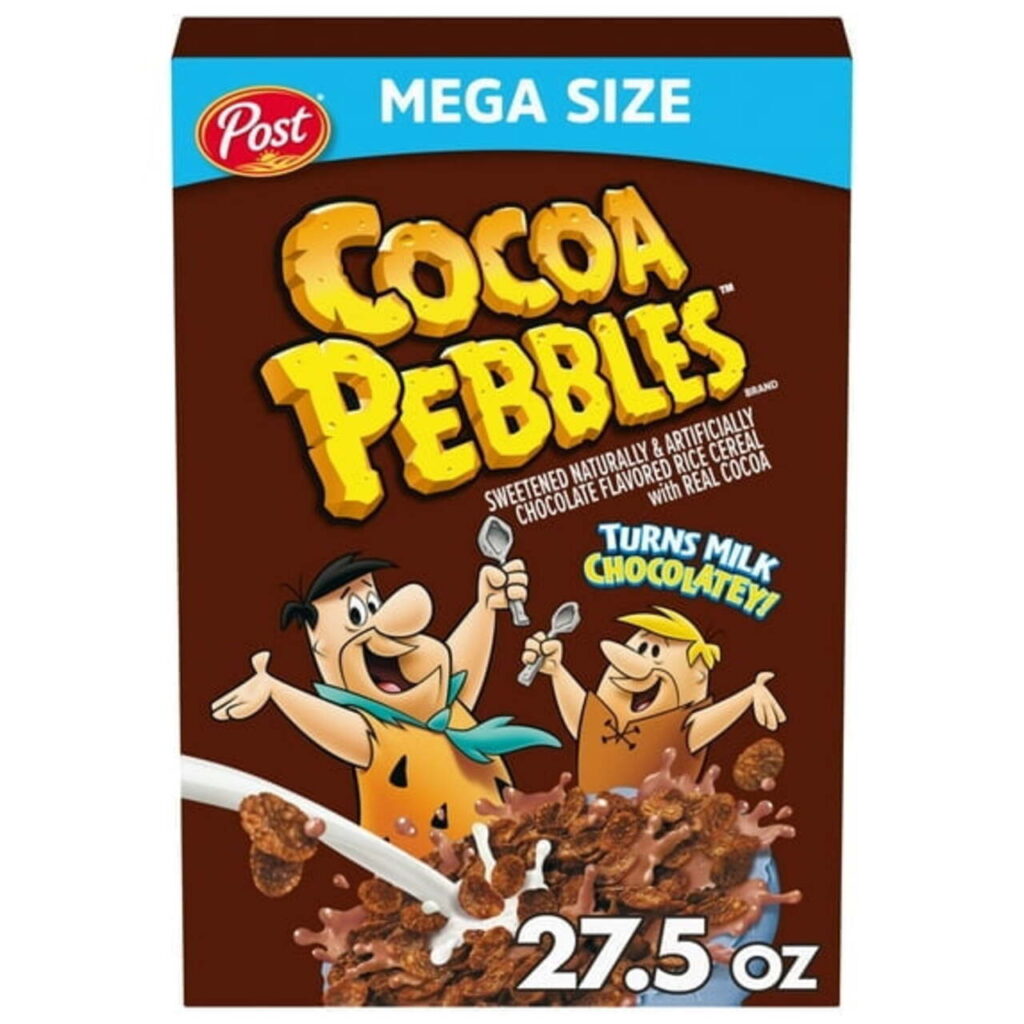
Chocolate-flavored cereals rely on cocoa powder, a commodity with volatile pricing tied to global harvest conditions. Cocoa Pebbles has experienced periodic adjustments in flavor intensity and coating formulation over time.
When cocoa prices rise, manufacturers may tweak the ratio of cocoa to sweetener or adjust flavor blends to maintain consistency while controlling expenses. Reformulating the chocolate coating can have a measurable cost impact across millions of boxes.
For consumers, the cereal remains chocolate-forward, but subtle shifts in richness or aftertaste can occur. These changes often reflect the broader economics of global cocoa supply rather than marketing strategy alone.
7. Corn Pops and Sweetness Calibration
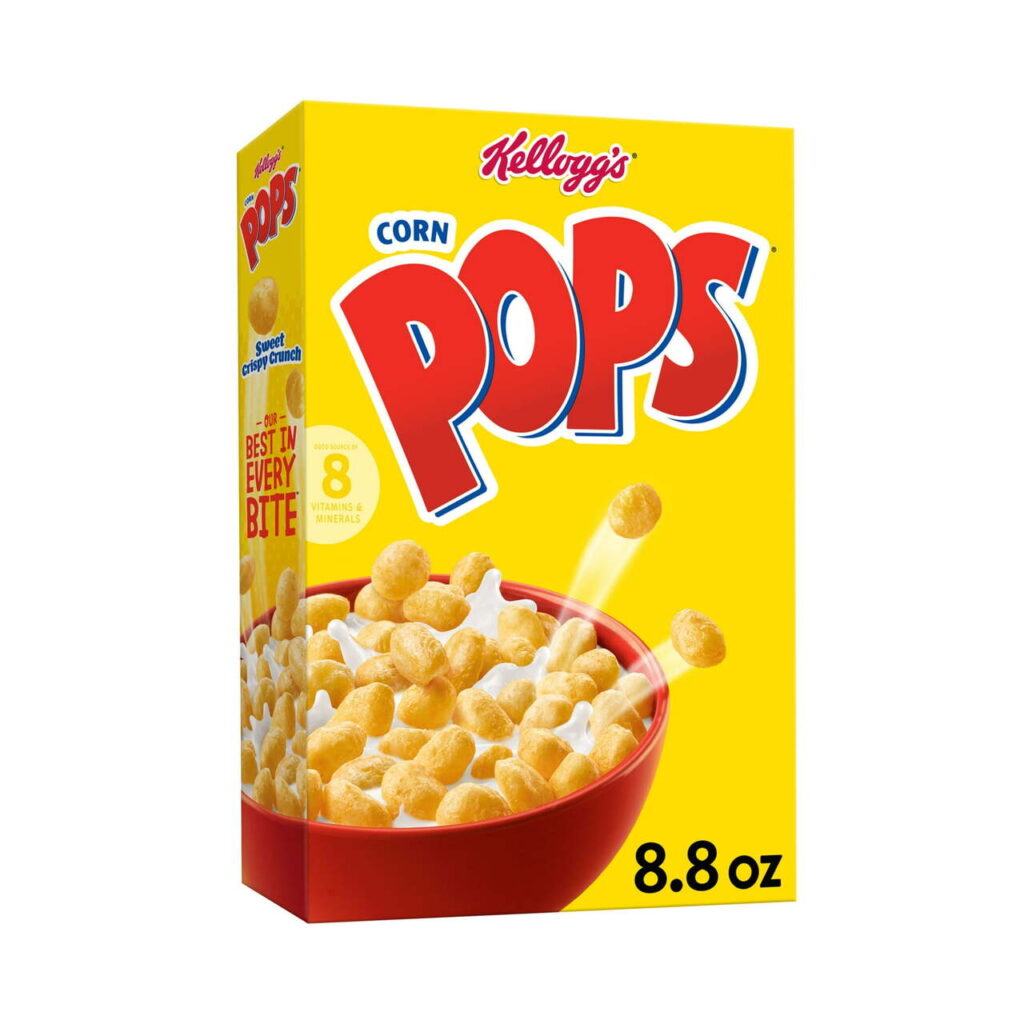
Corn Pops has long been known for its sweet, glossy coating. Adjustments in sugar pricing and corn supply can influence the glaze formula applied to each puffed kernel. Reformulation may involve slight changes in sweetener blends or coating thickness.
Sugar markets are influenced by global production, trade policies, and fuel costs. Reducing glaze volume even marginally can cut significant production expenses at scale. Manufacturers may also modify processing temperatures to maintain texture while using slightly less syrup.
Consumers sometimes notice differences in stickiness or sweetness level. While the cereal remains familiar, these refinements can reflect cost management decisions behind the scenes.
8. Lucky Charms and Marshmallow Formula Tweaks
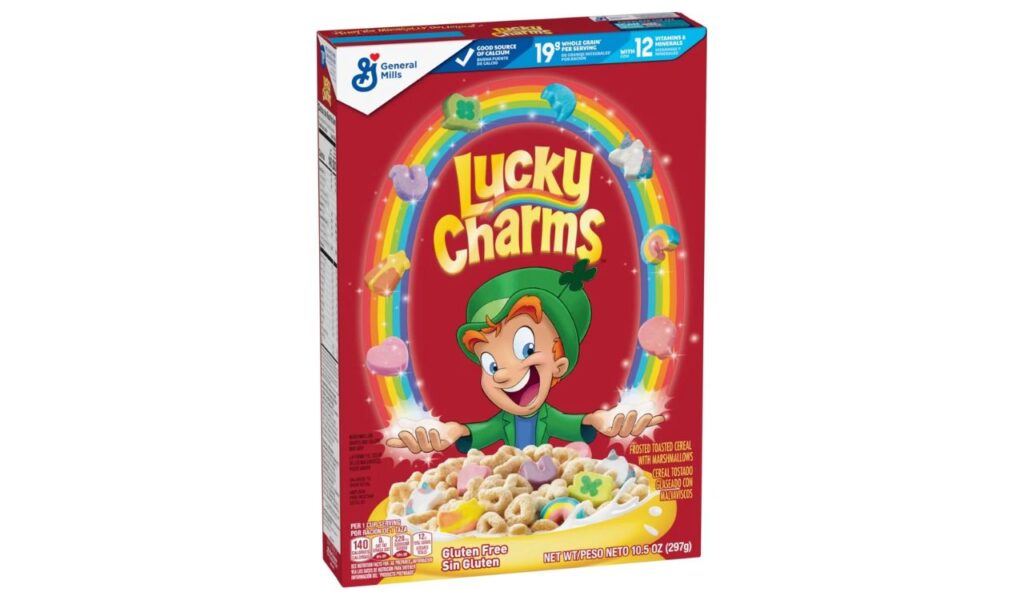
Lucky Charms combines toasted oat pieces with colorful marshmallows. The marshmallows, made from sugar, gelatin, and colorants, contribute significantly to the cost. Adjustments to marshmallow size, density, or formulation can reduce ingredient usage.
Reformulating marshmallows may involve subtle changes in color sourcing, sweetness level, or aeration. Even slight reductions in individual marshmallow weight can yield substantial savings across production runs.
The cereal still features its signature shapes and sweetness, yet longtime fans sometimes detect differences in texture or color intensity. These refinements often aim to balance brand identity with evolving ingredient costs and supply pressures.