14 Snack Size Packages That Shrink While Prices Rise

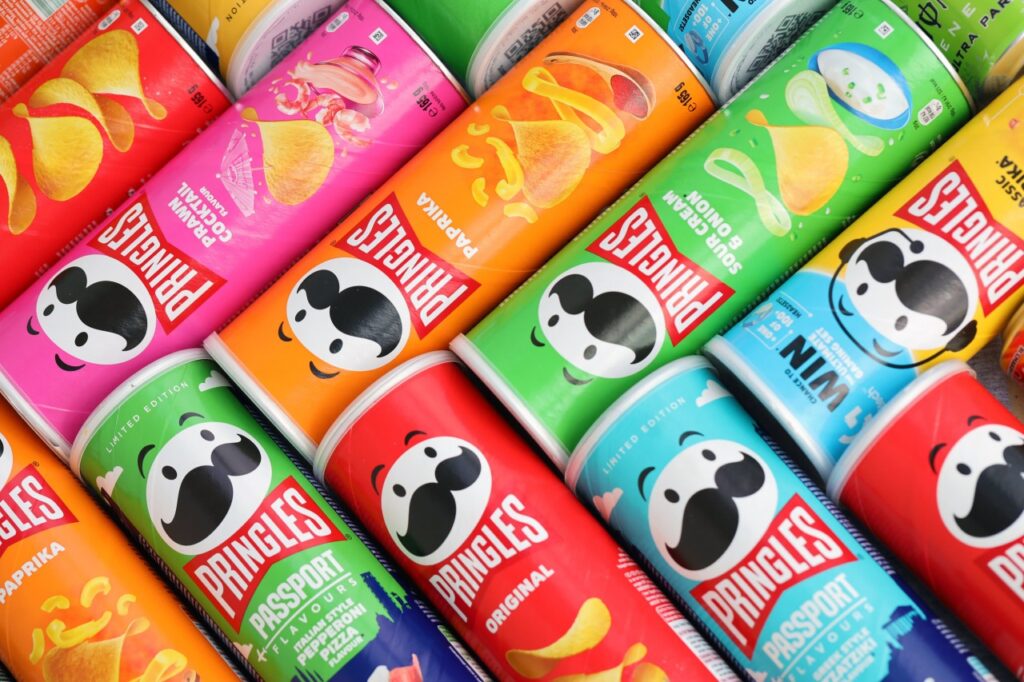
You may not notice it at first. The package looks the same, the logo is familiar, and the price tag feels only slightly higher. But take a closer look at the fine print near the bottom, and a quiet shift begins to appear.
Across grocery aisles, snack brands have been trimming ounces while keeping packaging nearly identical. This practice, often called shrinkflation, allows companies to manage rising ingredient, labor, and transportation costs without dramatically changing shelf prices.
The result is subtle but powerful. Over time, shoppers end up paying more for less, often without realizing it. Understanding how and why this happens puts control back in your hands the next time you reach for your favorite treat.
1. Doritos
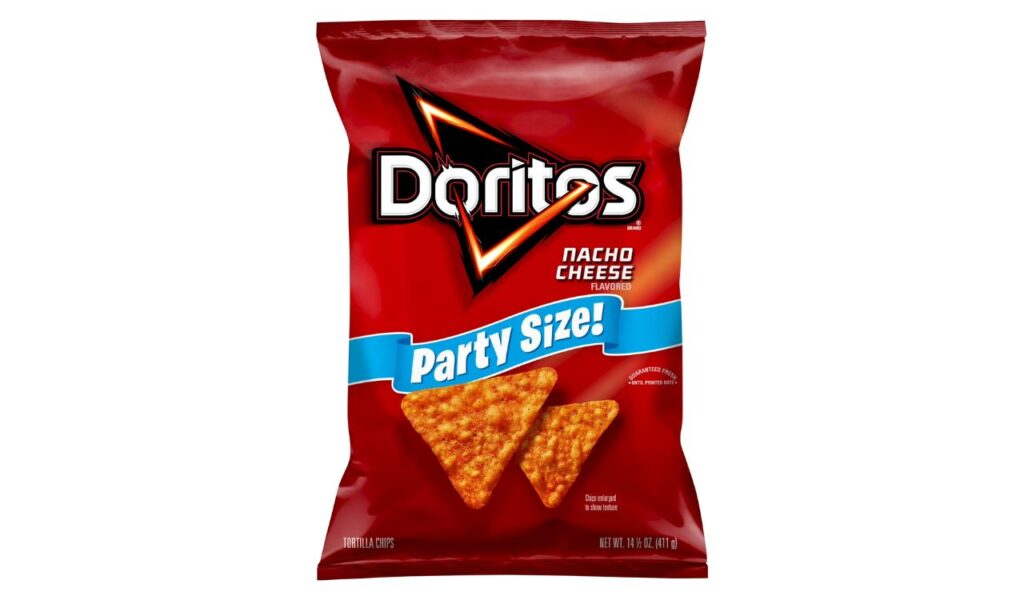
Open a bag of Doritos today, and you may notice something subtle. The bag still looks bold and full, but the net weight printed near the bottom tells a quieter story. Over the years, standard bags have dropped by fractions of an ounce while prices climbed.
Manufacturers often cite rising costs for corn, cooking oil, seasoning blends, and transportation. Instead of sharply raising shelf prices, companies reduce ounces inside the same packaging. This keeps sticker shock low while margins stay protected.
For shoppers, the difference shows up in price per ounce. Even small reductions across millions of bags mean consumers pay more for less product. The change feels minor in a single purchase, but over time, it adds up in everyday snack budgets.
2. Pringles
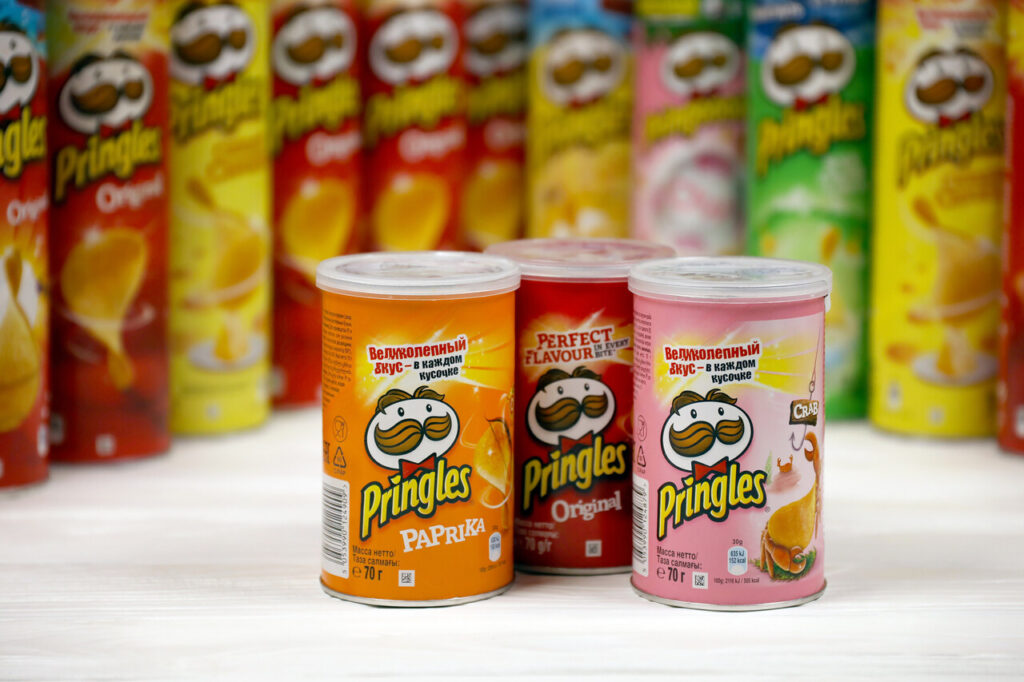
Pringles built its reputation on uniform chips stacked neatly in a tall can. The tube still looks familiar, but the number of chips inside has slowly decreased. Net weights have shifted downward in several markets while prices held steady or increased.
Production costs play a major role. Potatoes, vegetable oils, flavor powders, and packaging materials have all seen price swings. Adjusting chip count allows companies to respond without redesigning the iconic container that consumers recognize instantly.
Because the can shape rarely changes, many shoppers do not notice the reduced fill. The printed weight reveals the real shift. Over time, that smaller ounce count means buyers pay more per chip than they once did.
3. Reese’s Peanut Butter Cups
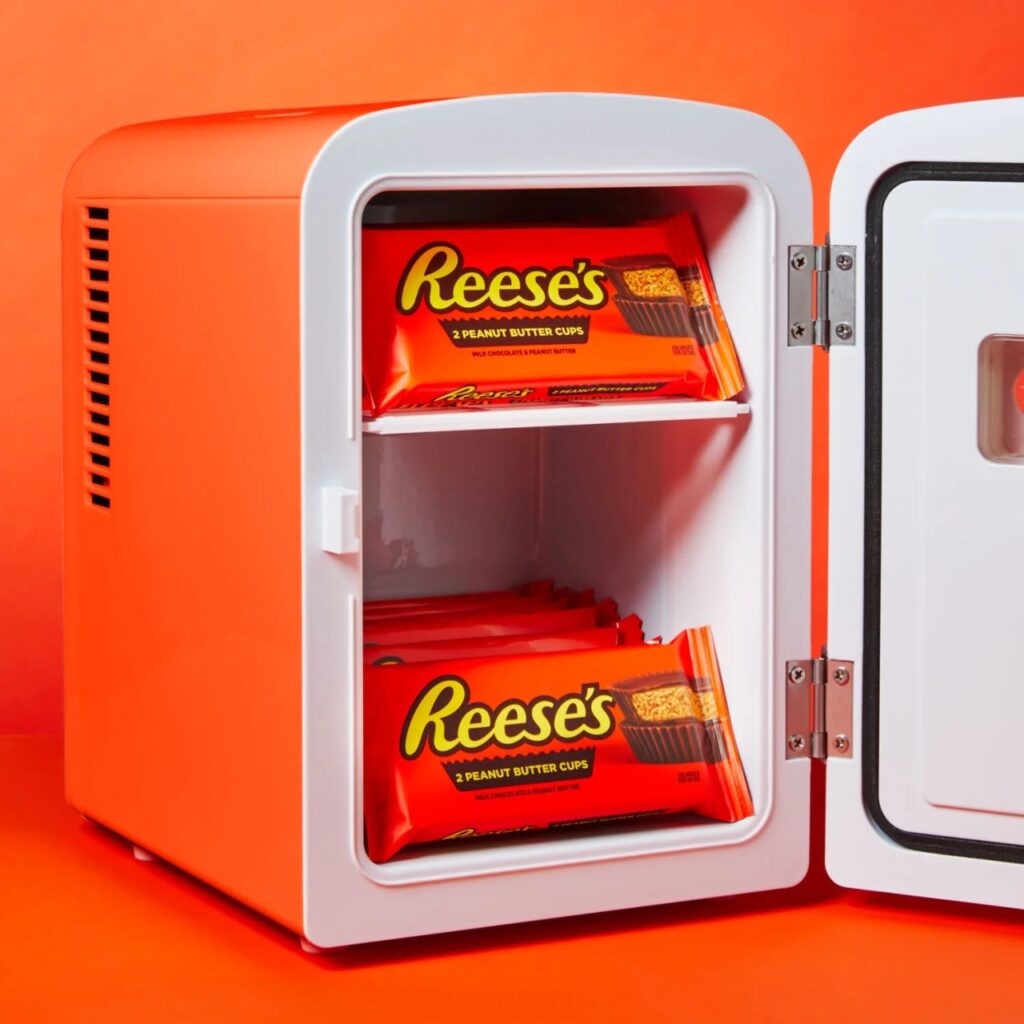
Reese’s cups have long balanced chocolate and peanut butter in a familiar ratio. In recent years, some standard and multipack versions have seen slight reductions in total weight or fewer pieces per package.
Cocoa prices and dairy costs are key factors. When raw ingredients rise, candy makers often tweak portion sizes instead of making a dramatic price jump. Packaging remains similar, which keeps brand consistency strong on crowded shelves.
For consumers, the change is subtle but measurable. A few grams less per pack may not stand out, yet repeated purchases reveal a higher cost per ounce. It is a quiet adjustment that protects profit margins while preserving brand appeal.
4. Kit Kat Bars
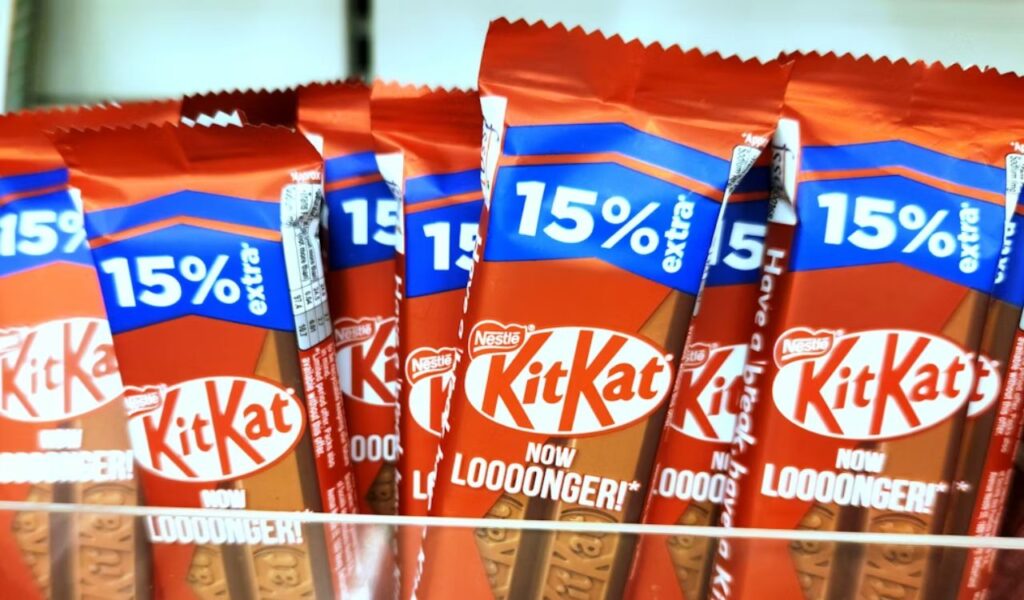
Breaking off a Kit Kat finger feels the same, but the bar itself has slimmed down over time. In some regions, the weight of standard bars has decreased even as prices increased. The packaging design remains largely unchanged.
Chocolate manufacturing depends heavily on cocoa, sugar, and dairy inputs. Volatility in cocoa markets, especially, has pushed producers to manage costs carefully. Adjusting bar thickness or length is one strategy to maintain pricing flexibility.
Because the visual change is minimal, shoppers often focus on price alone. A lighter bar at a higher cost translates into a noticeable rise in price per gram, even if the wrapper still looks familiar.
5. Snickers Bars
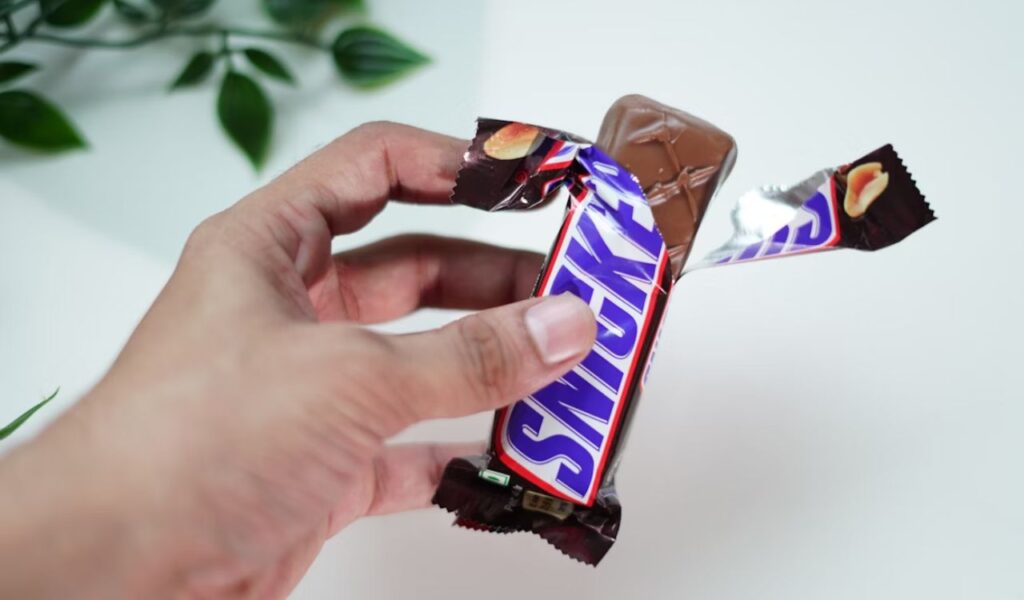
Snickers once advertised itself as a filling snack. Over the years, both full-size and fun-size versions have experienced reductions in weight in various markets while prices edged upward.
Candy production relies on peanuts, caramel ingredients, chocolate, and energy-intensive processing. When ingredient and logistics expenses rise, brands frequently adjust portion size to soften the impact of higher shelf prices.
For buyers, the effect is cumulative. A slightly smaller bar may not feel dramatic, yet over time, it means paying more for fewer calories and less volume. The change often goes unnoticed unless comparing package weights directly.
6. Twix Bars
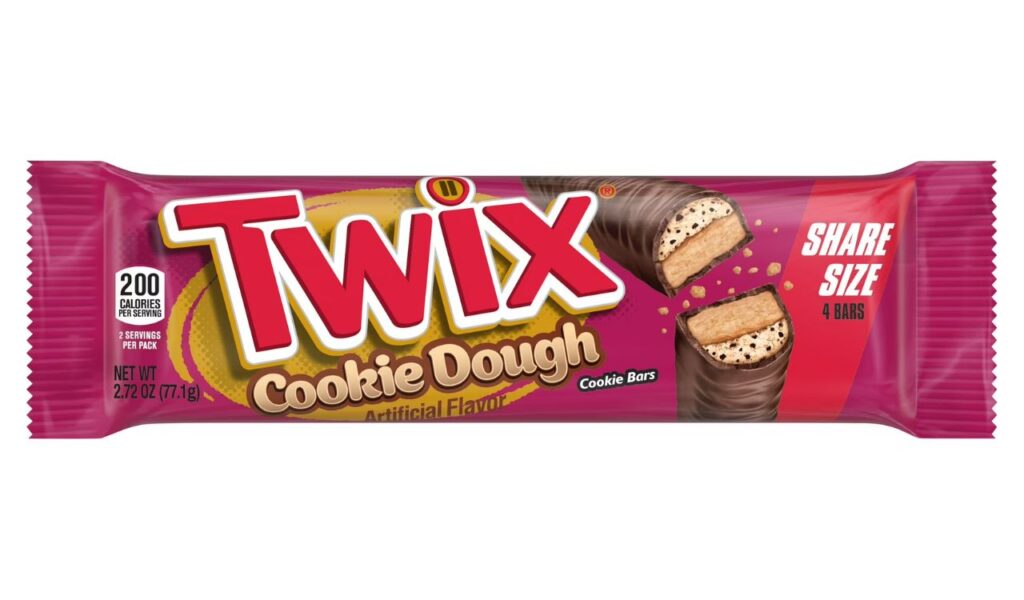
Twix is known for its twin bars inside a single wrapper. Although the format remains the same, total weight in certain markets has declined gradually while retail pricing increased.
Fluctuations in cocoa, wheat flour for the biscuit layer, and sugar costs influence manufacturing decisions. Reducing bar thickness or trimming grams helps maintain competitive pricing without altering the recognizable twin concept.
Consumers rarely see a visible difference at first glance. However, comparing older and newer net weights shows that the amount of chocolate and biscuit has narrowed, raising the effective price per ounce.
7. Lay’s Potato Chips
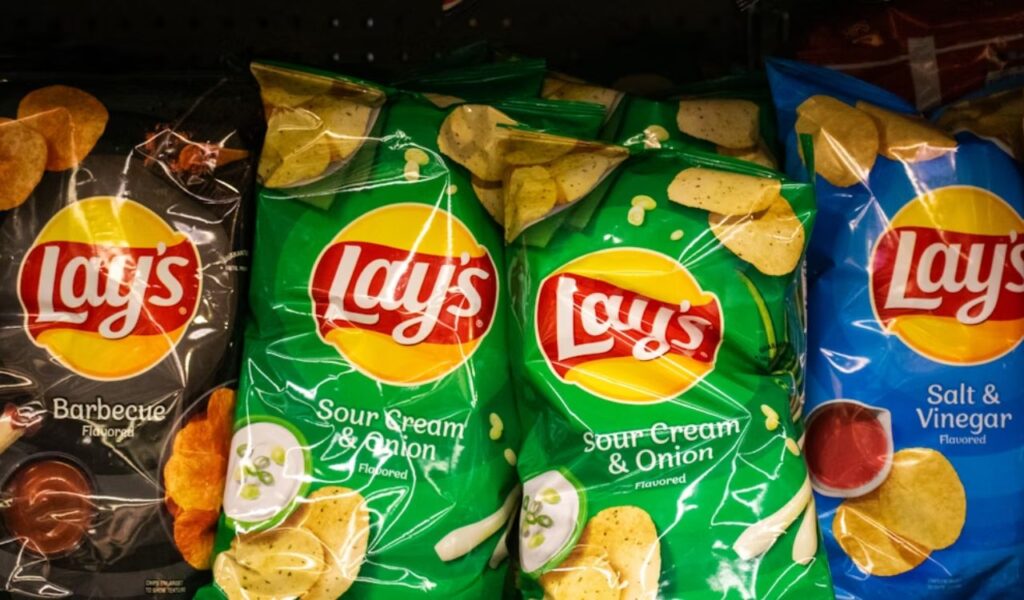
A bag of Lay’s still looks airy and bright, yet the ounce count has shifted downward in many single-serve and family-size options. The bag dimensions often stay similar, which can make the reduction less obvious.
Potato crop variability, cooking oil prices, fuel costs, and packaging materials all affect chip production. Rather than sharply increasing prices, companies often lower net weight by small increments across product lines.
The result is a higher price per ounce, even if the shelf tag only moves slightly. Over repeated purchases, those trimmed ounces translate into noticeable increases in what shoppers pay for the same snack experience.
8. M&M’s
M&M’s bags promise colorful handfuls, but the total weight in some sharing and standard packs has gradually declined. Prices, however, have trended upward in many regions.
Chocolate candies depend heavily on cocoa, sugar, and milk solids, all of which face market volatility. Adjusting fill weight allows brands to offset cost pressures while maintaining familiar packaging size and branding.
For consumers, fewer candies per bag means each handful effectively costs more. The shift is subtle, yet reading the fine print on net weight reveals how portion control has quietly replaced straightforward price hikes.
9. Cheetos
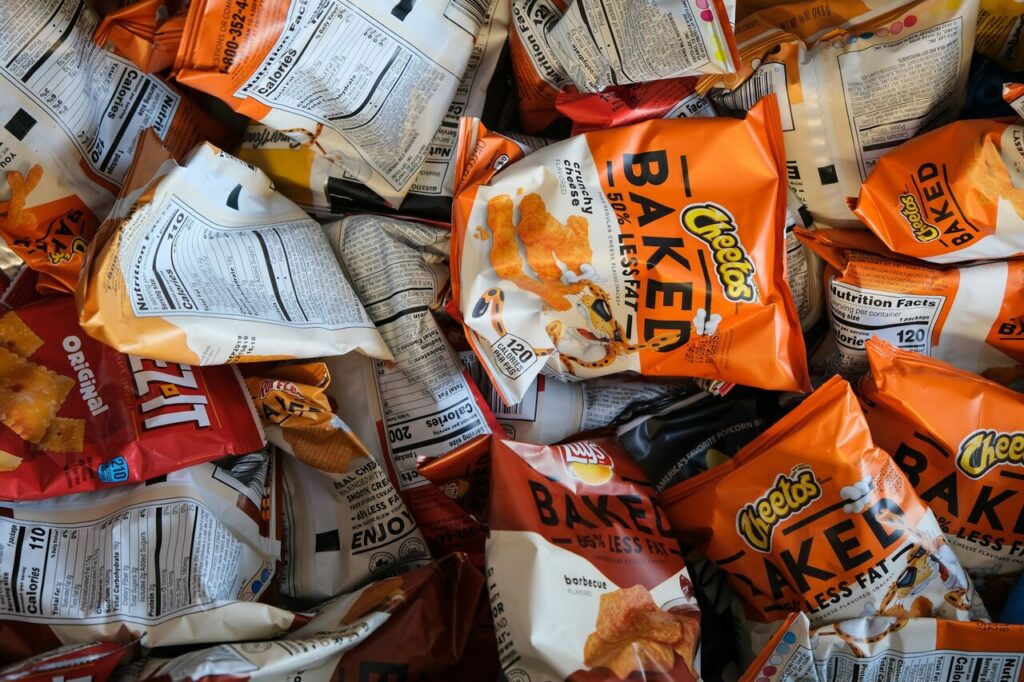
Cheetos are known for their airy crunch, which already makes them light by design. In recent years, several bag sizes have seen reductions in net weight while the packaging appearance stayed nearly the same.
Cornmeal, cheese seasoning, vegetable oil, and freight costs all contribute to final pricing. Trimming ounces offers manufacturers a way to manage inflation without risking sudden sticker shock on store shelves.
Because the product is puffed and light, even small weight reductions are hard to detect visually. Over time, though, the cost per ounce climbs, and consumers end up paying more for fewer crunchy bites.
10. Oreos
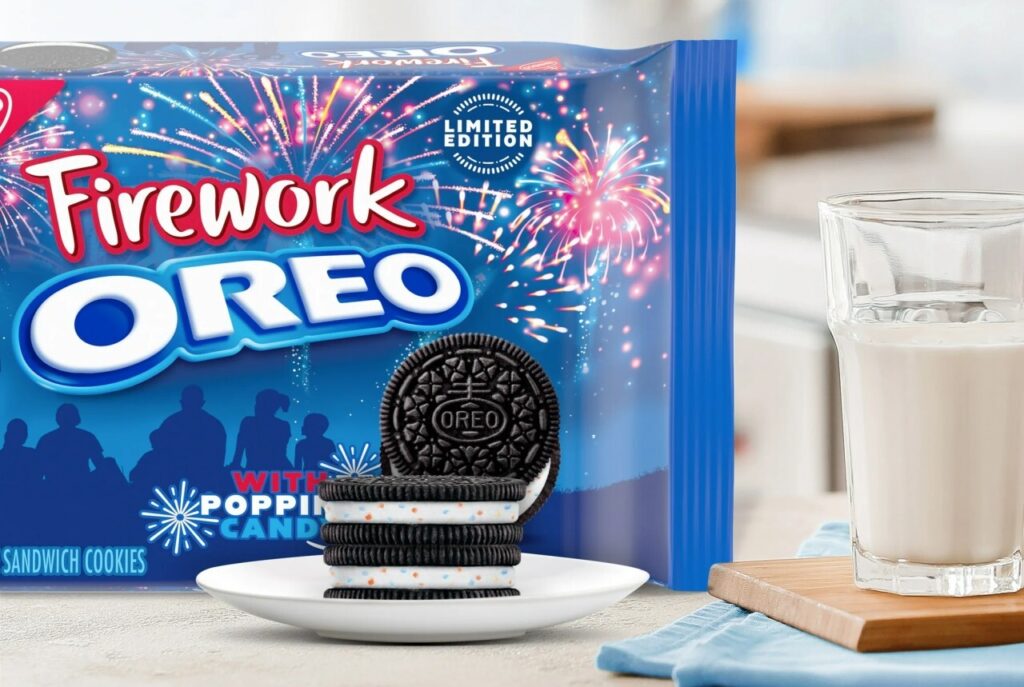
Oreos have a loyal following, and their packaging rarely changes dramatically. Yet some standard packs now contain fewer cookies or slightly reduced net weight compared to earlier versions.
Flour, sugar, cocoa, and vegetable oils are core ingredients whose prices fluctuate. Companies often respond by adjusting the number of cookies per sleeve or tray rather than sharply increasing retail prices.
The difference shows up in the number of servings per pack. A missing row or lighter tray may not stand out immediately, but comparing weights over time reveals that shoppers are receiving fewer cookies for more money.
11. Nutella Mini Jars
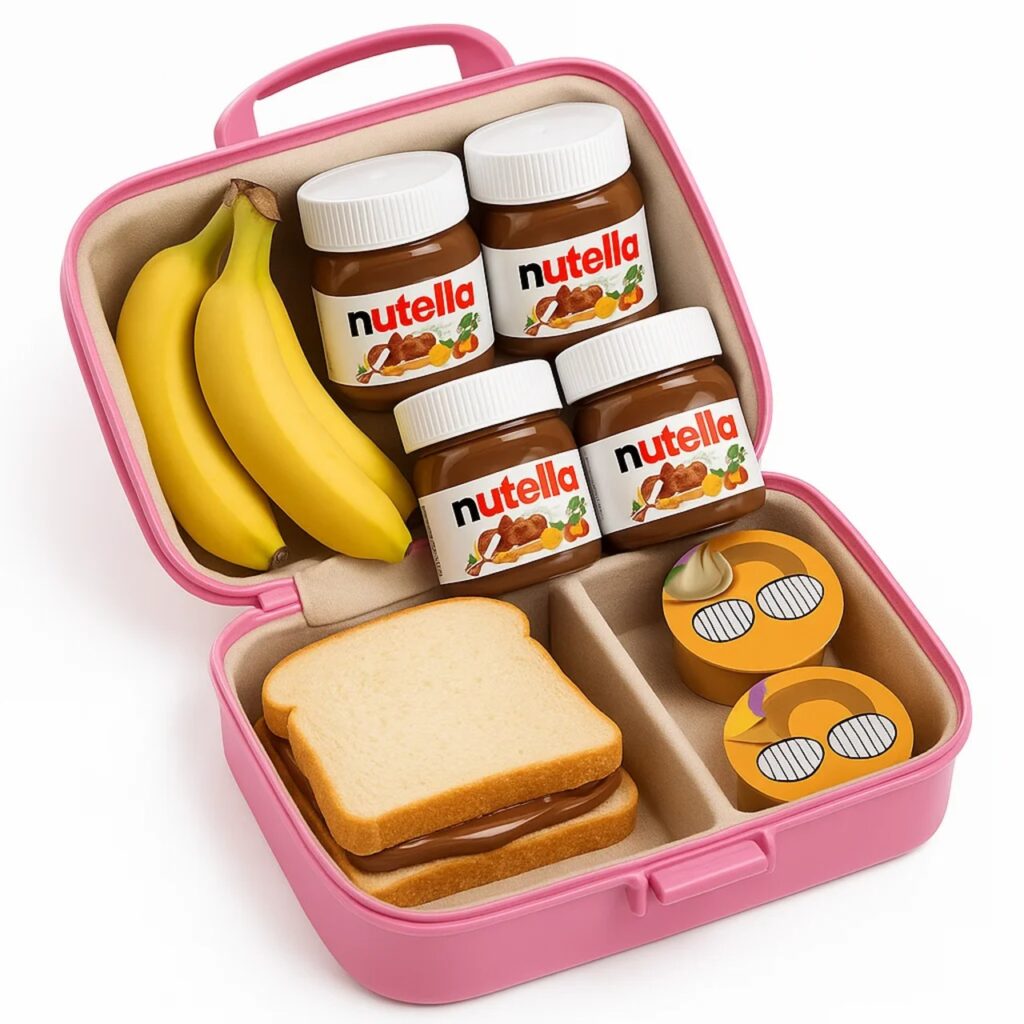
Nutella’s small jars are marketed as convenient treats. Over time, certain mini formats have decreased in total grams while retail prices rose in step with broader food inflation.
Hazelnuts and cocoa are major cost drivers, and both face supply fluctuations. Packaging glass and transport expenses add further pressure, especially for smaller containers that require more material per ounce of product.
When the jar size shrinks, but the price remains similar, the cost per gram increases noticeably. For families who buy snack-size jars regularly, those small reductions accumulate into higher long-term spending.
12. Tostitos Party Size
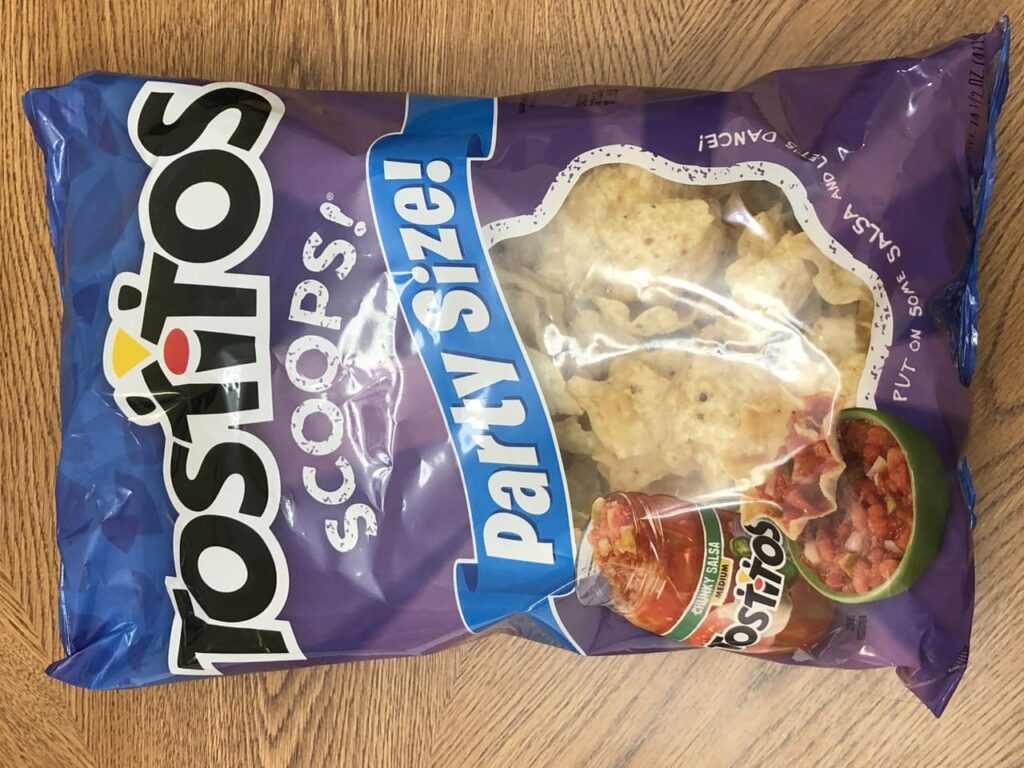
The phrase “party size” suggests abundance. Yet some large chip bags labeled this way have seen ounce reductions while maintaining similar price points and package dimensions.
Corn supply conditions, cooking oil prices, and freight costs all influence tortilla chip production. Reducing net weight by a few ounces across large formats helps companies stabilize margins amid rising expenses.
Because the bag still looks large, shoppers may not detect the smaller fill. Checking the weight label reveals the change. Over time, buyers pay more per ounce even though the product appears just as generous.
13. Hershey’s Chocolate Bars
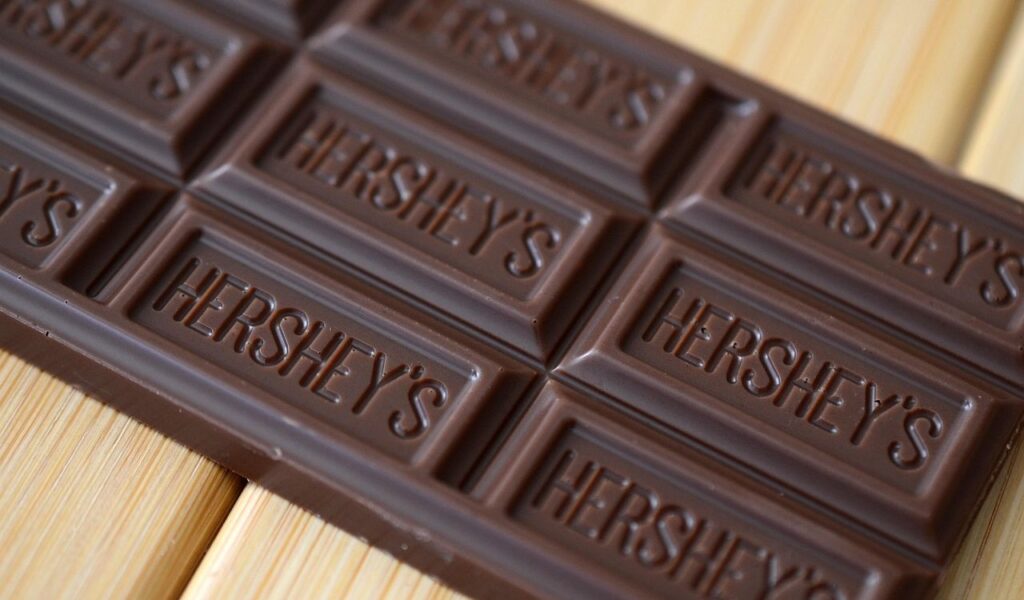
Hershey’s bars are a classic checkout line staple. In recent years, certain varieties have slimmed slightly in weight while prices increased across many retail channels.
Cocoa market swings, dairy costs, and energy-intensive manufacturing all pressure chocolate makers. Adjusting bar dimensions or thickness is a practical way to balance rising input costs without dramatic pricing shifts.
For customers, the wrapper design remains comforting and familiar. The printed ounces, however, tell a different story. A lighter bar at a higher price means greater cost per gram than in years past.
14. Goldfish Crackers
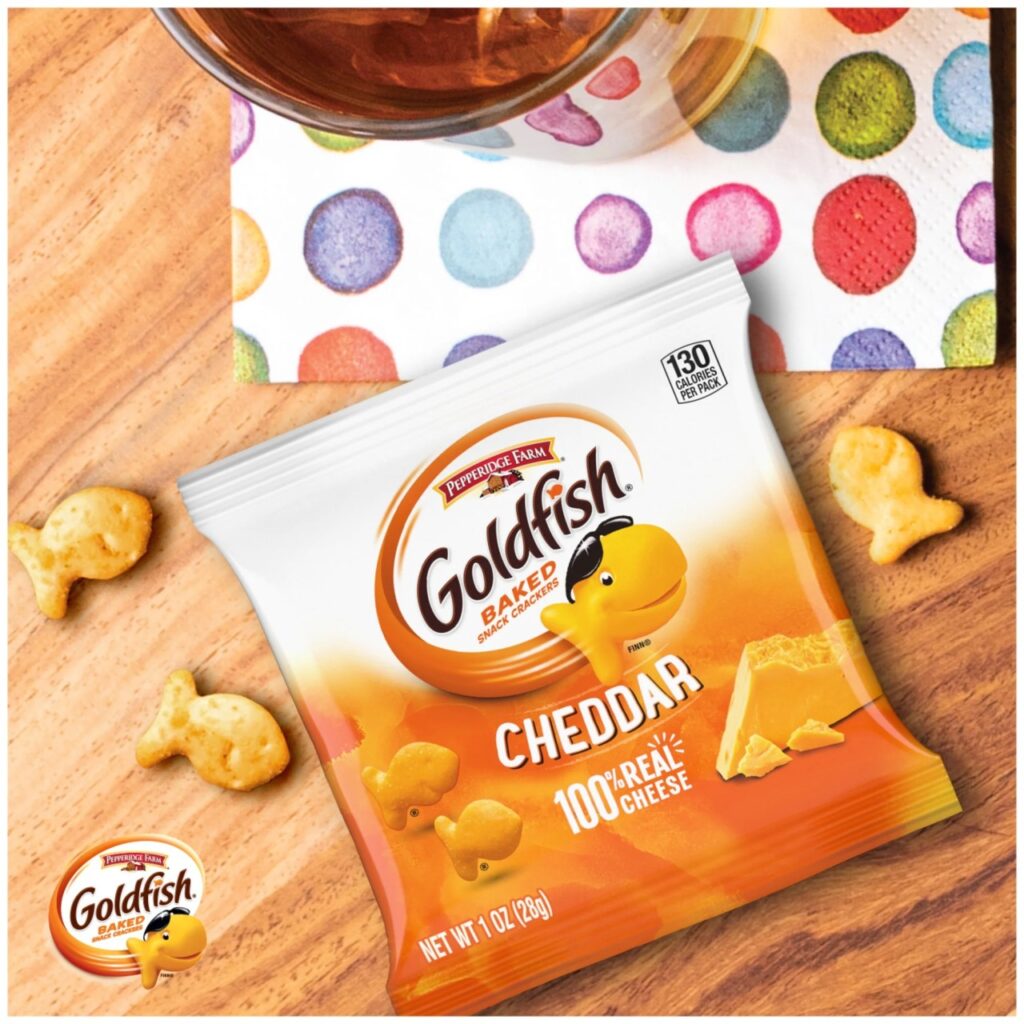
Goldfish crackers are a lunchbox favorite. Some individual and multipack portions have decreased in net weight over time, even as overall pricing has trended upward.
Wheat flour, cheese ingredients, and packaging materials contribute to cost changes. When inflation affects these inputs, manufacturers often respond by trimming grams from each small bag rather than sharply raising sticker prices.
Because single-serve bags are already compact, small reductions are easy to overlook. Yet over months of regular purchases, those missing ounces translate into a higher effective cost for a familiar childhood snack.