Memphis vs Kansas City BBQ Styles Explained for Backyard Cooks

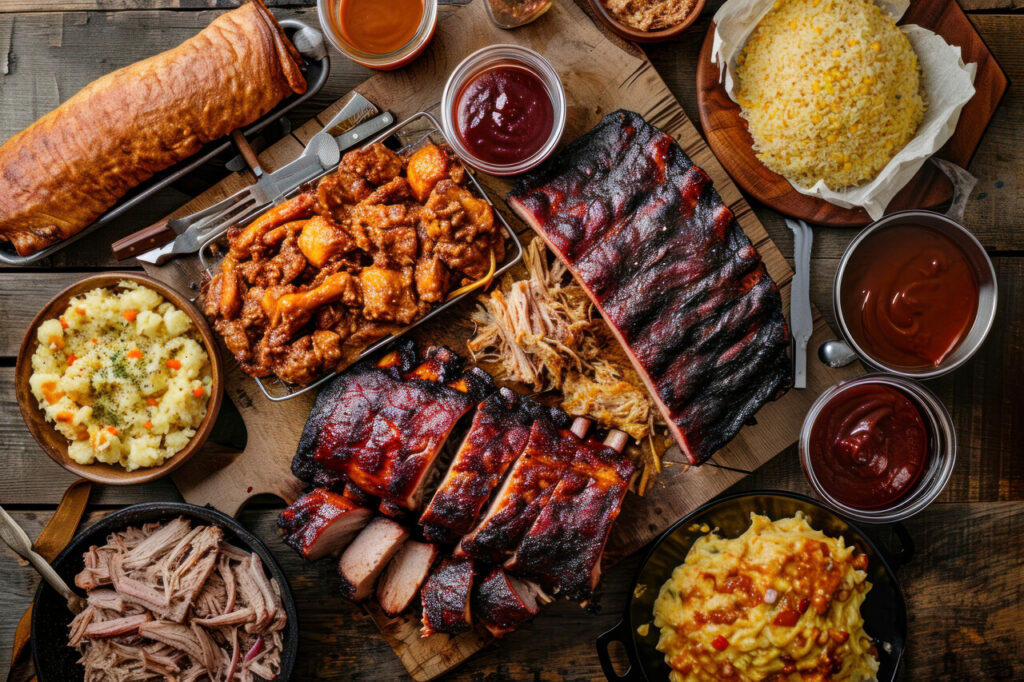
American barbecue isn’t one-size-fits-all, and nowhere is that clearer than the divide between Memphis and Kansas City styles. Both center on low-and-slow cooking and deep smoke, but they take very different paths to get there. One leans on spice and restraint, the other on sauce and abundance. For backyard cooks, understanding these differences isn’t about choosing a winner. It’s about knowing which approach fits your taste, your grill, and the kind of crowd you like to feed.
What Makes BBQ Regional in America
Barbecue in the United States isn’t just food. It’s geography, history, and local pride cooked low and slow. Long before backyard grills became common, barbecue developed as a practical way to cook tougher cuts of meat over indirect heat, using whatever fuel and seasonings were available locally. Over time, those practical choices hardened into traditions. Wood types, spice availability, immigrant influences, and even climate shaped how different regions cooked and flavored their meat. That’s why American barbecue doesn’t have a single definition. It has accents.
What really separates regions is not just what meat is cooked, but how it’s treated from start to finish. Some styles emphasize dry seasoning, others lean heavily on sauce. Some prize pork above all else, while others welcome anything that benefits from smoke. Memphis and Kansas City stand out because they represent two very different philosophies that backyard cooks can actually replicate. One values restraint and smoke-forward flavor. The other celebrates abundance, sweetness, and sauce. Understanding why they diverged makes it easier to choose which approach fits your own cooking style.
Memphis BBQ Basics for Backyard Cooks
Memphis barbecue starts with confidence in the meat itself. This style is most closely associated with pork, especially ribs and pulled pork shoulder. The defining feature is the dry rub. Memphis pitmasters rely on carefully balanced spice blends made with paprika, garlic powder, onion powder, black pepper, cayenne, and other spices to build flavor before the meat ever hits the smoker. Sauce is optional and often served on the side, not brushed on during cooking. The idea is that smoke, meat, and spice should do most of the work.
For backyard cooks, Memphis-style is approachable because it doesn’t require constant saucing or complicated steps. The focus is on temperature control and patience. Ribs are typically cooked low and slow until tender, but not falling apart. Hickory wood is a classic choice, delivering a bold smoke that stands up to pork without overwhelming it. The result should taste deeply savory with a slight kick, not sweet or sticky. If you enjoy barbecue that highlights smoke and spice rather than sugar, Memphis style offers a clear, disciplined path that rewards careful cooking.
Kansas City BBQ Basics for Backyard Cooks
Kansas City barbecue takes a more inclusive, celebratory approach. While pork ribs are still central, this style embraces a wide range of meats, including brisket, burnt ends, chicken, turkey, and sausage. What truly defines Kansas City barbecue is sauce. Thick, glossy, and tomato-based, Kansas City sauce is usually sweetened with brown sugar or molasses and balanced with vinegar and spice. It’s brushed on generously during cooking and often again at the table.
For home cooks, Kansas City style feels familiar and forgiving. The sauce acts as both flavor and insurance, covering minor missteps and adding richness even if the meat isn’t perfect. Smoking woods like hickory or oak are common, but the smoke is meant to support the sauce rather than dominate. The finished meat is tender, sticky, and deeply comforting. If your idea of great barbecue includes caramelized edges and a finger-licking finish, Kansas City style is designed to please crowds and reward abundance.
Sauce, Rub, and Flavor Differences
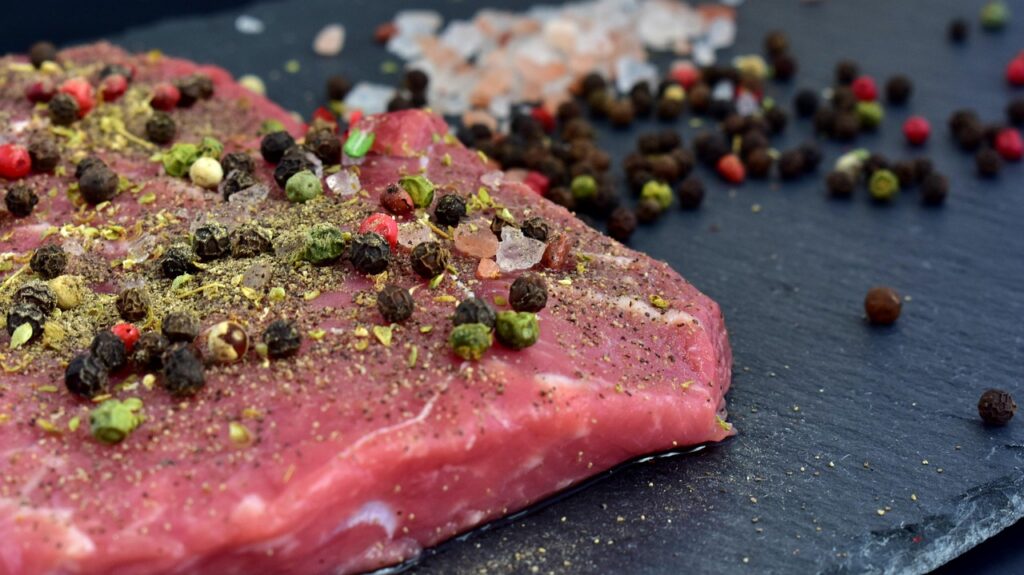
The clearest contrast between these two styles shows up in how flavor is layered. Memphis barbecue builds from the inside out. The dry rub penetrates the meat over hours of cooking, forming a crust known as bark that concentrates spice and smoke. Because there’s little to no sugar involved during cooking, the flavor remains savory and clean. Any sauce added later is meant to complement, not dominate.
Kansas City barbecue works in the opposite direction. Flavor builds outward. The rub provides a base, but the sauce takes center stage as it thickens and caramelizes over heat. Sugar plays a major role, creating a glossy exterior and a sweet-savory balance that many people associate with classic American barbecue. For backyard cooks, this difference matters. Memphis style demands restraint and precision. Kansas City style encourages generosity and layering. Neither is better. They simply answer different cravings.
How to Grill Like the Pros at Home
Recreating either style at home starts with controlling heat and smoke. Both Memphis and Kansas City barbecue rely on low temperatures, usually between 225 and 275 degrees Fahrenheit. A charcoal grill with indirect heat, a pellet smoker, or a dedicated smoker all work well. What matters most is consistency. Fluctuating temperatures dry meat out and prevent proper breakdown of connective tissue.
To cook Memphis style, focus on your rub and resist the urge to sauce early. Let the meat develop bark naturally and rest it before serving. For Kansas City style, choose a sauce you enjoy and apply it in stages toward the end of cooking to avoid burning the sugars. In both cases, patience is the real ingredient. Backyard barbecue doesn’t require professional equipment, but it does reward attention. Once you understand the logic behind each style, you can switch between them easily, or even blend elements to create a house style that fits your taste.
References
- Types of BBQ – webstaurantstore.com
- Understanding the Differences Between These 4 Different BBQ Styles – truthbbq.com