How Avocados Took Over American Kitchens and Menus

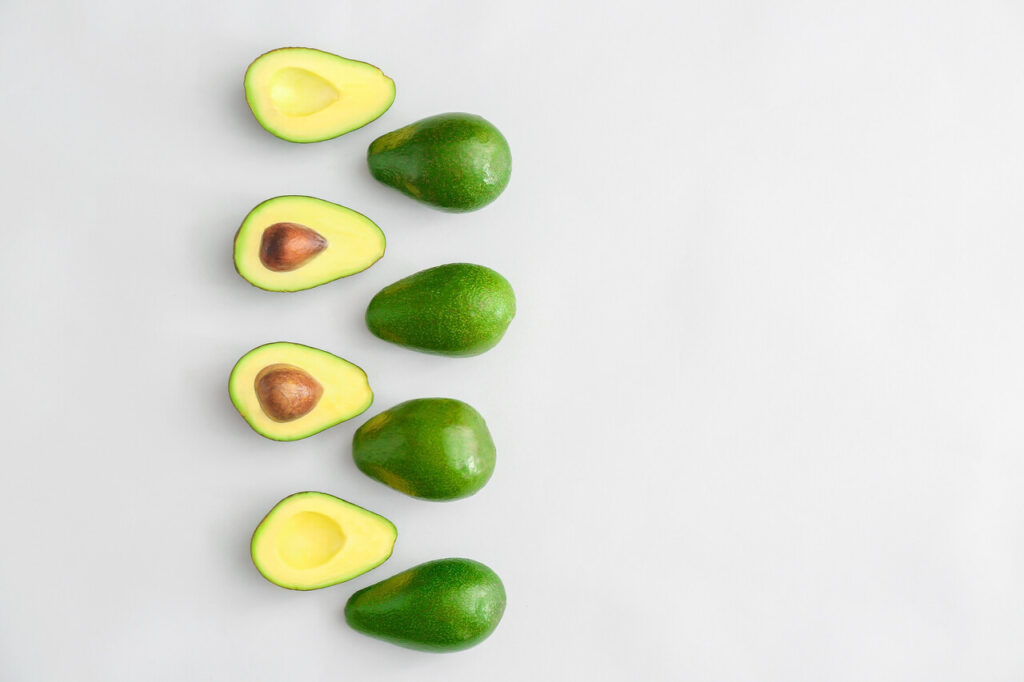
A century ago, most Americans had never tasted an avocado, let alone built meals around one. Today, it’s hard to imagine grocery stores, brunch menus, or home kitchens without them. The avocado’s rise wasn’t driven by a single food trend or fleeting fad. It was the result of smart marketing, changing ideas about nutrition, expanding global trade, and a growing appetite for foods that feel both healthy and indulgent. What began as an unfamiliar fruit has become a defining ingredient in how Americans cook and eat.
From Exotic Curiosity to Everyday Staple
It’s almost hard to imagine now, but there was once a time when avocados were curiosities at best and downright mysteries at worst to many Americans. Before the mid-20th century, avocados were largely absent from American kitchens outside a few pockets of the Southwest and Florida, where the climate supported their growth. For most of the rest of the country, the avocado was a pale green, bumpy fruit that few people knew how to use or even pronounce. Its arrival wasn’t sudden; rather, it was a slow, regional spread over decades that mirrors broader changes in how Americans approach food and global produce.
In the early 1900s, growers in California and Florida began cultivating avocados on a larger scale, but the fruit remained a novelty. Grocery stores stocked it sporadically, often with little guidance on ripeness or preparation. People who had never seen one didn’t feel confident buying one, and many mistook them for vegetables rather than a fruit. Yet the seeds of popularity were already there. In places like Southern California, where avocados were more common, home cooks and restaurants began experimenting with the creamy flesh in salads and sandwiches. That regional enthusiasm would later become the foundation for a nationwide embrace as distribution networks improved and tastes evolved.
The Marketing Miracle Behind the Rise
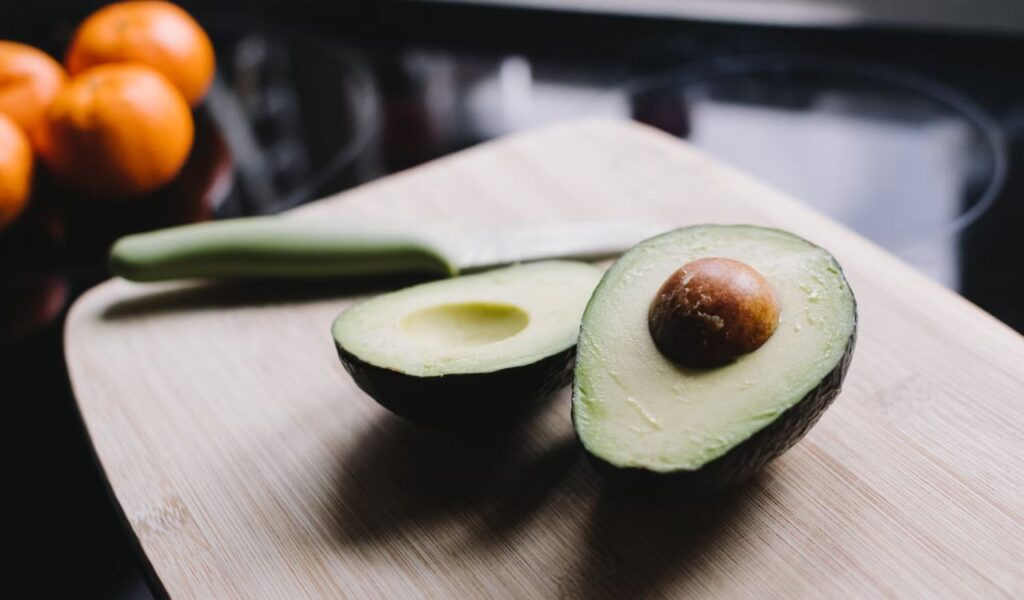
What really accelerated the avocado’s journey from exotic to everyday was not just growers or chefs but a concerted marketing effort that reshaped the way Americans thought about the fruit. One of the most impactful campaigns was orchestrated by industry groups in the latter half of the 20th century, most notably in the 1970s and 1980s. Marketers didn’t just place avocados on grocery shelves; they crafted a narrative around them. They presented avocados as modern, nutritious, and versatile, perfect for the emerging health trends and lifestyles of the time. Television, print ads, and promotional materials educated consumers on how to select ripe avocados, how to prepare them, and how to incorporate them into everyday meals.
These campaigns succeeded because they tapped into deeper cultural currents. As Americans became more mobile and exposed to diverse cuisines, they were increasingly willing to embrace unfamiliar foods. The avocado’s soft texture and mild flavor made it adaptable to a wide range of dishes. Marketing didn’t create demand out of thin air; it connected existing curiosity with practical knowledge and permitted people to experiment. Suddenly, the avocado was not just something exotic to try once; it was something worth keeping in the kitchen regularly. That shift in perception was crucial, and it set the stage for the fruit’s explosion onto menus and into more homes.
Nutrition Meets Modern Eating Trends
The avocado’s rise also dovetailed with changing ideas about nutrition and healthy eating. For much of American history, dietary advice emphasized low-fat eating and moderation of all fats. Avocados didn’t fit easily into that framework because they are rich in fats. But research over time nuanced that view, showing that the fats in avocados are predominantly monounsaturated, which can support heart health and satiety. As scientific understanding of nutrition evolved, avocados began to be embraced by dietitians, fitness communities, and wellness advocates as an example of a “good fat.”
This rebranding mattered at a time when consumers were becoming more proactive about their diets. Avocados came to be seen not just as delicious but as smart. They fit neatly into conversations about weight management, plant-forward eating, and balanced nutrition. Millennials in particular embraced the fruit for its health halo, seeing it as a symbol of mindful eating. Over time, avocados became the go-to ingredient for toast toppings, smoothie enrichments, and salad upgrades, blending seamlessly with contemporary eating patterns that favor whole, minimally processed foods with nutritional benefits beyond mere calories.
Avocado on Every Menu
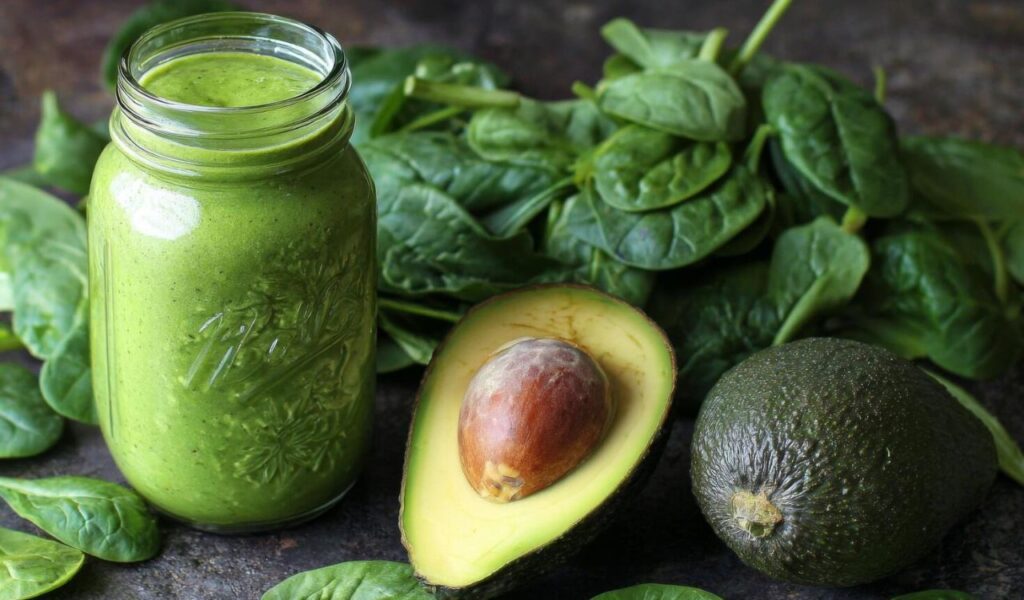
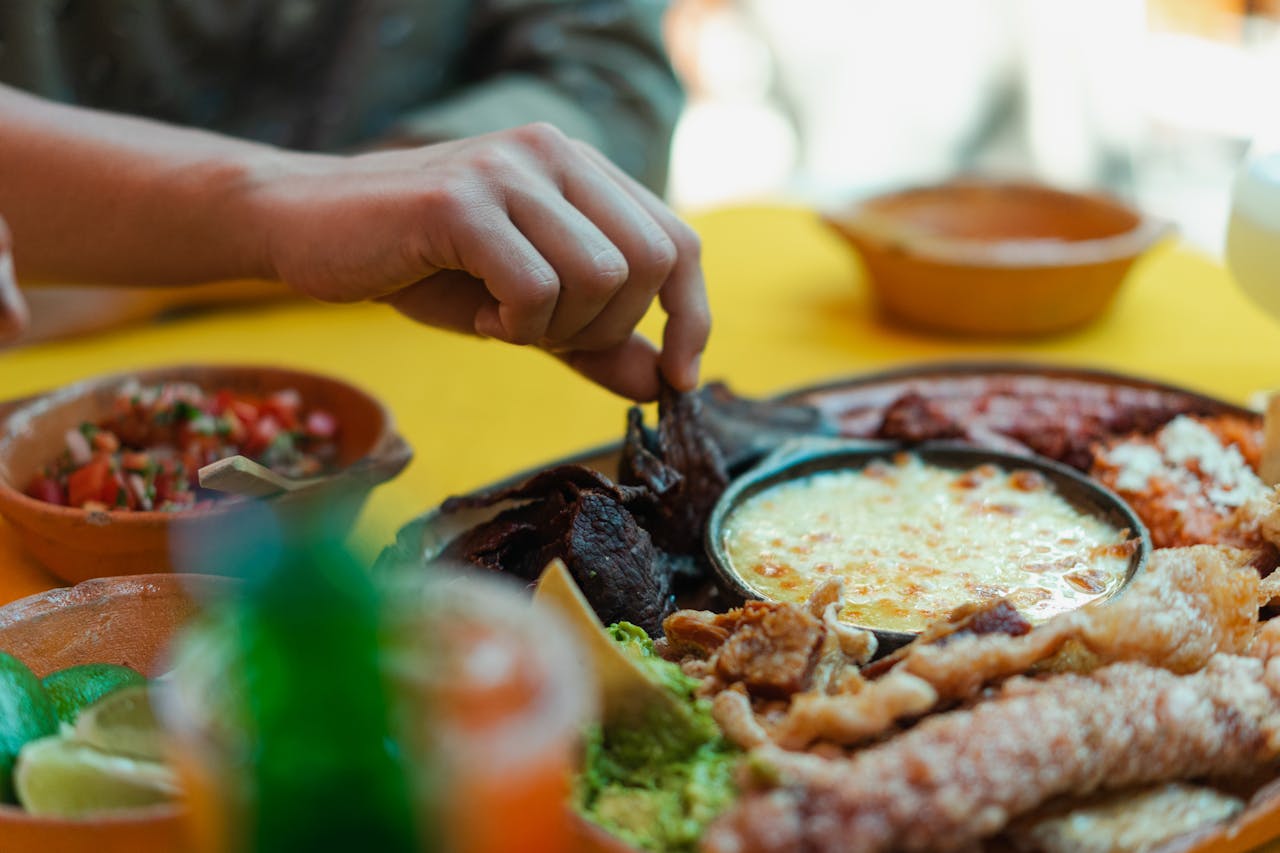
As consumer demand surged, restaurants quickly took notice. Initially, avocados showed up in places where they felt natural, Mexican and Californian eateries that had long used the fruit in tacos, salads, and guacamole. But as broader audiences became more comfortable with the taste and texture, chefs started experimenting. Avocado slices adorned gourmet burgers. Avocado purées replaced traditional spreads. Even fine dining menus began featuring the fruit in inventive ways, from chilled soups to avocado-filled pasta dishes.
This trend was amplified by social media and food culture at large. Platforms like Instagram transformed visually appealing foods into must-try dishes, and avocados, with their rich green hue and creamy texture, were ideal subjects. The rise of “avocado toast” became emblematic of this moment, a simple dish that signaled both flavor sensibility and social identity. Restaurants and cafés around the country, keen to tap into trends and aesthetics that resonate with diners, adopted avocado-focused items not just because they were tasty but because they were culturally relevant. The fruit’s presence on menus became a shorthand for freshness, modernity, and culinary creativity.
Economic and Cultural Impact
The avocado phenomenon has had economic resonance far beyond the dinner plate. As the fruit became embedded in American eating habits, demand skyrocketed, transforming global production patterns. Countries like Mexico, which have a climate well-suited to growing avocados year-round, became major exporters to the United States, shaping trade relationships and agricultural priorities. The “green gold” boom in avocado cultivation brought wealth to some farming regions and raised discussions about sustainability, land use, and environmental impact.
But the avocado’s cultural dominance also says something about American taste and identity. Its journey from curiosity to kitchen staple reflects broader dynamics in how the United States engages with food: openness to global influences, a focus on healthful eating, and a willingness to adopt new flavors and textures into daily life. The avocado did not take over American kitchens by accident. It found its place at the intersection of marketing savvy, shifting nutrition science, restaurant innovation, and evolving cultural values. Today, its presence on shelves and menus is less a trend and more a testament to the fruit’s remarkable adaptability and enduring appeal.
References
- Americans Are Totally Obsessed With Avocados Thanks to This Man – time.com
- How Marketing Changed the Way We See Avocados – scientificamerican.com
- The rise of the avocado, America’s new favorite fruit – theolympian.com