8 Plant-Based Swaps Actually Worked; Here’s Which Ones Home Cooks Quietly Gave Up On


Changing the way we eat rarely happens all at once. Most shifts begin quietly, with small swaps that promise better health, easier cooking, or a lighter feel on the plate. Some changes slip into daily life so easily they barely feel like substitutions.
Plant-based alternatives have moved from trend to routine in many kitchens. Yet not every swap delivers the same results. While some prove practical and satisfying, others reveal gaps in texture, taste, or convenience over time.
Looking at what actually works gives a clearer view of how people truly eat. These choices reflect real habits shaped by flavor, ease, and everyday practicality rather than passing trends.
1. Oat Milk in Coffee

Changing what goes into your morning coffee is often the hardest habit to shift, yet oat milk settled in with surprising ease. Its neutral taste and gentle sweetness make it one of the few plant-based options that do not compete with the flavor of coffee.
From a functional standpoint, oat milk performs well under heat. It is less likely to curdle than some alternatives, and it creates a smooth, consistent texture in both black coffee and milk-based drinks. This makes it reliable for daily use.
Its success also comes from familiarity. The texture feels close to dairy, and it requires little adjustment in routine. For many home cooks, it became a lasting change because it fits naturally into an established habit.
2. Lentils Instead of Ground Meat

Replacing ground meat can feel like a major shift, but lentils offer a practical solution that works in everyday cooking. When cooked correctly, they provide a soft yet slightly firm texture that blends well into many familiar dishes.
They are especially effective in recipes where seasoning plays a central role. Lentils absorb spices and sauces easily, allowing them to take on bold flavors that help replicate the depth usually associated with meat-based meals.
Beyond taste, lentils are cost-effective and nutritionally dense. They are rich in protein and fiber while being easy to store and prepare. This combination of affordability, versatility, and flavor made the swap sustainable for many households.
3. Cauliflower Rice Instead of White Rice
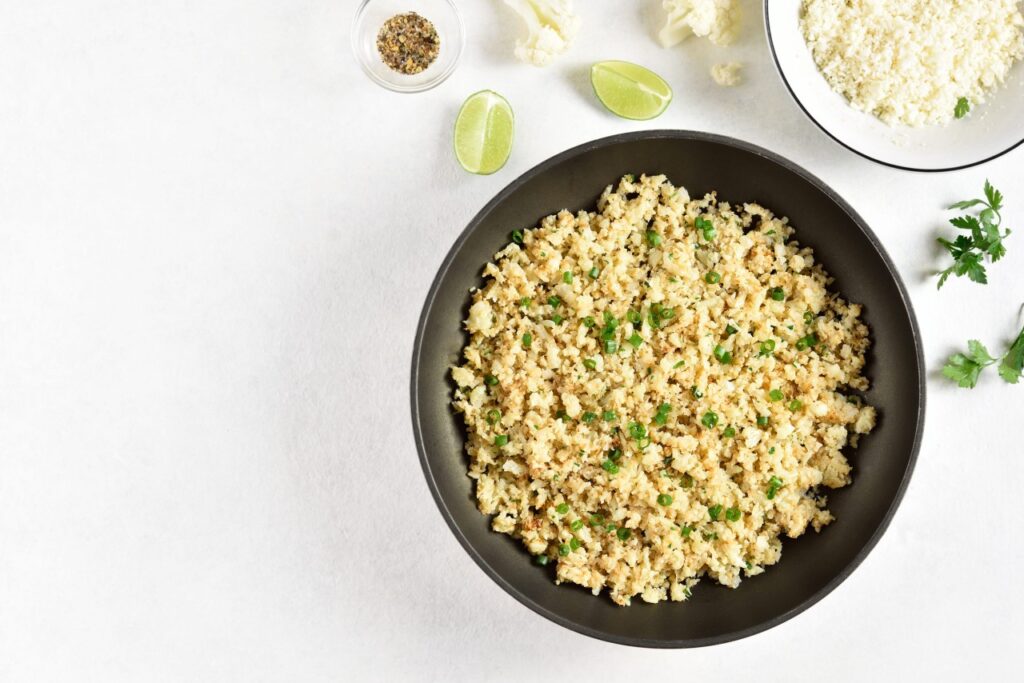
At first glance, replacing rice with vegetables may seem like a compromise, but cauliflower rice has found its place by offering a lighter alternative rather than a direct replacement. Its texture can resemble rice when prepared properly.
It works best in dishes where strong flavors dominate, such as stir-fries or spiced meals. In these settings, cauliflower absorbs surrounding flavors, allowing it to blend into the dish without standing out too much.
The key to its success lies in expectation. Home cooks who treat it as a different ingredient rather than an exact substitute tend to enjoy it more. It became a useful option for lighter meals without fully replacing traditional rice.
4. Chickpeas for Creamy Sauces
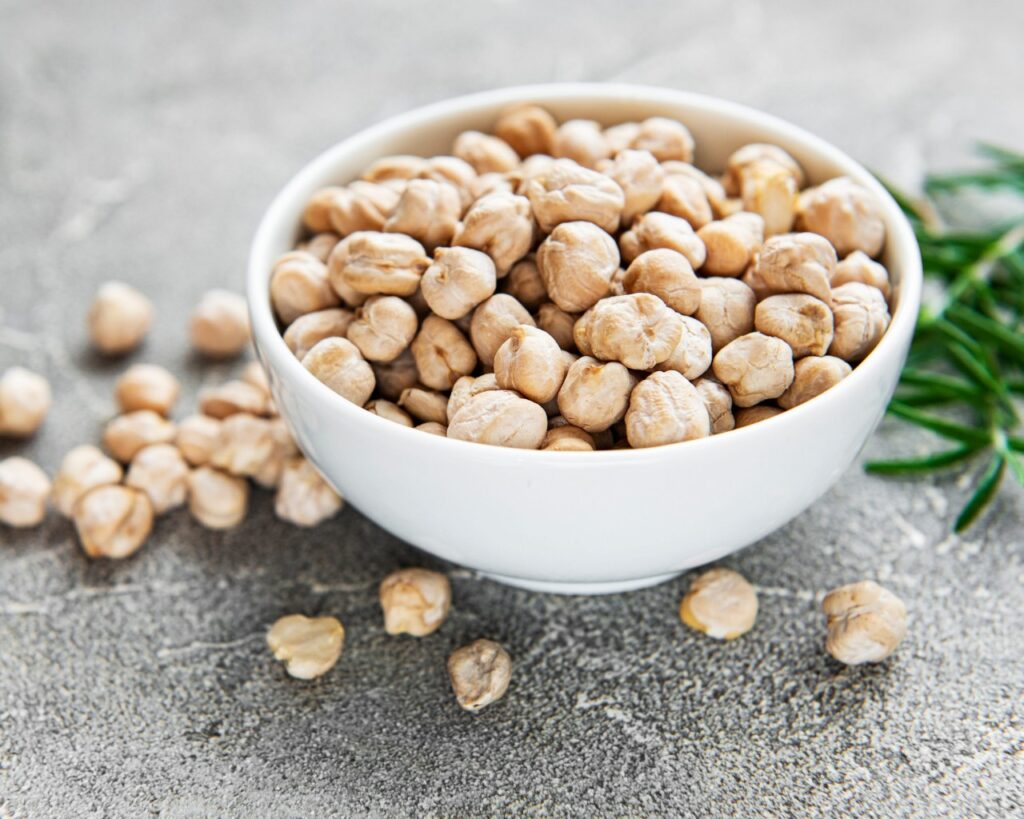
Turning chickpeas into a creamy base may not seem obvious, yet it has proven to be one of the more practical plant-based techniques. When blended, chickpeas create a smooth consistency that works well in sauces and spreads.
Their mild flavor allows them to take on added ingredients like garlic, herbs, or nutritional yeast. This flexibility makes them suitable for recreating dishes that traditionally rely on dairy for richness.
Chickpeas are also widely available and easy to use, which adds to their appeal. For home cooks, this swap worked because it delivers both texture and nutrition while fitting easily into everyday cooking habits.
5. Avocado Instead of Butter on Toast

Swapping butter for avocado is less about restriction and more about preference. The natural creaminess of avocado makes it an easy replacement that spreads smoothly and adds richness without additional processing.
It also brings nutritional benefits, including healthy fats and fiber, which contribute to a more balanced meal. The mild flavor allows it to pair well with simple toppings or seasonings without overpowering them.
This change succeeded because it requires no extra effort. It fits seamlessly into existing routines and offers a fresh alternative that feels satisfying. For many, it became a regular choice rather than a temporary substitution.
6. Zucchini Noodles as Pasta
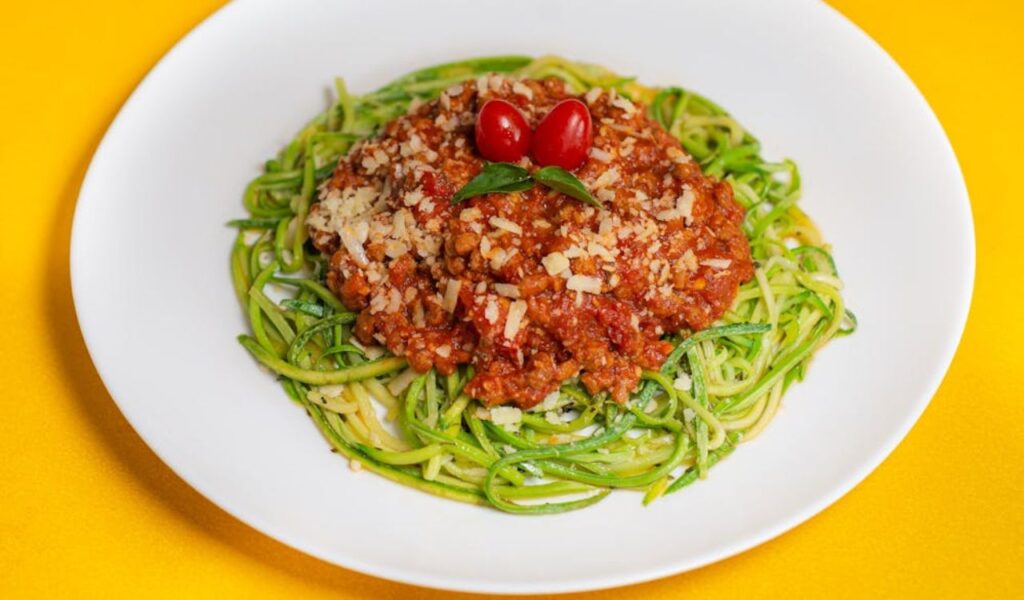
Zucchini noodles gained attention as a low-carb alternative, but their long-term success has been limited by texture and cooking behavior. While they resemble pasta visually, the eating experience is noticeably different.
Zucchini contains a high amount of water, which is released during cooking. This can lead to a softer texture and diluted sauces, making the dish feel less structured compared to traditional pasta.
Many home cooks now treat zucchini noodles as their own dish rather than a replacement. They are appreciated for their freshness but are often used selectively, especially in meals where texture plays an important role.
7. Lettuce Wraps Instead of Bread

Lettuce wraps offer a fresh and lighter option, but they struggle to fully replace bread in everyday meals. The main challenge lies in structure, as lettuce lacks the strength to hold heavier fillings securely.
This often leads to a less convenient eating experience, especially with sauces or layered ingredients. The crisp texture also does not provide the same satisfaction or fullness that bread typically offers.
As a result, many home cooks use lettuce wraps occasionally rather than regularly. They work well as a variation but rarely serve as a complete substitute in meals where stability and comfort are important.
8. Coconut Yogurt Instead of Dairy Yogurt

Coconut yogurt presents a dairy-free option, but it has not fully replaced traditional yogurt for many people due to noticeable differences in taste and texture. Its flavor can be distinct, even when combined with other ingredients.
The consistency also varies widely, sometimes lacking the thickness or tang that defines dairy yogurt. This can affect how it performs in recipes or as a standalone food.
While it remains useful for those avoiding dairy, it is often chosen selectively rather than universally. Many home cooks continue to prefer traditional yogurt for its familiar taste and reliable texture in everyday use.