These 7 Grocery Chains Now Have Full Plant-Based Sections


Grocery shopping has quietly changed in recent years, with plant-based foods moving from small specialty shelves to clearly defined sections. What once felt limited is now part of the everyday layout in many major stores.
This shift is not just about trends but about demand and convenience. Shoppers are looking for options that are easy to find, simple to understand, and practical to use in daily cooking without extra effort.
As a result, many grocery chains have redesigned their aisles to make plant-based choices more visible and accessible. These sections reflect how eating habits are evolving, making it easier for anyone to explore new options without changing their routine.
1. Whole Foods Market
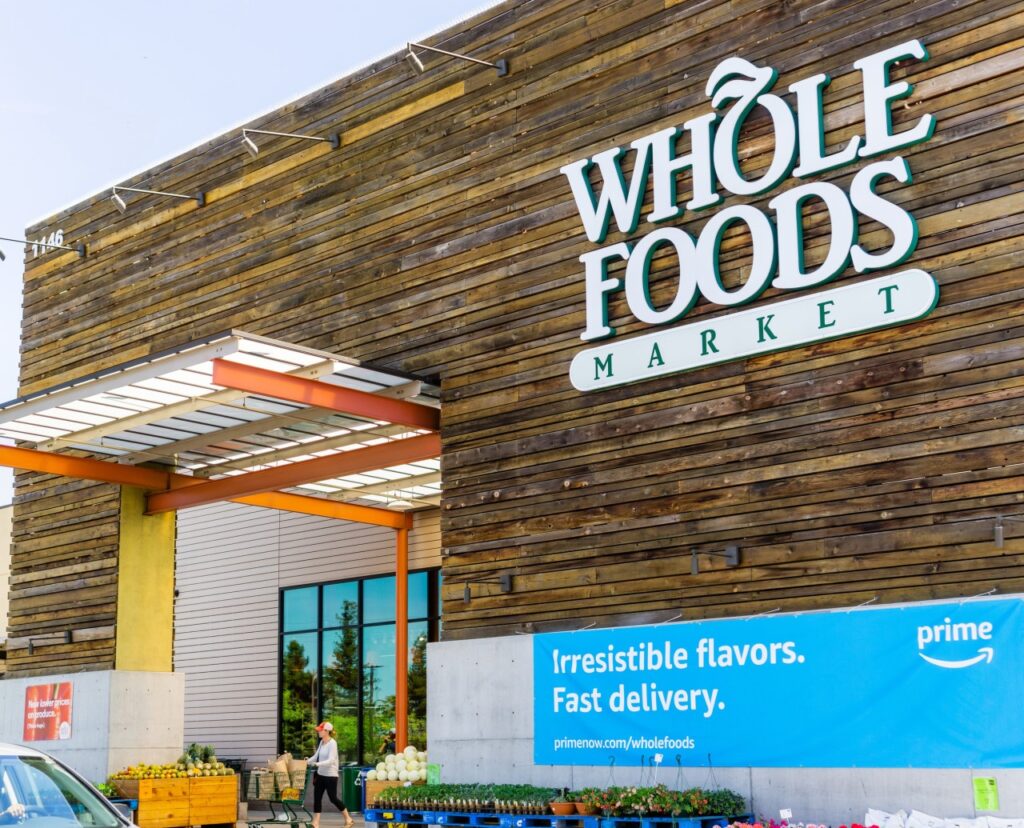
Walking into Whole Foods, the plant-based focus is immediately visible rather than tucked away. The layout is designed around dietary preferences, making vegan options easy to find without searching across multiple aisles.
Dedicated sections include dairy-free cheeses, plant-based meats, and ready meals, all clearly labeled for quick identification. Fresh produce and prepared foods also reflect this emphasis, keeping choices consistent throughout the store.
The strength of Whole Foods lies in its careful selection. Products focus on ingredient quality, appealing to shoppers who want plant-based options that are both reliable and minimally processed for everyday use.
2. Trader Joe’s
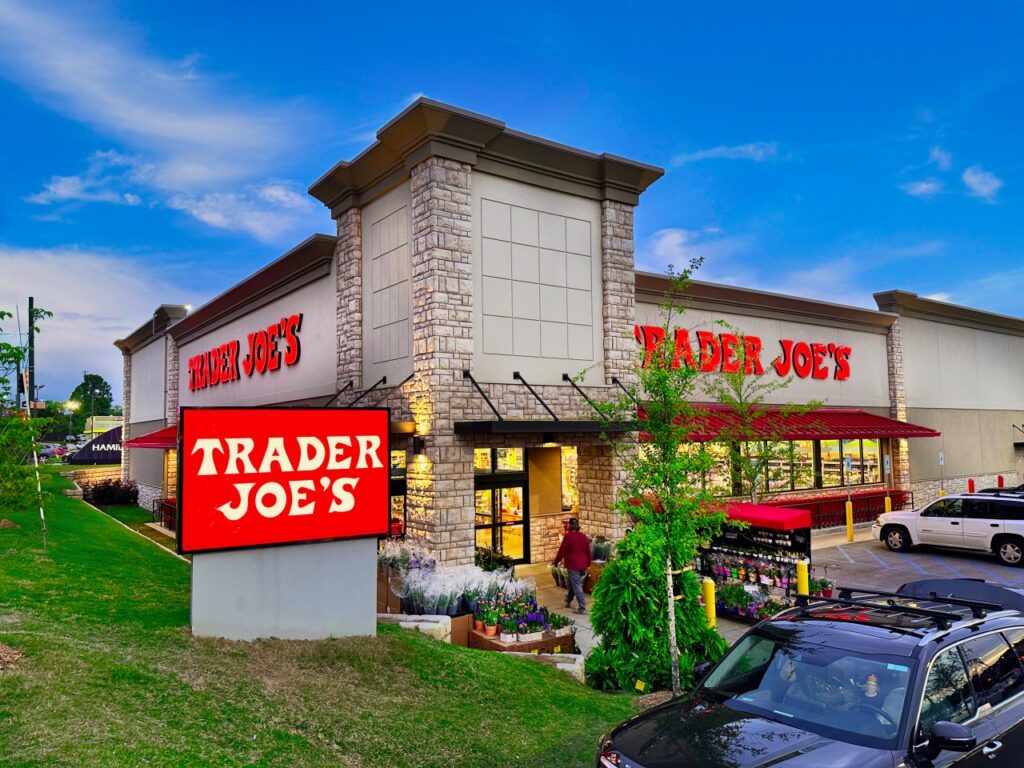
Trader Joe’s approaches plant-based eating through simplicity and innovation. Instead of overwhelming shoppers with too many brands, it focuses on its own private-label products that are easy to recognize and reasonably priced.
Plant-based items are spread across frozen, snack, and pantry sections, but they are clearly labeled and easy to spot. From meat alternatives to dairy-free desserts, the variety continues to expand without complicating the shopping experience.
Its appeal comes from accessibility and experimentation. New products rotate frequently, allowing shoppers to try different options without committing to high costs. This approach keeps the plant-based eating approachable and flexible for everyday use.
3. Sprouts Farmers Market
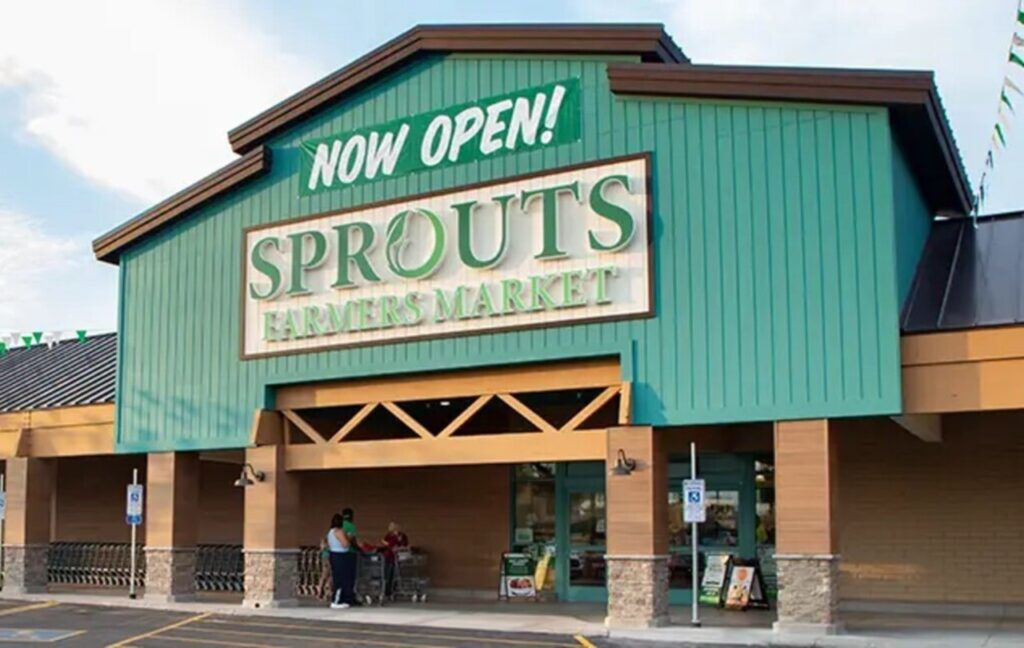
Sprouts Farmers Market builds its identity around natural and health-focused foods, making plant-based options a central feature rather than an add-on. The store layout supports this by grouping similar dietary products.
Shoppers will find sections dedicated to vegan proteins, dairy alternatives, and organic snacks, alongside bulk bins that allow for flexible purchasing. Fresh produce also plays a major role, reinforcing a whole-food approach to plant-based eating.
What makes Sprouts effective is its balance between variety and clarity. It offers a wide range of products while maintaining an organized structure, helping shoppers move easily through different categories without feeling overwhelmed.
4. Walmart

Walmart’s approach to plant-based sections is driven by scale and accessibility. As demand increased, the retailer expanded its offerings into clearly grouped categories both in-store and online, making them easier to navigate.
Shoppers can find plant-based milks, frozen meals, and meat alternatives in one area rather than scattered across departments. This reduces the effort required to build a plant-based shopping list, especially for beginners.
Affordability is a key factor in its success. Walmart offers a wide range of price points, allowing more households to explore plant-based options without a significant increase in grocery costs. This has helped normalize these products in everyday shopping.
5. Kroger
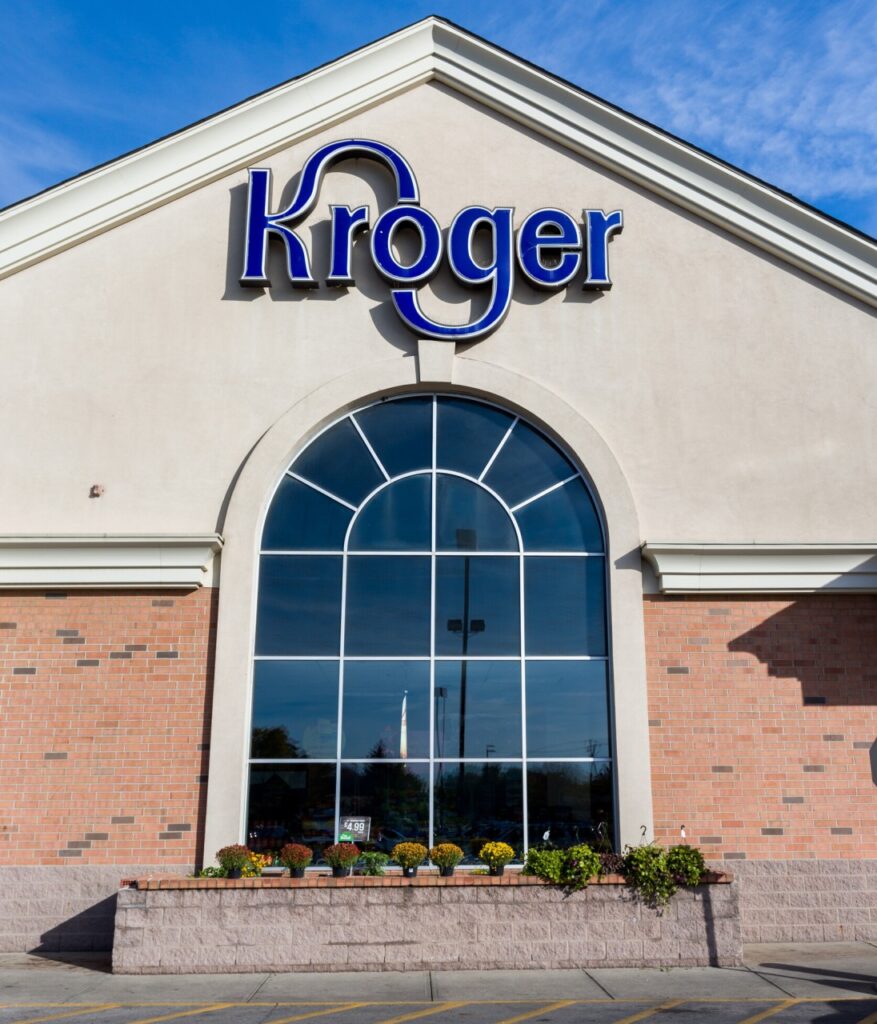
Kroger has taken a strategic approach by developing its own plant-based product lines alongside stocking major brands. This creates a mix of affordability and variety within clearly labeled sections.
In many stores, plant-based items are grouped, making it easier to compare products and plan meals. Options range from meat substitutes to dairy alternatives, covering most everyday needs in one place.
The advantage here is consistency across locations. Kroger’s private-label products ensure that shoppers can rely on availability while still having access to familiar brands. This combination supports both regular users and those trying plant-based foods for the first time.
6. Aldi
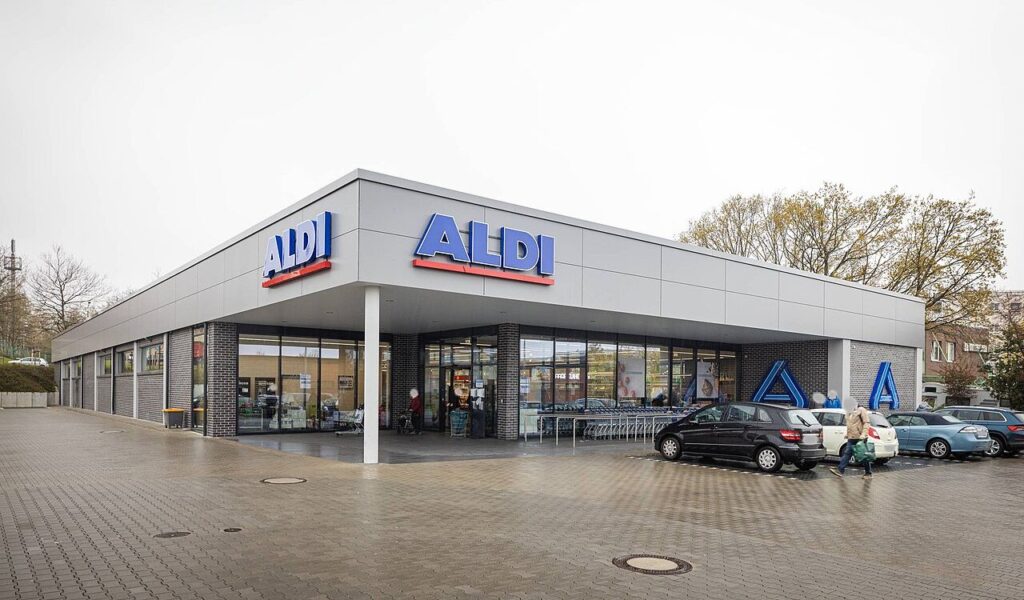
Aldi keeps its plant-based selection focused and efficient rather than extensive. Its private-label line simplifies choices by offering a smaller range of well-defined products that are easy to identify in-store.
These items are often grouped together or clearly marked, including frozen meals, meat alternatives, and dairy-free desserts. The limited selection reduces decision fatigue and speeds up the shopping process.
Price plays a major role in Aldi’s appeal. Keeping costs low, it allows more shoppers to experiment with plant-based options without financial pressure. This straightforward approach makes it accessible and practical for everyday use.
7. Wegmans

Wegmans stands out for the depth and organization of its plant-based offerings. Rather than isolating products in a single aisle, it integrates them across departments while still maintaining clearly defined sections.
Stores often carry a wide variety of items, including ready meals, dairy alternatives, and specialty ingredients. This allows shoppers to build complete meals without needing to visit multiple stores or compromise on choice.
Its strength lies in scale combined with structure. The store manages to offer extensive options while keeping navigation simple, making it one of the more comprehensive environments for plant-based shopping today.