They Sold Out Fast When They Launched: Then Something Happened to These 8 Vegan Products


New vegan products often arrive with a wave of excitement, promising familiar flavors without traditional ingredients. At launch, curiosity and demand push them into the spotlight, with many selling out faster than expected.
But once the initial buzz fades, everyday habits begin to shape their true place in the kitchen. Taste, texture, price, and convenience all start to matter more than novelty, revealing which products truly fit into daily life.
Looking back at these launches offers a clearer view of what lasts and what doesn’t. Some items settle into steady use, while others quietly lose momentum as expectations and preferences evolve.
1. Beyond Meat Burgers

Few plant-based products entered the market with as much momentum as Beyond Meat burgers. Their early success came from how closely they resembled beef in appearance, texture, and cooking behavior, attracting both curious and regular consumers.
Restaurants and retailers quickly saw high demand, often struggling to keep up. The product appealed to those wanting to reduce meat intake without changing familiar meals like burgers. It felt like a direct substitute rather than a compromise.
Over time, expectations shifted. Some consumers focused more on ingredients and processing, while others judged taste more critically. Though still widely available, it moved from novelty to a more occasional, selective choice.
2. Impossible Burger

The Impossible Burger gained attention by focusing heavily on flavor science, aiming to replicate the taste of beef as closely as possible. Its launch into mainstream restaurants helped it reach a wide audience quickly.
Its ability to deliver a meat-like experience made it appealing beyond the vegan community. Many first-time users were drawn in by curiosity and the promise of a familiar taste without animal products.
As the market matured, the initial excitement leveled out. Some consumers returned to less processed foods, while others treated it as an occasional option. It remains popular, but its role has shifted from breakthrough to one of many available choices.
3. Oatly Oat Milk
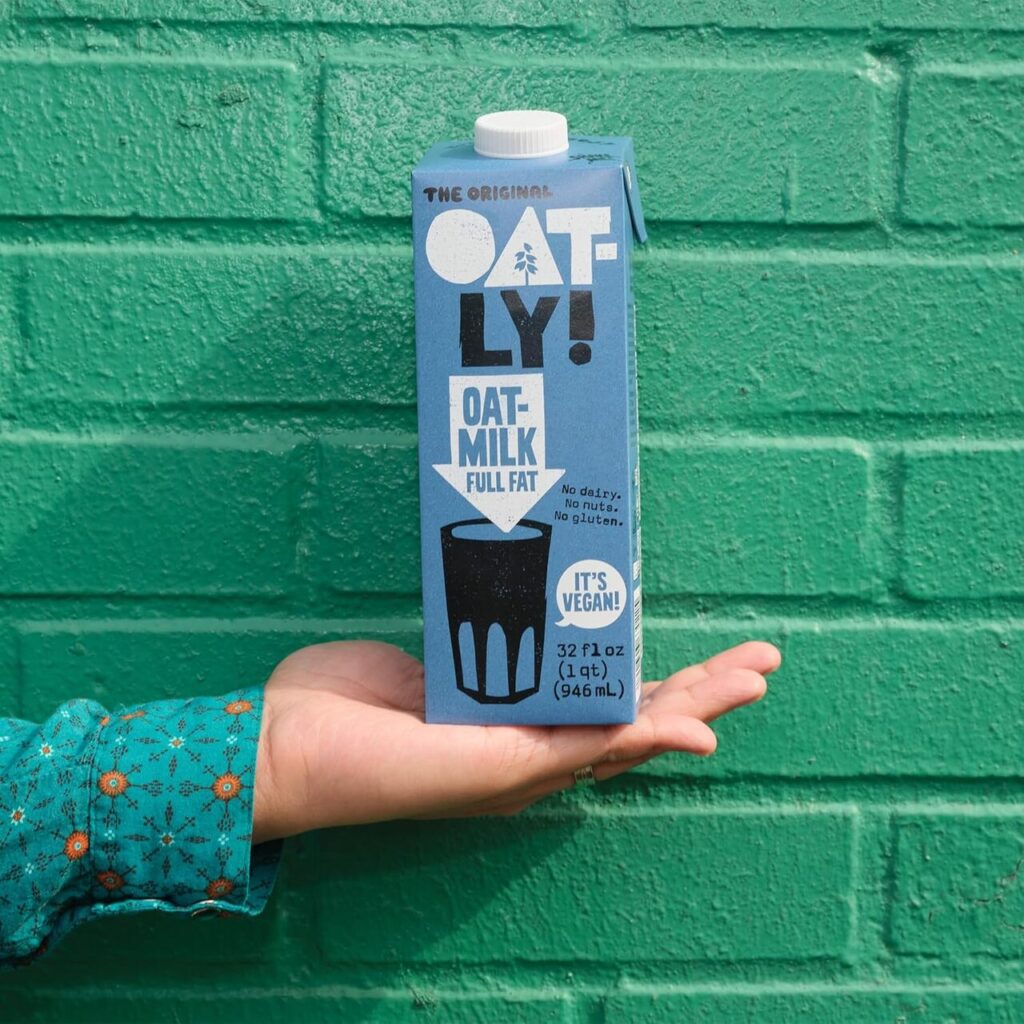
Oatly’s rapid rise was driven by its strong performance in coffee, where texture and taste matter most. It quickly became a preferred option in cafes, leading to frequent sellouts during its early expansion.
Its creamy consistency and mild flavor made it accessible even to those who were not strictly plant-based. This helped it move beyond niche markets and into everyday use.
As more brands entered the oat milk category, competition increased. Consumers gained more options at different price points, reducing reliance on a single brand. Oatly remains influential, but it now shares attention in a crowded market.
4. Daiya Vegan Cheese
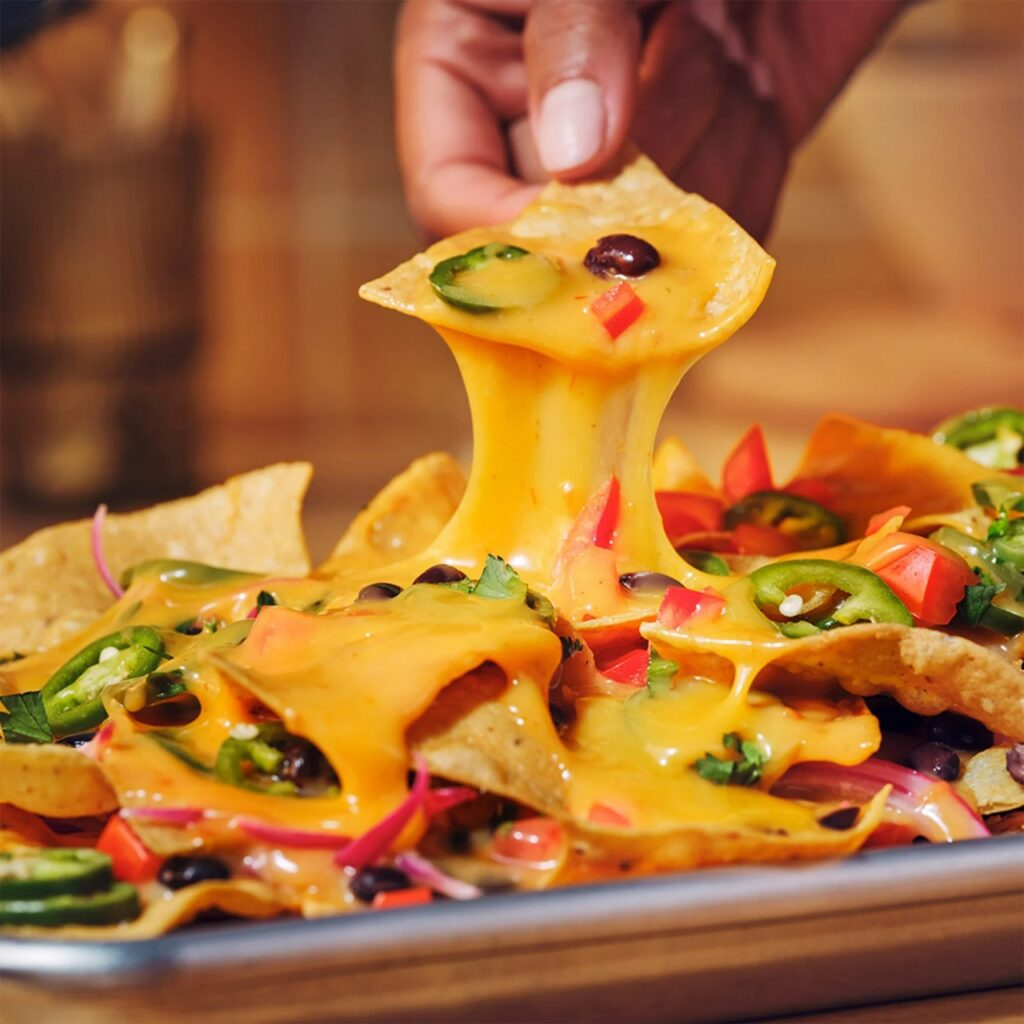
Daiya was one of the first widely available vegan cheese options, which gave it a strong early advantage. At a time when alternatives were limited, it became a go-to choice for those avoiding dairy.
Its popularity was driven more by availability than perfection. While it filled an important gap, some consumers noticed differences in taste, texture, and melting behavior compared to traditional cheese.
As newer brands improved on these qualities, preferences began to shift. Daiya is still present in many stores, but it is no longer the default option, as consumers now have access to a wider range of alternatives.
5. Just Egg
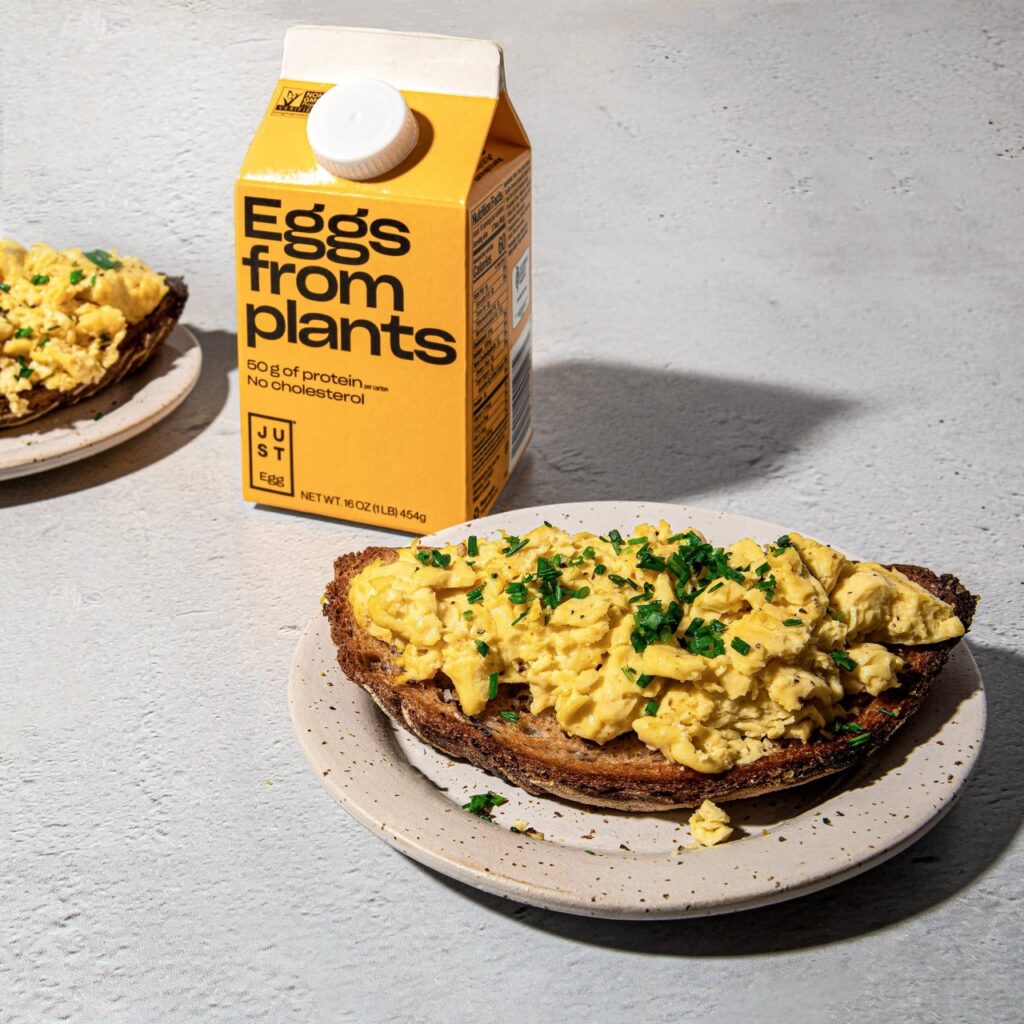
Recreating something as familiar as scrambled eggs is not easy, which is why Just Egg drew so much attention at launch. Its liquid form and ability to cook into soft, scrambled textures made it feel closer to the real experience than most plant-based alternatives.
Many home cooks appreciated how easily it fit into breakfast routines. It could be poured, cooked, and seasoned just like traditional eggs, offering a practical option for those avoiding animal products without changing how they cook.
Over time, daily use revealed trade-offs. Price and availability made it less convenient for regular use, and some found it less versatile across recipes. While still useful, it is often reserved for specific meals rather than everyday cooking.
6. Vegan Ice Cream Pints
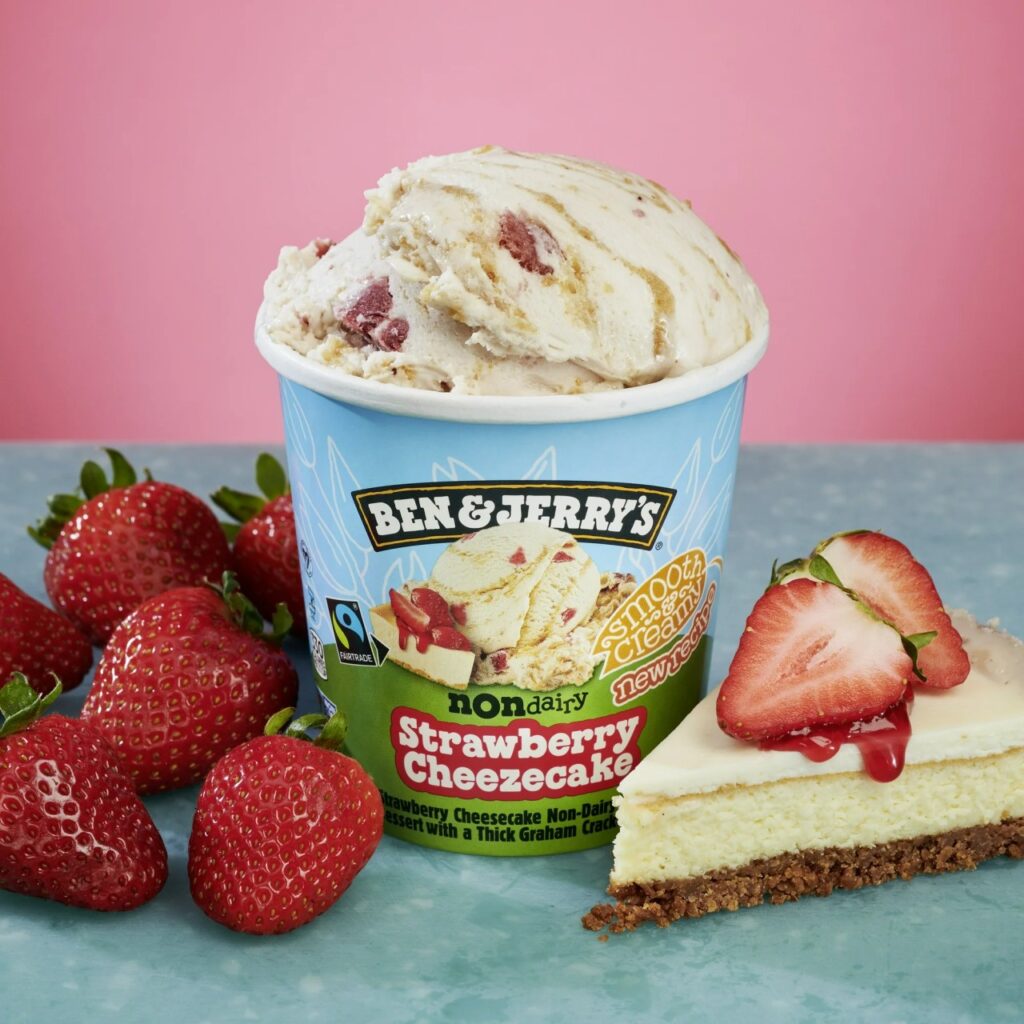
Few plant-based categories created as much early excitement as vegan ice cream. With a wide range of flavors and bases like almond, coconut, and oat, these products quickly attracted both curious and committed buyers.
Initial demand was driven by novelty and the promise of a familiar dessert without dairy. Many options delivered on taste, but consistency varied depending on ingredients and formulation, especially in texture and sweetness.
As the market expanded, expectations became more defined. Consumers began choosing more carefully based on quality and price. Today, these ice creams remain popular, but they are usually enjoyed occasionally rather than kept as a regular staple.
7. Meatless Sausages
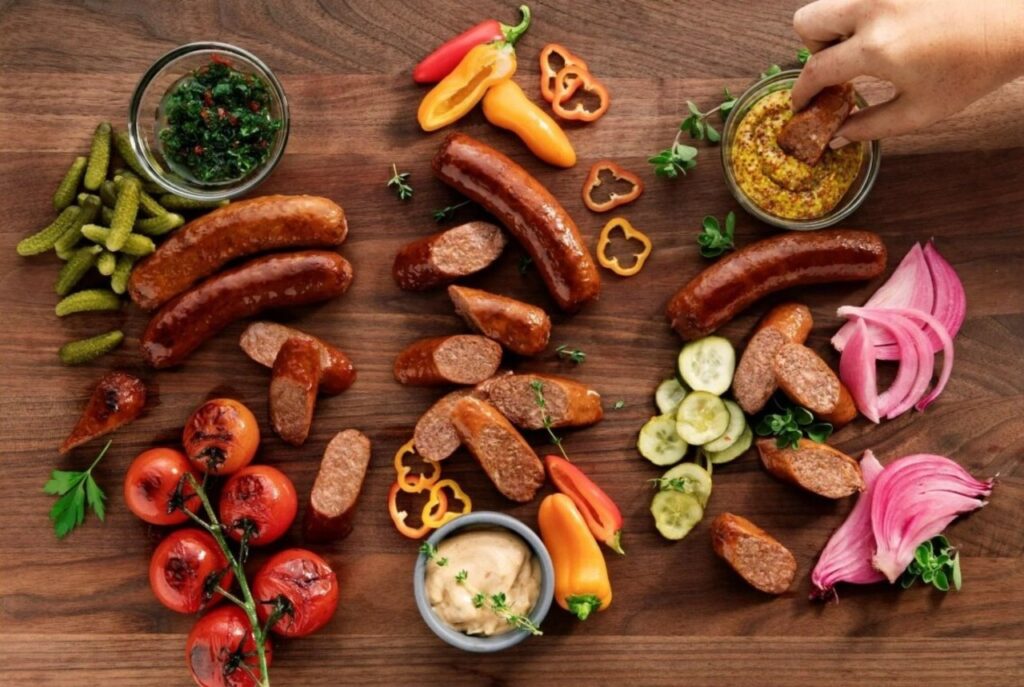
Replacing processed meats seemed straightforward, and meatless sausages quickly became a convenient option for plant-based meals. Their familiar shape and seasoning made them easy to include in breakfasts and quick dinners.
Early versions were well received for their strong flavors and ease of cooking. They required little adjustment in preparation, which helped them fit into existing meal routines without much effort.
With repeated use, however, differences in texture and aftertaste became more noticeable. As more brands entered the category, preferences became more varied. These sausages are still used, but often as an alternative rather than a direct replacement.
8. Vegan Yogurt Alternatives

Plant-based yogurts entered the market with clear demand, offering options for those avoiding dairy while still wanting a familiar food. Made from coconut, almond, soy, or oats, they brought variety to a previously limited space.
While availability increased quickly, consistency across products remained uneven. Texture, thickness, and flavor varied widely, which influenced how often consumers returned to specific brands or types.
For many, these yogurts serve a purpose rather than replacing traditional options completely. They are valued for flexibility in diet, but are often chosen selectively based on taste and how well they match personal preferences.