
8 Grocery Launches That Went Viral in 2026 and Vanished Just as Fast

The grocery aisle moved faster than ever in 2026. One week, a product dominated carts and social feeds. The next, it vanished, replaced by something new. Shopping became a front-row view of trends rising on hype and fading just as quickly.
These products pulled people in with instant appeal. They promised novelty, convenience, or smarter indulgence, often backed by eye-catching packaging and viral buzz. For a moment, they felt worth trying to join the conversation.
But the excitement rarely lasted. Many failed to turn curiosity into routine, leaving behind shelves of once-popular items that could not keep up with shifting consumer habits.
1. Crookie (Croissant + Cookie Hybrid)

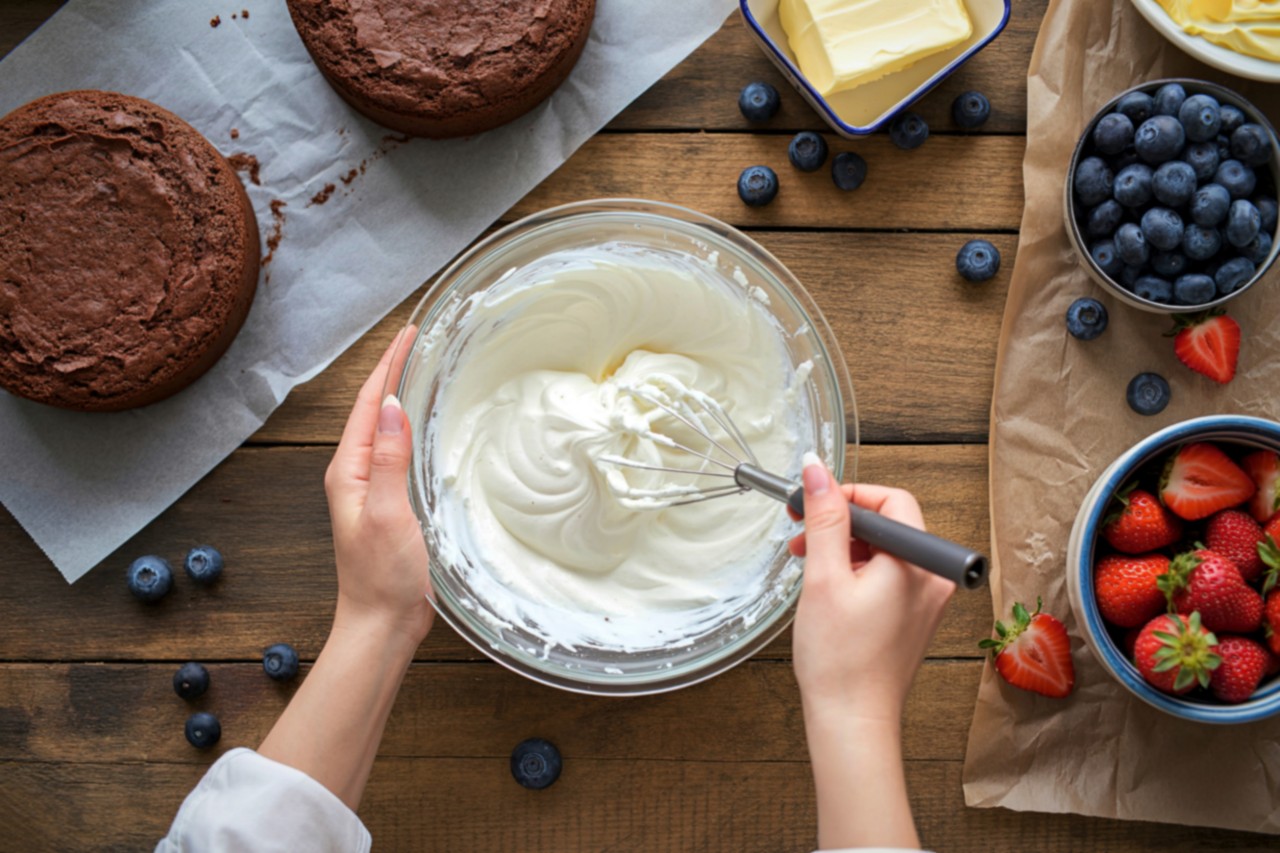
What felt like the ultimate indulgence quickly showed its limits. The crookie combined flaky croissant layers with rich cookie dough, creating a dessert that looked irresistible and spread rapidly online. Bakeries and grocery brands rushed to bring packaged versions to shelves, hoping to ride the viral wave.
The first bite delivered a strong appeal. It offered contrast in texture and intense sweetness, making it ideal for social sharing and impulse purchases. Yet that same richness made it difficult to enjoy regularly, turning it into more of a one-time experience than a repeat buy.
As interest faded, so did demand. Shoppers stopped coming back, and most versions quietly disappeared, proving hype alone cannot sustain a product.
2. Flat Croissants (Pressed Pastry Snacks)

Flattening a croissant into a crisp snack seemed like a clever twist, especially when paired with trending toppings and fillings. The concept thrived online, where quick transformations and satisfying crunch visuals drew millions of views and inspired store-ready versions.
In practice, the experience often fell short. While the flattened texture delivered crispiness, it lost the soft, layered structure that defines a traditional croissant. Consumers who tried it out of curiosity rarely found it worth returning to.
Grocery versions struggled to maintain freshness and quality, further weakening appeal. As excitement cooled, the product faded from shelves, showing that altering a classic too far can strip away what made it special in the first place.
3. Freeze-Dried Candy Packs
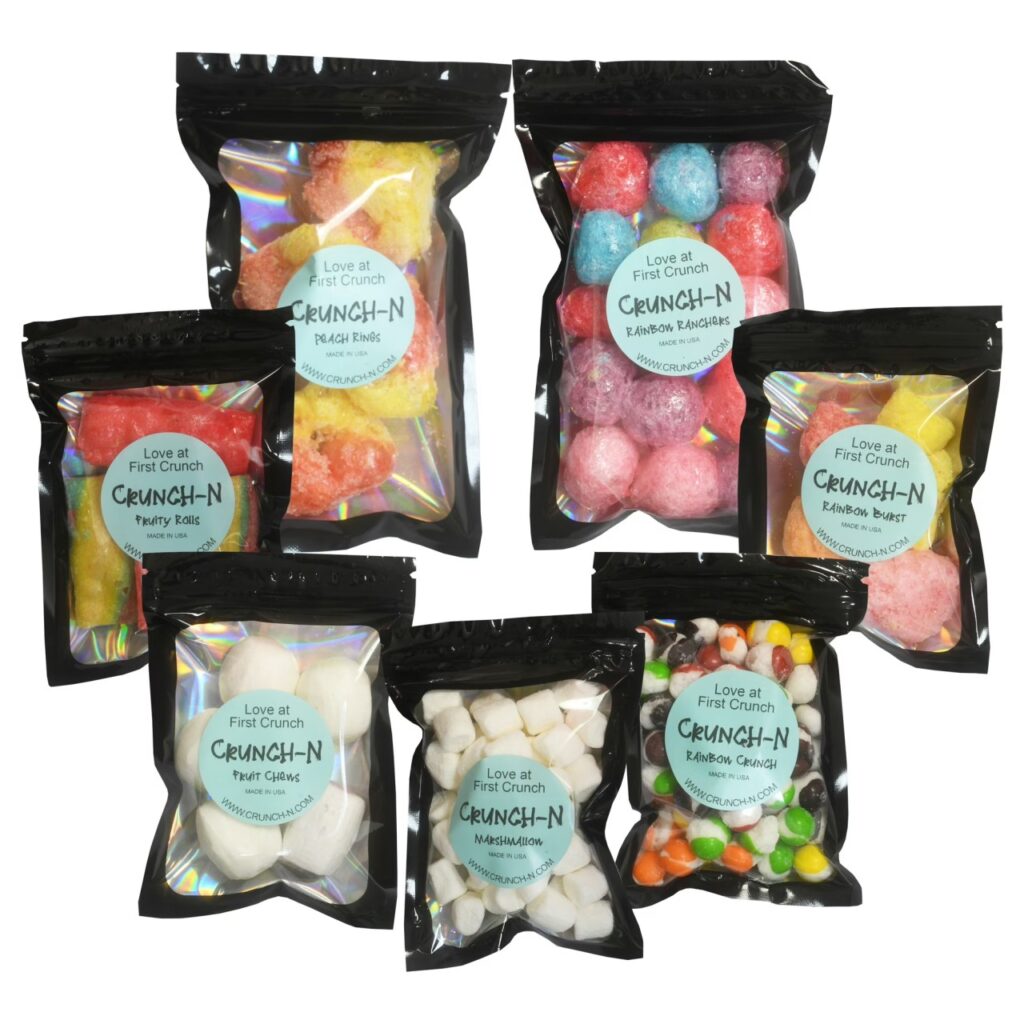
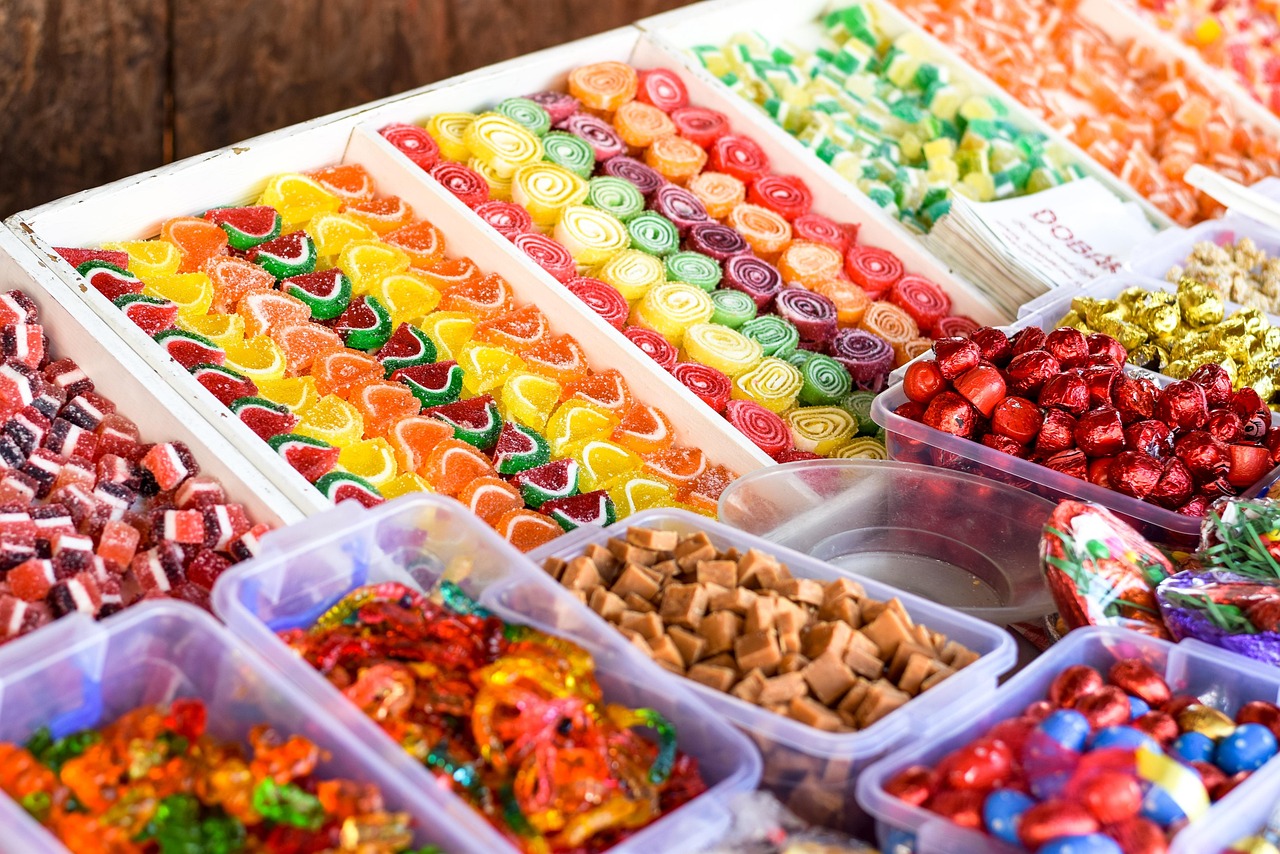
Bright, airy, and unusually crunchy, freeze-dried candy turned familiar sweets into something entirely new. Social media amplified its popularity, with dramatic before-and-after transformations capturing attention and driving quick retail adoption.
The initial reaction was excitement. The texture was surprising and fun, making it a popular gift or novelty snack. However, the experience rarely justified repeat purchases, especially given the higher price compared to regular candy.
Over time, consumers viewed it as more of a curiosity than a necessity. Once the novelty wore off, demand declined sharply. Retailers scaled back inventory, and many brands pulled out, leaving behind a clear example of hype-driven demand without lasting value.
4. Hard Kombucha and “Healthy Alcohol” Drinks
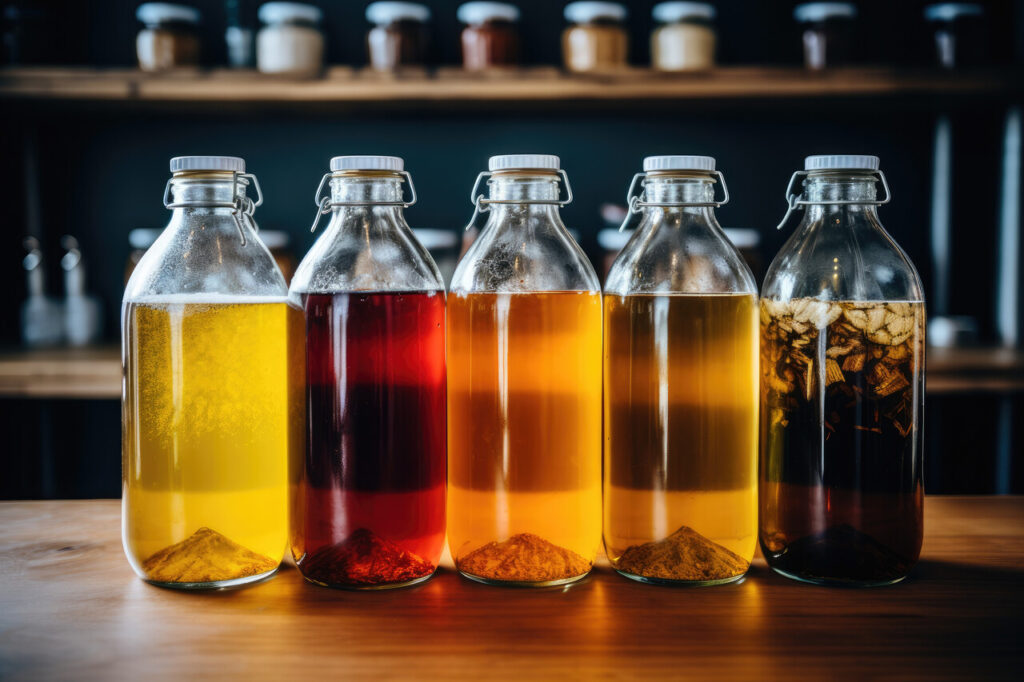
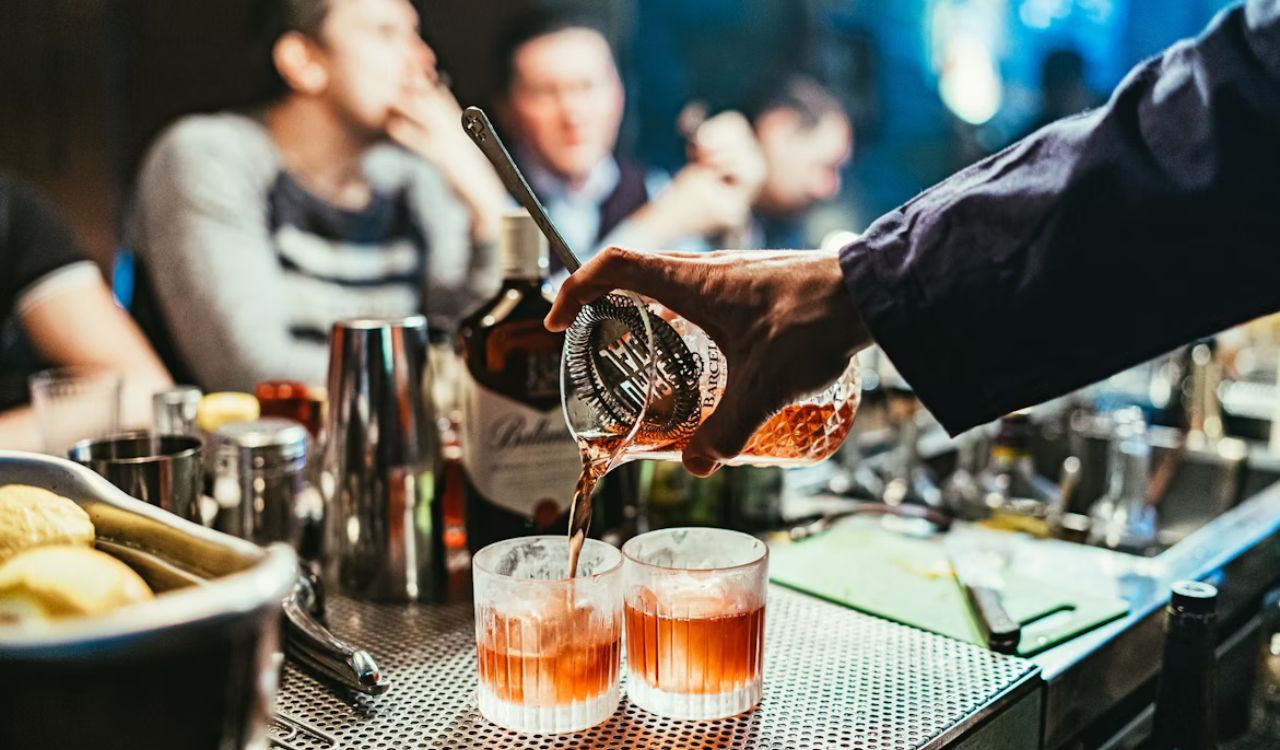
The promise of a cleaner, healthier way to drink alcohol sparked quick interest. Hard kombucha and similar beverages positioned themselves as low-sugar, probiotic-friendly alternatives, attracting health-conscious consumers.
Early adoption was strong, especially among younger buyers seeking better-for-you indulgences. However, skepticism grew as consumers questioned whether alcohol could truly align with wellness claims. The benefits felt less convincing under scrutiny.
Taste also played a role, as many found flavors inconsistent or too niche. Combined with higher prices, this led to fewer repeat purchases. By 2026, many lost shelf space, reflecting a shift toward transparency in food and drink.
5. CBD-Infused Snacks and Drinks

CBD products entered grocery shelves with bold promises of relaxation and stress relief. From beverages to chocolates, the category expanded rapidly, fueled by curiosity and a growing interest in wellness solutions.
At first, consumers were eager to try these products, drawn by their perceived benefits. However, unclear regulations and inconsistent product quality created uncertainty. Many buyers were unsure about dosage, effectiveness, and legality.
As trust weakened, so did demand. Without clear, reliable outcomes, CBD groceries struggled to justify their premium pricing. Retailers gradually reduced offerings, and what once felt like the future of functional food became a short-lived experiment.
6. Viral Hack Bakery Kits
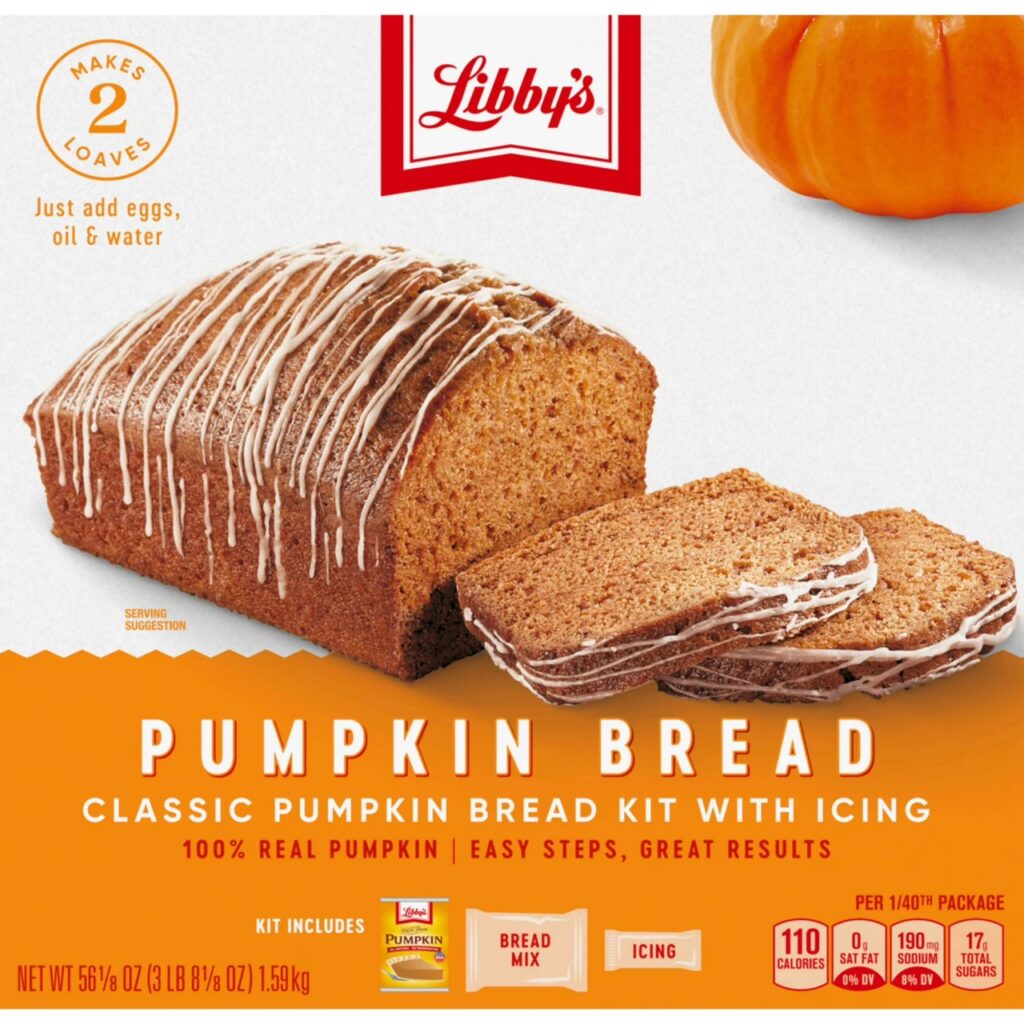
Turning social media food trends into ready-to-make kits seemed like a smart move. These kits allowed consumers to recreate popular recipes at home without needing advanced skills, tapping directly into viral content culture.
The first experience was often enjoyable. It combined convenience with creativity, making it appealing for families and casual bakers. However, the excitement rarely extended beyond the initial attempt.
Most consumers did not see enough value to purchase again, especially when the results could vary. As new online trends replaced old ones, these kits quickly lost relevance. Without consistent demand, many disappeared from shelves as quickly as they arrived.
7. Ultra-Processed “Wellness Swaps.”
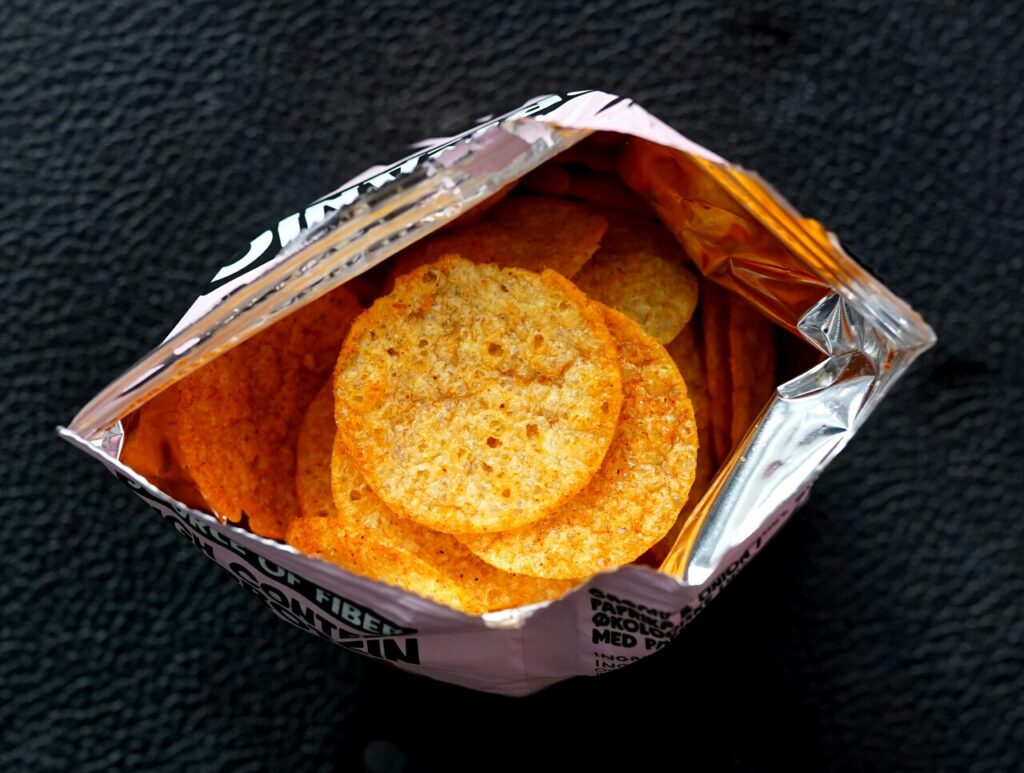
Products designed to mimic junk food while claiming to be healthier gained rapid attention. Protein chips, low-sugar desserts, and fortified snacks promised guilt-free indulgence and aligned with fitness-focused lifestyles.
Initially, these products attracted a wide audience. They offered familiar flavors with added benefits, making them easy to adopt. However, ingredient lists often revealed heavy processing, which began to concern more informed consumers.
As awareness grew, many shoppers shifted toward simpler, less engineered foods. The gap between marketing claims and actual nutritional value became harder to ignore. This shift led to declining interest, leaving many of these products struggling to maintain a place on grocery store shelves.
8. Plant-Based Meat (New Launch Wave)
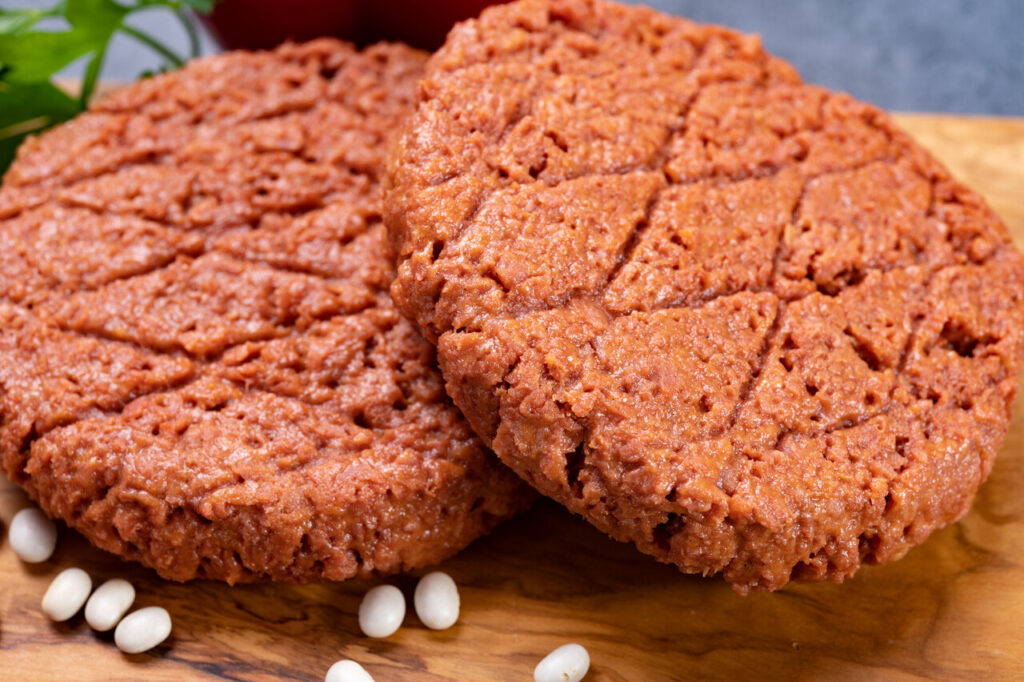
A new wave of plant-based meat products aimed to revive excitement in the category. Brands introduced improved textures, flavors, and packaging, hoping to win over both vegetarians and curious meat eaters.
Early interest returned briefly, driven by innovation and environmental messaging. However, many consumers remained unconvinced by taste and texture improvements. Price also remained a barrier compared to traditional meat.
As preferences evolved, shoppers began favoring whole plant foods over processed alternatives. This reduced the appeal of heavily engineered meat substitutes. Despite strong initial visibility, many new launches failed to sustain momentum and gradually disappeared from mainstream shelves.