What’s Behind the Growing Feeling That Grocery Store Food Tastes Different Now

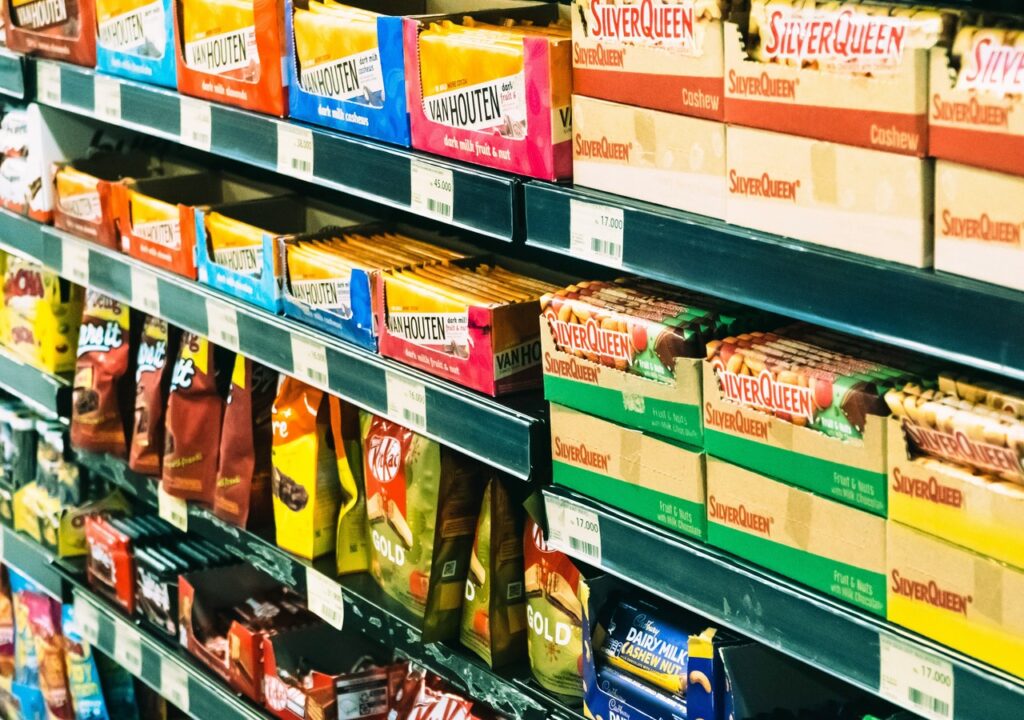
More people today feel that everyday grocery store food no longer tastes the way it once did. While some changes come from farming practices, processing, and longer supply chains, many differences actually stem from shifts in human taste perception itself. Aging, stress, medications, illness, and diet all influence how flavors are experienced. Understanding how biology and modern food systems interact helps explain why familiar foods sometimes seem less vibrant than they did years ago.
The Taste Shift Many People Notice
More people today casually remark that food does not taste the same as it used to, especially when shopping at grocery stores. This observation spans generations and surfaces often in conversations about changing diets, evolving ingredients, and personal health. What one person describes as bland or different might come from a real change in how they are experiencing flavors, not just grocery supply changes alone. Taste is a combination of sensory perception, memory, and expectation. When something tastes different from the way it once did, the change can feel striking because our brains tie flavor to familiar experiences.
Grocery food versus home-cooked food perception also matters here. People tend to compare what they remember from home-cooked meals, specialty foods, or fresher produce when evaluating prepackaged or mass market groceries. When flavors are less intense or shift in balance, the brain notes the difference more strongly than it might for a food eaten only occasionally. Memory and expectation shape taste substantially. If someone expects strawberries in June to taste like strawberries from a few years ago, the comparison between expectation and reality influences how the experience is interpreted.
Biological Changes in Taste
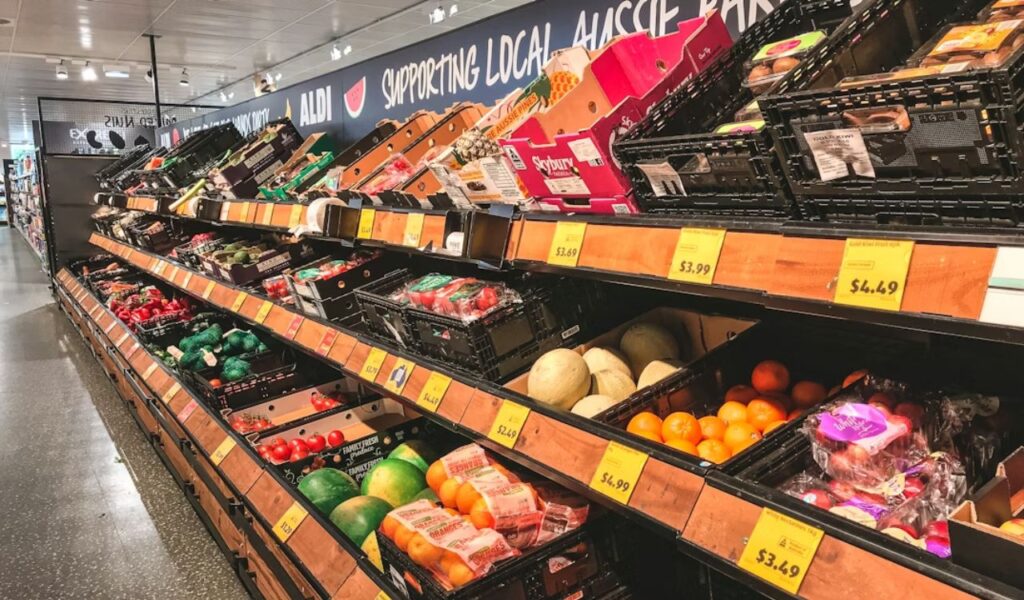
Taste buds change over time, and this natural cycle affects how food is experienced. Humans have thousands of taste buds that sense sweet, salty, sour, bitter, and savory. These buds periodically regenerate, but as people age, the number and sensitivity of taste buds can decrease. This biological change means that foods once perceived as flavorful may begin to taste less intense or even dull. Aging is not the only factor; minor changes in oral health, dental issues, or hormonal shifts can also influence how taste buds respond to stimuli. Hydration levels also influence how effectively taste receptors function each day.
Aging also brings shifts in sensory thresholds. For example, older adults may need stronger sweetness or saltiness to recognize the same intensity of flavor as younger people. These shifts do not mean food is objectively different; rather, they reflect how the body’s sensory system evolves. Temporary changes from illness, especially upper respiratory infections, further show how sensitive taste perception can be. During these periods, some foods may seem tasteless or odd, illustrating how biological changes in taste bud sensitivity can significantly impact how grocery store foods are experienced.
Dysgeusia and Flavor Distortion
Not all taste changes are mild or subtle. Dysgeusia is a medical term for a distortion of taste where familiar flavors can suddenly seem off, metallic, bitter, or simply wrong. This condition can arise from multiple triggers, including medications, infections, dental issues, or neurological conditions. People experiencing dysgeusia often report that foods taste different even though others perceive them normally. This distortion can affect appetite, nutrition, and overall enjoyment of meals. Persistent distortion sometimes leads individuals to avoid foods they once enjoyed regularly. Early identification can help reduce long-term dietary disruption.
Common triggers for dysgeusia extend beyond serious health concerns. It can occur after short-lived illnesses, dehydration, or changes in oral hygiene habits. When taste distortion appears abruptly or persists for weeks, it may signal an underlying health issue that deserves attention. Because taste is closely linked to smell, any disruption in the nasal passages or sinuses can compound taste distortion. Understanding dysgeusia helps explain why some people feel grocery store food tastes different in ways that go beyond mere preference or memory. Addressing underlying issues frequently restores normal taste perception.
Smell vs Taste Connections
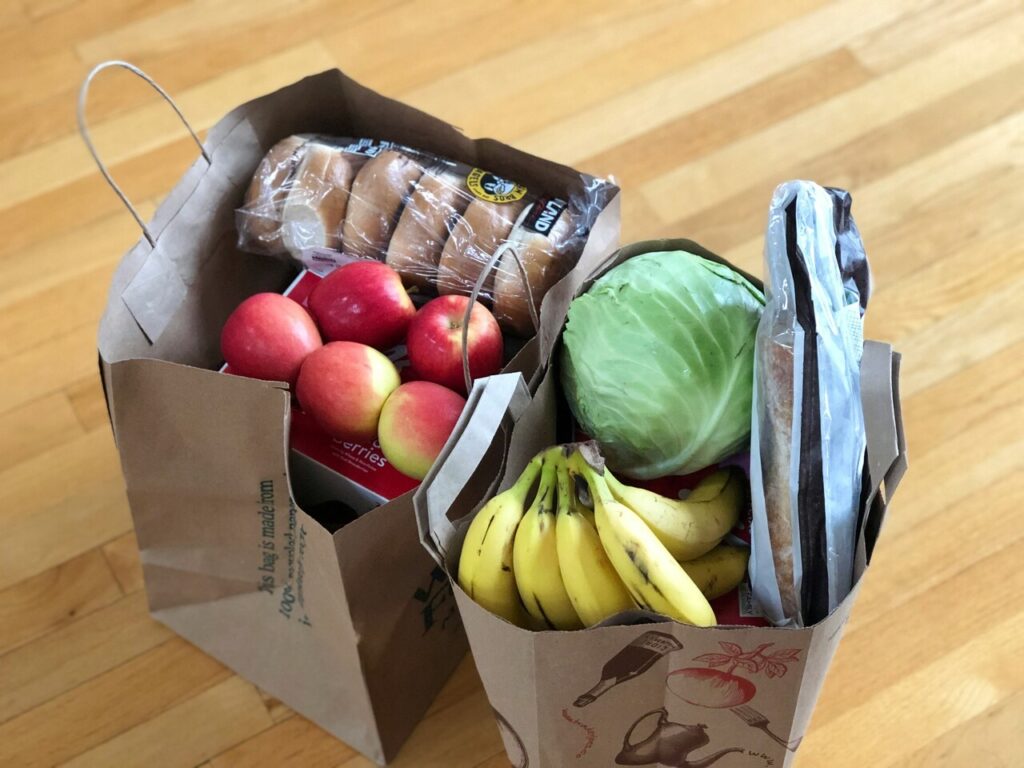
Taste does not operate in isolation. Smell contributes greatly to how flavors are perceived. When aroma pathways are blocked, such as during a cold, allergy flare, or sinus condition, flavor perception changes dramatically. Most of what people think of as taste is actually aroma processed through smell receptors. This is why food can seem tasteless when the nose is congested. Grocery store produce, spices, and prepared foods may seem less flavorful, not because the food changed, but because the olfactory input that completes flavor perception is impaired. Even mild congestion can noticeably dull flavor perception.
Loss of smell has several causes, ranging from temporary congestion and environmental irritants to more persistent issues like chronic sinus conditions. Because smell and taste are so tightly linked, disruptions in one sense inevitably affect the other. This connection helps explain why food can taste bland or incorrect even when it has not been reformulated or altered at a grocery level. Smell is a gateway to flavor, and when that input weakens, the whole sensory experience shifts. Recovery timelines vary depending on the cause of smell disruption. Ongoing nasal health strongly supports consistent flavor perception.
Diet and Lifestyle Influences
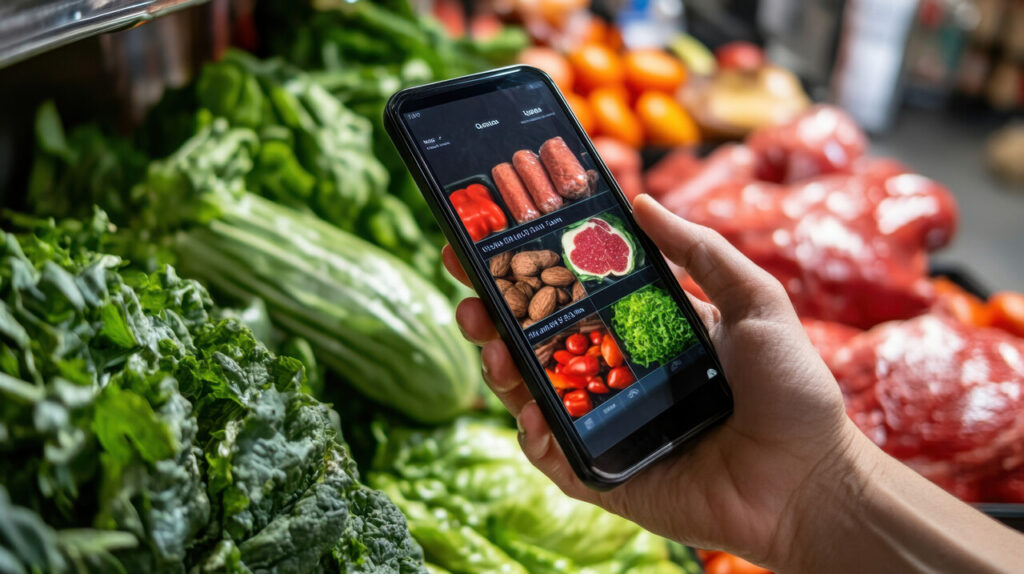
Diet and lifestyle habits influence how food tastes. Frequent consumption of highly processed foods, those with elevated salt, sugar, and fat levels, can desensitize the palate over time. When the tongue becomes accustomed to intense flavor stimuli, milder flavors such as those in fresh produce or lightly seasoned foods might seem weak or uninteresting. This adaptation is not permanent, but it illustrates how diet shapes taste thresholds. A palate trained on processed foods often takes time to recalibrate to subtler natural flavors. Gradual dietary shifts can help restore sensitivity to milder flavors.
Hydration and mineral balance also affect taste. Dehydration can shrink mucous membranes and interfere with receptor function, dulling taste perception. Similarly, deficiencies in certain nutrients, including zinc, correlate with taste changes. Because lifestyle factors like hydration, diet quality, and overall nutrition interact with taste receptors, grocery store food may taste different simply because the palate itself has adapted. Adjusting diet toward more fresh, whole foods may gradually restore sensitivity and enhance flavor experiences. Balanced nutrition improves overall sensory function.
Medications and Medical Conditions
A wide range of medications list changes in taste as a possible side effect. Antibiotics, antihistamines, blood pressure drugs, and even certain antidepressants can alter how flavors are perceived. Unlike natural palate variation, these changes may be abrupt and unsettling. People taking multiple medications often find that foods suddenly taste flat, bitter, or unpleasant, even if the food itself is the same as always. These side effects may diminish once the medication is discontinued or adjusted. Consulting healthcare providers can help manage these effects. Medication timing sometimes influences taste changes as well.
Chronic medical conditions like diabetes, neurological disorders, and gastrointestinal issues can also influence taste perception. Health events like chemotherapy or radiation therapy are well known to distort taste significantly. Individuals experiencing persistent taste changes should consider how medications and medical history contribute to their sensory experience. In many cases, changes in taste perception are linked more to physiology than to differences in grocery food itself. Medical management can gradually improve sensory response. Supportive therapies sometimes help patients adapt to temporary taste shifts.
Environmental and Stress Factors
The environment and psychological state influence sensory perception. Stress and sleep deprivation alter how receptors and the brain process taste signals. High stress levels can blunt taste sensitivity, making foods seem less satisfying or different than expected. Similarly, chronic sleep loss interferes with neural processing of sensory input, which can dull both taste and aroma. These changes are not about the food itself but about how the body interprets sensory information. Stress management practices can indirectly improve food enjoyment. Consistent sleep patterns help stabilize sensory responses.
Seasonal variations can also play a role. Dry winter air, pollen seasons, and environmental irritants influence nasal passages and, by extension, smell and taste perception. Psychological factors such as mood and stress change how people experience flavors. A tense or distracted state tends to diminish sensory engagement, while relaxed, attentive eating enhances perception. These environmental and mental influences help explain why the same grocery store food may taste different to someone on different days or under different conditions. Environmental humidity can also impact nasal sensitivity.
Food Supply and Production Changes
Beyond biological and sensory factors, changes in food production affect how grocery store food tastes. Agricultural shifts in crop varieties, soil quality, and harvest timing influence flavor intensity. Produce bred for shelf life, transport durability, and visual appeal may have less flavor than locally harvested varieties. Industrial farming prioritizes yield and consistency over nuanced taste profiles. These changes occur over decades and gradually shift what people experience in mainstream grocery stores. Transport time often reduces the freshness before they reach the shelves. Global supply networks extend travel time for many ingredients.
Processing, additives, and supply chain handling also influence flavor. Foods that sit longer in storage, undergo freezing, or travel long distances may lose volatile aromatic compounds. Flavor differences arise not because the food is inherently inferior but because freshness and handling affect sensory compounds that drive taste. Supply chain pressures, such as extended cold storage or early harvesting for transport, dull flavor intensity. Understanding production and handling factors clarifies how grocery store food can genuinely taste different over time. Packaging innovations sometimes improve shelf life at the expense of flavor.
Ways to Understand and Improve Taste
When people feel food tastes different, separating physiological causes from food supply changes helps clarify what is happening. Persistent or unusual taste changes should prompt medical consultation, especially when accompanied by other symptoms. Health professionals can assess conditions that interfere with taste and identify medication effects that contribute to sensory changes. Understanding when sensory changes reflect health rather than food quality empowers individuals to seek appropriate support. Early intervention often prevents long-term appetite decline. Personalized advice improves recovery outcomes.
Diet adjustments can enhance flavor perception. Increasing consumption of fresh fruits, herbs, and unprocessed foods helps retrain the palate to appreciate subtle flavors. Mindful eating practices, focusing on aroma, texture, and taste without distraction, also improve sensory awareness. Paying attention to hydration, sleep, and stress management supports overall sensory function. By addressing both internal and external factors, many people rediscover richer, more satisfying flavor experiences even with the same grocery store foods. Cooking methods that emphasize fresh seasoning improve flavor enjoyment.