9 Best Ways to Cook Cabbage for Any Meal

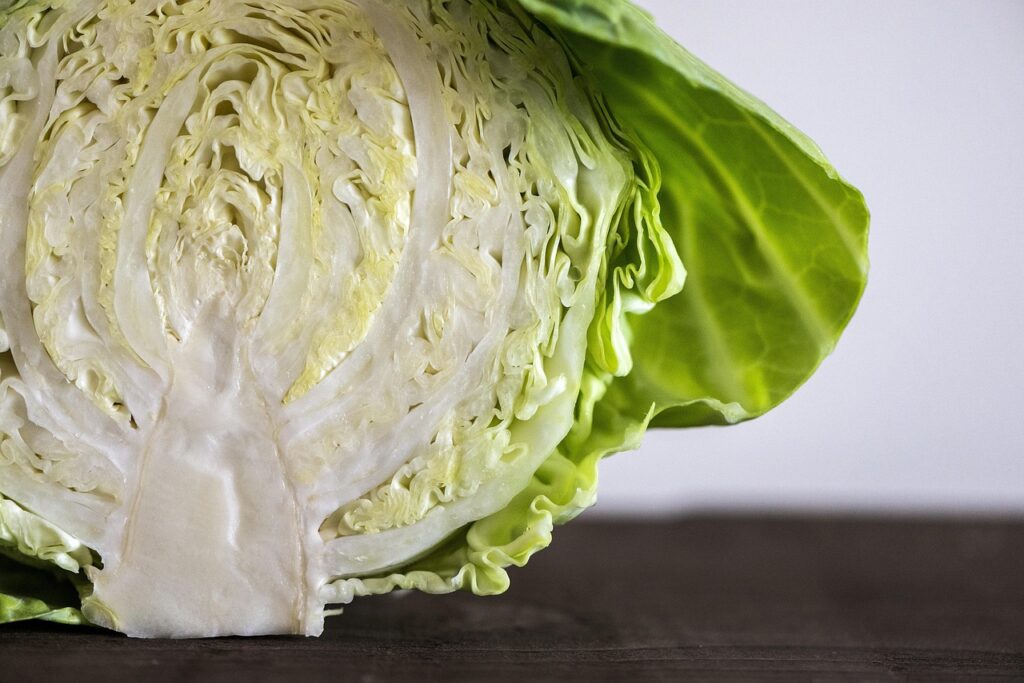
Cabbage is one of the most adaptable vegetables you can cook, and its range extends far beyond coleslaw or soup. With the right technique, it can become crisp, tender, caramelized, or deeply savory, making it suitable for nearly any meal of the day. Its structure handles both high heat and slow cooking, and it absorbs flavors efficiently. These methods highlight how a single head of cabbage can support simple weeknight dishes as well as satisfying comfort meals with minimal preparation and reliable results.
1. Sautéed Cabbage
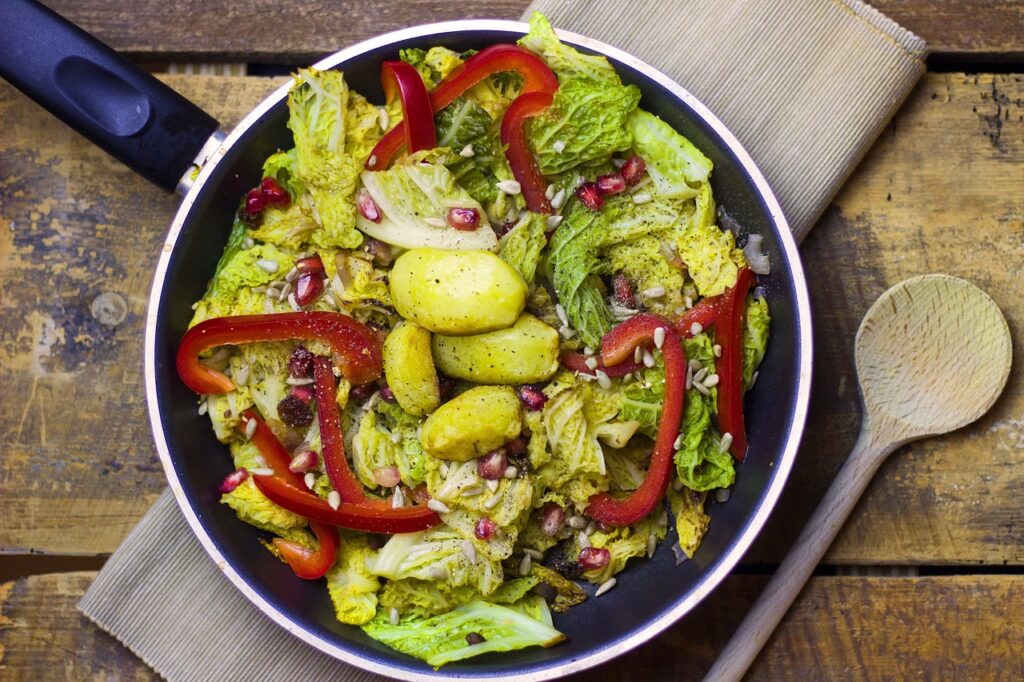
Sautéed cabbage is the quick, reliable weekday hero that transforms a humble head into a lively side with little effort. Heat a modest amount of oil or butter in a wide pan, add sliced cabbage, and cook over medium heat while stirring occasionally so the edges caramelize and the interior stays tender. Aromatics like garlic, onion, or shallot can be introduced early for depth, and a pinch of red pepper flakes or freshly ground black pepper brings balance without overpowering the vegetable. This method is ideal for pairing alongside roasted meat, pan-seared fish, or a simple grain bowl, and it scales easily from one portion to a family-sized batch.
2. Roasted Cabbage Steaks
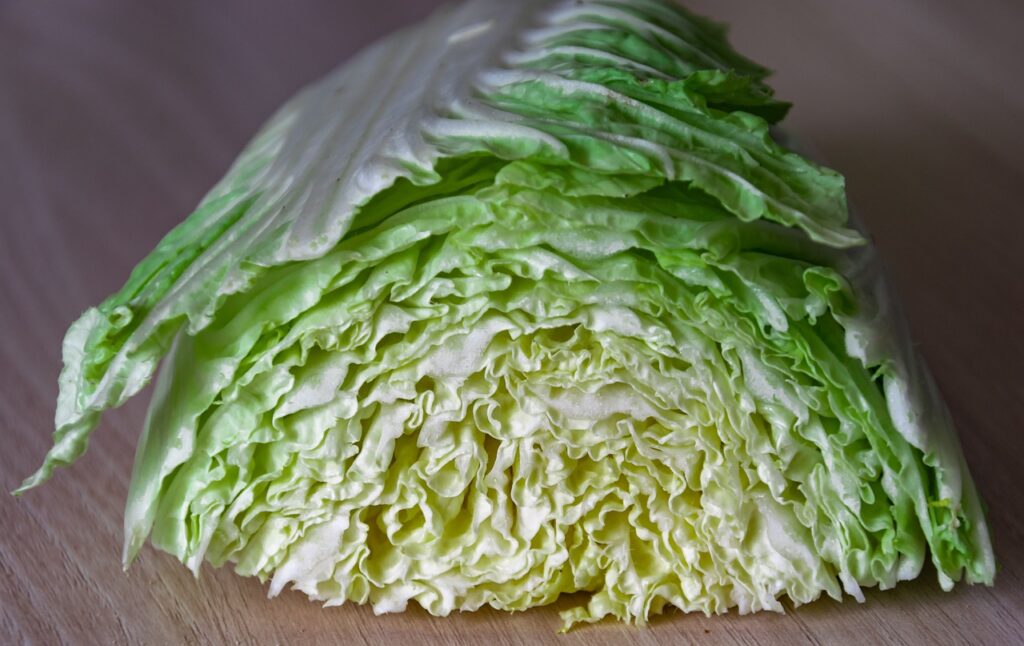
Roasted cabbage steaks present the vegetable as a main event rather than a backdrop, using dry heat to concentrate flavor and create dramatic texture contrast. Cut a head into thick slices, brush both sides with oil, season with salt and pepper, and roast at high temperature until the outer rings caramelize and char at the edges while the centers soften. The result is a meaty, almost steak-like slice whose caramelized sugars provide savory-sweet notes that pair well with bold toppings such as browned butter with herbs or toasted nuts. The method requires little active tending, making it a low-stress route to an elevated vegetable course.
3. Stir-Fry
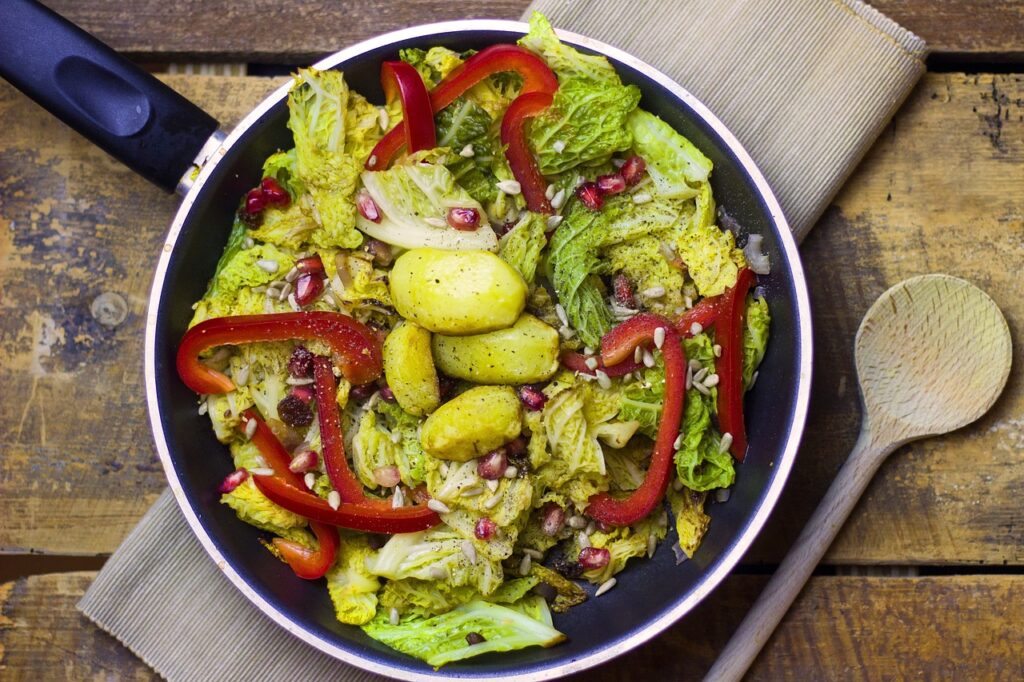
Stir-fry turns cabbage into a quick, high-heat component that keeps its snap and soaks up savory sauces, making it ideal for weeknight dinners. Work with thinly sliced cabbage and a very hot wok or skillet so pieces sear fast and maintain texture; add denser aromatics such as carrots and bell peppers earlier and toss in tender greens near the end. A simple sauce of soy, rice vinegar, a touch of sweetener, and toasted sesame oil finishes the pan with umami and glossy sheen. Stir-frying pairs well with proteins like thinly sliced pork, tofu, or shrimp, and with quick-cooking noodles or rice for a complete meal.
4. Soup or Stew
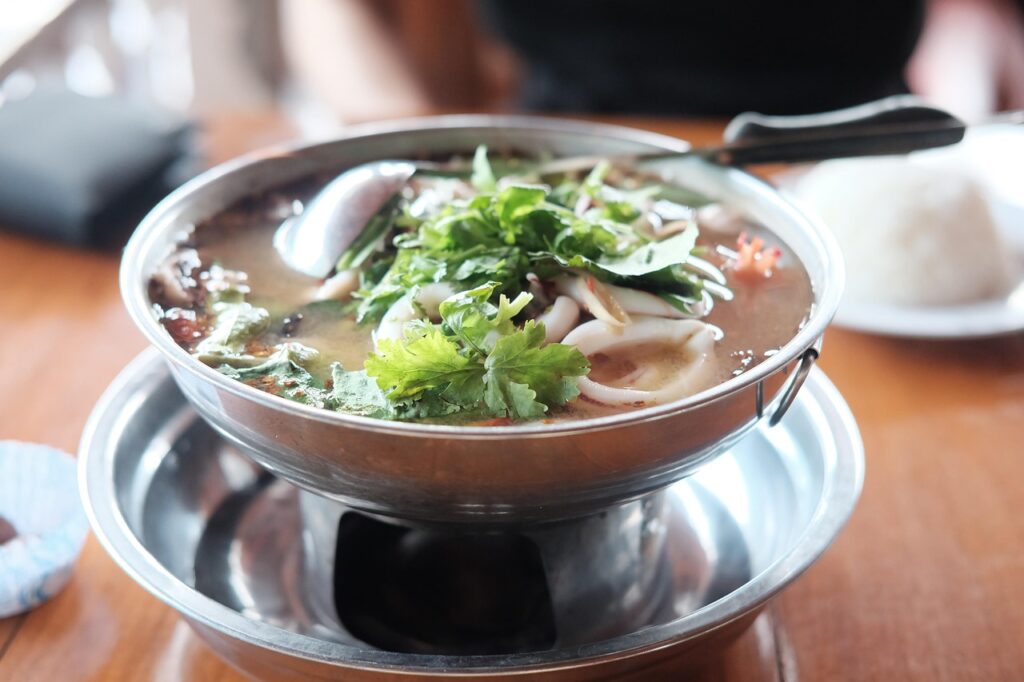
Cabbage adapts beautifully to soups and stews where it contributes bulk, subtle sweetness, and a tender texture that complements long-simmered broths. Whether tucked into a rustic vegetable soup, a tomato-based stew, or a rich beef pot, cabbage softens and melds with surrounding flavors while releasing its sugars into the cooking liquid. Coarser cuts hold shape better in long simmers, while thin shreds dissolve more and thicken the broth slightly. Cabbage also plays nicely with smoky or fermented elements such as bacon, veggies, smoked sausage, or miso, which add depth to otherwise light broths.
5. Coleslaw
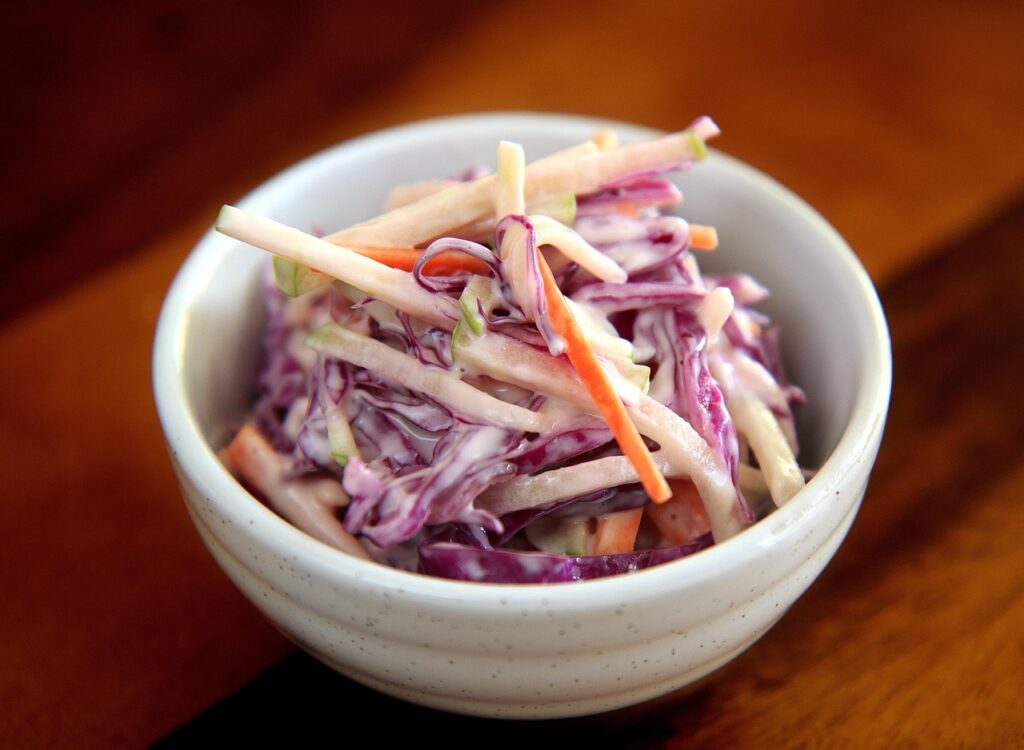
Coleslaw uses raw cabbage’s crispness and natural sweetness to create refreshing salads that act as bright counterpoints to richer mains. Finely shredded cabbage tossed with a vinaigrette or a creamy dressing delivers crunch, acidity, and textural contrast that lifts barbecue, fried foods, and heavy casseroles. Lightly massaging cabbage with salt or a bit of acid softens the fibers and reduces bitterness, which allows more dressing to adhere and improves mouthfeel. Slaws are inherently flexible: add shredded carrots, thinly sliced apple, fennel, or herbs to broaden the flavor profile and introduce seasonal notes.
6. Braised Cabbage
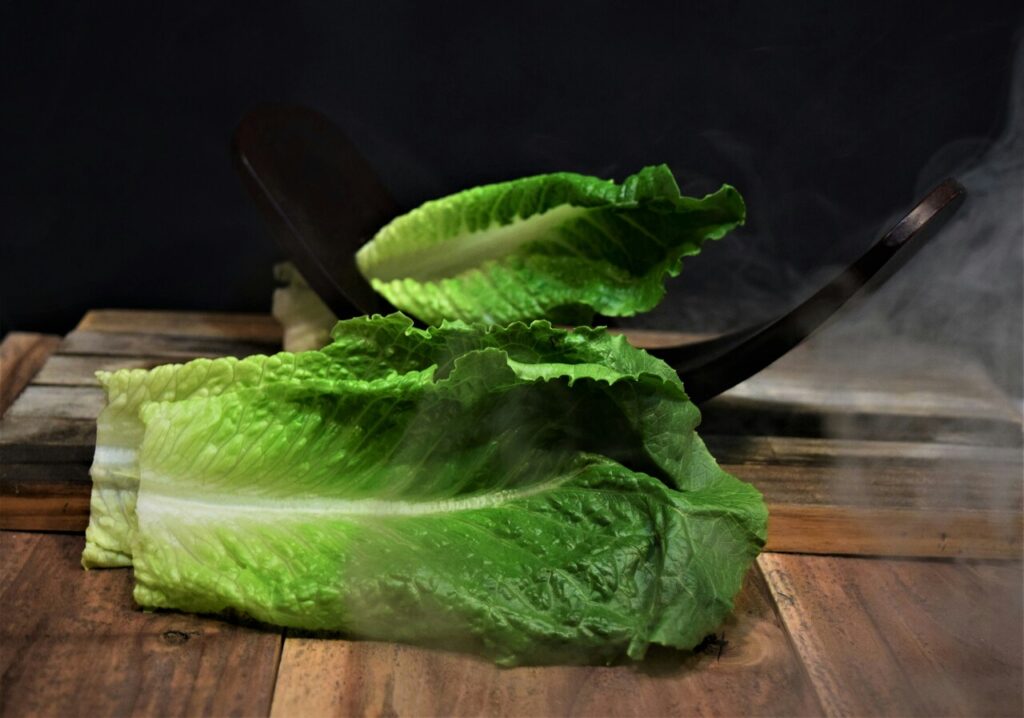
Braising transforms cabbage into a tender, spoonable accompaniment through gentle cooking in a small amount of liquid. Begin by softening aromatics, add roughly cut cabbage, and pour in stock, cider, spices, or a combination of liquid and acid just to the level that allows steam and simmering to tenderize the leaves without turning them to mush. Slow, covered cooking draws out sugars and allows them to mingle with the braising liquid, producing a rich mouthfeel and a glossy finish. Caraway seeds, bay leaves, or a splash of vinegar provide distinctive accents that cut through the cabbage’s sweetness.
7. Cabbage Rolls
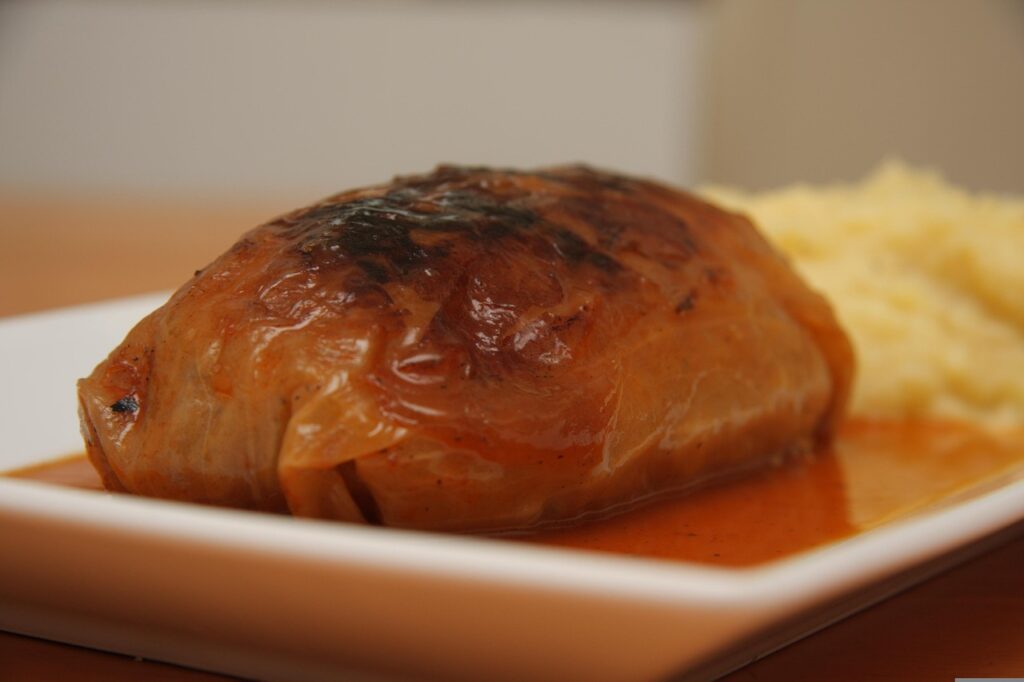
Cabbage rolls showcase the vegetable as a wrapper rather than the main filling, combining tender blanched leaves with savory stuffings that range from rice and herbs to meat mixtures. Blanching or steaming leaves makes them pliable and easy to roll; fill each leaf with a measured spoonful of filling, tuck the sides, and roll snugly so the parcels hold shape during cooking. Simmering the rolls gently in a tomato-based sauce or a seasoned broth both flavors the filling and ensures an even, tender texture throughout. Cabbage rolls are versatile across cuisines, adapting to all kinds of vegetarian fillings.
8. Hash and Pan Mixes
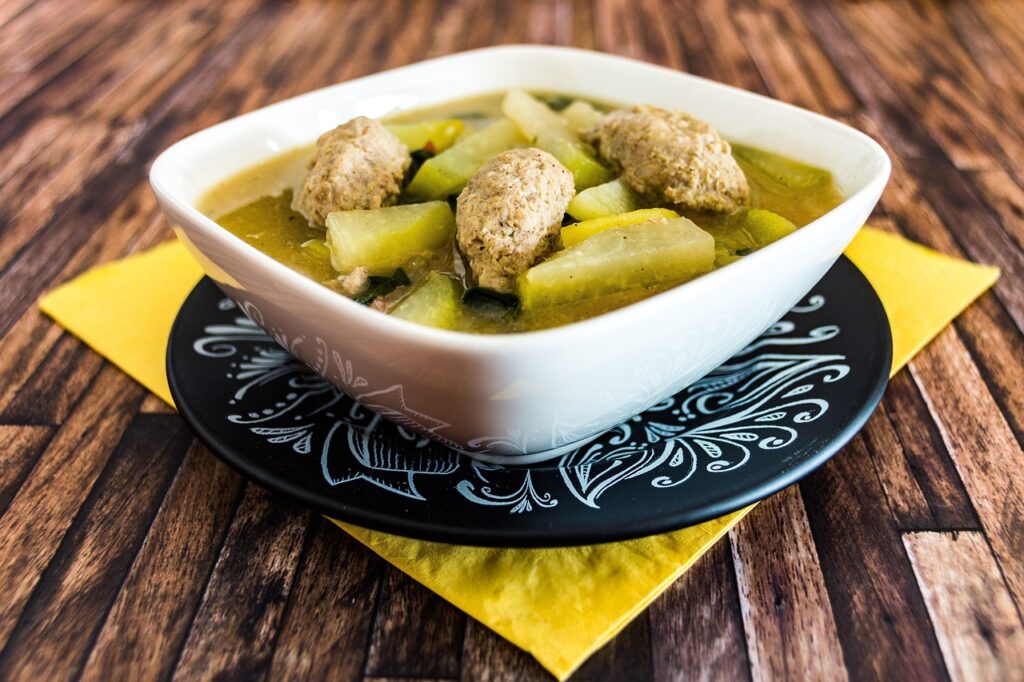
Cabbage makes an excellent base for hash-style dishes where it is pan-cooked with potatoes, leftover roast, or crumbled sausage to create a one-skillet meal. Coarsely shred or chop the cabbage so it browns alongside diced potatoes and other hearty components; sear until pieces get golden edges, then finish with an egg or a splash of vinegar to tie flavors together. The vegetable’s texture holds up to the stiffer components of a hash, and its mild sweetness helps balance savory or fatty additions. Hash mixes are adaptable to breakfast, lunch, or dinner formats and are ideal for using up odds and ends from the fridge.
9. Cabbage Pancake

Cabbage pancakes, inspired by dishes like okonomiyaki, convert shredded cabbage into a batter-based patty that crisps on the outside while remaining tender inside. Combine finely shredded cabbage with a simple batter of flour, eggs, and a liquid, season lightly, then pan-fry spoonfuls or a single large pancake until golden on both sides. Toppings such as a light soy-based glaze, a drizzle of mayonnaise, or a scattering of herbs and toasted seeds add complexity without heavy work. The quick cook time and forgiving batter ratios mean you can experiment with additions like scallions, kimchi, or cheese to match the meal context.