7 Flay Grill Mistakes Wasting Your Meat This Summer

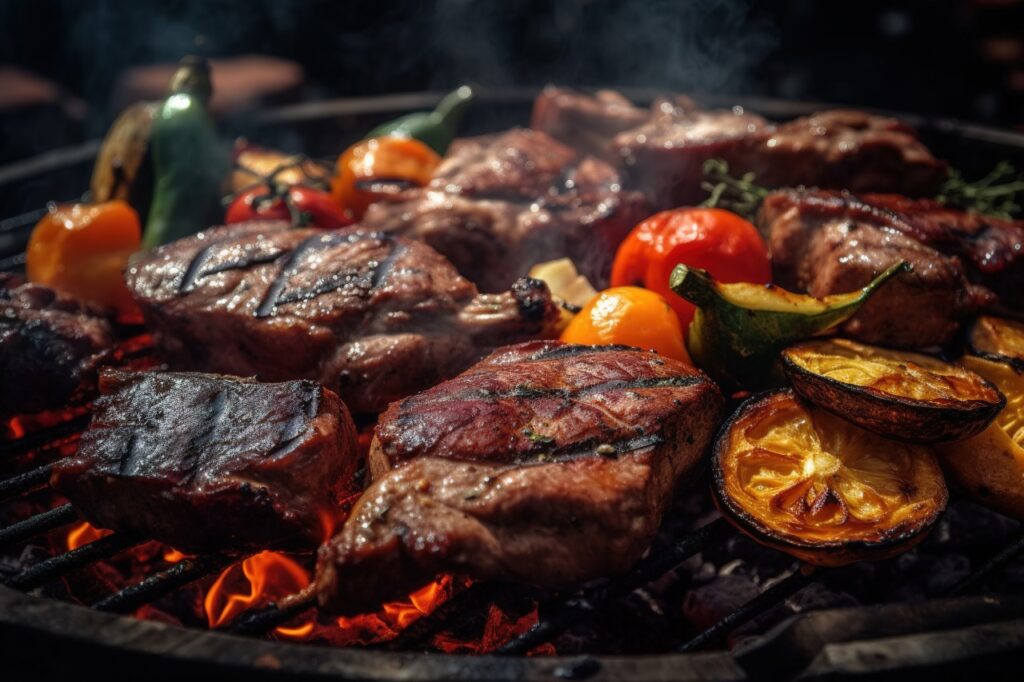
Grilling season promises smoky flavor and juicy bites, but small missteps can quietly undo all that potential. From how meat hits the grill to what happens after it comes off, simple habits often stand between a great cookout and a dry disappointment. These mistakes are easy to make, especially when heat, timing, and instinct take over. Understanding how fire, protein, and moisture really behave turns guesswork into confidence. This guide breaks down the most common grilling errors that waste good meat and shows how a few smarter choices can protect flavor, texture, and tenderness every time you fire up the grill.
1. Starting With Ice-Cold Meat
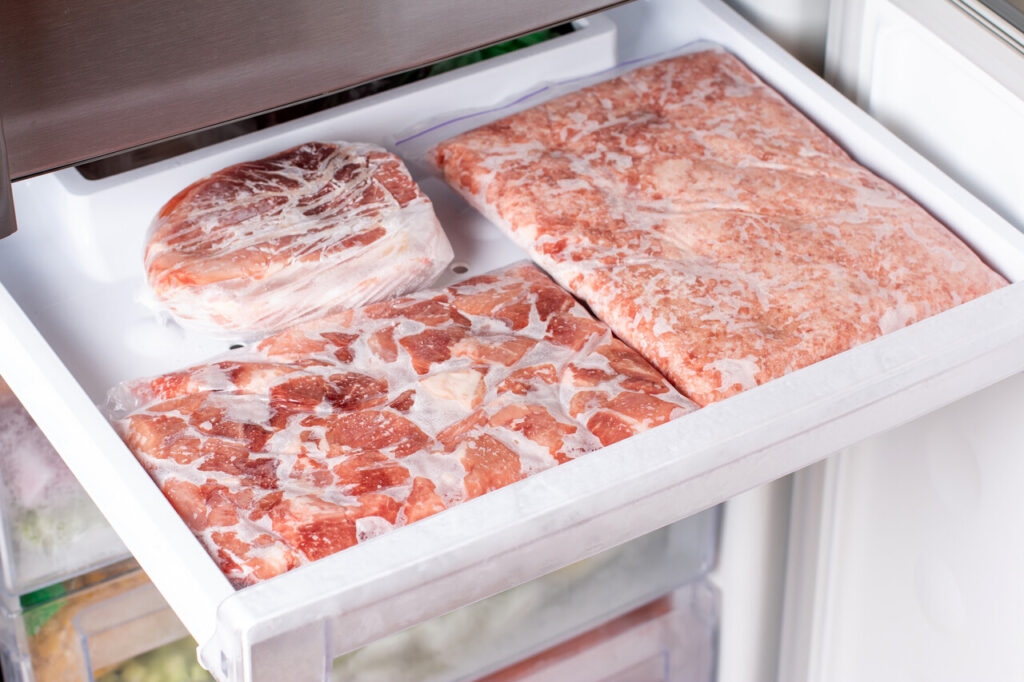
One of the most common grilling mistakes begins before the grill is even lit. Placing meat straight from the refrigerator onto hot grates sets up uneven cooking from the first second. Cold meat has a chilled center that resists heat, forcing the outside to cook too fast while the inside lags behind. This often results in an overcooked surface with a raw or cool center, especially in thick steaks, chops, and chicken pieces. Protein fibers tighten rapidly when exposed to sudden high heat, which pushes moisture out and reduces tenderness. Allowing meat to rest at room temperature for about 20 to 30 minutes helps stabilize internal temperature and promotes even heat distribution.
2. Overusing Direct Flame
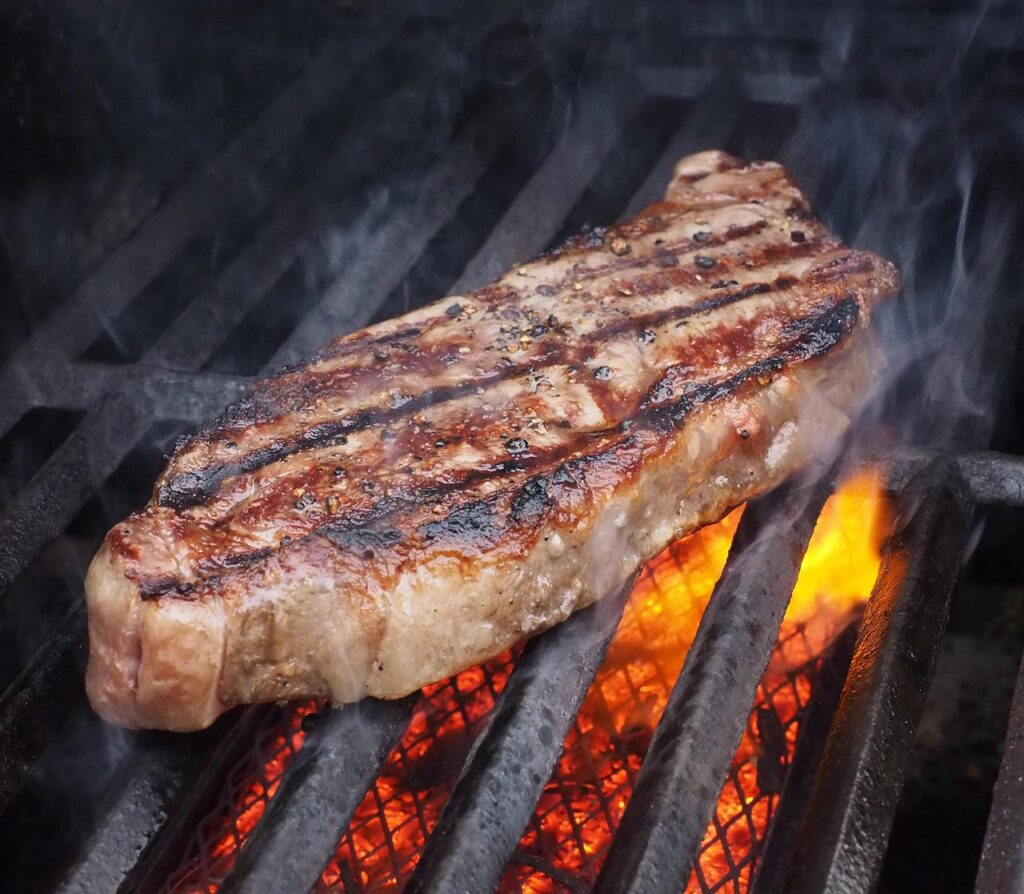
Flames may look impressive, but uncontrolled fire is one of the fastest ways to ruin meat. Direct flame causes fat to ignite, creating flare-ups that burn the surface before the interior cooks properly. This leads to bitter char rather than flavorful browning. Many backyard grills lack intentional heat zones, so meat stays over intense heat for too long. Professional grilling relies on controlled exposure, using direct heat briefly for searing and indirect heat for finishing. Constant flame contact also dries out meat as fat and moisture drip away. Lean cuts suffer even more, becoming tough and flavorless.
3. Skipping Proper Preheating
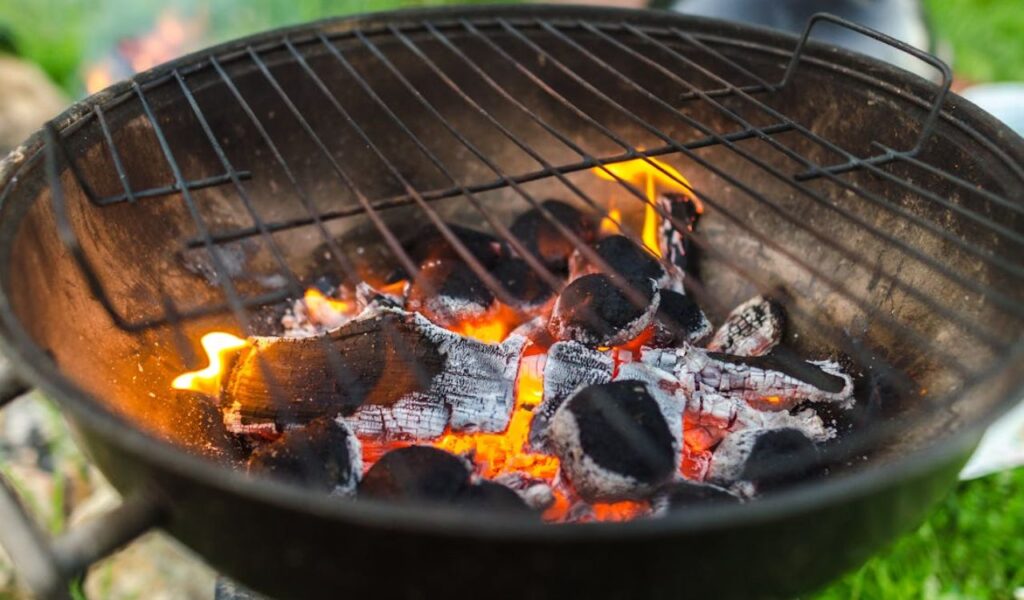
A grill that is not fully preheated works against you. Cool or unevenly heated grates cause meat to stick, tear, and lose moisture when flipped. Proper preheating ensures even heat across the cooking surface and promotes immediate searing, which helps lock in juices. It also burns off residue from previous cooks, reducing sticking and off flavors. Many grillers rush this step, placing meat on the grill as soon as flames appear or burners ignite. Without stable heat, meat cooks unevenly and develops pale surfaces instead of a proper crust. Waiting until grates are thoroughly heated creates better contact and cleaner release.
4. Constantly Flipping the Meat
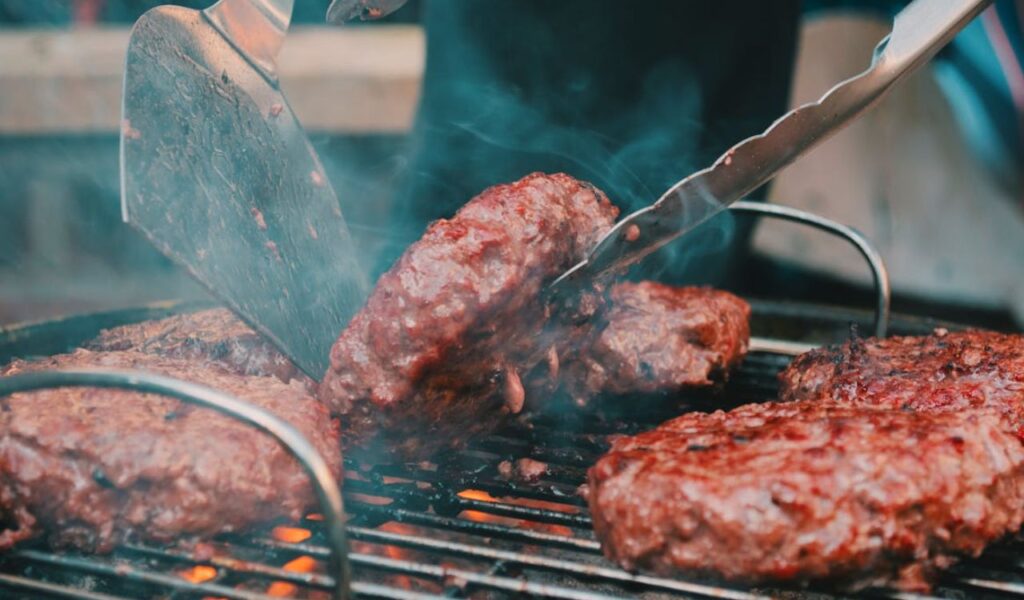
Frequent flipping is often mistaken for attentiveness, but it works against good grilling. Meat needs uninterrupted contact with heat to develop browning and flavor through chemical reactions on the surface. Flipping too often prevents this process from fully happening, leaving meat pale and less flavorful. It also disrupts internal moisture movement, which increases the chance of dryness. Each flip releases heat and extends cooking time, giving proteins more opportunity to tighten and expel juices. Most cuts benefit from fewer, deliberate turns rather than constant handling. Allowing meat to cook undisturbed for longer intervals improves crust formation and texture.
5. Pressing Down on Meat
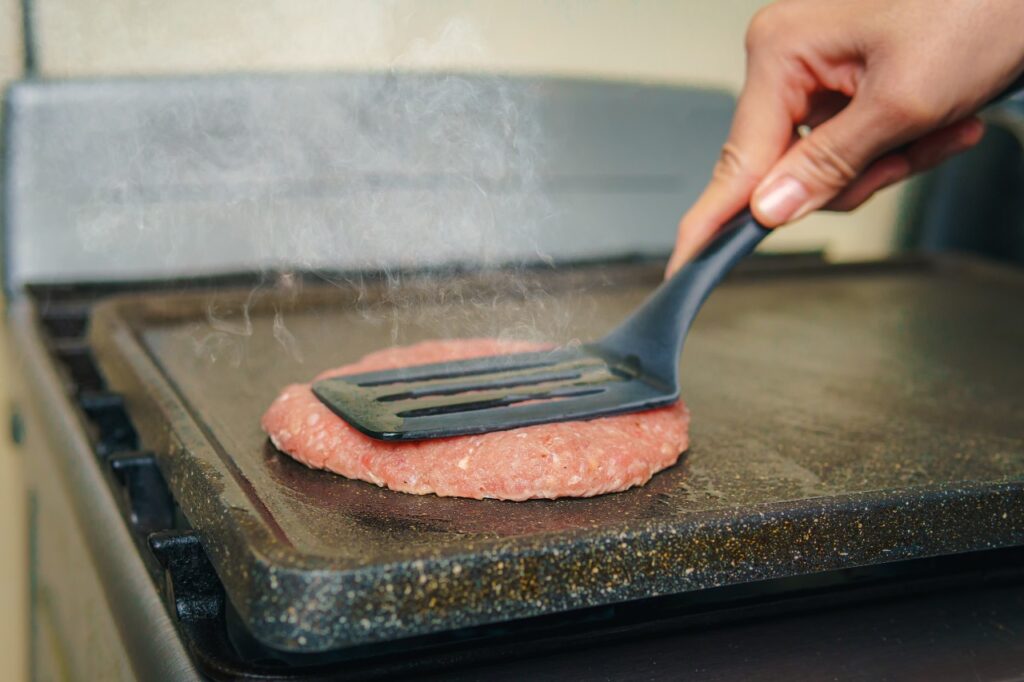
Pressing burgers or steaks against the grill is a habit that destroys juiciness. When pressure is applied, flavorful juices are forced out of the meat and drip away into the grill. Those juices contain fat, moisture, and dissolved proteins that keep meat tender and rich. Once lost, they cannot be recovered. Pressing also increases flare-ups as fat hits the flame, which further burns the surface. Meat cooks best when heat renders fat gradually and naturally. Flattening it speeds moisture loss and creates dense, dry texture. This mistake is especially damaging for burgers, where fat content is essential for flavor.
6. Guessing Doneness Instead of Checking
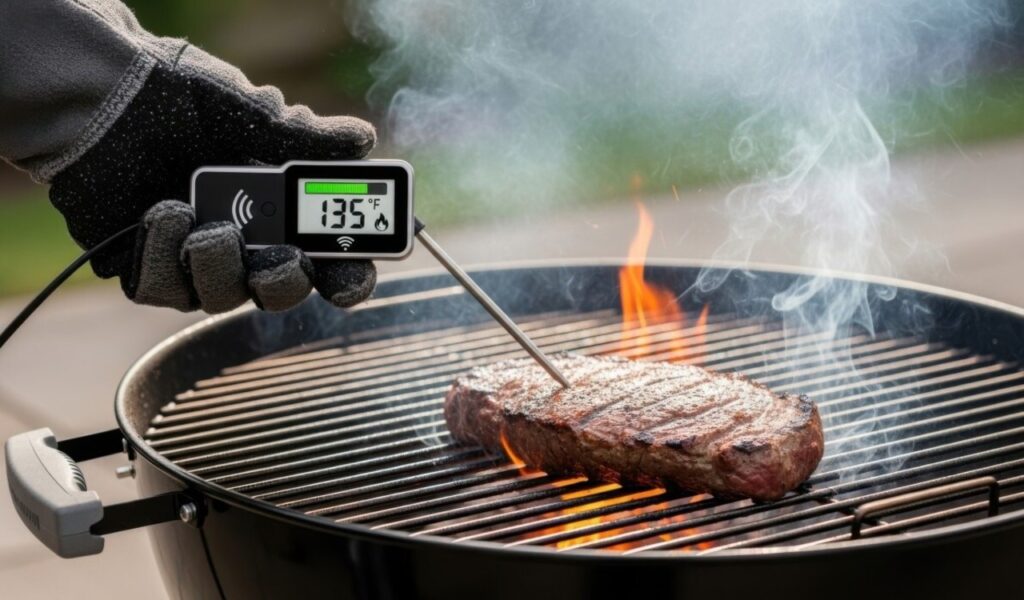
Cooking meat by guesswork often leads to disappointment. Visual cues like color and firmness vary widely depending on cut, thickness, and grill temperature. What looks done on the outside may still be raw inside, or worse, already overcooked. Meat continues cooking even after it leaves the grill due to retained heat, which many people underestimate. Without checking the internal temperature, meat is often pulled too late. This pushes it past its ideal doneness and into dryness. Using a thermometer removes uncertainty and allows precise control. It protects both safety and quality. Guessing doneness wastes meat by turning careful grilling into a gamble with very little margin for error.
7. Skipping the Resting Period
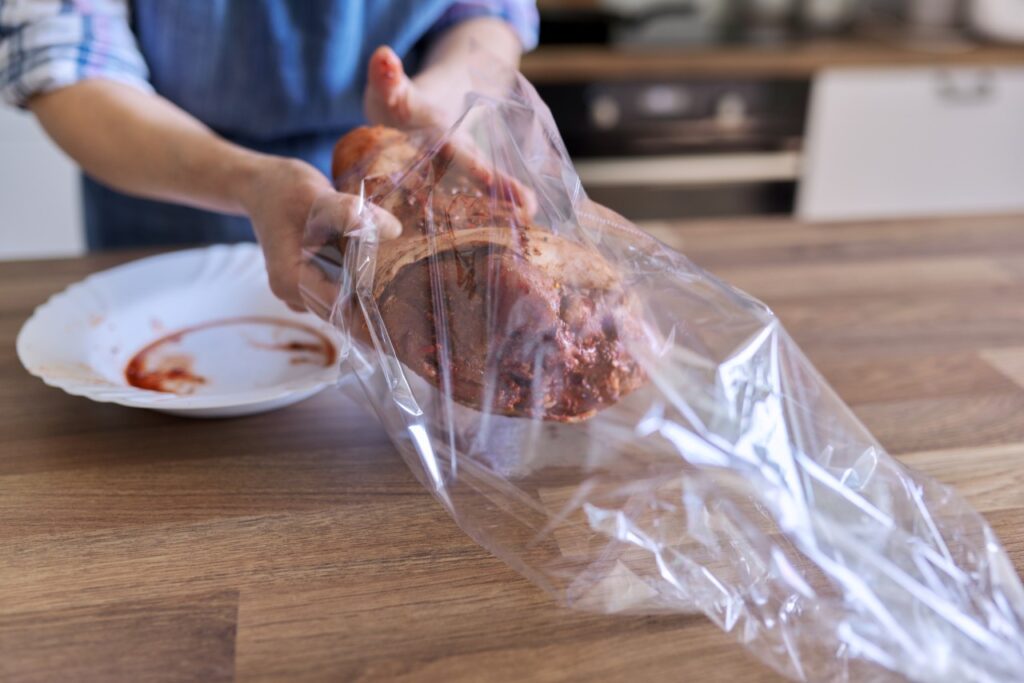
The final mistake happens after the grill work is done. Cutting meat immediately causes juices to rush out onto the plate instead of staying inside. During cooking, muscle fibers tighten and push moisture toward the center. Resting allows those fibers to relax and reabsorb juices evenly. Even a short rest of five to ten minutes makes a noticeable difference in tenderness and flavor. Larger cuts benefit from even longer resting times. Skipping this step undoes the effort spent managing heat and timing. Meat that could have been juicy and flavorful ends up dry and disappointing. Resting is not optional if you want the full reward of good grilling.