7 Bone-In Dishes Every Adventurous Eater Should Try Once

Bones are often trimmed away in modern cooking, yet they quietly hold some of the deepest flavor in the kitchen. Across cuisines, bone-in dishes are prized for tenderness, richness, and the way they transform simple ingredients through time and heat. For adventurous eaters, these meals offer more than sustenance. They invite patience, curiosity, and a deeper connection to how food is meant to be cooked and enjoyed. Each dish on this list showcases how bones enhance texture, moisture, and taste in ways boneless cuts never quite match. Once you experience them, it becomes clear why so many traditional cuisines refuse to let the bones go.
1. Ossobuco
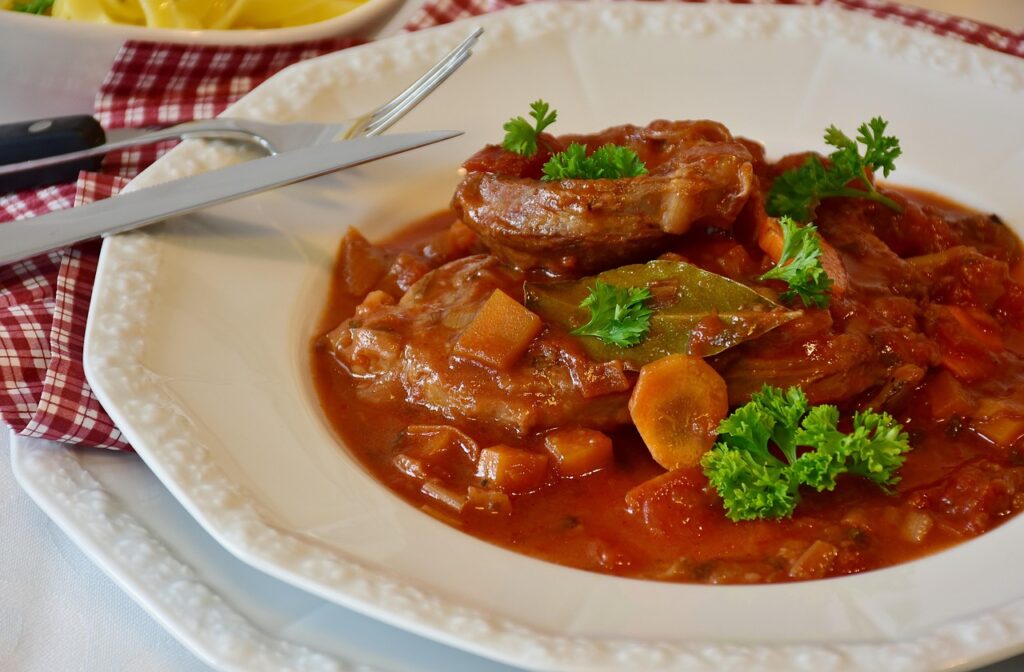
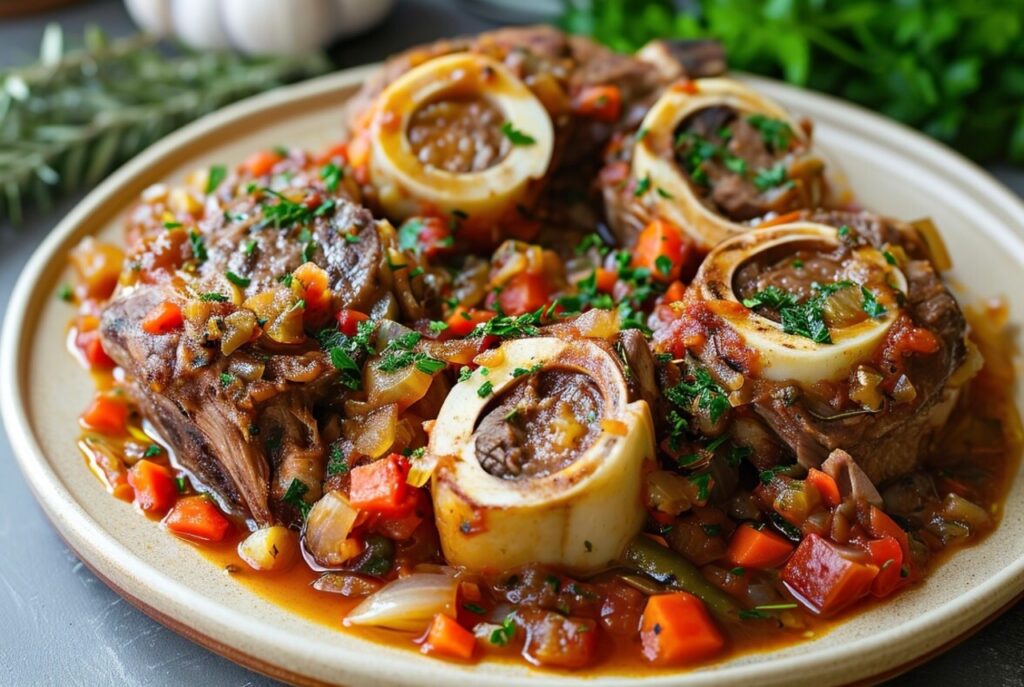
Ossobuco proves that bones are not just a structure but flavor engines. This classic Italian dish uses cross-cut veal shanks, leaving the marrow-filled bone exposed at the center. As the meat slowly braises, collagen melts into gelatin, creating a sauce with natural richness and body. The bone does more than look dramatic. It anchors moisture, keeping the surrounding meat tender while releasing marrow that deepens flavor. Ossobuco is traditionally cooked low and slow with vegetables, wine, and stock, allowing connective tissue to break down fully. The result is meat that pulls apart easily with a spoon rather than a knife. Eating ossobuco teaches patience and appreciation for technique.
2. Bone-In Ribeye Steak
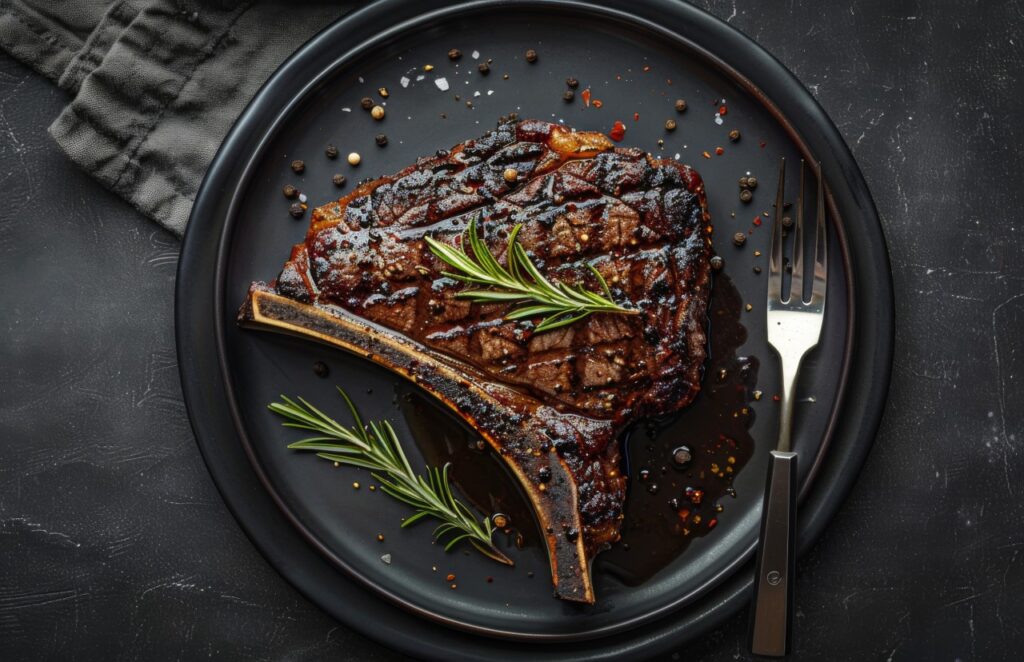
A bone-in ribeye shows how structure influences taste. The rib bone acts as insulation during cooking, helping the meat retain heat and moisture more evenly. This leads to a juicier interior compared with boneless cuts. The ribeye itself is prized for marbling, which melts during cooking and bastes the meat from within. Keeping the bone attached adds subtle depth, especially near the bone where fat and connective tissue concentrate flavor. Cooking a bone-in ribeye requires attention to heat management, as the bone slows cooking on one side. This encourages better searing and more control over doneness. For adventurous eaters, the reward is not just taste but texture.
3. Tomahawk Pork Chop
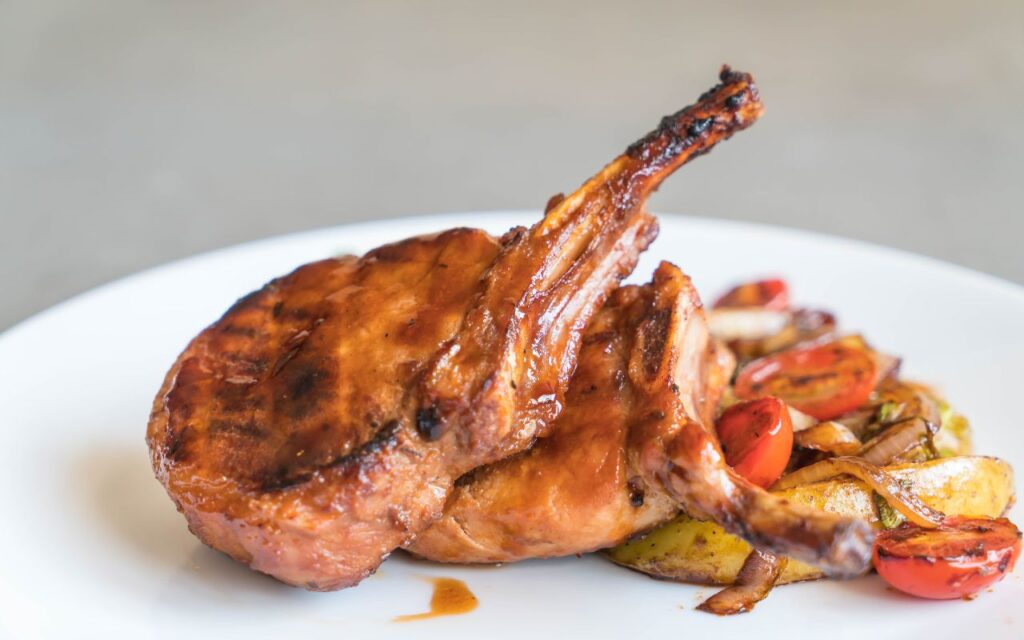
A tomahawk pork chop challenges outdated ideas about pork. Cut with a long rib bone attached, it resembles a steak more than a chop. The bone protects the meat during cooking, reducing moisture loss and encouraging even heat distribution. Modern pork is leaner than in the past, so bone-in cuts help prevent dryness. The thickness of a tomahawk chop allows for a proper sear without overcooking the center. This makes it ideal for grilling or pan-roasting. Flavor benefits come from both fat and bone, creating a richer result than thinner cuts. Eating a tomahawk pork chop also changes perception. Pork becomes something to savor rather than rush.
4. Braised Oxtail
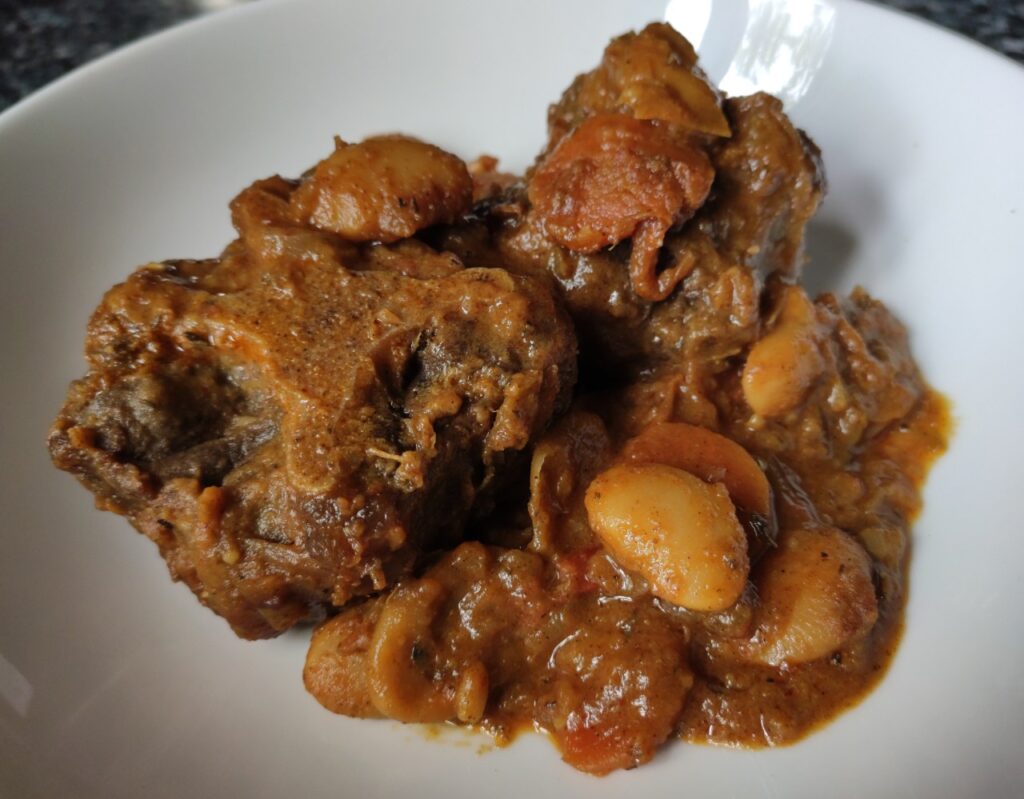
Braised oxtail is built on transformation. Taken from the tail of the animal, oxtail is loaded with connective tissue and bone, making it tough if cooked quickly. Slow braising turns that toughness into silkiness. As it cooks, collagen dissolves into gelatin, thickening the sauce naturally and creating a deep mouthfeel. The bones contribute mineral richness, while the meat absorbs surrounding aromatics. Oxtail is used across many cultures because it maximizes flavor from a small amount of meat. Each piece delivers intensity rather than volume. Eating oxtail requires engagement. There is picking, pulling, and savoring, which slows the meal and heightens appreciation.
5. Bone Marrow on Toast
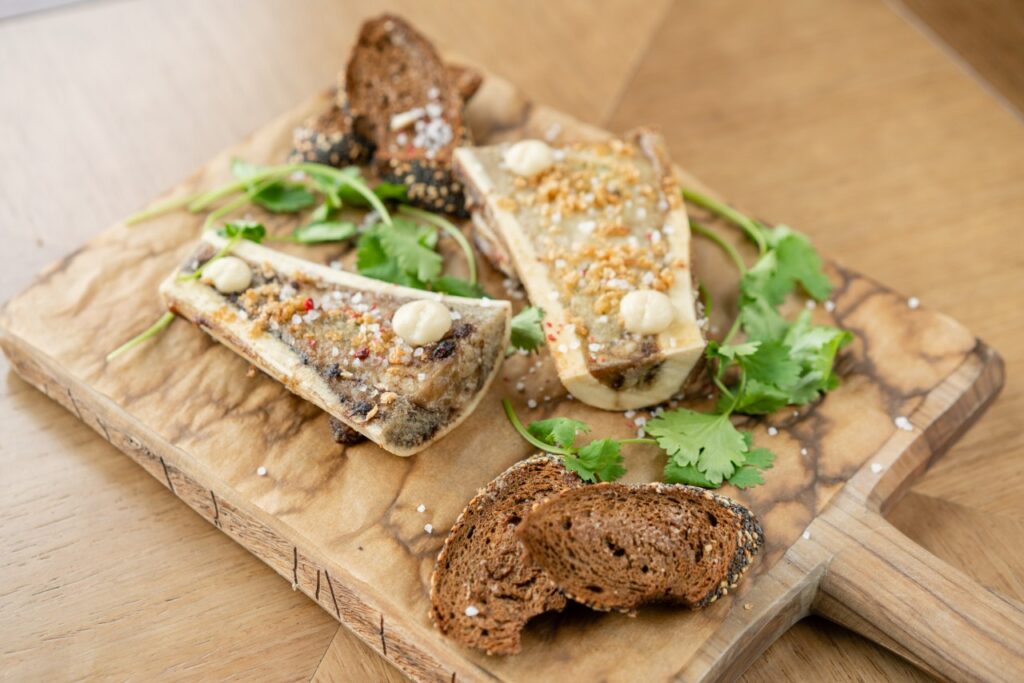
Bone marrow on toast strips down to its most elemental pleasure. Roasted marrow bones release a soft, buttery interior rich in fat and minerals. Heat transforms the marrow into a spreadable texture that melts across warm bread. The bone acts as a natural container, protecting the marrow until it is ready to serve. Flavor is subtle yet deeply savory, often enhanced with salt, herbs, or acid. Eating marrow directly from the bone feels primal, yet the taste is refined rather than aggressive. It teaches diners to appreciate fat as flavor, not excess. For many, this dish reframes bones as a source of luxury rather than waste.
6. Whole Roasted Fish
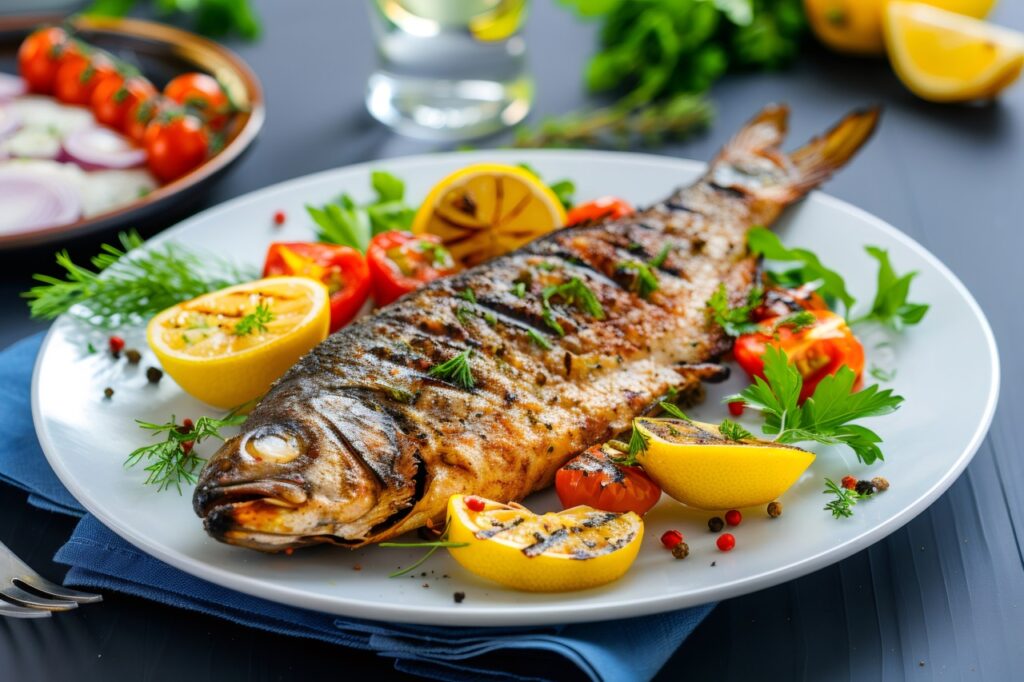
Whole roasted fish rewards those willing to look beyond fillets. Cooking fish on the bone protects delicate flesh from drying out while intensifying flavor. The bones conduct heat gently, allowing even cooking throughout the fish. Skin crisps on the outside while the interior stays moist. Serving fish whole also preserves natural oils that often escape during filleting. For adventurous eaters, navigating bones becomes part of the experience rather than a flaw. It encourages slower eating and attention to texture. The result is a cleaner flavor, firmer flesh, and greater satisfaction. Whole fish cooking shows how bones improve moisture and taste when respected.
7. Lamb Shanks
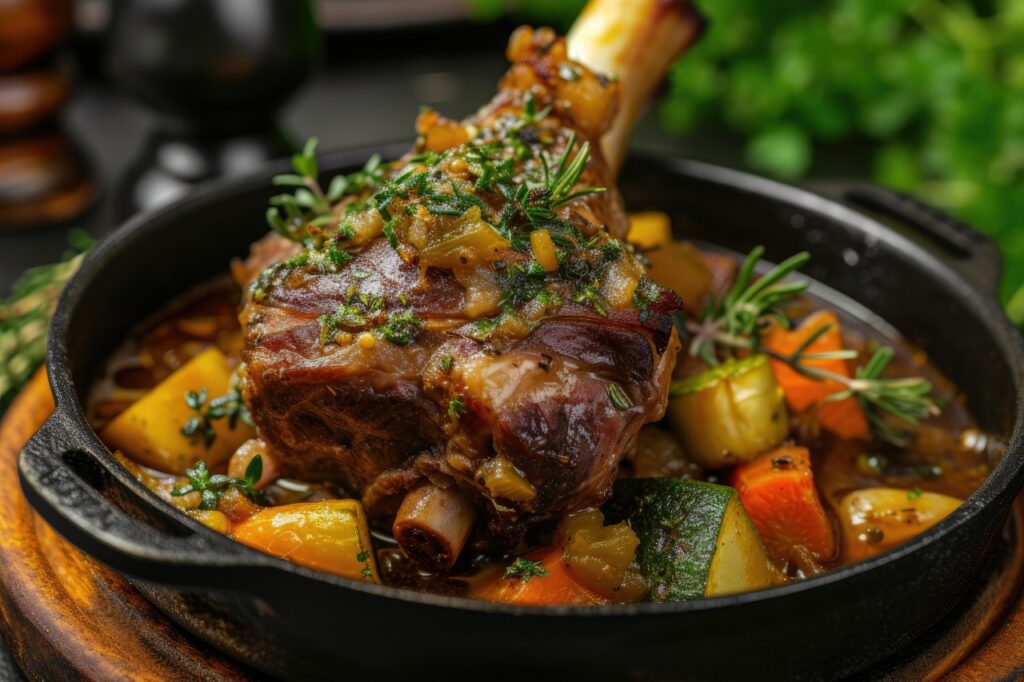
Lamb shanks showcase how bones support long cooking without sacrificing quality. Cut from the lower leg, shanks are dense with connective tissue and surrounded by bone. Slow braising allows collagen to break down while the bone enriches the cooking liquid. The meat becomes tender enough to fall from the bone while retaining strong lamb flavor. Bones stabilize temperature during cooking, preventing drying even after hours of heat. Lamb shanks are often paired with bold seasonings because the bone-backed meat can handle intensity. Eating them is deeply satisfying because each bite reflects time and care.