10 Oversized Sandwich Buns Hiding Thinner Fillings

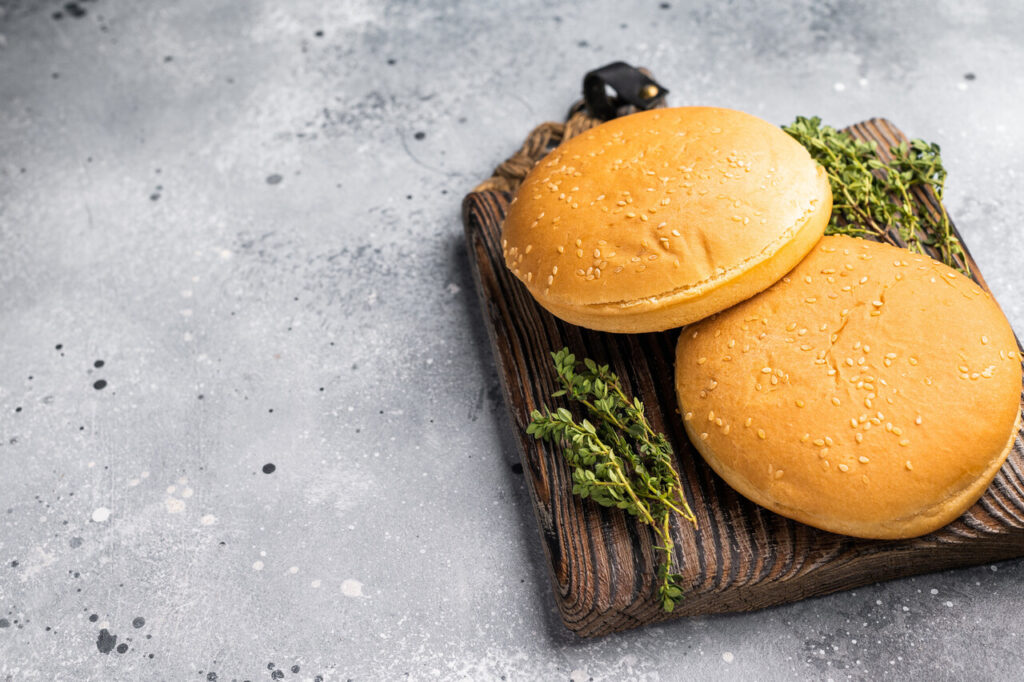
Sandwiches are one of the easiest meals to judge by sight. If it looks tall, wide, and packed, we assume it’s generous. But size can be deceiving. In many cases, what makes a sandwich look impressive is not the filling but the bun surrounding it. As ingredient costs rise, especially for meat and cheese, bread has quietly taken on a bigger role.
Thicker brioche, longer sub rolls, and denser bagels create height and heft on the plate. Meanwhile, protein portions are sometimes trimmed just enough that most diners will not immediately notice. The structure stays big. The interior gets leaner.
Here is a closer look at oversized sandwich buns that create the illusion of abundance while hiding thinner fillings inside.
1. The Brioche Burger That Towers Over a Thinner Patty
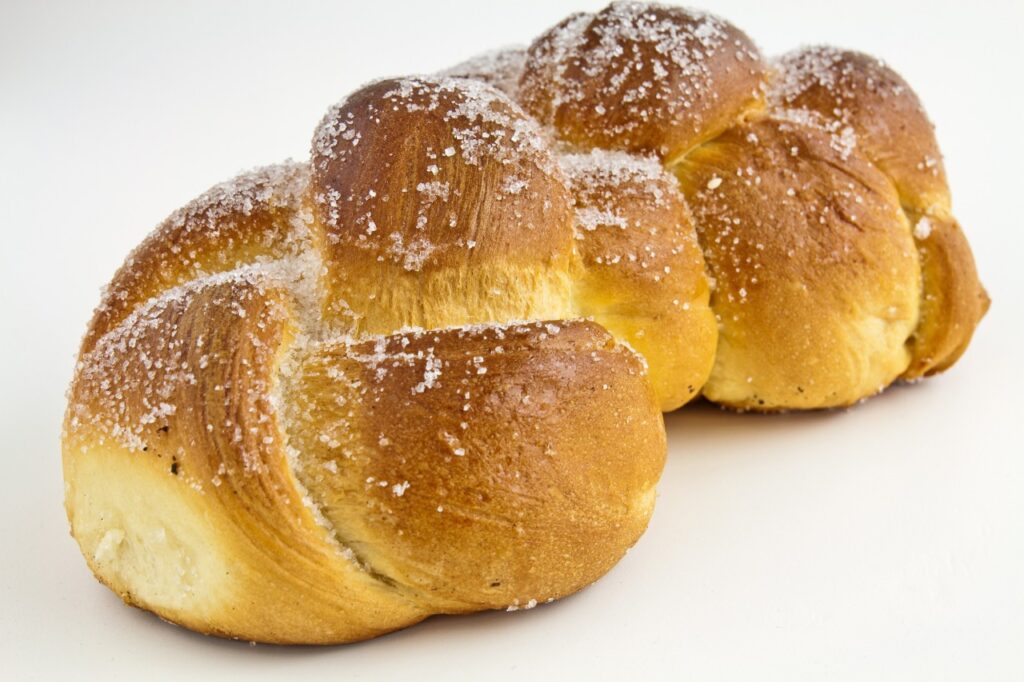
At first glance, a glossy brioche bun makes any burger look premium. The shine, the height, and the soft golden dome all signal indulgence. But when the bun rises well above the patty, the balance shifts. Many restaurants have leaned into taller buns while quietly reducing beef weight to manage rising meat costs.
Brioche is enriched with butter and eggs, which gives it volume and a plush texture. That softness compresses easily when held, making the patty seem more substantial than it is. A four-ounce patty can appear larger when framed by a thick bun, even if older menu versions once featured six ounces.
The result is visual impact without equal filling density. Guests may feel satisfied at first bite, but the ratio leans heavily toward bread. The bun creates structure and height, while the thinner patty carries less of the sandwich’s overall substance.
2. The Footlong Sub With Air Between the Layers
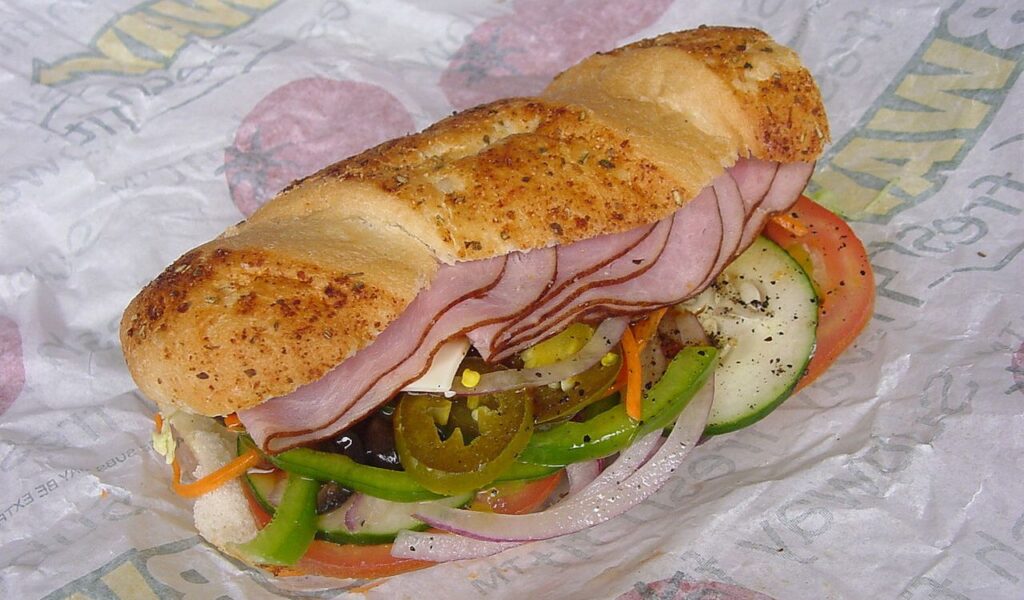
A long sub roll stretches across the plate and instantly looks generous. Length suggests value. Yet many footlong sandwiches now feature thinner layers of deli meat spread widely across the bread. The illusion relies on surface area rather than depth.
Sub rolls are often airy and light inside, which allows them to look substantial without adding much filling weight. When meats are sliced extremely thin and folded strategically, they appear abundant at first glance. In reality, the total ounces may be lower than expected.
This approach helps control food costs while maintaining the familiar footlong format. Customers focus on the impressive length, but the internal layering often tells a different story about portion size.
3. The Kaiser Roll That Swallows the Chicken

Kaiser rolls are sturdy and round, with a firm crust and dense crumb. They are ideal for holding grilled chicken breasts. The challenge arises when the roll is oversized compared to the protein inside.
Grilled chicken portions are sometimes trimmed thinner to cook quickly and reduce cost. When placed inside a large roll, the meat can appear smaller than the bun surrounding it. The bread absorbs sauces and juices, creating bulk without increasing protein content.
From a cost standpoint, bread is significantly cheaper than poultry. Increasing bun size while reducing chicken thickness preserves margins. For the diner, the experience leans more bready than balanced.
4. The Ciabatta Sandwich With More Crust Than Filling
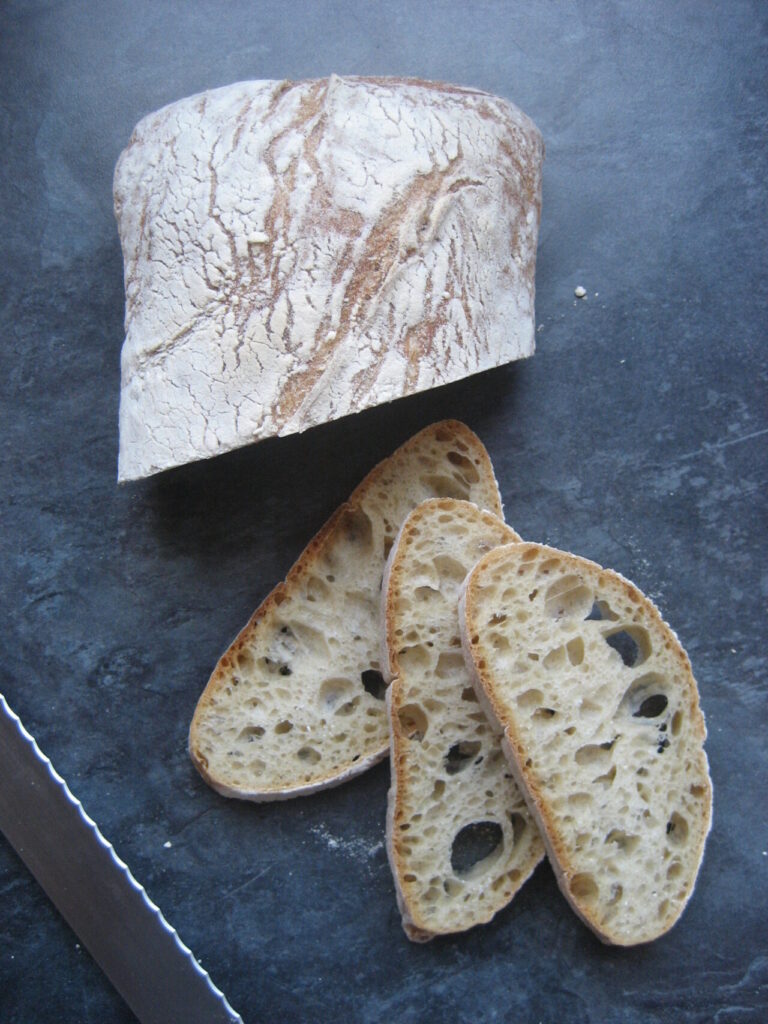
Ciabatta is known for its rustic look and crisp crust. It often arrives in wide rectangular slabs that feel hearty in the hand. However, its open crumb structure can create large pockets of air that reduce actual filling space.
When mozzarella and tomato slices are placed inside, the ratio can favor bread. A few slices spread across a broad ciabatta base may not provide the fullness the exterior suggests. The crust adds chew and texture, but it also increases overall bulk.
Because ciabatta appears artisanal, it elevates menu perception. Yet its size can overshadow thinner layers of cheese or vegetables, leaving the sandwich looking generous while delivering less substance than expected.
5. The Potato Bun That Cushions a Slim Fish Fillet

Potato buns are soft, slightly sweet, and pillowy. They create an appealing cushion for fried fish sandwiches. The problem surfaces when the fillet inside is thinner than the bun is thick.
Fried fish portions fluctuate based on supply and cost. Some establishments reduce fillet thickness to stabilize pricing. The bun’s softness allows it to envelop the fish, visually centering it even if the protein portion has shrunk.
Bread becomes the structural majority of the bite. While the bun enhances flavor, it can dominate texture when the fish layer is light. The sandwich looks substantial but depends heavily on bread volume rather than seafood weight.
6. The Hoagie Roll That Outpaces the Steak
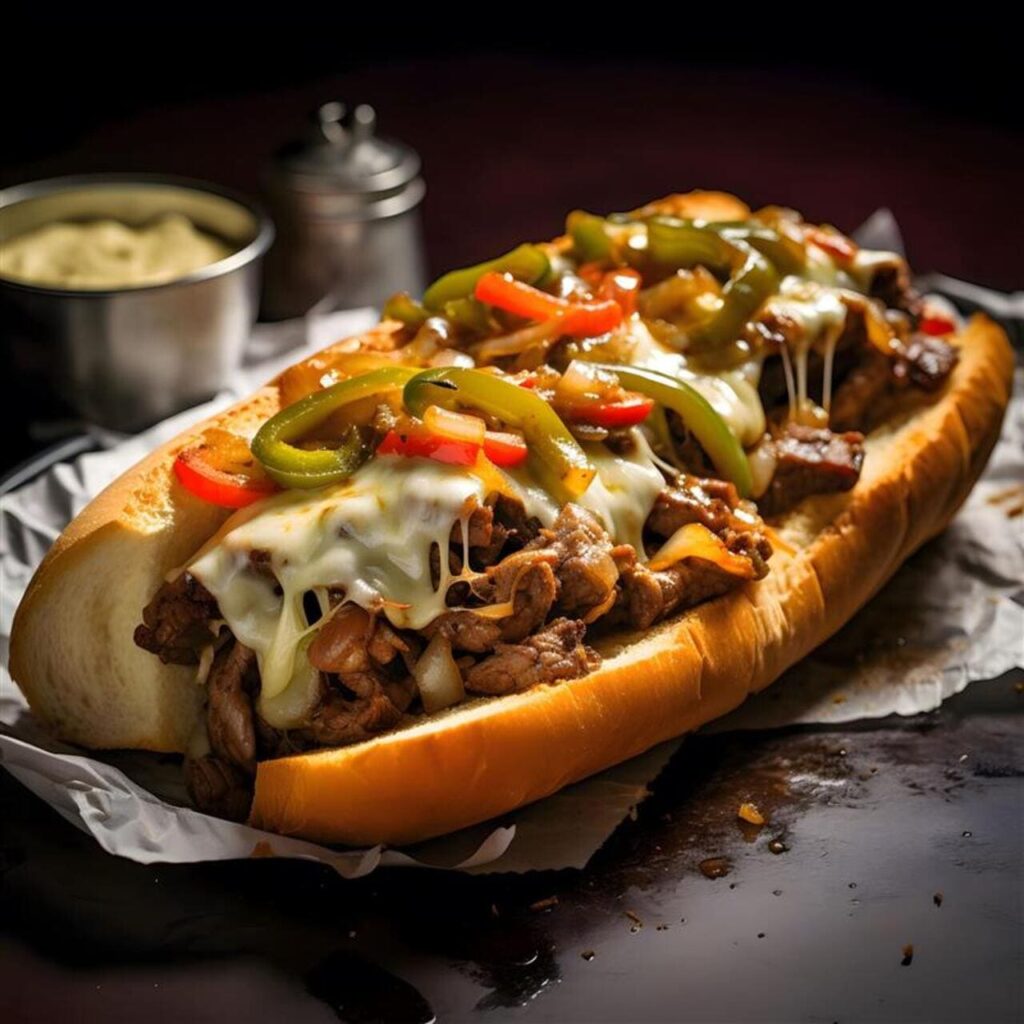
Hoagie rolls are long and slightly domed, ideal for cheesesteaks and deli-style sandwiches. When steak is shaved thinly and spread along its length, it appears plentiful. Yet total weight may be modest.
Shaved beef is distributed widely, creating visual coverage. That technique helps sandwiches look full without stacking thick portions. Cheese and sautéed vegetables add bulk and moisture, which further enhances the impression of abundance.
The structure favors length over depth. The roll holds shape and size, while the filling remains relatively shallow. Customers see coverage across the bread and assume generosity, even when the protein layer is restrained.
7. The Pretzel Bun That Overpowers the Sausage

Pretzel buns are dense and slightly chewy, with a glossy exterior and salted crust. They are popular for bratwurst and sausage sandwiches. Their thickness, however, can overshadow the filling.
When a sausage link is trimmed shorter or flattened, the bun may extend beyond the meat at both ends. The heavy texture of the bread amplifies this imbalance. Each bite includes more dough than protein.
Because pretzel buns are associated with craft dining, they enhance perceived value. Yet their density makes thinner fillings more noticeable. The bread carries weight visually and physically, while the sausage portion may feel secondary.
8. The Triple Decker Club With Extra Bread Layers
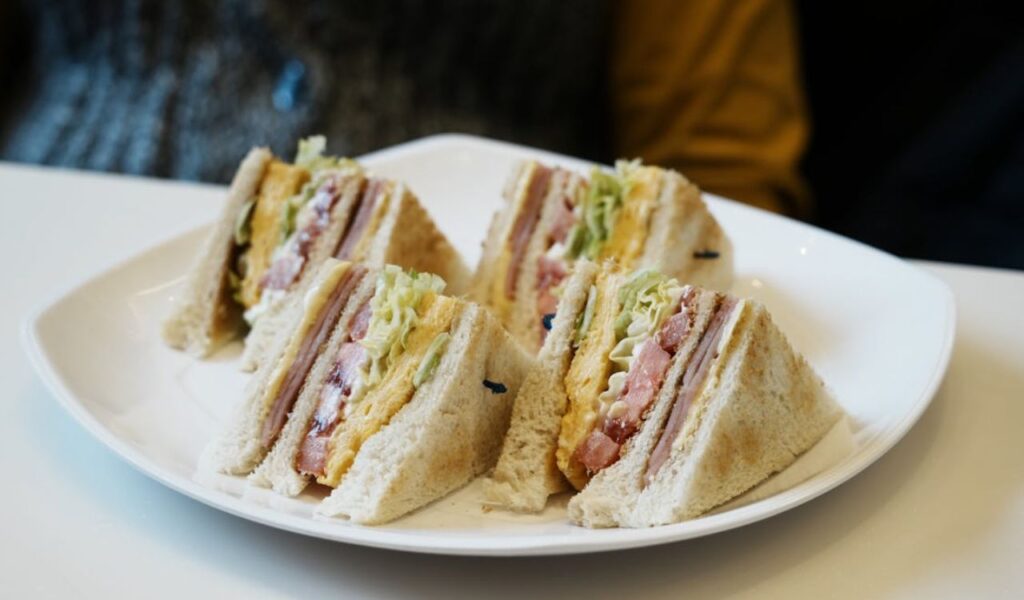
Club sandwiches are stacked high with multiple slices of toasted bread. The structure creates height and drama on the plate. Yet that vertical build relies heavily on bread volume.
When turkey or ham layers are modest, lettuce and tomato help fill the space between slices. The bread provides shape and stability. Each additional slice increases overall bulk without necessarily increasing protein content.
The visual tower suggests abundance. In reality, much of that height comes from toast. The filling may be balanced, but the bread plays a larger role than diners might expect.
9. The Oversized Bagel With a Thin Egg Layer
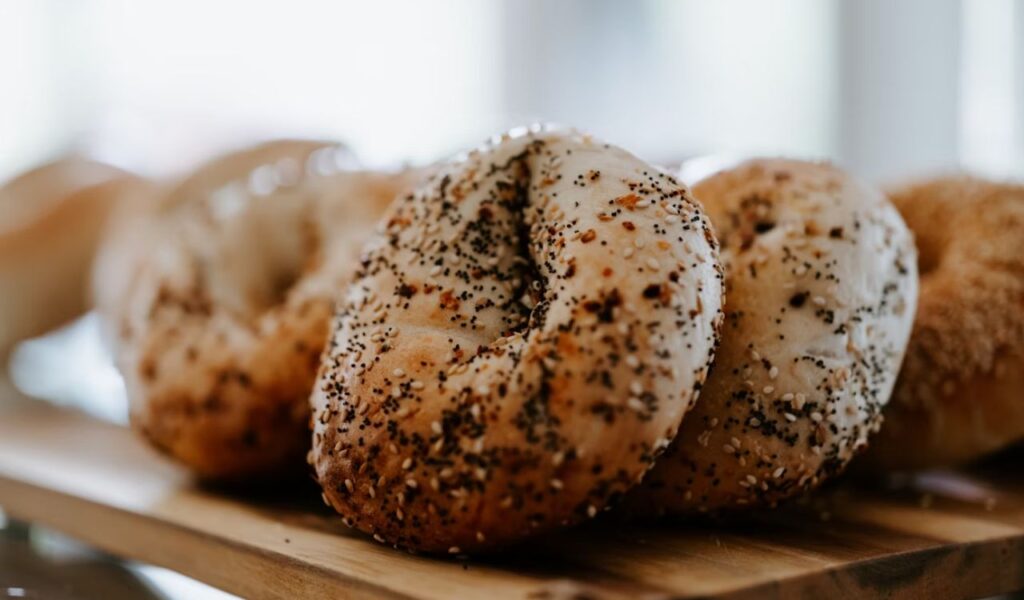
Bagels are thick, chewy, and heavy. When used for breakfast sandwiches, they create a sturdy frame. However, a single folded egg or a thin slice of cheese can look small within the wide circumference.
Bagels contain a significant amount of carbohydrates. When paired with modest fillings, they dominate the texture profile. The egg layer may be thin to control portion size and cooking time.
The result is a sandwich that feels filling due to bread density rather than protein heft. The bagel’s bulk creates satisfaction, but the filling itself can be comparatively restrained.
10. The Slider Bun That Makes Pulled Pork Look Plentiful
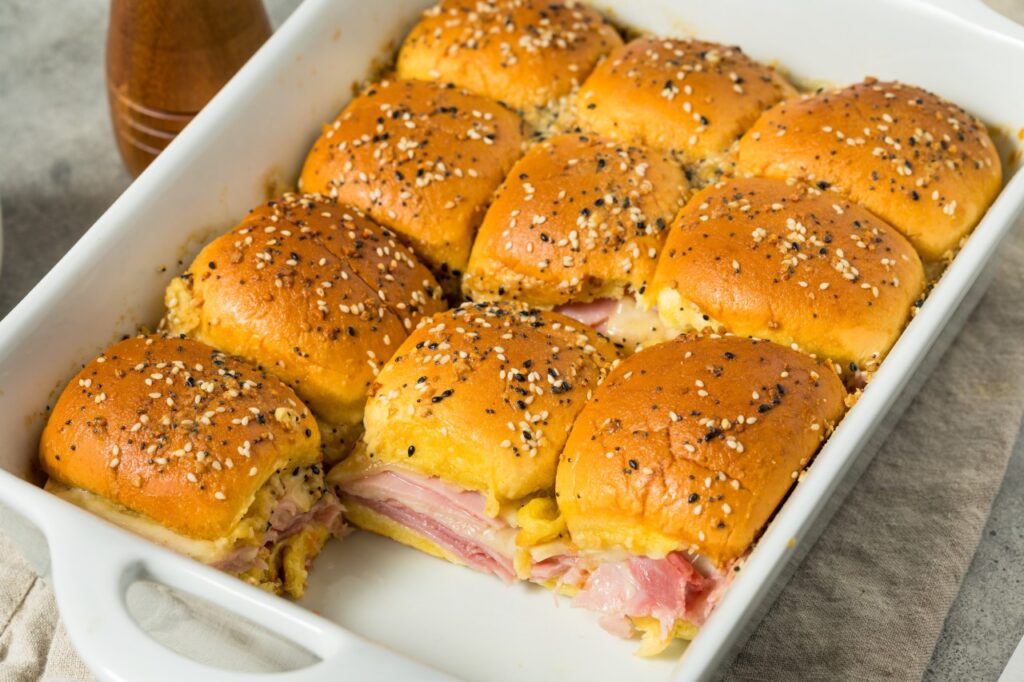
Sliders are often marketed as generous trays of small sandwiches. The buns are soft and round, creating a uniform look. Pulled pork, when fluffed and sauced, appears abundant even in small quantities.
Shredded meat spreads easily, filling visual gaps inside the bun. Because sliders are small, individual portions are lighter. Guests may order multiple, but each bun contains a controlled amount of filling.
The combination of soft bun and airy shredded meat creates volume without heavy density. The appearance suggests plenty, yet the actual meat weight per slider is often modest compared to full-size sandwiches.
Across all these examples, the pattern is clear. Larger or thicker buns create the impression of value and substance. When fillings thin out, bread takes on a bigger role in both structure and perception. The sandwich still looks satisfying, but the balance quietly shifts toward bulk over filling.