14 Warehouse Club Bakery Items Shrinking Without Notice

Warehouse club bakeries are built on one powerful promise: big portions at bulk value. Giant muffins, wide loaves, family-size cakes, and oversized pastry packs have long been part of the appeal. The scale is part of the experience. You walk past the bakery section, and everything looks generous, stacked high, and ready for a crowd.
But as ingredient, labor, and transportation costs continue to fluctuate, some of those bakery favorites have changed in quieter ways. The packaging often stays the same. The price may shift only slightly. What adjusts instead is the weight, thickness, or filling ratio inside. A loaf feels lighter. A muffin looks tall but less dense. A cookie spreads wider but thinner.
These changes are subtle enough that most shoppers do not notice right away. Here is a closer look at bakery items that appear familiar on the surface but may be delivering a little less than they once did.
1. The Familiar Bakery Loaf That Feels Lighter in the Bag
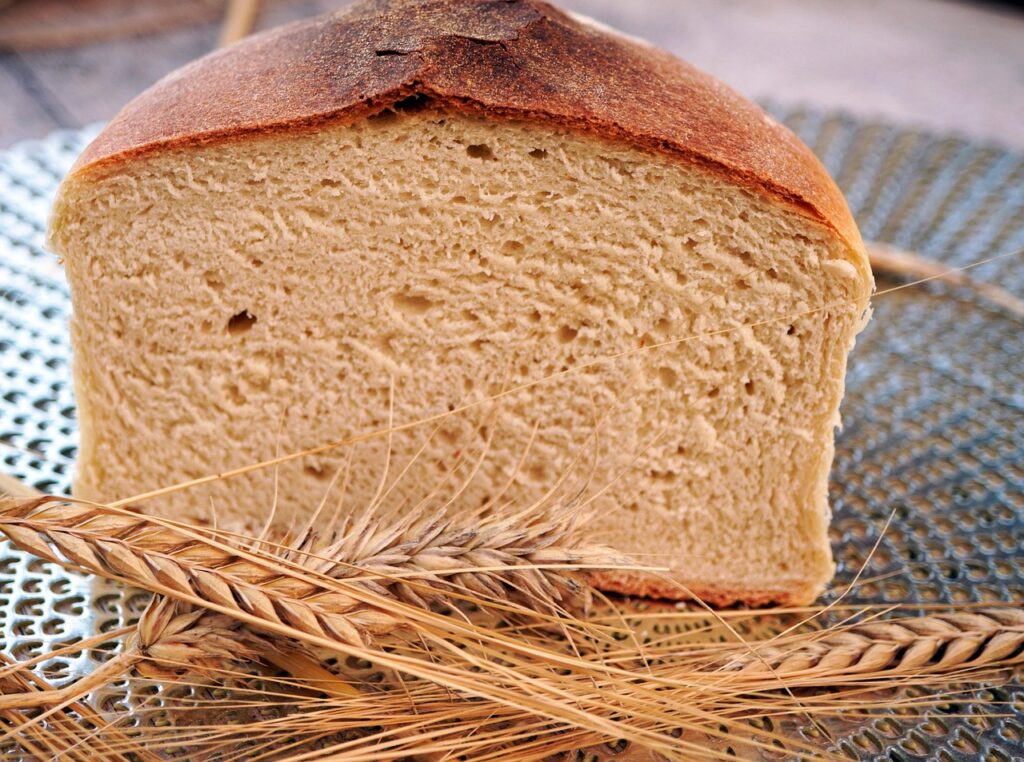
At first glance, the standard warehouse club sandwich loaf looks unchanged. The packaging is the same size, the shape appears identical, and the price may not have moved much. The difference often shows up when you pick it up. The loaf can feel lighter than past versions, even though the outer dimensions look consistent.
Flour, yeast, and energy costs have risen in recent years. One quiet response is trimming total weight while preserving appearance. A loaf can be baked with slightly less dough per pan or allowed to rise more to create a taller profile with more air inside. The crust remains the same size, but the internal density shifts.
Because most shoppers do not compare ounce counts across years, the change rarely draws attention. The loaf still fits in the same bag and on the same shelf. Yet the subtle weight reduction means you may be getting less bread than you once did for a similar price.
2. Thinner Slices Hiding in the Same Bread Count
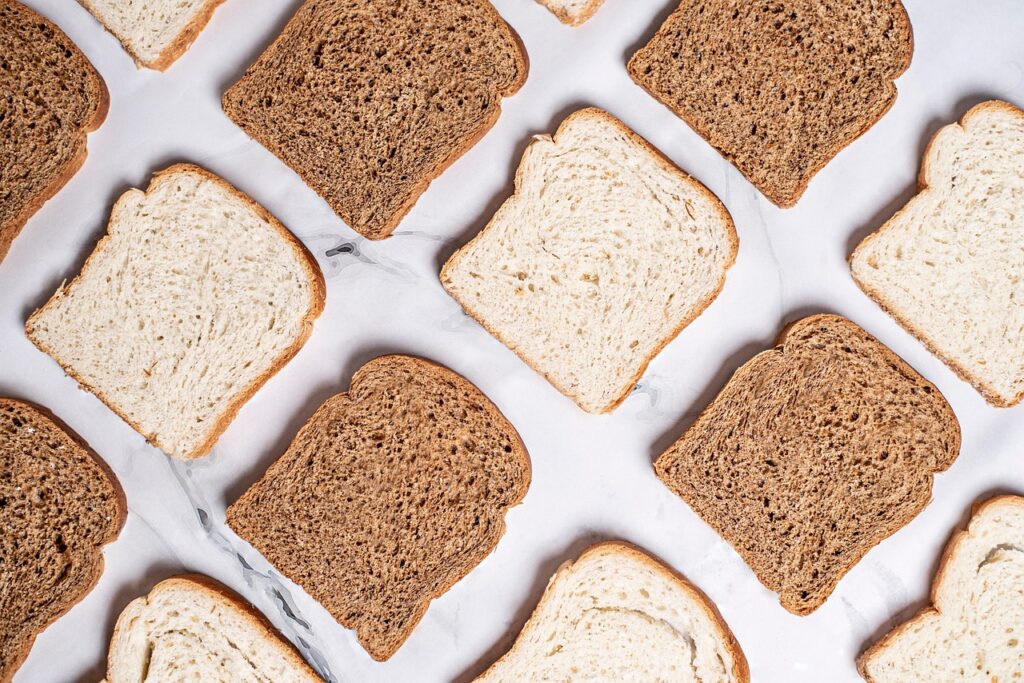
Sliced artisan breads often advertise a specific number of slices per package. That count tends to stay stable. What can change is the thickness of each slice. Slightly thinner cuts stretch the loaf further without altering the number printed on the label.
Bread slicers can be adjusted by small increments. A fraction of an inch less per slice reduces total flour usage across thousands of loaves. For a large warehouse operation, those savings add up quickly. To the eye, the slices still look normal when stacked tightly in a bag.
The impact becomes noticeable when making sandwiches or toast. The bread may feel less sturdy or fill less space in the toaster. The package promises the same quantity, but the overall bread volume has quietly decreased.
3. The Jumbo Muffin That Is More Dome Than Depth

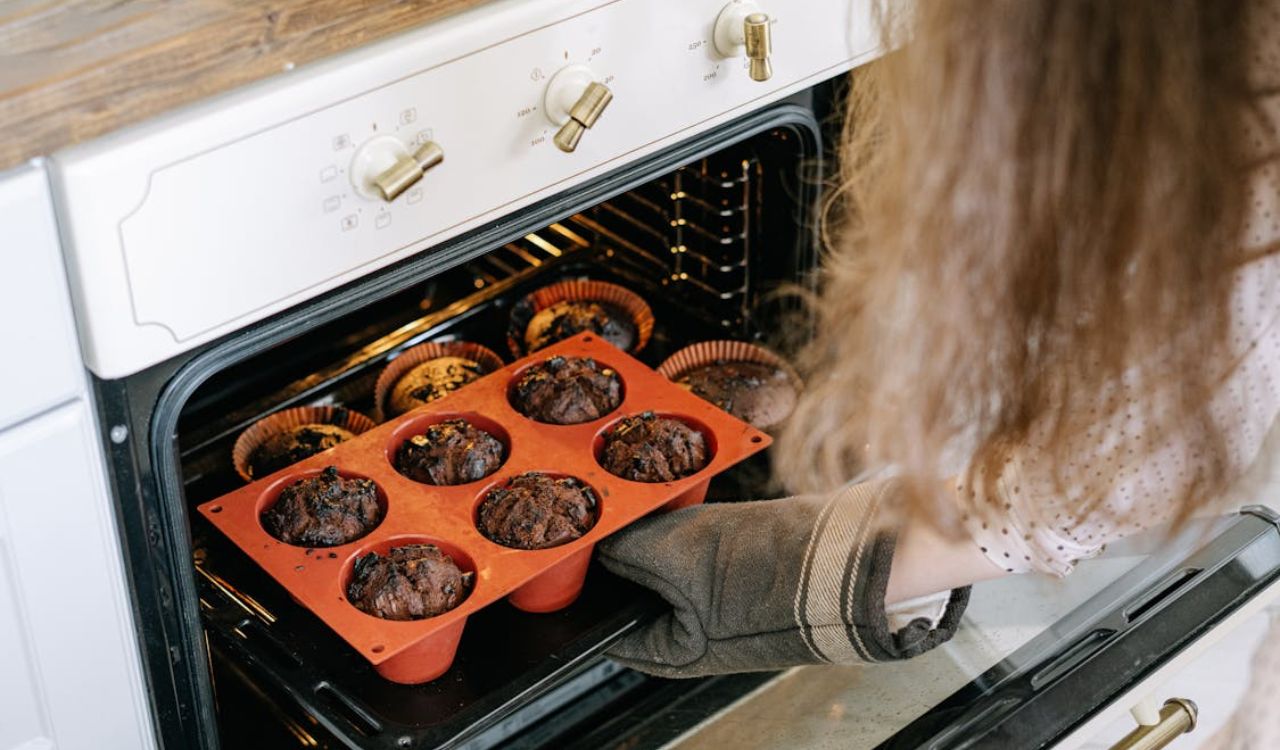
Warehouse club muffins are known for oversized tops that spill over paper liners. Recently, many shoppers have noticed the interior crumb feels lighter. The dome remains dramatic, but the base can be shallower.
Reducing batter per cup while encouraging more rise creates a tall appearance with less actual mass. Air incorporation during mixing also affects density. A lighter crumb uses less raw material but preserves visual appeal. From a display standpoint, the muffin still looks impressive in a clear plastic container.
When cut open, the difference becomes clearer. The muffin may weigh less and feel less filling than older versions. The visual size remains bold, but the substance inside can be noticeably reduced.
4. The Large Cookie With a Slimmer Profile

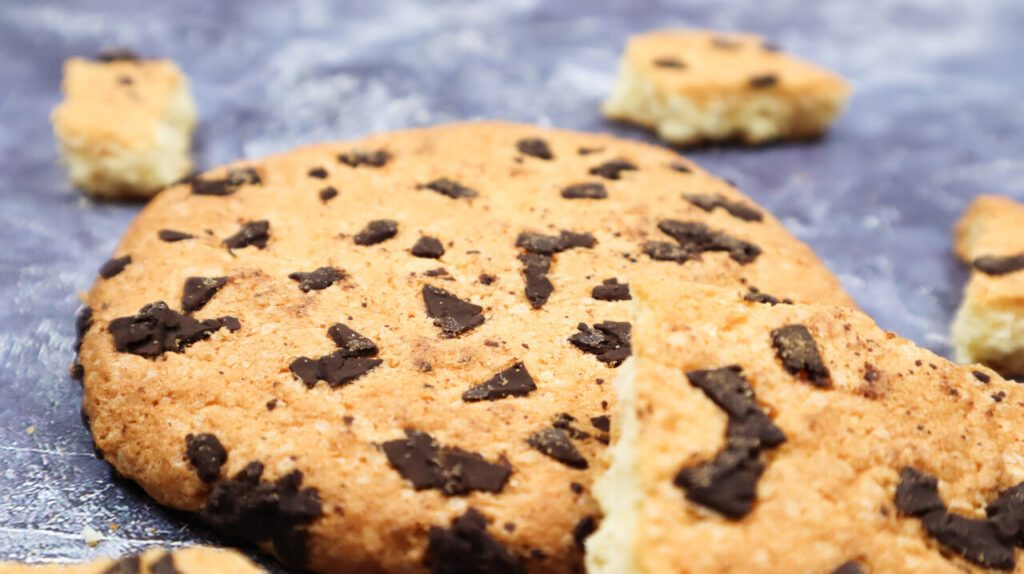
Warehouse cookies often maintain their wide diameter. The change sometimes lies in thickness. A cookie that once had a substantial center may now be slightly flatter.
Flattening dough before baking spreads it outward, keeping the cookie broad while using less total dough per piece. The chocolate chips or toppings remain visible, which preserves the sense of generosity. But the internal chew and heft can feel lighter.
Because cookies are typically sold by count rather than weight, customers may not immediately notice. The packaging shows the same number of cookies, yet the actual dough per cookie may be lower than in previous batches.
5. The Sheet Cake That Serves Fewer Generous Portions
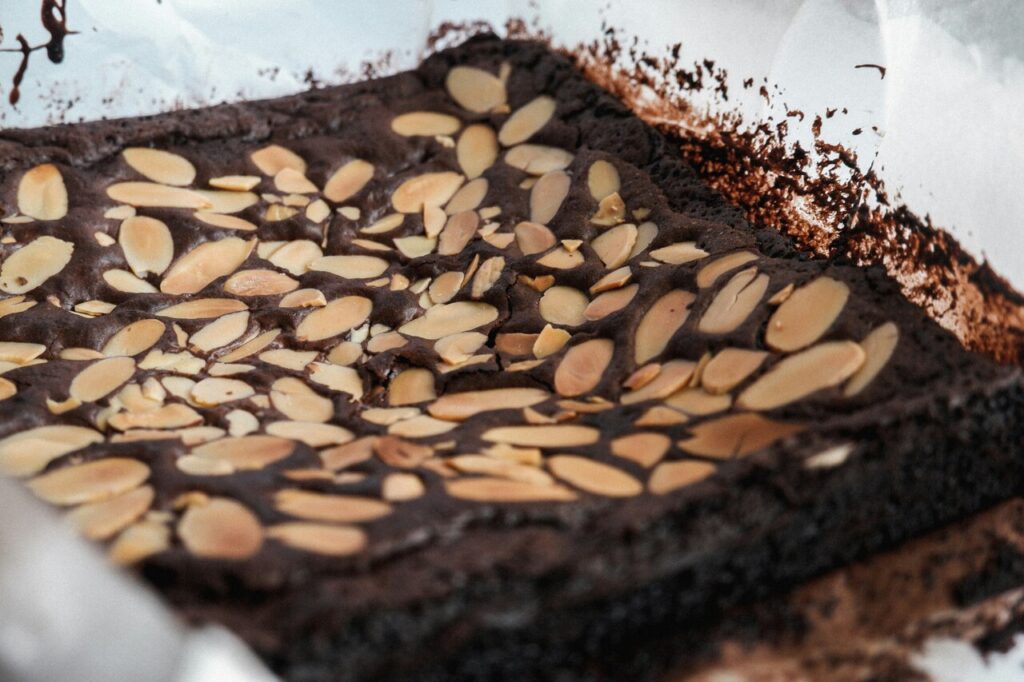
Full-size sheet cakes are staples for birthdays and gatherings. While the pan size may remain consistent, frosting layers and cake thickness can shift. A slightly thinner sponge layer across a large surface area saves significant ingredient cost.
Sugar, butter, and eggs have experienced price swings. Reducing cake depth by even a small margin per pan reduces overall usage. The outer box and footprint stay the same, so the cake appears unchanged when viewed from above.
When sliced, however, pieces may feel less substantial. The cake still fills the box, but the vertical height can be subtly lower than in past versions, leading to smaller servings overall.
6. The Bear Claw With Less Filling in Each Fold
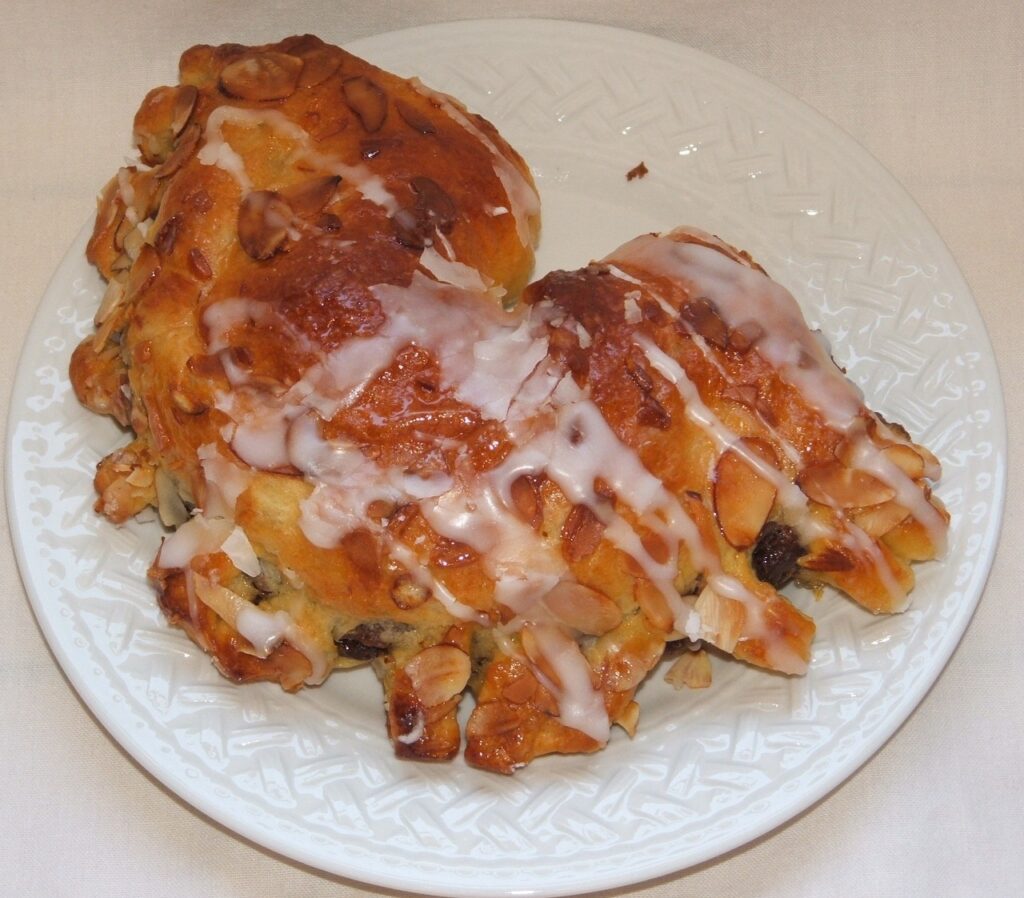
Bear claws look hearty because of their layered pastry and generous shape. Many recent versions appear similar on the outside, yet contain thinner lines of almond paste or fruit filling inside.
Filling ingredients such as nuts and fruit pastes are more expensive than the dough. Adjusting the filling-to-dough ratio lowers cost while maintaining the same pastry dimensions. The outer shape remains large, giving the impression of abundance.
Only after biting in does the difference show. The pastry layers may feel more prominent than the filling itself. The product still looks indulgent, but the richest component may be scaled back.
7. Dinner Rolls That Feel Airier Than Before

Boxed dinner rolls have traditionally been dense and soft. A shift toward lighter, airier rolls reduces flour weight per piece while preserving the same roll count.
Higher hydration dough and longer proofing times can create larger air pockets. The roll looks full in its plastic tray, yet it weighs slightly less. From a display perspective, the pack remains visually generous.
When served, the roll may compress more easily and feel less filling. The packaging still lists the same number of rolls, but each piece can contain less dough than earlier iterations.
8. Croissants With More Lift and Less Butter

Croissants rely heavily on butter for their layered structure. Rising butter costs can influence recipe adjustments. Slightly thinner butter layers or marginally smaller dough portions can reduce total weight without altering the signature crescent shape.
A croissant can be proofed to expand more, which increases its visible size. The outer flake and golden color remain appealing. However, the interior may feel lighter and less rich than past versions.
Because croissants are sold in multi-packs, shoppers often focus on count rather than weight. The tray still holds the same number, but each piece may be marginally smaller in mass.
9. Bagels That Look Wide but Feel Less Dense
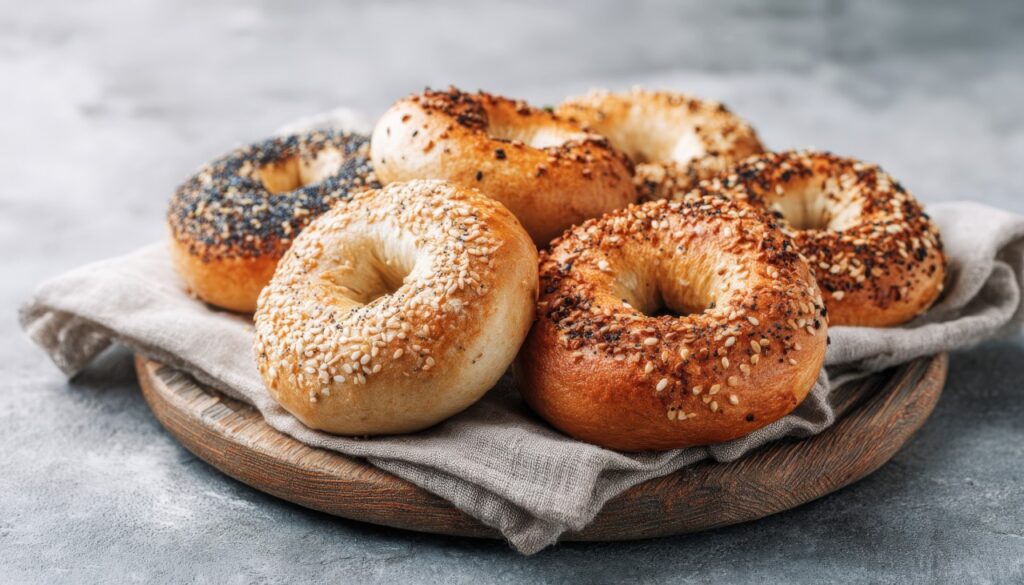
Bagels are typically judged by diameter. A wide bagel signals value. Some recent versions maintain the same outer width while reducing thickness or density.
Adjustments in boiling time or dough formulation can create a lighter interior. That lowers flour usage while keeping the bagel’s footprint stable. From above, it looks unchanged in the bakery case.
When sliced and toasted, the bagel may feel less substantial. The visual cue of width masks the internal reduction in volume, which makes the change easy to overlook.
10. Cinnamon Rolls With More Frosting and Less Dough
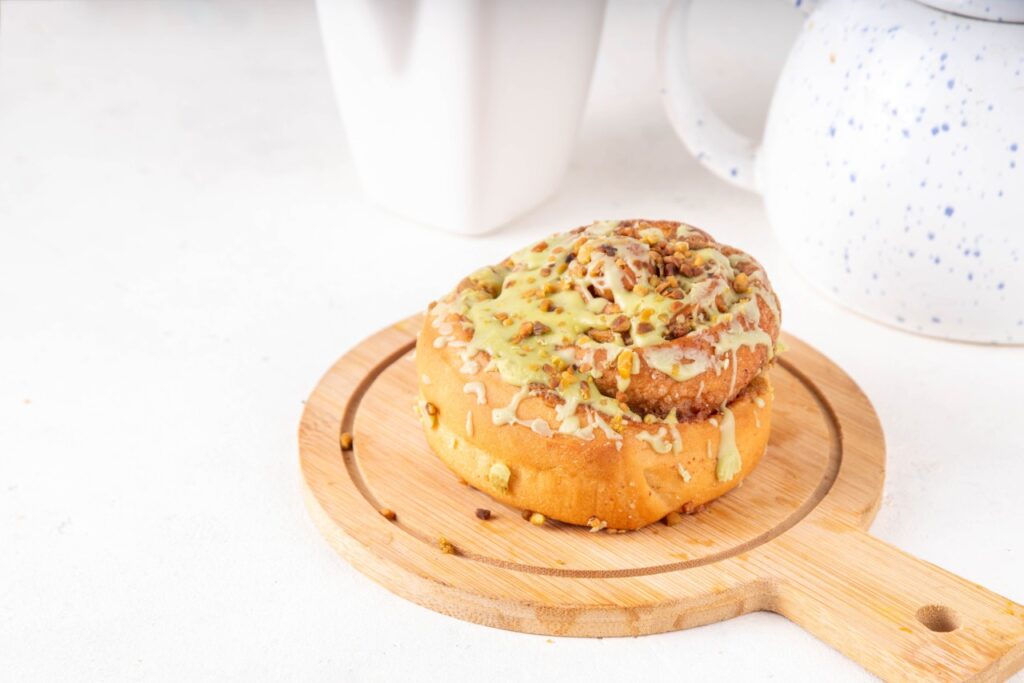
Cinnamon rolls often feature generous icing on top. Frosting is relatively inexpensive compared to enriched dough. Increasing frosting coverage while slightly trimming the dough mass preserves an indulgent appearance.
The swirl pattern remains visible, and the roll still fills its container. Yet the base can be slightly smaller in height or diameter. The sweetness remains strong because the icing dominates the flavor profile.
Customers may notice the sticky topping more than the dough beneath it. The roll feels satisfying, but the actual bread component can be lighter than older bakery batches.
11. Banana Bread With a Narrower Core
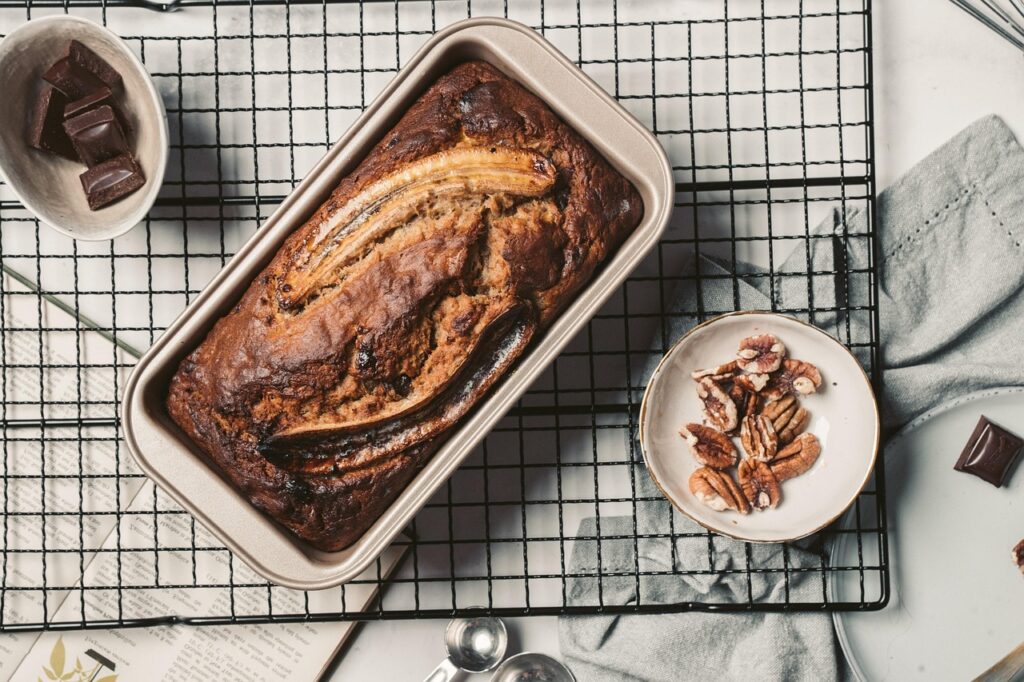
Banana bread loaves sometimes maintain their domed top while narrowing at the base. A smaller volume of batter in the pan can still rise into a tall peak, giving the illusion of size.
Bananas and sugar contribute moisture and weight. Reducing the overall batter per loaf lowers ingredient cost while preserving the same pan dimensions. Wrapped in plastic, the loaf appears unchanged on the shelf.
When sliced, however, pieces may be thinner or shorter than before. The external shape is familiar, but the internal cross-section can reveal a more compact product.
12. Danish Pastries With Less Fruit Center

Danishes are known for their bright fruit centers. Over time, some versions show slightly smaller fruit portions surrounded by more pastry.
Fruit fillings often rely on fruit puree, sugar, and stabilizers. Scaling back filling quantity reduces cost while keeping the visible center intact. The pastry ring remains wide and appealing.
A glance at the display case may not reveal the difference. The pastry still looks colorful and inviting, yet the ratio of filling to dough may have shifted downward.
13. Brownie Bites That Feel Lighter Per Piece
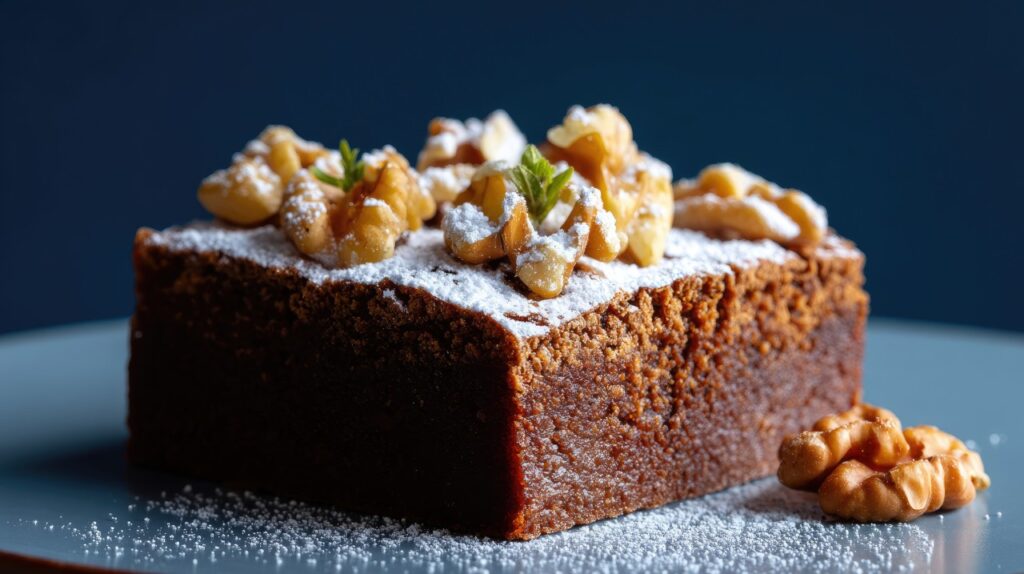
Brownie bite trays typically advertise a high piece count. Maintaining that count while reducing individual weight is a subtle way to manage costs.
Slightly smaller batter deposits in each cavity lead to thinner brownie squares. The top still cracks attractively, and chocolate chips remain visible. Because the pieces are small, minor reductions are hard to detect.
Over a full tray, the cumulative reduction can be significant. The package appears just as full, but each bite may carry less density than it once did.
14. Donuts That Look Bigger Than They Weigh
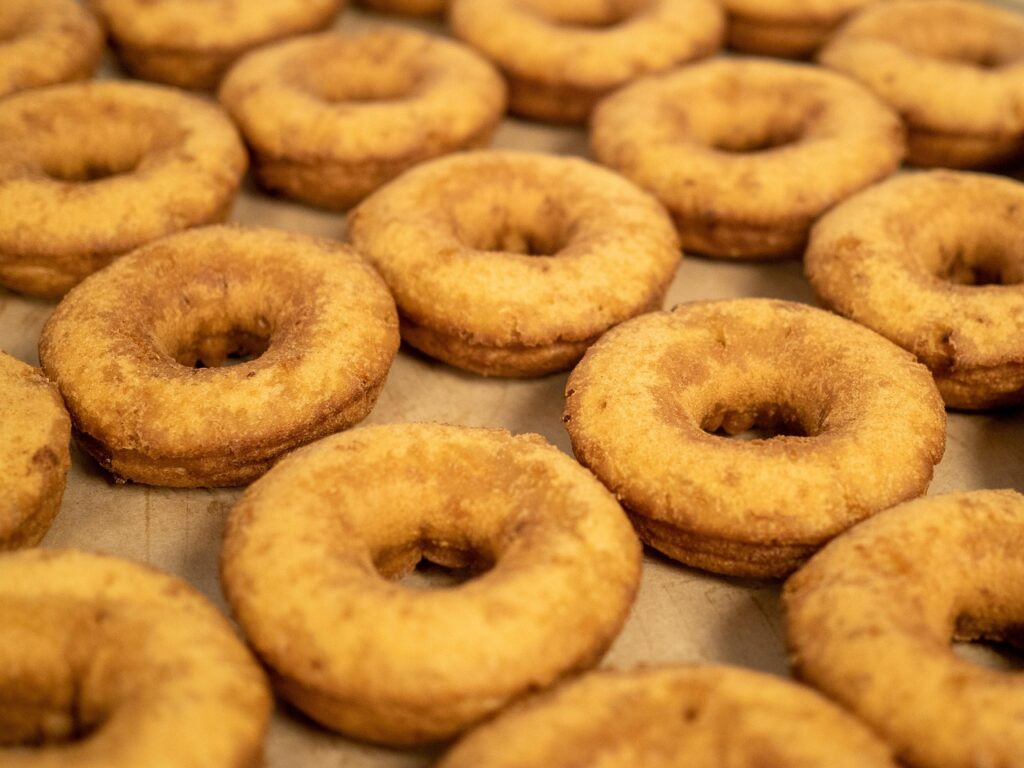
Glazed donuts often appear large due to their airy ring structure. Increasing air incorporation in dough can enlarge the donut’s circumference while lowering total flour mass.
Frying creates expansion, and glazing adds shine and perceived heft. The outer diameter remains impressive, which supports the sense of value. Yet the interior can be lighter and more hollow.
When held, the donut may feel less substantial than older versions. The visual footprint remains bold in the display case, but the overall dough weight per piece can quietly shrink.
Across these bakery shelves, the theme is consistent. Outer dimensions stay steady. Packaging looks familiar. The subtle reductions occur in thickness, density, or filling ratios. Without closely checking weight labels over time, most shoppers may never realize the difference.