12 Fast Food Chains Quietly Dropping Dollar Menus in 2026

For years, the dollar menu was the safety net of fast food. It gave students, families, and late-night diners a predictable way to grab a quick bite without thinking twice about cost. A few singles could stretch into a small meal, and that reliability became part of the appeal. You did not need to study the board. You knew there would be something for a dollar.
In 2026, that clarity is fading. Many major chains have quietly reworked their value strategies, replacing true dollar items with bundled deals, tiered pricing, and app-based promotions. The word “value” still shows up on menus, but the actual $1 price point is increasingly rare. Rising food costs, higher wages, and supply chain shifts have made strict dollar pricing harder to sustain at scale.
What remains is a new version of value that often starts at four or five dollars and depends on combos instead of single items. The classic dollar menu is not gone, but it is steadily being replaced.
1. McDonald’s and the Fade of the Classic Dollar Menu
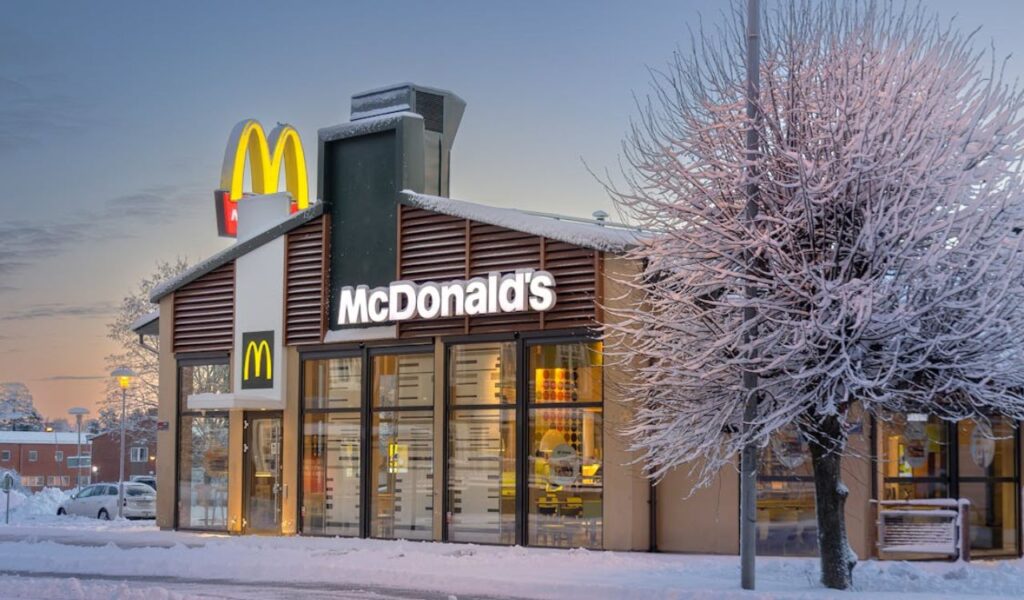
At one time, McDonald’s Dollar Menu was almost a cultural institution. Travelers, students, and budget-minded diners knew they could piece together a full meal for just a few dollars. In 2026, that menu feels like a relic. Instead of a clear list of items at or near a dollar, McDonald’s generally groups lower-priced choices into value bundles or limited-time deals that start higher.
This shift didn’t happen overnight. McDonald’s pricing strategy evolved in response to rising food, labor, and real estate costs. Maintaining a true dollar price point became untenable when supply chain pressures made even simple sandwiches cost more to produce. Rather than advertise items at a set low price, the company now leans on combos that feel like savings without promising a fixed $1 tag.
For customers, the change is subtle yet noticeable. A menu board may still feature “value” options, but the value is wrapped in multi-item combinations or multi-price tiers. The pure dollar menu has essentially been replaced by broader pricing strategies that reflect modern cost realities.
2. Wendy’s Moves Past the Biggie Deal’s Cheapest Options
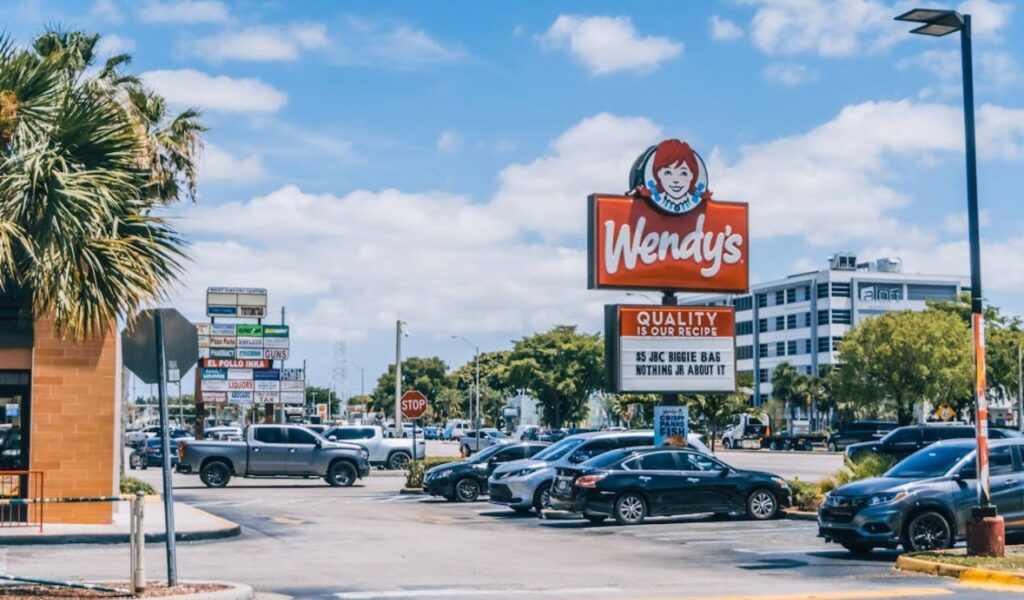
Wendy’s Biggie Deals once anchored its value strategy, offering familiar favorites for low prices that hovered near dollar menu territory. Like many competitors, Wendy’s has moved toward bigger packages in place of individual dollar items. A Biggie Deal still sounds like a bargain, but the actual pricing now aims higher.
This shift aligns with broader fast food economics. Ingredient costs have climbed, and maintaining deeply discounted items can erode margins. By bundling multiple components into a single deal, Wendy’s delivers perceived savings while offsetting cost increases across the meal as a whole.
Diners may remember the era of $1 choices, but in 2026, the emphasis is on curated combos that start closer to five dollars. The psychological benefit remains; customers feel like they scored a deal, but the pure, standalone dollar options are rarely front-and-center anymore.
3. Burger King’s Value Strategy Without a True Dollar Tier
Burger King historically offered a variety of low-priced items that appealed to dollar-menu shoppers. Over time, these individual dollar choices have quietly disappeared. In their place are structured value menus meant to capture a broader range of price points without adhering to a strict $1 rule.
This type of restructuring reflects a balancing act. Burger King wants to remain competitive on price while also protecting overall profitability. Rather than steadily lose money on ultra-low-priced items, the focus shifted to moderately priced offerings that still feel accessible but reflect real costs.
The result for diners is a menu that still features affordable options, sometimes as part of a larger meal, even though a discrete list of dollar items no longer exists. It’s an evolution that mirrors consumer expectations and economic realities.
4. Taco Bell’s Dollar Cravings Morphs Into Tiered Value
Taco Bell’s Dollar Cravings Menu was once a go-to for inexpensive, craveable treats. In 2026, that menu has largely been absorbed into a broader value lineup with higher price points. Instead of items individually priced around a dollar, you now see curated bundles and tiered deals starting at slightly higher levels.
Taco Bell’s strength has always been innovation. As trends shift and costs rise, the chain’s value strategy adapts. Taco Bell still offers creative choices at lower price points relative to other fast food options, but the classic single-item, dollar-price focus has diminished in favor of more flexible pricing structures.
For many guests, the change goes unnoticed day-to-day. A $5 box may still feel like a bargain compared to full-priced menu items, even though the nostalgia of a $1 taco or burrito fades with time.
5. Chipotle’s Stance Against Dollar Menus
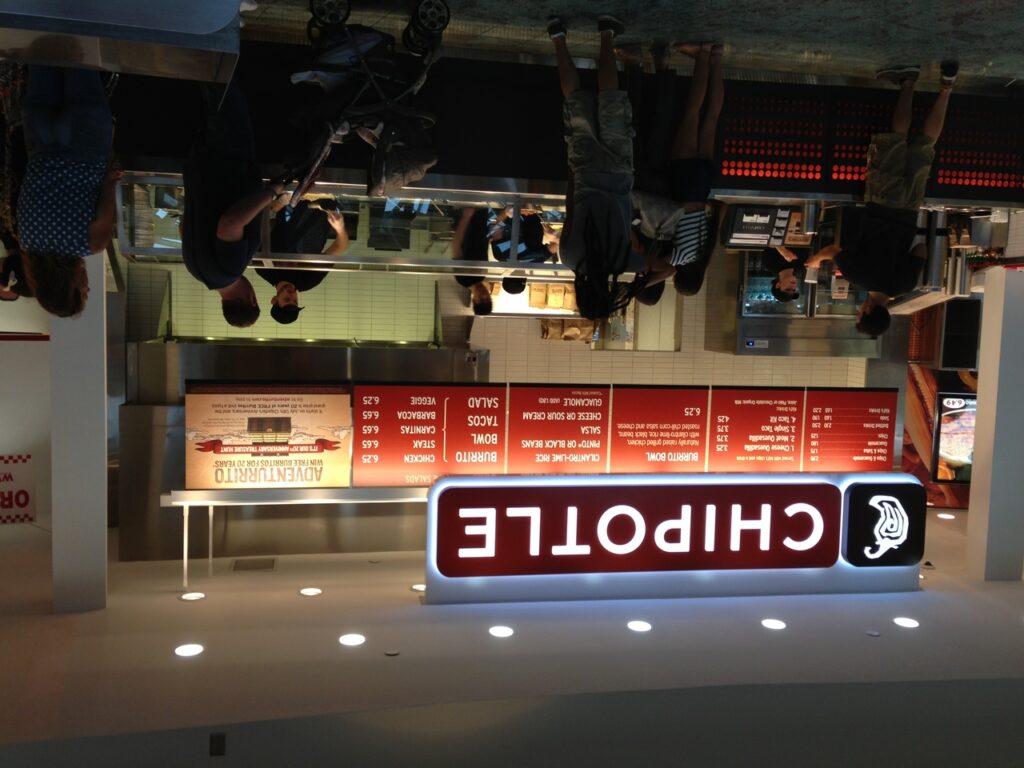
Chipotle never had a traditional dollar menu, and in 2026, it continues to avoid adopting one. While this may seem less dramatic, it stands in contrast to industry peers that once embraced low-priced value items and later phased them out. Chipotle’s consistent pricing strategy centers on ingredient quality rather than bargain pricing.
Chipotle has positioned itself as a fast-casual leader that prioritizes responsibly sourced proteins and fresh produce. Low-priced menu tiers do not align with that model. Instead, the chain offers occasional promotional items or bundled meal deals at moderate price points that reflect higher food costs and quality commitments.
For budget-minded diners, Chipotle’s approach means value must be found in portion size and customization rather than a traditional dollar menu. The choice not to adopt a dollar tier may be purposeful, but it reinforces how rare true $1 pricing has become industry-wide.
6. Subway’s Shift From Dollar Subs to Combo Bundles
Subway built much of its early reputation on customizable sandwiches that could land near the dollar range with discounts. Over time, those standalone value subs have faded. The 2026 menu leans more heavily on bundled meals with added chips or drinks that push prices above the traditional dollar threshold.
This trend reflects both customer desires and operational changes. Guests increasingly expect a full meal rather than a single inexpensive sandwich. Additionally, rising ingredient and labor costs make low-priced individual items less sustainable in a sandwich chain with fresh produce and daily slicing.
The change is subtle but meaningful. Instead of an entry-level sub for a dollar or two, Subway now promotes meal deals that deliver perceived completeness at moderate prices, even though the classic dollar entry point is largely absent.
7. KFC’s Value Buckets Replace Single Dollar Choices
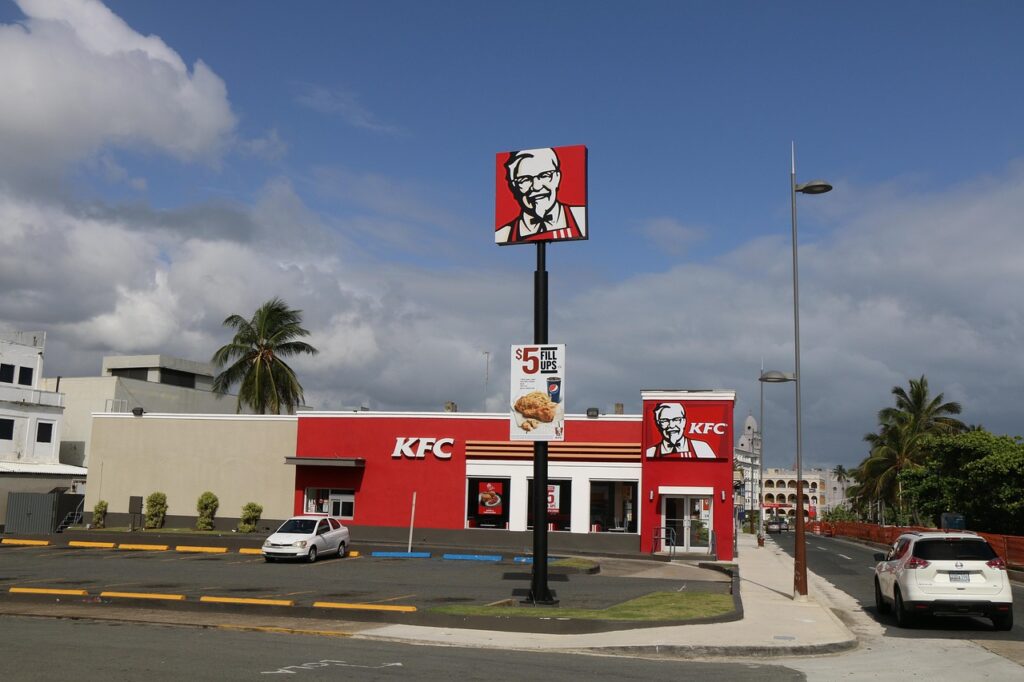
KFC’s classic value pricing once included individual items near the dollar range, especially for sides and small pieces of chicken. In 2026, these choices are harder to find as the brand leans into bucket deals and combo boxes that sit above dollar pricing.
Buckets and large combos still represent value for groups, but they no longer deliver the same low-priced entry point for an individual item. KFC’s pricing shift reflects broader cost pressures and a need to manage food and labor expenses across items rather than on deeply discounted pieces.
Customers still see deals, especially for family meals, but they rarely see standalone wings or sides at classic dollar menu prices. The transition supports larger orders while steering away from unsustainable low pricing.
8. Dairy Queen’s Blizzard-Focused Deals Overtake Dollar Items
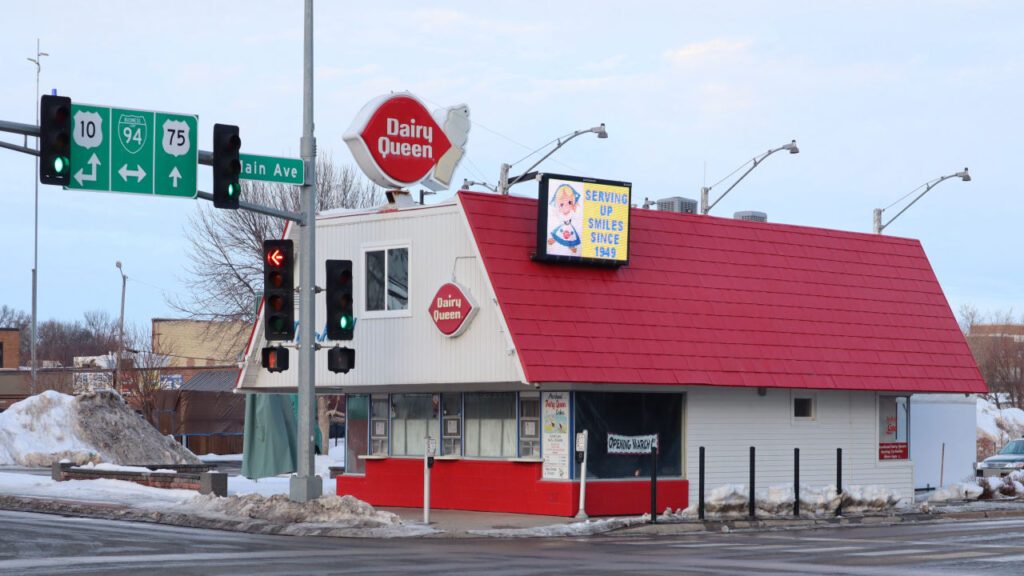
Dairy Queen’s value menu once included small treats near the dollar mark. In 2026, that tier is scarce. Instead, DQ emphasizes Blizzard treats and combo promotions that command higher price points but feel like a special experience.
Blizzards and signature shakes tend to be premium offerings. DQ’s shift reflects changing customer behavior and expectations. Guests are often drawn to unique items and larger portion experiences rather than ultra-low price points.
The result is a menu where value still exists but not at the classic $1 level. Small, inexpensive snacks are replaced with curated offerings that deliver a perceived treat worth a moderately higher price.
9. Jack in the Box’s Tiered Offers Replace Dollar Staples
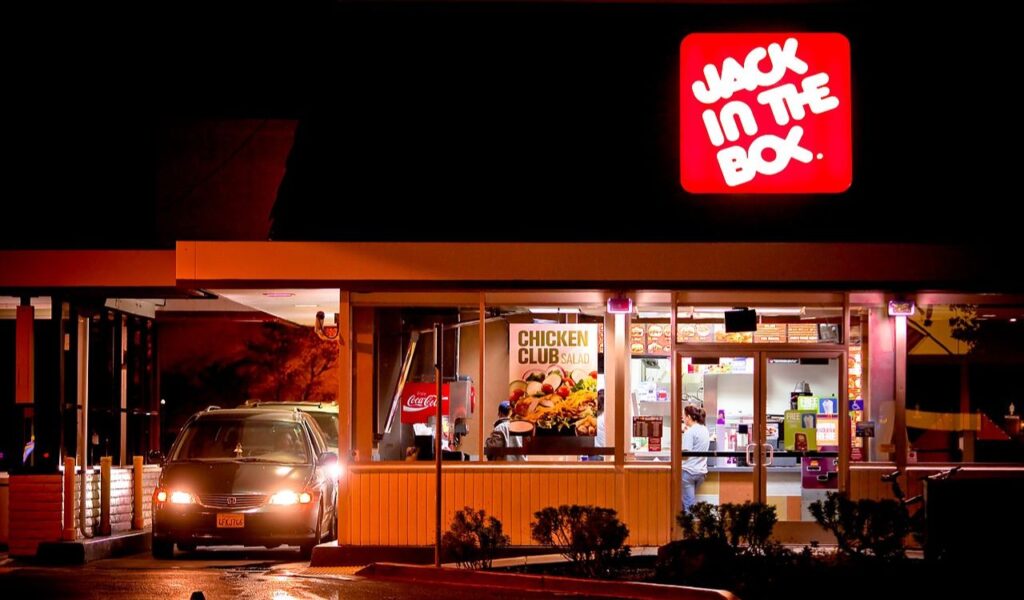
Jack in the Box was once a go-to for budget seekers thanks to a deep dollar menu. By 2026, much of that menu will have changed to tiered pricing that mixes affordable choices with higher-priced combos. Individual $1 items have largely vanished in favor of multi-price deals.
This evolution mirrors broader industry shifts. Fast food chains balance competitive pricing with rising input costs. Rather than sustain a deep list of $1 items, Jack in the Box focuses on combinations that provide complete meals and perceived savings without relying on low entry pricing.
For customers, the experience still feels value-oriented, but the pure dollar menu concept has faded into curated deals.
10. Hardee’s and Carl’s Jr. Move Toward Modern Value Boxes
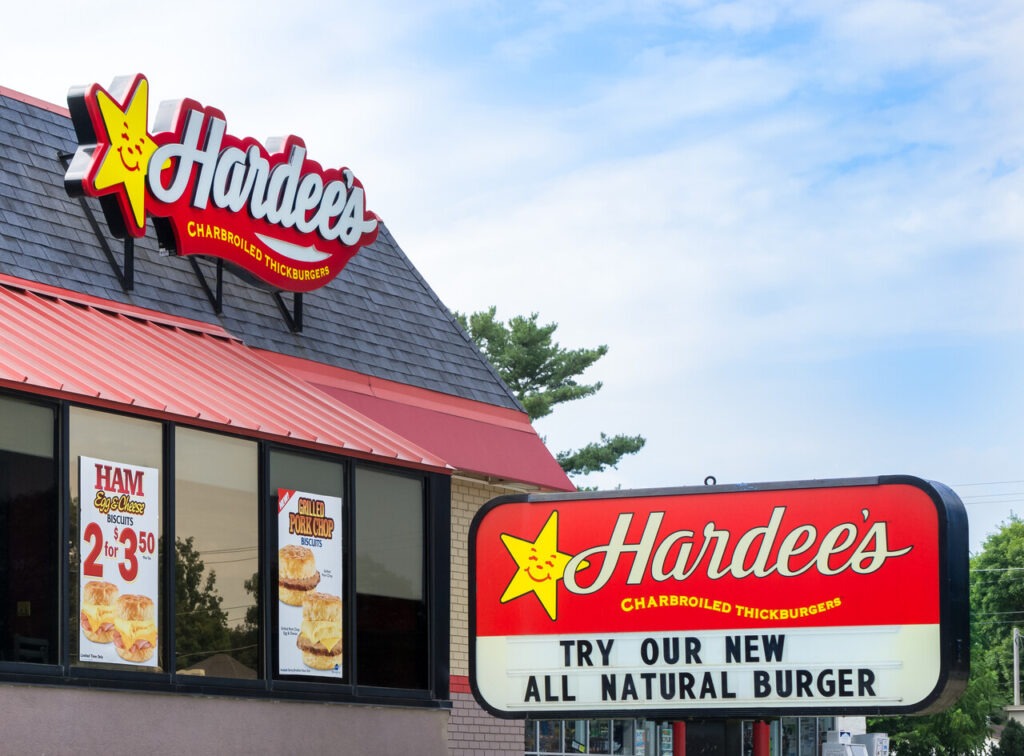
Hardee’s and Carl’s Jr. once offered dollar or near-dollar menu items as part of their value proposition. In 2026, those menus emphasize “value baskets” and curated meal deals with price points generally above a dollar.
These boxed deals include sides and drinks that make them feel like a bargain compared to purchasing items a la carte. However, the shift away from individual $1 items is clear. The chains align their pricing with the broader fast food trend toward combo savings rather than low-cost items.
Customers still enjoy perceived value, yet the actual lowest price level has moved upward. The change reflects operational costs and consumer preference for full meal experiences.
11. Popeyes Focuses on Feast Deals, Not Dollar Treats
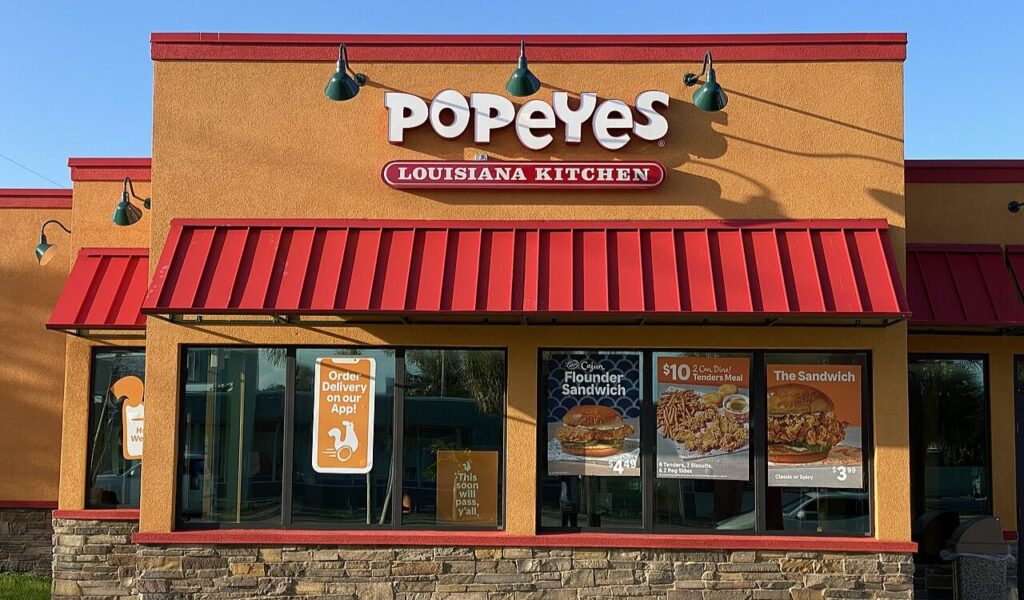
Popeyes may have flirted with lower price items in its history, but in 2026, its focus is firmly on larger feast deals and family boxes. These combos compete on total value rather than ultra-low per-item price.
Chicken sandwiches and signature sides are priced competitively within the fast casual space, but the classic dollar tier is absent. Instead, Popeyes positions bundle deals that offer quantity and variety at moderate prices.
This strategy caters to group dining and social occasions rather than solo bargain snacking. The shift reinforces how dollar menus have lost traction in a world of higher costs and changing customer expectations.
12. Arby’s and the End of Explicit Dollar Pricing
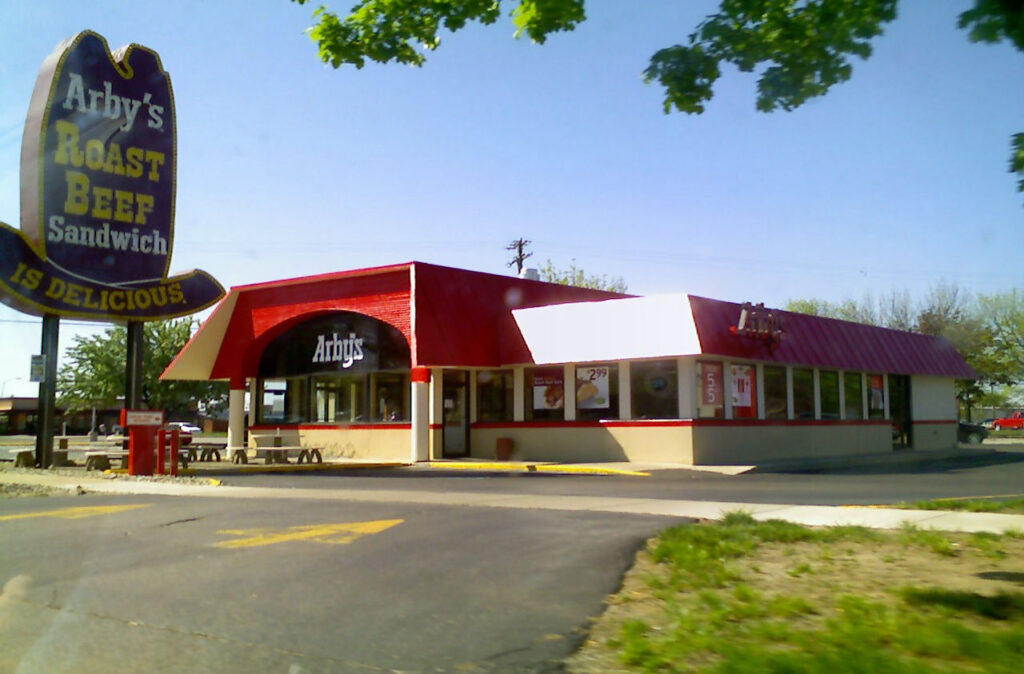
Arby’s once offered low-priced items that drew budget-minded diners. In 2026, the focus has shifted to value boxes and combo meals that provide perceived savings without sticking to a $1 baseline.
Value boxes combine sandwiches, sides, and drinks at moderate price points. While still positioned as deals, they no longer center on ultra-low individual pricing. Arby’s approach reflects broader fast food economics and consumer desires for complete meals.
The shift away from explicit dollar price tags shows how even established quick service chains have adapted to a pricing environment where true dollar items are less sustainable.
Across these restaurants, the disappearance of classic dollar menus reflects a larger industry trend. Rising costs and changing customer expectations have moved value conversations away from ultra-low price points toward curated deals that deliver complete meal experiences at moderately higher prices.