Old School Kitchen Techniques Are Returning to Modern Home Cooking

In many modern kitchens, convenience once ruled the way meals were prepared. Ready-made sauces, quick appliances, and fast recipes promised to save time for busy households. Supermarkets filled shelves with shortcuts designed to simplify cooking and reduce preparation time. Yet something interesting has been happening in recent years. Home cooks are beginning to revisit the slower, hands-on techniques that earlier generations used every day. From simmering homemade stock to baking bread from scratch, these older kitchen practices are quietly finding their way back into everyday cooking routines as people rediscover the value of traditional preparation.
This return to traditional methods is not simply about nostalgia or looking back at the past with admiration. Many cooks are discovering that classic techniques often produce deeper flavor, better texture, and a stronger connection to the ingredients themselves. Slower cooking, careful preparation, and simple tools allow natural flavors to develop in ways that quick shortcuts rarely achieve. These techniques also encourage patience and awareness during the cooking process. As more people search for meaningful food experiences at home, the wisdom of old school kitchens is once again shaping how modern meals are prepared today.
Why Classic Techniques Still Deliver Better Flavor
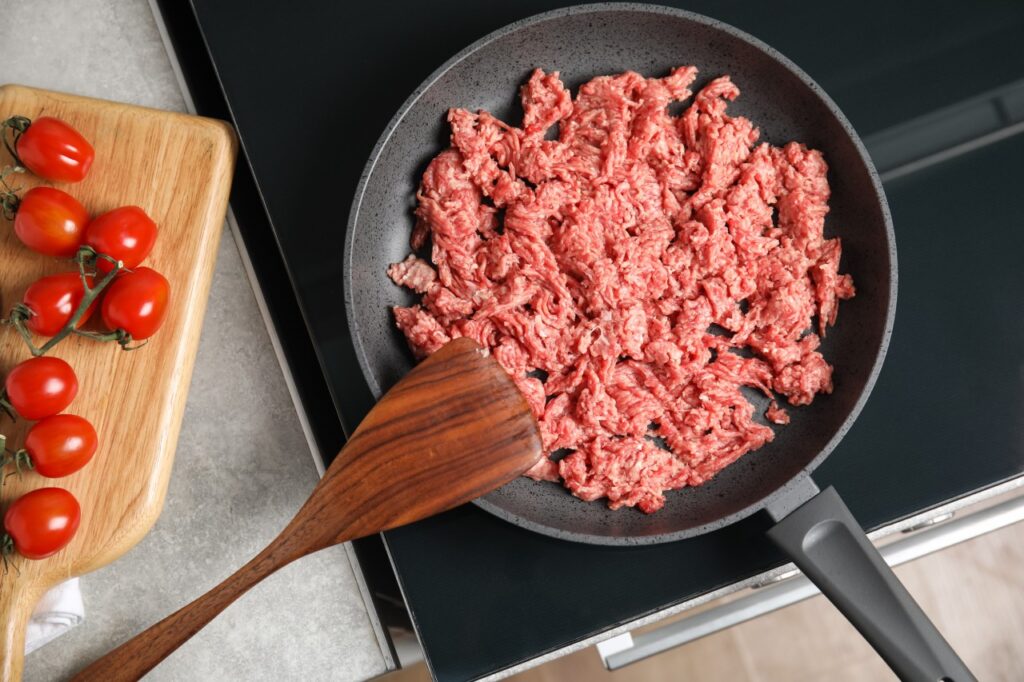
Traditional cooking methods continue to stand the test of time because they focus on building flavor slowly and carefully. Techniques such as simmering, roasting, braising, and fermenting give ingredients the time they need to release natural aromas and develop deeper taste. Instead of depending on shortcuts or heavily processed ingredients, these methods rely on steady heat and thoughtful preparation. As the cooking process unfolds, flavors gradually combine and intensify. This slower approach often produces meals with richer depth and balance, qualities that are much harder to achieve through quick cooking techniques alone.
Classic kitchen practices also encourage cooks to pay closer attention to the ingredients they use. When a dish depends on slowly simmered stocks, fresh herbs, or carefully cooked meats, the quality of each ingredient becomes more noticeable. Cooks naturally learn to select better produce, handle food with care, and season dishes thoughtfully. This style of cooking highlights natural flavor rather than masking it with heavy sauces or artificial additives. Many modern home cooks are rediscovering that these traditional techniques can produce meals that feel more satisfying, flavorful, and connected to real ingredients.
How Tradition Is Shaping Modern Home Cooking
Modern home cooking is increasingly shaped by traditions that have been passed down through families and regional cuisines over many generations. Recipes that were once shared informally around kitchen tables are now being rediscovered by younger cooks who are curious about the origins of the dishes they grew up eating. These traditional methods often emphasize seasonal ingredients, careful preparation, and techniques refined through years of practice. By returning to these approaches, many home cooks are learning that simple ingredients and thoughtful methods can produce meals that feel both comforting and deeply flavorful.
This renewed interest in culinary heritage is also linked to a broader appreciation for food culture and personal history. Many people today want to understand not only how to prepare a dish but also where it comes from and why certain methods were developed in the first place. Learning traditional cooking techniques helps home cooks see the cultural stories behind everyday meals. This connection to the past adds meaning to the cooking process, turning routine meal preparation into an experience that honors tradition while still fitting into modern kitchens. It also encourages families to pass down knowledge and recipes across generations.
Why Slower Methods Are Returning to the Kitchen
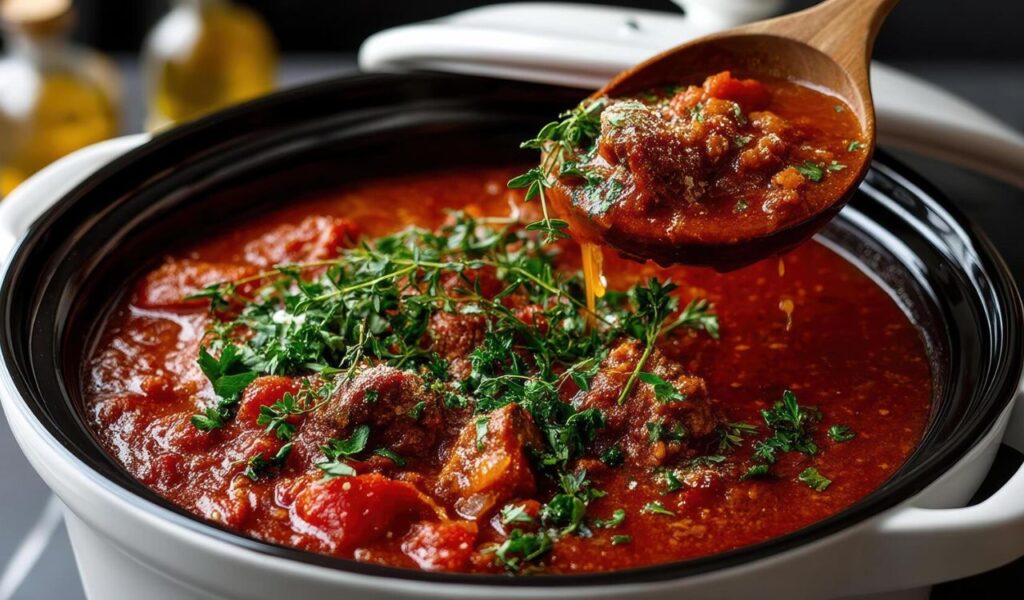
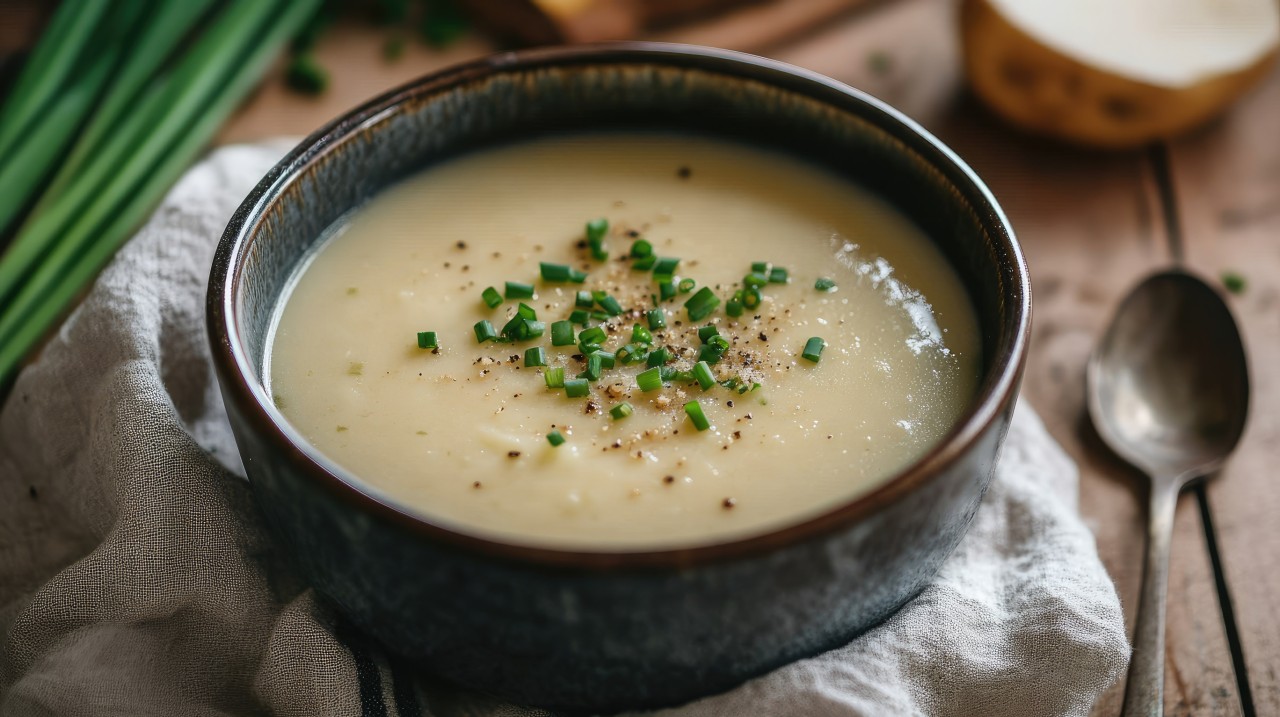
In an era filled with instant meals, pressure cookers, and ultra-fast kitchen gadgets, the growing return to slower cooking methods may seem unexpected at first. Yet many home cooks are rediscovering the value of techniques that take time but reward patience with richer flavor and improved texture. Methods such as braising, slow roasting, simmering soups for hours, and baking bread from scratch allow ingredients to gradually break down and develop complexity. As heat works slowly through the food, natural sugars caramelize, proteins soften, and flavors deepen in ways that faster techniques rarely replicate.
These slower methods also change the overall cooking experience for many people. Instead of rushing through dinner preparation, cooks spend more time handling ingredients, tasting sauces, and adjusting seasoning as the dish evolves. This process encourages a closer connection to the food being prepared and often turns cooking into a calming routine rather than a hurried chore. Many people now see slow cooking as an opportunity to step away from constant speed and rediscover the satisfaction that comes from carefully prepared meals made with time and attention. This renewed approach also helps cooks appreciate the small details involved in traditional meal preparation.
What Today’s Cooks Can Learn From the Past
Traditional kitchen practices offer valuable lessons for modern home cooks who want to strengthen their everyday skills. Many older techniques emphasize efficiency, patience, and a deep respect for ingredients rather than relying on convenience shortcuts. For example, turning leftover bones into broth, preserving vegetables through pickling, or baking bread from simple pantry staples reflects a practical mindset developed in earlier kitchens. These habits were designed to reduce waste while extracting the fullest flavor from basic ingredients. By revisiting these methods, many cooks are learning that thoughtful preparation often leads to more satisfying meals.
These traditional approaches also highlight the importance of understanding the basic principles that guide successful cooking. Earlier generations often depended on observation, experience, and sensory cues instead of strict measurements or digital timers. Cooks learned to judge heat by sound, aroma, and texture while adjusting ingredients as a dish developed. Practicing these methods encourages people to build intuition about timing, seasoning, and ingredient balance. When these time-tested lessons are combined with modern equipment and tools, home cooks can develop a stronger and more confident foundation for preparing dependable meals.
Why Old School Skills Continue to Matter
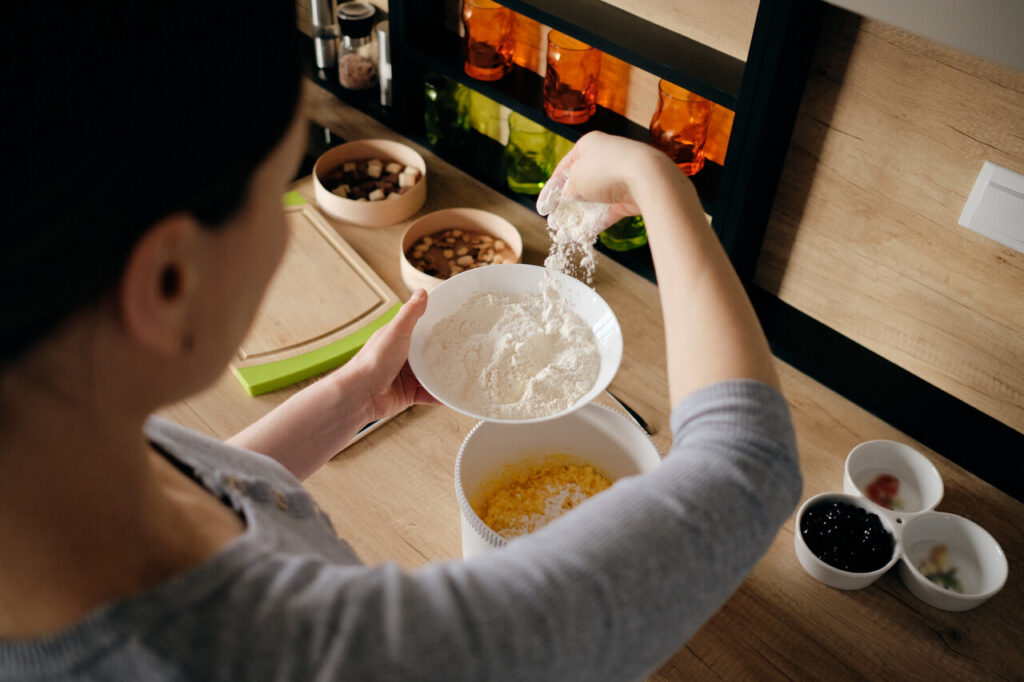
Even as kitchen technology continues to advance, traditional cooking skills remain an important part of preparing good food at home. Abilities such as confident knife handling, thoughtful seasoning, and understanding how heat affects ingredients form the backbone of nearly every successful recipe. These foundational techniques allow cooks to adjust flavors, correct mistakes, and work comfortably with a wide range of ingredients. While modern appliances can simplify certain tasks, they cannot replace the judgment and awareness that come from practicing these basic skills in everyday cooking situations.
Old-school skills also encourage a stronger connection to the entire cooking process. Instead of relying heavily on packaged shortcuts or automated devices, cooks who understand fundamental techniques can guide each step from preparation to the final plate. This involvement often leads to better texture, balanced flavor, and more consistent results over time. As people rediscover the value of these abilities, traditional cooking knowledge continues to shape how meals are prepared in modern kitchens. These skills also help build confidence, allowing cooks to experiment and improve with every dish they prepare.