8 Foods with Shockingly Dark Origins You’d Never Guess


Many everyday foods feel harmless on the plate, yet their origins are rooted in survival, scarcity, and preservation. Long before refrigeration and global trade, people relied on fermentation, heavy salting, and full use of animals to avoid waste and hunger. These practices shaped flavors that later became comfort foods. Understanding where they came from reveals how necessity, not taste alone, once dictated what people ate and why some familiar dishes carry surprisingly dark histories. Their stories still shape modern kitchens today.
1. Ketchup Started as a Preservation Experiment, Not a Condiment

Ketchup feels harmless and familiar today, but its earliest form was far from the sweet tomato sauce most people recognize. It began as a fermented fish mixture designed to preserve protein in hot climates where refrigeration did not exist. When traders carried the idea west, cooks tried to replicate the flavor using mushrooms, anchovies, or walnuts before tomatoes became common. This slow evolution shows how preservation shaped flavor long before convenience foods existed. Ketchup’s modern sweetness masks a history rooted in necessity, decay, and fermentation rather than freshness or comfort.
2. Croissants Were Shaped by Conflict Before Comfort

The croissant’s elegant layers hide an origin tied to military conflict and symbolism. Its crescent shape is widely linked to Central European pastries that predated French baking culture. These early versions were dense rather than flaky and served as everyday bread. Over time, the pastry became associated with celebrations marking victories against Ottoman forces, using the crescent shape as a symbolic gesture. When French bakers refined the recipe with butter and lamination techniques, the croissant transformed into a luxury item. It slowly turned into a breakfast staple, far removed from its confrontational origins.
3. French Fries Were Born From Hunger, Not Indulgence

French fries did not begin as a casual snack food but as a response to scarcity. In regions where fishing was unreliable during winter, potatoes became a substitute protein source. Cutting them into fish-like shapes and frying them provided calories and warmth during cold months. This practice was driven by survival rather than culinary ambition. The name itself later obscured the dish’s humble beginnings. Fries eventually became popular because they were inexpensive, filling, and adaptable. Their widespread appeal today hides a past where they served as a practical replacement for unavailable food rather than a side dish chosen for pleasure.
4. Fish Sauce Was Made From Rotting Remains
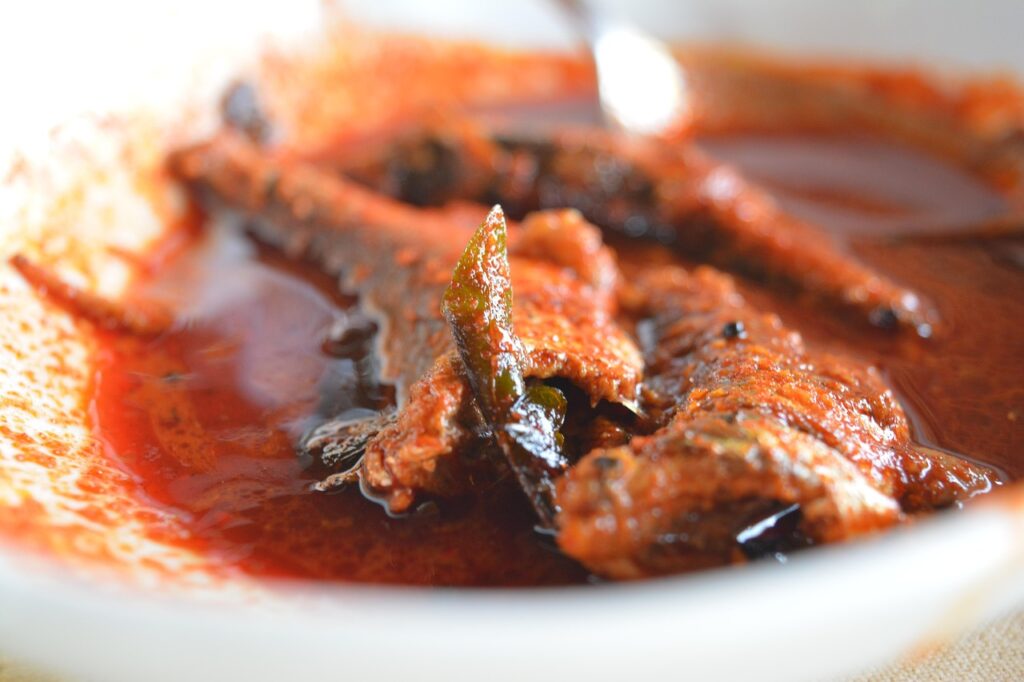
Fish sauce originated as a way to extract value from parts of fish that would otherwise be discarded. Heads, guts, and bones were packed in salt and left to ferment under the sun for months. The process produced strong odors and liquids that many would consider spoiled. However, fermentation created depth of flavor and extended shelf life. Ancient societies accepted the smell and process because the result added richness to otherwise bland diets. Modern fish sauces are refined, filtered, and bottled, but their foundation remains rooted in controlled decomposition rather than freshness or cleanliness.
5. Blood Sausage Exists Because Waste Was Not an Option

Blood sausage reflects a time when food scarcity demanded full use of every animal. Blood, which spoils quickly, was mixed with grains or fat and cooked to preserve nutrients. This practice was not symbolic or ceremonial at first but deeply practical. The texture and flavor varied by region, but the principle remained the same. Nothing edible was discarded. While blood sausage later became associated with tradition and celebration, its origins were grounded deep rooted in survival. Modern discomfort with the idea highlights how far removed contemporary food systems are from their resource-driven past.
6. Surströmming Preserved Fish at the Cost of Comfort

Surströmming emerged as a solution to limited salt supplies and long winters. Lightly salted fish continued fermenting even after packaging, producing intense odors. The smell is a byproduct of gases created during fermentation, not a sign of spoilage. Early consumers accepted this tradeoff because preservation mattered more than comfort. The dish allowed protein storage when alternatives were scarce. Today, surströmming is viewed as extreme, but its origin reflects resilience and adaptation. What shocks modern diners once represented reliability and security.
7. Crab Rangoon Was Invented to Feel Exotic Without Being Foreign
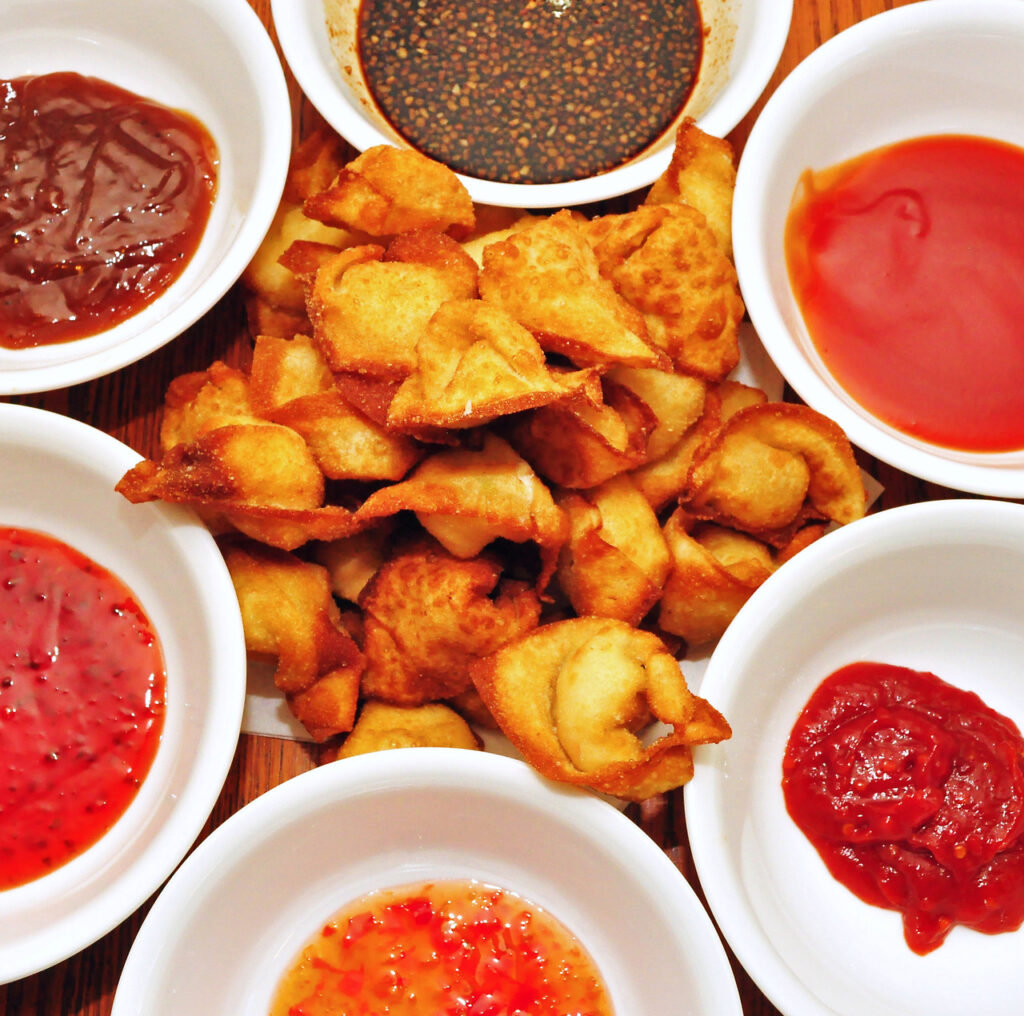
Crab Rangoon’s origin is dark, not because of ingredients but because of cultural distortion. It was created to satisfy American curiosity for Asian flavors while avoiding unfamiliar textures or seasonings. Cream cheese softened the dish, replacing traditional elements with something recognizable. This approach reshaped cultural perception, presenting a fabricated version of authenticity. While harmless on the surface, it reflects how cuisines were altered to fit expectations rather than represent tradition. The dish’s popularity masks a history of cultural simplification rather than preservation.
8. Corned Beef and Cabbage Was Built on Preservation and Poverty
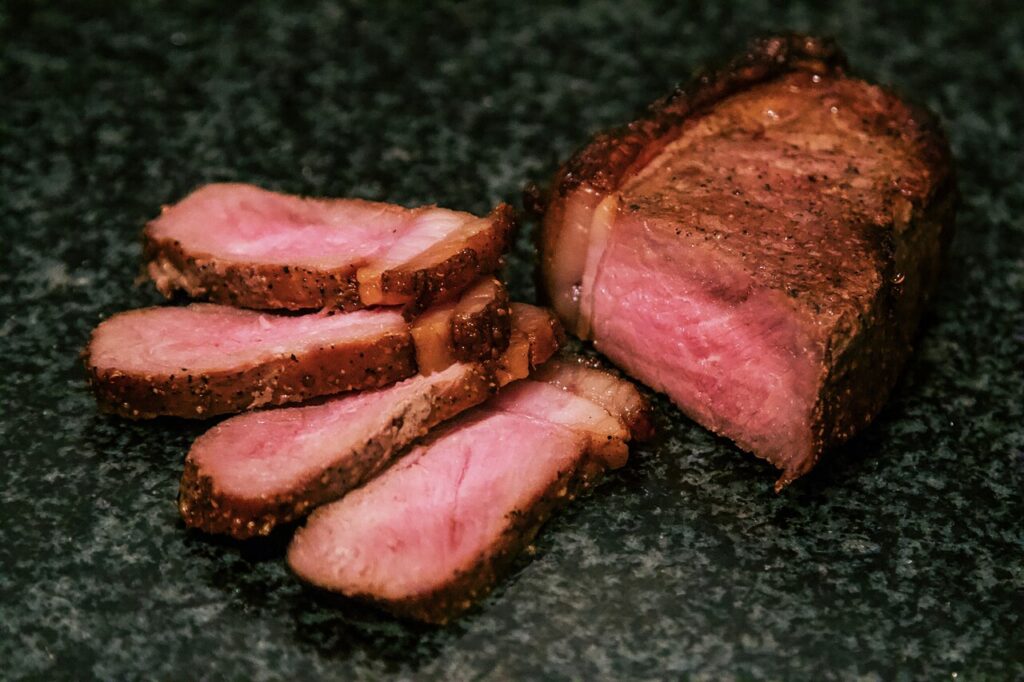
Corned beef and cabbage became iconic through association, not intention. The heavy salting of beef allowed it to last without refrigeration. Cabbage was chosen because it grows easily and stores well. Together, they formed a meal that could sustain families during economic hardship. The dish later became symbolic through repetition and ritual, but its roots lie in limited choice rather than celebration. What feels festive today began as a strategy to survive scarcity using the most durable ingredients available. The reliance on salt curing also meant the meat was often tougher and saltier than ideal, but durability mattered more than comfort.