7 Dutch Oven Tips That Instantly Improve Your Cooking

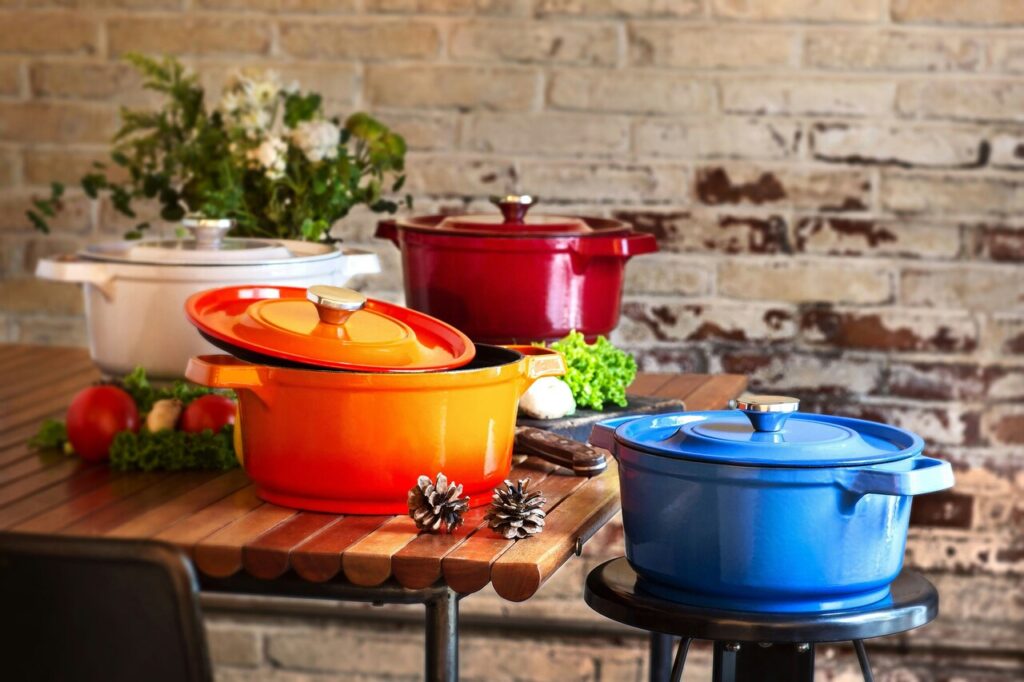
A Dutch oven is one of the most reliable tools in any kitchen, yet many cooks never use it to its full potential. Its weight, shape, and heat retention are designed to make cooking more forgiving, not more complicated. When used correctly, it improves flavor, texture, and consistency across a wide range of dishes. Small adjustments in heat, liquid, and timing can dramatically change results. These practical tips focus on how to work with the pot, not against it, to get better food every time.
1. Slow Heat Unlocks What a Dutch Oven Does Best
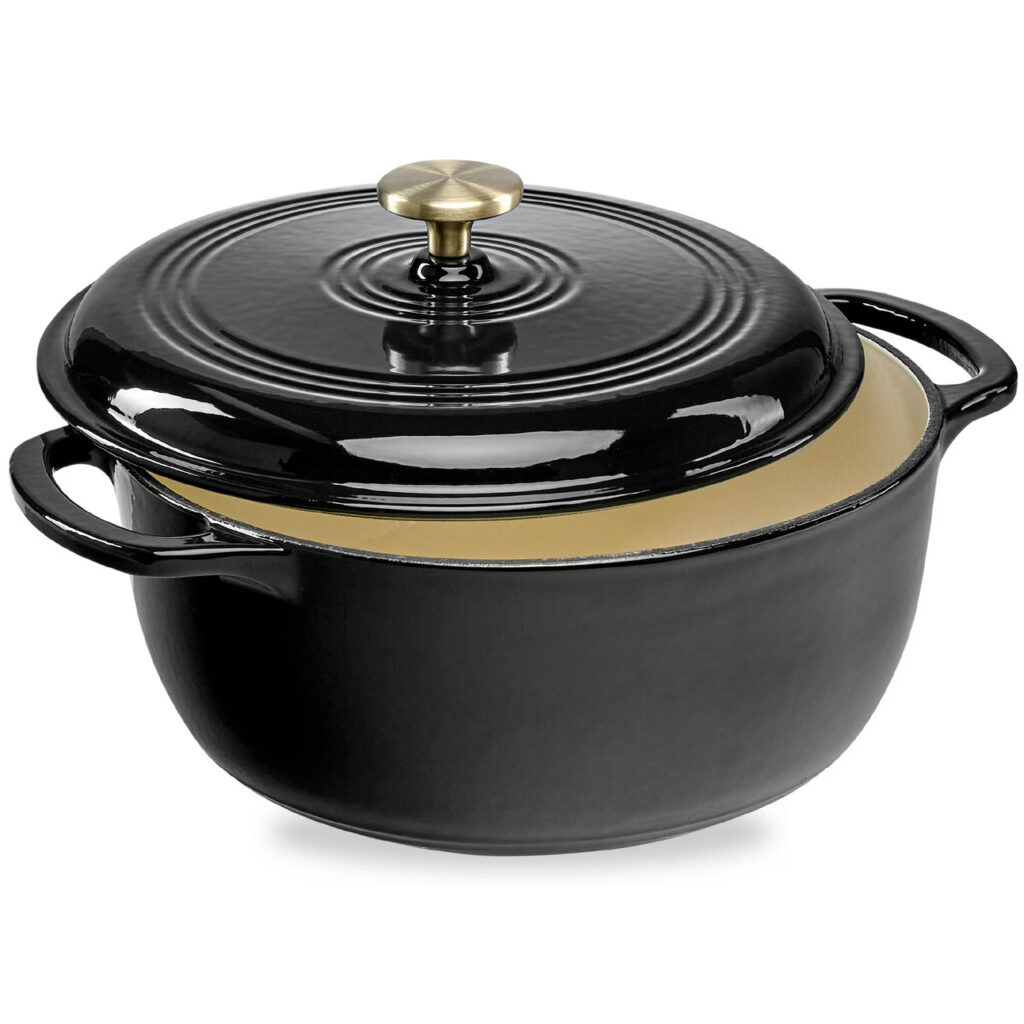
A Dutch oven performs best when it is allowed to work gradually rather than aggressively. Its thick walls and heavy lid are designed to absorb heat slowly and release it evenly, which prevents scorching and uneven cooking. When food cooks at a steady temperature, connective tissue in meats breaks down properly and vegetables soften without collapsing. Rushing the process with high heat defeats the purpose of the vessel and often leads to burned bottoms or tough results. Low to medium heat allows moisture to circulate inside the pot, creating a stable environment where flavors meld rather than compete.
2. Browning First Creates a Flavor Foundation
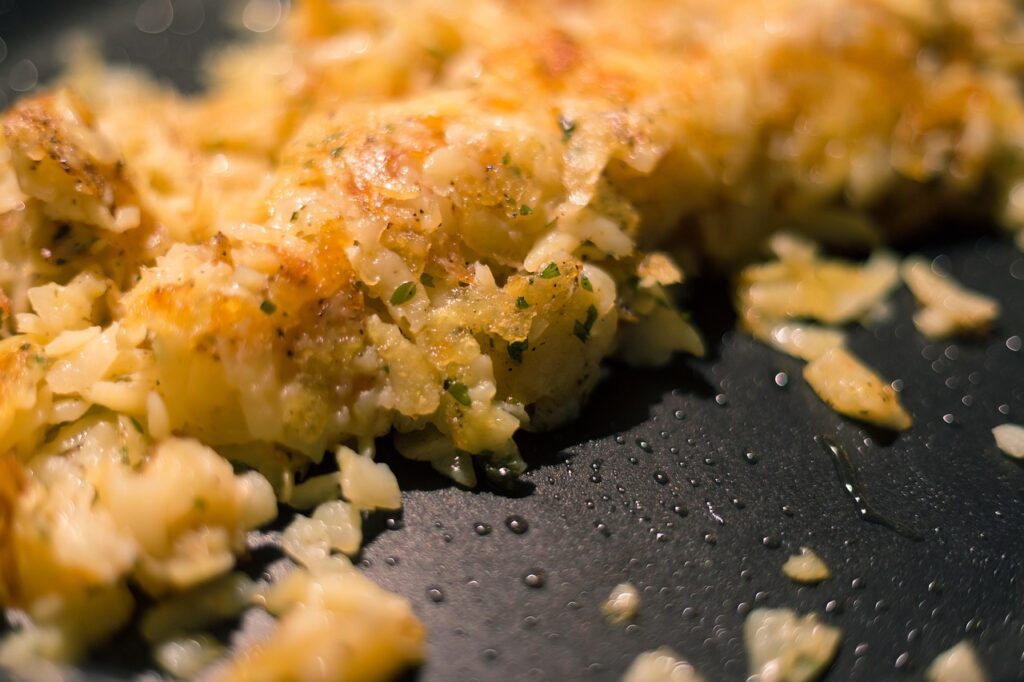
One of the most valuable advantages of a Dutch oven is its ability to move seamlessly from stovetop to oven. This makes it ideal for building flavor in stages. Browning meat directly in the pot before adding liquid creates caramelized bits that deepen the final dish. Aromatics like onions, garlic, and carrots benefit from gentle sautéing that releases sweetness without bitterness. These early steps may seem minor, but they determine how rich the finished meal will taste. When liquid is added later, it lifts those browned bits into the sauce, creating complexity without extra seasoning. Skipping this step often results in flat, one-dimensional dishes.
3. Gradual Temperature Changes Protect the Pot and the Food
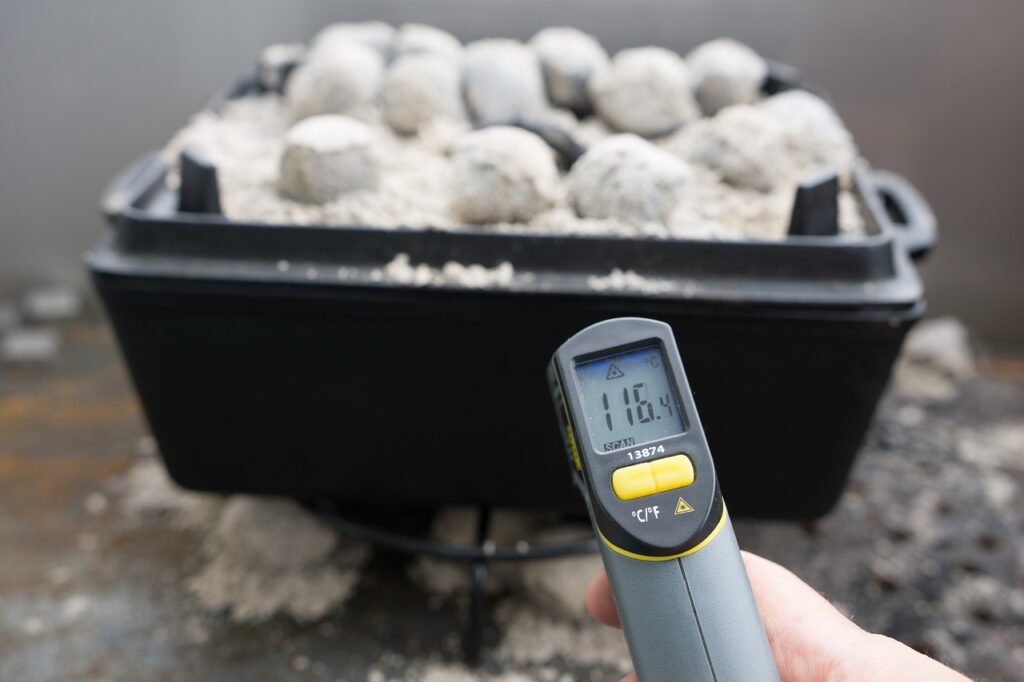
Dutch ovens are durable but not indestructible, especially when enamel is involved. Sudden temperature changes can cause cracking, warping, or surface damage over time. Adding cold liquid to a very hot pot can also interrupt cooking and tighten proteins unexpectedly. Allowing ingredients to warm slightly before combining them helps maintain consistent heat. Cooling the pot slowly after cooking is just as important. These habits protect the cookware while also producing better results. Food cooks more evenly when the temperature remains stable, and sauces are less likely to separate or scorch when heat shifts are controlled.
4. Choosing the Right Liquid Shapes the Entire Dish
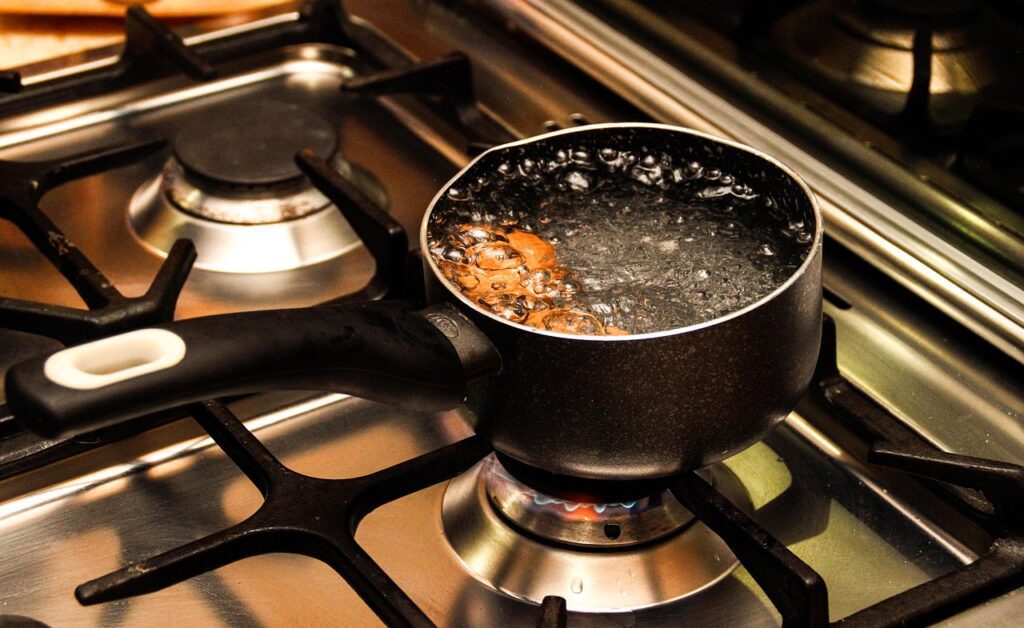
The liquid used in a Dutch oven is not just a cooking medium but a defining flavor component. Water provides moisture but little else, while stock, wine, or cider contribute depth from the beginning. Because Dutch ovens trap steam, flavors concentrate as cooking progresses. This makes the initial liquid choice especially important. Alcohols cook down and mellow, while broths enhance savory notes throughout the dish. Even small amounts of flavorful liquid can influence texture and aroma. Selecting the right base sets the tone early and reduces the need for heavy seasoning later in the process of cooking.
5. Proper Care Preserves Performance Over Time
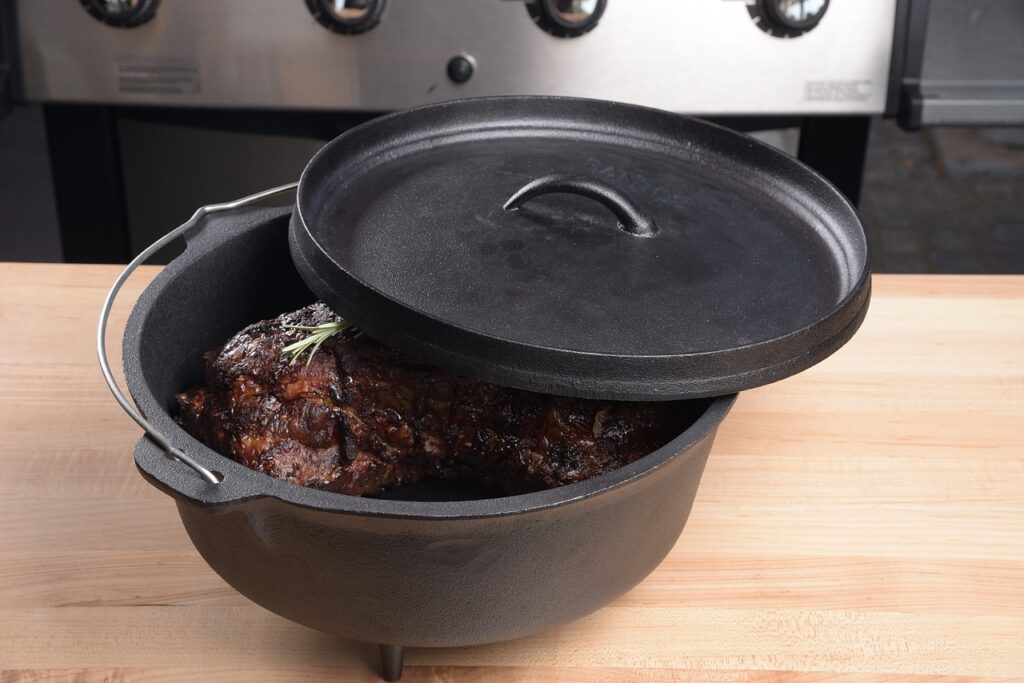
A well-maintained Dutch oven performs better and lasts longer. Enamel surfaces benefit from gentle cleaning and non-metal utensils that prevent scratches. Cast iron versions require drying and light oiling to avoid rust. Food residue left to harden can damage surfaces if scrubbed aggressively. Taking a few minutes to clean the pot while it is still warm makes maintenance easier and safer. Proper care ensures consistent heat distribution and prevents unwanted flavors from developing. Regular care also prevents micro damage that can affect the way the pot heats. A neglected surface may still look intact, but can lose efficiency during cooking.
6. The Lid Controls Moisture and Texture
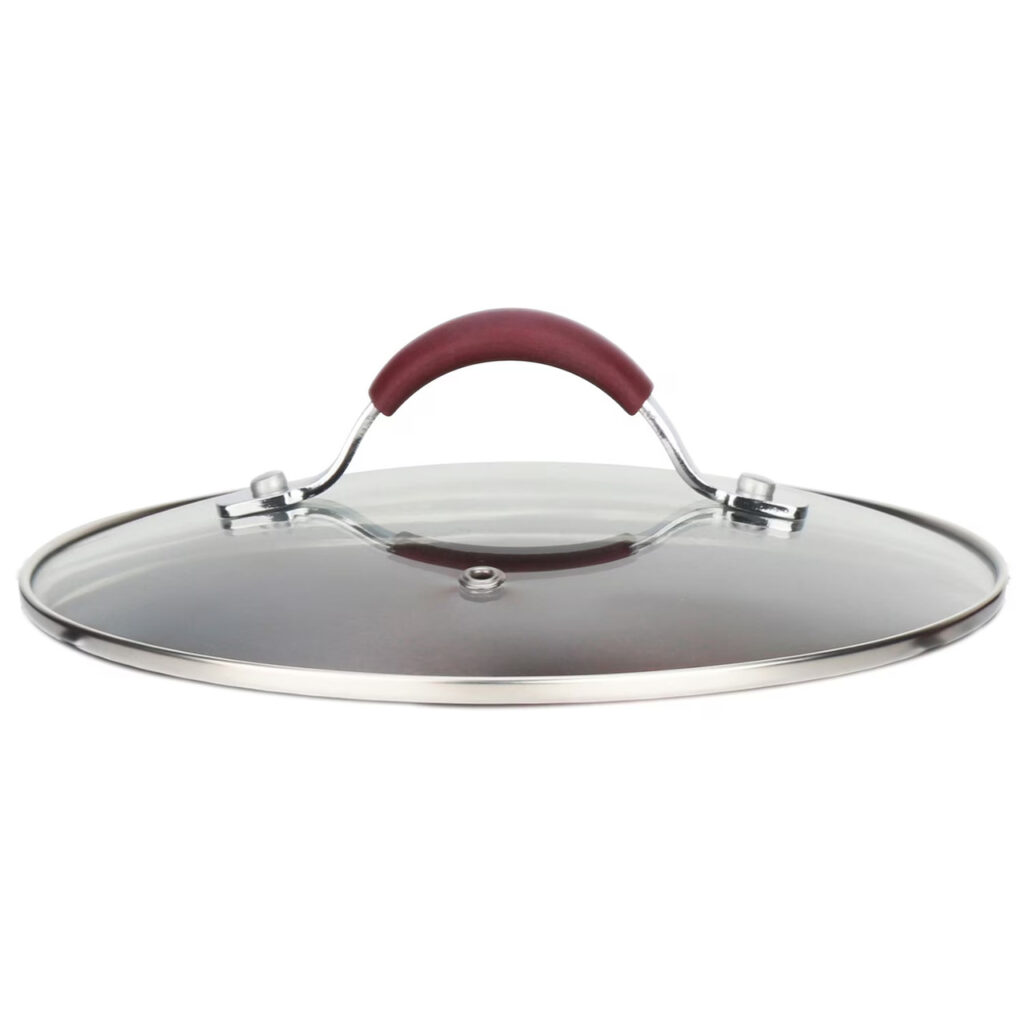
The heavy lid of a Dutch oven plays a central role in how food cooks. As moisture rises, it condenses on the lid and drips back into the pot, keeping food moist without excess liquid. This cycle prevents drying and promotes tenderness, especially in braises and stews. Keeping the lid closed maintains internal temperature and reduces cooking time. Each time the lid is lifted, heat and steam escape, disrupting the process. Letting the pot remain sealed allows ingredients to soften evenly and sauces to thicken naturally without constant attention. Consistent internal conditions help prevent uneven reduction or scorched edges.
7. Moderate Heat Prevents Burning and Improves Control
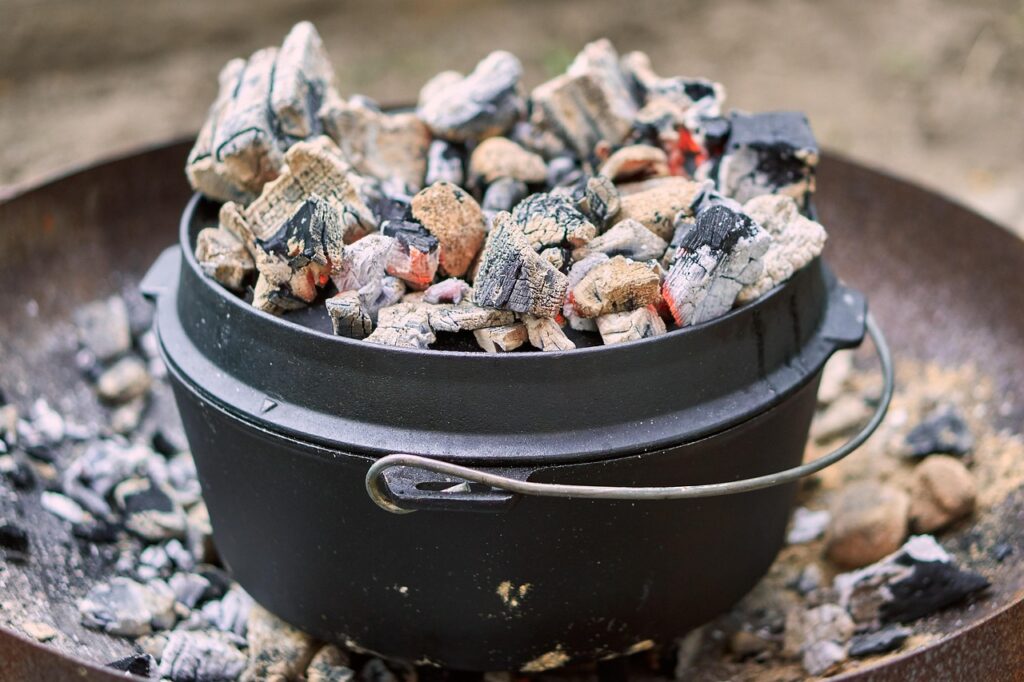
Dutch ovens retain heat so effectively that high flames are rarely necessary. On the stovetop, medium or even low heat is often enough to maintain a simmer or gentle sauté. Excessive heat can cause food to stick or burn before it has time to cook properly. Controlled heat also protects enamel finishes and seasoning layers. When heat is adjusted gradually, the pot responds predictably. This makes it easier to correct seasoning, manage texture, and avoid sudden boil-overs. Letting the Dutch oven do the work leads to more reliable and consistent results. Lower heat also gives cooks more time to react before problems develop.